
celebrity radar - gossips
‘I’ve had sex with more than 400 men in less than Five months’ – Human Trafficing victim, Love John laments

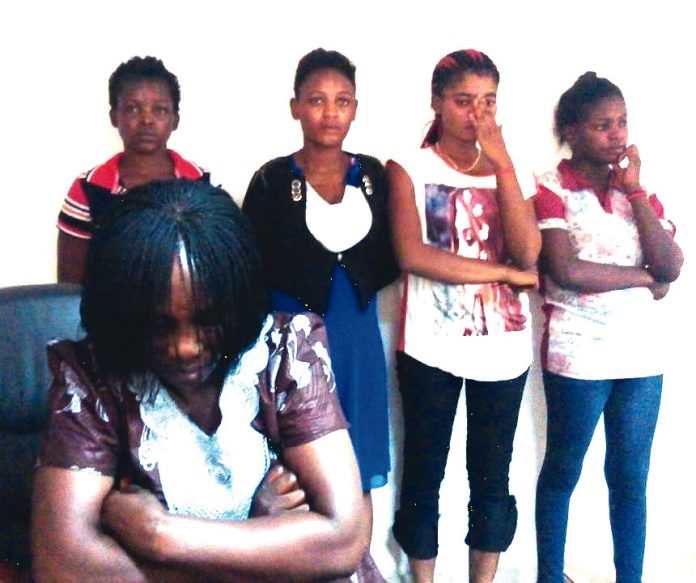

A human trafficking victim, Love John, says she slept with more than 400 men in less than five months in the Sango Ota area of Ogun State.
Love, 22, and her 23-year-old sister, Happiness, were lured into prostitution sometime in January by their eldest sister, Mary.
Mary also tricked a cousin, Joy Lawrence, 25, promising the three ladies that she could give them jobs that would help them make a decent living.
However, by the time they discovered that they had been trafficked, the victims said they had become trapped.
PUNCH Metro learnt that Lawrence and another victim fled the hotel on Monday when they could no longer bear the pain they were subjected to.
Lawrence was reported to have been brought to the Lagos zonal headquarters of the Nigeria Immigration Service, which then stormed the hotel and rescued other victims.
The agency also arrested Mary and the owner of the hotel, one Mrs. Akpojaro Rose, an indigene of Warri, Delta State.
It was learnt that the ladies collected between N500 and N700 per s*x, paid N200 per day for hotel rates, and made about N340,000 in savings within the period.
Narrating her ordeal, Love told our correspondent she did not have any formal education because their father died when they were toddlers.
She explained that her sister lured her into prostitution, saying she slept with an average of four men a day.
She said, “I was learning tailoring in the village. My sister told me she could help me get a job in Lagos; she didn’t tell me that it was prostitution I was coming to do.
After we got to Lagos, she said we should do this (prostitution) job so we can make money to be able to finish my craft as a tailor.
I sleep with about four men in a day and each of them pay me at least N500.”
Her elder sister, Happiness, also said she was not aware she had been trafficked until she arrived in Lagos and was introduced to prostitution.
“I didn’t go to school and I have not learnt any trade. I came to Lagos a few months ago. My sister didn’t tell me this was what I was coming to do in Lagos. She said it was a good job,” she said.
Lawrence, who fled the hotel on Monday, said she was told she would be trading when she left their hometown in Ogoja, Cross River State.
“I ran away because I didn’t like the work. I don’t want to do it again. I never knew this was the job,” the victim said.
But Mary said she did not want to bring her relatives into the trade, adding that she gave in to pressure when they kept asking her to take them to Lagos.
She said, “I came to Lagos with a friend in 2014 and my friend introduced me to this job. We were first using a hotel called Happiness Hotel before we moved to Morning Star Hotel in Sango Ota.
“When I travelled to the village, my sisters started disturbing me that they wanted to follow me to Lagos to go and work.
“When they continued to disturb me, I decided to take them with me; but I didn’t tell them I was into prostitution. I told my mother I was working in a beer parlour.
“Each of us makes N2,500 to N3,000 daily. We sleep with an average of three to four men and they pay between N500 and N700.”
The 32-year-old said from January till May 16 when they were arrested, she had saved N340,000 for the three girls.
She, however, alleged that the hotel was raided by some policemen from the Sango Ota division, whom they settled with N150,000.
The owner of the hotel, Rose, told PUNCH Metro that she gave out rooms to the girls at the rate of N200 per day.
“I warned Mary that the girls were too young, but she didn’t listen to me. I have 15 rooms in my hotel and I have seven girls, who were paying me N200 every day.
If I had children of their age, I will not allow them do this,” she said.
The Assistant Comptroller General of Immigration, Musa Maza, who handed over the victims to the National Agency for the Prohibition of Traffic in Persons and other related matters, said the suspects would be prosecuted at the end of investigations.
He said, “This is a human trafficking case in the form of enslavement and prostitution. The victims were forced into s*x against their wish.
Two of them actually escaped. The whereabouts of one is unknown, but the second victim contacted someone who brought her to the immigration office.
“Parents should be vigilant and wary of those who come for their children asking them to be released in search of greener pastures. We are handing them over to NAPTIP for prosecution. We believe this will serve as a deterrent to those that will want to engage in this useless business.”
Source: PunchNg





Beauty Meets Glamour as Olaide Ogunyemi Opens New Studio in Mushin
Popular Nollywood actress and professional makeup artiste, Olaide Ogunyemi Oluwayemisi aka Damilola, has expanded her footprint in the beauty industry with the grand opening of her new makeup studio in Lagos.
The talented thespian, who is also the Chief Executive Officer of @Dobc_makeovers_andmore, officially unveiled the ultra-modern beauty space last Thursday, April 2, 2026, in a colourful ceremony filled with glamour, fashion, and pageantry.
Strategically located at 101 Palm Avenue, right beside FitPlus and Sparklight Hospital in Mushin area of Lagos, the new studio is designed to offer top-notch beauty services, reflecting Ogunyemi’s commitment to excellence and professionalism in the ever-growing makeup industry.
The opening ceremony attracted friends, colleagues from the Nollywood industry, beauty enthusiasts, and well-wishers who came out in large numbers to celebrate the entrepreneur’s latest milestone. Guests were treated to a vibrant atmosphere that showcased creativity, style, and the evolving standards of the beauty business in Lagos.
Speaking at the event, Ogunyemi expressed her excitement and gratitude, noting that the new studio represents years of hard work, dedication, and passion for her craft. She reaffirmed her commitment to delivering premium beauty services while empowering aspiring makeup artistes.
The launch of the studio further cements her reputation as a dynamic force, successfully blending her career in Nollywood with a thriving beauty brand.
With this latest development, Olaide Damilola Ogunyemi continues to inspire many young entrepreneurs, proving that talent, consistency, and vision remain key drivers of success in Nigeria’s creative and business landscape.


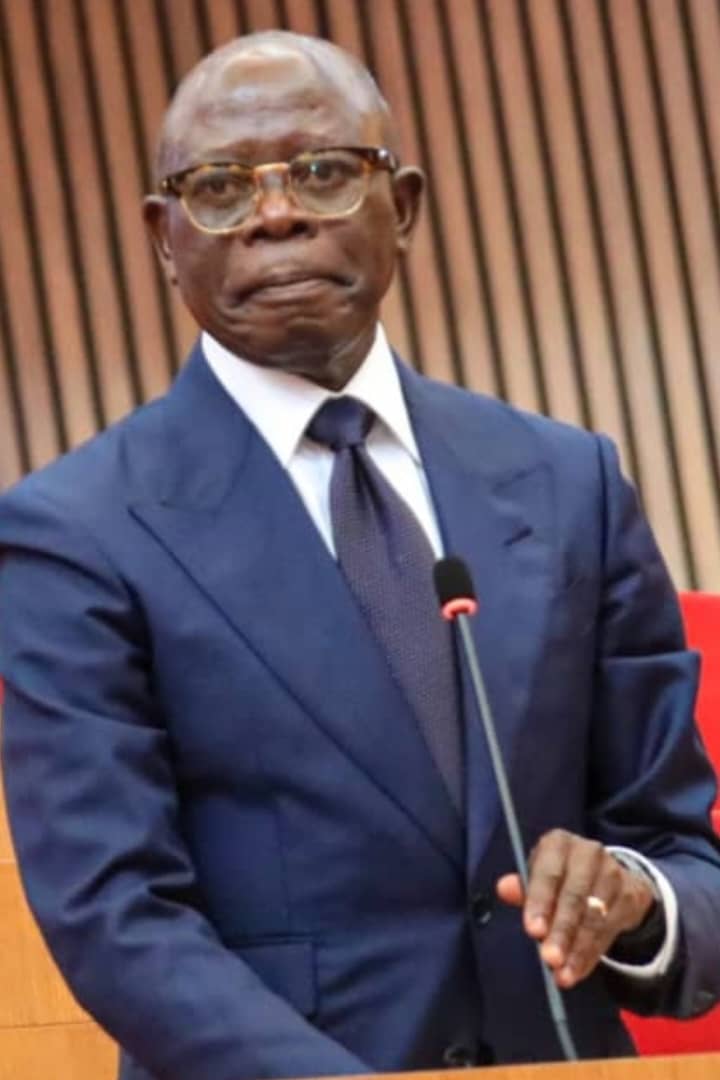
Daniel Eromosele Eulogize Adams Oshiomole as he turns 74 years
Today, I celebrate an exceptional leader, a fearless voice for the people, and a man whose life has remained a symbol of courage, sacrifice, and unwavering commitment to justice—Distinguished Comrade Senator Adams Aliu Oshiomhole.

Your journey has been nothing short of inspiring. From your days as a vibrant labour leader to your impactful tenure as the Executive Governor of Edo State, and now as a respected Senator of the Federal Republic, you have consistently demonstrated what it means to serve with integrity, strength, and purpose. Your contributions to the growth of our nation and the development of Edo State remain indelible and deeply appreciated.
You have not only built structures and institutions but have also built people. I am personally a beneficiary of your leadership, your guidance, and your belief in empowering others. Your influence in my life has been profound, and I remain grateful for the opportunities and inspiration you have given me.
On this special day, I celebrate not just your achievements, but the man you are—resilient, principled, and ever committed to the progress of Nigeria and her people.

May this new year bring you renewed strength, greater wisdom, good health, and more remarkable accomplishments. May your legacy continue to shine brighter with each passing year.
Happy Birthday, sir. Wishing you many more fruitful and impactful years ahead.
celebrity radar - gossips
Accolades to Empress Genevieve Wining as she Celebrate birthday in Grand style

Accolades to Empress Genevieve Wining as she Celebrate birthday in Grand style
Emmanuel Clement
Vilnius, Lithuania – The Grand Hotel Vilnius will host a grand birthday celebration in honor of Her Majesty The Empress Genevieve Wining of the United Kingdom of Atlantis (UKA) on April 4th, 2026.
The four-day event promises to be an extravagant affair, marking the special birthday of Empress Genevieve Wining. The celebration will take place at the prestigious Grand Hotel Vilnius, Lithuania, renowned for its luxurious ambiance and exceptional service.

According to the event flyer, the birthday celebration will be a spectacular occasion, fitting for an empress. Guests can expect an elegant setting adorned with golden accents, sparkling champagne, and festive decorations, creating a regal atmosphere befitting the occasion.
The Empress Genevieve Wining of UKA is expected to grace the event, which will include various festivities and celebrations in her honor. The occasion aims to bring together dignitaries, followers, and guests to commemorate the empress’s birthday with grandeur and joy.
For media inquiries, accreditation, or further information about the birthday celebration of The Empress Genevieve Wining of UKA, please contact the event organizers.
Courtesy of His Excellency Emperor Prof. Solomon Wining. UKA


-

 society7 months ago
Religion: Africa’s Oldest Weapon of Enslavement and the Forgotten Truth
-

 news4 months ago
WHO REALLY OWNS MONIEPOINT? The $290 Million Deal That Sold Nigeria’s Top Fintech to Foreign Interests
-

 society6 months ago
“You Are Never Without Help” – Pastor Gebhardt Berndt Inspires Hope Through Empower Church (Video)
-

 celebrity radar - gossips2 months ago
Dr. Chris Okafor Returns with Power and Fire of the Spirit -Mounts Grace Nation Altar with Fresh Anointing and Restoration Grace on February 1, 2026
You must be logged in to post a comment Login
You must log in to post a comment.