
society
Nigerian Political Parties Lack Ideology” – Joko, Mindshift Convener

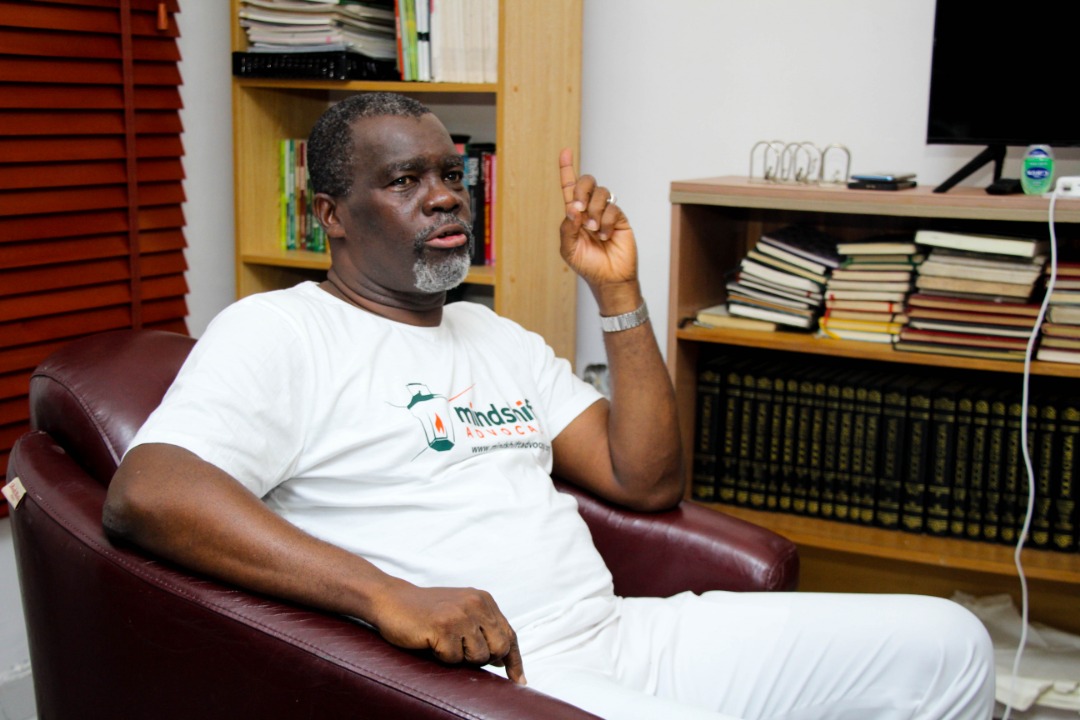
“Nigerian Political Parties Lack Ideology” – Joko, Mindshift Convener
The Convener, Mindshift Advocacy for Development Initiative, Mr. Joko Okupe, has indicted Nigerian political parties for lack of ideological direction. Mr. Okupe made this declaration in a media interaction held recently at the Mindshift corporate office in Ikeja, Lagos.

Fielding questions from the press the Mindshift Convener argues that none of the parties in Nigeria contending and jostling for political power come 2023 is driven on the wheels of ideology. What directs the life and operations of a political party in a democracy, he said, is ideology. Ideology is the bulwark of the party’s culture. It stands tall as the oil or blood that runs the engine of the party and directs the actions of both the party officials and the membership.
According to Mr. Okupe, “Ideology consists of the common beliefs, values, and norms of the party directed at defining the kind of society a party plans to build. It comes from a common vision designed by the party as a roadmap to the society in view. Ideology forms the operating framework from where the political parties draw their inspirations and strategies which are encapsulated into manifestoes and agendas and subsequently communicated to the public through their campaign communications. But can we say the parties have any ideological direction? How, for instance, can you distinguish APC from PDP. Because the parties lack ideology, so there are no distinctions in their manifestoes. Every party appears to be saying the same thing about: building infrastructure, providing youth employment, providing good health care and good education. But we know it is the same thing they have been saying since 1999”.
Speaking further about the Nigerian state and the type of leader Nigerians will expect come 2023 he said, “There is no political party in Nigeria today you can say is a shining example of what a political party should be. They all lack ideology. We are in a Nigerian state variously described by political scientists as predatory, prebendal, parasitic, patrimonial, neo-patrimonial, crony, kleptocratic, venal, greedy, etc., that has created a crop of leaders who in themselves are selfish and do not understand their own historical mission. Under this situation he posited that we need a certain kind of leader. “We need a leader who is sufficiently knowledgeable about the task ahead, and understands the context behind Nigeria’s current historical trajectory, and would be ready to tackle it headlong. We need a leader who is bold, brave, and courageous – who can break the bounds of our stranglehold. A leader who understands the need to build cohesion in a multiethnic and multicultural society. We need someone who can confront orthodoxy and demolish our fault lines without diminishing our disparate cultural and ethnic values. Such a leader needs to have a clarity of his vision and how he wants to achieve it. I have not seen much of that in the present crop of party contenders for the post of the president in 2023.”
Speaking on the solution to the Nigerian leadership problem, he said that Nigeria needs an upgrade in the reformulation of the state, the leadership class, and the citizens. The state is malfunctioning because of its hackneyed structure which tilts towards centrality and unitary-federalism. That is an aberration in a multiethnic and multicultural state. The leaders are selfish and visionless, attracted only by the fancy of their kleptomaniac tendencies. They do not understand the very purpose of life, and hence can hardly understand the essence of leadership. The followers are famished and lack the understanding of what liberal democracy is all about. In the most part, they lack enough knowledge to appreciate that they are actually the king while the politicians are their servants. They mistake the concept of leadership in a political setting with the concept of kingship in a traditional setting; and this makes them subservient to the politicians who should be accountable to them. This contradiction makes democracy difficult to practice in Nigeria. Under this scenario the politicians weaponize poverty as an instrument of domination against the citizens.
Following this, Mr. Okupe advocates for the mass enlightenment of the political class and the citizens. For him, both the political class and the citizens are under bondage, and need to be enlightened so that they can be liberated to develop the country, without which Nigeria remains undeveloped for eve. This is the reason he convened the Mindshift movement.
Explaining further, Mr. Okupe said that, “Mindshift Advocacy Initiative for Development was created out of the vision and understanding that our response to whatever situation we find ourselves, either in our individual terrain, group terrain or national terrain, is directly a result of how we think. The bible says, as a man thinks in his heart so he is or becomes. So, if we understand that, we will all push for a Mindshift or a change of how we think. That is what will actually move us away from where we are now. So, the Mindshift movement is actually focused on shifting mind-sets from negative to positive. It is a non-governmental and non-partisan organization. It is focused on redirecting the mind-set of Nigerians from the route of destruction in every area of lives. “If a man wants to be destructive or disruptive, it is through the power of his mind.”
“There is so much capacity in the power of the mind that the way and manner that the mind is directed determines a man’s outcome. Even for us, as a lesson, other nations of the world are doing incredibly well is due to the different mind-sets that they have. The average Nigerian mindset is anti-progress and anti-development. How can we have progress and development without working on the re-orientations of the mindset we have? Even when government decides to run a campaign on changing attitudes, the success will depend on how people think.” We must have that clear understanding. That essentially is the mandate of the Mindshift advocacy.
Joko Okupe who is a brand management and marketing communications expert of about 35 years, and who has consulted for many globally reckoned organisations, is set to bring that knowledge and experience to the front burner in the management of the Mindshift advocacy, with the sole aim of galvanizing the Nigerian people to a new way of thinking and reasoning that will lift this country from one milestone of development to a higher milestone of development.




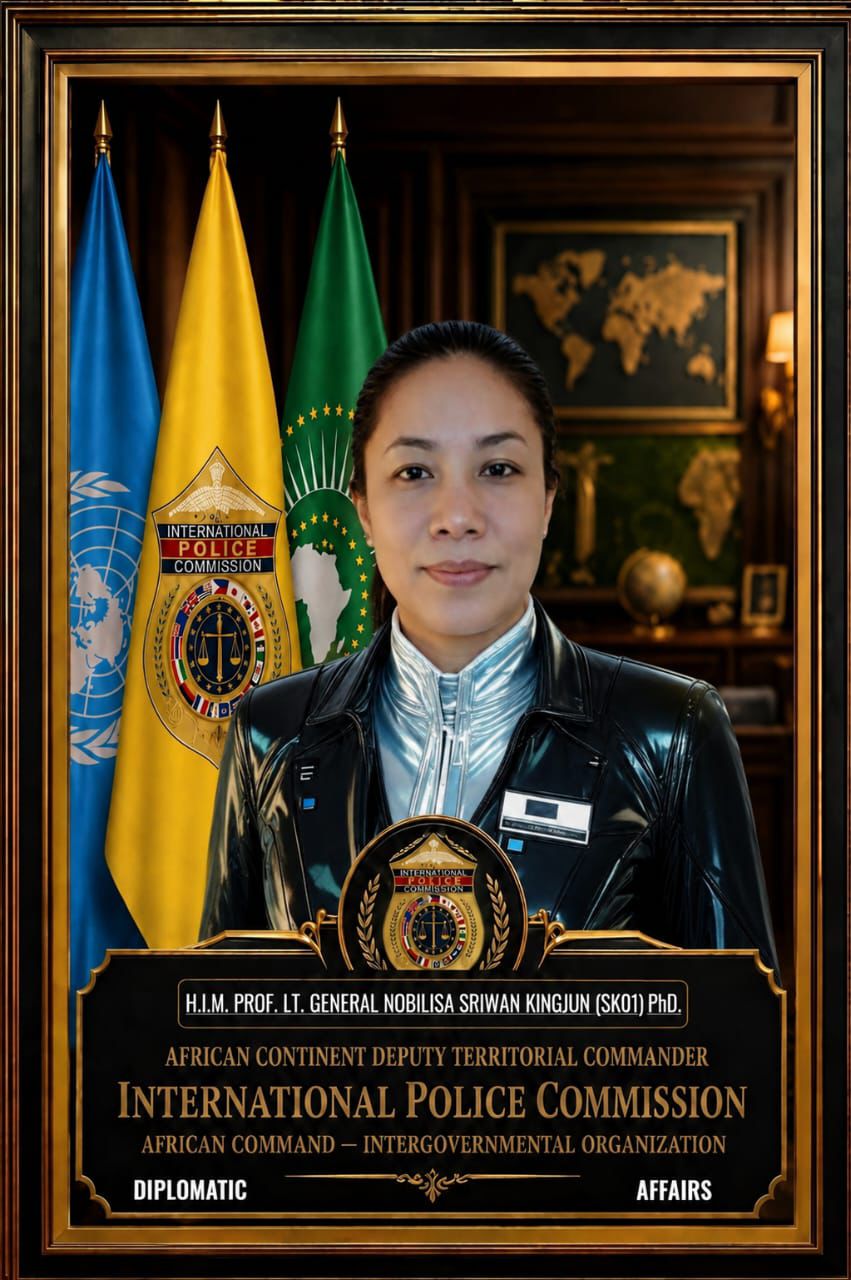
UKA Gears Up for Final ATC Exchangeability Test Run as June Preparations Begin.
May 30, 2026 – As the month of June gathers momentum, the *United Kingdom of Atlantis, UKA*, a sovereign nation has unveiled a series of vital guidelines and preparatory packages to ensure citizens and stakeholders run the *ATC Exchangeability* process effectively.
In an official update, the *President of Atlantic Crown Limited, Empress of Attica Empire UKA*, confirmed that the *Final Test Run of ATC Exchangeability* is scheduled for the month of June 2026. The exercise marks a key phase ahead of the *Official Exchangeability Window, set to run from July 2026 to February 2027*.
### Key Highlights from the Presidential Briefing
1. *Final Test Run – June 2026*
The test run is designed to validate systems, procedures, and user readiness before full activation. Citizens, partners, and designated participants are urged to follow all official advisories released by UKA authorities during this period.
2. *Official Exchangeability Period*
Following the successful completion of the June test run, the Official Exchangeability will commence in july 2026 and we are Expecting Full Exchange ability between July Ending, 2026 to February 2026.
UKA stated that detailed schedules, eligibility requirements, and step-by-step instructions will be communicated progressively through verified UKA channels.
3. *Benefiting Packages for June*
In line with UKA’s commitment to citizen empowerment, the month of June will feature “benefiting packages” aimed at education, preparation, and seamless onboarding. These packages are intended to equip the people of UKA with the knowledge and tools needed for effective participation.
4. *Commitment to Transparency*
Addressing the nation, the Empress of Attica Empire UKA emphasized:
_“Final Test Run of ATC Comes up in The Month of June, As We Prepare For The Official Exchangeability, Between July 2026 To Feb 2027. All Information Will Be Communicated.”_
UKA reaffirmed that only information released through official UKA platforms should be regarded as authoritative.
The United Kingdom of Atlantis is encouraging all citizens, representatives, and interested parties to remain alert to official communications, attend designated orientation sessions, and avoid unofficial sources. UKA’s dedication to order, clarity, and the collective benefit of its people as the nation moves into this significant phase.
For updates, advisories, and participation guidelines, citizens are advised to monitor official UKA communication channels.
United Kingdom of Atlantis, UKA, is a sovereign nation, committed to national development, citizen welfare, and structured economic participation through initiatives such as ATC Exchangeability.
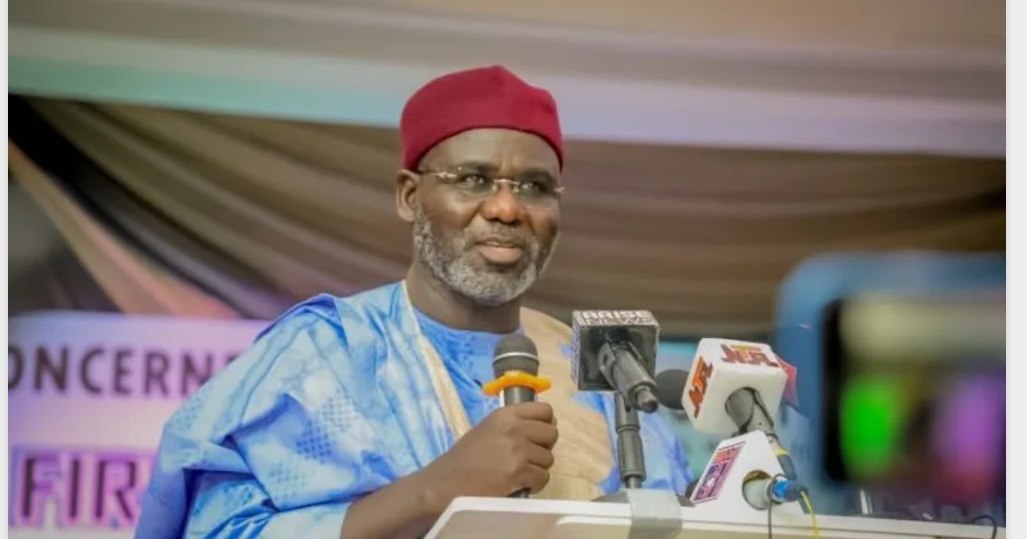
Three Years On, General Buratai Hails Tinubu’s Economic, Security Achievements
Former Chief of Army Staff, Lt. Gen. Tukur Buratai (retd.), has commended President Bola Ahmed Tinubu for what he described as bold economic reforms and improved security efforts as the President marks three years in office.
In a goodwill message on Thursday to commemorate Tinubu’s third anniversary as President and Commander-in-Chief of the Armed Forces, Buratai said the administration had taken courageous decisions that would leave a lasting impact on Nigeria’s development.

According to him, President Tinubu broke a long-standing cycle that had hindered national growth by removing fuel subsidy and implementing foreign exchange reforms aimed at stabilising the naira and strengthening the economy.
He noted that the reforms were beginning to yield positive results, citing the global acceptance of Nigerian debit cards, the gradual revival of local refineries, access to student loans, and ongoing road and infrastructure projects across the country.
“The FCT Administration has also recorded remarkable progress, completing major road projects that remained unfinished for over 16 years,” Buratai stated.
The former army chief also praised the administration’s security efforts, saying renewed military offensives against insurgents, terrorists and bandits had led to notable successes across various parts of the country.
He specifically lauded recent joint operations involving Nigerian and United States forces against Boko Haram and ISWAP in the North-East, as well as intensified counter-banditry operations in the North-West.
“We have seen notorious ISWAP commanders being neutralised. I congratulate the Commander-in-Chief, the Minister of Defence, the Chief of Defence Staff, the Service Chiefs, the Inspector-General of Police and heads of intelligence agencies for their efforts,” he said.
Buratai, however, acknowledged that challenges remained, stressing the need for more aggressive military operations and intelligence-driven strategies in the coming year.
While urging Nigerians to remain hopeful, he said celebrating the President’s achievements did not amount to ignoring the difficulties facing the nation.
“Because you truly care, you have shown the courage to trade short-term comfort for long-term hope. Nigerians need your reassurances, and that is why we remain optimistic and full of confidence,” he added.
The retired military officer reaffirmed his support for the Tinubu administration and expressed confidence that the foundation being laid by the government would deliver a brighter future for the country.
He also prayed for God’s guidance, wisdom, strength and good health for the President as he continues to lead Nigeria.
NUT Raises Alarm Over Continued Captivity of Abducted Oyo Pupils, Teachers
The Nigeria Union of Teachers has expressed deep concern over the continued captivity of pupils and teachers abducted during an attack on schools in the Ahoro-Esinle and Yawota communities in Oriire Local Government Area of Oyo State.
In a statement issued on Saturday, the Oyo State wing of the union described the situation as increasingly distressing, particularly following the emergence of a video allegedly released by the abductors showing the victims pleading for their freedom.
The union said the footage had heightened fears over the welfare of the abducted pupils and teachers, describing their ordeal as heartbreaking and unacceptable.

According to the NUT, no child or teacher deserves to be subjected to such traumatic experiences, adding that the prolonged captivity of the victims has continued to inflict psychological pain on their families, colleagues and the wider education community.
The union called on the Federal Government, Oyo State Government and relevant security agencies to intensify efforts towards securing the immediate and safe release of the victims.
“This is not a moment for hesitation. It is a moment for coordinated, intelligence-driven efforts to ensure the immediate and safe release of all abducted pupils and teachers,” the statement read.
While acknowledging ongoing interventions by security agencies and government authorities, the union stressed that time was of the essence, warning that every additional day in captivity deepens the trauma suffered by the victims.
The NUT urged security operatives to strengthen surveillance, improve community intelligence gathering and deploy all necessary operational and diplomatic measures to facilitate the rescue of the abductees.
It also appealed to traditional rulers, community leaders and residents to support rescue efforts by providing credible information that could assist security agencies.
“The safety of our children and teachers must remain a collective priority,” the union stated.
Reaffirming its support for the families of the victims, the NUT pledged continued solidarity and prayers while advocating safer learning environments across the country.
The statement was jointly signed by the Chairman of the Oyo State NUT, Comrade Hassan Ajibola Fatai, and the Secretary, Comrade Salami Olukayode.


- Afreximbank Deepens Commitment to Economic Progress in The Bahamas June 1, 2026
- African Electric Vehicle (EV) platform Spiro raises $215M in equity to scale electric mobility and energy infrastructure across Africa June 1, 2026
- Africa Centres for Disease Control and Prevention (Africa CDC) Statement on Attacks Against Health Facilities During the Bundibugyo Virus Disease Response in the Democratic Republic of the Congo June 1, 2026
- Putting consumers at the centre of Africa’s dairy transformation June 1, 2026
- International Rescue Committee (IRC) warns Democratic Republic of the Congo (DRC) Ebola outbreak likely far larger than official figures suggest June 1, 2026
- South Africa: Portfolio Committee on Health Marks National Cancer Survivor Day and Reaffirms Importance of Early Detection and Public Awareness June 1, 2026
- Rwanda’s RSSB Tigers Crowned 2026 Basketball Africa League Champions June 1, 2026
- Uganda: Appointments Committee Begins Vetting of Ministerial Nominees June 1, 2026
- Sudan braces for worsening child malnutrition as pre-harvest season starts June 1, 2026
- Etu Energias Strengthens Angolan Footprint, Returns to Angola Oil & Gas (AOG) 2026 as Champion Sponsor June 1, 2026
- Afreximbank Deepens Commitment to Economic Progress in The Bahamas June 1, 2026
- African Electric Vehicle (EV) platform Spiro raises $215M in equity to scale electric mobility and energy infrastructure across Africa June 1, 2026
- Africa Centres for Disease Control and Prevention (Africa CDC) Statement on Attacks Against Health Facilities During the Bundibugyo Virus Disease Response in the Democratic Republic of the Congo June 1, 2026
- Putting consumers at the centre of Africa’s dairy transformation June 1, 2026
- International Rescue Committee (IRC) warns Democratic Republic of the Congo (DRC) Ebola outbreak likely far larger than official figures suggest June 1, 2026
- South Africa: Portfolio Committee on Health Marks National Cancer Survivor Day and Reaffirms Importance of Early Detection and Public Awareness June 1, 2026
- Rwanda’s RSSB Tigers Crowned 2026 Basketball Africa League Champions June 1, 2026
-

 news6 months ago
WHO REALLY OWNS MONIEPOINT? The $290 Million Deal That Sold Nigeria’s Top Fintech to Foreign Interests
-

 society4 weeks ago
SOCIAL MEDIA IS NOT A BATTLEFIELD COMMAND – WHY THE NIGERIAN ARMY’S ACTION AGAINST JUSTICE CRACK IS A NATIONAL SECURITY IMPERATIVE
-

 celebrity radar - gossips4 months ago
Dr. Chris Okafor Returns with Power and Fire of the Spirit -Mounts Grace Nation Altar with Fresh Anointing and Restoration Grace on February 1, 2026
-

 celebrity radar - gossips6 months ago
Prophet Kingsley Aitafo Releases 2026 Prophecy: ‘Nigeria Will Rise, but the World Must Prepare for Turbulence’