
celebrity radar - gossips
OF CITY PEOPLE’s LIES ( OPINION)

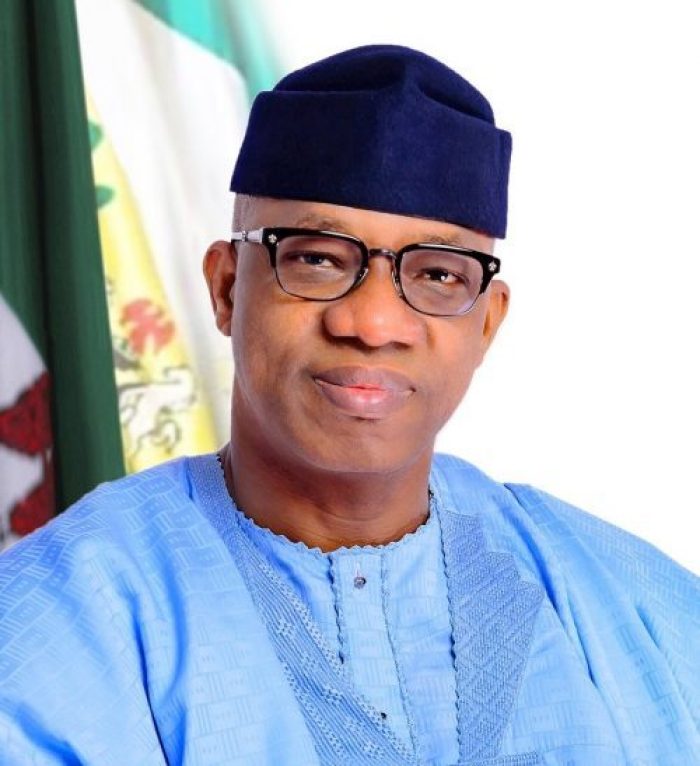
OF CITY PEOPLE’s LIES ( OPINION)
Some men are like sunshine, they illuminate the faces; some men are like the rain, they make people grow; some are like hurricane, they wreak havoc, and yet others are like the flood, they destroy everything on their path – Chinese proverb
In spite of the futility of the efforts to disparage the Governor of Ogun State, Prince Dapo Abiodun by its traducers, the poorly-written and disjointed piece titled, “WHY MANY OGUN POLITICIANS ARE ANGRY WITH GOV. ABIODUN” in the 22 November, 2021 of the City People Magazine was a part of the media onslaught that was masterminded to up the ante. This is more so because of its timing to coincide with a critical period of projecting the image of those who are interested in the “Oke Mosan 2023”. Whereas, there is no vacancy.
They tried in the past and failed. This is God’s project and from the look of things, it seems the hack writers are bellyaching over the rising profile of Prince Abiodun and the series of reports by more competent researchers, verifiable pundits and writers who averred that the governor deserves a second term.
Since the failed attempt to scuttle the mandate bestowed on Prince Abiodun in April 2019 at the polls and in court and the pull-him-down tactics of opposition elements (even within the All Progressives’ Party in the State) could not hold water and recent opinion polls by major newspapers and platforms suggest the governor was on a roller coaster back to Oke Mosan in 2023, some politicians have not had any rest.
Interestingly, to the utter consternation of its sponsors, the energy and resources invested in the project amounted to a sheer waste of time. At best, it was akin to shaking the giant Olumo Rock to gain dewdrops. The rock remains strong and unscathed by the undiluted lies and half-truths that are strewn throughout the putrid piece. Well, the magazine is a soft-sell magazine: it is only an unserious person that will write a supposedly serious political piece in it.
The pathetic piece opened with, “These days, in Ogun State, when you see politicians gather in twos and threes, most of the time, their topic of discussion is usually about Gov. Dapo Abiodun, the Ogun State Governor.” This is a pedestrian statement without a supporting fact or figure. Visibly, it is deliberately concocted to suit the false narrative. The writer continued: “They argue that to enable the governor win in 2019, he promised many groups who worked for him and those who collaborated with him, things that he has not fulfilled.,” “Why many politicians are angry is also because all the far-reaching changes he promised when he came in have not been fulfilled. For instance, he promised to correct all the shortcomings of his predecessors (Amosun) in terms of reaching out to party faithful at the Wards and local government levels, but he has abandoned them, with the effect that a lot of party members at the various levels have become very frustrated. Even the elders of the party are unhappy too.” This clearly shows the handiwork of some disgruntled politicians who want the Governor to place politicians above the good people of the state who have elected him and, that, he is responsible to. It is time we separated politics from serving the good people of a state who deserve to enjoy the dividends of democracy.
Unlike the respected ThisDay newspaper that published “Opposition Bellyaching, Abidoun deserves a second term” or “Abiodun: Boardroom as a Political Tactician” published by the authoritative Cable newspaper or even the empirical vox pop titled “Dapo Abiodun deserves second term, say Ogun residents” conducted by Hassan Muaz first published by Eagleonline and widely syndicated across many political journals and online platforms globally, the hack writer laboured in vain to put a name to all insinuations made.
Discursively, taking the recurrent phrase “they say” into consideration, it is crystal clear that the piece is predicated on hearsay/beer-parlour gist. Additionally, by the writer’s jaundiced conclusion that, “For quite some time now, Amosun has emerged as the alternative governor in the state. He is the one that party members go to for support. His Abeokuta GRA house has been turned into a Mecca, as he attends to the requests of people on a daily basis. At festive periods, his house is where party faithful go to and they usually leave with goodie bags of basic human needs for their families.” shows their failed attempt at branding the power-wrestling former Governor of Ogun State and the packaging of Hon. Ladi Adebutu all in a futile attempt to project the name of their candidate in the media.
One wonders where the alienation theorists got their hypothesis from? They further claim that “even his Commissioners & Special Advisers find it difficult to reach him on important matters. They say he only sees those he wants to see. Part of the allegation is that he does not give them free hand to do anything and he has not empowered them financially to spend when they need to, on the running of their offices”.
Of course, the Commissioners are on the same page with their principal who understands that their welfare is of essence. All the Governor’s team meet him, at least once in a week for State Executive Council meeting and anytime any matter of urgent importance arises, they have unfettered access to the principal. To state that they are not empowered is a misnomer. Ogun State has owed no salary under Prince Abiodun and they all receive other pecks like monthly allowances, office imprests, running cost and other ancillary benefits that they deserve. If the writer wants the Governor to open the State vault for his appointees so that they can slot in corruption charges against the governor they will wait in vain for the man that lay in wait by the river to see when the crab will sleep!
The mission is clear to sow a seed of discord between the members of the APC which the Governor is ably leading, rip apart the successful inclusive governance which all politicians, administrators, statesmen, professionals, industrialist, market women and women, as well as youths, students and opinion leaders have keyed into to have easy access to the people’s commonwealth. No, it won’t work.
From the foregoing, a lesson is visible: the project failed partly because it was deceitful and an overkill. The piece dropped without a whimper. The social media that should have ordinarily buzzed ignored it like a plague.
Also, every incident is always either a blessing or a lesson. The Governor, Prince Dapo Abiodun has every reason to consider it a blessing on the one hand for having free publicity. As it happens in literary and other criticisms, every criticism ultimately is an indirect projection of its object. The most criticized works ultimately become the most popular and the critics of the Governor have to be thanked for contributing to the prominence and visibility the Governor enjoys.
Finally, as usual, they have failed again at their attempt to drag the white garment of the Governor through the mire. Afterall, no one stones a tree that bears sour fruits but everyone stones the tree that bears tasty fruits. Abiodun is a tasty fruit, it is no surprise that detractors would not give him a breathing space.
Again, the writer LIED




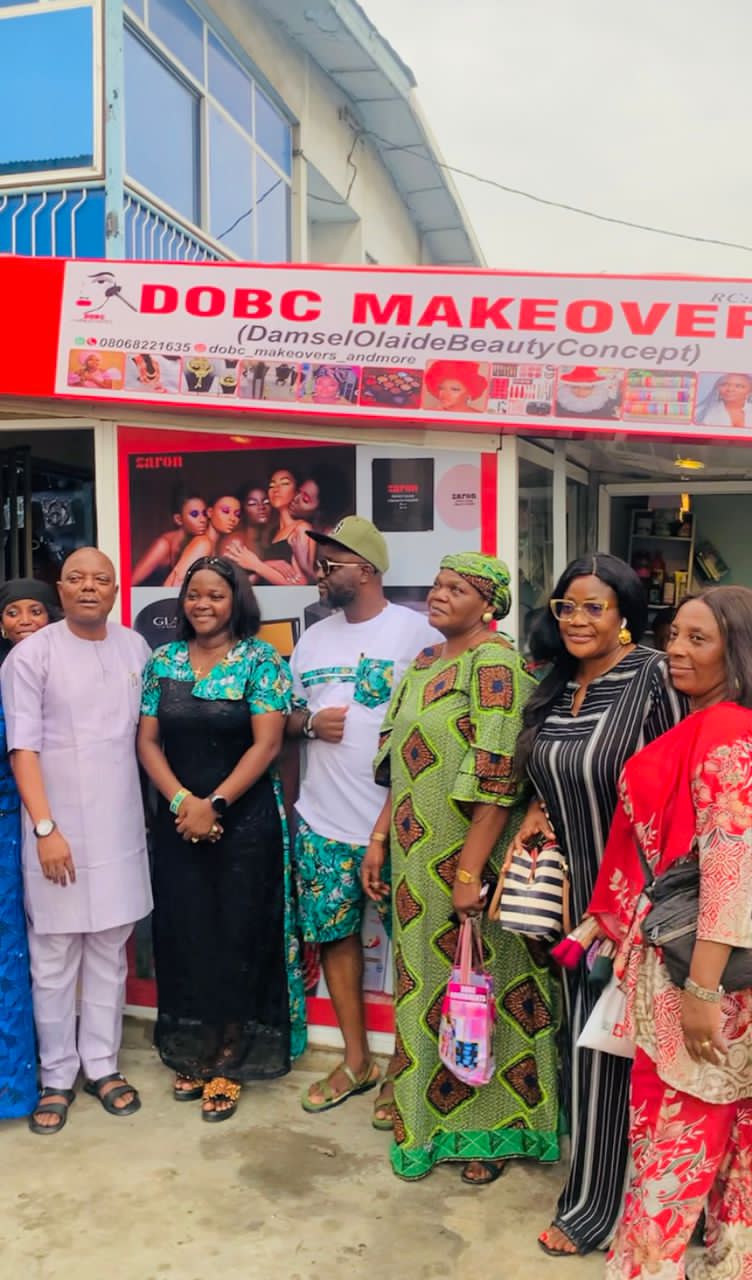
Beauty Meets Glamour as Olaide Ogunyemi Opens New Studio in Mushin
Popular Nollywood actress and professional makeup artiste, Olaide Ogunyemi Oluwayemisi aka Damilola, has expanded her footprint in the beauty industry with the grand opening of her new makeup studio in Lagos.
The talented thespian, who is also the Chief Executive Officer of @Dobc_makeovers_andmore, officially unveiled the ultra-modern beauty space last Thursday, April 2, 2026, in a colourful ceremony filled with glamour, fashion, and pageantry.
Strategically located at 101 Palm Avenue, right beside FitPlus and Sparklight Hospital in Mushin area of Lagos, the new studio is designed to offer top-notch beauty services, reflecting Ogunyemi’s commitment to excellence and professionalism in the ever-growing makeup industry.
The opening ceremony attracted friends, colleagues from the Nollywood industry, beauty enthusiasts, and well-wishers who came out in large numbers to celebrate the entrepreneur’s latest milestone. Guests were treated to a vibrant atmosphere that showcased creativity, style, and the evolving standards of the beauty business in Lagos.
Speaking at the event, Ogunyemi expressed her excitement and gratitude, noting that the new studio represents years of hard work, dedication, and passion for her craft. She reaffirmed her commitment to delivering premium beauty services while empowering aspiring makeup artistes.
The launch of the studio further cements her reputation as a dynamic force, successfully blending her career in Nollywood with a thriving beauty brand.
With this latest development, Olaide Damilola Ogunyemi continues to inspire many young entrepreneurs, proving that talent, consistency, and vision remain key drivers of success in Nigeria’s creative and business landscape.


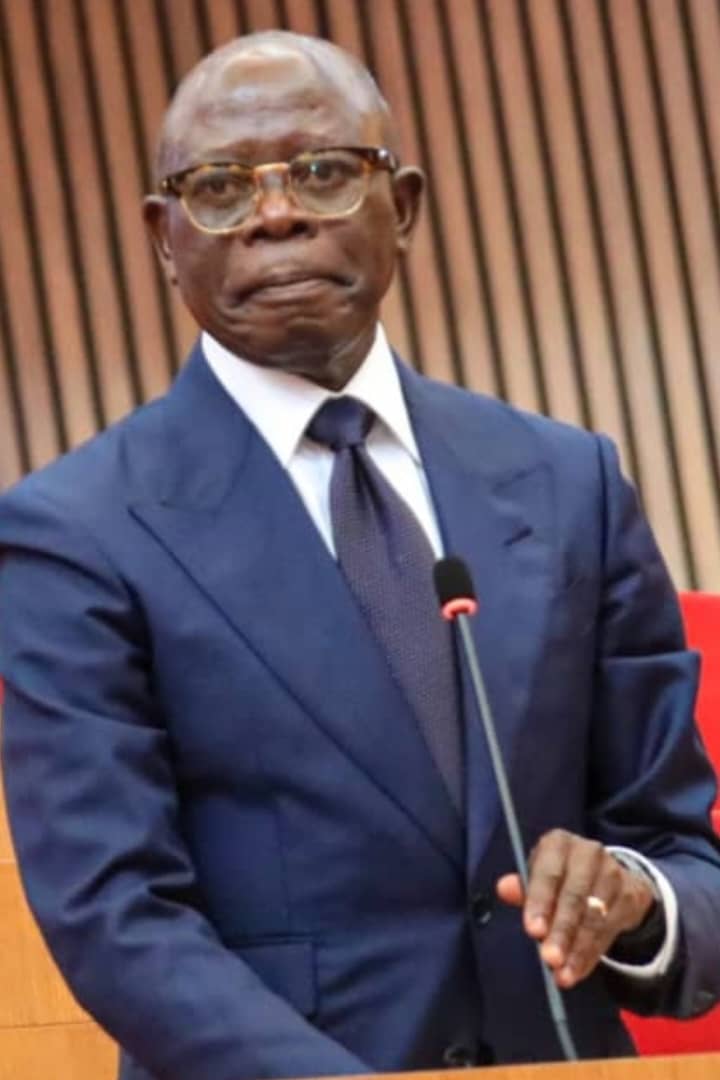
Daniel Eromosele Eulogize Adams Oshiomole as he turns 74 years
Today, I celebrate an exceptional leader, a fearless voice for the people, and a man whose life has remained a symbol of courage, sacrifice, and unwavering commitment to justice—Distinguished Comrade Senator Adams Aliu Oshiomhole.

Your journey has been nothing short of inspiring. From your days as a vibrant labour leader to your impactful tenure as the Executive Governor of Edo State, and now as a respected Senator of the Federal Republic, you have consistently demonstrated what it means to serve with integrity, strength, and purpose. Your contributions to the growth of our nation and the development of Edo State remain indelible and deeply appreciated.
You have not only built structures and institutions but have also built people. I am personally a beneficiary of your leadership, your guidance, and your belief in empowering others. Your influence in my life has been profound, and I remain grateful for the opportunities and inspiration you have given me.
On this special day, I celebrate not just your achievements, but the man you are—resilient, principled, and ever committed to the progress of Nigeria and her people.

May this new year bring you renewed strength, greater wisdom, good health, and more remarkable accomplishments. May your legacy continue to shine brighter with each passing year.
Happy Birthday, sir. Wishing you many more fruitful and impactful years ahead.
celebrity radar - gossips
Accolades to Empress Genevieve Wining as she Celebrate birthday in Grand style

Accolades to Empress Genevieve Wining as she Celebrate birthday in Grand style
Emmanuel Clement
Vilnius, Lithuania – The Grand Hotel Vilnius will host a grand birthday celebration in honor of Her Majesty The Empress Genevieve Wining of the United Kingdom of Atlantis (UKA) on April 4th, 2026.
The four-day event promises to be an extravagant affair, marking the special birthday of Empress Genevieve Wining. The celebration will take place at the prestigious Grand Hotel Vilnius, Lithuania, renowned for its luxurious ambiance and exceptional service.

According to the event flyer, the birthday celebration will be a spectacular occasion, fitting for an empress. Guests can expect an elegant setting adorned with golden accents, sparkling champagne, and festive decorations, creating a regal atmosphere befitting the occasion.
The Empress Genevieve Wining of UKA is expected to grace the event, which will include various festivities and celebrations in her honor. The occasion aims to bring together dignitaries, followers, and guests to commemorate the empress’s birthday with grandeur and joy.
For media inquiries, accreditation, or further information about the birthday celebration of The Empress Genevieve Wining of UKA, please contact the event organizers.
Courtesy of His Excellency Emperor Prof. Solomon Wining. UKA


-

 society7 months ago
Religion: Africa’s Oldest Weapon of Enslavement and the Forgotten Truth
-

 news4 months ago
WHO REALLY OWNS MONIEPOINT? The $290 Million Deal That Sold Nigeria’s Top Fintech to Foreign Interests
-

 society7 months ago
“You Are Never Without Help” – Pastor Gebhardt Berndt Inspires Hope Through Empower Church (Video)
-

 celebrity radar - gossips2 months ago
Dr. Chris Okafor Returns with Power and Fire of the Spirit -Mounts Grace Nation Altar with Fresh Anointing and Restoration Grace on February 1, 2026