
news
How to Improve the Outlook of an Old Building for Business Purposes in Nigeria by Dennis Isong

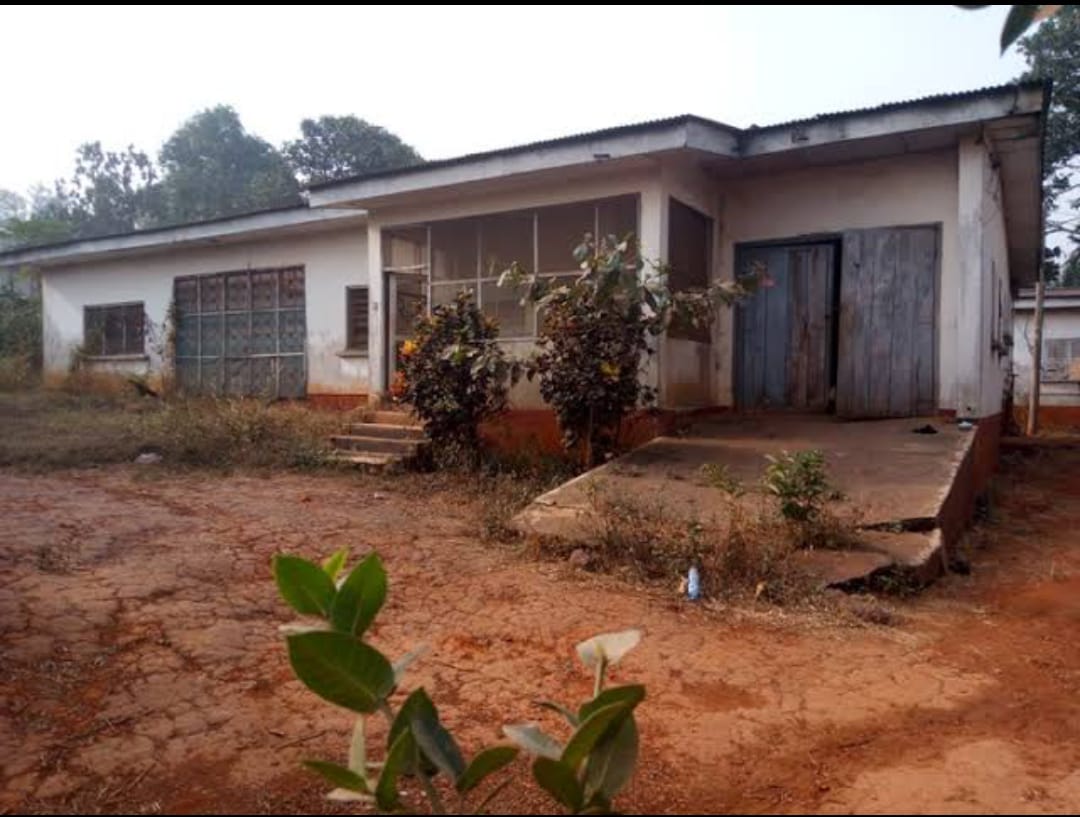
How to Improve the Outlook of an Old Building for Business Purposes in Nigeria by Dennis Isong
Sahara Weekly Reports That In Nigeria, many businesses are housed in older buildings due to their affordability, strategic location, or historical value. However, these buildings often require significant upgrades to be visually appealing and functional for modern commercial purposes. Revamping an old building can greatly improve its commercial viability, attract tenants or customers, and boost business operations.

Improving the outlook of an old building doesn’t always require a full-scale renovation; strategic enhancements can offer significant improvements. In this article, we will discuss practical steps to improve the aesthetics and functionality of an old building for business purposes in Nigeria.
1. Do a Building Assessment
Before embarking on any improvement project, a thorough assessment of the building’s current state is essential. This evaluation should cover both the exterior and interior, identifying areas that need repair or replacement.
Ensure the building is structurally sound. Look for cracks, water damage, or foundation problems. Consult a structural engineer if necessary.
Outdated wiring or plumbing can be hazardous. Have professionals inspect these systems and update them to meet modern safety standards.
Consider how the building’s design, façade, and layout affect its appearance. Does it look old and outdated? Could minor cosmetic changes make a significant difference?
Once the assessment is complete, prioritize repairs based on necessity and budget.
2. Enhance the Façade
The exterior of the building is the first thing customers or tenants see, and its condition can impact first impressions. Improving the façade should be a key focus in your project to modernize the building. In Nigeria’s competitive business environment, a visually appealing exterior can make a huge difference in attracting clients.
One of the simplest and most effective ways to improve the outlook of an old building is through a fresh coat of paint. Opt for modern, neutral colors that suit the business type. Vibrant accents can add character and appeal.
Outdated or damaged windows and doors can make a building look dilapidated. Install modern glass windows and sleek doors that complement the new look.
Invest in modern, high-quality signage. Ensure it is visible, well-lit, and reflects the brand image.
A well-maintained lawn, trees, or flower beds can enhance the curb appeal of your building. Consider adding potted plants or small garden areas, especially in urban areas where green spaces are scarce.
3. Modernize the Interior Design
Once you’ve addressed the building’s exterior, focus on transforming the interior to meet the needs of modern businesses. Outdated layouts or designs can deter potential tenants or customers, especially in sectors like retail, hospitality, or offices.
Many modern businesses prefer open, flexible spaces. If possible, remove unnecessary partitions or walls to create an open, airy environment.
Upgrade old lighting systems to energy-efficient LED lights. A combination of natural and artificial lighting enhances visibility and can make a space feel larger.
Use modern furniture that is functional and aesthetically pleasing. Opt for ergonomic chairs and sleek desks if you’re creating an office space. The décor should also reflect the brand and business type.
Old, worn-out flooring can diminish the building’s appeal. Consider replacing it with durable, stylish options like polished concrete, laminate, or tile.
In Nigeria’s hot climate, proper ventilation and air conditioning are essential for creating a comfortable business environment. Ensure that HVAC systems are in good condition or upgrade them if necessary.
4. Upgrade Energy Efficiency
Energy costs in Nigeria can be a significant expense for businesses, especially when dealing with older buildings that were not designed with modern energy-efficiency standards. Upgrading the building’s energy efficiency not only reduces operational costs but also makes the property more attractive to eco-conscious tenants.
Proper insulation can significantly reduce the need for excessive air conditioning. Install insulation in the roof, walls, and floors to regulate indoor temperatures.
Consider installing solar panels to supplement the electricity supply, reducing dependency on the grid. Solar energy is becoming increasingly popular in Nigeria as a way to offset high electricity costs.
Use double-glazed windows to minimize heat loss and reduce the need for constant air conditioning.
Installing smart thermostats allows tenants to control the temperature more efficiently, reducing energy waste.
5. Improve Accessibility
Accessibility is a crucial factor when improving an old building for business purposes. Ensuring that your property is accessible to everyone, including those with disabilities, broadens its market appeal and complies with legal requirements.
Ensure the building has wide, accessible entrances and exits. Ramps or elevators may need to be installed to accommodate wheelchairs or other mobility aids.
Provide restrooms that are accessible to people with disabilities. This may involve widening doorways or installing handrails.
Designate parking spaces close to the entrance for disabled individuals. If the building is situated in a busy area, ensure adequate and accessible parking facilities.
6. Maintain the Building Regularly
Once the improvements have been made, regular maintenance is essential to keep the building in good condition. Neglecting maintenance can cause the building to deteriorate quickly, negating the value of your investments.
Schedule routine cleaning of both the interior and exterior. This helps maintain the building’s appeal and prevents issues like mold or pest infestations.
Conduct regular inspections of the electrical, plumbing, and HVAC systems to identify and address potential issues before they escalate. Promptly fix any damages, whether it’s a leaky roof, cracked windows, or malfunctioning security systems. Delaying repairs can lead to bigger problems and higher costs in the future.
7. Rebrand the Building
If the building is old, it might have a reputation that no longer fits its new look and function. Rebranding can attract new tenants or customers by shifting perceptions and aligning the building with modern business trends.
If the building’s name is outdated or unappealing, consider rebranding it with a new name that aligns with the type of businesses you want to attract.
Invest in professional branding services to create a cohesive brand image for the building. This could include a logo, signage, and marketing materials.
Use social media, local media, and outdoor advertising to showcase the improvements made to the building. Offer potential tenants a tour of the upgraded space.
For personalized assistance with your property needs, contact Dennis Isong, a top Lagos realtor specializing in helping Nigerians in the diaspora own property stress-free.
Contact: +2348164741041




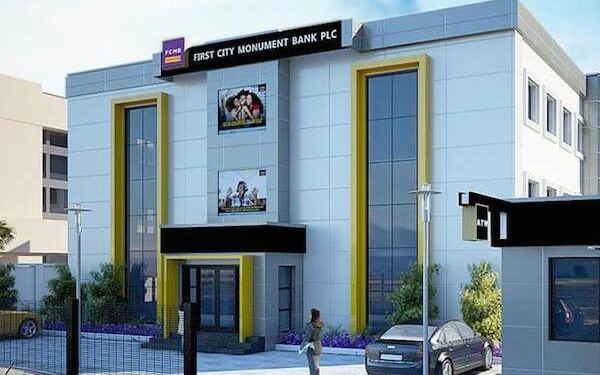
More than ₦3 billion was targeted, but about ₦677 million reached the culprits, with recovery and prosecutions underway, reflecting how banks are responding to more sophisticated fraud risks.
Nigeria’s expanding digital banking sector is facing increasingly sophisticated fraud attempts, as financial institutions adapt to faster transactions and broader online services.
A recent case involving First City Monument Bank (FCMB), linked to fraudulent activity detected in December 2025, has drawn attention to how banks are responding to such incidents, with a focus on limiting exposure, recovering funds and working with law enforcement.
According to findings referenced in proceedings before the Lagos State Special Offences Court, the incident involved unauthorised transactions tied to a digital product. Early reports erroneously suggested more than ₦3 billion was lost. Subsequent clarification shows that over ₦3 billion was targeted, ₦2.4 billion was blocked and recovered, while ₦677 million got into the possession of the culprits. This outcome reflects the bank’s cyber security and monitoring capabilities, as well as improved collaboration among regulated financial institutions and with law enforcement agencies. Several suspects and beneficiaries have been apprehended, while recovery and prosecution efforts are ongoing, led by the Economic and Financial Crimes Commission (EFCC).
Proceedings at the Lagos State Special Offences Court have resulted in convictions, including that of a repeat offender, with restitution orders issued. Related matters are also being handled at the Federal High Court in Lagos, where additional suspects are being tried in connection with the scheme. This process is aimed at ensuring that bad actors are identified and permanently blacklisted from the financial system.
Authorities say recovery efforts are continuing as additional funds are traced.
Analysts note that the pace of legal action reflects closer coordination between financial institutions and enforcement agencies in addressing cyber-related financial crime.
The case comes as banks contend with more complex fraud methods, including social engineering and automated exploitation of system processes.
As digital products and platforms expand, so too does the risk associated with cyber-crime and related fraud.
“The scale of digital banking means risks are evolving alongside the systems,” said a Lagos-based financial analyst. “Institutions are now judged by how they manage these events.”
Observers say the sector is moving toward a stronger focus on response and recovery, rather than prevention alone.
This includes improving monitoring capabilities, strengthening transaction controls and enhancing collaboration with regulators and law enforcement. The FCMB case, with limited exposure relative to the amount targeted and ongoing recovery, reflects that shift.
For customers, the primary concern is the safety of their funds. In this case, there has been no indication of losses affecting customer deposits. Maintaining that level of protection remains central to sustaining trust in the financial system.
Nigeria’s financial sector continues to grow, supported by digital innovation and expanding access to banking services.
However, analysts say fraud attempts are likely to persist as systems become more complex and interconnected.
They say institutions will increasingly be judged not only on their ability to prevent incidents, but on how effectively they respond and recover when they occur.
news
Ex-APC Deputy Guber flag bearer, Joshua MacIver backs Tinubu, express fears over implosion in Bayelsa APC
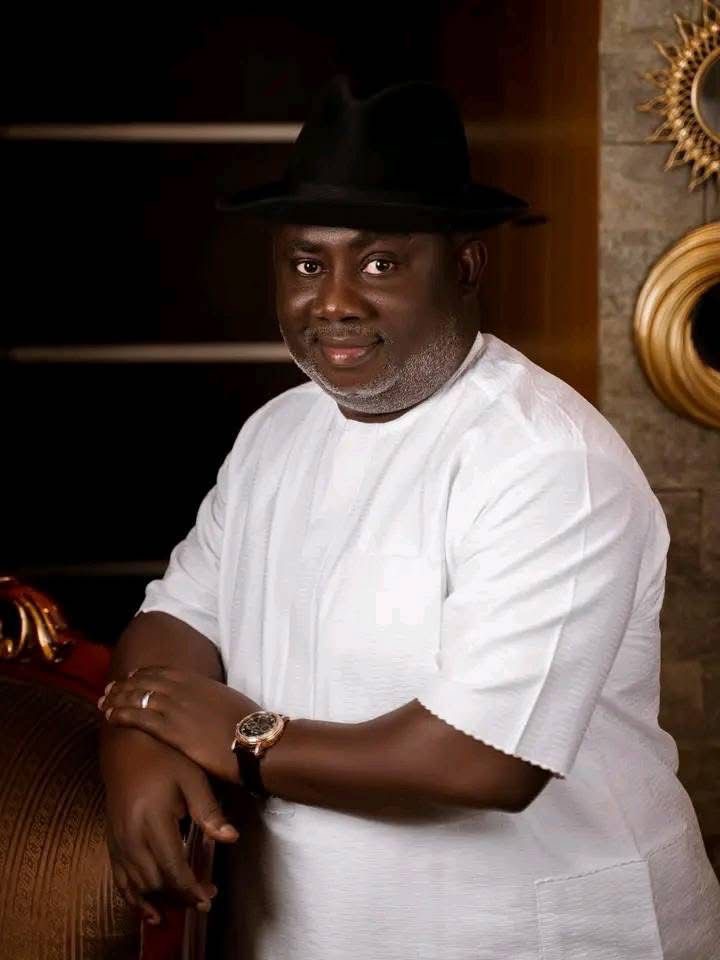
….congratulates new State Party Chairman, Warman Ogoriba
APC Deputy Governorship Candidate in the 2023 general elections in Bayelsa State, Great Joshua MacIver has declared his total commitment to the re-election of President Bola Tinubu come 2027, declaring that the Tinubu re-election project is non-negotiable.
Great Joshua MacIver, in his statement titled ” BAYELSA APC CONGRESSES: GOING FORWARD, A CALL TO LOOK INWARDS” and made available to newsmen in Yenagoa, warned APC leaders in the state to look Inward and take note of certain factors which may hinder or cut short our victory.
According to Great Joshua MacIver, such noticeable pitfalls include the imbalance in the united front being put up by the State Governor,Senator Douye Diri among various political blocs in the state.
In the statement issued at the weekend. Great Joshua MacIver stated that “First, before His Excellency, Senator Douye Diri, joined the APC in the state, there were clearly two political blocs that made up the party, with the approximate population ratios of the blocs standing at 95% to 5%.”
“After the entrance of His Excellency, Senator Douye Diri, ONLY THE SMALLER BLOC IS BEING CARRIED ALONG IN THE AFFAIRS OF THE PARTY, leaving the greater percentage to their fate, and this situation has the potential to build anger and dissatisfaction in our dear party.”
” The consequence of this has been the high level defection we have witnessed in the party recently and we believe more may likely follow, if we do not put our house in order.”
” If we do not pull together as a party, we may witness a situation where we will lose key stakeholders, especially after the State and National Assembly Primaries as well the Gubernatorial Primaries.”
“Finally, while it is very clear that we are the party to beat in the 2027 elections and that our loyalty to Mr. President IS NON-NEGOTIABLE, we must make haste to say that we cannot afford to create situations or loopholes in our unity which will be exploited by other political interests in the state. We cannot afford to under-rate anyone.”
“Our core interest remains the re-election of Mr. President, a project to which we have committed our all. We also pledge our total loyalty to the party as we have no alternative to the APC. However, our concern is that we must, as a party, look inwards and ensure that we do not create loopholes that can impede our common goal.”
Great Joshua MacIver, however congratulated the newly elected State Executives of the APC in Bayelsà State led by Hon. Warman Ogoriba, saying their emergence is welcomed at this critical time in our national history.
At least 23 people were killed in a series of suspected suicide bombings, police in Nigeria’s northeastern city of Maiduguri said on Tuesday.

https://www.stanbicibtcbank.com/nigeriabank/personal/products-and-services/all-loans/stanbic-ibtc-mreif-home-loans
More than 100 other people were injured in the blasts that took place on Monday evening in the capital of Nigeria’s restive Borno state.
No group has claimed responsibility for the suspected attacks.
The deadly blasts come after a military post was attacked overnight Sunday to Monday, which authorities blamed on suspected Islamist militants.
This sad incident is coming barely two weeks after Primate Elijah Ayodele, the Leader of INRI Evangelical Spiritual Church specifically warned against attacks in some states. He mentioned these states while calling on security operatives to pay close attention to them.
These were his words:
“Another attack is coming up in these following states where the military must watch carefully and intelligently; Kano, Kaduna, Zamfara, Kebbi, Niger, Borno, Kwara and Kogi state. They want to do a deadly attack, it’s preventable but it depends on how they will handle it. I have told you about the danger coming up.”
@primateayodele
Unfortunately, some of our military agencies don’t believe spiritual intelligence can save the country from so much danger hence, their neglect of this prophetic warning but now, it has been fulfilled with the miliary losing credibility by the day while Primate Ayodele continues to gain momentum.
Likewise, At least 26 passengers and crew sustained varying degrees of injuries on Monday following an accident involving the Kaduna–Abuja train, according to the Nigerian Railway Corporation (NRC).
Opeifa explained that the train departed Rigasa in Kaduna at 7:15 a.m. and was approaching Asham station around 9:16 a.m. when a loud bang was heard after the power car and trailing locomotive collided with one of the passenger coaches.
In July 2025, Primate Ayodele asked nigerians to pray not to see train mishap on the Kaduna-Abuja route.
@primateayodele #nigeriantiktok🇳🇬 #fulfillment #train #abuja #primateayodele
“Let’s pray not to see train mishap in Abuja-Kaduna, Kaduna-Abuja route.”
This has also been fulfilled.


-

 society6 months ago
Religion: Africa’s Oldest Weapon of Enslavement and the Forgotten Truth
-

 news4 months ago
WHO REALLY OWNS MONIEPOINT? The $290 Million Deal That Sold Nigeria’s Top Fintech to Foreign Interests
-

 society6 months ago
“You Are Never Without Help” – Pastor Gebhardt Berndt Inspires Hope Through Empower Church (Video)
-

 celebrity radar - gossips2 months ago
Dr. Chris Okafor Returns with Power and Fire of the Spirit -Mounts Grace Nation Altar with Fresh Anointing and Restoration Grace on February 1, 2026