
society
Old Lies, New Excuses: How the Nigerian Government Continues to Insult Public Intelligence”

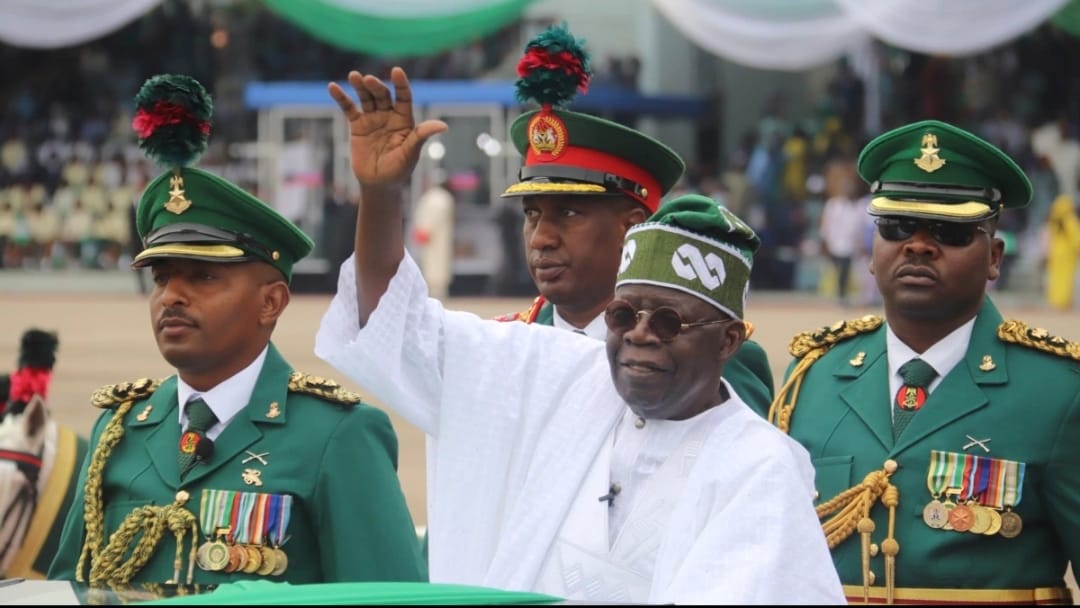
“Old Lies, New Excuses: How the Nigerian Government Continues to Insult Public Intelligence”
By George Omagbemi Sylvester
In a stunning yet all-too-familiar display of condescension toward the Nigerian people, the Nigerian Presidency has declared that “nothing new has been revealed” in the decades-old FBI and DEA reports implicating certain high-profile individuals in drug trafficking and money laundering. According to their recent statement, the information “has been public for over 30 years.” While this may be factually true, the real question is: does the age of a crime nullify its relevance or accountability? The answer, in any democracy with a shred of integrity, is a resounding no.

This is not just about dusty files or forgotten scandals. It is about integrity, national image, and the dangerous precedent of shielding political elites from scrutiny while expecting ordinary citizens to abide by the law. When governments trivialize criminal histories under the guise of “old news,” they mock the very foundations of justice and accountability.
1. The Facts: Public but Never Prosecuted
Let us begin with the basics. The U.S. Federal Bureau of Investigation (FBI) and the Drug Enforcement Administration (DEA) released reports in the 1990s implicating several individuals—including now-prominent Nigerian political figures—in drug-related activities. Among these, the most infamous is the case involving Bola Ahmed Tinubu, the current president of Nigeria. According to court documents from the Northern District of Illinois (Case No. 93C4483), U.S. authorities confiscated over $460,000 linked to Tinubu as part of a drug trafficking investigation.
While Tinubu was never formally indicted in the U.S., the forfeiture of such a staggering amount, without any legal contest, is not a minor issue. In the U.S. legal system, civil asset forfeiture—especially of such magnitude—almost always suggests deep suspicion and probable cause. No ordinary citizen could forfeit nearly half a million dollars to the U.S. government without triggering career-ending investigations, but in Nigeria, it earns you the presidency.
2. If It’s “Old News,” Why Is It Still Relevant?
The Presidency’s attempt to dismiss the scandal by calling it “nothing new” is intellectually insulting. Crimes do not expire simply because time has passed. If anything, they become more pressing when perpetrators ascend to greater positions of power. Consider the case of Augusto Pinochet in Chile. His crimes against humanity were decades old by the time he was arrested in London in 1998. Yet, democratic nations supported his prosecution because the rule of law demands that no one is above accountability.
The same logic applies to Nigeria. The relevance of Tinubu’s past is not diminished by the passage of time; it is amplified by his current position. If someone once linked to drug money can become Commander-in-Chief without explanation or legal exoneration, what message does that send to the youth of Nigeria? That crime pays—especially if you’re politically connected?
3. The Global Impact: Nigeria’s Image in Tatters
The world is watching. International investors, diplomats, and foreign governments have access to these same reports. While Nigerian officials downplay the severity, external stakeholders are not fooled. The 2023 Corruption Perceptions Index (CPI) by Transparency International ranked Nigeria 145 out of 180 countries. The World Bank’s Governance Indicators show a steady decline in Nigeria’s control of corruption since 2015. These metrics are not coincidental—they reflect a system that promotes impunity and suppresses transparency.
When the President of a country is associated—even by forfeiture—with narcotics and financial impropriety, global trust in that nation’s governance plummets. Foreign direct investment dries up. Credit ratings drop. Diaspora professionals become hesitant to return. Tourists and scholars think twice before visiting. The long-term economic and diplomatic damage is incalculable.
4. Weaponizing Ignorance: An Assault on Intelligence
Let us not overlook the arrogance embedded in the Presidency’s statement. It assumes the Nigerian public is too ignorant or apathetic to care. It dismisses educated critics, legal scholars, and concerned citizens with the wave of a hand. “Nothing new,” they say, as if moral decay becomes acceptable with time.
But the Nigerian people are not fools. A new generation of politically aware youth, empowered by the internet, is beginning to ask hard questions. Why was this man not investigated locally? Why do we have an EFCC that cannot probe elite politicians but enthusiastically arrests poor youths for internet fraud? Why are pastors, professors, and professionals expected to maintain ethical standards, but politicians are allowed to skate through history with blood on their hands and cocaine in their past?
5. Silence from the Legislature: Complicity in Cowardice
Perhaps even more alarming than the Presidency’s defense is the deafening silence from Nigeria’s National Assembly. The job of any legislature in a democracy is oversight. Yet, our lawmakers have chosen to be quiet spectators, perhaps fearful of implicating their own skeletons in the process.
Contrast this with the United States, where congressional hearings have investigated presidents and vice presidents for far less serious allegations. In South Korea, two former presidents have been imprisoned for corruption. In Brazil, Luiz Inácio Lula da Silva was jailed, released, and had to go through rigorous legal review before being re-elected. But in Nigeria, once you reach a certain echelon, your past is magically erased, sanitized, and glorified.
6. The Judiciary’s Abdication of Duty
The courts have also failed Nigerians. When activist lawyers attempted to bring these issues to court during the 2023 election, the Nigerian judiciary found clever procedural ways to sidestep the real questions. Technicalities were prioritized over substance. Evidence was deemed “inadmissible.” And so, justice was not denied, it was simply postponed indefinitely.
A nation where the courts fear the political elite is a nation on the brink of democratic collapse. The judiciary must regain its spine and remember that its allegiance is to the Constitution, not the cabals who occupy Aso Rock.
7. Public Reaction: Indifference or Boiling Rage?
It is true that many Nigerians have grown numb to scandal. From fuel subsidy fraud to missing billions in defense budgets, corruption fatigue is real. But apathy is a slow poison. It turns citizens into spectators and societies into graveyards of hope.
We must resist this inertia. Every university lecturer, journalist, religious leader, and civil society advocate must keep this issue alive. Not because we enjoy the drama, but because the moral health of our republic depends on it.
8. Furthermore: Accountability Has No Expiry Date
The Presidency’s statement that the reports are “over 30 years old” is not a defense—it’s an indictment of the failure of Nigeria’s justice system. Time does not absolve wrongdoers; it only reveals the depth of institutional rot.
If we allow this to slide, we are telling future leaders that no matter what crimes they commit, power will wash them clean. That is not democracy. That is a kleptocracy wrapped in stolen garments of legitimacy.
To those in power: history is watching. The world is watching. And more importantly, Nigerians are awakening. You may dismiss the truth for now, but the pursuit of justice, no matter how delayed, remains relentless. Accountability may be slow in coming, but it is inevitable.





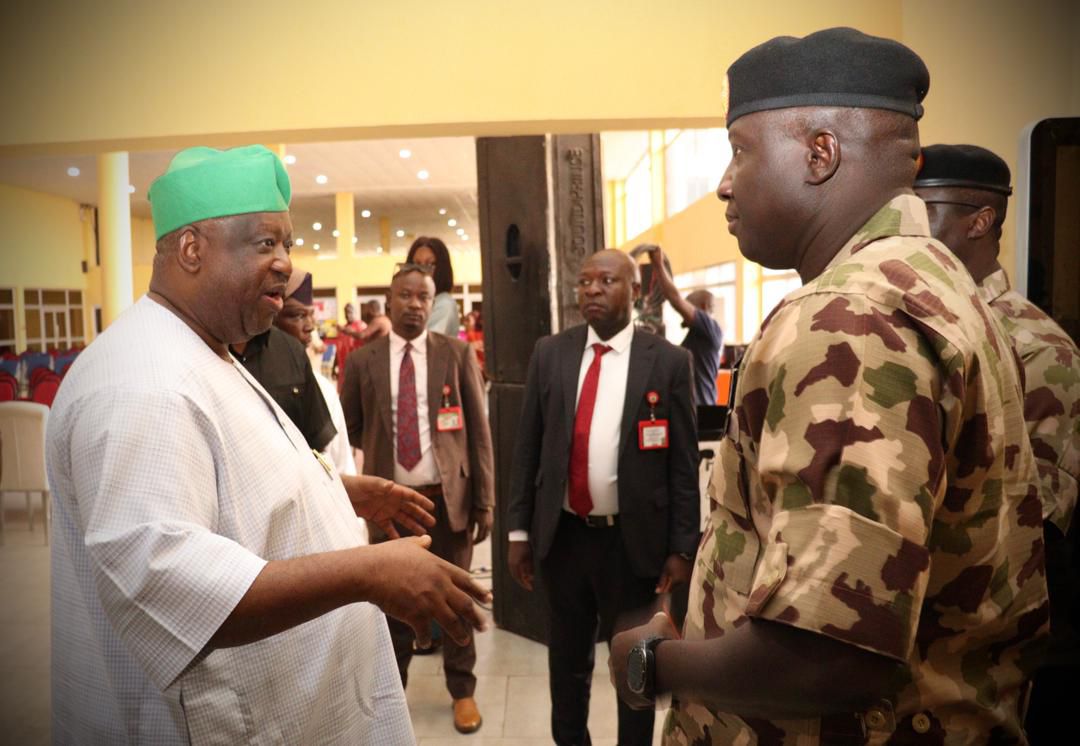
COAS Launches Nationwide Security Renewal Mission in Plateau
The Chief of Army Staff, Lieutenant General Waidi Shaibu, on Thursday led a high-level delegation of security chiefs to Plateau State, flagging off a nationwide security renewal mission aimed at strengthening civil-military cooperation and restoring lasting peace across the country.
The visit to Jos, the Plateau State capital, marks the first phase of a coordinated national effort to address persistent security challenges through joint operations, community engagement, and proactive intelligence gathering.

Governor Caleb Muftwang received the delegation, describing the initiative as a critical step toward stabilizing affected communities and reinforcing public confidence in security institutions.
Civil-Military Synergy Takes Centre Stage
At the heart of the mission is a renewed emphasis on collaboration between the military, civil authorities, and local communities. Speaking during the visit, Lt. Gen. Shaibu stressed that national security must be treated as a collective responsibility.
He urged citizens to support security agencies by remaining vigilant, sharing credible information, and complying with lawful directives, noting that effective security cannot be achieved in isolation.
Community Engagement as Confidence-Building Tool
In a departure from purely operational engagements, the Army Chief held direct consultations with community leaders and residents in Jos, reinforcing the importance of trust and dialogue in conflict resolution.
Lawmakers, including Dachung Bagos and Ladi Dangyok, commended the initiative, stating that visible engagement by top military leadership helps rebuild confidence among citizens and fosters cooperation.

Proactive Security Operations Underway
Operational updates were provided by Major General Folusho Oyinlola, who disclosed that troops under Operation Enduring Peace have intensified surveillance, intelligence-led patrols, and coordinated actions with other security agencies.
According to the Army, the approach is designed to prevent escalation of threats, safeguard lives and property, and stabilize vulnerable communities before crises emerge.
A Shift Toward Sustainable Peace
Military authorities emphasized that the Plateau visit is part of a broader, long-term strategy to transition from reactive responses to sustainable peacebuilding nationwide. The framework includes strengthening local resilience, ensuring justice, and maintaining continuous engagement with stakeholders.
Analysts view the initiative as a significant policy shift, reflecting a more inclusive security architecture that integrates community participation with military operations.
Call for National Unity
The Army leadership concluded with an appeal to Nigerians to reject divisive narratives and support ongoing efforts to promote unity and peace.
“The success of this mission depends not only on the armed forces but on the cooperation of every citizen,” the COAS stated.
The nationwide security renewal campaign is expected to extend to other regions in the coming weeks as authorities seek to consolidate gains and build a safer, more unified Nigeria.


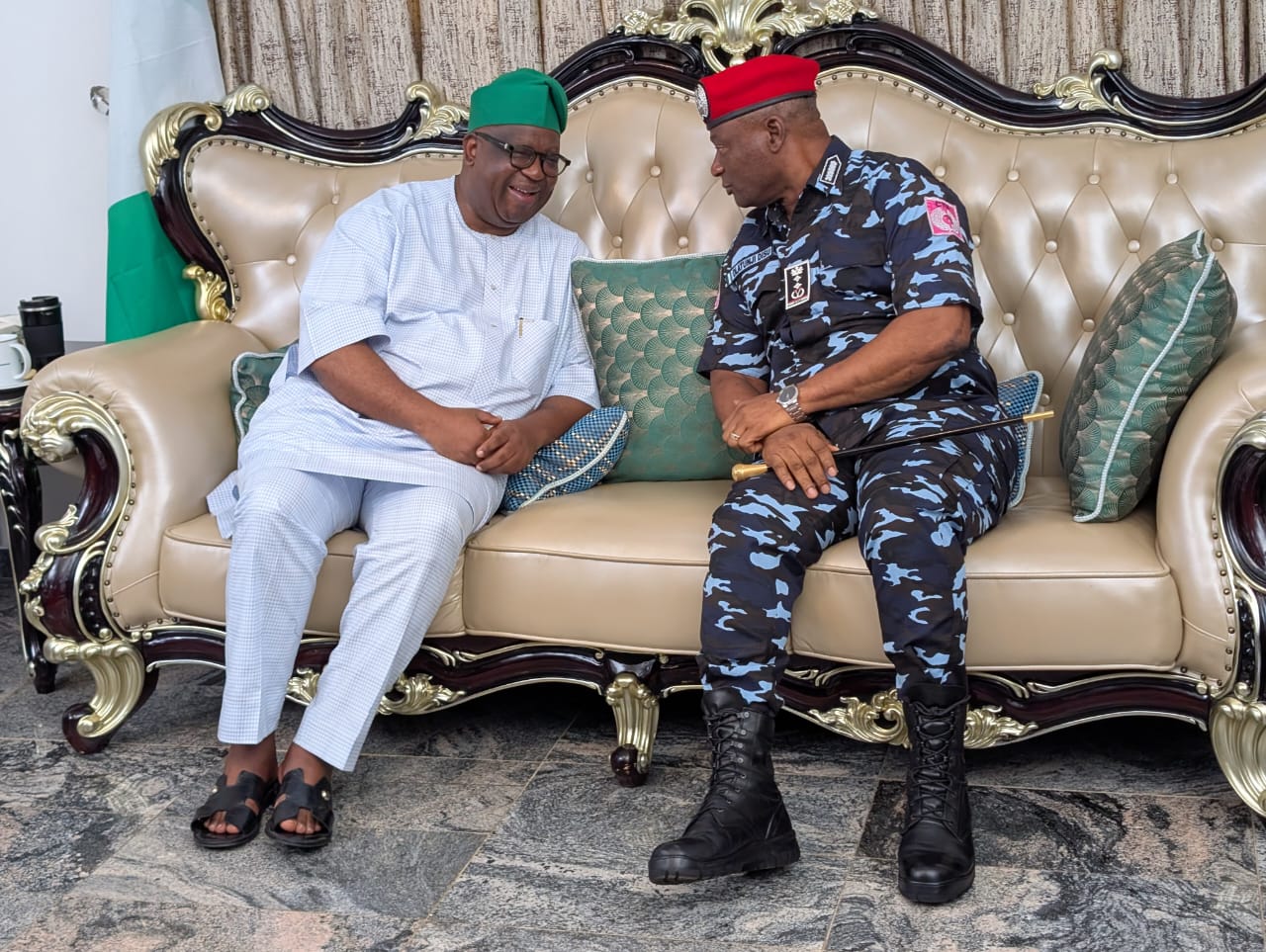
IGP Disu Visits Plateau, Orders Tactical Deployment To Reinforce Security
The Inspector General of Police, Olatunji Disu, on Thursday paid a working visit to Plateau State following recent unrest, holding strategic talks with Governor Caleb Muftwang on measures to strengthen security and prevent further disturbances.
As part of immediate steps to stabilise the situation, the police chief authorised the deployment of specialised tactical units to support officers already on ground across affected areas.
Governor Muftwang commended the swift intervention of the police leadership, praising the dedication and professionalism of security personnel working to restore calm. He also acknowledged the efforts of mobile police officers and lauded the leadership of the state’s Commissioner of Police, Bassey Ewah.
Both the Nigeria Police Force and the Plateau State Government reaffirmed their commitment to safeguarding lives and property, stressing that enhanced collaboration remains key to restoring lasting peace in Plateau State, popularly known as the Home of Peace and Tourism.


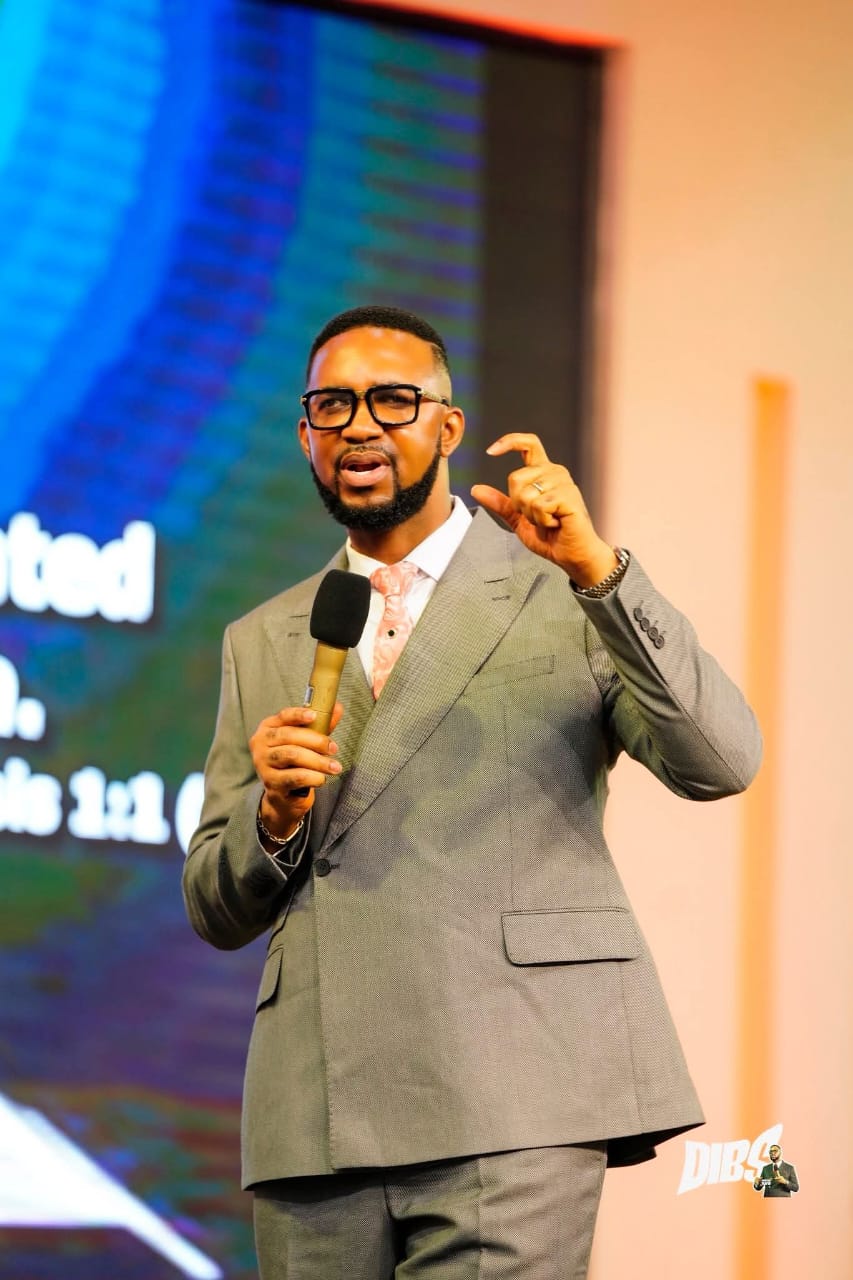
Grace Nation Worldwide: A Living Reality – Dr. Chris Okafor
……“Miracles, Healing, and Deliverance Overflow at Grace Nation Services”
The Grace Nation midweek Prophetic Healing, Deliverance, and Solutions (PHDS) Service on 2nd April 2026 at the international headquarters in Ojodu Berger, Lagos, was a spectacular display of God’s power, marked by miracles, healing, and deliverance.
The God of Grace Nation continues to demonstrate His authority, breaking strongholds, healing the sick, restoring lost glory, and providing solutions to every problem presented at His altar.
Testimonies of God’s Power
One woman, previously diagnosed with a terminal condition and slated for a ₦4.5 million surgery due to inability to excrete, was prayed for by the Generational Prophet, Christopher Okafor, just a week after visiting the church. Declaring healing within 24 hours, she returned to testify to God’s miraculous intervention.
Another pregnant woman, whose baby was bridged and at risk, was located and prayed for. She returned to service with confirmation that her child is now well-positioned for delivery. Similarly, a woman booked for a C-section due to an overdue and poorly positioned pregnancy testified during the service that her baby is now properly positioned, ready for birth.
These testimonies underscore the truth: what God cannot do does not exist. Grace Nation has entered a new level of spiritual authority, and with faith, believers are witnessing the impossible become reality.
God Works by Principle, Not Gossip
In his sermon, Dr. Okafor emphasized that God does not operate on superstition, gossip, or social media pressures. His work is grounded in His Word, and it is through adherence to His principles that Grace Nation continues to flourish.
The Generational Prophet stressed that to enjoy divine blessings and fruitfulness, believers must remain connected to God’s Word, faithfully serve Him, and ignore distractions or side-talks. Focused commitment to God’s service guarantees alignment with His miraculous power.
Join the Movement
Grace Nation Worldwide is open for all who desire a life transformed by divine intervention. Weekly services include:
Sunday Service: 7:00 AM
Grace Nation Island Service (Ogombo): Wednesday, 5:00 PM
Midweek PHDS Service: Thursday, 7:00 AM
Attending these services under the ministry of the Generational Prophet ensures encounters with God’s supernatural power, life-changing miracles, and lasting breakthroughs.
Grace Nation Worldwide is not just a church—it is a reality where faith meets the supernatural.
By Sunday Adeyemi


-

 society6 months ago
Religion: Africa’s Oldest Weapon of Enslavement and the Forgotten Truth
-

 news4 months ago
WHO REALLY OWNS MONIEPOINT? The $290 Million Deal That Sold Nigeria’s Top Fintech to Foreign Interests
-

 society6 months ago
“You Are Never Without Help” – Pastor Gebhardt Berndt Inspires Hope Through Empower Church (Video)
-

 celebrity radar - gossips2 months ago
Dr. Chris Okafor Returns with Power and Fire of the Spirit -Mounts Grace Nation Altar with Fresh Anointing and Restoration Grace on February 1, 2026