
Entertainment
10 Takeaways From Grammys 2021

The 2021 Grammys somehow survived a COVID-inspired six-week delay, not to mention angry diatribes from the Weekend, and put together a seamless, entertaining, music-packed telecast that also proved utterly, bafflingly infuriating. How can all that be true? Read on!

1. The broadcast itself was a triumph. Give huge amounts of credit to executive producer Ben Winston, making his Grammys debut: His telecast moved breezily across multiple stages, cut past years’ fat and much of the filler, highlighted a huge and diverse array of music and allowed the performers to be showcased at their best. A typical Grammys telecast has terrific highs and embarrassing lows, but Sunday night’s performances were too proficiently and elegantly produced to allow for train wrecks. After a jumbled, clunky, zoom-intensive Golden Globes telecast just a few weeks earlier, Winston showed the world how it’s done.
2. The awards themselves? Hoo boy. You could see it coming, yet it still felt shocking: The Grammys took a moment, upon handing Beyoncé the 28th Grammy of her world-class career, to acknowledge that she’d just surpassed Alison Krauss for the most Grammys ever awarded to a female artist. Unacknowledged in that moment was that Beyoncé has a long history of getting passed over for the major awards of the night; she has never won record of the year or album of the year, and she won song of the year only once, in 2010, for “Single Ladies (Put a Ring on It).” Scan a list of the Grammys that Beyonce has won, and note the number of times the modifier “R&B” appears.
So, when the time came to award the night’s final prize, it had to be Megan Thee Stallion and Beyoncé’s “Savage,” right? Megan had already won best new artist; “Savage” had already won best rap performance and best rap song; Beyoncé’s “Black Parade” had already won best R&B performance, and her “Brown Skin Girl” had already won best music video (which means that Beyoncé’s 9-year-old daughter, Blue Ivy Carter, now has her first Grammy). Billie Eilish, for her part, had won only best song written for visual media, for “No Time to Die.” But record of the year went to Eilish, who spent much of her speech apologizing to Megan Thee Stallion for winning.
With no disrespect intended toward Eilish, who handled the situation well, that’s the Grammys for you: They make progress; they make adjustments; they get your hopes up; they pull the football away at the last minute.
3. The call for boycotts will get louder. In the runup to this year’s Grammys, The Weeknd announced that he’d never submit his music for Grammys consideration again after the Recording Academy failed to so much as nominate him for his blockbuster album After Hours. Beyoncé attended but didn’t perform, and she seemed to expend as little energy as possible on the whole affair. The Grammys have a long history of snubbing Black artists at inopportune moments — see, for a notorious example, Macklemore and Ryan Lewis beating Kendrick Lamar in the awards’ 2014 hip-hop categories — and patience is wearing thin.
4. It was a mixed bag for the big winners. Many observers expected the night to be yet another coronation for Taylor Swift, whose album Folklore earned her six Grammy nominations and some of her best reviews. But Swift went 0 for 5 to start, only to take album of the year near the end of the telecast. Eilish, who famously dominated last year’s awards, hadn’t made much of a splash during the rest of the evening. In both cases, the big wins sneaked up on them.
5. There was better news in the down-ballot races. While it was a shame to see Phoebe Bridgers go 0 for 4, Megan Thee Stallion was the clear and correct pick for best new artist (though it was kind of a head-scratcher when she wasn’t nominated in that category last year). Fiona Apple, inexplicably shut out of nominations in the major categories, won best rock performance (for “Shameika”) and best alternative music album (for Fetch the Bolt Cutters). H.E.R. took song of the year for “I Can’t Breathe,” a resonant and powerful track. Kaytranada became the first Black musician to win best dance/electronic album in the category’s 17-year history — an outrageous milestone, given the genre’s origins, but a milestone nonetheless.
6. Get ready for a tiresome new front in the culture wars! Last year, Cardi B and Megan Thee Stallion released one of the filthiest songs ever to top the Billboard Hot 100, and “WAP” made its Grammys debut in grandly transgressive, explosively entertaining fashion. Rest assured that “cancel culture” and Dr. Seuss and Mr. Potato Head are gonna have to make room on some conservative fainting couches, possibly by the time you read this.
7. Somehow, against all odds, none of the performances truly stank. This particular kind of showcase — with careful stage management, good sound mixes, a blend of live and pre-taped moments, many stages to accommodate set changes and so on — allowed artists to do their best work. This was the 3 1/2-hour music-industry infomercial the Grammys craved, and the beneficiaries included both the musicians themselves and a home audience that has been starving for live music.
8. The Grammys didn’t forget struggling venues. Without turning into a telethon or slowing down the broadcast, the show did a nice job spotlighting a few of the many music venues whose long-term survival has been threatened by the coronavirus pandemic. It was refreshing to see the Recording Academy understand that its industry’s success hinges on not only streaming and sales but also the return of live music and the venues that make it possible.
9. Trevor Noah deserves more praise than you might think. The Daily Show host maintained a fairly low-key presence throughout the night — he didn’t preside over any skits, and his monologue was limited to a few quick jokes — but he did a deft job moving the home audience through a complicated hunk of awards-show machinery. Awards-show hosting gigs are generally thankless, and he made a hard job look easy.
10. Finally, it can’t be reiterated enough: The Grammys still have a lot of work to do. It’s not a matter of saying, “If Beyoncé or Kendrick Lamar put out a great record in 2021, it has to win album of the year.” It’s that the Grammys are not trusted, period, by wide swaths of their audience and membership, and any effort to correct that needs to start there. They have to create trust.
That trust can come only through transparency about their process, their membership and their efforts to better reflect their industry and its massive worldwide audience. The Grammys’ typical response to controversies tends to involve artist-specific attempts to redress previous years’ grievances; that’s part of how Metallica wound up winning eight Grammys across six different years after infamously losing best metal performance to Jethro Tull in 1989.
The issue isn’t that Beyoncé should have won album of the year in 2015 over Beck’s Morning Phase or that Lemonade should have won album of the year in 2017 over Adele’s 25, though both of those outcomes were — with no shade thrown at either winner — hard to stomach. The issue is that it’s getting harder for the Grammys to keep on like this without facing a large-scale revolt from the artists whose buy-in they need in order to retain a semblance of relevance.
In other words, they need to step up.




Entertainment
Islamic Rising Star, Hajia Kifaya Aṣeyọri Marks Birthday, Reflects on 15-Year Music Journey
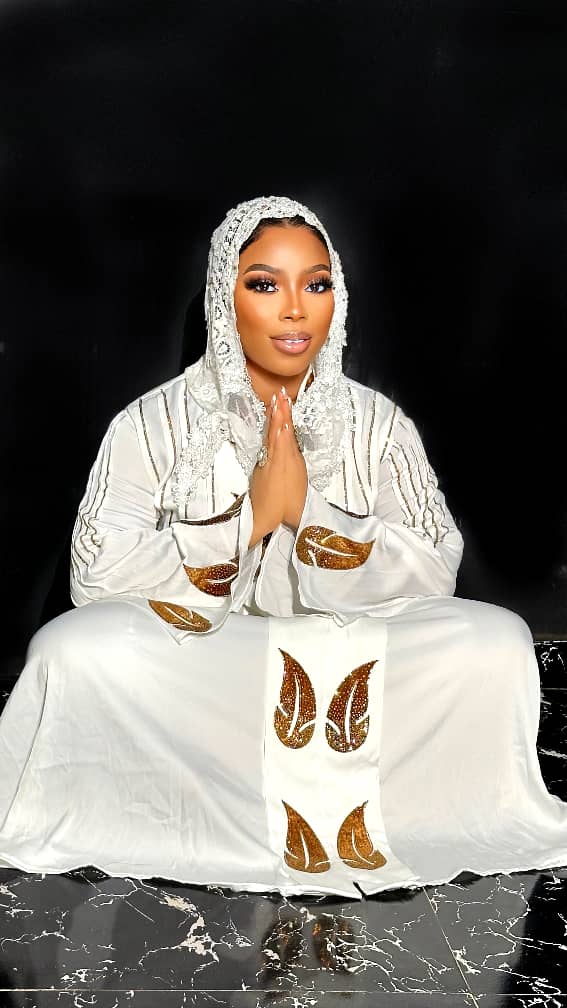
Islamic Rising Star, Hajia Kifaya Aṣeyọri Marks Birthday, Reflects on 15-Year Music Journey
Popular Islamic singer and entertainer, Hajia Kifaya Aṣeyọri, has continued to receive prayers and accolades from fans, friends and well-wishers as she celebrates her birthday today.
The celebrated artiste, known for her inspiring Islamic songs and captivating stage presence, described music as a divine calling and a special gift from God meant to announce her greatness to the world.
Speaking on her journey in the entertainment industry, Kifaya said her unique voice and wisdom helped her gain quick recognition among music lovers and industry stakeholders.
According to her, “My beautiful voice coupled with great wisdom have made my versatility in the entertainment industry quick to be noticed by all and sundry.”
The singer, whose maiden album titled Alaseyori brought her into the limelight years ago, also ventured into fashion and the sales of imported shoes and bags alongside her music career.
As part of efforts to expand her reach in the industry, the Islamic music star disclosed that her songs are available on several digital streaming platforms, including Audiomack and other online play stores.
Having spent over 15 years in the music industry, Kifaya said her versatility has also earned her ambassadorial deals for different brands.
Despite the challenges encountered on her path to success, the singer expressed gratitude to God for sustaining her through difficult times.
“I have got reasons to appreciate God. Though I have passed through a lot, today I have opportunities to thank God,” she said.
Meanwhile, admirers have continued to describe the celebrant as a symbol of grace, faith and excellence, praying for greater achievements, sound health, peace of mind and abundant blessings in her new age.
The birthday celebration has also generated reactions across social media platforms, where fans and associates continue to celebrate her impact in the Islamic entertainment space and wish her many more fruitful years filled with happiness and prosperity.


celebrity radar - gossips
Ileya Tonic : King Saheed Osupa Announces New 2-in-1 Album, Acapella & Metamorphosis

Ileya Tonic : King Saheed Osupa Announces New 2-in-1 Album, Acapella & Metamorphosis
By Alhaji Arems (Baba Fuji)
Veteran Fuji musician King Saheed Osupa is set to release a new 2-in-1 album titled Acapella & Metamorphosis on May 26, 2026.
The announcement was revealed through promotional materials shared across the singer’s official social media pages, where anticipation has already started building among longtime fans of the Fuji icon. The artwork for the project presents Osupa in a calm and regal setting, matching the mature image he has maintained throughout his career.
While full details about the tracklist and featured artists are yet to be officially released, the title of the project has already sparked conversations online. “Metamorphosis” suggests a new phase or evolution, while “Acapella” hints at a more raw or expressive musical direction. Together, both titles point toward a project that may combine classic Fuji elements with a refreshed sound and message.
Over the years, Osupa has remained one of the most respected voices in Fuji music, known for his deep lyrical style, cultural storytelling, and loyal fanbase across Nigeria and beyond. Even as the music industry continues to evolve, the singer has maintained strong relevance, especially among audiences who appreciate traditional Yoruba-rooted sounds blended with contemporary production.
The decision to release a 2-in-1 album also stands out at a time when many artists are focusing on shorter projects and singles. For established acts like Osupa, larger releases often serve as a statement of longevity, consistency, and artistic confidence.
Fans have continued to react positively to the announcement online, with many already counting down to the release date. The project is expected to arrive on major streaming platforms including Spotify, Apple Music, Audiomack, Boomplay, YouTube Music, TIDAL, and Deezer.
With the official release now scheduled for May 26, listeners will be watching closely to see what King Saheed Osupa delivers on Acapella & Metamorphosis and whether the project marks another defining moment in his long-running career.
Entertainment
Aesha Mikaelson Returns as Producer: Actress Aishy Announces Powerful Screen Comeback With IJA ORU
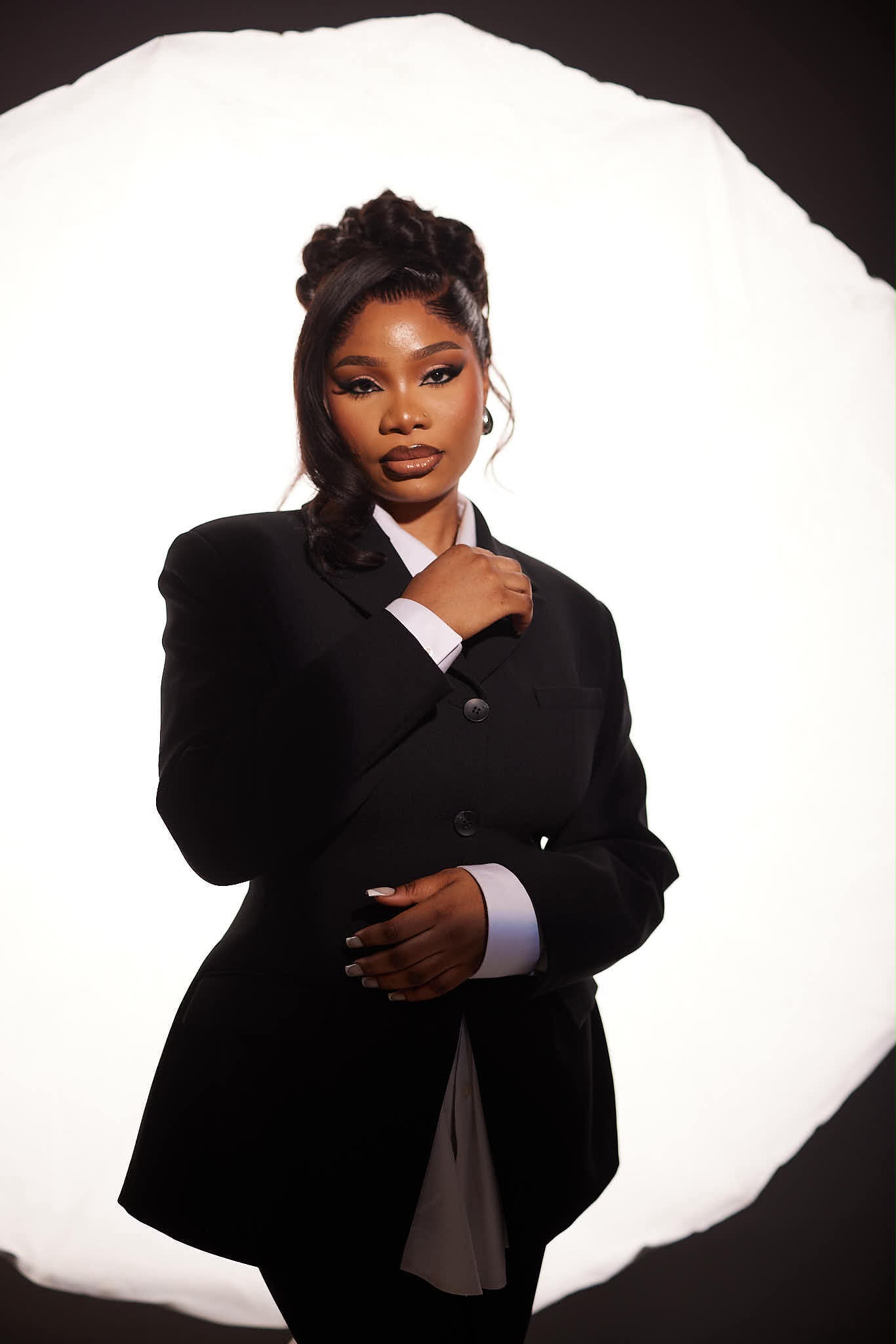
Aesha Mikaelson Returns as Producer: Actress Aishy Announces Powerful Screen Comeback With IJA ORU
After years away from the spotlight, Nigerian actress, producer, and media personality Aesha Mikaelson is making a highly anticipated return to the screen with a bold new identity, a renewed creative vision, and a powerful upcoming movie project titled IJA ORU — a project she is also producing.
Previously known in the entertainment industry as Aishy, whose real name is Aisat Iyabode Asamu, the actress built recognition through multiple media appearances and interviews across prominent Nigerian publications. Over the years, she became known for her charisma, screen presence, and growing influence within Nollywood and youth entertainment culture.
Now reintroduced professionally as Aesha Mikaelson, she is entering a new phase of her career — one that reflects growth, reinvention, and artistic maturity, marked not only by her return in front of the camera but also by her expanded role behind the scenes as a producer.
Her comeback project, IJA ORU, is scheduled to premiere on May 22 via Yetunde Barnabas TV on YouTube, marking what many insiders describe as one of the most symbolic independent returns currently building momentum in Nigeria’s digital film space.
Produced by Aesha Mikaelson under Quila Visuals Production, the movie blends mystery, spiritual tension, emotion, and psychological storytelling — themes that continue to resonate strongly with modern African audiences. Her dual role as both lead talent and producer underscores her evolution from performer to creative force shaping her own narratives.
Speaking on her return, Aesha Mikaelson described the project as more than just another film release.
“This is not just a comeback. It is a rebirth — creatively and personally. I took time away from the spotlight to grow, reflect and rebuild my vision as an actress, producer, and storyteller.”
Before her hiatus, Aishy gained public attention through several interviews and entertainment features discussing her career journey, personal growth, and experiences in the entertainment industry. Her media presence appeared in outlets including Vanguard Media Limited, Tribune Online, BusinessDay, TMY News, and The Nation Newspaper.
Industry observers say the rebrand to Aesha Mikaelson — paired with her step into producing — reflects a broader shift happening among modern Nigerian creatives, moving from conventional celebrity culture into more intentional brand positioning, ownership of creative output, and cinematic storytelling.
The visuals surrounding IJA ORU have already generated growing online conversations, particularly for their dark symbolic aesthetic and emotionally charged presentation. Fans and supporters across social media platforms have also welcomed the actress back, describing her return as “long overdue.”
The release further highlights the growing influence of YouTube-driven Nollywood distribution, where independent creators and producers like Aesha Mikaelson are increasingly building global audiences beyond traditional cinema systems.
With IJA ORU now approaching release, many believe Aesha Mikaelson’s return — this time as both star and producer — could mark the beginning of a major new chapter in her career.
For followers who remember the actress as Aishy, the comeback represents nostalgia. For newer audiences discovering her for the first time, it may become the start of a powerful new screen identity led by a creator now firmly in command of her own story.
IJA ORU premieres May 22 on Yetunde Barnabas TV via YouTube.


- Uganda: Parliament concludes vetting of ministers June 2, 2026
- Fund for Export Development in Africa (FEDA) Board Appoints Mr. Emmanuel Assiak as Chief Executive Officer June 2, 2026
- Ecobank Group Launches World First Nature Bond Mobilising Global Capital to Protect Africa’s Natural Ecosystems June 2, 2026
- Merck Foundation Chief Executive Officer (CEO) Dr. Rasha Kelej together with Kenya First Lady support the education of 47 Kenyan Schoolgirls by providing Annual Scholarships till they Graduate June 2, 2026
- Annual Meetings 2026: Governors Back the Bank’s Platform Solutions to Transform Aviation and Health Systems in Africa June 2, 2026
- ThinkMarkets launches ChelseaAI, bringing live CFD trading into Artificial Intelligence (AI) assistants June 2, 2026
- Afreximbank Invites Rugby Africa President Herbert Mensah to Address the 33rd Annual Meetings on a Panel Exploring Sport as a Driver of African Industrialisation June 2, 2026
- Afreximbank Deepens Commitment to Economic Progress in The Bahamas June 1, 2026
- African Electric Vehicle (EV) platform Spiro raises $215M in equity to scale electric mobility and energy infrastructure across Africa June 1, 2026
- Africa Centres for Disease Control and Prevention (Africa CDC) Statement on Attacks Against Health Facilities During the Bundibugyo Virus Disease Response in the Democratic Republic of the Congo June 1, 2026
- Uganda: Parliament concludes vetting of ministers June 2, 2026
- Fund for Export Development in Africa (FEDA) Board Appoints Mr. Emmanuel Assiak as Chief Executive Officer June 2, 2026
- Ecobank Group Launches World First Nature Bond Mobilising Global Capital to Protect Africa’s Natural Ecosystems June 2, 2026
- Merck Foundation Chief Executive Officer (CEO) Dr. Rasha Kelej together with Kenya First Lady support the education of 47 Kenyan Schoolgirls by providing Annual Scholarships till they Graduate June 2, 2026
- Annual Meetings 2026: Governors Back the Bank’s Platform Solutions to Transform Aviation and Health Systems in Africa June 2, 2026
- ThinkMarkets launches ChelseaAI, bringing live CFD trading into Artificial Intelligence (AI) assistants June 2, 2026
- Afreximbank Invites Rugby Africa President Herbert Mensah to Address the 33rd Annual Meetings on a Panel Exploring Sport as a Driver of African Industrialisation June 2, 2026
-

 news6 months ago
WHO REALLY OWNS MONIEPOINT? The $290 Million Deal That Sold Nigeria’s Top Fintech to Foreign Interests
-

 society4 weeks ago
SOCIAL MEDIA IS NOT A BATTLEFIELD COMMAND – WHY THE NIGERIAN ARMY’S ACTION AGAINST JUSTICE CRACK IS A NATIONAL SECURITY IMPERATIVE
-

 celebrity radar - gossips4 months ago
Dr. Chris Okafor Returns with Power and Fire of the Spirit -Mounts Grace Nation Altar with Fresh Anointing and Restoration Grace on February 1, 2026
-

 celebrity radar - gossips6 months ago
Prophet Kingsley Aitafo Releases 2026 Prophecy: ‘Nigeria Will Rise, but the World Must Prepare for Turbulence’