
Politics
121 PAN YORUBA GROUPS ADOPT TINUBU

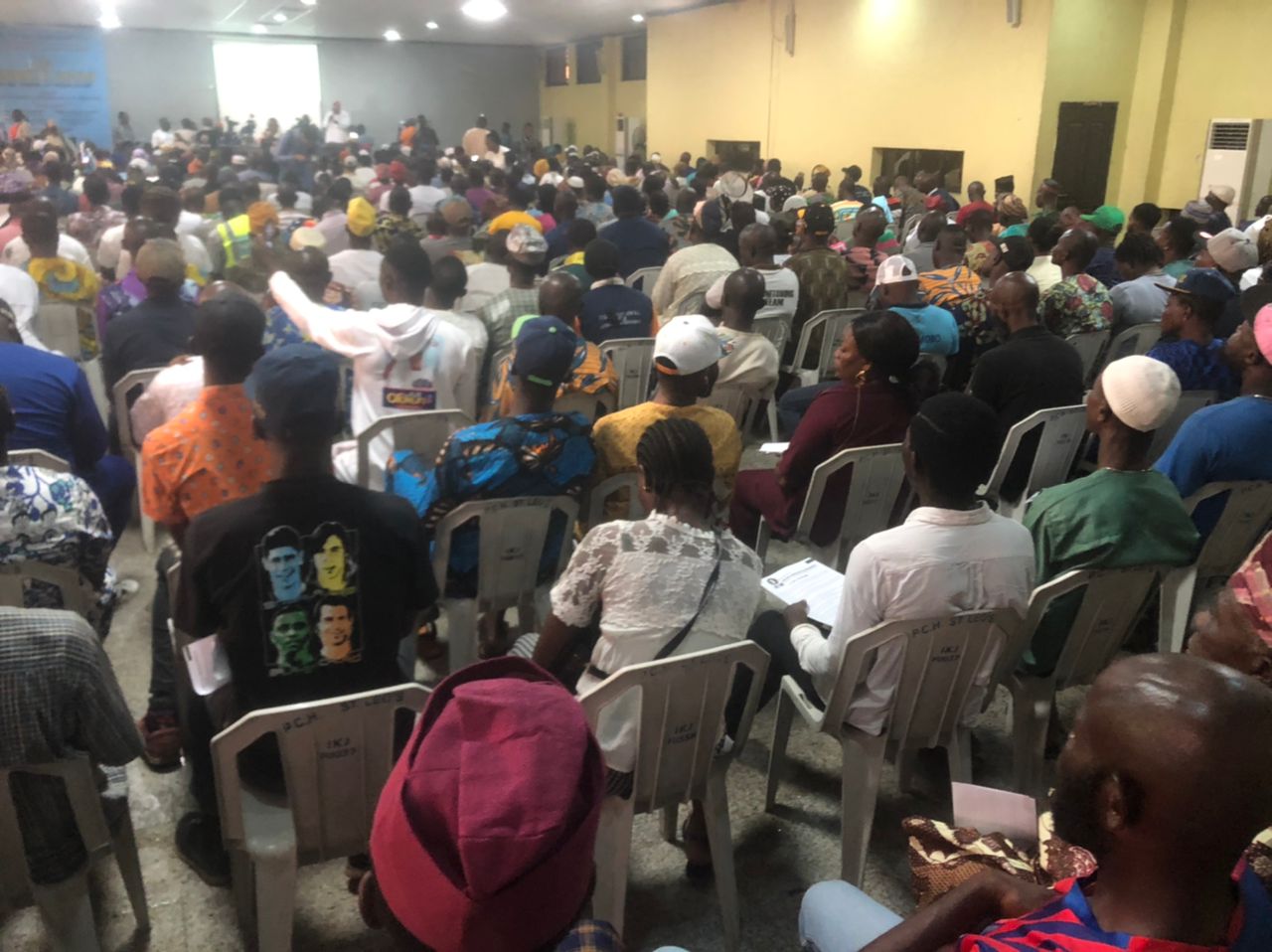
121 PAN YORUBA GROUPS ADOPT TINUBU

One hundred and twenty one Pan Yoruba groups Thursday endorsed the All Progressives Congress, APC candidate, Asiwaju Ahmed Bola Tinubu.
The event organized by the Alliance of Yoruba Democratic Movements, (AYDM) took place at the St Leo Catholic Church in Lagos where no fewer than 1,500 delegates representing various groups endorsed the former Lagos State Governor.
The AYDM said Nigeria, once again is at a crossroad, adding that troubled two-century old history again is being put to historic test come February 2023 when the people again, will go to the poll to choose a President that will stir the affairs of Africa’s most populous country, yet most poor, vulnerably and constantly on the brink.
AYDM said “For the past three months, the AYDM has held a string of consultations with organized groups, socio cultural and community based groups spread across the south west areas, from lowland to highland, valleys, seashores, mountains, tropical and savannah where our people, rich and poor, the wretched and haves reside. On Wednesday October 5, leaders of 121 groups capped the consultations with a meeting which took several hours,”
The group said it promises to campaign vigorously, “with all our strength, with all our sweat, our brain and even our brawl, through the streets, on the road, in the farms, on the sea shores, in the valleys, on the mountains, on the sea and on the land; on radio, on the social media and using all means of mass communications.”
The group said “We have no illusion that the victory of Asiwaju Ahmed Tinubu will lead to automatic transformation of Nigeria. The coming years will be very tough but there will emerge a better capacity and atmosphere to deal with the whirlwind and curtail its ruinous upsurge. Asiwaju will not totally resolve the problems facing Nigeria, however, we are clear in our perspective that his victory will lift Nigeria higher up from her present state of affairs to the benefit of all, irrespective of colour, creed, faith and religion.”
It noted that since 1914 when the great civilizations were merged by foreign interests, the country has been an atomic society in perpetual conflict with itself.
“In 1914, a thick cloud of anomie descended on the destiny of primordial nations -including the Oyo empire, the Bini Kingdom to Kwararafa multi ethnic state, the Borno Empire which extended to today’s southern Libya, the Wukari Kingdom, the Itsekiri Kingdom-when by fiat, the autonomous nations were forced to live under a one-dimensional philosophy squeezed into one inconvenient whole.”
The AYDM said in coming to this conclusion, it considered many factors, the capacity and political sagacity of the candidate; the rich history in anti-fascist campaign of the 1980s through the 1990s, the possession of raw courage, liberal investment in pro-democracy struggle, a tradition of tolerance for dissent and above all, the ability to transform and reengineer the current APC as a political party likely to provide the impetus that will lead to the restructuring of Nigeria, being the minimum condition necessary for the growth and prosperity of the country.
“It is on this basis, that we, representatives of 121 Pan Yoruba, civil society, community based groups in the South West hereby adopt Asiwaju Bola Ahmed Tinubu as our candidate and that of our people for the 2023 Presidential Election,” the declaration was signed by Mr. Popoola Ajayi
The group said there is no doubt that in the past few years, the image of the APC has been bruised by the draconian forces in Abuja seen in their acts of tyranny and the illness of the economy under its watch and the insistence on sustaining a garrison structure for Nigeria.
“It is naïve to assume that the biggest alternative for Nigerians is the PDP which had ruled Nigeria for 16 years characterized by rot, depression and melancholy. It is a mistake to think such a party would suddenly transform itself in 2023. This is not to diminish the fact that the APC has immense contradictions and should not be seen as an end in itself.
“It said in the context of Nigerian political framework and given the options available to the people, the APC is better but not the best, in our own opinion. Faced with a difficult situation in an extremely testy field, the Yoruba of the South West have to make a choice in 2023 considering the better possible options.
“From our own prior, informed consent and weighing the variety of choices available to the people of the South west, we have to pick a candidate near the prospect of allaying our fears as a people. In making this choice, we are not unaware of the rights of the people of the South West who may differ. We respect their opinions. We urge them to respect ours. Our choice is ours, their choice is theirs: On the field we shall meet.”
The AYDM said those who hate Tinubu candidacy do so for many reasons one of which is their cruel hatred for anything Yoruba which they continue to propel using false narratives to justify their anger against the dignity associated with Yoruba heritage.
“We have listened to those who argue that it is their turn. We posit that since 1960, when Nigeria gained independence, there have been 14 Presidents and Heads of State. Two of them ruled Nigeria twice. Out of the 12 Presidents and Heads of State, only one has been Yoruba, two were of Igbo extraction, Dr Nnamdi Azikiwe and Gen Aguiyi Ironsi) two from Middle Belt (Yakubu Gowon and Abdulsalami Abubakar) one is Kanuri (Gen Sani Abacha), while four are of Fulani extraction (Generals Ibrahim Babangida, Muhammadu Buhari, Alhaji Shehu Shagari and Murtala Mohammed). It is mischievous not to admit that is the history.”
Present at the meeting were leaders of Oodua Peoples Congress, (OPC New Era), South West Progressive Youths and Peoples Movement, Covenant Group, O’odua Nationalist Coalition, (ONAC), Nigerian Automobile Technicians Association, South West, ANACOWA representing all Okada Riders in the South West, Okun Progressive Peoples Union, (OPPU), Oodua Descendants Union, ODU in Ivory Coast, Yoruba Peoples Union in Ghana, Kwara Progressives Alliance, (KPA) Itsekiti Peoples Liberation Movement, South West Hunters Union, Network for Yoruba Alliance, (NEYA), O’odua Peoples Congress, (Reformed), Yoruba Diaspora Coalition,(YDAC), Agbekoya Solidarity, South West Progressives Movement, (SWPM), Ilaje Renaissance Movement, (IRM), Ibile, Yoruba Farmers Cooperatives, South West Vigilante Coalition, (SWVC) and all the 121 members of the coalition.
Groups in solidarity were Itsekiri National Front led by Oritsegbemi Temi, Supreme Egbesu Assembly led by Chief Digiwa Werenire, United Middle Belt Indigenous Peoples Congress, led by Barrister Abukar Onalor Onalo, Igbo Progressive Coalition, (IPC) led by former Secretary General of Ohanaeze, Dim Uche Okwukwu and Arewa Youth Forum led by Mallam Kudu Abubakar who was also the former Vice President, Arewa Youth Consultative Forum, (AYCF).




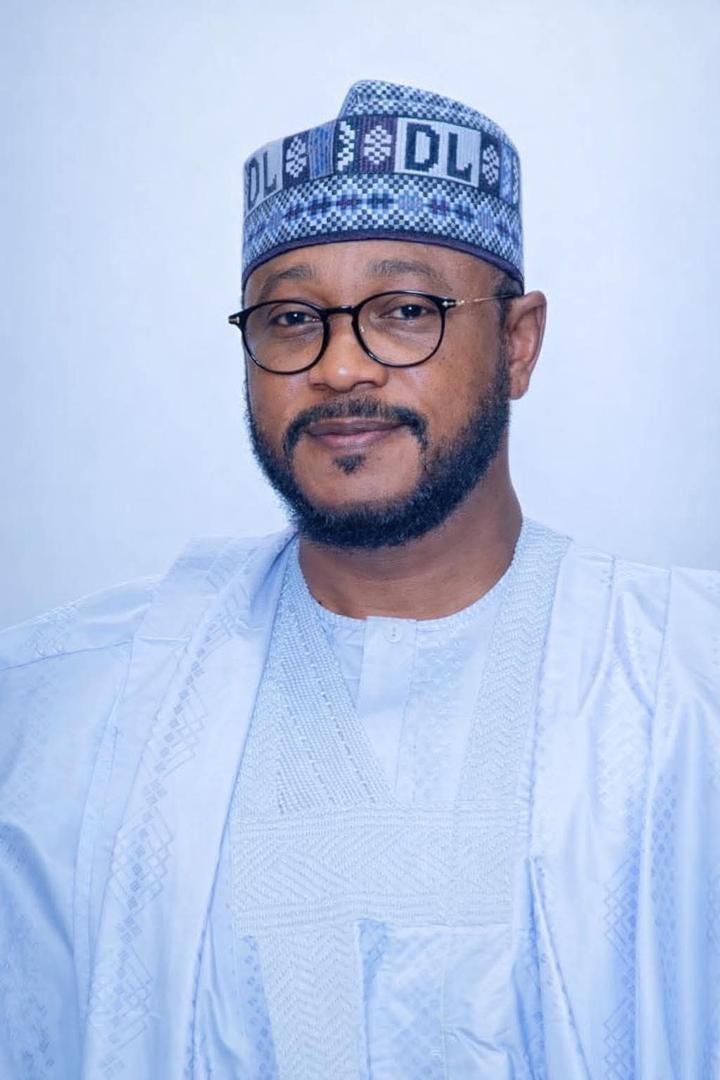
Governor Dauda Lawal Approves Gratuity Payment
The Zamfara State Government, under the visionary leadership of Governor Dauda Lawal, has approved the release of funds for the payment of Gratuity Batch 3 for the 2024/25 period. This decisive action underscores the administration’s unwavering commitment to the welfare of retired civil servants who dedicated years of service to the state’s development.
The Accountant General of the State is already working diligently to ensure that all eligible retirees receive their payments promptly and efficiently, reflecting the government’s resolve to uphold transparency and accountability in the disbursement process.
This timely gratuity payment is a testament to Governor Dauda Lawal’s people-centered leadership, which recognizes the sacrifices and contributions of retirees to the progress and stability of Zamfara State. It also reaffirms the government’s pledge to honor its financial obligations without unnecessary delays.
The Zamfara State Government calls on all retirees in the affected batch to exercise patience as the necessary administrative and financial processes are finalized. Every effort is being made to ensure smooth and uninterrupted payments.
This initiative is part of Governor Dauda Lawal’s broader vision to empower citizens and retirees, strengthen confidence in public service, and sustain the morale of those who have committed their lives to the growth of Zamfara State.
Politics
APC Group Endorses Fubara for 2027, Calls on Tinubu and APC to Prioritise Performance Over Politics in Backing Governor’s Second Term Ambition
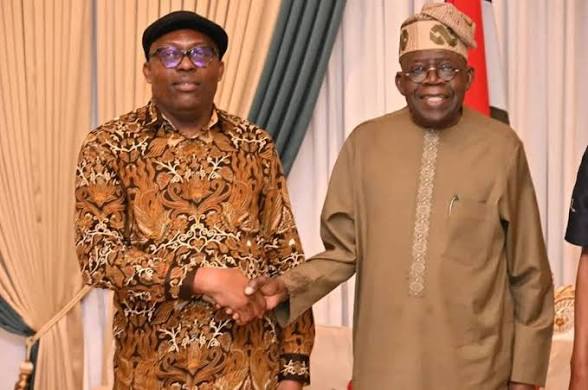
*APC Group Endorses Fubara for 2027, Calls on Tinubu and APC to Prioritise Performance Over Politics in Backing Governor’s Second Term Ambition*
The APC National Vanguard has appealed to President Bola Ahmed Tinubu and the leadership of the All Progressives Congress (APC) to support a second term in office for Siminalayi Fubara, citing what it described as “impressive and verifiable developmental strides” across Rivers State.
In a statement issued on Thursday by its National President, Dr Gbenga Salam (JP), the group said its position followed an extensive assessment tour of key infrastructure and public service projects executed under the Fubara administration.
The APC National Vanguard said the appeal was based strictly on performance, arguing that governance outcomes should outweigh partisan considerations, particularly in a state as economically significant as Rivers.
“We respectfully urge President Bola Ahmed Tinubu and the leadership of the All Progressives Congress to support the continuity of Governor Siminalayi Fubara beyond his current tenure, in recognition of his commitment to development, prudent resource management, and people-focused governance,” the statement read.
According to the group, its delegation visited multiple project sites across the state, observing ongoing and completed works spanning road construction, urban renewal, and public infrastructure upgrades.
It noted that the scale and distribution of these projects reflect a deliberate effort by the state government to extend development beyond traditional urban centres and into underserved communities.
“Our findings from the tour reveal a government that is not only active but intentional in its development agenda. The execution of capital projects across various parts of Rivers State demonstrates a clear understanding of the needs of the people and a commitment to addressing them,” Dr Salam said.
The group particularly commended what it described as prudent financial management by the administration, noting that the projects reviewed showed evidence of careful planning and efficient allocation of resources.
“At a time when economic pressures are evident across the country, it is commendable that the Rivers State government has managed its resources in a way that delivers visible and impactful development without signs of fiscal recklessness,” the statement added.
The APC National Vanguard further observed that despite political tensions in the state, the Fubara administration has maintained focus on governance, ensuring continuity in project execution and service delivery.
The group argued that such stability is critical for sustained development and should be encouraged rather than disrupted.
“Leadership must ultimately be judged by results. In Rivers State, there is clear evidence of progress—projects that are not only announced but executed, and policies that translate into real benefits for citizens,” Dr Salam noted.
The group warned that discontinuity in leadership could stall ongoing projects and reverse gains already recorded, stressing the importance of allowing a performing administration to consolidate its achievements.
“Rivers State is at a pivotal stage where continuity will allow for the completion of ongoing initiatives and the deepening of development gains. Supporting Governor Fubara for a second term is, therefore, a decision in the best interest of the people,” the statement said.
In addition to its call on the APC leadership, the group reaffirmed its support for President Tinubu, expressing confidence in his administration’s broader economic and governance reforms.
The APC group urged Nigerians to remain supportive of efforts aimed at stabilising the economy and strengthening public institutions.
“We reiterate our endorsement of President Bola Ahmed Tinubu for a second term in office, in recognition of his leadership and commitment to national development. With sustained support, the administration can consolidate its reform agenda for the benefit of all Nigerians,” Dr Salam added.
The APC National Vanguard concluded by calling on political actors to prioritise development and public interest over partisan divides, insisting that governance should always be guided by performance and accountability.
“Where leadership demonstrates prudence, delivers development, and remains focused on the welfare of the people, it deserves continuity. This is the position we have reached after a careful and independent assessment of Rivers State,” the statement added.
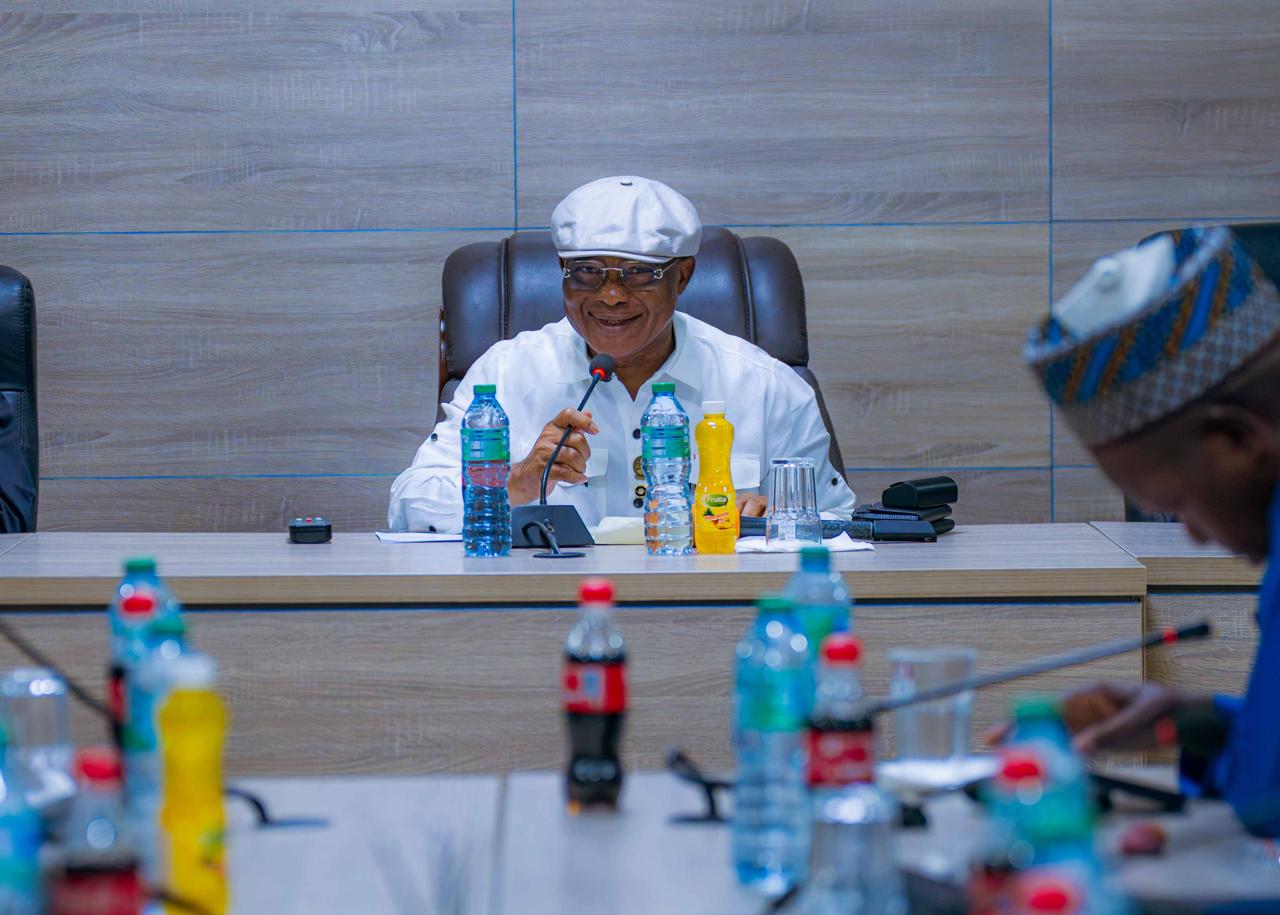
*Renewed Hope Ambassadors Step Into the Next Phase
Fresh from the successful APC 2026 National Convention, the Renewed Hope Ambassadors National, Zonal, and State leadership gathered in Abuja over the weekend, for its fourth strategic meeting, setting the tone for nationwide grassroots activation ahead of 2027.
Chaired by Governor Hope Uzodinma (Imo State) the Director General and National Coordinator of the Renewed Hope Ambassadors, alongside Deputy Director-General, Governor Uba Sani of Kaduna State, and Governor Inuwa Yahaya of Gombe State as Secretary, the session reinforced one clear direction: One Party. One Message. One Mobilization whilst also laying out a strategic roadmap for the activation of the network across all communities in Nigeria.
Backed by the strength of 31 APC-led states, the Renewed Hope Agenda is taking Bola Ahmed Tinubu’s message of progress and reform to every corner of Nigeria.
From bold economic restructuring to initiatives like NELFUND, the increase in the national minimum wage from ₦30,000 to ₦70,000, and strategic investments in critical sectors, including PNiCGI, the mission remains clear: helping Nigerians understand both the purpose and the progress of the Renewed Hope vision.
This is coordination at scale. This is grassroots engagement with purpose. This is the next phase of Renewed Hope with One Party, One Message, and One Mobilisation framework
#RenewedHopeAmbassadors #APC #WeAreAPC


-

 society7 months ago
Religion: Africa’s Oldest Weapon of Enslavement and the Forgotten Truth
-

 news4 months ago
WHO REALLY OWNS MONIEPOINT? The $290 Million Deal That Sold Nigeria’s Top Fintech to Foreign Interests
-

 society6 months ago
“You Are Never Without Help” – Pastor Gebhardt Berndt Inspires Hope Through Empower Church (Video)
-

 celebrity radar - gossips2 months ago
Dr. Chris Okafor Returns with Power and Fire of the Spirit -Mounts Grace Nation Altar with Fresh Anointing and Restoration Grace on February 1, 2026