
Politics
15th Hijrah: Muslim Clerics Task Nigerians On Good Morals

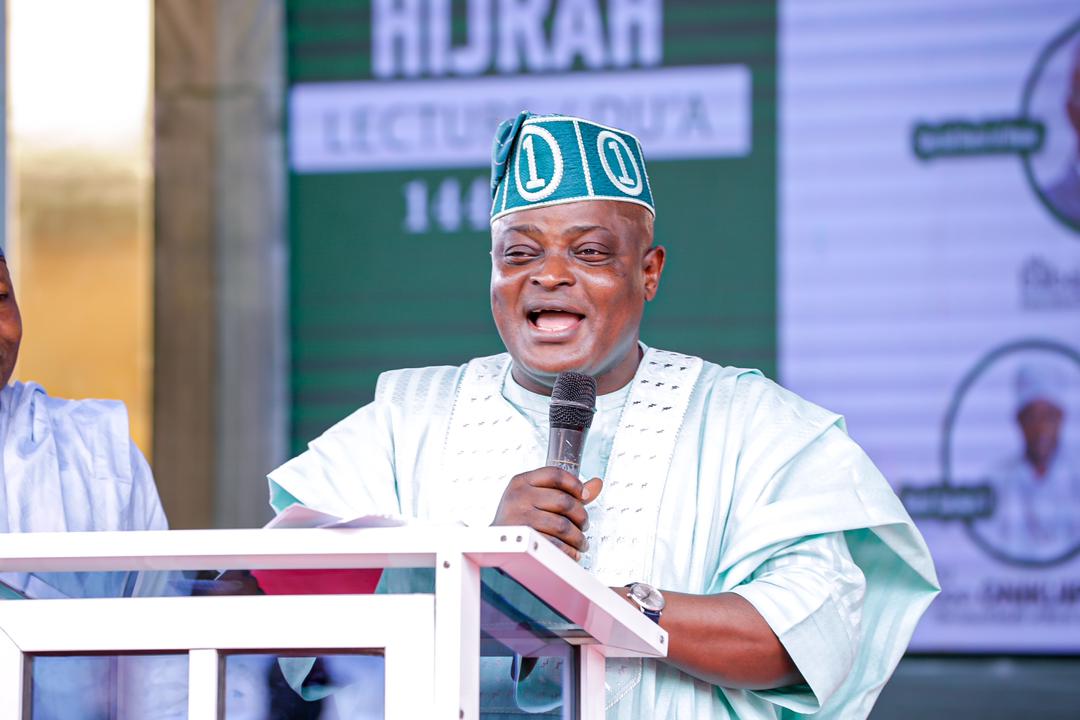
– as Speaker charges religious leaders on impactful messages
Nigerians, irrespective of religious affiliations, must begin to embrace good morals and practise honesty, two guest lecturers at the 15th Annual Hijrah Lecture of the Lagos State House of Assembly, have urged.
This is as the Speaker of the House, Rt. Hon. Mudashiru Obasa, also charged Nigeria’s religious leaders to teach messages with greater positive impacts on citizens.
Sheikh Sulaiman Onikijipa Al-miskinubilahi, general overseer of Al-Amani Islamic Organisation, and Sheikh Ridwanullah Jamiu, Chief Imam of the Central Mosque, Lekki Phase 1, said moral conducts and honesty would help create a decent society.
Speaking at the event with the theme: ‘The Increasing Wave Of Moral Decadence In The Society’, which held at the Assembly complex on Friday, the guest lecturers condemned the spate of moral decadence in the society.
Dr. Jamiu told guests that there was need to enforce laws against anti-decent practices like homosexuality, gambling, adultery and corruption.
According to him, Allah blesses those who are kind, just and are morally upright.
“People should run away from three things: indecency, aggression and wickedness. For a society to progress and develop, it must move away from what Allah kicks against.
“Justice means giving people their rights. As a boss, you have duties to your employees. Treat others the way you expect to be treated. Allah commands kindness and generosity,” he said while urging parents to be role models to their children.
On his part, Sheikh Onikijipa lamented what he described as a growing level of corruption in the society.
“At this stage of our existence, we all know that almost everyone is corrupt,” he said while urging leaders to be more transparent.
The cleric further stressed that leaders must be determined to end moral decadence in the society, adding: “See the way the government stopped the abuse of naira with necessary legislation. The same should be done for other forms of moral decadence in the society.
“There is no religion if we don’t have morals. If you observe all the five pillars of the Islam and you are morally corrupt, then you are deceiving yourself.
“If you pray regularly and you don’t have morals, then it is a waste of time. Indecent dressing should be condemned in all places,” he said.
While noting that Nigeria is challenged at the moment, Onikijipa appealed to citizens to be patient with the administration of President Bola Tinubu.
He urged religious leaders and citizens in the country to dedicate a day for fasting and prayer instead of embarking on a protest, which has a tendency to escalate into destruction of properties.
In his remarks, Speaker Obasa said everyone has roles to play in achieving an upright society.
Obasa, who said that Hijrah is meant to celebrate the clerics, added: “You would be proud of the group you belong to when people feel your impact. We should ensure that we change our immediate environment and make things better in our time.
“We must all join hands to make our society better so that we can all have a morally upright place. It is not enough to make laws, people must exhibit good qualities.”


Eromosele Ebhomele
Chief Press Secretary to the Speaker of the Lagos State House of Assembly.




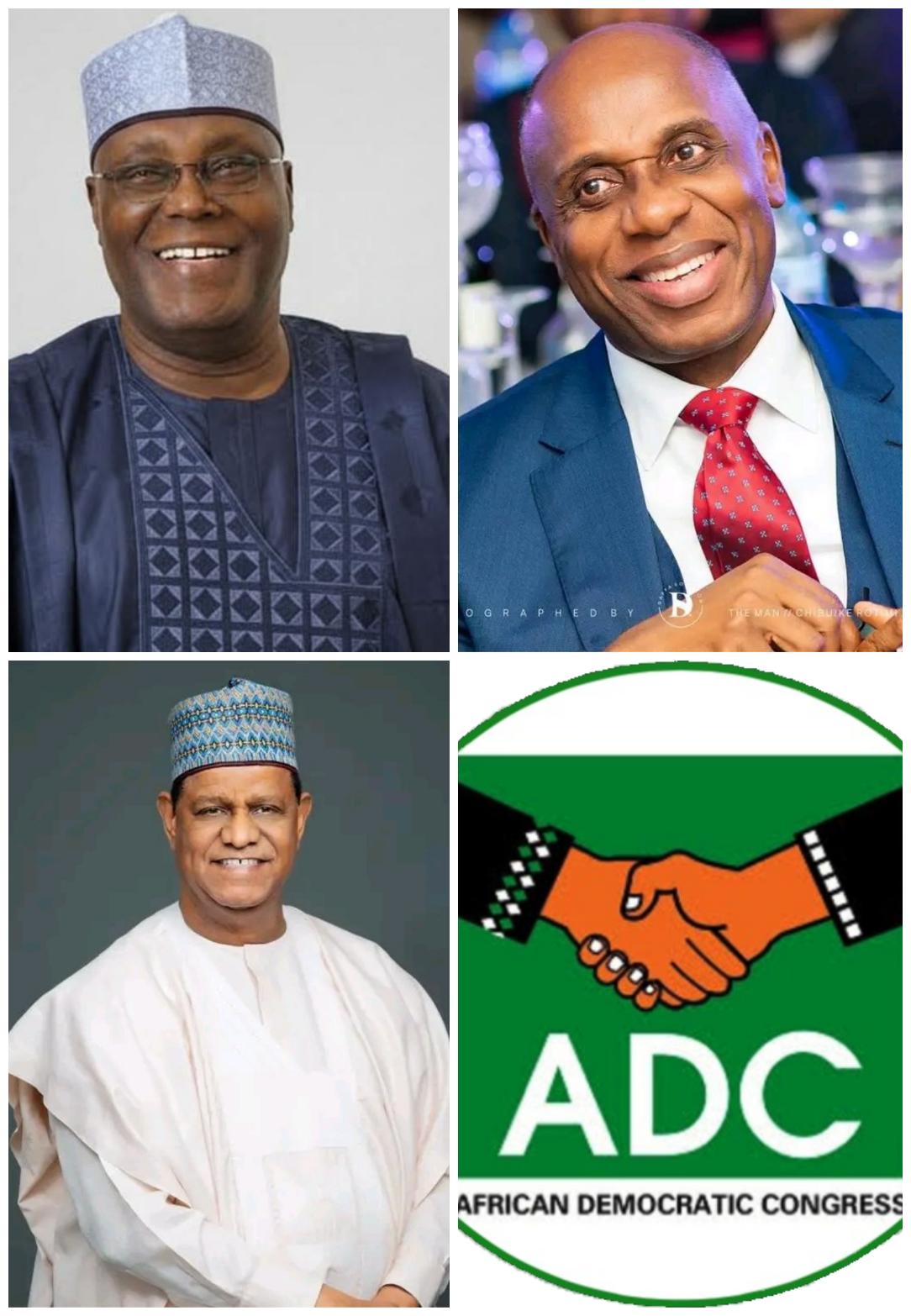
Atiku Set To Clinch ADC Presidential Ticket, Leads Amaechi, Hayatu-Deen In 34 States
Former Vice President of Nigeria and frontline presidential aspirant of the African Democratic Congress (ADC), Atiku Abubakar, is projected to emerge winner of the party’s presidential primaries, according to impeccable sources in Abuja.
The primaries, conducted across over 8,000 wards in the 36 states of the federation and the Federal Capital Territory, reportedly placed Atiku far ahead of his closest rivals — former Rivers State Governor, Rotimi Amaechi, and former Chairman of the Nigerian Economic Summit Group, Mohammed Hayatu-Deen.

Highly placed party insiders disclosed that Atiku is currently leading in 34 states, including the FCT, after securing dominance across the 19 Northern states, the five South-East states, and the six South-West states, while also maintaining a strong showing in at least three states in the South-South geopolitical zone.
The sources added that the outcome reflects what they described as “an overwhelming nationwide acceptance” of the former vice president within the opposition party ahead of the 2027 general election.
Meanwhile, the ADC leadership has invited members of the press to the official announcement of the final collated results scheduled for 11:00 a.m. on Tuesday, May 26, 2026, in Abuja.
The declaration of results is expected to be broadcast live on ARISE Television and two other major television stations, while also being livestreamed on the party’s official social media platforms on X and Facebook.
Speaking ahead of the announcement, the founding National Chairman of the ADC, Chief Ralph Nwosu, said the decision to televise the exercise live was aimed at promoting transparency and democratic accountability.
“We want millions of Nigerians at home and in the Diaspora to witness democracy in action,” Nwosu said.
He further revealed that the party leadership would encourage all three presidential aspirants to publicly embrace a peace accord and commit themselves to working together in unity for the party’s success.
According to him, the move is necessary to strengthen internal cohesion and position the ADC for victory in the presidential election scheduled for January 16, 2027.
Details later.
Politics
Popular Journalist, Hon. Olushola Arike Ayekoto Emerges ADC Candidate for Alimosho Federal Constituency

Popular Journalist, Hon. Olushola Arike Ayekoto Emerges ADC Candidate for Alimosho Federal Constituency
Joy and celebration filled the air for popular broadcaster and veteran journalist, Olushola Arike Ayekoto, after emerging as the candidate of the African Democratic Congress (ADC) for the House of Representatives seat representing Alimosho ahead of the 2027 general elections.
At the party’s primary election held last week, the prominent female politician defeated her co-contender, Hon. Mojeed Anjolaiya, by a wide margin to secure the party’s ticket.
Although several political developments and consultations had earlier taken place within the ADC concerning who would eventually fly the party’s flag for the federal constituency seat, the contest was finally decided at the primary election where Arike emerged victorious.
Speaking after the exercise, members of the ADC in Alimosho expressed confidence in her leadership ability and political experience, describing her as a capable and grassroots-oriented personality who possesses the qualities needed to effectively represent the people at the National Assembly in Abuja.
Party faithful also noted that her long-standing experience as a professional journalist and public commentator has positioned her as someone who understands the needs and challenges of the people.
Following her emergence, Hon. Arike Olushola expressed deep appreciation to the people of Alimosho for their support and confidence in her candidacy.
She also thanked party leaders, elders, and stakeholders within the ADC for giving her the opportunity to represent the party in the forthcoming election.
According to her, she would not disappoint the electorate and assured party members that their trust in her would be justified.
The ADC candidate further appealed to all members of the party to remain united and work together for the overall success of the party at all levels in the 2027 elections, including the presidential, governorship, senatorial, House of Representatives, and state assembly contests.
She expressed confidence that the ADC would record massive victories in 2027, declaring that the party is fully prepared to take over leadership from the ruling party.


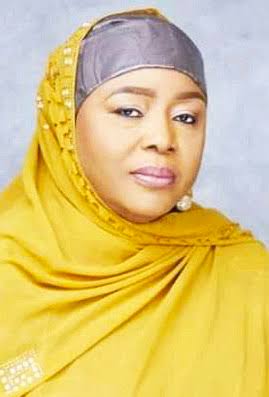
Northern Women Group Urges APC To Protect Dankaka’s Senatorial Mandate
A prominent Northern women’s socio-political organisation, Jam’iyyar Matan Arewa, has appealed to the national leadership of the All Progressives Congress to protect the senatorial mandate of Dr. Muheebah Dankaka for Kwara South Senatorial District ahead of the 2027 general elections.
In a letter dated May 24, 2026 and addressed to the APC National Chairman in Abuja, the group described Dankaka as the only female senatorial candidate from Northern Nigeria to emerge victorious during the party’s primaries.
The letter, signed by the National President of the group, Hajiya Rabi Musa Saulawa, stated that out of the 109 senatorial seats nationwide, only three women secured APC senatorial tickets, with Dankaka emerging as the sole female candidate from the North.
According to the group, Dankaka’s victory reflected “the strong endorsement of the people” of Kwara South and symbolised renewed hope for greater female representation in the country’s political leadership.
The organisation warned that any attempt to undermine or substitute her candidacy could negatively affect the relationship between Northern women and the ruling party.
The letter partly read, “Any attempt to undermine or substitute her victory will be viewed by Northern women as a painful disregard for their loyalty, sacrifices, and contributions to the growth of the Party.”
The group also recalled its contributions to the APC’s electoral successes in the 2015, 2019 and 2023 general elections through grassroots mobilisation and voter education across the 19 Northern states and the Federal Capital Territory.

It further urged the APC leadership to adopt policies that would encourage more competent Northern women to occupy elective and appointive positions, especially in the Senate and other strategic offices.
“We further urge the Party to adopt deliberate and sustained measures aimed at raising more competent Northern women for elective and appointive positions,” the letter added.
The group expressed confidence in the leadership of the APC National Working Committee to uphold what it described as the freely given mandate of Dr. Muheebah Dankaka by the people of Kwara South.


- Demand for civic space holds strong across Africa as supply of freedoms wanes May 27, 2026
- Zarein Energy Joins African Energy Week (AEW) 2026 as Gold Sponsor Amid Nigeria Gas Hub Expansion May 27, 2026
- Qrent says delaying Information Technology (IT) refresh cycles may be increasing operational risk for businesses in Africa May 27, 2026
- Dentons’ Iyunola Adekanye Appointed to African Mining Week (AMW) Advisory Board May 27, 2026
- United Nations (UN) Women Liberia and Partners Convene for Spotlight Initiative 2.0 Women’s Economic Empowerment Inception Meeting May 27, 2026
- African Mining Week (AMW) to Host Central Bank Governors Roundtable as Monetary Authorities Deepen Role in Mining Sector Growth May 27, 2026
- Eritrea: Diaspora Nationals Celebrate Independence Day Anniversary May 27, 2026
- Africa Unveils Landmark Humanitarian Coordination Platform to Strengthen aligned Response to Humanitarian Crises May 27, 2026
- Seychelles: President Herminie Engages with Police and Fire Services on Praslin May 27, 2026
- Issue 3 of Mining Review Africa now available for free download May 27, 2026
- Demand for civic space holds strong across Africa as supply of freedoms wanes May 27, 2026
- Zarein Energy Joins African Energy Week (AEW) 2026 as Gold Sponsor Amid Nigeria Gas Hub Expansion May 27, 2026
- Qrent says delaying Information Technology (IT) refresh cycles may be increasing operational risk for businesses in Africa May 27, 2026
- Dentons’ Iyunola Adekanye Appointed to African Mining Week (AMW) Advisory Board May 27, 2026
- United Nations (UN) Women Liberia and Partners Convene for Spotlight Initiative 2.0 Women’s Economic Empowerment Inception Meeting May 27, 2026
- African Mining Week (AMW) to Host Central Bank Governors Roundtable as Monetary Authorities Deepen Role in Mining Sector Growth May 27, 2026
- Eritrea: Diaspora Nationals Celebrate Independence Day Anniversary May 27, 2026
-

 news5 months ago
WHO REALLY OWNS MONIEPOINT? The $290 Million Deal That Sold Nigeria’s Top Fintech to Foreign Interests
-

 society3 weeks ago
SOCIAL MEDIA IS NOT A BATTLEFIELD COMMAND – WHY THE NIGERIAN ARMY’S ACTION AGAINST JUSTICE CRACK IS A NATIONAL SECURITY IMPERATIVE
-

 celebrity radar - gossips4 months ago
Dr. Chris Okafor Returns with Power and Fire of the Spirit -Mounts Grace Nation Altar with Fresh Anointing and Restoration Grace on February 1, 2026
-

 celebrity radar - gossips6 months ago
Prophet Kingsley Aitafo Releases 2026 Prophecy: ‘Nigeria Will Rise, but the World Must Prepare for Turbulence’