
celebrity radar - gossips
2027 or Never: Why Atiku and Obi Must Unite or Watch Tinubu Bury Their Political Futures

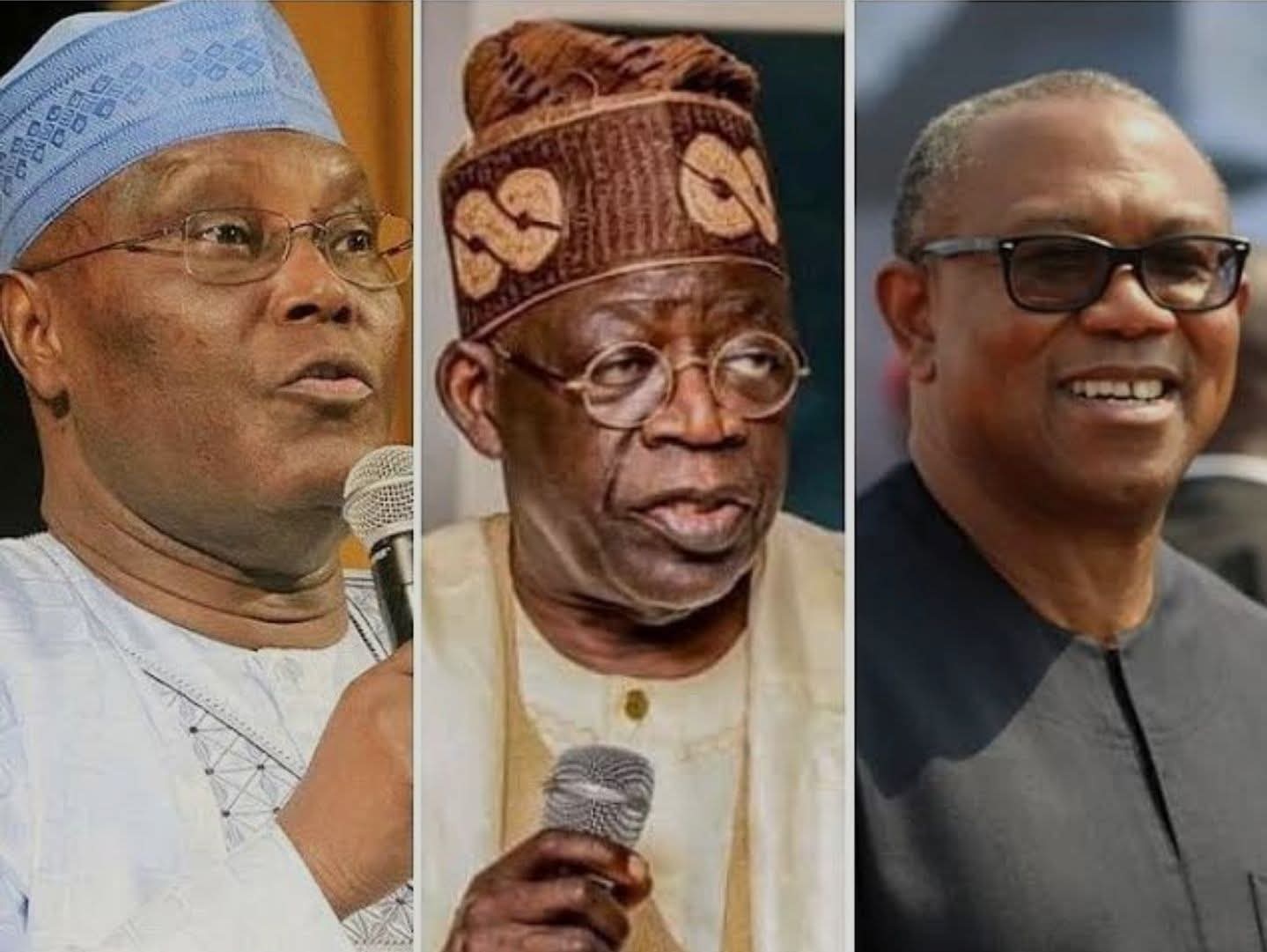
2027 or Never: Why Atiku and Obi Must Unite or Watch Tinubu Bury Their Political Futures. ( Opinion)
By George Omagbemi Sylvester | Published by SaharaWeeklyNG.com
In the theatre of Nigerian politics, 2027 is shaping up to be a decisive year. The All Progressives Congress (APC), despite its unrelenting failures in governance, stands poised to retain power, not because it has earned the trust of Nigerians, but because its two greatest threats: Alhaji Atiku Abubakar and Mr. Peter Obi, may once again allow personal ambition and egos to override national interest. If the former Vice President and the ex-Anambra Governor contest separately under the African Democratic Congress (ADC) and Labour Party (LP) respectively, they will not only hand President Bola Ahmed Tinubu an effortless re-election; they will jointly dig their political graves.

Let us be frank here: this is a game of numbers, strategy and timing. Tinubu’s APC has done little to improve the socio-economic conditions of Nigerians. From rising inflation to staggering unemployment, from Naira’s collapse to institutionalized corruption, Tinubu’s presidency has delivered more pain than progress. Yet, the opposition remains fragmented, delusional and distracted. This disunity is Tinubu’s biggest asset.
The APC’s Achilles Heel: Poor Governance, since assuming office in May 2023, Tinubu’s administration has steered Nigeria deeper into economic despair. With inflation hovering above 34%, food prices have tripled and the minimum wage, even at the newly proposed ₦70,000, is laughably insufficient. The President’s ill-thought removal of fuel subsidies, without adequate palliatives, plunged millions into instant poverty. Education has suffered widespread strikes, insecurity is at an all-time high and foreign investors are fleeing. According to a March 2025 World Bank report, over 87 million Nigerians now live in extreme poverty, making Nigeria the poverty capital of the world once again.
Yet, Tinubu might still win in 2027; not because he is loved, but because the opposition is stupid.

The Numbers Don’t Lie: 2023 as a Lesson.
The 2023 election results should be a wake-up call. Tinubu won with 8.79 million votes, Atiku followed with 6.98 million and Obi secured 6.1 million. Together, Atiku and Obi racked up over 13 million votes, which is more than 4 million ahead of Tinubu. If that is not enough reason for unity, then what is?
The math is simple: TOGETHER, THEY WIN; APART, THEY LOSE.
Nigeria Cannot Survive Another Tinubu Term.
What exactly will be left of Nigeria by 2031 if Tinubu wins again? The country’s debt is already past ₦120 trillion and the Naira now trades beyond ₦2,000 to the dollar in the parallel market. Over 600,000 Nigerian youths migrated legally and illegally in 2024 alone, fleeing a system that offers no hope.
Tinubu’s second term would consolidate a one-party state, institutionalize suppression of dissent and weaponize state institutions like EFCC and DSS against perceived enemies. The judicial system is already under siege, with the 2023 election tribunal outcome still fresh in national memory. A repeat term will only embolden the worst tendencies of Tinubu’s reign.
As the fiery Nobel Laureate, Prof. Wole Soyinka, warned in 2024: “When evil goes unchallenged for too long, it wears the CROWN of LEGITIMACY.”
The Problem With Atiku and Obi is EGO over NATION. There is no polite way to say it; both Atiku and Obi, for all their accomplishments, have failed to put Nigeria ahead of their personal ambitions. In public, they speak of rescuing Nigeria, but in private, they SCHEME SOLO PATHS to POWER.
Atiku, having contested for presidency since 1993, must realize that 2027 is his last realistic shot. He will be over 80 in 2031. Obi, though younger and with more electoral appeal among the youth, cannot single-handedly unseat a ruling party entrenched in power with all the state machinery.
Both men must come to the table, not as rivals, but as partners. As Prof. Pat Utomi said in 2023, “The future of Nigeria cannot be sacrificed on the altar of personal ambition. We need a UNITY of PURPOSE, not a MULTIPLICITY of EGOS.”
A Coalition Is Not a Weakness, It is a Weapon. Those who say a coalition is a sign of weakness forget the 2015 precedent. Tinubu himself engineered the coalition that merged CPC, ACN and factions of PDP to bring Buhari to power. That political marriage, though shaky, was enough to unseat Jonathan. Why can’t Atiku and Obi REPLICATE the same TEMPLATE?
In 2024, the ADC began rebranding itself as a third-force platform. Many Nigerians welcomed this, especially after the LP’s structure showed signs of internal weakness. However, neither ADC nor LP, in isolation, can overcome the APC juggernaut.
The only path to victory is a merger or a strategic alliance that sees either Atiku or Obi step aside for the other, while the second becomes the Vice-Presidential candidate. This formula is not new; it is TESTED and PROVEN.
Time Is Running Out
Coalitions are not built in a day. The groundwork must begin now. VOTER EDUCATION, POLLING AGENTS, GRASSROOTS MOBILIZATION and INEC COMPLIANCE require at least two years of planning. The earlier this coalition is birthed, the stronger its momentum will be.
Nigerians are watching. The youths who marched under the #EndSARS banner in 2020 and those who voted massively for Obi in 2023, are disillusioned. Many feel used, abandoned and betrayed. If Obi and Atiku fail to come together now, the electorate may lose faith entirely and the 2027 election could witness record-low turnout.
This would favor only one man: Tinubu.
If They Fail, They’re Finished. If Tinubu wins again, it is OVER not just for Nigeria, but for the POLITICAL LEGACIES of both Atiku and Obi. A new generation of politicians will rise from the ashes of their failure. The political shelf life of both men will expire. Posterity will remember them not for their vision, but for their inability to act with courage at a defining moment.
The late Chinua Achebe once said, “The trouble with Nigeria is simply and squarely a failure of leadership.” That failure now stares us in the face; unless UNITY intervenes.
The Bottom Line: One Last Chance to Rewrite History. This is the last train for Atiku Abubakar and Peter Obi. If they miss it, the next station is irrelevance. Nigeria cannot afford another four years of suffering, of incompetence masked as governance, of propaganda replacing policy.
They must drop their pride, pick up the phone and forge a historic alliance. Let it be known that at a time when Nigeria was on the brink, two men buried their ambitions and rose for the people.
If they don’t, Tinubu will win and it will be their names etched into history; not as heroes, but as the ones who could have saved Nigeria, but did not.


By George Omagbemi Sylvester
Published by SaharaWeeklyNG.com




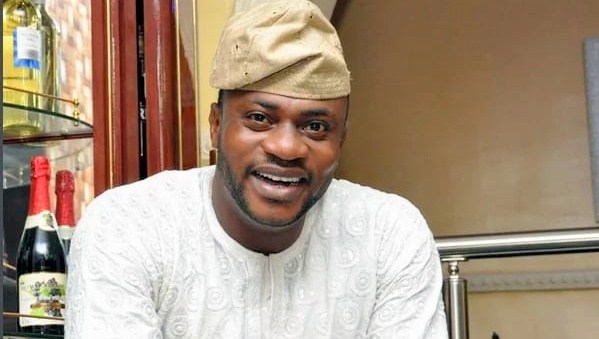
King of the Screen: Why Odunlade, Muyiwa, Femi Adebayo Remain Yoruba Movie Giants
The Yoruba movie industry has continued to produce legendary talents whose influence stretches beyond Nigeria to global audiences. Over the years, some actors have distinguished themselves through consistency, versatility, box office success, and cultural impact.
Among the numerous stars in Nollywood’s Yoruba sector, three actors have remained dominant figures whose names constantly resonate with fans and filmmakers alike — Odunlade Adekola, Muyiwa Ademola, and Femi Adebayo.

Odunlade Adekola: The Street King of Yoruba Cinema
Popularly regarded as one of the most entertaining actors in Nollywood, Odunlade Adekola has built a unique reputation through his energetic delivery, comic timing, emotional depth, and strong connection with grassroots audiences.
From comedy to action and emotional family dramas, the actor has consistently proven his versatility in blockbuster productions. His ability to interpret diverse roles effortlessly has made him a household name across Nigeria.
Industry observers believe his dominance on social media platforms, where his movie clips frequently go viral, has further strengthened his popularity among younger audiences.
Beyond acting, Odunlade has also contributed immensely to mentoring upcoming talents and expanding the commercial value of Yoruba films.
Muyiwa Ademola: The Master Storyteller

For many lovers of indigenous movies, Muyiwa Ademola remains one of the finest storytellers the Yoruba film industry has produced.
Widely respected for producing emotional and morally driven movies, the actor earned massive recognition through classic productions that focused on family values, culture, betrayal, perseverance, and societal lessons.
His calm delivery, deep scripts, and originality have kept him relevant despite changing trends in the entertainment industry.
Film critics often describe Muyiwa Ademola as one of the few actors whose productions combine entertainment with strong cultural education, making his movies timeless among older and younger viewers alike.
Femi Adebayo: The Modern-Day Box Office Force

Femi Adebayo has successfully combined traditional Yoruba storytelling with modern cinematic excellence, helping to project indigenous films to international audiences.
The actor, filmmaker, and producer has recorded major successes with high-budget productions that gained attention on streaming platforms and cinemas.
Known for his professionalism and attention to detail, Femi Adebayo has continued to push Yoruba movies beyond local boundaries while preserving cultural identity.
Entertainment analysts say his ability to blend culture, technology, and quality production has positioned him among the leading faces shaping the future of Yoruba cinema.
Growing Global Influence
The success of these actors reflects the increasing acceptance of indigenous Nigerian content globally. With streaming platforms creating wider access to local movies, Yoruba actors are now gaining international recognition and attracting new audiences.
Fans and stakeholders in the entertainment industry believe the contributions of Odunlade Adekola, Muyiwa Ademola, and Femi Adebayo have not only sustained Yoruba culture through film but have also elevated Nollywood’s global reputation.
celebrity radar - gossips
Eid-el-Kabir: Olowu of Kuta Urges Peace, Unity, Selflessness Among Nigerians
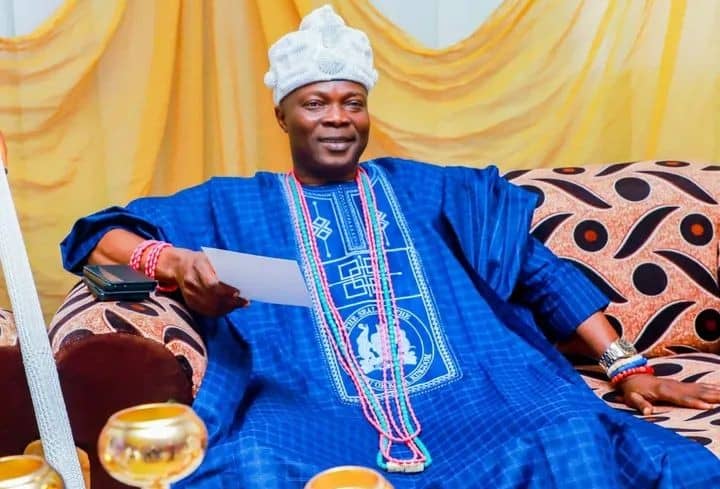
Eid-el-Kabir: Olowu of Kuta Urges Peace, Unity, Selflessness Among Nigerians
The Olowu of Kuta, HRM Oba Dr. Hammed Makama Oyelude, CON, Tegbosun III, has called on the Muslim Ummah and all Nigerians to make peace, unity, and selflessness their guiding principles as the world marks this year’s Eid-el-Kabir celebration.
In his Sallah message, the revered monarch described Eid-el-Kabir as a “highly spiritual occasion that demands dedication, commitment, and selflessness.”
Oba Makama said the period should be used to reflect on societal happenings and promote messages of hope and unity without inciting provocation.
He urged Nigerians to live together harmoniously, irrespective of religious, political, or tribal affiliations, stressing that politicians should exercise restraint and avoid inflammatory rhetoric ahead of the 2027 general elections.
“What should be uppermost in the mind of every patriotic Nigerian is **‘Country first,’” he said.
The monarch also appealed to citizens to remain vigilant in the face of insecurity, reassuring that the armed forces and paramilitary agencies are working round the clock to ensure a smooth and peaceful celebration.
“The price wise men pay for eternal liberty is vigilance. I urge everyone to celebrate moderately and extend a helping hand to the less privileged, widows, and orphans, embracing them as our brothers and sisters,” Olowu Makama added.
He concluded by wishing all Nigerians a peaceful and fulfilling Eid-el-Kabir celebration.
celebrity radar - gossips
Oba Babatunde Saliu Elebo II Felicitates Muslims on Eid-el-Kabir Celebration
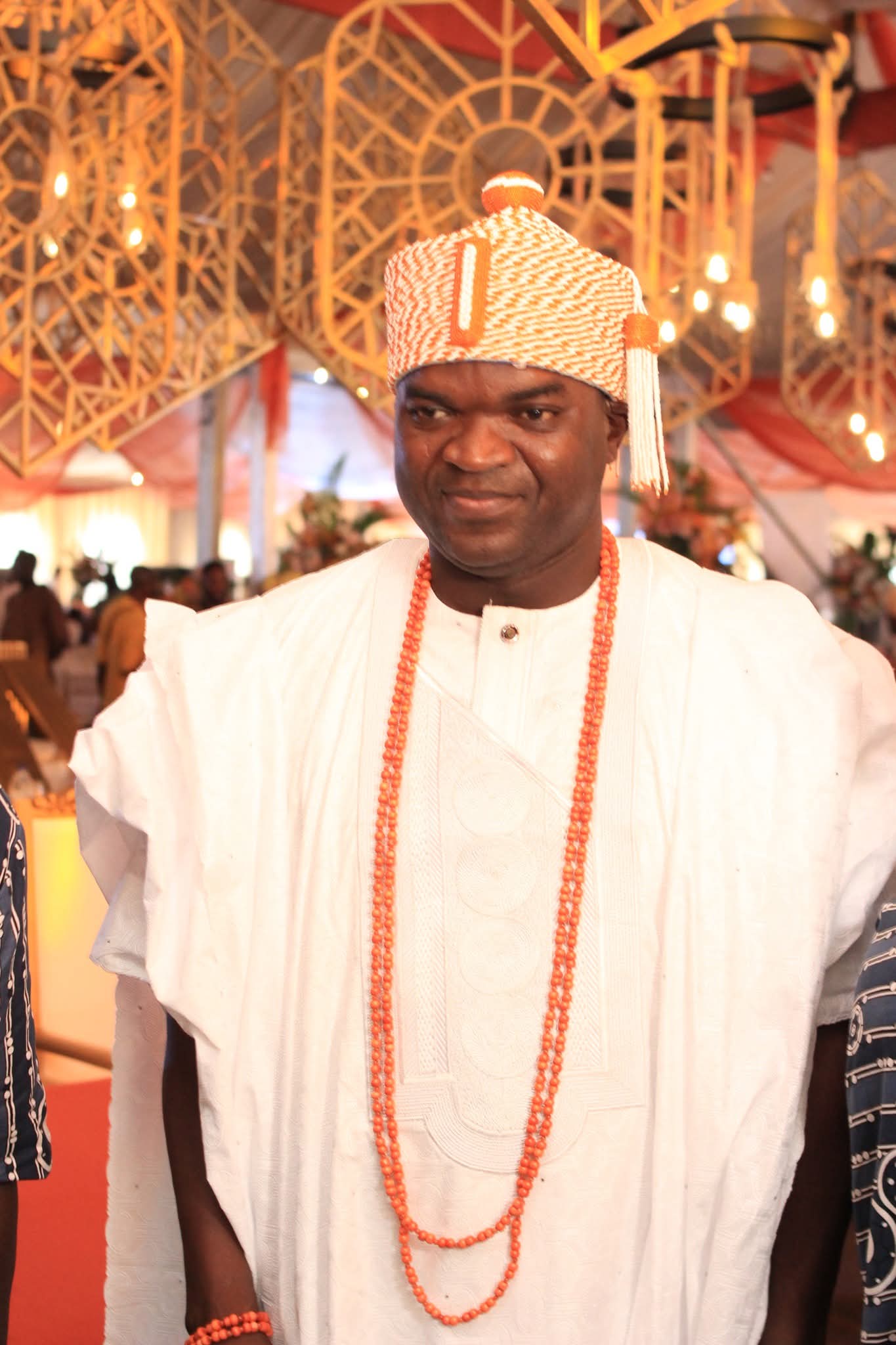
Oba Babatunde Saliu Elebo II Felicitates Muslims on Eid-el-Kabir Celebration
By Adeyemi Obadimu Veron
The Oloworo of Oworosoki Kingdom, Oba Babatunde Saliu Elebo II, has extended warm greetings and heartfelt felicitations to Muslims across Nigeria and the world at large on the joyous occasion of the 2026 Eid-el-Kabir celebration.
In a statement made available to Newsmen, the revered monarch urged Muslims to embrace the true teachings of Islam by promoting peace, love, unity, sacrifice, and compassion during and after the festive period.
Oba Babatunde Saliu Elebo II noted that Eid-el-Kabir, also known as Salah, remains one of the most significant celebrations in Islam as it symbolizes total obedience, faith, and devotion to Almighty Allah, drawing inspiration from the unwavering sacrifice of Prophet Ibrahim (Abraham), who demonstrated complete submission to the will of God.
According to the monarch, the Holy Qur’an teaches believers the importance of righteousness, kindness to humanity, tolerance, and support for the less privileged in society. He emphasized that the season should serve as a reminder for all Nigerians to live in harmony irrespective of religion, ethnicity, or political differences.
The royal father further called on Muslims to use the sacred period to pray fervently for peace, stability, economic growth, and sustainable development in Nigeria, stressing that national progress can only thrive in an atmosphere of unity and mutual understanding.
Oba Saliu also encouraged the faithful to extend hands of generosity to widows, orphans, and vulnerable members of society, noting that the essence of Eid-el-Kabir goes beyond celebration and feasting, but also reflects the spirit of sharing and caring for humanity as instructed in the Qur’an.
While wishing Muslims a peaceful and memorable Eid celebration, the Oloworo of Oworosoki prayed for divine blessings, prosperity, good health, and continued harmony in homes and communities.
“May this year’s Eid-el-Kabir strengthen our faith, deepen our love for one another, and bring renewed hope and abundant blessings to our nation,” the monarch stated.


- Pitcher Awards Announces 2026 Winners, Marking a Landmark Year for Pan‑African Creativity May 30, 2026
- Ghana Commemorates 78th International Day of United Nations Peacekeepers May 30, 2026
- South Africa: President Ramaphosa receives second interim report of Madlanga Commission May 30, 2026
- Asmara Marathon 2026 to be held May 30, 2026
- Powerful call for dialogue and compromise to secure peace in South Sudan issued on International Peacekeepers Day May 30, 2026
- Over 1,000 Participants Join Rwenzori Marathon Activation Run in Mombasa May 30, 2026
- World Health Organization (WHO) actively participated in the 2nd Summit on Healthcare Integration in Portuguese-speaking countries May 30, 2026
- Annual Meetings (AM) 2026: “Africa has what It takes” - Experts call for stronger financial systems to help Africa mobilise capital at scale May 30, 2026
- Eritrea Participates at Organization of African, Caribbean and Pacific States Meetings May 30, 2026
- Annual Meetings 2026 (AM2026): African Development Bank Group’s 2025 Annual Report Highlights Strong Results and a New Chapter for Africa’s Transformation May 29, 2026
- Pitcher Awards Announces 2026 Winners, Marking a Landmark Year for Pan‑African Creativity May 30, 2026
- Ghana Commemorates 78th International Day of United Nations Peacekeepers May 30, 2026
- South Africa: President Ramaphosa receives second interim report of Madlanga Commission May 30, 2026
- Asmara Marathon 2026 to be held May 30, 2026
- Powerful call for dialogue and compromise to secure peace in South Sudan issued on International Peacekeepers Day May 30, 2026
- Over 1,000 Participants Join Rwenzori Marathon Activation Run in Mombasa May 30, 2026
- World Health Organization (WHO) actively participated in the 2nd Summit on Healthcare Integration in Portuguese-speaking countries May 30, 2026
-

 news6 months ago
WHO REALLY OWNS MONIEPOINT? The $290 Million Deal That Sold Nigeria’s Top Fintech to Foreign Interests
-

 society4 weeks ago
SOCIAL MEDIA IS NOT A BATTLEFIELD COMMAND – WHY THE NIGERIAN ARMY’S ACTION AGAINST JUSTICE CRACK IS A NATIONAL SECURITY IMPERATIVE
-

 celebrity radar - gossips4 months ago
Dr. Chris Okafor Returns with Power and Fire of the Spirit -Mounts Grace Nation Altar with Fresh Anointing and Restoration Grace on February 1, 2026
-

 celebrity radar - gossips6 months ago
Prophet Kingsley Aitafo Releases 2026 Prophecy: ‘Nigeria Will Rise, but the World Must Prepare for Turbulence’