
society
The Hidden Costs of Violent Protests: The Long-Term Repercussions and Who takes responsibility? David Offor

The Hidden Costs of Violent Protests: The Long-Term Repercussions and Who takes responsibility?
David Offor
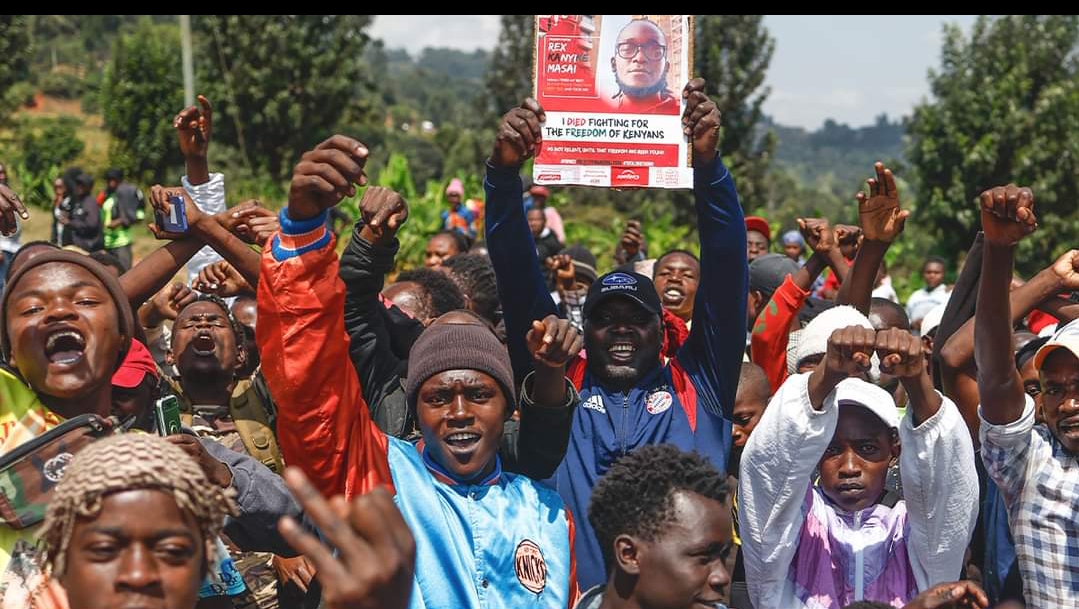
Violent protests have become a powerful form of political expression in recent years, but their long-term social and economic impacts are often overlooked. The recent tax protests in Kenya are a striking example of how public dissent can escalate into widespread chaos, leaving lasting wounds on society and the economy.
The Kenyan Tax Protests: From Protest to Carnage
The recently proposed tax hike in Kenya has sparked widespread protests that quickly turned violent. What started as peaceful demonstrations and a call to recall the parliamentary bill resulted in widespread chaos, including looting, damage to infrastructure, and loss of life. The economic impact was immediate and significant, with Nairobi’s Central Business District becoming deserted as businesses closed and were looted and destroyed in response to the violence. The destruction of property caused substantial financial losses, compounding the challenges faced by an already fragile economy. Moreover, the disruption led to a decline in investor confidence and a downturn in the vital tourism sector. The long-term effects remain unclear, but the immediate aftermath highlights the stark consequences of violent protests on Kenya’s economy.
Parallels in Another country,
NIGERIA: The End SARS Protests
Nigeria’s End SARS protests in 2020 echo the events in Kenya, highlighting similar socio-economic consequences. Initially a movement against police brutality which denied other non-protesting citizens the use of social and transport infrastructure, the protests later escalated into violent clashes with security forces, resulting in widespread destruction. Government buildings, private businesses, and public infrastructure were not spared. For instance, public transportation infrastructure and buses were burnt leading to a transportation crisis in Nigeria’s commercial capital, Lagos, when Nigeria finally removed expensive fuel subsidies four years later.
The negative economic impact was substantial. According to estimates, the Nigerian economy lost about $1.5 billion in the first two weeks of the protests alone. The destruction of property led to job losses, further compounding the economic hardships faced by many Nigerians and worsening whatever social situations existed before the protests. Moreover, the violence and instability deterred foreign investment for years, with businesses reconsidering their plans in a country perceived as unstable.
The Western Experience: Ruin in USA, France, Canada and Spain… Lives lost; Billions of Dollars in destruction
Advanced democracies and Western countries are not immune, either, to the socio-economic fallout of when protests turn violent. The United States, for example, experienced significant unrest following the death of George Floyd in 2020. Protests across major cities often turned violent, resulting in extensive property damage and, tragically, loss of life. Multiple deaths were recorded, both among protesters and law enforcement officers, underscoring the deadly potential of such unrest. The costs of rebuilding were immense, with insurance claims exceeding $2 billion, making it the most expensive civil unrest in U.S. history.
Similarly, protests in France, notably the Yellow Vest movement, led to widespread damage to public and private property. The economic disruption was felt across various sectors, from retail to tourism, with the government facing billions in reconstruction costs. The protests also resulted in several deaths, highlighting the severe human cost of violent dissent. In Spain, the 2017 Catalonia independence referendum sparked widespread protests that often turned violent. The clashes between protesters and police not only resulted in physical injuries and damage to property but also caused significant economic disruptions. The uncertainty surrounding the region’s political future led to a flight of businesses, with many companies relocating their headquarters out of Catalonia to avoid instability.
The tourism sector, a major contributor to Catalonia’s economy is still suffering. The images of violent confrontations broadcast worldwide led to a decline in tourist arrivals, affecting hotels, restaurants, and other businesses reliant on tourism. The broader Spanish economy felt the ripple effects, highlighting how regional unrest can have national implications.
In early 2022, Canada’s “Freedom Convoy” protests against COVID-19 vaccine mandates culminated in a blockade of critical border crossings, including the Ambassador Bridge, a vital trade artery between the U.S. and Canada. The blockade caused significant economic disruption, halting the flow of goods and costing millions of dollars in trade losses each day.
Manufacturing industries on both sides of the border suffered, with auto plants forced to shut down due to parts shortages. The economic impact was swift and severe, highlighting the vulnerability of supply chains to such disruptions. The blockade underscored the broader risks to economic stability when protests target critical infrastructure and the government had to employ the use of force to quell the protests leading to several arrests, and blocking of accounts of many who took part in, or funded – actively and passively, the protests even months after. Fortunately, no deaths were recorded during the Canadian protests, but the economic and social strain was considerable.
The Hong Kong Protests: A City in Turmoil and loss of regional economic status
Hong Kong’s pro-democracy protests in 2019-2020 present another vivid example. Initially sparked by an extradition bill, the protests escalated into a broader movement against perceived erosion of freedoms. The protests frequently turned violent, with clashes between protesters and police causing widespread disruption.
Hong Kong’s economy, already under pressure from global trade tensions, took a significant hit. Retail sales plummeted, with major shopping districts seeing sharp declines in foot traffic. The tourism sector, a cornerstone of Hong Kong’s economy, faced a steep drop in visitors. Airlines reported reduced flight bookings, and hotels saw occupancy rates fall dramatically.
The long-term damage to Hong Kong’s reputation as a stable financial hub cannot be overstated. Businesses and investors grew wary of the continued unrest, leading to capital flight and a reconsideration of Hong Kong as a base for regional operations.
The Trump Coup Attempt: Democracy Under Siege reminiscent of similar protests
The January 6th, 2021, storming of the U.S. Capitol by supporters of then-President Donald Trump marked a dark day for American democracy. No one believes such could happen in theUnited States of America of all places. The violent attempt to overturn the results of a democratic election not only led to loss of life and extensive property damage but also struck at the very heart of democratic principles. Five deaths were directly linked to the events of that day, including both protesters and law enforcement personnel. The economic impact, though secondary to the political crisis, included millions in damages and heightened security costs – all still borne by the American people.
This incident highlights the dangers of using protests to attempt a change in government through unconstitutional means. The attempt to force a change in a democratically elected government undermines the rule of law and the tenets of democracy, setting a dangerous precedent for future unrest.
Protests gone Wrong: The Hidden Costs
The economic damage and loss of lives from violent protests is just the tip of the iceberg. The deeper, more insidious costs lie in the erosion of social cohesion and trust. In Kenya, Nigeria, and other affected countries, the aftermath of such protests has left communities divided, with deep-seated grievances often leading to further instability.
Moreover, the focus on rebuilding physical infrastructure after the protests often overshadows the need to address the underlying issues that led to the protests. Governments end up having to divert funds from critical social programs to repair damaged property and infrastructure, putting further stress on the people and exacerbating socio-economic inequalities and perpetuating a cycle of unrest.
The Need for Government Intervention
While the right to protest is a fundamental democratic principle, the manner in which dissent is expressed can have profound implications. In cases where protests devolve into violence, it becomes necessary for governments to step in with force to restore order. The use of force, though often controversial, is sometimes crucial to prevent further destruction and to protect lives and property.
No responsible government can stand by while nefarious elements exploit legitimate protests to destabilise a country. Such elements often aim to force a change in government through unconstitutional means, undermining the very fabric of democracy. Governments must act decisively to ensure that the rule of law is upheld, and that the democratic process is protected. Allowing violent protests to go unchecked risks setting a dangerous precedent where force becomes a means to achieve political ends.
What is the way forward?
While the right to protest is essential, citizens must also bear the responsibility of ensuring that their actions do not lead to violence and destruction. Protests that are increasingly more often hijacked by nefarious elements seeking to destabilise governments through unconstitutional means only serve to undermine the legitimate grievances of the populace.
On the other hand, constructive dialogue between governments and citizens remains crucial. Addressing the root causes of discontent through reform and engagement can prevent the escalation of tensions but citizens must also know when to rein in their protests. A government elected by the entire population should not be removed through the back door by elements who choose not to use the polls to exercise their rights. Governments must however be proactive in responding to the needs of their people, and citizens must engage in peaceful and responsible advocacy.
As we reflect on the lessons from recent history, it is clear that the true cost of violent protests extends far beyond the immediate scenes of destruction. It is a cost borne by society as a whole, with repercussions that can last for generations – a one step forward, many steps backwards scenario. Through responsible protest and effective governance, the socio-economic fabric of society can be preserved and strengthened, ensuring a stable and prosperous future for all.
David Offor is a student of Political science and public policy with a key interest in citizen rights, public affairs and global diplomacy





NAWOJ: SEKINAT, CHARITY GETS VOTE OF CONFIDENCE
The Nigeria Association of Women Journalists,(NAWOJ), Ogun State Chapter Executives has unanimously passed a vote of confidence on Chairman NAWOJ SEKINAT Salam and the Financial Secretary, Charity James, saying that, their leadership reflect the ideal and objectives of NAWOJ.
This was revealed in a communique issued at an Emergency meeting of the Executive held at the NUJ State Council, Iwe-Iroyin in Abeokuta.
The vote of confidence on the Leadership of NAWOJ was unanimously signed by all the five executive members that attended the meeting with the vice chairperson taking apology for official engagement outside the state capital.
According to the communique ” Consequently, NAWOJ Ogun State Chapter, reaffirms it’s unwavering support and confidence in the Chairperson and the Financial Secretary, Sekinat Salam and Charity James respectively, Urge them to continue in their commitment to purposeful leadership in the best interest of the association and the society at large”.
Speaking briefly with Journalists after the emergency Executive meeting, the Chairperson, Nigeria Association of Woman Journalists (NAWOJ), Com. Sekinat Salam, said the meeting was necessary as the news of her suspension was laughable and insulting because it is like a pot calling a kettle black in this case, saying that the Leadership of the State Council, Com. Wale Olanrewaju has no local standing to suspend her or any executive member, even he cannot be a judge in his own case.
According to her” The Leadership of the Nigeria Union of Journalists, Ogun State led by Wale Olanrewaju has always been misusing power without recourse to the constitution of this noble Union, hence has no local standing to suspend me or any executive member “.
She said only the Central Working Committee (CWC) has the constitutional rights to sanction or suspend any members found wanting after due process has been followed.
While calling on members to stay calm, Com. Sekinat Salam assured members of positive representation of NAWOJ at both the State and National level, adding the success recorded under her administration cannot be overemphasized.
She therefore called on the National leadership of NUJ to critically look into the matter, either by setting up independent committee to investigate the issues and resolve the matter as quickly as possible.

Adron Homes Chairman Congratulates Oyo State on 50 Years of Progress
The Chairman and Chief Executive Officer of Adron Homes and Properties Limited, Aare Adetola Emmanuelking, has congratulated the Government and people of Oyo State as the state marks its 50th anniversary, describing the occasion as a celebration of resilience, cultural pride, and sustained progress.
He noted that since its creation, Oyo State has remained a strong contributor to Nigeria’s socio-economic and cultural development, emerging as a hub of commerce, education, and innovation.
According to him, the Golden Jubilee offers a moment for reflection and renewed commitment by government, private sector players, traditional institutions, and citizens toward building a more inclusive and prosperous state.
Aare Emmanuelking commended the state’s ongoing transformation through investments in infrastructure, economic expansion, and human capital development, adding that sustainable growth is deliberate and must remain purpose-driven.
He also praised the leadership of the current administration while acknowledging the contributions of past leaders whose efforts laid the foundation for today’s Oyo State.
Reaffirming Adron Homes’ commitment to national development, he described Oyo State as a land of opportunity. He wished the state continued peace and prosperity, expressing confidence that the next fifty years will bring even greater achievements for the Pace Setter State and its people.

TY BURATAI HUMANITY CARE FOUNDATION CONDOLES WITH BIU EMIRATE OVER TRAGIC ATTACK
In a profound expression of sorrow, the TY Buratai Humanity Care Foundation has extended its heartfelt condolences to the families of the victims and the entire people of Biu Emirate, Borno State, following the recent tragic attack attributed to Boko Haram. This devastating assault, which occurred at a work site in northeastern Nigeria, claimed the lives of dozens, including brave soldiers committed to protecting the nation.
In a statement released to the press and signed by the Chairman of the foundation, Ibrahim Dahiru Danfulani Sadaukin Garkuwan Keffi/Betara Biu, the Grand Patron of the Foundation, His Excellency Amb. Lt. Gen. Tukur Yusufu Buratai CFR (Rtd), former Chief of Army Staff, described the incident as “one too many senseless, barbaric, and ruthless displays of inhumanity.” His Excellency emphasized the heartbreaking impact of such attacks on innocent, hardworking citizens striving to make a positive difference in their communities.
The Grand Patron praised the swift and decisive response of military personnel during this critical time, underscoring their brave commitment to safeguarding the nation. He called upon them to maintain this momentum, commending their courage and sacrifice in the face of adversity. “May Almighty Allah forgive their souls and grant them Aljannah Firdouse,” he remarked, encouraging the nation to honor their spirit of sacrifice as they rally together to rebuild and restore hope across the region.
In his statement, Gen. Buratai highlighted the importance of collective action in overcoming the challenges posed by insecurity, urging concerned citizens to increase their efforts in fostering a virile community that future generations can cherish. “Together, we can surmount these troubles,” he asserted, calling on all patriotic leaders and citizens to unite in the fight against violence and insecurity.

The TY Buratai Humanity Care Foundation remains committed to supporting initiatives that promote peace, security, unity, and prosperity. As the foundation extends its condolences to the bereaved, it also calls upon all segments of society to collaborate in creating a better and safer future. May Allah guide and protect the nation and lead it toward enduring peace. Amen.


-

 celebrity radar - gossips6 months ago
Why Babangida’s Hilltop Home Became Nigeria’s Political “Mecca”
-

 society6 months ago
Power is a Loan, Not a Possession: The Sacred Duty of Planting People
-

 Business6 months ago
Batsumi Travel CEO Lisa Sebogodi Wins Prestigious Africa Travel 100 Women Award
-

 news6 months ago
THE APPOINTMENT OF WASIU AYINDE BY THE FEDERAL GOVERNMENT AS AN AMBASSADOR SOUNDS EMBARRASSING