
society
Unity in Diversity: The Path to Nigeria’s Prosperity By George O Sylvester

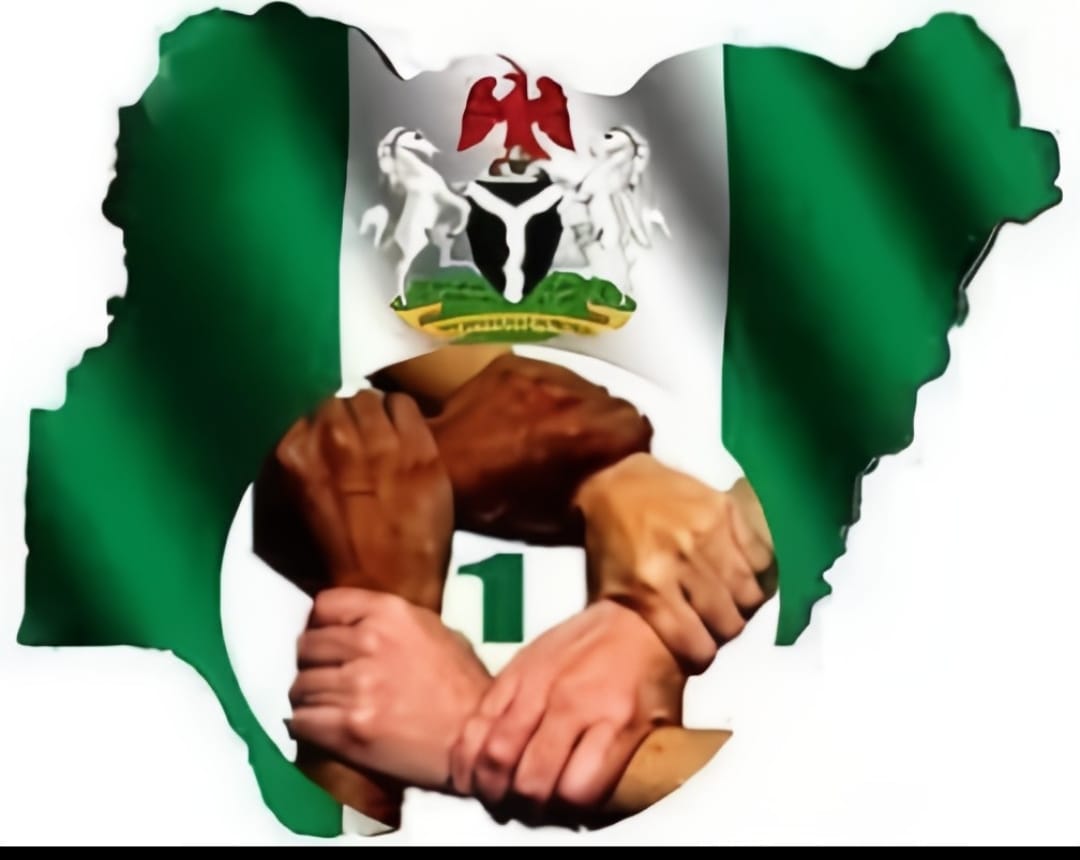
Unity in Diversity: The Path to Nigeria’s Prosperity
By George O Sylvester
Nigeria, often referred to as the “Giant of Africa,” is a nation rich in cultural, ethnic, and religious diversity. With over 250 ethnic groups and more than 500 languages spoken, the country’s multifaceted identity is both a source of strength and a challenge. Embracing this diversity and fostering unity is crucial for Nigeria’s progress and development.
Historical Precedents of Unity
History offers numerous examples of nations that have harnessed their diverse components to build formidable entities. The United States began as thirteen independent colonies that united to form a single nation, subsequently expanding through the inclusion of other territories. China, with a population comparable to that of the entire African continent, has maintained cohesion despite vast cultural and regional differences. India, a country marked by its myriad languages, religions, and cultures, has emerged as a global power by integrating its diverse groups. Conversely, Pakistan, which separated from India primarily due to religious differences, continues to grapple with developmental challenges. These examples underscore the potential of unity in fostering national strength and progress.
The Nigerian Context
Nigeria’s diversity is unparalleled, encompassing various ethnicities such as the Hausa, Yoruba, Igbo, and numerous others. This pluralism should be a wellspring of strength, yet the nation has faced persistent challenges rooted in ethnic and regional divisions. Mismanagement of resources and leadership failures have often been attributed to specific groups, leading to a fragmented national consciousness. However, it is imperative to recognize that every region is governed by its own people, and the trajectory of progress or regression largely depends on the quality of leadership within these regions.
Chinua Achebe, one of Nigeria’s literary giants, aptly noted, “The trouble with Nigeria is simply and squarely a failure of leadership.” This observation underscores the notion that the nation’s challenges are not inherently tied to its diverse makeup but rather to the caliber of its leaders across all regions.
The Power of Unity
Unity does not imply uniformity; rather, it signifies the harmonious coexistence of diverse elements working towards a common goal. Ifeanyi Enoch Onuoha encapsulates this sentiment: “For us to progress, we must be a community in liberty, equality, and fraternity.” By embracing our differences and leveraging them as assets, Nigeria can forge a path toward collective progress.
Addressing Leadership and Resource Management
The mismanagement of resources has been a significant impediment to Nigeria’s development. This issue transcends ethnic and regional boundaries, pointing to a systemic problem in governance. Nnamdi Azikiwe, Nigeria’s first President, emphasized the essence of true leadership: “A true leader is one who serves the people, not one who seeks power for personal gain.” It is incumbent upon leaders at all levels to prioritize the welfare of their constituents over personal ambitions.
The Role of the Citizenry
While leadership plays a pivotal role, the onus of fostering unity and progress also lies with the citizenry. Engaging in constructive dialogue, promoting mutual respect, and actively participating in the democratic process are essential steps toward nation-building. As Chinua Achebe observed, “Nigeria is what it is because its leaders are not what they should be.” This statement serves as a call to action for citizens to demand accountability and integrity from their leaders.
Practical Steps Toward Unity and Progress
Promoting Inclusive Governance: Ensuring that all ethnic and regional groups are adequately represented in government institutions can foster a sense of belonging and reduce feelings of marginalization.
Investing in Education: Education serves as a unifying force, promoting understanding and tolerance among diverse groups. A curriculum that highlights the nation’s rich cultural heritage can instill pride and unity among citizens.
Encouraging Inter-ethnic Collaboration: Initiatives that promote collaboration across ethnic lines, such as inter-community projects and cultural exchanges, can strengthen national cohesion.
Ensuring Equitable Resource Distribution: Transparent and fair allocation of resources can mitigate feelings of disenfranchisement and promote national solidarity.
Strengthening Institutions: Building robust institutions that uphold the rule of law and ensure justice can engender trust and unity among the populace.
Furthermore
Nigeria stands at a crossroads where the choices made today will shape its future trajectory. Embracing unity in diversity is not merely an idealistic notion but a pragmatic approach to nation-building. By drawing lessons from history, addressing leadership challenges, and actively engaging the citizenry, Nigeria can harness its rich diversity as a formidable asset. As we move forward, let us remember that our collective strength lies not in our similarities but in our ability to unite despite our differences.




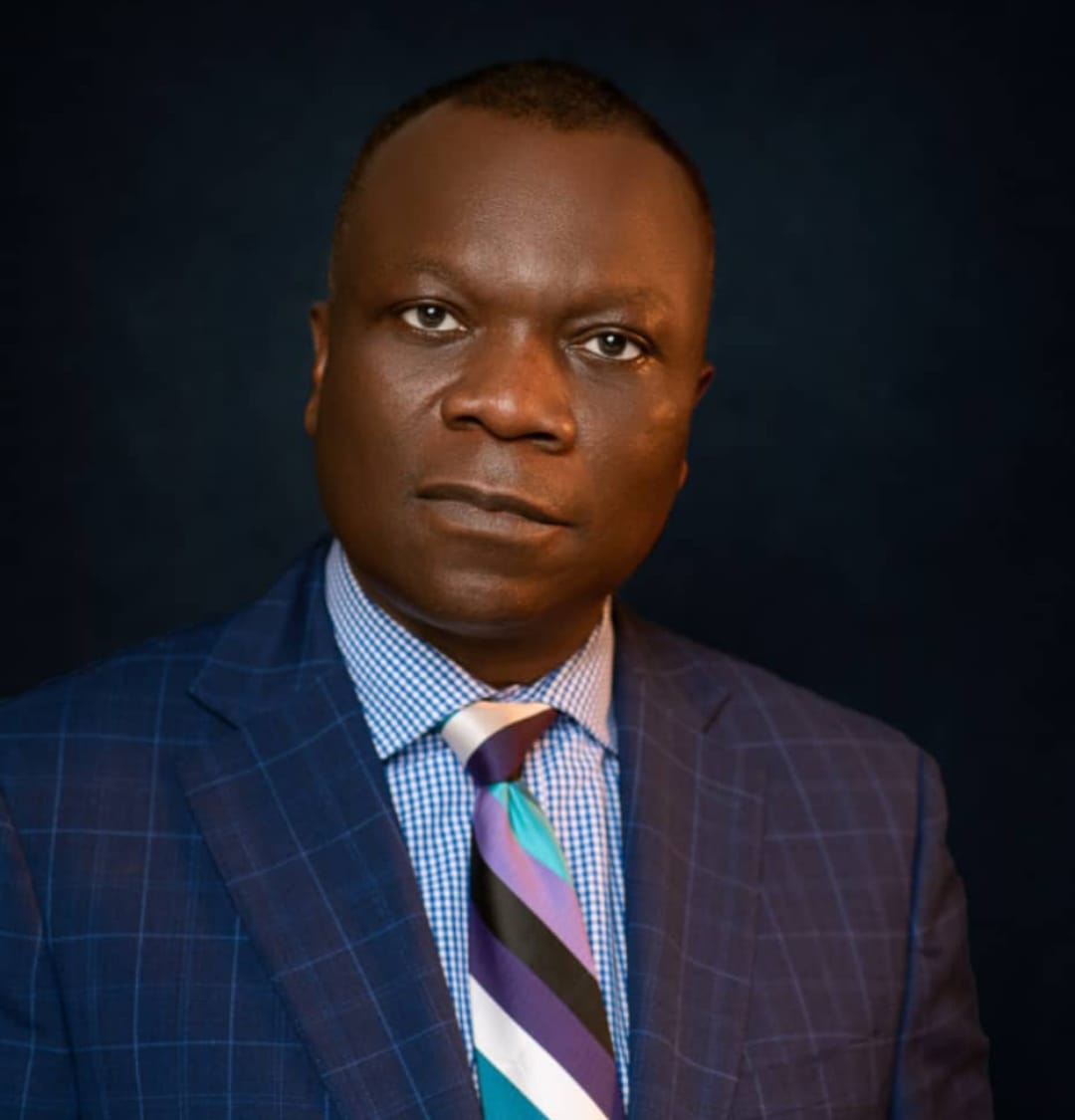
Banwo Identifies Structural Challenges Limiting Opposition
Public commentator Dr. Ope Banwo has identified key structural and strategic challenges limiting the effectiveness of opposition parties in Nigeria.
In a statement released from his base in America, Banwo outlined several factors, including internal divisions, weak grassroots presence, and lack of clear policy alternatives, as major obstacles facing opposition groups.
“One of the biggest issues is fragmentation. There are too many interests and not enough coordination,” he said.
He noted that multiple presidential ambitions within opposition ranks could make it difficult to build consensus around a single candidate.
Banwo also emphasised the importance of grassroots political structures, stating that electoral success in Nigeria depends heavily on local-level organisation.
“Elections are not won on social media. They are won through presence and coordination at the community level,” he explained.
Another concern raised by Banwo is what he described as inconsistent messaging from opposition parties, which he said could make it difficult for voters to identify a clear alternative to the current administration.
“Criticism alone is not enough. Voters want to see a defined direction and credible leadership,” he added.
He further pointed to the challenges of funding and long-term planning, noting that successful political campaigns require sustained investment and discipline.
According to him, defeating an incumbent government demands a high level of coordination, including strong alliances and a unified national strategy.
Banwo, however, suggested that there remains an opportunity for opposition parties to reposition themselves if they address these challenges early.
He stressed the need for compromise among political leaders, urging them to prioritise collective goals over individual ambitions.
“If there is unity, structure, and clarity of purpose, the political landscape can still change,” he said.
He concluded that the strength of any democracy depends on the presence of a viable opposition capable of offering credible alternatives to voters
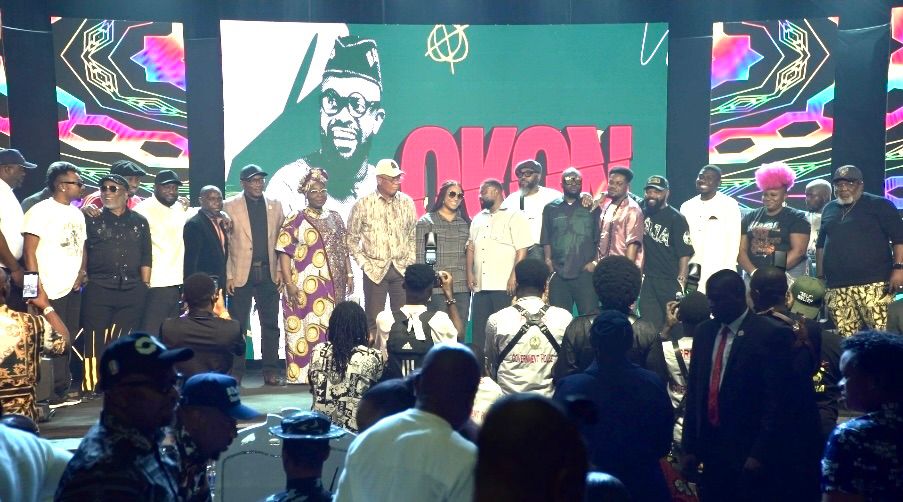
koloman’s: Daddy @pastorumoeno we’re still waiting for your benevolence sir
@igosave @okonlagos @nedu_official @yawnaija @deehumorous @senatorcomedian @akwaibomstategovt

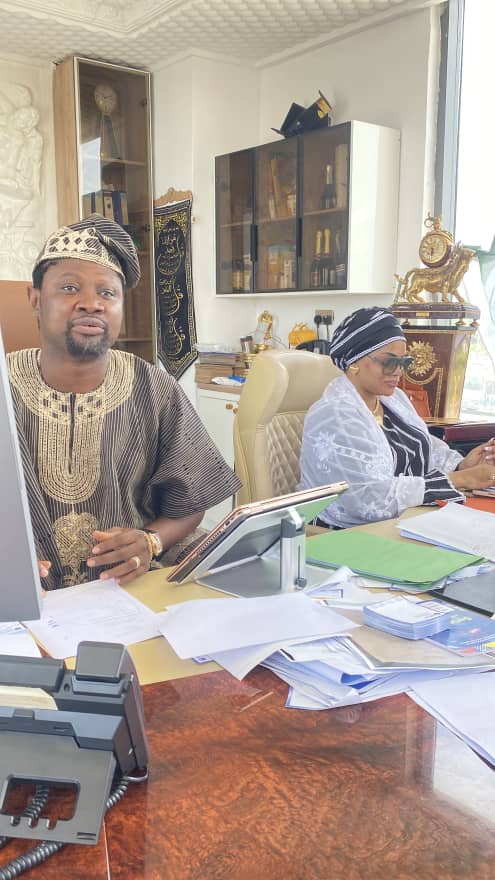
Harmony Garden CEO Empowers Widows with Enhanced Welfare Support
EPE, LAGOS — The Chief Executive Officer of Harmony Garden and Estate Development Limited, Hon. Dr. Saheed Audullahi Mosadoluwa, popularly known as Mr. Ibile, has reaffirmed his commitment to humanitarian service by extending increased welfare support to widows in Epe.
The gesture came during a visit by members of the Widows Association of Nigeria, Epe Branch, who gathered in large numbers on Tuesday to express appreciation for what they described as sustained generosity and life-changing support.
The engagement was marked by emotional testimonies, as several beneficiaries recounted how the initiative has improved their living conditions and restored hope. Many offered prayers for the philanthropist, describing his intervention as timely and impactful amid prevailing economic challenges.
One of the beneficiaries, Mrs. Folorunsho Quadri, commended Dr. Mosadoluwa’s consistent support, noting that the initiative has helped restore dignity among widows in the community. She revealed that members receive ₦100,000 quarterly, alongside a monthly stipend recently increased from ₦10,000 to ₦20,000 to cushion the effects of economic hardship.
According to her, the assistance goes beyond financial relief, providing emotional strength and encouragement for widows striving to rebuild their lives.
Responding, Dr. Mosadoluwa expressed gratitude for the visit and reiterated that his philanthropic activities are rooted in a genuine desire to give back to society. He emphasized that true wealth lies in the positive impact one makes in the lives of others, adding that supporting vulnerable groups remains a core priority.
The real estate developer also addressed concerns surrounding Harmony Garden, assuring the public of the company’s commitment to transparency and integrity, particularly in its land transactions.
He dismissed speculations linking his humanitarian gestures to political ambitions, maintaining that his actions are driven solely by compassion and a sense of social responsibility.
Dr. Mosadoluwa further urged the widows to make judicious use of the support while remaining resilient and hopeful despite life’s challenges.
Observers say the initiative highlights the increasing role of private sector players in complementing government efforts toward social welfare and community development.
Harmony Garden and Estate Development Limited continues to expand its presence in Nigeria’s real estate sector, while strengthening its reputation as a socially responsible organisation dedicated to improving lives.


- Uganda Development Corporation (UDC) to take 82% of Trade ministry budget April 16, 2026
- Merck Foundation marks ‘World Art Day’ through their Film, Song, Media and Fashion Awards 2026 in partnership with Africa’s First Ladies to raise awareness about social & health issues April 15, 2026
- Gabon’s Offshore Comeback: International Oil Companies (IOCs) Return as Exploration Heats Up Ahead of Paris Forum April 15, 2026
- Shell’s Eugene Okpere to Speak at Angola Oil & Gas (AOG) 2026 Amid $1B Angolan Deepwater Drive April 15, 2026
- Oando Joins African Energy Week (AEW) 2026 as Emerald Sponsor as Firm Reports 10% Profit Rise April 15, 2026
- Africa Finance Corporation (AFC) Invests in Dhamana Guarantee Company to Catalyse Local Currency Infrastructure Financing in East Africa April 15, 2026
- WESGRO and Enlit Africa 2026 unite to spotlight the Western Cape’s energy investment opportunity April 15, 2026
- Gianni Merlo re-elected as International Sports Press Association (AIPS) President for sixth and final term in landslide victory April 15, 2026
- African Development Fund approves 1.7 billion CFA francs to boost private sector competitiveness across West African Economic and Monetary Union (WAEMU) countries April 15, 2026
- Knowledge Katti: The Architect Behind Namibia’s Energy Breakthrough April 15, 2026
- Uganda Development Corporation (UDC) to take 82% of Trade ministry budget April 16, 2026
- Merck Foundation marks ‘World Art Day’ through their Film, Song, Media and Fashion Awards 2026 in partnership with Africa’s First Ladies to raise awareness about social & health issues April 15, 2026
- Gabon’s Offshore Comeback: International Oil Companies (IOCs) Return as Exploration Heats Up Ahead of Paris Forum April 15, 2026
- Shell’s Eugene Okpere to Speak at Angola Oil & Gas (AOG) 2026 Amid $1B Angolan Deepwater Drive April 15, 2026
- Oando Joins African Energy Week (AEW) 2026 as Emerald Sponsor as Firm Reports 10% Profit Rise April 15, 2026
- Africa Finance Corporation (AFC) Invests in Dhamana Guarantee Company to Catalyse Local Currency Infrastructure Financing in East Africa April 15, 2026
- WESGRO and Enlit Africa 2026 unite to spotlight the Western Cape’s energy investment opportunity April 15, 2026
-

 news4 months ago
WHO REALLY OWNS MONIEPOINT? The $290 Million Deal That Sold Nigeria’s Top Fintech to Foreign Interests
-

 celebrity radar - gossips3 months ago
Dr. Chris Okafor Returns with Power and Fire of the Spirit -Mounts Grace Nation Altar with Fresh Anointing and Restoration Grace on February 1, 2026
-

 celebrity radar - gossips6 months ago
End of an Era: Nigeria Mourns Evangelist Dr. Uma Ukpai, 80
-

 celebrity radar - gossips4 months ago
Prophet Kingsley Aitafo Releases 2026 Prophecy: ‘Nigeria Will Rise, but the World Must Prepare for Turbulence’