
society
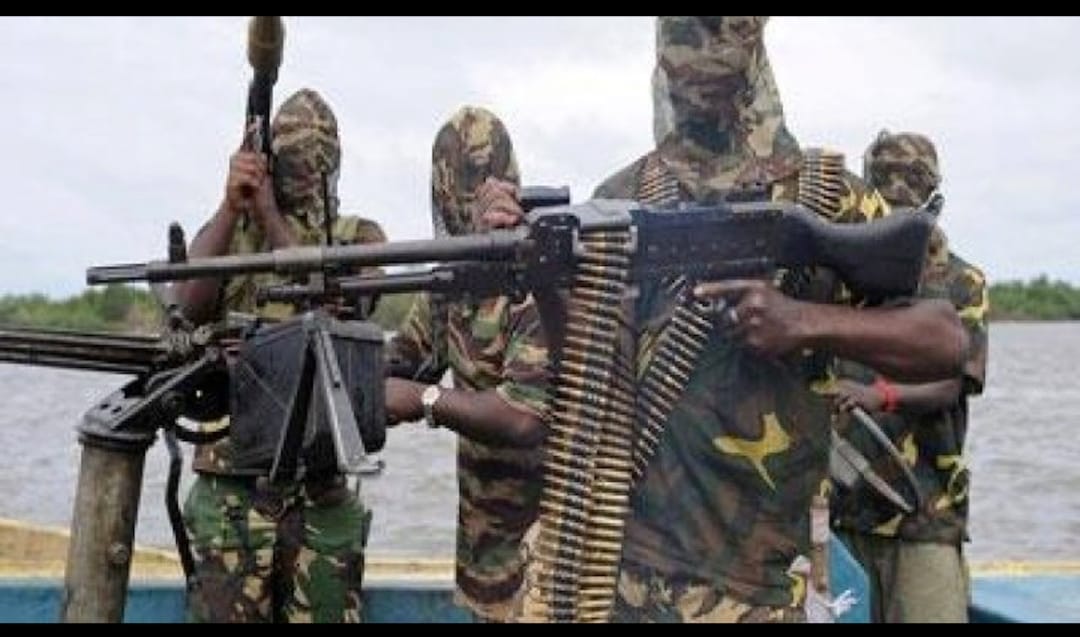
Borno Losing Ground to Boko Haram: A Nation in Denial, a Governor in Distress

Borno Losing Ground to Boko Haram: A Nation in Denial, a Governor in Distress
By George Omagbemi Sylvester
In a chilling cry that cuts through the numb silence of a weary nation, Governor Babagana Zulum of Borno State has once again lamented the relentless assault of Boko Haram, warning that his state—once a bastion of resistance against terrorism—is gradually losing ground to the insurgents. His words are not only a cry for help but also a damning indictment of a nation that has normalized tragedy, desensitized itself to carnage, and continues to gamble with the blood of its citizens.

This is not a new story. It is the same tale of bloodshed, displacement, and despair—only now, it is resurfacing with greater urgency. In Governor Zulum’s own words, “The resurgence of Boko Haram in parts of Borno is deeply worrisome. We cannot continue to pretend that all is well.” These are not the empty complaints of a politician seeking attention. They are the warnings of a leader on the frontline, who sees firsthand what Abuja refuses to confront: the war against terrorism is far from over, and Nigeria is losing it—again.

A False Sense of Victory
In 2015, the All Progressives Congress (APC) rode to power on the back of promises to defeat Boko Haram, eradicate corruption, and stabilize the economy. A decade later, the group remains active, its factions—particularly the Islamic State West Africa Province (ISWAP)—now more organized, more brutal, and more entrenched. In December 2020, the United Nations estimated that over 36,000 people had been killed in the conflict, with more than 2 million displaced in the Northeast. Those numbers have only grown, with over 11 million people now in need of humanitarian assistance in Borno, Adamawa, and Yobe states as of 2024.
While successive administrations have claimed to have “technically defeated” Boko Haram, the ground reality paints a starkly different picture. Boko Haram continues to operate freely in parts of southern Borno, Sambisa Forest, and the Lake Chad Basin. Just last month, insurgents overran military positions in Guzamala and attacked communities in Gwoza, killing civilians and security personnel alike. These are not isolated incidents; they are coordinated, strategic offensives designed to reestablish territorial dominance.
Zulum: The Lone Voice in the Wilderness
Governor Zulum’s courage in speaking out deserves national commendation. Unlike many of his counterparts who wallow in silence or peddle the central government’s propaganda, Zulum has consistently challenged the federal security architecture, demanding more boots on the ground, better intelligence sharing, and genuine political will.
In April 2024, during a security meeting in Maiduguri, Zulum warned that Boko Haram fighters were regrouping and that displaced persons living in IDP camps could not return to their ancestral homes due to insecurity. “Our soldiers are overwhelmed,” he stated. “Without increased federal support, we risk losing everything we’ve fought for in the last 10 years.”
Indeed, Nigeria spends over ₦2 trillion annually on defense, yet the country remains one of the most terrorized in the world. According to the Global Terrorism Index 2024, Nigeria remains in the top 10 of countries most affected by terrorism. Despite enormous budget allocations, corruption, poor accountability, and bureaucratic incompetence have rendered Nigeria’s counterterrorism strategy toothless.
The Consequences of Failure
The implications of Borno losing ground to Boko Haram are staggering. First, it spells humanitarian catastrophe. Over 700,000 children in Borno State alone face severe malnutrition, and if access to remote areas becomes even more restricted, the death toll from hunger could soon rival that from bullets.
Second, it undermines national security. The resurgence of terrorism in the Northeast could embolden other armed groups in the Northwest and Northcentral—bandits, kidnappers, and separatist militias—thus plunging the country into further anarchy. In a nation already teetering on the edge, Borno’s descent into lawlessness could trigger a chain reaction of state failures.
Third, it discredits Nigeria’s international reputation. The country has received significant support from international allies, including the United States, the European Union, and the United Nations. Yet, donor fatigue is setting in. The world is growing tired of helping a government that appears unwilling—or unable—to help itself. Nigeria risks becoming the poster child of wasted aid and lost hope.
Abuja Must Wake Up
The federal government can no longer afford to downplay Zulum’s warnings. His alarm should prompt a total reevaluation of Nigeria’s security framework. The Nigerian Army, overstretched and under-equipped, cannot continue to bear this burden alone. There must be a comprehensive approach that includes:
Decentralization of Security: State policing and community defense structures must be legalized and properly regulated. The centralization of security under Abuja has failed. It is time to empower state and local authorities to take charge of their regions.
Intelligence-Driven Warfare: Technology, surveillance drones, and real-time intelligence must be the cornerstone of military operations. Boko Haram’s movements should not come as a surprise in the era of satellite monitoring and AI-powered tracking.
Cutting Off Financing: Boko Haram sustains itself through extortion, illegal taxation of farmers, and foreign funding. The Nigerian Financial Intelligence Unit (NFIU) must be empowered to aggressively trace and freeze terrorist-linked accounts.
Rehabilitation and Reintegration: While military force is essential, so too is de-radicalization. The failure of Nigeria’s past reintegration programs stems from the absence of post-release monitoring, community engagement, and economic reinsertion. Ex-combatants must be tracked and employed, not released into the shadows.
Conclusion: A Nation at the Crossroads
Governor Zulum has laid bare the uncomfortable truth that many at the top are unwilling to hear: Borno is slipping, and with it, Nigeria is unraveling. This is not the time for political spin or cosmetic reforms. This is the time for radical honesty, brave leadership, and urgent action.
As citizens, we must amplify Zulum’s voice. As intellectuals, we must dissect the systemic failures that brought us here. And as a nation, we must decide: are we going to keep pretending that Nigeria is safe while Borno burns? Or are we going to rise, confront the monster of terror head-on, and reclaim our land?
History will not be kind to those who watched in silence while Borno bled. And if we fail to act now, the lament of Zulum today will become the requiem of Nigeria tomorrow.




society
Opinion: Doris Ogala should refrain from mentioning Dr. Chris Okafor’s name given his marital status.

Opinion: Doris Ogala should refrain from mentioning Dr. Chris Okafor’s name given his marital status.
…He is not accountable for your predicament; kindly address your case file.
Meta Facebook should take immediate action to sanitize its platform of individuals like Doris who are spreading malicious content, and Doris should be careful when referencing Lagos-based well-known Pastor Dr. Chris Okafor in connection to her faded career
Doris Ogala should be aware that the Generational Prophet is now in a fulfilling marriage with his spouse, and her recent troubles are exclusively attributed to the ancestral curse that has been a persistent issue since her previous union, which her current husband had not yet discovered.

When a grown up woman lack wisdom and good parental upbringing what should be expected from such woman is exactly what Doris Ogala portraying as human beings that fabricated lies against a true man of God and go scout-free so, no one is expected to sympathized with the faded-away actress known as Doris Ogala and she must dearly pay for her evil manipulation as nemesis hunting her back.
It’s prudent for Doris Ogala, or those close to her, to be aware of the potential risks associated with her claims regarding Dr. Chris Okafor, a married man. Without proper justification, such actions could lead to severe repercussions. The challenges she faces might be linked to her actions, and a genuine change might mitigate her situation.
Consider how the spouse of the person you’re criticizing online might feel when you address them so informally. Don’t you think she’s capable of facing you? While she may not respond to provocations, it’s advisable not to provoke further
I am taking this opportunity to advise Doris Ogala to reconsider her actions and prioritize her career by refraining from mentioning the name of a man who does not reciprocate her interest. It would also be prudent for Doris Ogala to reflect on her age and compare it with the age of the person she is so ardently pursuing and to respect the sanctity of his home, which would invite divine blessings and a peaceful life of her own if she dedicates her life to Christ, potentially reversing any adverse fate that may be looming over her.
Sincerely dedicating your life to Christ and amending your behavior can lead to divine mercy and a stable living arrangement; in my considered opinion, reforming one’s ways can yield compassion.
John Linus writes from Onitsha
Banwo Identifies Structural Challenges Limiting Opposition
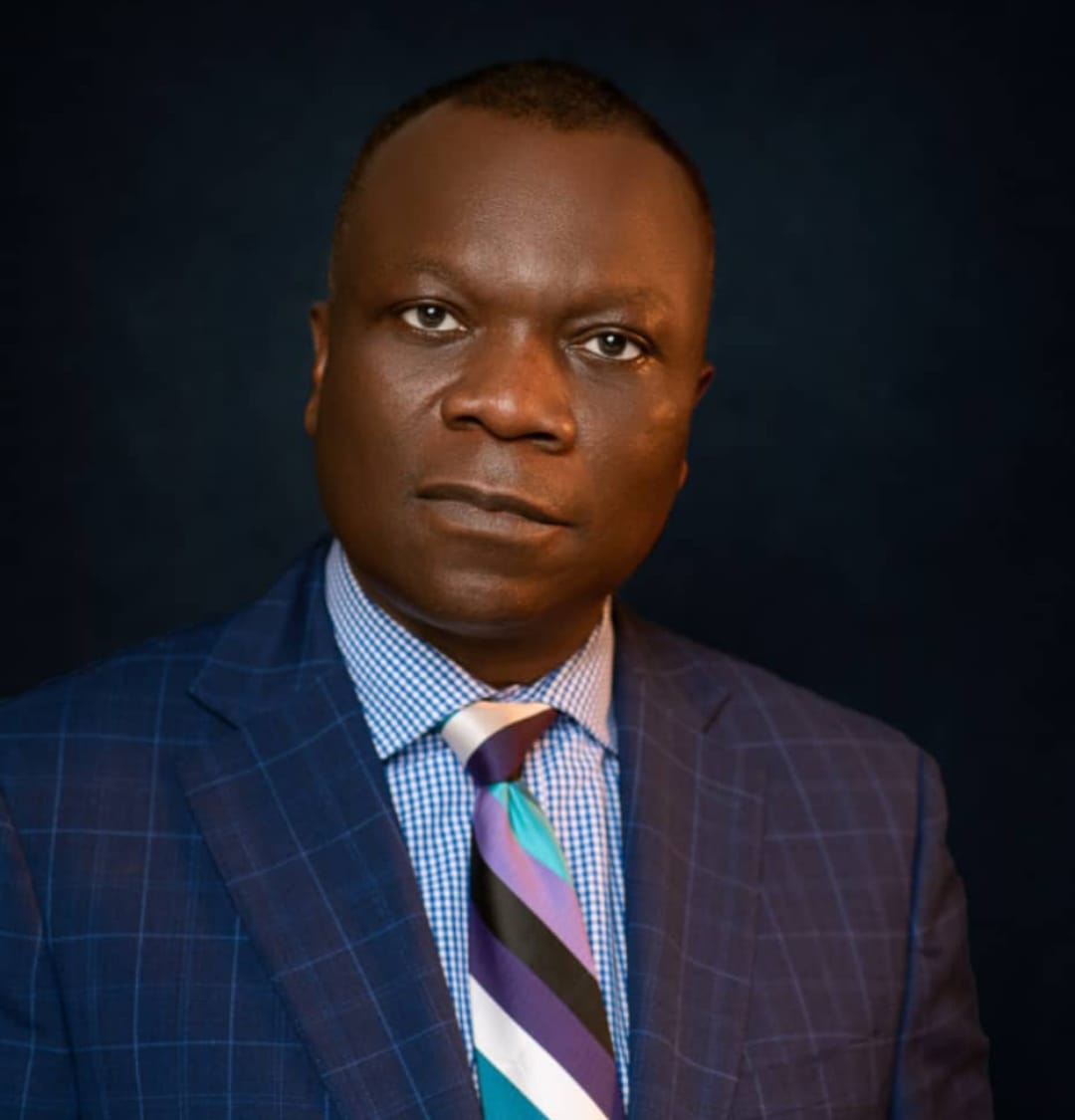
Public commentator Dr. Ope Banwo has identified key structural and strategic challenges limiting the effectiveness of opposition parties in Nigeria.
In a statement released from his base in America, Banwo outlined several factors, including internal divisions, weak grassroots presence, and lack of clear policy alternatives, as major obstacles facing opposition groups.
“One of the biggest issues is fragmentation. There are too many interests and not enough coordination,” he said.
He noted that multiple presidential ambitions within opposition ranks could make it difficult to build consensus around a single candidate.
Banwo also emphasised the importance of grassroots political structures, stating that electoral success in Nigeria depends heavily on local-level organisation.
“Elections are not won on social media. They are won through presence and coordination at the community level,” he explained.
Another concern raised by Banwo is what he described as inconsistent messaging from opposition parties, which he said could make it difficult for voters to identify a clear alternative to the current administration.
“Criticism alone is not enough. Voters want to see a defined direction and credible leadership,” he added.
He further pointed to the challenges of funding and long-term planning, noting that successful political campaigns require sustained investment and discipline.
According to him, defeating an incumbent government demands a high level of coordination, including strong alliances and a unified national strategy.
Banwo, however, suggested that there remains an opportunity for opposition parties to reposition themselves if they address these challenges early.
He stressed the need for compromise among political leaders, urging them to prioritise collective goals over individual ambitions.
“If there is unity, structure, and clarity of purpose, the political landscape can still change,” he said.
He concluded that the strength of any democracy depends on the presence of a viable opposition capable of offering credible alternatives to voters

koloman’s: Daddy @pastorumoeno we’re still waiting for your benevolence sir
@igosave @okonlagos @nedu_official @yawnaija @deehumorous @senatorcomedian @akwaibomstategovt


- African Development Bank, The European Stability Mechanism (ESM) sign Memorandum of Understanding to enhance cooperation April 16, 2026
- Seeing the Unseen – How Canon is Protecting East Africa’s Coral Reefs April 16, 2026
- Sintana Listing Signals New Era for Local Ownership in Namibia’s Oil and Gas Sector April 16, 2026
- The crisis in the Middle East could cost Africa 0.2 percent in economic growth in 2026 April 16, 2026
- Namibia International Energy Conference (NIEC) 2026: Namibia Fast-Tracks Oil Law Reform as President Nandi-Ndaitwah Pushes Amendment Bill Ahead of First Oil April 16, 2026
- Africa’s Energy Wealth: Why Good Governance Must Power a Just Transition (By Sola Adebawo) April 16, 2026
- Emirates and Wesgro sign Memorandum of Understanding (MoU) to Stimulate Inbound Tourism to the Western Cape April 16, 2026
- Banco Sol’s Angola Oil & Gas (AOG) 2026 Sponsorship Affirms Drive to Finance Angolan Service Companies April 16, 2026
- Uganda Development Corporation (UDC) to take 82% of Trade ministry budget April 16, 2026
- Merck Foundation marks ‘World Art Day’ through their Film, Song, Media and Fashion Awards 2026 in partnership with Africa’s First Ladies to raise awareness about social & health issues April 15, 2026
- African Development Bank, The European Stability Mechanism (ESM) sign Memorandum of Understanding to enhance cooperation April 16, 2026
- Seeing the Unseen – How Canon is Protecting East Africa’s Coral Reefs April 16, 2026
- Sintana Listing Signals New Era for Local Ownership in Namibia’s Oil and Gas Sector April 16, 2026
- The crisis in the Middle East could cost Africa 0.2 percent in economic growth in 2026 April 16, 2026
- Namibia International Energy Conference (NIEC) 2026: Namibia Fast-Tracks Oil Law Reform as President Nandi-Ndaitwah Pushes Amendment Bill Ahead of First Oil April 16, 2026
- Africa’s Energy Wealth: Why Good Governance Must Power a Just Transition (By Sola Adebawo) April 16, 2026
- Emirates and Wesgro sign Memorandum of Understanding (MoU) to Stimulate Inbound Tourism to the Western Cape April 16, 2026
-

 news4 months ago
WHO REALLY OWNS MONIEPOINT? The $290 Million Deal That Sold Nigeria’s Top Fintech to Foreign Interests
-

 celebrity radar - gossips3 months ago
Dr. Chris Okafor Returns with Power and Fire of the Spirit -Mounts Grace Nation Altar with Fresh Anointing and Restoration Grace on February 1, 2026
-

 celebrity radar - gossips6 months ago
End of an Era: Nigeria Mourns Evangelist Dr. Uma Ukpai, 80
-

 celebrity radar - gossips4 months ago
Prophet Kingsley Aitafo Releases 2026 Prophecy: ‘Nigeria Will Rise, but the World Must Prepare for Turbulence’