
news
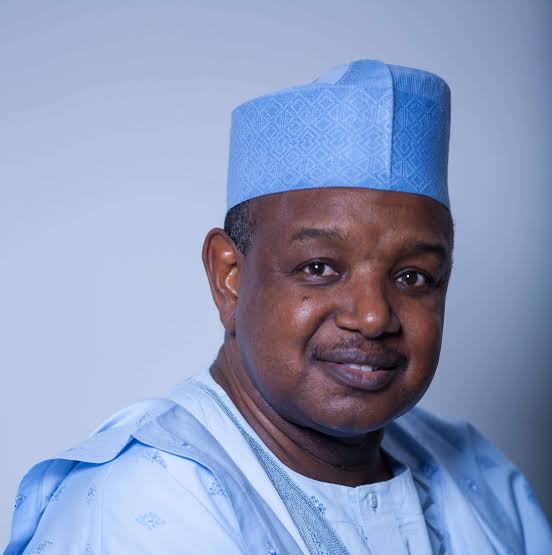
Renewed Hope: Appraising the Transformational Impact of Atiku Bagudu

By Arome Audu
From the sun-kissed savannas of Kebbi State to the corridors of power in Abuja, His Excellency Abubakar Atiku Bagudu’s rise is a masterclass in visionary leadership. With a career spanning over a decade of impactful governance, Bagudu’s remarkable journey has been marked by a string of groundbreaking achievements that have left an indelible mark on the lives of Nigerians, particularly his people in Kebbi. As the current Minister of Budget and Economic Planning, he continues to soar to new heights, leveraging his expertise and vision to drive economic growth, development, and prosperity for the nation.
From senator to governor, and now minister, Abubakar Atiku Bagudu’s career trajectory has been a masterstroke of visionary leadership. Born on December 26th, 1961, Bagudu’s impact on Kebbi State as senator and governor continues to resonate deeply with its people. His legacy of monumental achievements remains unmatched, with the Zuru Emirate Road standing as a giant symbol of his transformative leadership – a marvel of engineering that has redefined the state’s landscape.
Under Bagudu’s visionary leadership, Kebbi’s landscape underwent a dramatic transformation. The gleaming New Secretariat Complex in Gwandangaji, Birnin-Kebbi, an N949 million masterpiece crafted by Rockwell Nigeria Limited, attests to his commitment to infrastructural excellence. The state-of-the-art complex has become a landmark, symbolizing the state’s progress and potential.
Meanwhile, the FIFA-standard mini stadium in Birnin-Kebbi, built for $1.189 million, has become a hub for sporting activities and community bonding, fostering a sense of unity and healthy competition among the youth. Furthermore, the Matawallen Gwandu initiative revolutionized Kebbi’s agricultural sector, catapulting the state to the forefront of rice production and making it a major revenue earner for the nation. Today, Kebbi’s rice pyramid is a symbol of its agricultural prowess, setting a benchmark for other states to follow.
Bagudu’s impact on healthcare was nothing short of transformative. He breathed new life into Kebbi’s medical facilities, renovating and rehabilitating hospitals, healthcare centers, and clinics, including the Kebbi Medical Centre in Kalgo and the Sir Yahaya Memorial Hospital. These once-aging institutions were transformed into ultra-modern facilities, providing top-notch medical care to the people. His commitment to people-oriented leadership also extended to education, where he invested heavily in building and upgrading schools across the state.
The Adamu Augie College of Education Argungu, the Kebbi State College of Nursing Sciences and Midwifery, and the College of Health Technology in Jega were among the institutions elevated to degree-awarding status, opening up new opportunities for students. His leadership and charisma also drew thousands of opposition politicians to the All Progressives Congress (APC). Perhaps most remarkable, however, is the unprecedented N40 billion he left in the state treasury for his successor, a rare feat that speaks volumes about his integrity and commitment to transparency and accountability.
Bagudu’s leadership has been marked by a deep sense of empathy and thoughtfulness, earning him a special place in the hearts of his people. One notable gesture that still resonates with civil servants is the payment of over N3 billion in gratuities to retired state, local government, and local government education authority workers. Similarly, legislators who worked with him recall the N2 billion released for constituency projects across the state, a move that brought development closer to the people.
As a senator, Bagudu’s empowerment programs were trailblazing, particularly the Rice Academy initiative in Dakingari, which trained farmers and provided subsidized fertilizers, tractors, and buyback programs worth N3.5 billion. He also supported agricultural extension workers with 100 motorcycles, enhancing their efficiency. His partnership with OXFAM to distribute one million, three hundred thousand tree seedlings to communities statewide showcased his commitment to environmental sustainability. Now, as Minister of Budget and Economic Planning, Bagudu’s innovative approach focuses on job creation, poverty reduction, and wealth generation, driving prosperity for all Nigerians.
Through strategic collaboration with the Infrastructure Concession Regulatory Commission (ICRC), he successfully concessioned the Cassava Bio-Ethanol Value Chain project across six geographical zones. This groundbreaking initiative aims to revolutionize biotechnology, establishing industrial parks on 20-hectare plots across 20 universities and research institutions, and creating over 8,000 jobs. The project’s impact is expected to be profound, doubling cassava production from 62 million tons to 120 million tons, and fostering robust partnerships and resource mobilization.
By prioritizing renewable biomass, Bagudu aims to create wealth, generate jobs, reduce poverty, and improve food security, all while promoting sustainable energy and reducing carbon footprint. Furthermore, his commitment to timely release of monthly inflation figures has been a game-changer, enabling data-driven policy decisions that inform budget allocation, expenditure control, and economic planning. This proactive approach has helped mitigate inflationary trends, ultimately enhancing citizens’ welfare and driving economic growth.
Under Bagudu’s leadership, budgetary policy adjustments have been fine-tuned to drive economic stability and growth. By prioritizing strategic spending, introducing price control measures, and ensuring transparency and accountability, the Renewed Hope Mandate of the present administration has been brought to life. A key milestone has been the reinvention of the National Bureau of Statistics, which has overhauled data collection and analysis, enabling more accurate GDP calculations and cementing Nigeria’s position as a leading economic powerhouse in Africa.
Furthermore, the launch of the revised National Social Protection Policy promises to revolutionize social welfare, while digital project monitoring, geospatial analysis, and collaboration with development partners like the World Bank are ensuring more effective resource allocation and sustainable development. These reforms are paving the way for a more prosperous future for Nigerian citizens.
As a champion of economic diversification and national development, Bagudu has consistently showcased a unique blend of visionary leadership and innovative thinking. With a strong academic foundation in Economics from Usman Danfodio University, Sokoto, and a Master’s Degree in Money and Banking from the University of Jos, Bagudu’s expertise has been recognised nationally and internationally. He is a recipient of Nigeria’s prestigious Commander of the Order of the Niger (CON) and the Order of Merit of Niger Republic, for his outstanding contributions to public service and economic development.
As Nigeria’s economic landscape evolves, Bagudu’s impact will remain a defining chapter in the nation’s story. His leadership has set a new standard for visionary governance, and his influence will continue to shape the country’s future. Today, as Nigeria charts its course towards a brighter future, Bagudu’s impact on the nation’s economic landscape will be felt for years to come. His story is a reminder that with determination and hard work, even the most ambitious dreams can become a reality.
Audu is a public affairs analyst writing from Kaduna.


Buratai Pays Tribute to Ihejirika at 70, Hails Mentorship and Legacy of Leadership
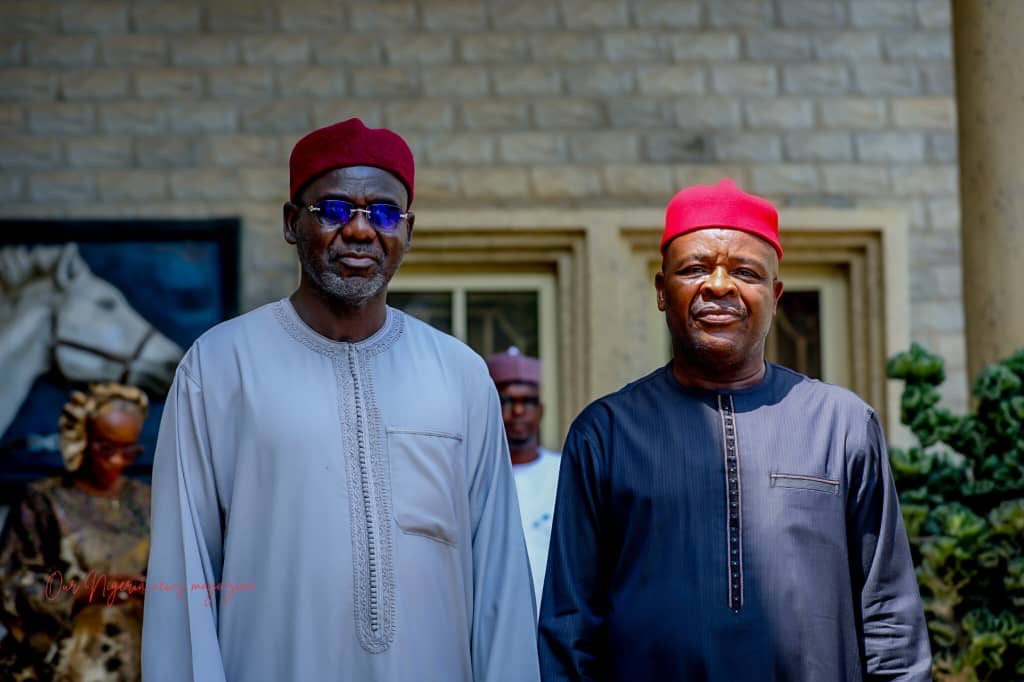
Former Chief of Army Staff and Nigeria’s immediate past Ambassador to the Republic of Benin, Lt. Gen. (Rtd) Tukur Yusuf Buratai, has paid a glowing tribute to his predecessor, Lt. Gen. OA Ihejirika, as the retired General marks his 70th birthday.
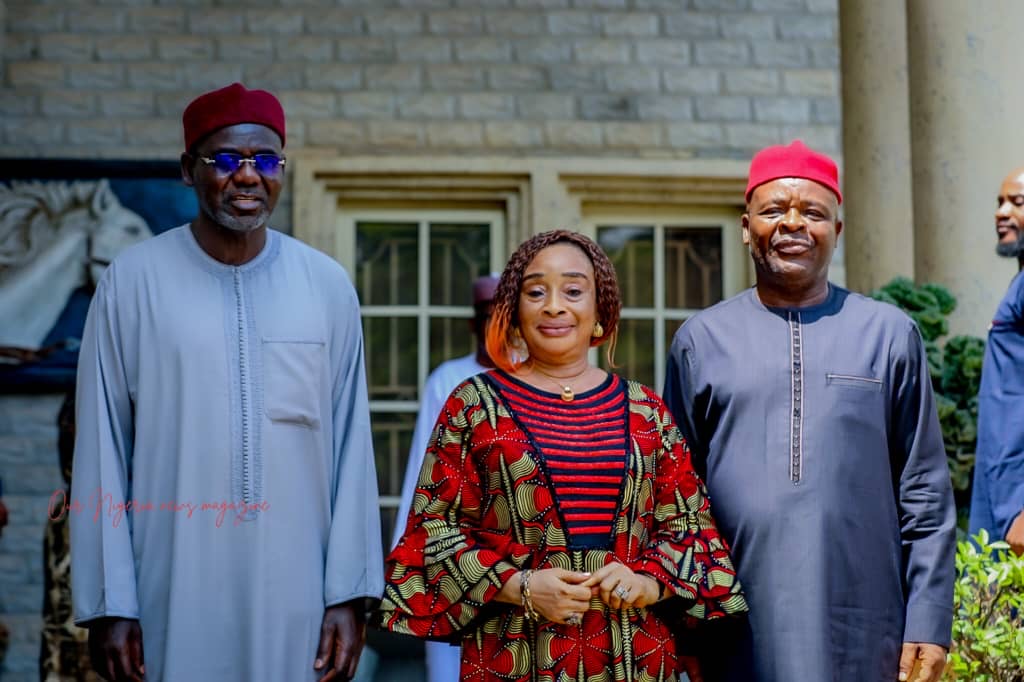
In a heartfelt message released in Abuja on Friday, Buratai described Ihejirika as not only a distinguished soldier and statesman, but also a commander, mentor, and “architect of leadership” whose influence shaped a generation of senior military officers.
Buratai recalled that his professional rise within the Nigerian Army was significantly moulded under Ihejirika’s command, citing key appointments that defined his career trajectory.
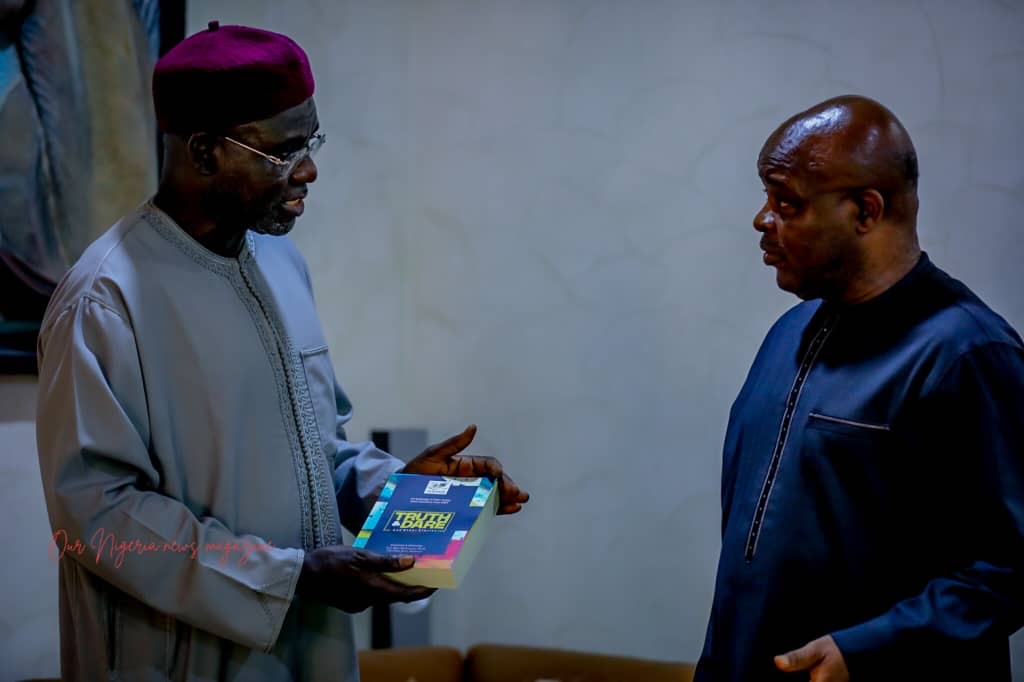
According to him, the trust reposed in him through early command responsibilities, including his first command posting at Headquarters 2 Brigade and later as Commandant of the Nigerian Army School of Infantry, laid a solid foundation for his future leadership roles.
“These opportunities were not mere appointments; they were strategic investments in leadership,” Buratai noted, adding that such exposure prepared him for higher national responsibilities.
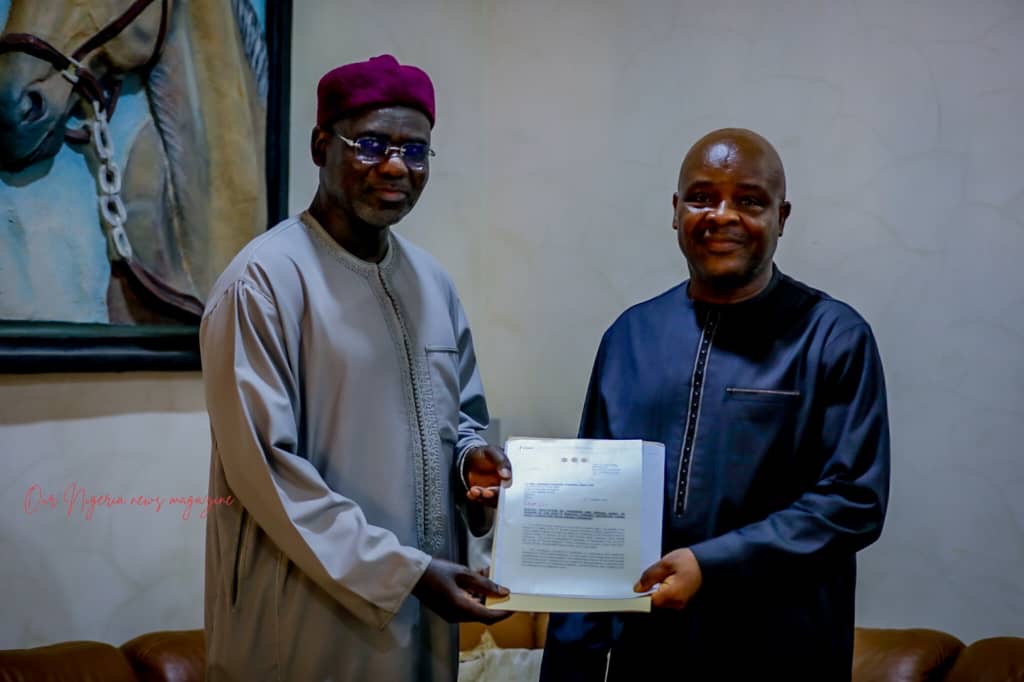
He further acknowledged that the mentorship and professional grounding he received under Ihejirika’s leadership were instrumental in his eventual appointment as Chief of Army Staff and later as Nigeria’s Ambassador to the Republic of Benin.
Buratai praised Ihejirika’s command philosophy, describing it as professional, pragmatic, and mission-driven. He said the former Army Chief led by example, combining firm strategic direction with a clear blueprint for excellence that continues to influence military leadership practices.
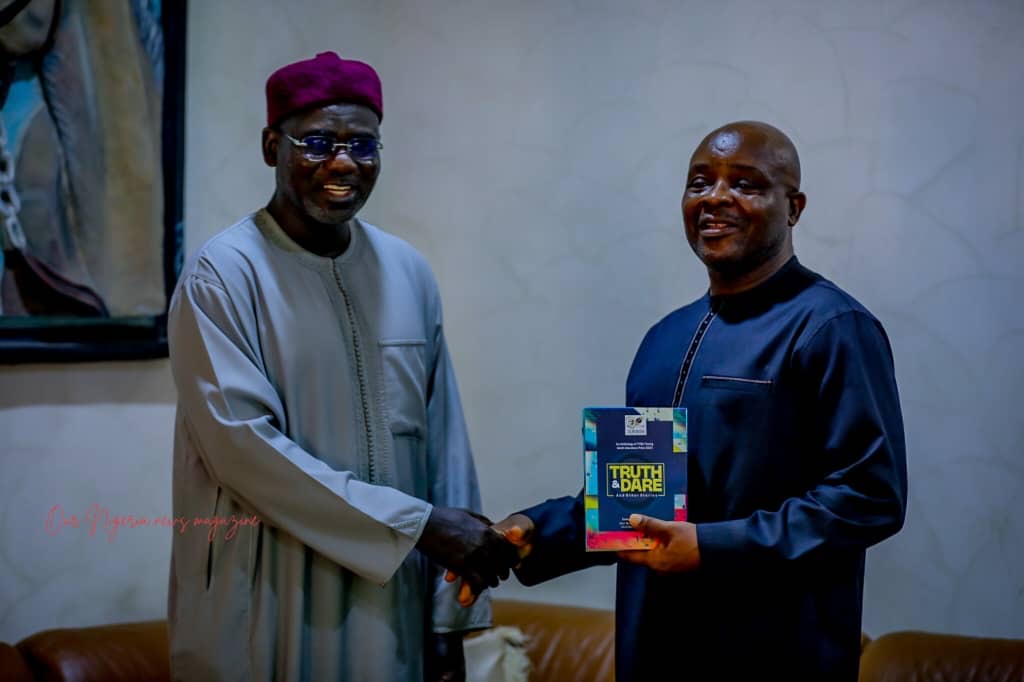
“At seventy, General Ihejirika has earned the right to reflect on a legacy secured,” Buratai stated, praying for good health, peace, and enduring joy for the retired General as he enters a new decade.
He concluded by expressing profound gratitude for the leadership, mentorship, and lasting example provided by Ihejirika over the years.
The tribute was signed by Lt. Gen. Tukur Yusuf Buratai, who described himself as a grateful mentee and successor, underscoring the enduring bonds of mentorship within the Nigerian Army’s top leadership.



-

 celebrity radar - gossips6 months ago
Why Babangida’s Hilltop Home Became Nigeria’s Political “Mecca”
-

 society6 months ago
Power is a Loan, Not a Possession: The Sacred Duty of Planting People
-

 news6 months ago
THE APPOINTMENT OF WASIU AYINDE BY THE FEDERAL GOVERNMENT AS AN AMBASSADOR SOUNDS EMBARRASSING
-

 Business6 months ago
Batsumi Travel CEO Lisa Sebogodi Wins Prestigious Africa Travel 100 Women Award