
news
Nigeria’s Teen Cyclist Osarenti Is Pedaling Toward Olympic Greatness

By Prince Adeyemi Shonibare
Annaba, Algeria
August 04, 2025
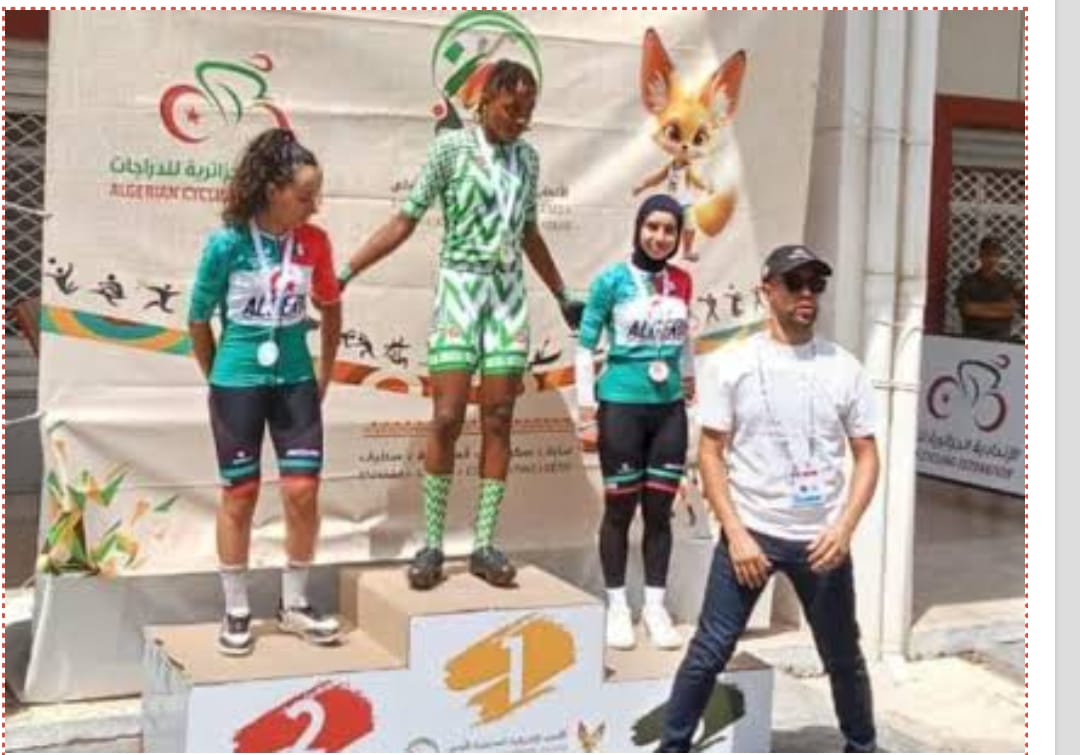
In the heat of Algeria’s Annaba sun, a slender, fair-complexioned Nigerian teenager named Osarenti mounted her bike at the edge of the velodrome, leaned into the wind, and—with a thunderbolt sprint—wrote her name into Africa’s cycling history.
The 16-year-old, hailing from the red-earth roads of Edo State, clinched gold in the Girls’ Sprint Final at the inaugural African School Sports Championship, a photo-finish victory that sent shockwaves through the African youth sports scene—from the classrooms of Benin City to the grandstands of Annaba. It wasn’t just a win. It was a bold statement of intent.
“I’ve trained every day thinking of this moment,” Osarenti said, wrapped in the Nigerian flag and breathless from her final lap. “Now I’m thinking of the Olympics.”
What the world may be witnessing is the rise of a once-in-a-generation athlete—one whose determination, confidence, and timing align with a reinvigorated national sports movement.
Blazing Tracks from Abeokuta to Annaba
This victory in Algeria is not Osarenti’s first taste of gold. Just a few months earlier, she stunned Nigerian sports fans when she upset Olympic cyclist Ese Ukpeseraye at the 22nd National Sports Festival in Abeokuta, claiming gold in the women’s 200-meter cycling sprint. The moment was dubbed the “passing of the crown,” as the teenager’s backstretch acceleration left no doubt—Nigeria had a new queen of cycling speed.
“She didn’t blink,” said one official after the Abeokuta final. “A teenager beat an Olympian and did it with cold precision.”
Now, in Algeria, on a bigger stage and under heavier pressure, Osarenti has done it again. And this time, the whole continent is watching.
The Girl Behind the Grit
Known among teammates simply as “Osa,” Osarenti comes from humble beginnings in Benin City, where her first bicycle was borrowed and her earliest training track was a dusty school playground. Friends recall her racing buses down the street and coming home with bruises—and victories.
Scouts discovered her during state-level school trials, and by 2023, she was already a standout at the National Youth Games, scooping medals in both time trials and sprints. But it wasn’t just talent that fueled her rise. It was hunger.
“I watch Olympic races on my phone before I sleep,” she said. “I imagine it’s me.”
That imagination has become inspiration—for young girls across Nigeria who now see in Osarenti a reflection of themselves and a roadmap to international greatness.
Nigeria’s New Flag-bearer
Her victory in Annaba wasn’t just a personal triumph. It was a defining moment in Nigeria’s renewed sporting narrative—one driven by policy, planning, and presidential commitment. Osarenti’s gold glistened not only as a symbol of her brilliance, but also of a national shift.
For the first time in years, sports is no longer an afterthought in Nigeria’s budget. Under President Bola Ahmed Tinubu’s Renewed Hope Agenda, the Nigerian Sports Commission has received direct backing to fund athletes’ training, travel, equipment, and welfare.
“Every sport in Nigeria will get the attention it deserves,” says Dr. Sheu Dikko, Director General of the Nigerian Sports Commission. His words are echoed by Mr. Bukola Olopade, the Commission’s Managing Director, who adds, “We are done with excuses. If the president is giving us what we need, when we need them, why should we fail?”
This new approach is already producing results. Coaches are being hired, trained, and paid. Sports federations are being held accountable. And support no longer stops at football.
“Every sport. Every needed attention. That is our new motto.”
Just recently, President Tinubu rewarded the Super Falcons with $100,000 each for the winning players and their officials, including houses at the Renewed Hope Estate and another round of national honors.
What Comes Next
Osarenti is now being lined up for the 2026 African Youth Games, with eyes firmly on Paris 2028 and Los Angeles 2032. The Nigeria Cycling Federation is developing a bespoke training and sponsorship plan for her—one that protects her education while accelerating her performance.
She may soon become Nigeria’s first female Olympic medalist in cycling. But more importantly, she is the face of a future where no talent is wasted and no dream is too big.
The Women Are Leading
From athletics tracks to basketball courts, Nigerian female athletes have been the country’s brightest lights in recent years. The Super Falcons continue to dominate African women’s football and reached the Round of 16 at the 2023 FIFA Women’s World Cup, finishing unbeaten in regular time. Tobi Amusan remains Africa’s queen of hurdles, a World Record holder and Commonwealth Games gold medalist.
In boxing, Elizabeth Oshoba and Cynthia Ogunsemilore made headlines at the 2023 African Games, bringing home medals. Nigeria’s women’s basketball team, D’Tigress, have just made history by winning their fifth consecutive FIBA AfroBasket Women’s Championship title—defeating Mali 78–64 in the final. The victory marks their seventh overall AfroBasket title and extends their unbeaten run to 29 matches since 2015.
And now, Osarenti has added cycling to that growing list of excellence—proving that Nigerian women are not just participants, but champions.
Time for the Men to Rise Again
While the women have carried the nation on their shoulders in recent years, questions remain about Nigeria’s male athletes—especially in athletics, wrestling, and team sports. The call is growing louder: it’s time for Nigeria’s male stars to reclaim their legacy.
As the women continue to break barriers and bring glory, the challenge is clear: the men must rise again, match the passion, and join in restoring Nigeria’s dominance across every field of play.
Still, Many Rivers to Cross
Despite the successes, there are still many rivers for Nigerian sports to cross. The journey toward greatness has only just begun. It must start with a focus on building and supporting young talents across the country. Talents discovered at the grassroots—like Osarenti, and others uncovered during the NUGA Games, school sports festivals, and community competitions—must never be allowed to go to waste again.
These young stars need more than praise. They need consistent support, training equipment, qualified coaches, proper allowances, and periodical camping programs that test and sharpen their potential.
Just as important, they must be protected from academic neglect and other forms of abuse. Every policy must ensure that athletes are developed holistically—physically, mentally, and educationally.
But this is not a call to the federal government alone. Sports development must begin from the bottom up. It is not the primary assignment of the federal government to scout for talent. That role belongs to local governments and state structures, who must actively search, nurture, and promote athletes long before they enter the national radar.
The federal government’s role is to build on that foundation—by developing elite systems and preparing athletes for international engagements.
If Nigeria is to build a truly sustainable sporting legacy, then we must go back to basics. Back to the streets, the schools, the local clubs. That is where champions like Osarenti are born. And that is where the future must be secured.
From the red sands of Edo to the podiums of Africa, Osarenti is pedaling toward greatness. If this golden era is to endure, it will be on the wheels of rising stars like her—and on the shoulders of those ready to match her fire.
And this time, the world is not just watching. It’s cheering.


Buratai Pays Tribute to Ihejirika at 70, Hails Mentorship and Legacy of Leadership
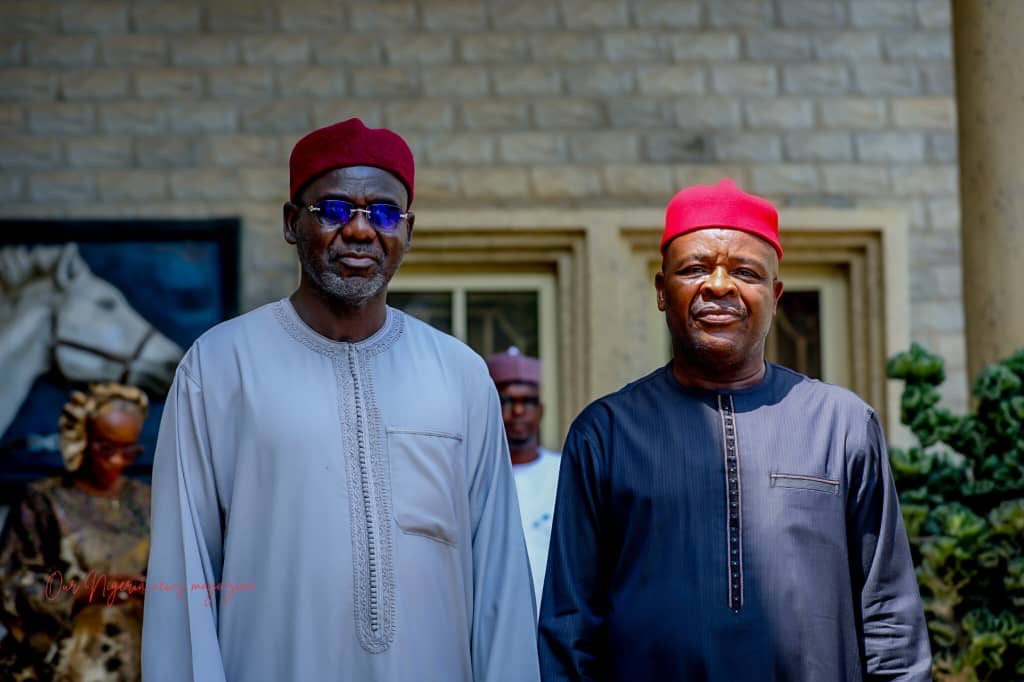
Former Chief of Army Staff and Nigeria’s immediate past Ambassador to the Republic of Benin, Lt. Gen. (Rtd) Tukur Yusuf Buratai, has paid a glowing tribute to his predecessor, Lt. Gen. OA Ihejirika, as the retired General marks his 70th birthday.
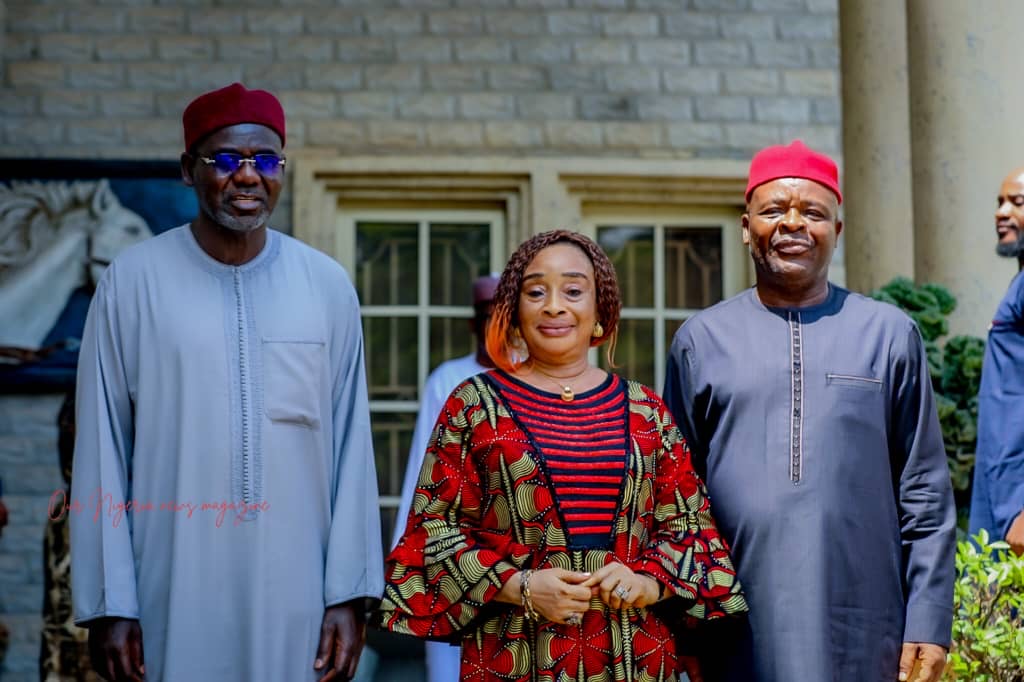
In a heartfelt message released in Abuja on Friday, Buratai described Ihejirika as not only a distinguished soldier and statesman, but also a commander, mentor, and “architect of leadership” whose influence shaped a generation of senior military officers.
Buratai recalled that his professional rise within the Nigerian Army was significantly moulded under Ihejirika’s command, citing key appointments that defined his career trajectory.
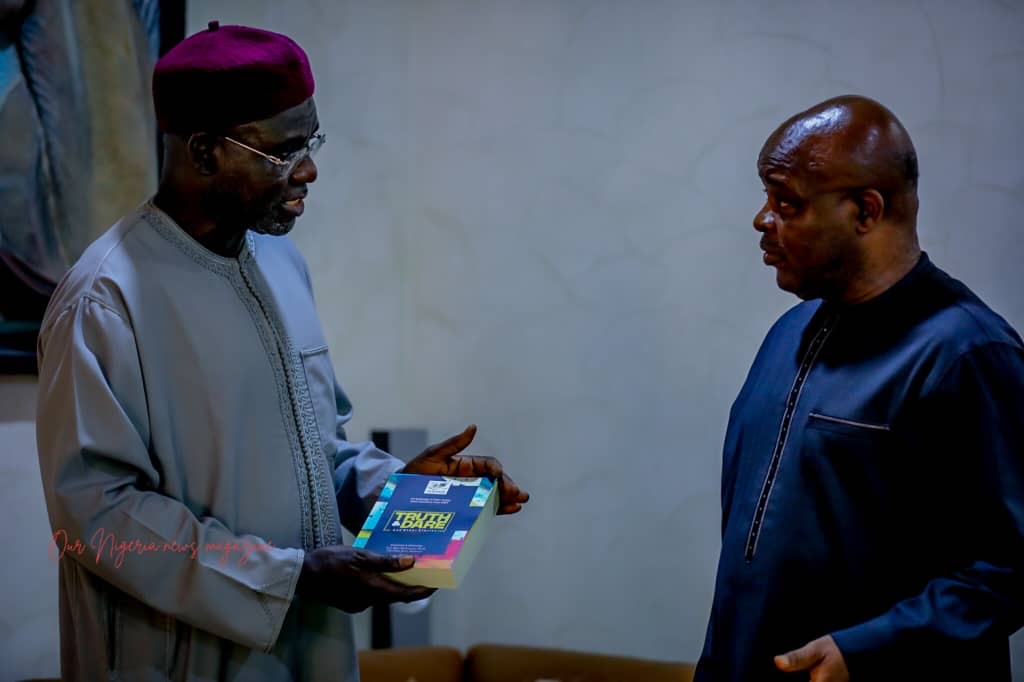
According to him, the trust reposed in him through early command responsibilities, including his first command posting at Headquarters 2 Brigade and later as Commandant of the Nigerian Army School of Infantry, laid a solid foundation for his future leadership roles.
“These opportunities were not mere appointments; they were strategic investments in leadership,” Buratai noted, adding that such exposure prepared him for higher national responsibilities.
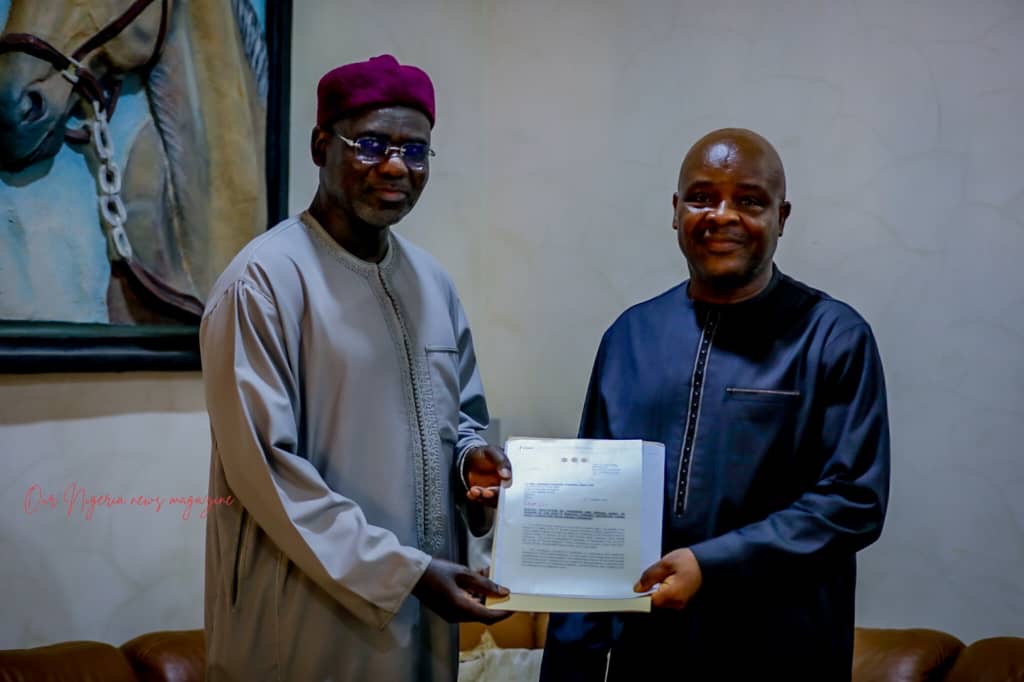
He further acknowledged that the mentorship and professional grounding he received under Ihejirika’s leadership were instrumental in his eventual appointment as Chief of Army Staff and later as Nigeria’s Ambassador to the Republic of Benin.
Buratai praised Ihejirika’s command philosophy, describing it as professional, pragmatic, and mission-driven. He said the former Army Chief led by example, combining firm strategic direction with a clear blueprint for excellence that continues to influence military leadership practices.
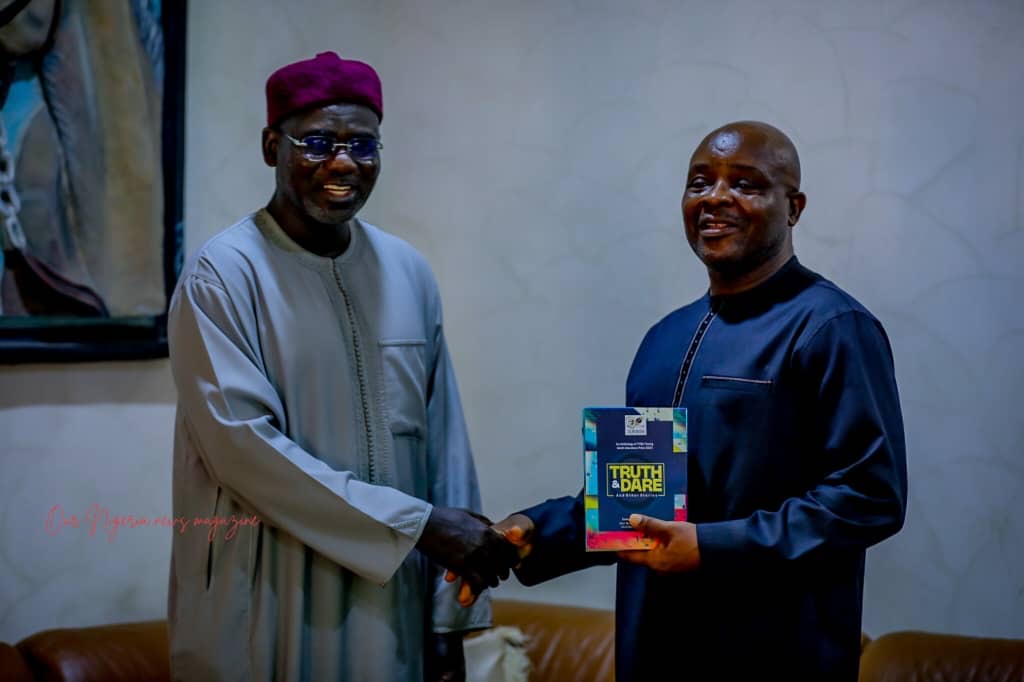
“At seventy, General Ihejirika has earned the right to reflect on a legacy secured,” Buratai stated, praying for good health, peace, and enduring joy for the retired General as he enters a new decade.
He concluded by expressing profound gratitude for the leadership, mentorship, and lasting example provided by Ihejirika over the years.
The tribute was signed by Lt. Gen. Tukur Yusuf Buratai, who described himself as a grateful mentee and successor, underscoring the enduring bonds of mentorship within the Nigerian Army’s top leadership.



-

 celebrity radar - gossips6 months ago
Why Babangida’s Hilltop Home Became Nigeria’s Political “Mecca”
-

 society6 months ago
Power is a Loan, Not a Possession: The Sacred Duty of Planting People
-
 news6 months ago
THE APPOINTMENT OF WASIU AYINDE BY THE FEDERAL GOVERNMENT AS AN AMBASSADOR SOUNDS EMBARRASSING
-

 Business6 months ago
Batsumi Travel CEO Lisa Sebogodi Wins Prestigious Africa Travel 100 Women Award