
society
From Debts to Despair: Tinubu’s Economic Gamble and Nigeria’s Accelerating Collapse

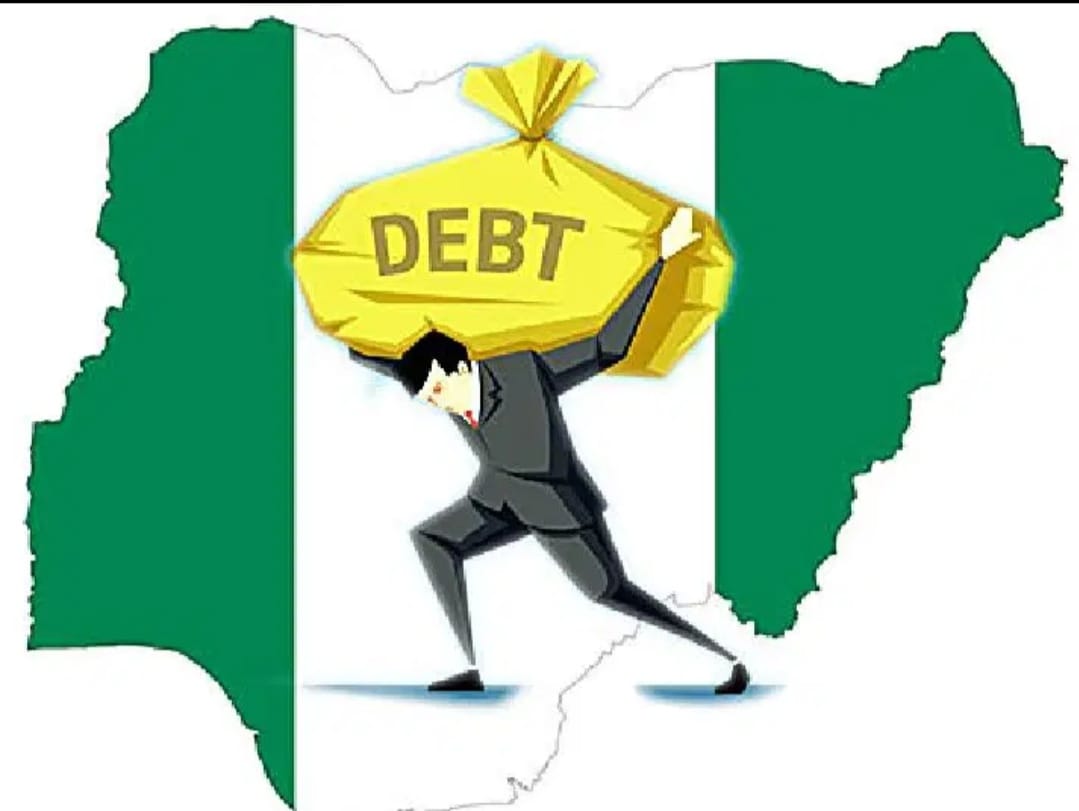
From Debts to Despair: Tinubu’s Economic Gamble and Nigeria’s Accelerating Collapse.
By George Omagbemi Sylvester | SaharaWeeklyNG.com
Introduction: A nation sinking under the weight of borrowed promises in the past two years, President Bola Ahmed Tinubu’s administration has plunged Nigeria into a shocking spiral of DEBT ACCUMULATION, RECORD-INFLATION and WORSENING POVERTY, all while promising ECONOMIC-REBIRTH and STRUCTURAL REFORM, but the only thing Nigerians see today is HUNGER, JOBLESSNESS, MASS MIGRATION and an UNRELENTING COLLAPSE of public trust in governance.
With billions of dollars borrowed across multiple financial institutions, the Nigerian masses are yet to feel the promised dividends of democracy. Instead, they are being crushed by unbearable taxes, collapsing infrastructure and an economy spinning wildly out of control.
Let us walk through the cold, hard figures of Tinubu’s borrowing spree and ask the most painful question of all: WHERE IS THE IMPACT ON THE AVERAGE NIGERIAN?

The Borrowing Breakdown, FACTS DO NOT LIE:
$750 million ¬ June 2023
World Bank loan for power sector reform. Nigerians still suffer epileptic power supply. Electricity tariffs have risen by over 300% for Band A consumers, yet darkness persists.
$800 million – July 2023
Conditional Cash Transfer loan to “CUSHION” fuel subsidy removal. A meager ₦8,000 per family, which most Nigerians never received. Who were the beneficiaries?
$7.4 billion + €100 million – December 2023
Multiple multilateral loans for so-called development and emergency financing. The public never saw the projects.
₦2.94 trillion – Domestic borrowing from July to December 2023.
Still, salaries were delayed and infrastructure projects remained abandoned.
₦6.53 trillion – Borrowed between December 2023 and March 2024.
Used to finance budget deficits that benefitted a bloated political class while the masses starved.
$2.7 billion – Spread across 2023–2024
From Afreximbank and others. Little to no transparency on disbursement or results.

$2.25 billion – June 2024
Claimed to support economic reforms. Meanwhile, youth unemployment hit 53.4%, according to NBS.
$500 million – July 2024
Aimed at tech and innovation. Nigerian universities are shut down due to strikes. How is innovation possible without education?
$1.57 billion – September 2024
Supposedly for infrastructure. Yet roads remain death traps.
$6.45 billion – Total World Bank loan by September 2024
Nigeria is now the fourth largest debtor to the World Bank, but we are still the poverty capital of the world.
$2.209 billion – December 2024 for budget deficit
Used to finance a budget that gives the presidency ₦15 billion for a presidential yacht and foreign travels.
$21.5 billion + €2.1 billion + ¥15 billion – July 2025
This staggering approval is perhaps the most terrifying. A clear indication that Nigeria is mortgaging its future to survive today.
Fuel Subsidy Gone, But Where is the Relief?
Tinubu’s first major policy move was removing fuel subsidy, which immediately triggered a tripling of fuel prices from ₦185 to over ₦800 per liter. THE LOGIC? To save FUNDS and REDIRECT to INFRASTRUCTURE.
“There is nothing smart about removing subsidy when you have no structure to mitigate the consequences.” ~ Dr. Doyin Salami, former Economic Adviser
Instead of building public transport, investing in refineries or subsidizing food production, the funds disappeared into opaque channels. The same administration now seeks to return to “FUEL IMPORT SUBSIDIES” through backdoor crude swaps.
Floating the Naira: A Currency Adrift. Another economic grenade was the floating of the naira, hailed by international financiers as “BOLD” but in practice, it was “SUICIDAL”. The naira fell from ₦460/$1 to over ₦1,700/$1 in just a year. This collapse has driven up the cost of IMPORTS, FOOD, RENT and HEALTHCARE. Inflation hit 34%, with food inflation soaring past 45% by mid-2025.
“Currency float without production base is economic suicide.” ~ Prof. Pat Utomi, Political Economist
Skyrocketing Tariffs, Crushing Taxes. Nigerians are paying more for less:
Electricity tariffs up by over 300%
VAT increased from 7.5% to 15%
Introduction of cybersecurity levy, stamp duties, telecom taxes and multiple bank charges.
RENT, SCHOOL FEES and FOOD COSTS out of control.
Yet real wages have remained stagnant. The minimum wage still lingers around ₦30,000 in many states; less than $25 monthly, and even the proposed ₦70,000 minimum wage is yet to be implemented by over 20 states.
POVERTY, HUNGER and INSECURITY: The Daily Reality. Despite all these DEBTS, POVERTY is DEEPENING:
133 million Nigerians are now classified as multidimensionally poor (NBS).
About 70% of Nigerians earn below ₦500/day.
Terror attacks, banditry and kidnapping have escalated. Over 3,000 abductions were recorded in the first half of 2025 alone.
Rather than investing in agriculture, education and industrialization, the government continues to borrow to pay salaries and fund luxuries for the political elite.
“You cannot borrow your way out of poverty. You must produce your way to prosperity.” — Ngozi Okonjo-Iweala, WTO Director-General
Debt Servicing: Nigeria Works to Pay Lenders, Not Citizens. Today, 74.6% of Nigeria’s revenue goes to servicing debt, according to the Debt Management Office (DMO). That means only 25 kobo of every ₦1 earned by the government is left for development.
Nigeria is walking into a debt trap. Future generations will be saddled with paying for loans that built no schools, no roads, no hospitals; but only maintained a corrupt political class.
Who Truly Benefits?
A hard question that must be asked is: Who is benefiting from this borrowing?
Certainly not:
The civil servant who has not been paid in months.
The farmer displaced by herdsmen.
The graduate roaming streets jobless.
The mother who lost her child in a hospital that had no power or drugs.
Perhaps those who benefit are:
Foreign creditors enjoying high interest returns.
Politicians building private estates and flying private jets.
Contractors inflating project costs with zero delivery.
Parting Thoughts: We Are Not Fooled. This is not REFORM. This is ECONOMIC EXPLOITATION, FINANCIAL RECKLESSNESS and DELIBERATE IMPOVERISHMENT. Nigerians must not be gaslighted into believing that suffering is sacrifice. There is a difference between REFORM and RUIN.
“The test of leadership is not how much PAIN you can inflict on your people, but how much PROSPERITY you can create for them.” ~ George Omagbemi Sylvester
As patriotic citizens, we demand answers:
Where are the projects tied to each loan?
Why has poverty increased despite massive borrowing?
What is the plan to repay these debts without sacrificing national dignity?
Until TRANSPARENCY, FISCAL DISCIPLINE and TRUE PUBLIC ACCOUNTABILITY are restored, no amount of loan will save Nigeria.

About the Author:
George Omagbemi Sylvester is a journalist, political commentator, and advocate for accountable governance. He writes for SaharaWeeklyNG.com.






Africa International Christian Film Festival (AICFF) Announces Debut Dates in Nigeria
Abuja, Nigeria — January 27, 2026
The Africa International Christian Film Festival (AICFF) has officially announced June 3–6, 2026 as the dates for its maiden edition, scheduled to hold in Abuja, Nigeria.
AICFF, a continental platform dedicated to amplifying Christian films from Africa and around the world, while strengthening production quality, professional training, distribution, and market access for faith-based content within Africa will shapen a new narrative in Christian based films.
The festival will feature: Film screenings from Africa and the global Christian film community;
Panel discussions and industry conversations;
Professional workshops and trainings;
A Christian Film Market connecting filmmakers with distributors, broadcasters, and platforms.
Speaking on the vision behind AICFF, the Festival Convener, Ambassador Bright Wonder Obasi, noted that the festival was created to serve as a gateway for global Christian films into Africa and a launchpad for African stories to reach the world.
AICFF also invites Christian filmmakers from Africa and across the world to submit feature films, documentaries, short films, animations, and faith-inspired content that reflect biblical values, excellence in storytelling, and cultural relevance.
Obasi also assured participants that the selected films will be showcased to:
International festival partners;
Broadcasters and Christian media networks;
Distributors and streaming platforms;
Industry leaders and faith-based institutions.
With Africa’s rapidly growing Christian population and creative economy, AICFF aims to position the continent as a recognized global hub for Christian cinema.
Submissions are now open via www.filmfreeway.com/AICFFA. With the deadline set for March 31, 2026.
For More on AICFF, contact Bright Wonder Obasi
Africa International Christian Film Festival (AICFF) |[email protected]
www.gosplecinemaint.com/AICFF
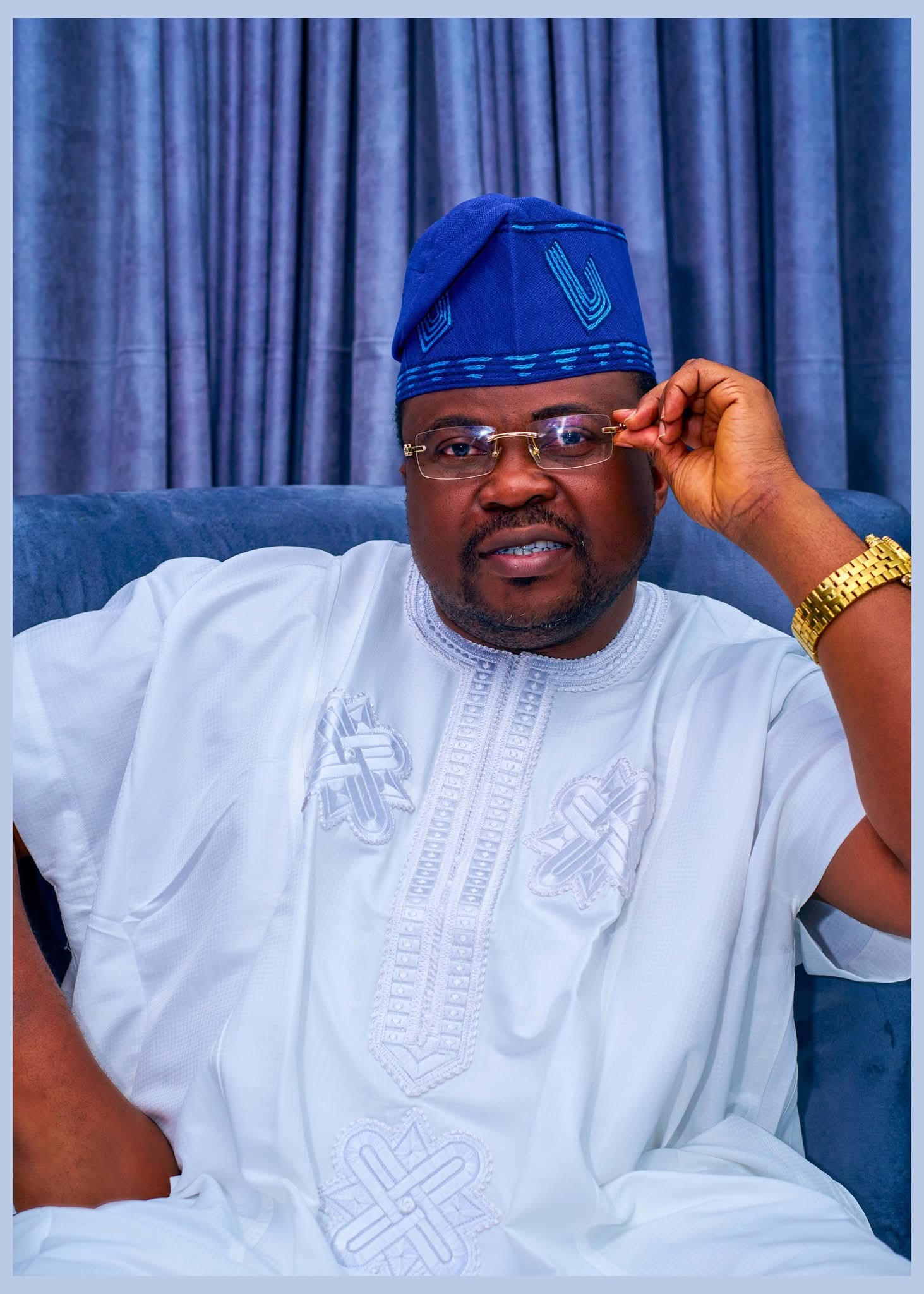
Oyo @ 50: Ajadi Felicitates Govt, People, Backs Omituntun 3.0 for Sustainable Development
…Says continuity key to preserving Makinde’s legacy of peace, infrastructure growth
A chieftain of the People’s Democratic Party (PDP) and leading governorship aspirant in Oyo State, Ambassador Olufemi Ajadi Oguntoyinbo, has congratulated the Oyo State Government and the people of the state on the celebration of the 50th anniversary of the creation of Oyo State, describing the milestone as a testament to resilience, unity, and progressive governance.
The Golden Jubilee celebration, which kicked off on Monday with an opening ceremony at the International Conference Centre, University of Ibadan, is part of a week-long programme themed “Consolidating the Legacy, Navigating the Present, and Reimagining the Future.” The anniversary activities began on January 26 and will climax on February 3 with a grand gala night at the Government House, Agodi, where all 17 former governors of the state are expected to be honoured.
Speaking with journalists on the sidelines of the opening ceremony, Ajadi, an Ibadan indigene, commended the people of Oyo State for maintaining peaceful coexistence over the last five decades, noting that the state has continued to record remarkable progress in governance and infrastructure development.
He described the past 50 years as a source of pride, adding that Oyo State has witnessed unprecedented development, particularly under the current administration.
Ajadi specifically lauded Governor Seyi Makinde for what he described as significant improvements in infrastructure, especially in the area of road construction and urban traffic management across the state.
According to him, the successes recorded in traffic regulation and urban mobility in Ibadan were the result of deliberate planning and implementation under Omituntun 1.0 and Omituntun 2.0, citing the construction of modern bus terminals at Iwo Road, Challenge, and Ojoo as notable examples.
He also praised the governor for the ongoing Ibadan Circular Road Project, which he said would, upon completion, attract massive economic activities and stimulate development across the state.
While congratulating the people on the Golden Jubilee, Ajadi called for sustained support for the current development trajectory, stressing that the state must not deviate from well-structured and people-oriented programmes already in place.
“As we celebrate the Golden Anniversary of our dear state, it is important for our people to understand that we cannot afford to abandon the sound policies and development agenda of the present administration,” he said.
Ajadi further declared his commitment to building on the achievements of Governor Makinde through what he described as Omituntun 3.0, should he be given the mandate.
“I, Ambassador Olufemi Ajadi Oguntoyinbo, am fully determined to sustain and expand the good works of our amiable governor through Omituntun 3.0,” he stated.
He urged residents to embrace continuity ahead of the next general elections, warning against any deviation that could threaten the prevailing peace and steady development in the state.
Ajadi also expressed appreciation to traditional rulers across the state for their support and cooperation with the government, noting that their role remains vital to peace and grassroots development.
He expressed confidence that with the emergence of His Imperial Majesty, Oba Rashidi Adewolu Ladoja (Arusa I), the Olubadan of Ibadanland, as Chairman of the Oyo State Council of Obas and Chiefs, peace and development would continue to thrive in the state.
He concluded by congratulating the government and people of Oyo State on the historic milestone, describing Oyo as the Pace Setter State with a promising future.
society
As Nigeria Struggles Under Mounting Hardship… Poet Kunle Ologundudu Hammers On The Ethos Of Progressive Governance
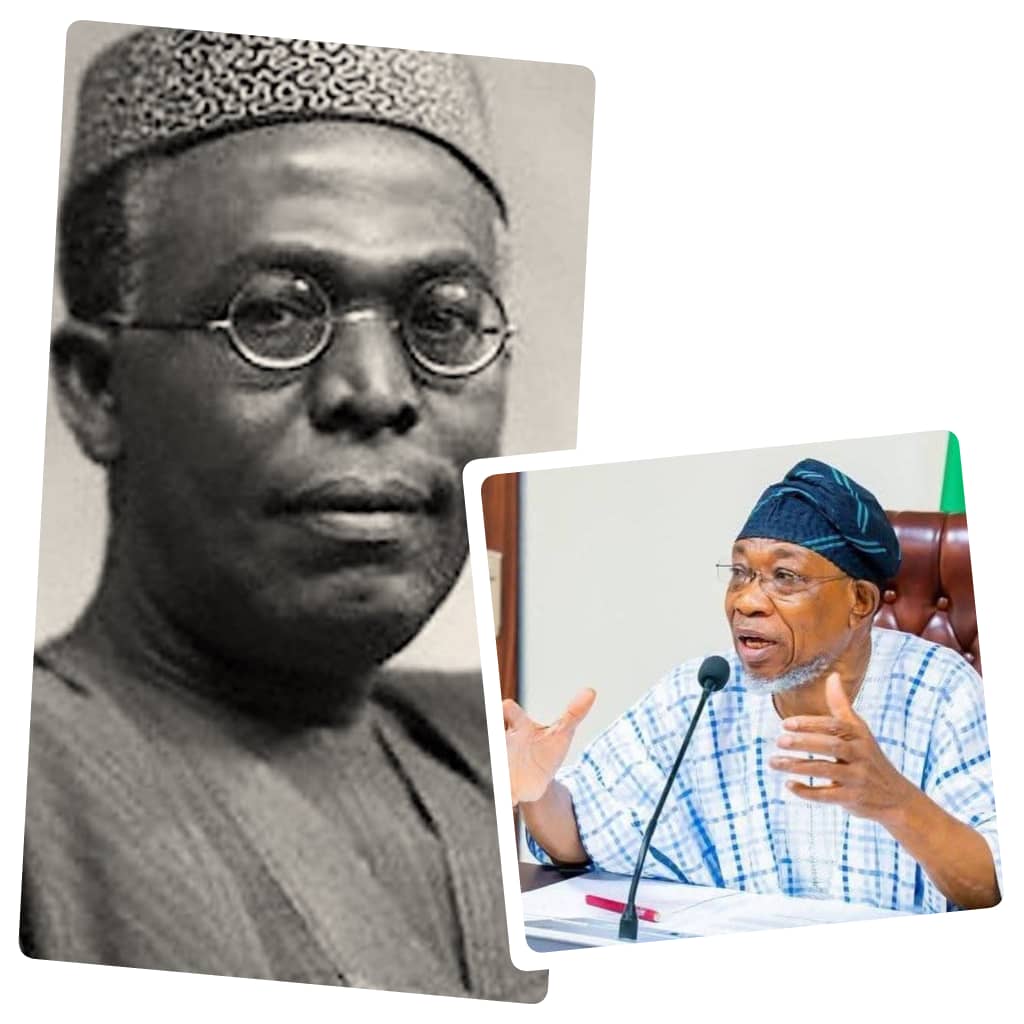
*As Nigeria Struggles Under Mounting Hardship… Poet Kunle Ologundudu Hammers On The Ethos Of Progressive Governance
The history of progressive politics in Yorubaland is deeply rooted in leaders who governed with conscience, clarity and commitment to the people. From Chief Obafemi Awolowo to Lateef Jakande, Bola Ige, Adekunle Ajasin, Bisi Onabanjo and Abraham Adesanya, the Afenifere tradition stood for free education, social welfare, fiscal discipline and moral leadership. These leaders built legacies anchored on human development and regional pride. Today, however, many observers argue that this heritage is being steadily erased under the present federal administration led by President Bola Ahmed Tinubu, with Yoruba leaders increasingly sidelined and their historical contributions treated as expendable.
Under the current government, excess spending on projects many Nigerians describe as unreal and disconnected from everyday suffering has become a recurring concern. While billions are committed to luxury governance and political maintenance, ordinary citizens grapple with hunger, collapsing healthcare and rising unemployment. Hospitals are understaffed as doctors leave the country daily in search of dignity and survival abroad. The mass exodus of medical professionals is not just a statistic but a national emergency, reflecting a system that has failed to prioritise welfare, planning and human capital development. For many in the South West, it feels as though the progressive values once championed by Afenifere leaders no longer matter in the calculations of power.
Against this backdrop, the record of Ogbeni Rauf Aregbesola as a subnational leader offers a striking contrast. His governance philosophy was rooted in proximity to the people and practical intervention. Beyond policy statements, his administration directly impacted lives at the grassroots. Through the Osun Youth Empowerment Scheme, popularly known as OYES, thousands of young people were productively engaged, given stipends, work experience and dignity. Local traders, artisans and families benefited from social programmes that circulated income within communities rather than concentrating wealth at the top.
Aregbesola’s social investment approach extended to education, school feeding and community based economic stimulation. Children were kept in school, local farmers found markets for their produce and small scale vendors earned sustainable livelihoods. These interventions were not abstract theories but lived realities for citizens who felt seen and supported by government. His model demonstrated that leadership could be firm yet humane, disciplined yet compassionate, and visionary without being disconnected from the streets.
What makes the current moment troubling is not merely economic hardship but the apparent disregard for the collective memory and moral compass of Yoruba political history. The legacies of Awolowo, Jakande, Ige, Ajasin, Onabanjo and Adesanya were built on sacrifice and service, yet many feel that the present administration has shown little regard for these foundations. Yoruba leaders who once shaped national discourse now appear marginalised, while policies that deepen inequality replace those that once reduced it.
As Nigeria struggles under mounting hardship, there is an urgent need for course correction. The present administration would benefit from adopting some of Aregbesola’s people focused policies at the national level to soften the economic pain across the country. More importantly, genuine consultation with Rauf Aregbesola could help reconnect governance with the progressive ideals of Afenifere and prevent the total erosion of their legacies. Leadership that ignores its roots risks losing its soul, and Nigeria can ill afford that loss at this critical moment.


-
 celebrity radar - gossips5 months ago
Why Babangida’s Hilltop Home Became Nigeria’s Political “Mecca”
-

 society5 months ago
Power is a Loan, Not a Possession: The Sacred Duty of Planting People
-

 Business6 months ago
Batsumi Travel CEO Lisa Sebogodi Wins Prestigious Africa Travel 100 Women Award
-
 news6 months ago
THE APPOINTMENT OF WASIU AYINDE BY THE FEDERAL GOVERNMENT AS AN AMBASSADOR SOUNDS EMBARRASSING