
Politics
Customs at the Crossroads: When Lawmakers Look Away and the Executive Looks Aside

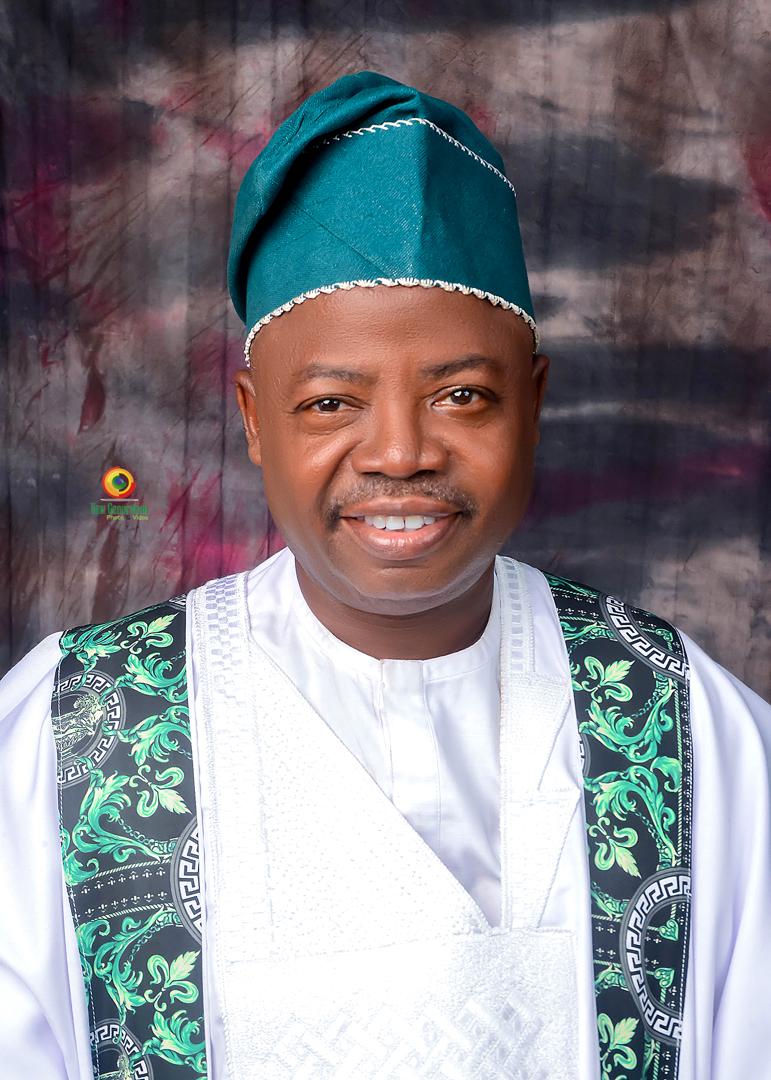
Customs at the Crossroads: When Lawmakers Look Away and the Executive Looks Aside
By Dr. Bolaji O. Akinyemi
In a democracy, legislative oversight is the scalpel that cuts through deceit, inefficiency, and corruption in public institutions. It is the people’s last institutional shield against abuse of power. But what happens when that shield becomes a shelter for the very rot it is meant to expose? And what happens when the Executive arm, whose duty is to supervise its agencies, pretends not to see?
The unfolding drama between the National Assembly and the Nigeria Customs Service (NCS) reveals more than a policy dispute. It exposes a dangerous triangle of confusion, complicity, and economic sabotage. At stake is not only the rule of law but the survival of an economy already gasping under inflation, a weak naira, and suffocating costs of living.
The House Talks Tough
In June 2025, Nigerians saw a glimpse of legislative courage when the House of Representatives Committee thundered at Customs:
> “Nigerian Customs Service, by June 30, must not collect CISS again. You are to collect only your 4% FOB assigned by the President. Even the 7% cost of collection you currently take is illegal—it was an executive fiat of the military, not democratic law. Any attempt to continue these illegal collections will be challenged in court. The ‘I’s have it.”
The voice was firm, the ruling decisive. Nigerians expected a turning point.
But the righteous thunder of the House was quickly muffled by the Senate’s softer tone, which suggested not the enforcement of the law but a readiness to bend it.
Senate: Oversight or Escape Route?
At a Senate Customs Committee session, Senator Ade Fadahunsi admitted openly that Customs has been operating illegally since June 2023. Yet rather than demand an end to illegality, he extended a lifeline to Comptroller-General Bashir Adeniyi:
> “If we come back to the same source… the two houses will sit together and see to your amendment so you will not be walking on a tight rope.”
But should Adeniyi be handed a loose rope while Nigeria’s economy hangs by a thread?
Instead of accountability, the Senate Customs Committee floated adjustments that would make life easier for Customs. The nation was given hints about fraudulent insurance and freight data, but instead of sanctions, what we saw was a search for escape routes. This is not oversight—it is overlook.
Smuggling and Excuses
The Senate Committee also lamented cross-border smuggling—Nigerian goods like cement flooding Cotonou, Togo, and Ghana at cheaper prices than in Nigeria. Senator Fadahunsi blamed the Central Bank’s 2% value deposit for encouraging the practice.
But where are the Senate’s enforcement actions—compliance checks, stiffer sanctions, cross-border coordination? None. The result is predictable: smugglers prosper, reserves bleed, and ordinary Nigerians pay more for less.
A Bloated Customs Budget
The Service’s 2024 capital allocation ballooned to ₦1.1 trillion from ₦706 billion. Instead of channeling these resources into modern trade systems, Customs is expanding empires of frivolity—such as proposing a new university despite already having training facilities in Gwagwalada and Ikeja that could easily be upgraded.
Oversight is not an afterthought; it is the legislature’s constitutional duty. To see waste and illegality and yet propose amendments that would legalise them is to turn oversight into overlook.
Customs has about 16,000 staff, yet many remain poorly trained. Rather than prioritise capacity building, the Service is busy building staff estates in odd locations. How does Modakeke—an inland town with no border post—end up with massive Customs housing projects, while strategic border towns like Badagry, Idiroko, and Saki remain neglected? Is Bashir Adeniyi Comptroller-General of Customs—or Minister of Housing?
The 4% FOB Levy: A Policy Blunder
The central controversy is the Federal Government’s plan to replace existing port charges with a new 4% Free-On-Board (FOB) levy on imports.
Nigeria is an import-dependent nation. This levy will instantly hike the costs of cars, spare parts, machinery, and raw materials—crippling industries and punishing consumers.
Already, the consequences are biting:
A 2006 Toyota Corolla now costs between ₦6–9 million.
Clearing agents who once paid ₦215,000 for license renewal must now cough out ₦4 million.
New freight forwarder licenses have jumped from ₦600,000 to ₦10 million.
Customs claims the revenue is needed for its modernisation programme, anchored on a software platform called B’Odogwu. But stakeholders describe this so-called “Odogwu” as epileptic—if not comatose. Why commit trillions to a ghost programme that will be obsolete by January 2026, when the Nigerian Revenue Service is set to take over Customs collections?
Industry Raises the Alarm
The Manufacturers Association of Nigeria (MAN) has warned that the levy will worsen inflation, disrupt supply chains, and hurt productivity.
Lucky Amiwero, President of the National Council of Managing Directors of Licensed Customs Agents, calls the levy “economically dangerous.” His reasoning is straightforward:
The 4% FOB levy is much higher than the 1% CISS it replaces.
Peer countries like Ghana maintain just 1%.
The new levy will fuel inflation, raise the landed costs of goods, and destabilise the naira.
He also revealed that the Customs Modernisation Act, which introduced the levy, was passed without Senate scrutiny or meaningful stakeholder consultation. He estimates that the levy could add ₦3–4 trillion annually to freight costs—burdens that will be transferred directly to consumers.
Who Is Behind the “Odogwu” Masquerade?
The haste to enforce this levy, despite its looming redundancy, raises disturbing questions. Who benefits from the “Odogwu” project draining trillions? Why the rush, when NRS will take over collections in a few months?
This masquerade must be unmasked.
The Price Nigerians Pay
For ordinary Nigerians, this policy translates into one thing: higher prices. Cars, manufactured goods, and spare parts are spiraling beyond reach. A nation struggling with inflation, unemployment, and a weak currency cannot afford such reckless experiments.
So, while the Senate looks away, the Executive cannot look aside.
The Executive Cannot Escape Blame.
It is easy to focus on the failings of the legislature. But we must not forget: the Customs Service is an agency of the Federal Ministry of Finance, under the direct supervision of the Honourable Minister of Finance, Mr. Wale Edun.
If Customs is breaking the law, wasting resources, or implementing anti-people policies, the buck stops at the Executive’s table. The Minister of Finance is Chairman of the Customs Board. To fold his hands while the Service operates in illegality is to abdicate responsibility.
History gives us a model. In 1999, the Minister of State for Finance, Nenadi Usman, was specifically assigned to supervise Customs and report directly to the President. Meanwhile, Ngozi Okonjo-Iweala focused on broader fiscal and economic policies. That division of responsibility improved accountability. Today, the absence of such an arrangement is feeding impunity.
President Tinubu and his Finance Minister must act decisively. Oversight without executive will is a dead letter.
A Call to Accountability
The truth is stark:
Customs has been operating illegally since June 2023 to the Senate’s own confession.
The 4% FOB levy will deepen inflation and worsen economic hardship.
The Ministry of Finance bears ultimate responsibility for Customs’ conduct.
Until importing and consuming, Nigerians demand accountability—of the Comptroller-General, the Senate, and above all, the Finance Ministry—this bleeding will continue.
Nigerians deserve better. They deserve a Customs Service that serves the nation, not a privileged few. They deserve a House that enforces its resolutions, not one that grandstands. They deserve a Senate that upholds the law, not one that bends it. And above all, they deserve an Executive that does not look aside while illegality thrives under its ministry.
Only public pressure can end this indulgence. If Nigerians keep silent, we will keep paying the price—in higher costs, weaker currency, and a sabotaged economy.
Citizens’ Charge: Silence is Not an Option
Fellow Nigerians, the Customs crisis is not a drama for the pages of newspapers—it is a burden on our pockets, our businesses, and our children’s future. Every illegal levy is a tax on the poor. Every abandoned oversight is an open invitation to corruption. Every silence from the Executive is an approval of impunity.
We cannot afford to fold our arms. Democracy gives us the power of voice, the duty of vigilance, and the right to demand accountability. Let us demand that:
The Senate and House of Representatives stop playing good cop, bad cop, and enforce the law without compromise.
The Ministry of Finance takes full responsibility for the Customs Service, supervising it in the interest of Nigerians, not vested interests.
The President intervenes now, before the Service crosses the dangerous line of turning illegality into policy.
History will not forgive a people who suffered in silence when their economy was bled by recklessness. Silence is complicity. The time to speak, to write, to petition, to protest, and to demand is now.
Customs must serve Nigeria—not sabotage it.
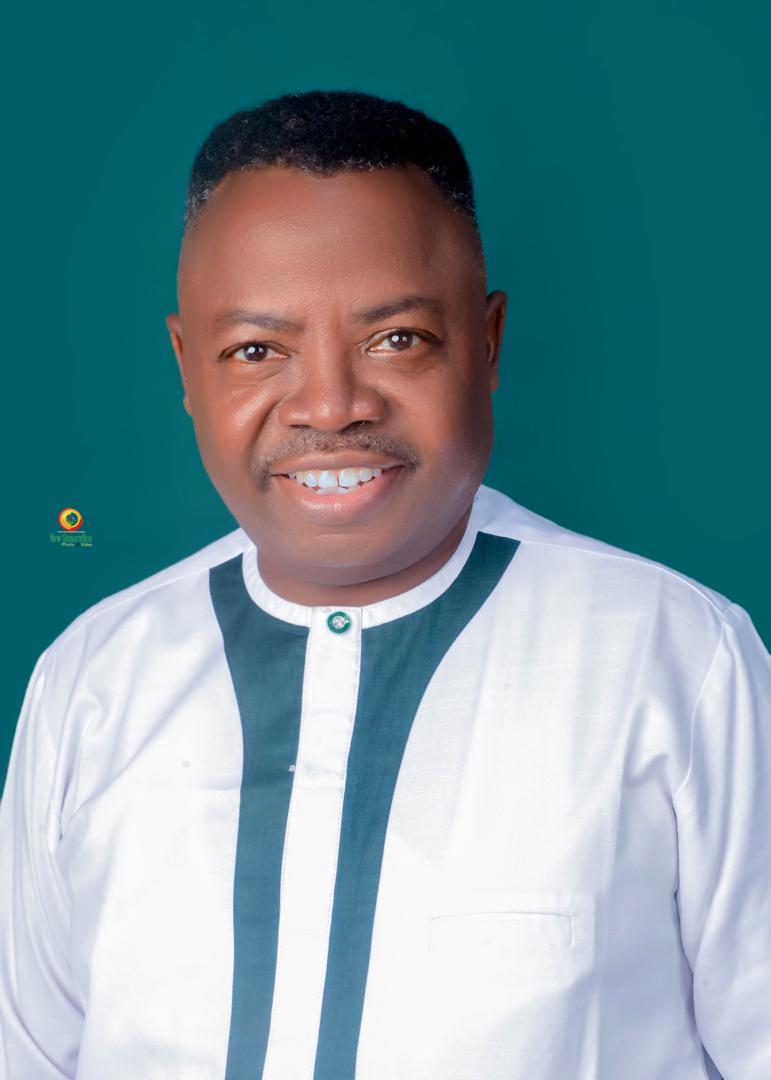
Dr. Bolaji O. Akinyemi is an Apostle and Nation Builder. He’s also the President of Voice of His Word Ministries and Convener Apostolic Round Table. BoT Chairman, Project Victory Call Initiative, AKA PVC Naija. He is a strategic Communicator and the CEO, Masterbuilder Communications.
Email:[email protected]
Facebook:Bolaji Akinyemi.
X:Bolaji O Akinyemi
Instagram:bolajioakinyem


Politics
Democracy in the Crosshairs: How Nigeria’s Ruling APC Weaponises Power and Silences Dissent
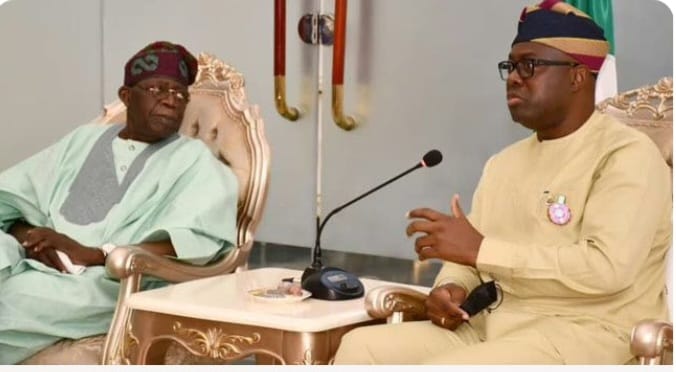
Democracy in the Crosshairs: How Nigeria’s Ruling APC Weaponises Power and Silences Dissent.
By George Omagbemi Sylvester | Published by saharaweeklyng.com
“Tinubu’s Government, the EFCC and the Strategic Undermining of Opposition Governors”.
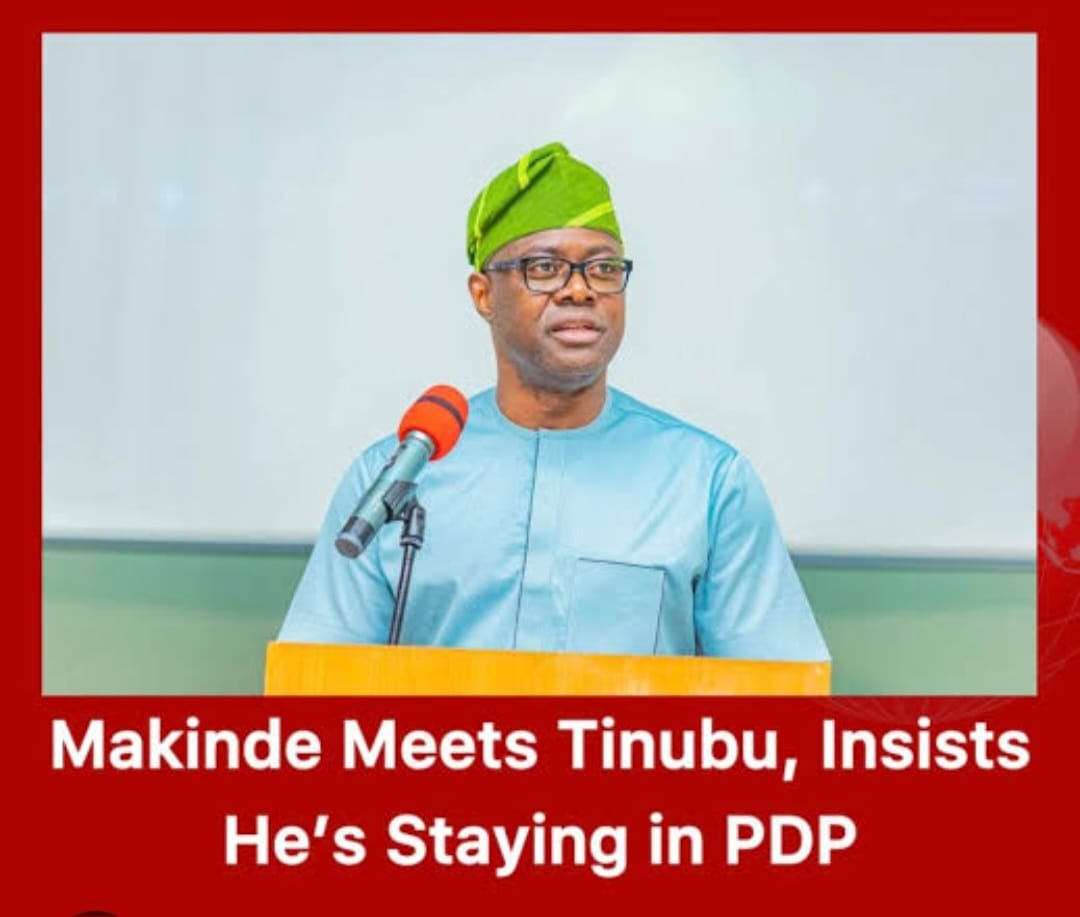
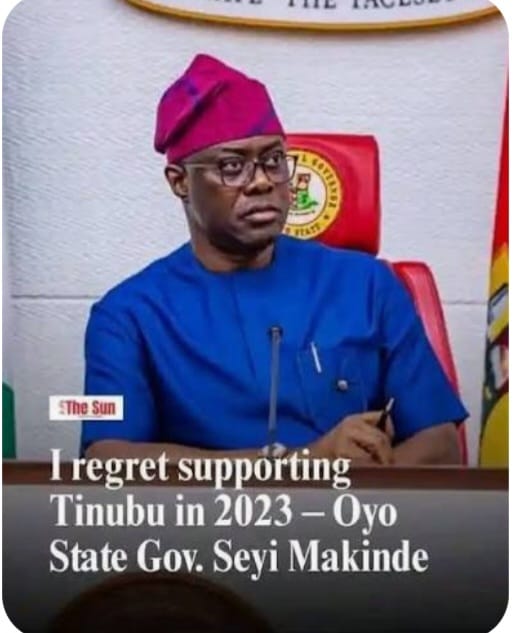
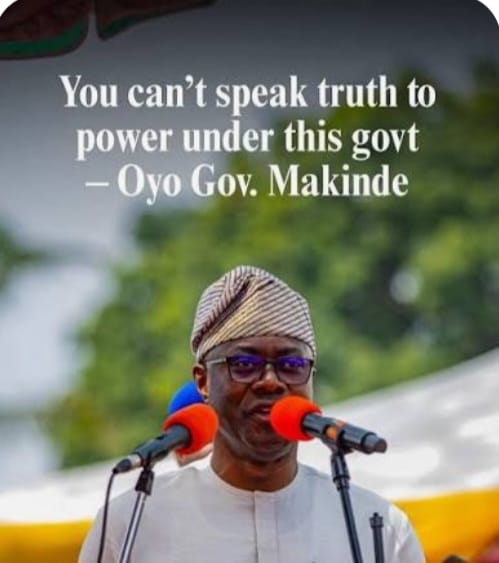
In a striking indictment of Nigeria’s current political reality, Governor Seyi Makinde of Oyo State declared that “you cannot speak truth to power in this dispensation”, directly accusing the administration of President Bola Ahmed Tinubu of intolerance for dissent and an erosion of democratic norms.
Makinde’s remarks (made during a public event in Ibadan on January 25, 2026) were more than a local governor’s lament. They crystallised a mounting national frustration: that Nigeria’s political landscape has tilted dangerously toward executive overreach, institutional capture and political engineering.
This narrative is not isolated. Across Nigeria, governors from opposition parties have defected to the ruling All Progressives Congress (APC) in numbers unprecedented in the nation’s democratic history. Critics argue that these defections are not merely voluntary political choices, but part of a strategic pressure campaign leveraging federal power and institutions to fracture opposition influence.
At its centre lies Nigeria’s principal anti-graft agency – the Economic and Financial Crimes Commission (EFCC).
The EFCC: Anti-Graft Agency or Political Instrument? Founded to combat corruption, the EFCC’s constitutional mandate is to investigate and prosecute financial and economic crimes across public and private sectors. Its legal independence is enshrined in statute and it has historically pursued high-profile cases, including recovery of nearly $500 million in illicit assets in a single year, demonstrating its capacity for tackling corruption.
However, critics now claim that under the Tinubu administration, the EFCC’s prosecutorial power is being perceived (if not deployed) as a political instrument.
Opposition leaders, including former Vice President Atiku Abubakar and coalition parties such as the African Democratic Congress (ADC), have publicly accused the federal government of using anti-corruption agencies to intimidate opposition figures and governors, effectively pressuring them into aligning with the APC.
In a statement released in December 2025, opposition figures alleged that institutions such as the EFCC, the Nigerian Police and the Independent Corrupt Practices and Other Related Offences Commission were being selectively wielded to weaken political competitors rather than combat financial crime impartially.
This is not merely rhetorical noise. The opposition’s grievances centre on several observable patterns:
Reopened or New Investigations Against Opposition Figures: The ADC pointed to recent abnormal reactivation of long-dormant cases or new inquiries into financial activities involving senior opposition politicians. These, they argue, often arise shortly before critical elections or political realignments.
Alleged Differential Treatment: According to opponents of the current administration, individuals who have defected to the APC appear less likely to face sustained legal scrutiny or prosecution in EFCC proceedings, even in cases of credible allegations of mismanagement.
Timing of Actions: The timing of certain high-profile investigations, emerging ahead of the 2027 general elections, reinforces perceptions that anti-graft measures are tailored to political cycles rather than legal merit.
The EFCC and Presidency have publicly denied these allegations, insisting that the commission operates independently and pursues corruption irrespective of political affiliation and that Nigeria’s democratic freedoms (including party choice and mobility) remain intact.
Yet the perception of bias, once systemic, is hard to erase, especially when political actors deploy powerful state machinery with strategic timing and selective intensity.
Defections and Power Realignment: A Democracy at Risk? Since 2023 and particularly through 2025, a remarkable number of state governors and senior political leaders have crossed over from opposition parties (notably the Peoples Democratic Party – PDP) to the APC. Though defections are normal in Nigeria’s fluid political system, the scale and speed in recent years are historically noteworthy, raising critical questions about underlying incentives.
The SaharaWeeklyNG reported Makinde’s comments within the broader context of a political climate where dissenting voices face greater obstacles than at any time in recent democratic memory.
Governors who remain in opposition find themselves squeezed between growing federal assertiveness and dwindling political capital. Some analysts argue that the combination of federal resource control, political appointments and influence over public agencies exerts tangible pressure on subnational leaders to align with the ruling party for political survival. This dynamic, they contend, undermines competitive party politics and weakens Nigeria’s multiparty democracy.
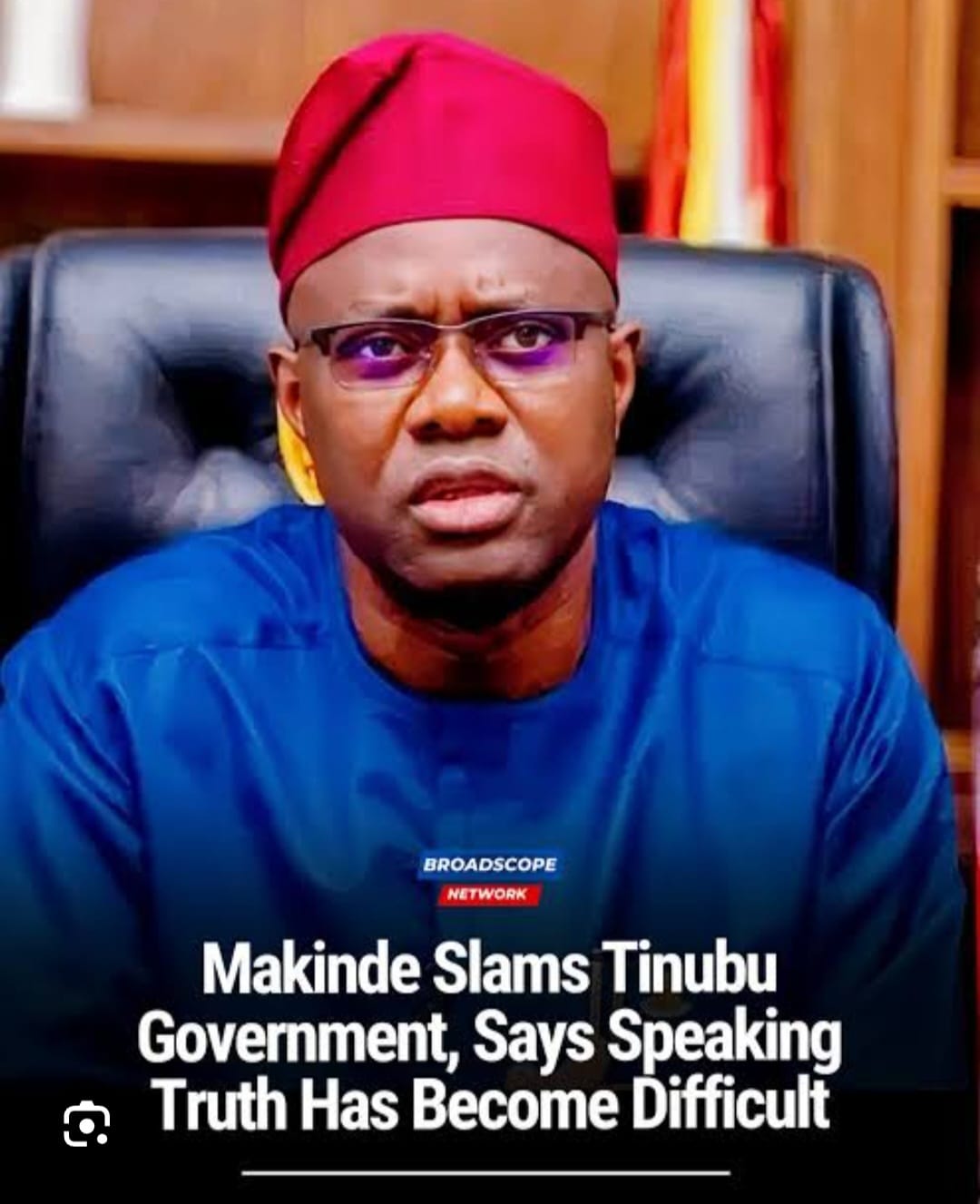
Speaking Truth to Power: What Makinde’s Critique Exposes. Governor Makinde’s core grievance (that it is increasingly difficult, perhaps perilous, to speak truth to power) resonates widely among civil society actors, political analysts and democratic advocates:
“YOU CANNOT SPEAK TRUTH TO POWER IN THIS DISPENSATION,” Makinde declared, specifically citing the government’s handling of contentious tax reform bills as an example where dissent was neither welcomed nor transparently debated.
Makinde’s critique reflects deeper structural concerns:
Exclusion of Key Stakeholders: Opposition leaders and state executives report being marginalised from meaningful consultation on national policies affecting federal-state relations, revenue sharing and fiscal reforms.
Institutional Intimidation: The perception that state politicians become targets of federal legal scrutiny after taking firm oppositional stances (real or perceived) discourages robust democratic debate.
Erosion of Opposition Space: A symbiotic effect of party defections and institutional pressure is a shrinking viable space for genuine political opposition, weakening checks and balances essential to democratic governance.
A respected political scientist, Dr. Aisha Bello of the University of Lagos, recently argued that “when opposition becomes fraught with state leverage instead of ideological competition, the very foundation of democratic contestation collapses,” adding that “a government that shies away from criticism risks inversion into autocracy.”
Another expert, Prof. Chinedu Eze, former dean of political studies at Ahmadu Bello University, warned that “selective use of anti-corruption agencies as political tools corrodes public trust and ultimately delegates justice into the hands of incumbents rather than independent courts.” These observations echo growing public skepticism.
The Way Forward: Strengthening Democracy and Institutions. Nigeria’s path forward depends on restoring confidence in democratic norms and institutional independence.
Transparent EFCC Processes: Civil society groups and legal scholars are advocating for enhanced transparency in anti-graft investigations, including clear prosecutorial thresholds and independent audits of case initiation and closures.
Judicial Oversight: Strengthening the judiciary’s capacity and independence is critical to ensuring that allegations of political weaponisation do not go unchecked. Courts must remain the ultimate arbiters of evidence and guilt.
Political Reforms: Advocates demand reforms to party financing, federal-state fiscal relations, and consultation mechanisms to reduce incentives for defections driven by federal resource leverage.
Public Engagement: A more informed and engaged civil society, anchored by independent media and civic education, must hold both government and opposition accountable for adherence to democratic principles.
Beyond The Present Moment.
Governor Makinde’s assertion that it is no longer tenable to “speak truth to power” under the current administration reflects unsettling trends in Nigeria’s evolving democratic landscape. While the EFCC and the Presidency maintain that anti-corruption efforts are independent and constitutionally grounded, opposition leaders (backed by political data and patterns of defections) argue that state power is being used to consolidate one-party dominance and undermine political pluralism.
At this critical juncture, Nigeria must choose between entrenching competitive democracy or sliding toward a political monopoly where dissent is subdued, institutions compromised, and power concentrated.
For Nigeria’s democratic ideals to survive (and thrive) its leaders and citizens must ensure that speaking truth to power remains not a perilous act of defiance but an honoured pillar of national life.
APC Chairman Appoints Norbert Akachukwu Sochukwudinma as SSA on Local Government Affairs
By Ifeoma Ikem
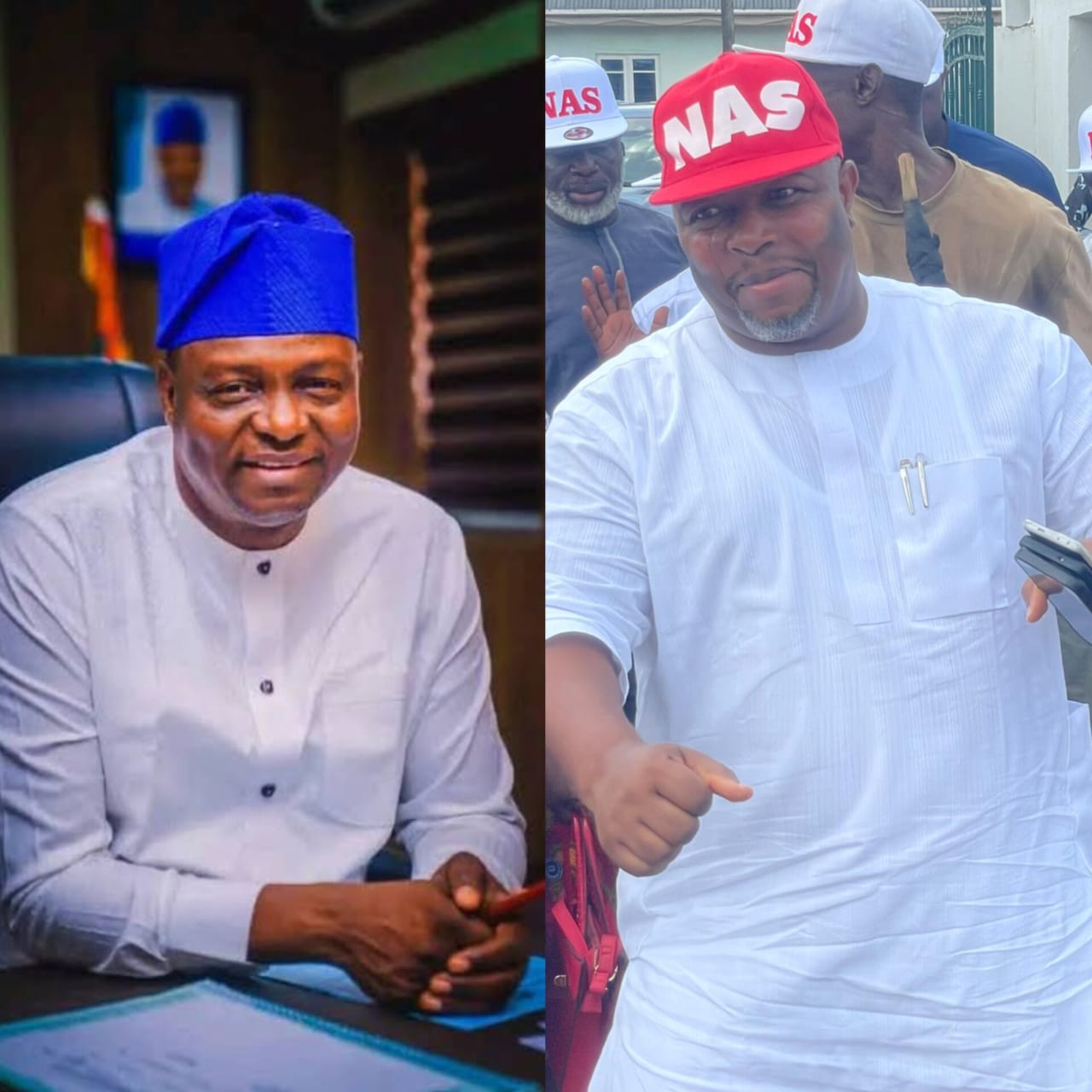
The National Chairman of the All Progressives Congress (APC), Prof. Nentawe Yilwatda, has approved the appointment of Norbert Akachukwu Sochukwudinma (NAS) as Senior Special Assistant (SSA) on Local Government Affairs.
The appointment is part of ongoing efforts by the APC national leadership to strengthen grassroots engagement and enhance coordination between the party’s national secretariat and local government structures across the country.
Sochukwudinma is a seasoned politician and an active member of the APC, with deep roots in Delta State politics. He currently serves as the APC Chairman for Aniocha South Local Government Area.
In addition to his local role, he is also the Coordinating Chairman of APC Chairmen in Delta North, a position through which he has played a strategic role in party mobilisation and reconciliation efforts within the senatorial district.
Known for his commitment to party integration and grassroots development, Sochukwudinma has been actively involved in strengthening the APC’s presence and internal cohesion in Delta State.
Party stakeholders have described his appointment as well-deserved, citing his experience, organisational capacity, and consistent engagement with party members at the ward and local government levels.
The new SSA is expected to bring his grassroots expertise to bear in advising the APC National Chairman on local government affairs, party administration, and effective mobilisation strategies nationwide.
His appointment takes immediate effect.
Politics
PDP’s Ajadi Ally KilamuwayeBadmus Welcomes Former NNPP Senatorial Candidate Ajirotutu into Party
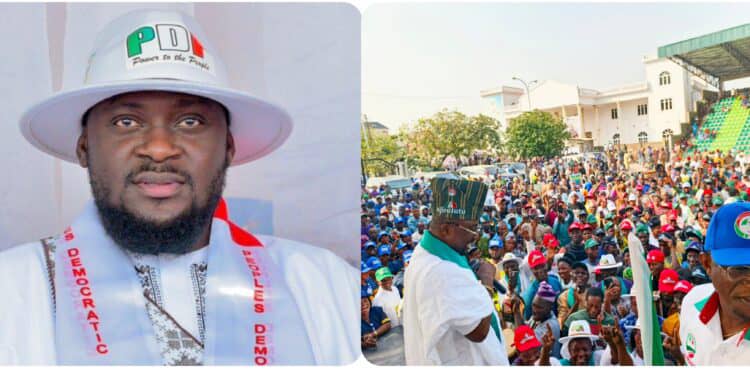
PDP’s Ajadi Ally KilamuwayeBadmus Welcomes Former NNPP Senatorial Candidate Ajirotutu into Party
Nigeria — A former spokesman of the New Nigeria People’s Party (NNPP) in the South-West and the Personal Assistant to Ambassador Olufemi Ajadi Oguntoyinbo, the leading Peoples Democratic Party (PDP) governorship aspirant in Oyo State, Kilamuwaye Oladayo Badmus, has welcomed Hon. Wasiu Ajirotutu into the PDP.
Ajirotutu, a former 2023 Ogun East senatorial candidate of the NNPP, officially defected to the PDP on Friday, January 23, 2026, during the PDP South-West Stakeholders’ Meeting held in Abeokuta, Ogun State.
The stakeholders’ meeting, which attracted top party leaders from across the region, was described as a “turning point” for the PDP’s renewal in the South-West ahead of the 2027 general elections.
In a press release made available to journalists on Saturday, January 24, 2026, Badmus described Ajirotutu’s defection as a major boost to the party’s strength in the South-West.
He said Ajirotutu played a significant political role during his time in the NNPP, particularly during the 2023 general elections, and expressed confidence that his experience would further strengthen the PDP’s chances in the coming elections.
Badmus said, “Hon. Wasiu Ajirotutu is a man of immense political experience and influence. His defection to the PDP is a strong signal that the party remains the most viable platform for progress and development in the South-West. We welcome him with open arms.”
He added, “Ajirotutu’s contributions during the 2023 elections were notable. He mobilized support, strengthened party structures, and ensured that the NNPP made a meaningful impact in Ogun State. We believe that he will bring that same energy and dedication to the PDP.”
Badmus also emphasized that the PDP is currently undergoing a strategic repositioning in the South-West, noting that the party is attracting key political actors who are committed to unity and good governance.
He said, “The PDP is the party that offers the best alternative for Nigerians. Our doors are open to credible leaders who are ready to work for the welfare of the people. Ajirotutu’s arrival is a welcome development, and we look forward to working together for the success of the PDP in 2027.”
Ajirotutu’s defection, according to political analysts, may strengthen the PDP’s presence in Ogun State, which has remained a key battleground in South-West politics.
Speaking at the Abeokuta meeting, Ajirotutu expressed optimism about his new political home and promised to work for the party’s success.
He said, “I am happy to join the PDP. This party has a rich history of progressive leadership and governance. I believe that together, we can deliver good governance to our people.”
Political observers say Ajirotutu’s defection could have a ripple effect, as more political leaders may follow suit in anticipation of the 2027 elections.
The PDP has been actively consolidating its presence in the South-West, and the inclusion of former NNPP leaders is seen as part of the party’s broader strategy to build a stronger coalition across the region.
As the party continues to welcome defectors, political watchers believe that the 2027 general elections may witness a renewed contest in the South-West, with the PDP positioning itself as a formidable force.


-

 celebrity radar - gossips5 months ago
Why Babangida’s Hilltop Home Became Nigeria’s Political “Mecca”
-

 society5 months ago
Power is a Loan, Not a Possession: The Sacred Duty of Planting People
-

 Business6 months ago
Batsumi Travel CEO Lisa Sebogodi Wins Prestigious Africa Travel 100 Women Award
-

 news6 months ago
THE APPOINTMENT OF WASIU AYINDE BY THE FEDERAL GOVERNMENT AS AN AMBASSADOR SOUNDS EMBARRASSING