
society
Nigeria at the Crossroads: History, Memory and the Choice to Rise

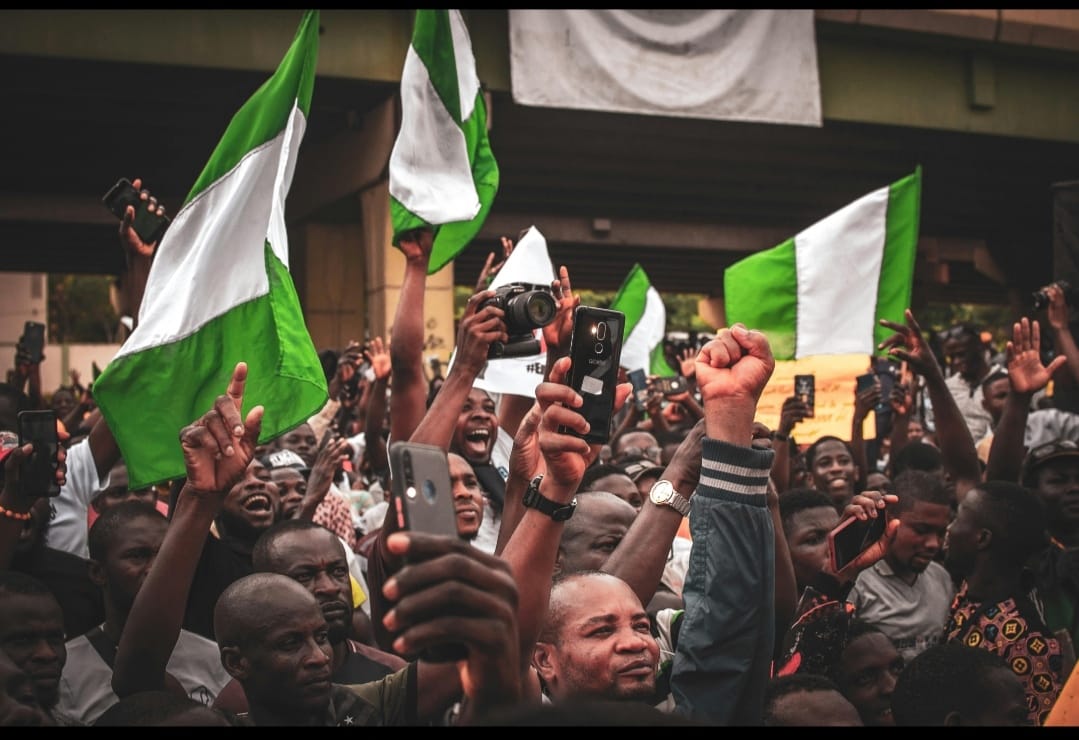
Nigeria at the Crossroads: History, Memory and the Choice to Rise.
By George Omagbemi Sylvester | Published by saharaweeklyng.com
We stand at the junction of repetition and reform; the past is calling and the future waits for no one.
Nigeria’s story is a tapestry of triumphs and tragedies, of heroes remembered and forgotten, of lessons ignored and repeated. From the sacrifices of early nationalists to the failures of successive governments, history has been both a guide and a warning. Yet today, the nation teeters on the edge, caught between the chains of the past and the promise of a new dawn. The question is simple, but urgent: will Nigeria rise, or will it continue its cycle of self-inflicted crises?
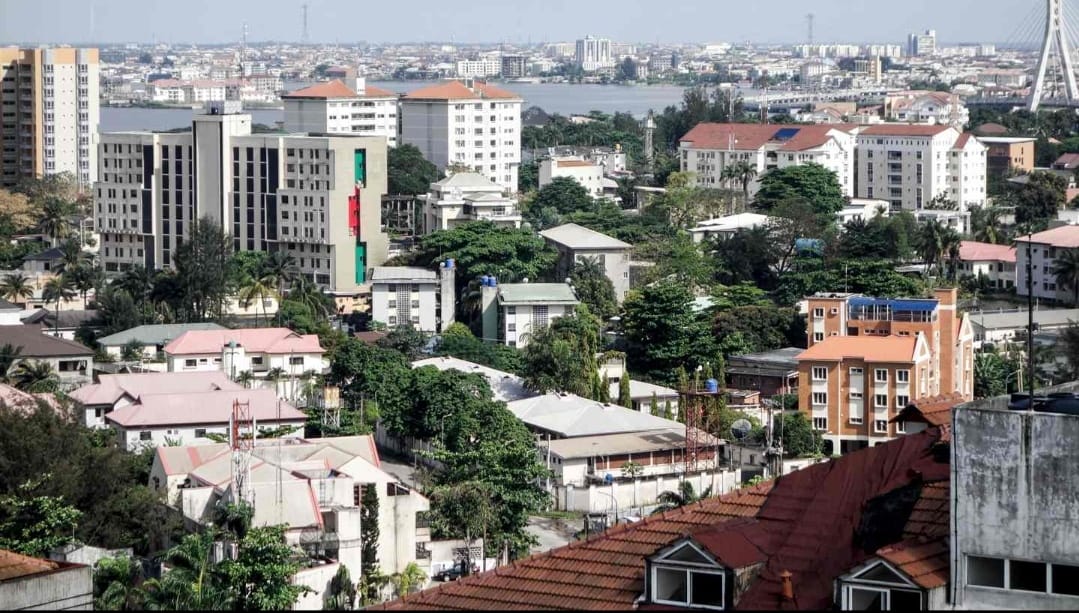
As the historian John Henrik Clarke observed: “A people without knowledge of their past cannot chart a course for their future.” Nigeria’s present is evidence enough that ignorance of history has been costly. But knowledge, properly applied, offers redemption.
Lessons from the Forgotten Heroes.
The builders of Nigeria; Herbert Macaulay, Funmilayo Ransome-Kuti, Michael Imoudu, Anthony Enahoro, Margaret Ekpo and countless others, did not toil for a fleeting generation. They labored for citizenship, civic duty and national cohesion. Remembering them is not an exercise in nostalgia; it is a strategy for national survival.

Their struggles illuminate critical truths: leadership requires sacrifice, governance demands integrity and progress is contingent upon vigilance. Forgetting their contributions allows mediocrity and corruption to flourish unchecked.
From Coup to Crisis: Repetition as Warning.
Nigeria’s military and civilian history demonstrates that ignorance of past failures is disastrous. Coups, mismanaged elections and corruption are not random misfortunes; they are predictable outcomes when lessons of history are ignored. From 1966 to the Fourth Republic, the same patterns repeat: crisis follows complacency and leadership is judged by rhetoric, not results.
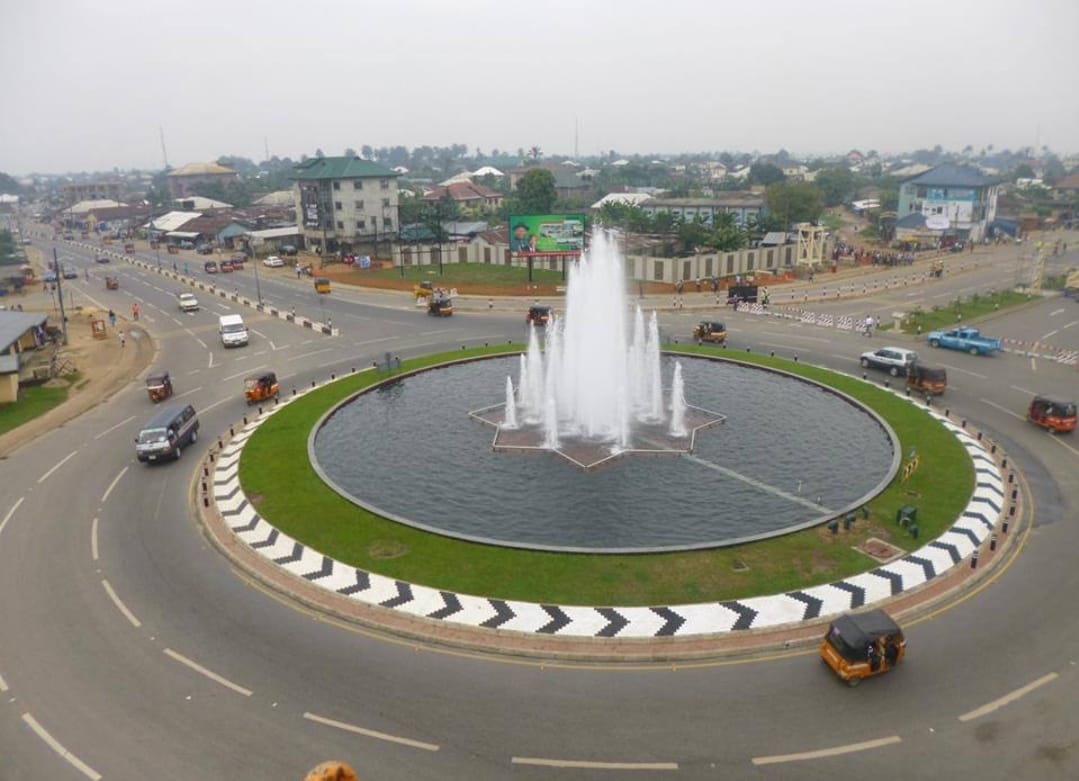
As Chinua Achebe rightly stated: “The trouble with Nigeria is simply and squarely a failure of leadership.” Yet leadership is shaped by citizens who remember, question and demand accountability. Without memory, citizens empower the very failures that haunt them.
Tribalism: The Oldest Wound.
No series of reforms or heroic efforts can succeed if tribalism remains unchecked. Ethnic favoritism and religious polarization have undermined nation-building for decades. From post-independence coups to modern elections, tribal loyalty has repeatedly eclipsed national interest.
Wole Soyinka warned: “When you start to think in terms of tribe rather than humanity, you have abandoned reason for instinct and instinct is often deadly.” Nigeria must choose reason over instinct, unity over division and national identity over narrow loyalty.
Democracy or Deception?
Elections are the ultimate test of Nigeria’s ability to learn from the past. But without historical literacy, democracy becomes ceremonial. Vote-buying, electoral violence and manipulation exploit collective forgetfulness. To protect the future, citizens must demand transparent systems, merit-based leadership and informed participation.
As political scientist Claude Ake observed: “Democracy in Africa is often democracy in name; citizens frequently experience only the ceremonial aspects of the system.” The remedy is memory; remembering past betrayals empowers voters to demand accountability.
Memory as Nigeria’s Weapon.
Memory is not a passive act; it is a tool, a weapon and a safeguard. Nations worldwide (Germany, South Africa, Rwanda) have shown that deliberate remembrance prevents repetition, fosters accountability and strengthens institutions. Nigeria must weaponize memory:
Teach History Fully: From primary school to universities, comprehensive lessons on independence, civil wars, coups and heroes are essential.
Institutionalize Commemoration: Monuments, memorial days and national archives make history visible and impactful.
Engage Media: Documentaries, podcasts and investigative journalism transform abstract memory into public awareness.
Civic Empowerment: Citizens who know their history demand accountability, resist manipulation and uphold national interest.
Memory converts tragedy into foresight, fear into courage and despair into action.
The Choice Ahead.
Nigeria stands at a crossroads. One path leads to repetition; more corruption, violence and division. The other leads to reform; unity, accountability and progress. The difference is knowledge and courage.
Nationalist scholar Chinua Achebe once noted: “The history of a people is never written in isolation; it is written in the living memory of those who remember and act.” Nigeria’s future depends on citizens willing to learn, remember and insist that past sacrifices were not in vain.
The crossroads is not abstract. It is in every election, every civic engagement, every policy debate and every classroom. Each Nigerian must decide: will we allow history to repeat itself or will we honor memory by choosing wisely, demanding competence and rising above tribalism?
Final Thought: Rise or Repeat.
Nigeria is both a cautionary tale and a land of opportunity. Its challenges are formidable, but they are not insurmountable. The nation has known unity, courage and visionary leadership and it can again. But only if memory guides action, history informs decisions and citizens reclaim their role as custodians of the future.
The choice is ours. Ignore history and Nigeria will stumble once more. Remember it, and Nigeria can rise; strong, united and unstoppable.


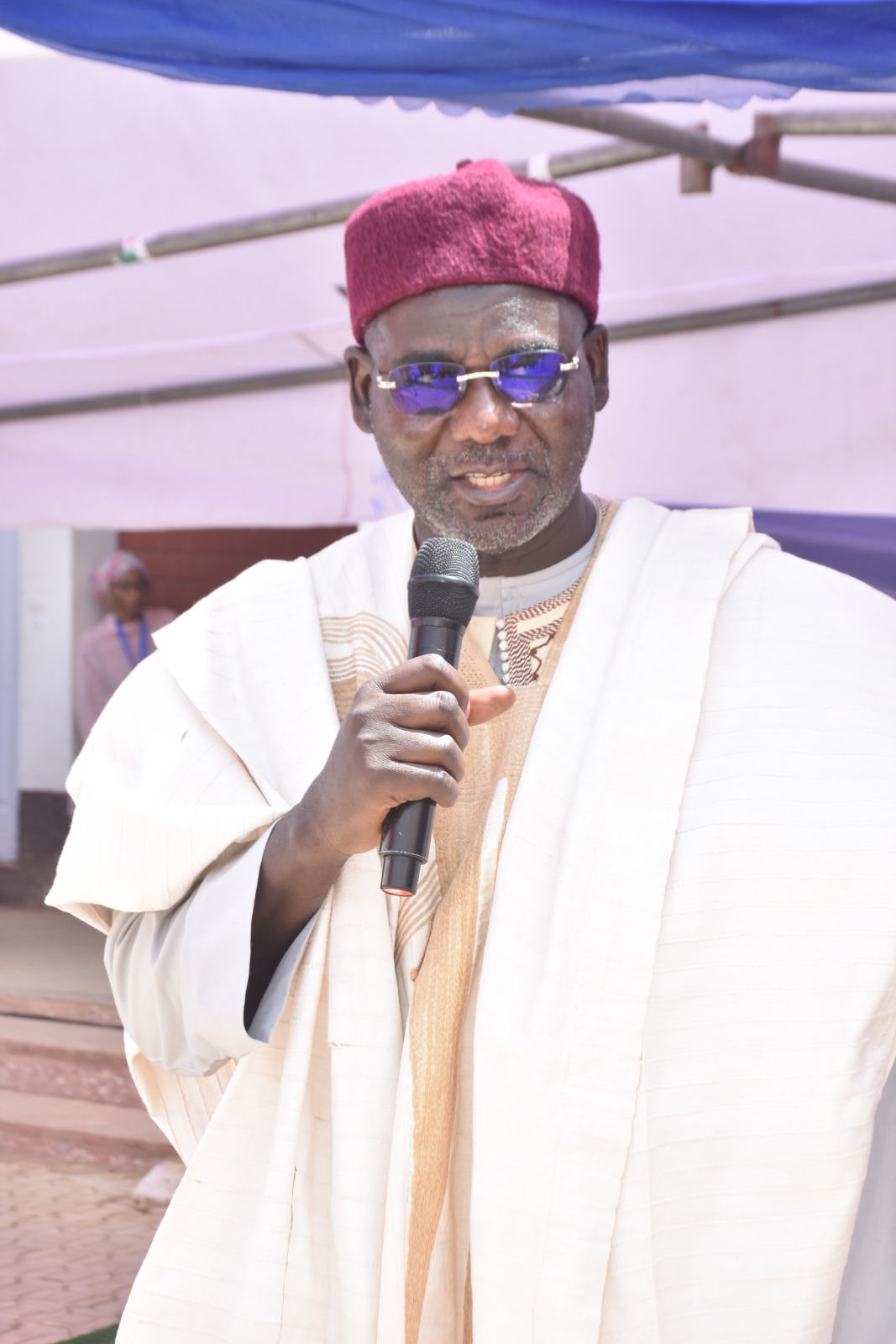
TY BURATAI HUMANITY CARE FOUNDATION CONDOLES WITH BIU EMIRATE OVER TRAGIC ATTACK
In a profound expression of sorrow, the TY Buratai Humanity Care Foundation has extended its heartfelt condolences to the families of the victims and the entire people of Biu Emirate, Borno State, following the recent tragic attack attributed to Boko Haram. This devastating assault, which occurred at a work site in northeastern Nigeria, claimed the lives of dozens, including brave soldiers committed to protecting the nation.
In a statement released to the press and signed by the Chairman of the foundation, Ibrahim Dahiru Danfulani Sadaukin Garkuwan Keffi/Betara Biu, the Grand Patron of the Foundation, His Excellency Amb. Lt. Gen. Tukur Yusufu Buratai CFR (Rtd), former Chief of Army Staff, described the incident as “one too many senseless, barbaric, and ruthless displays of inhumanity.” His Excellency emphasized the heartbreaking impact of such attacks on innocent, hardworking citizens striving to make a positive difference in their communities.
The Grand Patron praised the swift and decisive response of military personnel during this critical time, underscoring their brave commitment to safeguarding the nation. He called upon them to maintain this momentum, commending their courage and sacrifice in the face of adversity. “May Almighty Allah forgive their souls and grant them Aljannah Firdouse,” he remarked, encouraging the nation to honor their spirit of sacrifice as they rally together to rebuild and restore hope across the region.
In his statement, Gen. Buratai highlighted the importance of collective action in overcoming the challenges posed by insecurity, urging concerned citizens to increase their efforts in fostering a virile community that future generations can cherish. “Together, we can surmount these troubles,” he asserted, calling on all patriotic leaders and citizens to unite in the fight against violence and insecurity.
The TY Buratai Humanity Care Foundation remains committed to supporting initiatives that promote peace, security, unity, and prosperity. As the foundation extends its condolences to the bereaved, it also calls upon all segments of society to collaborate in creating a better and safer future. May Allah guide and protect the nation and lead it toward enduring peace. Amen.
society
Rt Hon Treasure Edwin Inyang Appointed Secretary General to the Government of UKA (Worldwide)
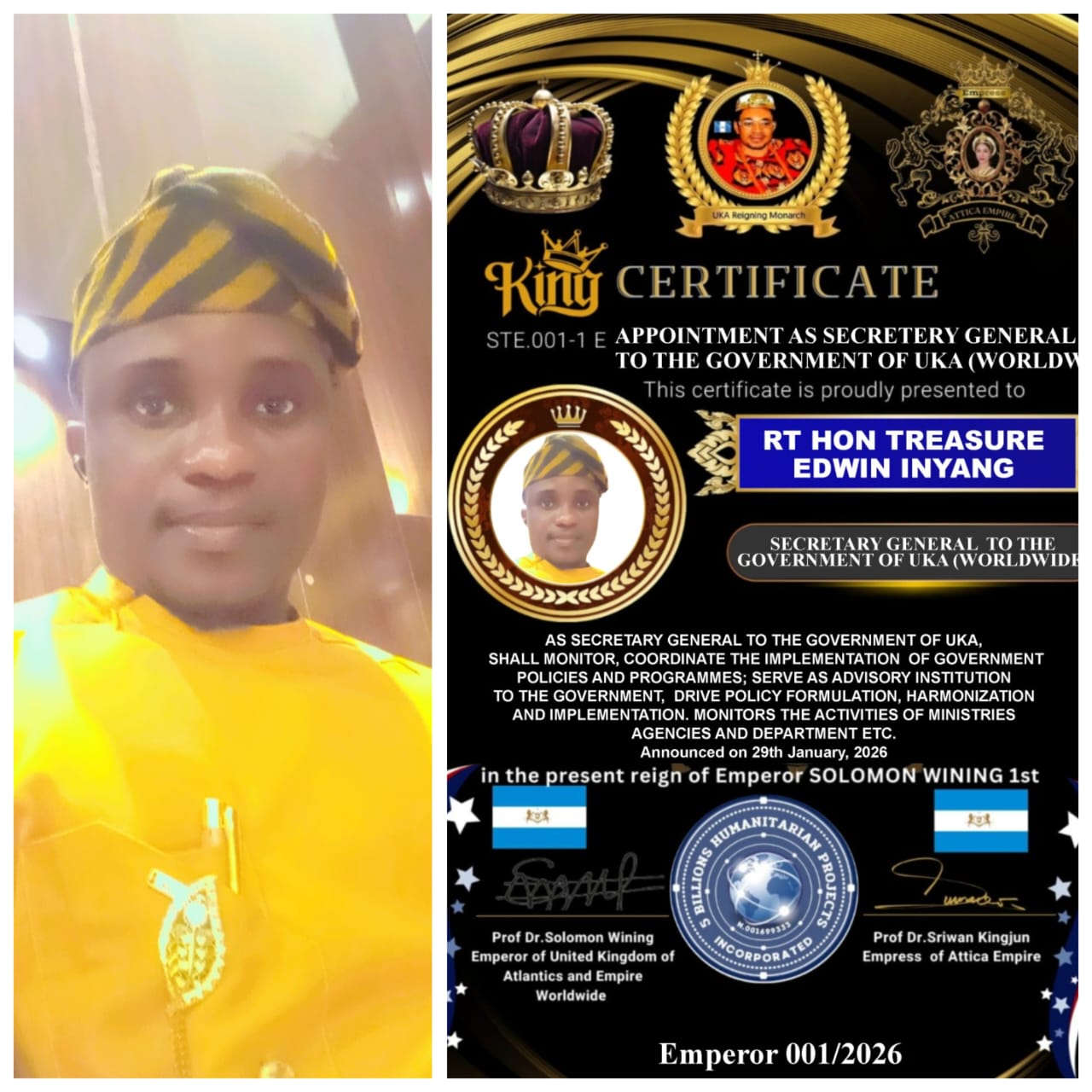
Rt Hon Treasure Edwin Inyang Appointed Secretary General to the Government of UKA (Worldwide)*
January 29, 2026 – A prestigious appointment has been announced in the reign of Emperor Solomon Wining 1st, recognizing Rt Hon Treasure Edwin Inyang as the *Secretary General to the Government of UKA (Worldwide)*. The official certificate, designated STE.001-1 E, was presented to Rt Hon Inyang during a ceremonial investiture.
As Secretary General, Rt Hon Treasure Edwin Inyang will *monitor and coordinate* the implementation of government policies and programmes, serve as an advisory institution to the Government, drive policy formulation, harmonization, and implementation, and oversee the activities of ministries, agencies, and departments.
The appointment was proclaimed by *Emperor Prof. Dr. Solomon Wining*, Emperor of the United Kingdom of Atlantics and Empire Worldwide, and co-signed by *Empress Prof. Dr. Sriwan Kingjun*, Empress of Attica Empire, under the auspices of the 5 Billions Humanitarian Projects Incorporated.
The ceremony underscores the commitment to strengthening governance and humanitarian initiatives within the UKA (Worldwide) jurisdiction, effective immediately in the reign of Emperor Solomon Wining 1st.
GENERAL BULAMA BIU MOURNS BOKO HARAM VICTIMS, CALLS FOR UNITY AND RENEWED EFFORTS FOR PEACE
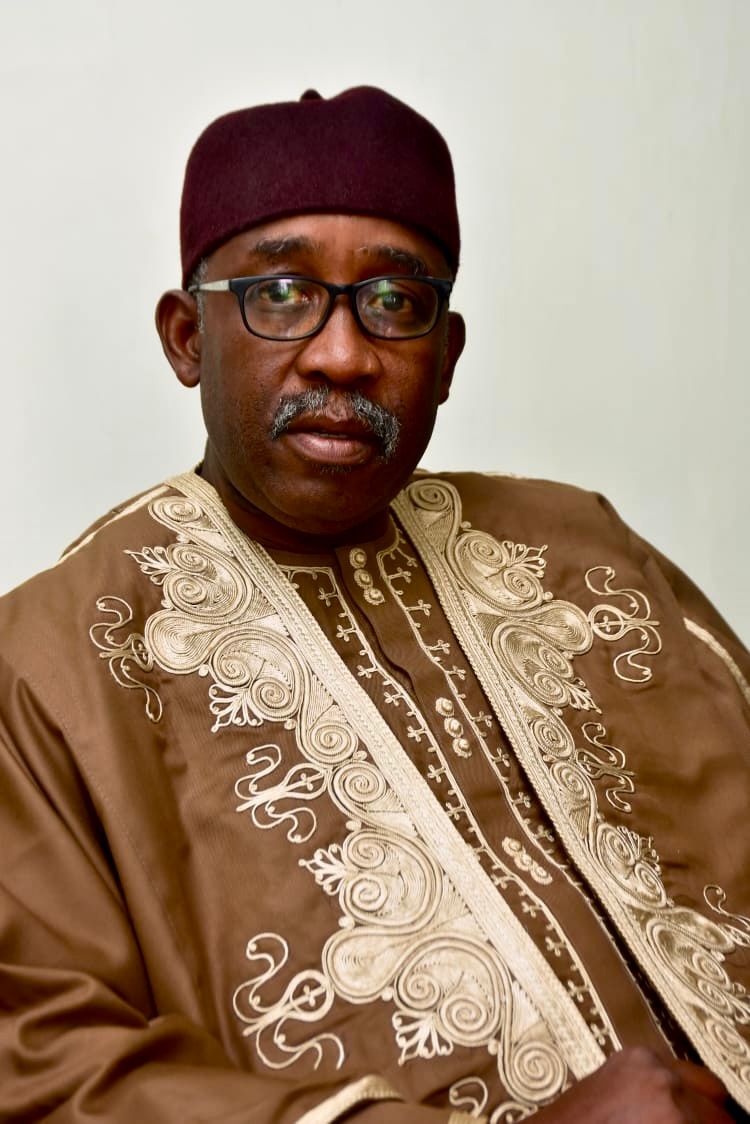
In a solemn message of condolence and resolve, Major General Abdulmalik Bulama Biu mni (Rtd), the Sarkin Yakin of Biu Emirate, has expressed profound grief over a recent deadly attack by Boko Haram insurgents on citizens at a work site. The attack, which resulted in the loss of innocent lives, has been condemned as a senseless and barbaric act of inhumanity.
The revered traditional and military leader extended his heartfelt sympathies to the bereaved families, the entire people of Biu Emirate, Borno State, and all patriotic Nigerians affected by the tragedy. He described the victims as “innocent, peaceful, hardworking and committed citizens,” whose lives were tragically cut short.
General Biu lamented that the assault represents “one too many” such ruthless attacks, occurring at a time when communities are already engaged in immense personal and collective sacrifices to support government efforts in rebuilding devastated infrastructure and restoring hope.
In his statement, he offered prayers for the departed, saying, “May Almighty Allah forgive their souls and grant them Aljannan Firdaus.” He further urged the living to be encouraged by and uphold the spirit of sacrifice demonstrated by the victims.
Emphasizing the need for collective action, the retired Major General called on all citizens to redouble their efforts in building a virile community that future generations can be proud of. He specifically commended the “silent efforts” of some patriotic leaders working behind the scenes to end the security menace and encouraged all well-meaning Nigerians to join the cause for a better society.
“Together we can surmount the troubles,” he asserted, concluding with a prayer for divine intervention: “May Allah guide and protect us, free us from this terrible situation and restore an enduring peace, security, unity and prosperity. Amin.”
The statement serves as both a poignant tribute to the fallen and a clarion call for national solidarity in the face of persistent security challenges.


-
 celebrity radar - gossips6 months ago
Why Babangida’s Hilltop Home Became Nigeria’s Political “Mecca”
-

 society6 months ago
Power is a Loan, Not a Possession: The Sacred Duty of Planting People
-

 Business6 months ago
Batsumi Travel CEO Lisa Sebogodi Wins Prestigious Africa Travel 100 Women Award
-
 news6 months ago
THE APPOINTMENT OF WASIU AYINDE BY THE FEDERAL GOVERNMENT AS AN AMBASSADOR SOUNDS EMBARRASSING