
society
Apostle Ayoola Oladele: A visionary prophet based in Lagos, transforming lives through his selfless humanitarian efforts …inspiring a brighter future for Lagos community

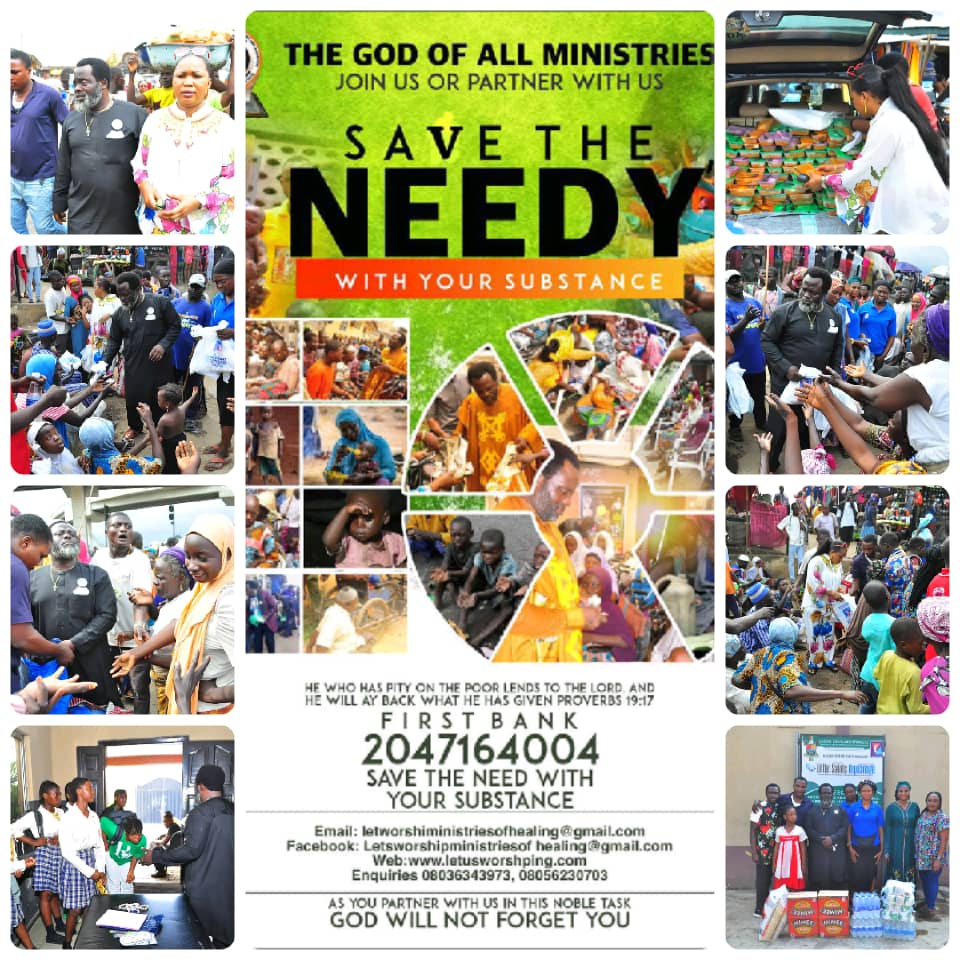
Apostle Ayoola Oladele: A visionary prophet based in Lagos, transforming lives through his selfless humanitarian efforts
…inspiring a brighter future for Lagos community
~By Oluwaseun Fabiyi
Apostle Ayoola Oladele, founder of Letusworshiphealingministries, has made a commendable move, reflective of his ongoing commitment to community service, as evidenced by his ministry’s headquarters in Lagos and its impact within the Lagos metropolitan area
What qualities define a genuine man of God who personifies Jesus Christ? This outstanding Apostle of God, Ayoola Oladele consistently demonstrates these attributes, seeking no recompense from the community
Throughout the history of our Lord Jesus Christ, the scriptures reveal that Jesus traversed various communities, providing sustenance to the masses and performing healing miracles. Notably, the biblical account of Jesus Christ using two fishes and a loaf of bread to feed thousands serves as a paradigm for Apostle Ayoola Oladele’s philanthropic endeavors within his jurisdiction.
*A Call to Serve Humanity:*
Through his midia aide, Oluwaseun Fabiyi says Apostle Ayoola Oladele reiterated that community service and societal giving-back remain integral components of his ministry’s calling.
While Apostle Ayoola Oladele was still serving in the Nigerian Military, he heard God’s voice calling him to undertake His gospel assignment, which ultimately led to his formal resignation as a military officer stationed at the Ikeja Cantonment
Having established Letusworshiphealingministries several years ago, Apostle Ayoola Oladele’s ministry has experienced exponential growth across all facets of its activities. Indeed, it is a healing ministry imbued with unadulterated power, as exemplified by the miraculous healing of a street-walking madman in Lagos in 2024, which propelled Apostle Ayoola Oladele’s ministry and name to global recognition.
*Philosophy of the Save the Needy Foundation:*
As the ministry experienced rapid growth, Apostle Ayoola Oladele received divine inspiration and guidance to undertake community-focused social responsibility initiatives, thereby addressing the people’s needs in a distinct manner. He promptly set up ‘Save The Needy With Your Substance’, a registered ministry and Godly non-profit government organization (NGO) with the Corporate Affairs Commission (CAC), without hesitation to God’s voice, funded by himself and some church members under spiritual guidance.
*Is Save the Needy’s Ministry having a lasting impact?*
Absolutely yes, with a lucid mind and compassionate visionary leader, Apostle Ayoola Oladele’s vision-driven approach can never be overlooked and is unmatched within the society.To state the facts without embellishment, Save The Needy has clearly made a substantial difference in the lives of many disadvantaged Lagosians, encompassing out-of-school students, orphanage homes, elderly women and men, widows, widowers, and correctional centers; all of whom have benefited from Save The Needy’s initiatives within Lagos and its environs
As part of their humanitarian services, Apostle Ayoola Oladele recently led a massive team from Save The Needy on a visit to Agege central market, railway, Abule Egba, Iyana Ipaja down to Ile-epo area of Lagos and subsequently returned to Ikeja, down to Oshodi to donate food stuff, clothing materials, and cash to orphanages, the General Hospital in Igbogbi at Yaba to settle their hospital bills, a Police Station, and some areas of Ajao Estate, to name a few.
On a monthly basis, they would usually gather en masse to undertake this activity between 12:00 pm and 6:30 pm, joined by Apostle Ayoola Oladele’s wife and the church faithful, who were wholly supportive.
*Are there any financial returns or gains?*
All these activities were executed monthly to honor God, without any governmental or influential sponsorship, either domestically or internationally. The ministry incurred substantial monthly expenditures of millions of Naira, but God has consistently been its primary source of support and sustainability. We undertook these initiatives without anticipating reciprocal gestures from individuals, instead relying on God’s word.
We wholeheartedly invite anyone who feels inclined to partner or provide support to join us, as we formally appeal for support from philanthropic individuals, good Nigerians at home and abroad, brothers and sisters in Africa, and people of all nations worldwide – White, Arab, French, Asian, and everyone across the globe.
We respectfully solicit your support for Save The Needy’s With Your Substance Humanitarian Foundation, a charitable organization established in 2020 that provides assistance to the underprivileged without regard to religion, tribe, or creed.
*Services We Rendered:*
– Care for *fatherless* and *motherless* children
– Support for *widows* and *widowers*
– Assistance to *old age* men and women
– Aid to *prisoners*, *hospitalized patients*, and those in psychiatric care
– Relief for people affected by *crisis*, *flood*, *fire*, or other disasters
– Help for *individuals in need*
Bible Verses on Caring for the Needy:
1. *James 1:27*: “Religion that God our Father accepts as pure and faultless is this: to look after orphans and widows in their distress and to keep oneself from being polluted by the world.”
2. *Deuteronomy 10:18*: “He defends the cause of the fatherless and the widow, and loves the foreigner residing among you, giving them food and clothing.”
3. *Isaiah 1:17*: “Learn to do right; seek justice. Defend the oppressed. Take up the cause of the fatherless; plead the case of the widow.”
*Ways to Support:*
– Donate to: *Account Name*: SAVE THE NEEDYS WITH YOUR SUBSTANCE HUMANITARIAN FOUNDATION, *Account number*: 2047164004, *Bank name*: First Bank PLC.
– Contact: +2348036343973, WhatsApp/Line: +2348181959243.
– Venue: CDC Hall, Oshodi Local Government Secretariat Complex, Lagos, Nigeria.
*Call to Action:*
Please help spread the word about *Save The Needy’s With Your Substance Humanitarian Foundation*. Tell someone, tell somebody, tell people around you about this foundation serving humanity with dignity. Your one cent counts.
May God bless you abundantly for your kindness and support
#goviral #HelpersOfDestiny #humanitarian #helperofdestiny #GovernorAdeleke #salvationministriesworldwide #letsworshipGod #lekkirealestate #MiracleWorkingGod








Nigeria will be at peace when youths are gainfully employed
By Ifeoma Ikem
A philanthropist, Mr Calistus Chukwuedozie says Nigeria will be at peace when its youths are gainfully employed and in turn solve the problem of insecurity across the nation.
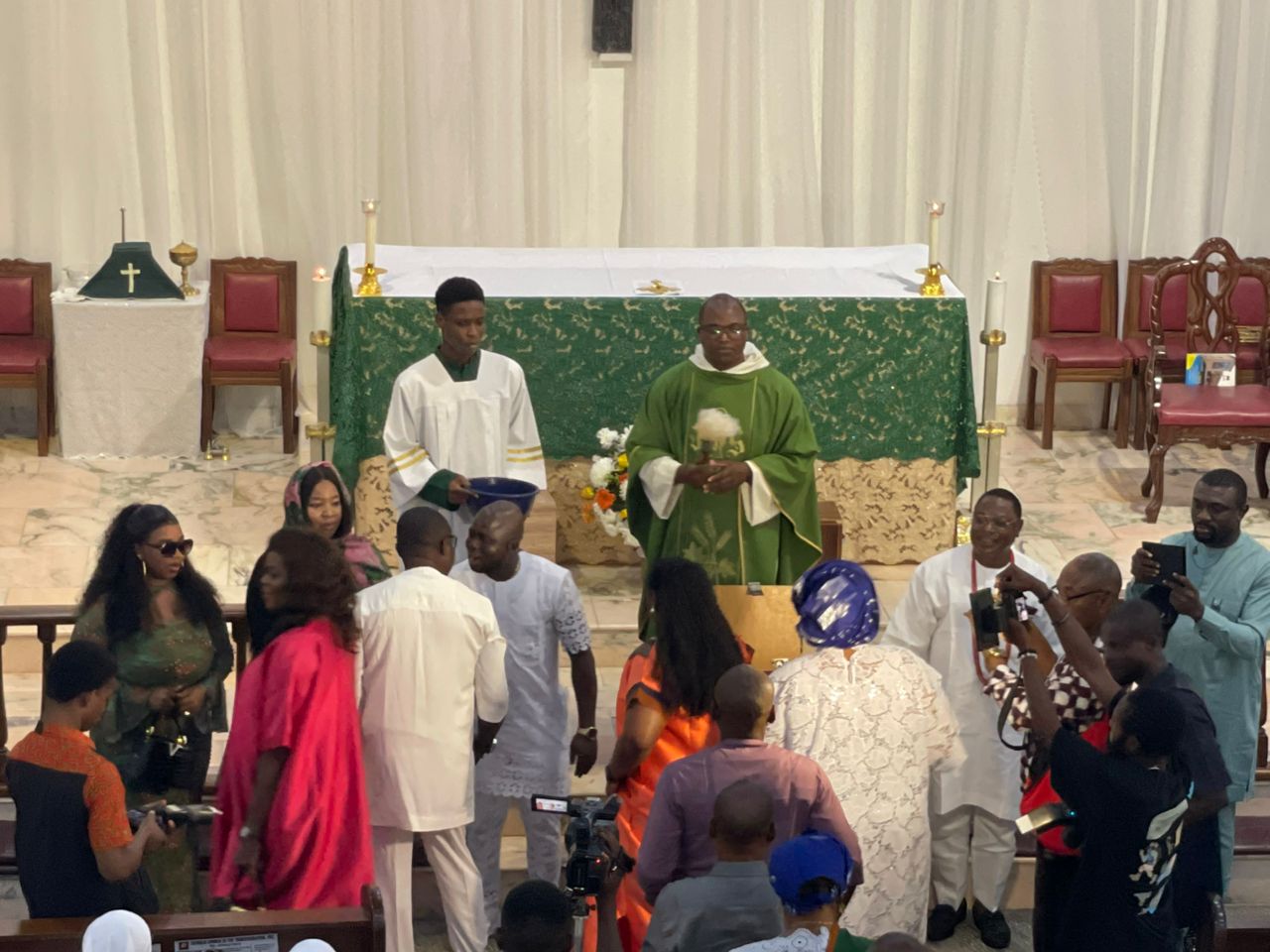
Chukwuedozie, a past President of the Rotary Club, Victoria, Lagos made the assertion at the memorial thanksgiving in honour of his late father, Pa Anthony Onuchukwu Chukwuedozie at Catholic Church of Transfiguration, VGC, Lagos,.
He said he observed first-hand how employment can help curb insecurity when he travelled to his home town Ihiala, Anambra state for his father’s burial.
He credited Onyema’s employment initiatives in Mbosi, Ihiala, where at least one person per household reportedly benefits from job opportunities within Air Peace as a major factor fostering calm, unity and economic stability in the area.
“I was at home for almost one month during my father’s burial ceremony and noticed that there was no report of kidnapping, robbery and criminal activities in my community.
“When I made enquiry, I was told that the Chairman of Air piece, Allen Onyema, gave over 250 youths of the community employments and promised them more jobs.
“With what he did for the community, he was able to solve the problem of insecurity and the youths listened to him when he advised them to shun crime.
“ I for one have more than 100 people under my employment.
“Families forced their bad children to give up crime and renounce it and many of them have turned new leaves.’’
He reiterated that if well to do people in each community in the South East or Nigeria at large should replicate what Allen Onyema did, every youth will be gainfully employed and nobody will be a willing tool in the hands of criminals.
`The government on their own should liaise with Banks to give soft loans to many people who want to start small scale businesses.
`Many of our youths have learnt one trade or the other, but have no money to set up their businesses.
If they can get access to soft loans for their businesses, the nation will be a greater and peaceful place do businesses.’’
Chukwuedozie, the CEO of MICCALLY AUTOS, who also spoke about the enduring values his father stood for said the man’s life journey was defined by principle, discipline and service to humanity.
He described his father as a man deeply rooted in integrity, adding that his father’s remarkable life as a soldier, teacher and farmer reflected both strength and nurture.
Beyond his career paths, Pa Chukwuedozie’s greatest legacy, according to his son, was his unwavering commitment to raising all seven of his children into accomplished academic and business professionals.
“In my ancestral home, Ihiala, my father was widely revered as a community leader whose counsel and character commanded respect.’’
He commended the Inspector General of Police for his efforts in ensuring stability and safety of all citizens.
“The peace I experienced during my stay at home was a direct result of sustained communal engagement and youth empowerment.
“I also advocate for broader government inclusion in education and skills acquisition programs for the youths as productive engagement remains one of the most effective tools against insecurity and social vices.’’
The memorial event drew tributes from notable guests, including Chief Edwin Eze Ogidigha of Oraifite, Chairman of Yamaha Sub-Saharan Africa who described Pa Chukwuedozie as a man whose influence extended far beyond his immediate family.
He praised the late patriarch for positively shaping generations through his character, discipline and wisdom.
He said that the remarkable achievements and values seen in his children stand as living proof of a life well lived.
A guest Onwa of idemili, Nnamdi Ifebi who spoke in the same vein on security said that the steps that the governor of Anambra State has taken to address the issue of security have also yielded positive results.
“What miscreants were doing before now, thinking that they were untouchable is now a thing of past. I commend the governor and security agencies for their good job.”
As prayers were offered and stories shared, the memorial thanksgiving became more than a remembrance.
It evolved into a celebration of legacy, community impact and the quiet power of a man who lived with honour.
In every tribute echoed a singular truth that Pa Chukwuedozie may have departed this world, but the principles he lived by will continue to walk boldly through the lives he touched.
society
Stakeholders Seek Urgent Reforms to Tackle Youth Unemployment at disrupTED EduKate Africa Summit
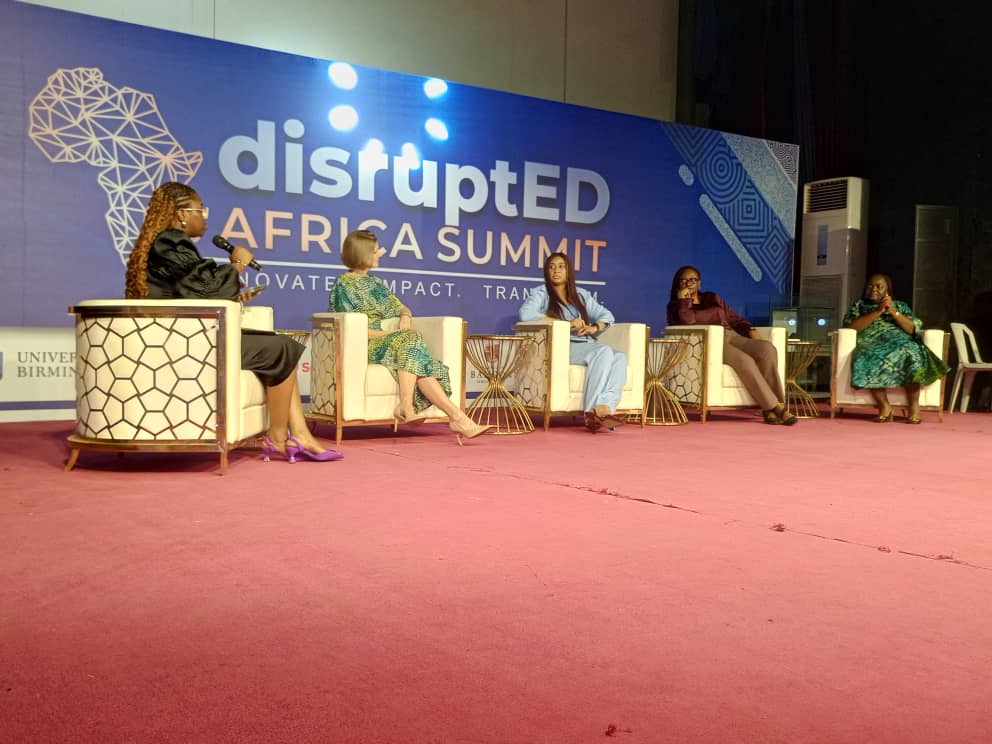
Stakeholders Seek Urgent Reforms to Tackle Youth Unemployment at disrupTED EduKate Africa Summit
By Ifeoma Ikem
Stakeholders in Nigeria’s education sector have called for urgent and scalable solutions to address the rising rate of youth unemployment, stressing the need for strengthened technical education and increased collaboration with the private sector to bridge existing skills gaps.
The call was made at the disrupTED EduKate Africa Summit 2026, a one-day leadership forum held at the University of Lagos, where participants examined the growing disconnect between education outcomes and labour market demands.
The summit brought together education leaders, private sector operators and development advocates to promote adaptive learning, practical skills acquisition and innovative financing models for Africa’s education sector.
Experts at the summit strongly advocated increased investment in technical and vocational education, noting that training programmes must reflect current industry realities and evolving labour market needs.
Speakers emphasised that Nigeria’s education system, particularly at the tertiary level, must urgently shift from certificate-driven learning to skills-based and experiential education aligned with global best practices.
Among the speakers were Deby Okoh, Regional Manager at Brunel University of London; Ashley Immanuel, Chief Operating Officer of Semicolon; Olapeju Ibekwe, Chief Executive Officer of Sterling One Foundation; and education advocate, Adetomi Soyinka.
The speakers highlighted the importance of continuous learning, teacher retraining and comprehensive curriculum reform to meet the demands of an increasingly technology-driven global economy.
They stressed that apprenticeship programmes, internships and hands-on training should be fully integrated into academic curricula, noting that over-reliance on theoretical qualifications has widened the employability gap among graduates.
In his remarks, Mr Tosin Adebisi, Director of EduKate Africa and convener of the summit, said the event was designed to challenge what he described as the education sector’s rigid attachment to outdated methods.
Adebisi said innovation must remain central to education reform, adding that stakeholders must rethink teaching methods, learning processes and approaches to solving challenges such as access to education, financing and employability.
He expressed confidence that sustainable solutions could be achieved through strong collaboration across education, private sector and development institutions.
Adebisi, alongside co-Director Mr Francis Omorojie, said the summit aimed at connecting stakeholders working across sectors to close existing skills and opportunity gaps for young people.
The summit also urged parents and educators to promote lifelong learning, critical thinking and adaptability among young people, stressing that education systems must evolve in line with global economic trends.
No fewer than 200 students from the University of Lagos, Lagos State University, Ojo, and other institutions participated in the summit, which was initially expected to host the Minister of Education, Dr Tunji Alausa.
In a welcome address, Prof. Olufemi Oloyede of the University of Lagos emphasised the need to shape young minds through innovation and positive thinking, noting that Africa’s development depends on the strategic use of its human and natural resources, as well as a shift towards creativity and innovation among youths.

Turning Point: Dr. Chris Okafor Resumes with Fresh Fire of the Spirit
-Steps onto the Grace Nation Pulpit After a Month-Long Honeymoon Retreat with Renewed Supernatural Power
By Sunday Adeyemi
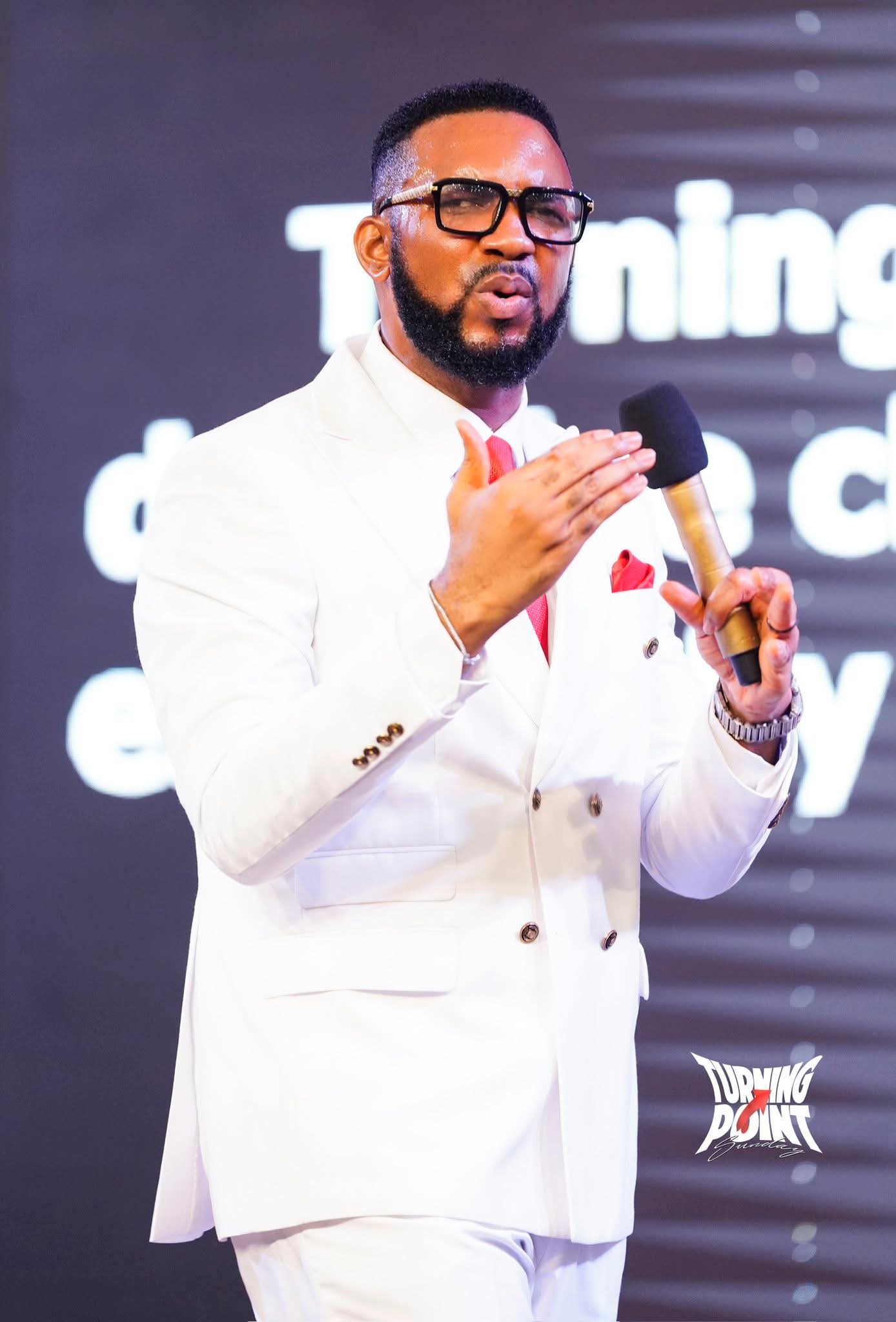
The much-anticipated February 1, 2026 “Turning Point” service of Grace Nation has come and gone, but its impact remains deeply etched in the hearts of Grace Nation citizens across the world. The significance of the day was unmistakable—it marked the official return of the Generational Prophet of God and Senior Pastor of Grace Nation Global, Dr. Chris Okafor, to active ministerial duty as the Set Man of the commission.
The date was particularly symbolic, as Dr. Okafor had taken close to one month away from the pulpit following his wedding late last year. The period served not only as a honeymoon but also as a season of rest, reflection, and intimate fellowship with God in preparation for a greater spiritual assignment ahead.
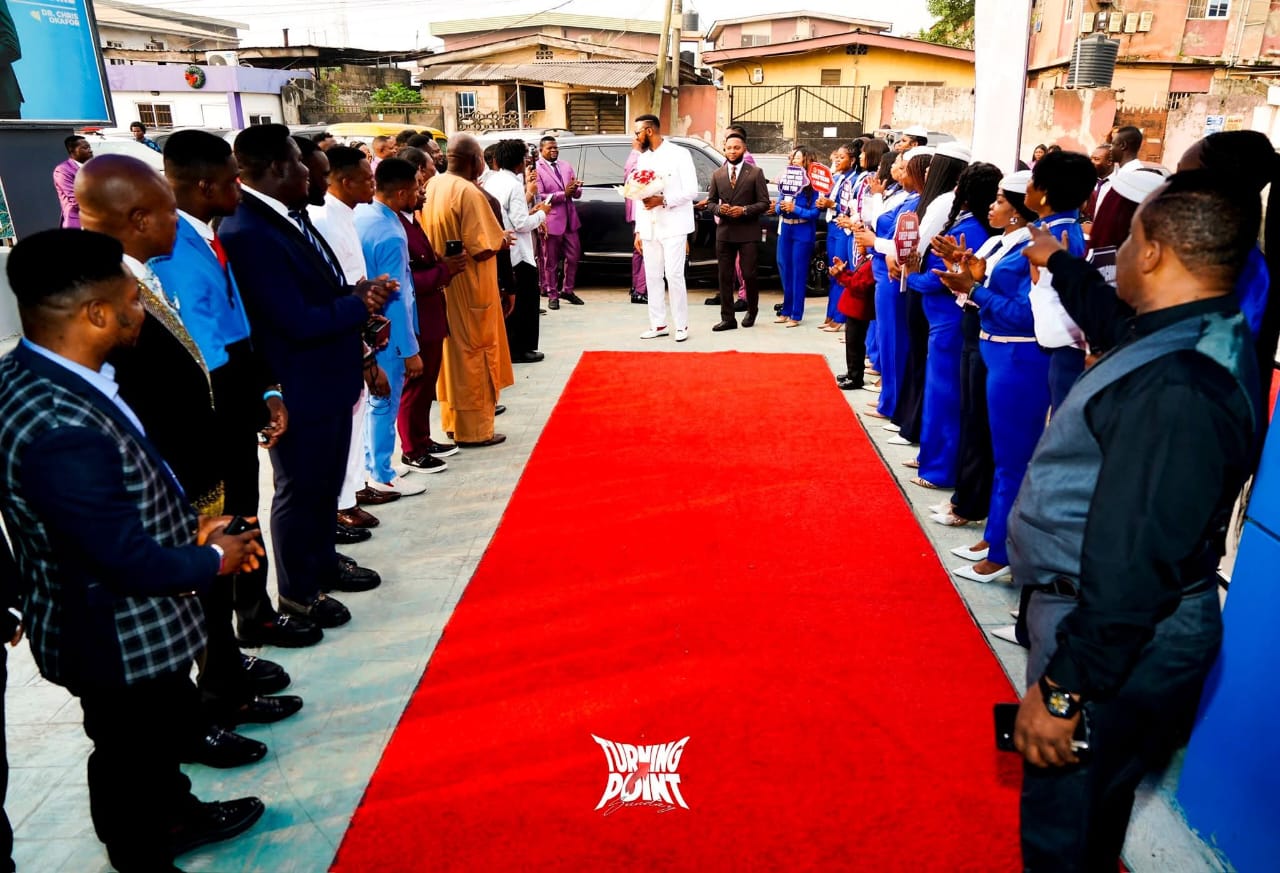
The atmosphere at Grace Nation was electric as the Generational Prophet and his wife were received with a heroic welcome, accompanied by prophetic praise, joyful dancing, and fervent prayers. It was a celebration of return, renewal, and readiness.
In his opening remarks, Dr. Chris Okafor declared that he had returned to fully pursue the mandate God entrusted to him—winning souls for the Kingdom of God. He issued a strong warning to the kingdom of darkness, stating that light and darkness cannot coexist. According to him, the season ahead would witness intensified spiritual engagement, as the Kingdom of God advances and the forces of darkness lose ground.
“This time,” the Generational Prophet affirmed, “it will be total displacement of darkness, as the light of God shines brighter than ever.”
The Message: Turning Point
Delivering a powerful sermon titled “Turning Point,” Dr. Okafor explained that a turning point is defined as a moment when a decisive and beneficial change occurs in a situation. He emphasized that such moments are often preceded by battles.
According to him, battles do not necessarily arise because one is doing wrong, but because God desires to reveal His power and teach vital lessons through them. Every genuine battle, he noted, carries divine involvement and purpose.
Addressing the question “Why must I fight a battle?” Dr. Okafor explained that individuals who carry extraordinary grace often encounter greater challenges. “When you carry what others do not carry,” he said, “the battles that come your way are usually bigger.”
Characteristics of a Turning Point
The Generational Prophet highlighted that when a person is firmly rooted in God, no storm can uproot them. A strong spiritual foundation ensures that no battle can shake one’s destiny. He explained that prayer does not eliminate battles, but preparation through prayer guarantees victory on the evil day.
“Battles push you into your turning point when you are rooted in the Spirit,” he stated, adding that a prayerful life is essential for sustained victory and elevation.
A Supernatural Service
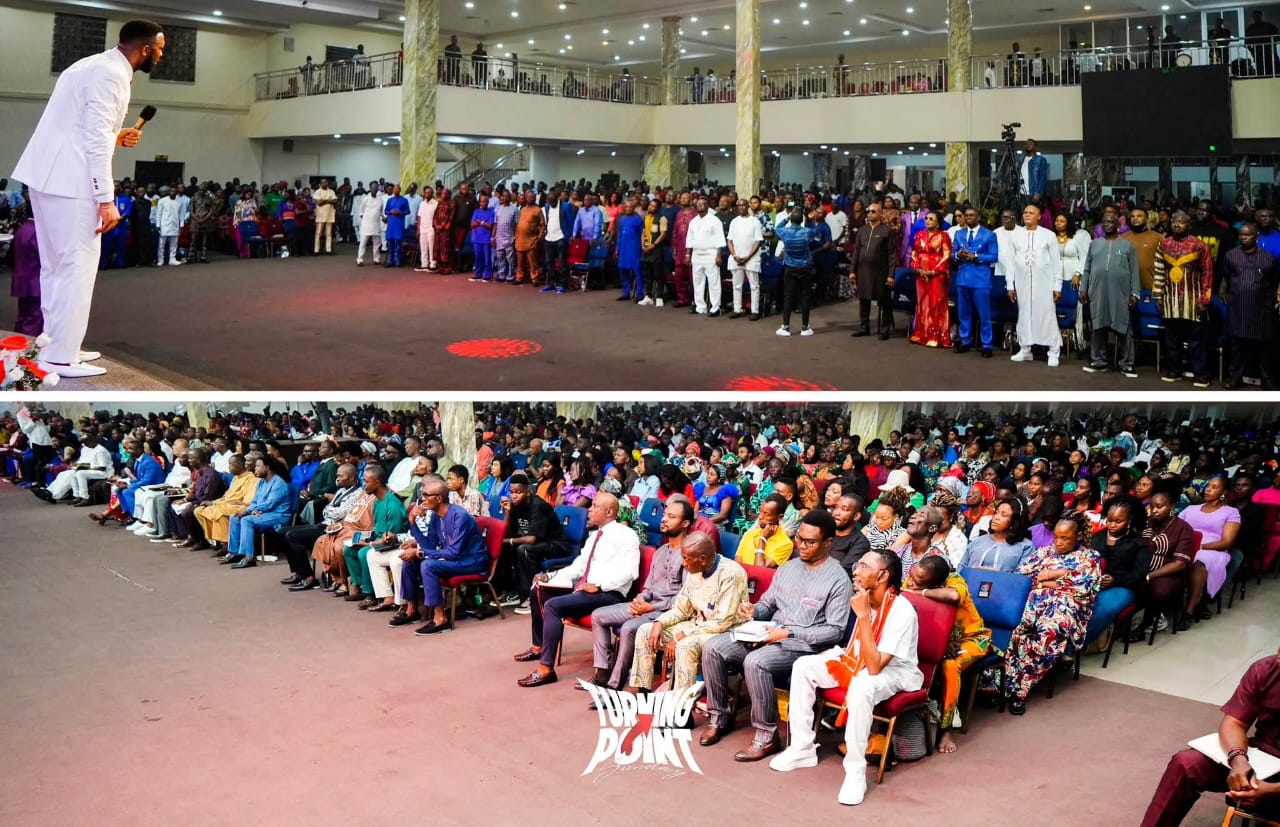
The Turning Point service witnessed an extraordinary move of the Holy Spirit in a fresh dimension. Deliverance, healings, miracles, restoration, and diverse testimonies filled the atmosphere as worshippers encountered the power of God during the Sunday service.
In a related development, Dr. Chris Okafor officially commissioned the ultra-modern church restaurant, Fourthman Foodies, dedicating it to God for the benefit and use of Grace Nation citizens worldwide.
The February 1 service has since been described by many as a defining moment—one that signals a new spiritual season for Grace Nation Global. https://www.facebook.com/share/v/1B2Eh6B6wo/
Sunday Adeyemi is a Lagos-based journalist and society writer. He writes from Lagos.


-

 celebrity radar - gossips6 months ago
Why Babangida’s Hilltop Home Became Nigeria’s Political “Mecca”
-

 society6 months ago
Power is a Loan, Not a Possession: The Sacred Duty of Planting People
-

 Business6 months ago
Batsumi Travel CEO Lisa Sebogodi Wins Prestigious Africa Travel 100 Women Award
-
 news6 months ago
THE APPOINTMENT OF WASIU AYINDE BY THE FEDERAL GOVERNMENT AS AN AMBASSADOR SOUNDS EMBARRASSING