
society
History as a Binding Glue: How Nigeria’s Collective Memory Can Hold Us Together

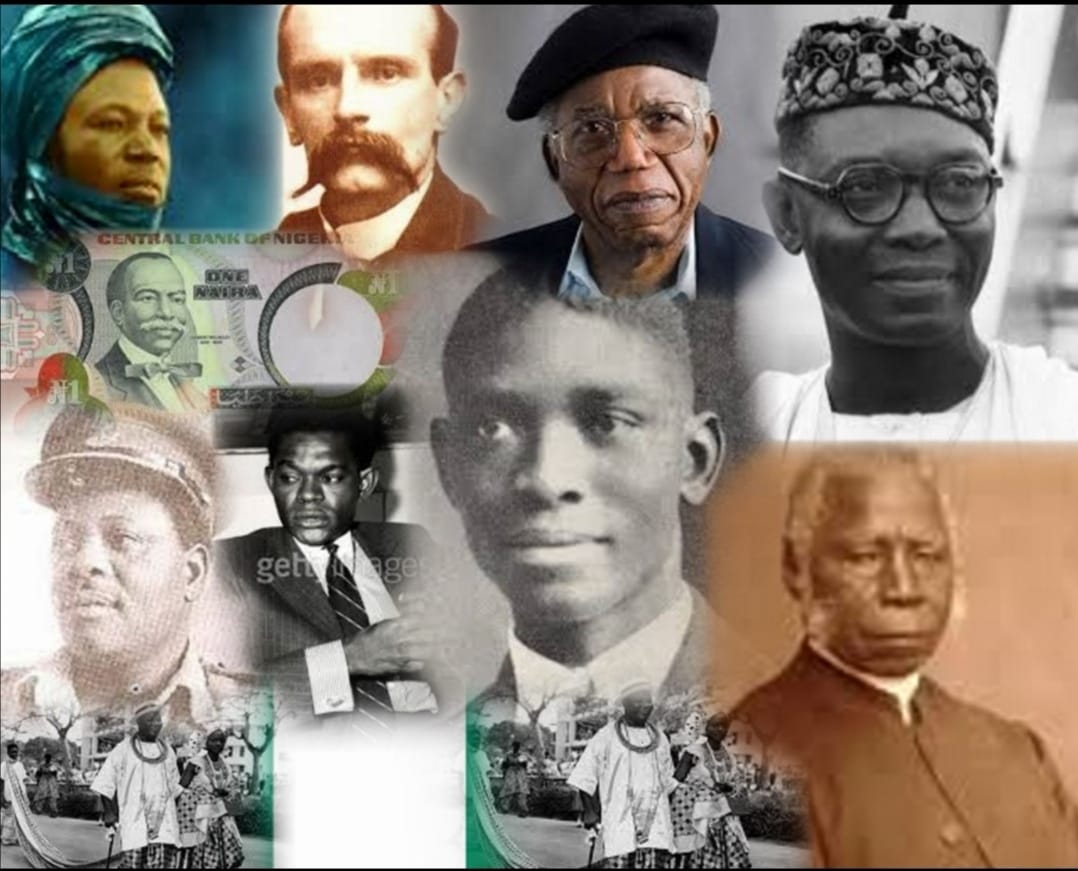
History as a Binding Glue: How Nigeria’s Collective Memory Can Hold Us Together.
By George Omagbemi Sylvester | Published by saharaweeklyng.com
Remember the cost our past paid for the freedoms we squabble over today.
Nigeria’s past is not an optional footnote. It is the adhesive that can bind a fractured nation, the story of a people who fought COLONIAL MASTERS, survived a devastating CIVIL WAR and refused to let authoritarian theft of the BALLOT STAND. Those episodes are not simply chapters of grievance; they are testimonies of sacrifice, resilience and prices paid in blood and dignity. If we tell those stories honestly (with the scale of suffering and the faces of those who resisted in full view) we can turn memory into moral capital and common purpose.
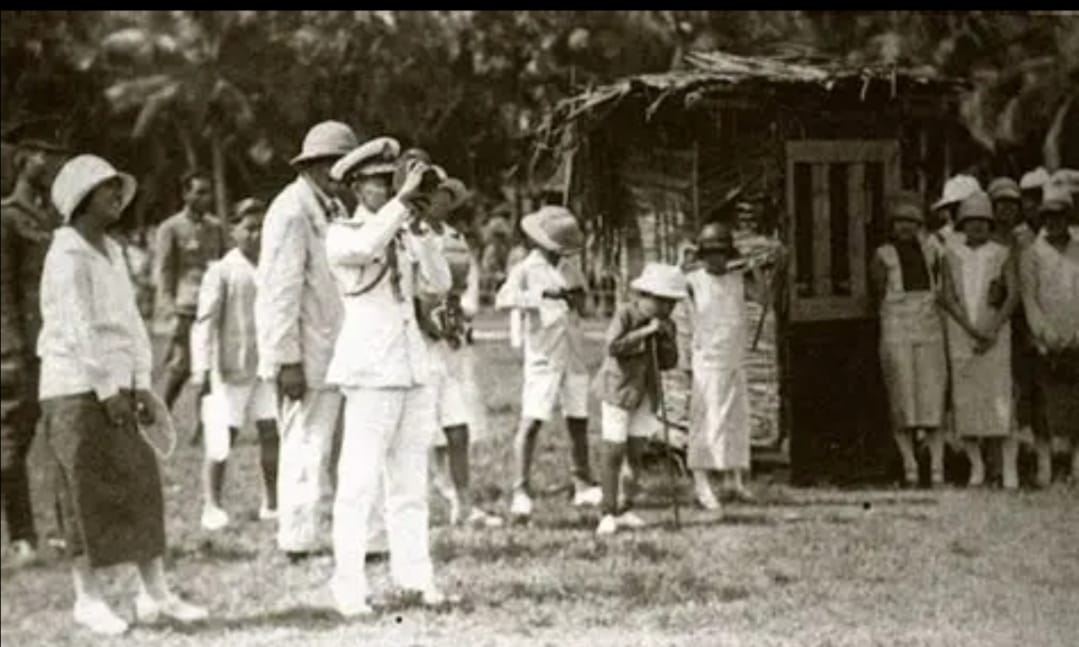
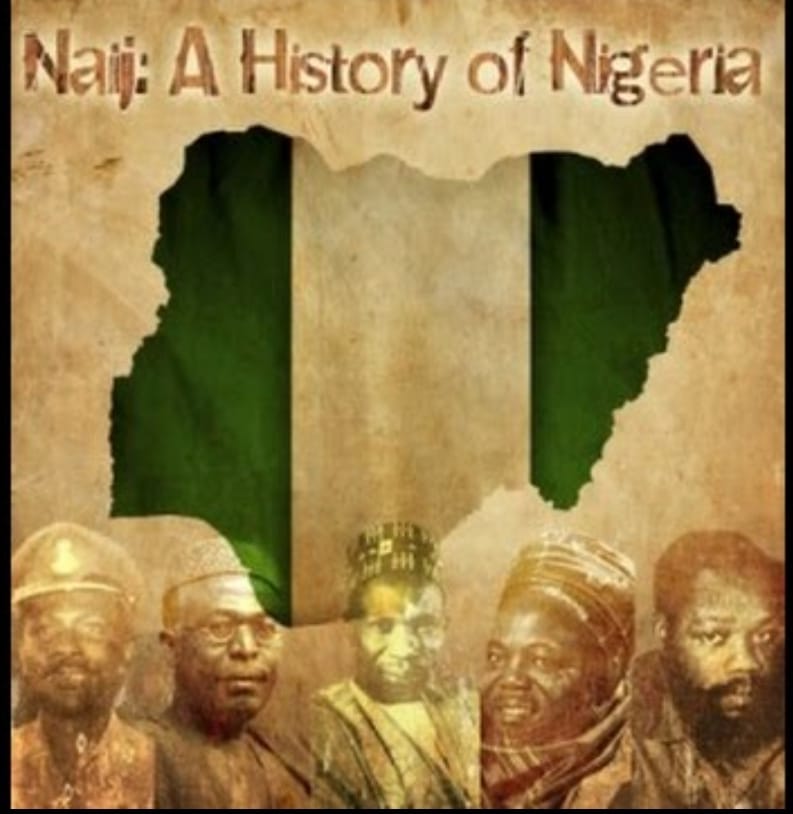
On October 1, 1960, Nigeria formally emerged from British colonial rule into an uncertain independence, a moment of euphoria that masked deep regional and structural fault lines. Independence was the fruit of decades of organized struggles by nationalists (Nnamdi Azikiwe, Obafemi Awolowo, Ahmadu Bello and COUNTLESS UNSUNG PATRIOTS who worked in political parties, unions, churches, mosques and market squares) insisting that Nigerians be masters of their fate. That victory was not inevitable. It was won by organizing, argument and sacrifice. Remembering the public courage that produced independence anchors us, it reminds citizens that rights were claimed, not gifted and that vigilance is required to keep them.
Yet INDEPENDENCE did not INOCULATE Nigeria against the CENTRIFUGAL forces of ethnicity, economic inequality and political exclusion. Those tensions birthed the Nigerian Civil War from 1967 to 1970 a conflict that left an indelible moral scar on the NATION. The human cost was immense, scholars and modern historians estimate civilian and military deaths ranging from hundreds of thousands to several million, with famine and displacement devastating entire communities. The war’s memory is not merely a record of loss; it is a stern lesson about what happens when the state fails to forge inclusive political institutions and when political disputes are resolved by force instead of dialogue. To ignore that lesson is to court a repetition of the catastrophe.
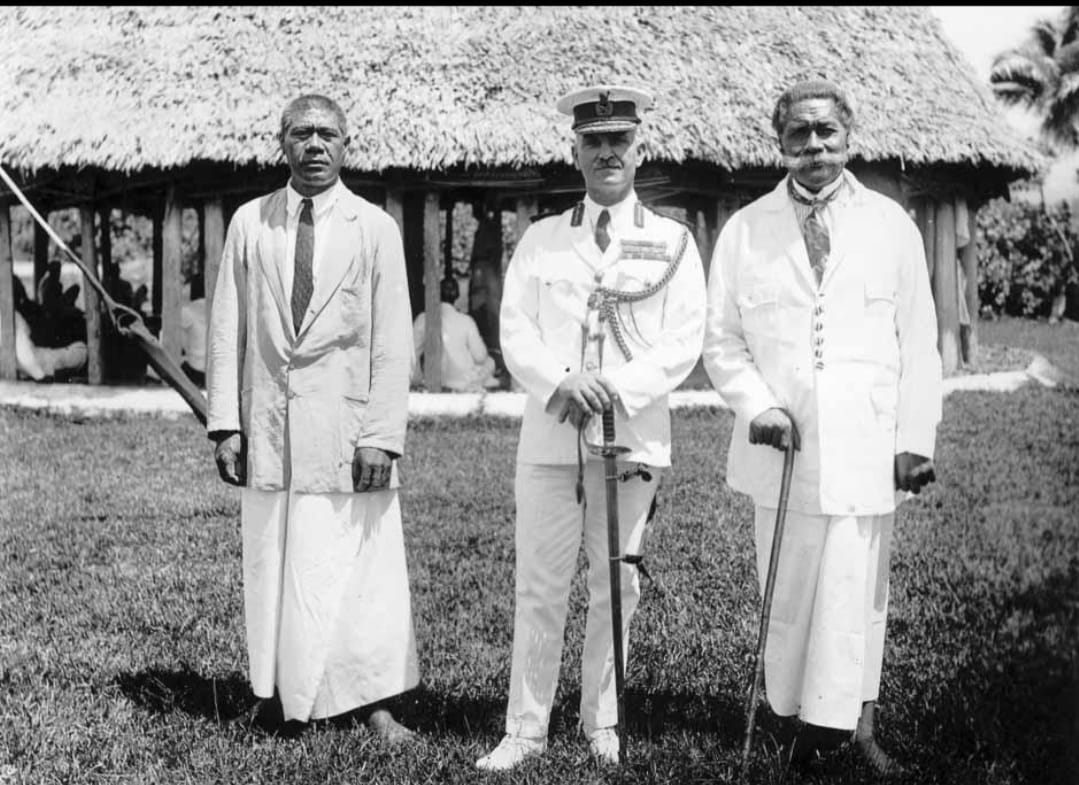
Memory becomes moral only when it names names not to perpetuate vendettas, but to catalogue the forces that undermined our shared life. The stories of ordinary Nigerians who fed the starving, sheltered the displaced and resisted abuses should be made central in schoolrooms, memorials and public ceremonies. Commemoration should not be a STATE-MANAGED spectacle that airbrushes inconvenient truths; it must be a living archive that teaches future citizens how and why freedoms were won and how easily they may be lost. When history is taught as a series of human choices instead of a parade of anonymous disasters, we sharpen the civic instincts necessary for democracy.
The appeal of shared memory is not sentimental; it is strategic. June 12, 1993 (the day of what many historians call Nigeria’s freest and fairest election) is a prime example. The annulment of that election and the subsequent suffering of its presumed winner, Chief Moshood Kashimawo Olawale (MKO) Abiola, galvanized a nation and produced a generation of activists who would not accept democratic theft. That collective insistence on the sanctity of the ballot ultimately became one of the reference points for modern Nigerian democratic theology. Honoring June 12 and teaching why the people rose, cements a civic ethic that prizes electoral legitimacy over personalist power.
Though memory only binds, if it is told with moral clarity rather than partisan rancour. Our public narratives too often collapse into two traps; either they MYTHOLOGIZE leaders while excusing historical sins or they WEAPONIZE history into perpetual grievance that paralyses constructive engagement. Instead, Nigeria needs memory that is capacious enough to embrace both sacrifice and critical appraisal; to praise courage where it existed and to call out failures of leadership that betrayed the public trust.
Literature and public intellectuals have long urged such a balanced approach. Wole Soyinka, a living repository of Nigeria’s conscience, has warned against trivialising the struggles that birthed democratic claims; he insists that those who reduce these sacrifices to personal ambition are the “REAL ENEMIES” of democratic progress. That is a clarion call, memory must be reverent without being worshipful, forensic without being vindictive.
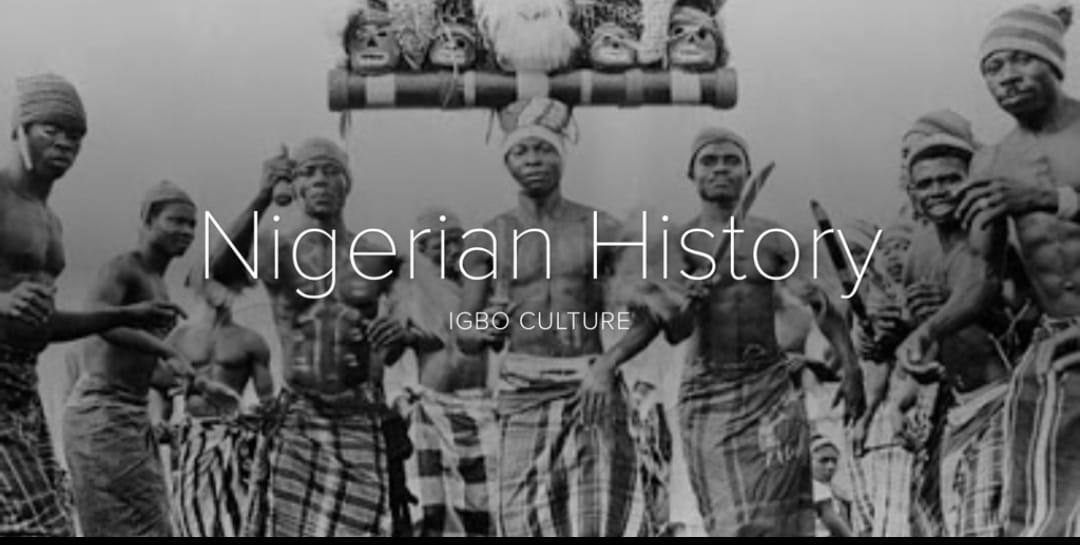
The mechanics of turning memory into glue are practical and urgent. First: education. Civic curricula must foreground the independence movement, the causes and human cost of the civil war and the democratic struggles of 1993, not as distant trivia but as foundational civic literacy. Second: public commemoration should include museums, oral-history projects and community memorials that center ordinary citizens testimonies, market women, soldiers mothers, teachers and the imprisoned. Thirdly, the media and arts should be incentivized to dramatize and interrogate these histories rather than sensationalize them. When children see a classroom play about a community that rescued refugees during the war, they learn empathy and responsibility in ways that abstract lectures cannot deliver.
There is also a political duty. Leaders must refuse the cynical erasure of history for political expediency. They should sponsor TRUTH-SEEKING and RECONCILIATION where necessary, fund the preservation of archives and create public spaces that facilitate honest national dialogue. When governments act as historians by omission (suppressing uncomfortable records, rewarding amnesia) they fracture the social compact that history is meant to preserve.
Memory’s binding force also demands civic rituals that are nonpartisan. National holidays and commemorations should be infused with real substance: testimonies, public hearings and the awarding of civic honors to unsung heroes. When citizens see that sacrifices made by previous generations are publicly acknowledged, they are likelier to invest in the common good. Conversely, when memory is monopolized as a partisan trophy, it loses legitimacy and slips into polarising myth.
Finally, the moral energy drawn from shared history must be converted into accountability. The memory of those who suffered should demand better governance today and transparent institutions, a justice system that works and economic policies that reduce inequality. To venerate past sacrifice while tolerating present rot is moral hypocrisy; history binds only when it creates obligations in the present.
Nigeria’s story (independence wrested from empire, a civil war that almost dissolved the nation and democratic struggles that risked and sometimes lost lives) gives us a profound choice. We can let those stories be trophies for factional VIRTUE-SIGNALING or we can make them the mortar for a durable civic architecture. If we choose the latter, history becomes more than memory: it becomes a binding glue; the shared narrative that holds citizens accountable to one another, resists demagogues and demands a politics worthy of the price that previous generations paid.
The past did not deliver us a perfect country. It delivered us a country with an obligation to honor sacrifice with institutions that protect liberty, to honor resilience with policies that expand opportunity and to honor those who fought for democracy with an unflinching commitment to the rule of law. Remembering is not merely retrospective mourning; it is FORWARD-LOOKING resolve. Let us tell the stories properly, teach them widely and act on them fiercely; because the better future we seek must be built on the full truth of where we have been.
– George Omagbemi Sylvester


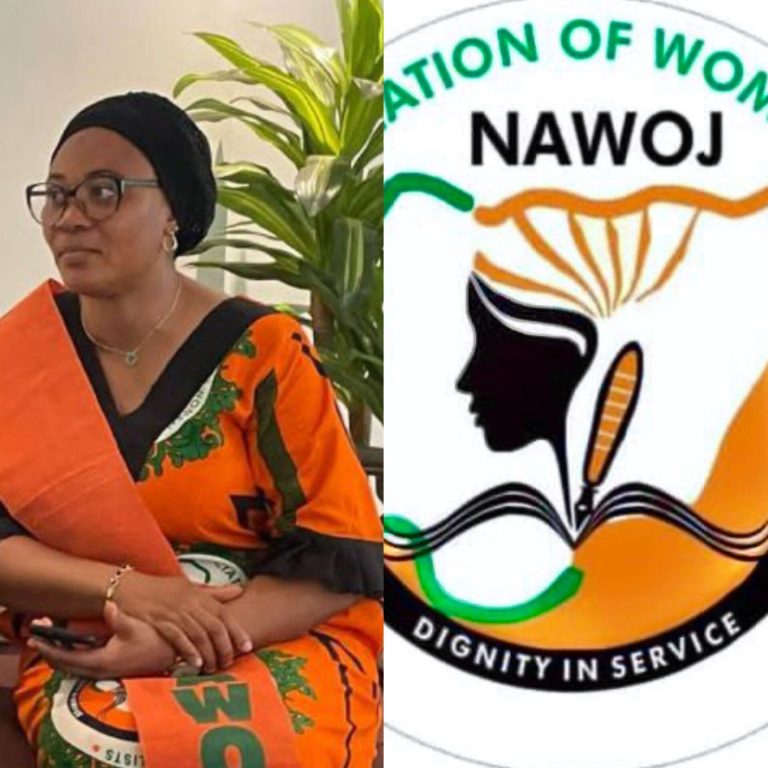
NAWOJ: SEKINAT, CHARITY GETS VOTE OF CONFIDENCE
The Nigeria Association of Women Journalists,(NAWOJ), Ogun State Chapter Executives has unanimously passed a vote of confidence on Chairman NAWOJ SEKINAT Salam and the Financial Secretary, Charity James, saying that, their leadership reflect the ideal and objectives of NAWOJ.
This was revealed in a communique issued at an Emergency meeting of the Executive held at the NUJ State Council, Iwe-Iroyin in Abeokuta.
The vote of confidence on the Leadership of NAWOJ was unanimously signed by all the five executive members that attended the meeting with the vice chairperson taking apology for official engagement outside the state capital.
According to the communique ” Consequently, NAWOJ Ogun State Chapter, reaffirms it’s unwavering support and confidence in the Chairperson and the Financial Secretary, Sekinat Salam and Charity James respectively, Urge them to continue in their commitment to purposeful leadership in the best interest of the association and the society at large”.
Speaking briefly with Journalists after the emergency Executive meeting, the Chairperson, Nigeria Association of Woman Journalists (NAWOJ), Com. Sekinat Salam, said the meeting was necessary as the news of her suspension was laughable and insulting because it is like a pot calling a kettle black in this case, saying that the Leadership of the State Council, Com. Wale Olanrewaju has no local standing to suspend her or any executive member, even he cannot be a judge in his own case.
According to her” The Leadership of the Nigeria Union of Journalists, Ogun State led by Wale Olanrewaju has always been misusing power without recourse to the constitution of this noble Union, hence has no local standing to suspend me or any executive member “.
She said only the Central Working Committee (CWC) has the constitutional rights to sanction or suspend any members found wanting after due process has been followed.
While calling on members to stay calm, Com. Sekinat Salam assured members of positive representation of NAWOJ at both the State and National level, adding the success recorded under her administration cannot be overemphasized.
She therefore called on the National leadership of NUJ to critically look into the matter, either by setting up independent committee to investigate the issues and resolve the matter as quickly as possible.
Adron Homes Chairman Congratulates Oyo State on 50 Years of Progress
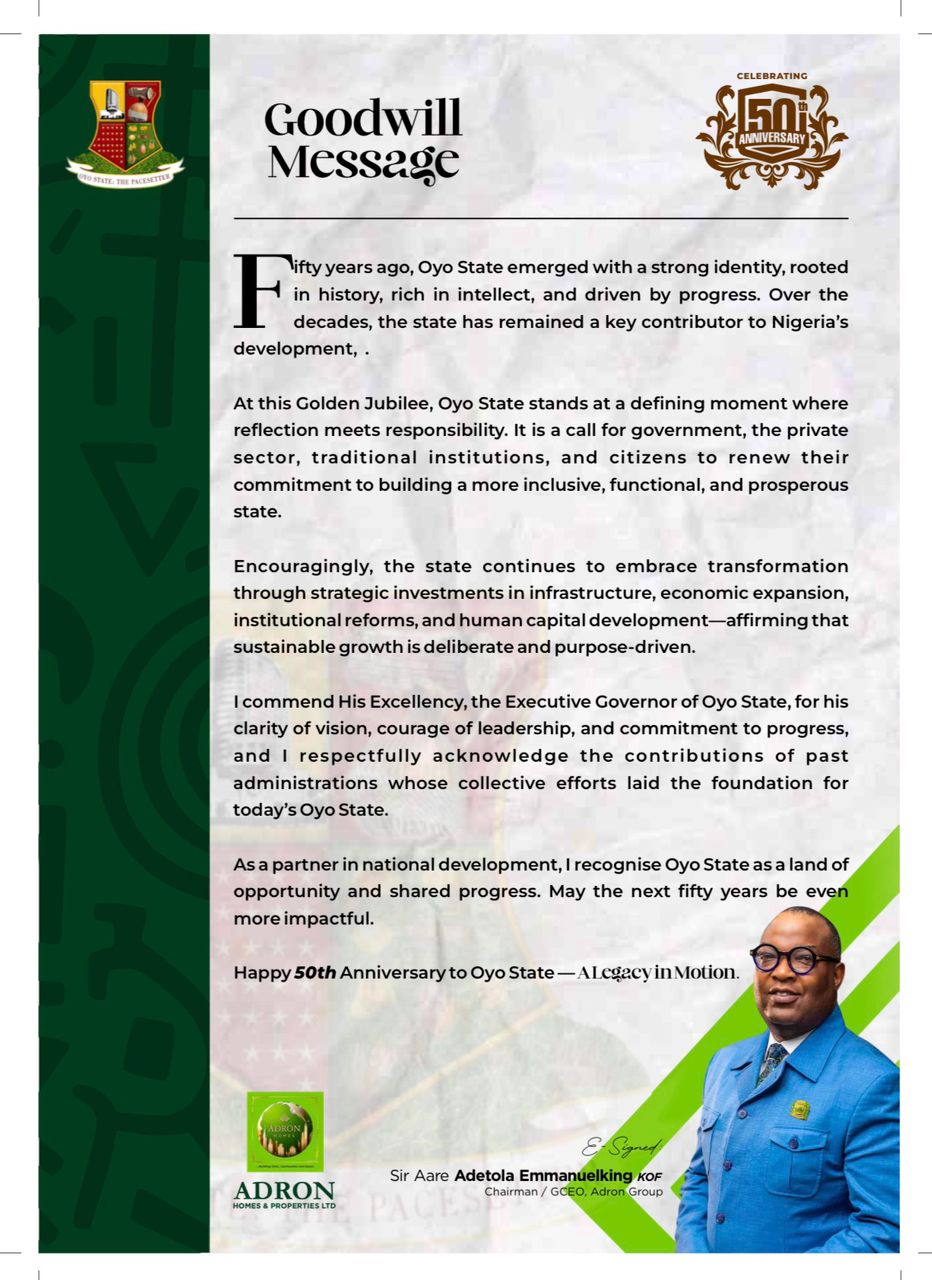
The Chairman and Chief Executive Officer of Adron Homes and Properties Limited, Aare Adetola Emmanuelking, has congratulated the Government and people of Oyo State as the state marks its 50th anniversary, describing the occasion as a celebration of resilience, cultural pride, and sustained progress.
He noted that since its creation, Oyo State has remained a strong contributor to Nigeria’s socio-economic and cultural development, emerging as a hub of commerce, education, and innovation.
According to him, the Golden Jubilee offers a moment for reflection and renewed commitment by government, private sector players, traditional institutions, and citizens toward building a more inclusive and prosperous state.
Aare Emmanuelking commended the state’s ongoing transformation through investments in infrastructure, economic expansion, and human capital development, adding that sustainable growth is deliberate and must remain purpose-driven.
He also praised the leadership of the current administration while acknowledging the contributions of past leaders whose efforts laid the foundation for today’s Oyo State.
Reaffirming Adron Homes’ commitment to national development, he described Oyo State as a land of opportunity. He wished the state continued peace and prosperity, expressing confidence that the next fifty years will bring even greater achievements for the Pace Setter State and its people.
TY BURATAI HUMANITY CARE FOUNDATION CONDOLES WITH BIU EMIRATE OVER TRAGIC ATTACK
In a profound expression of sorrow, the TY Buratai Humanity Care Foundation has extended its heartfelt condolences to the families of the victims and the entire people of Biu Emirate, Borno State, following the recent tragic attack attributed to Boko Haram. This devastating assault, which occurred at a work site in northeastern Nigeria, claimed the lives of dozens, including brave soldiers committed to protecting the nation.
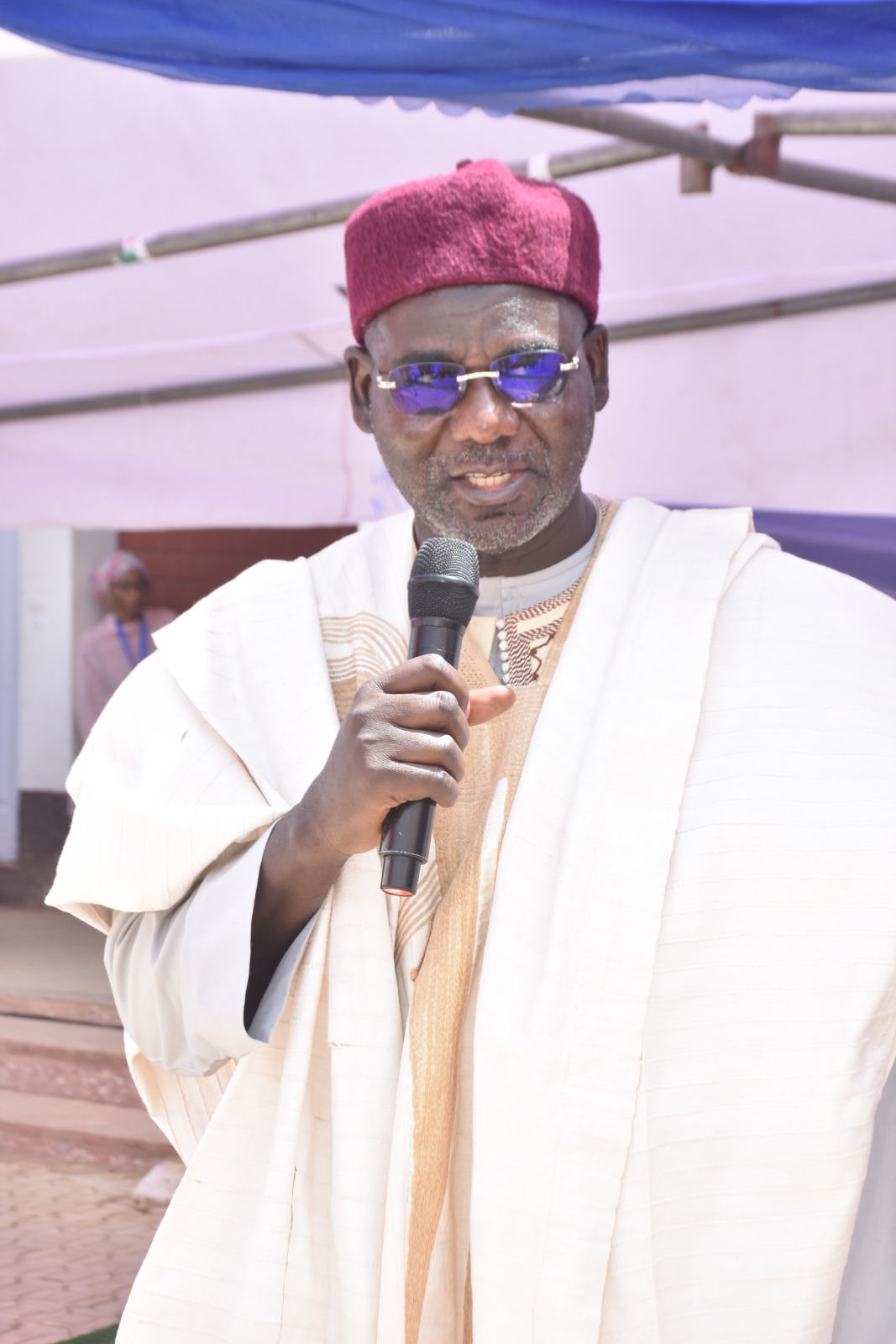
In a statement released to the press and signed by the Chairman of the foundation, Ibrahim Dahiru Danfulani Sadaukin Garkuwan Keffi/Betara Biu, the Grand Patron of the Foundation, His Excellency Amb. Lt. Gen. Tukur Yusufu Buratai CFR (Rtd), former Chief of Army Staff, described the incident as “one too many senseless, barbaric, and ruthless displays of inhumanity.” His Excellency emphasized the heartbreaking impact of such attacks on innocent, hardworking citizens striving to make a positive difference in their communities.
The Grand Patron praised the swift and decisive response of military personnel during this critical time, underscoring their brave commitment to safeguarding the nation. He called upon them to maintain this momentum, commending their courage and sacrifice in the face of adversity. “May Almighty Allah forgive their souls and grant them Aljannah Firdouse,” he remarked, encouraging the nation to honor their spirit of sacrifice as they rally together to rebuild and restore hope across the region.
In his statement, Gen. Buratai highlighted the importance of collective action in overcoming the challenges posed by insecurity, urging concerned citizens to increase their efforts in fostering a virile community that future generations can cherish. “Together, we can surmount these troubles,” he asserted, calling on all patriotic leaders and citizens to unite in the fight against violence and insecurity.

The TY Buratai Humanity Care Foundation remains committed to supporting initiatives that promote peace, security, unity, and prosperity. As the foundation extends its condolences to the bereaved, it also calls upon all segments of society to collaborate in creating a better and safer future. May Allah guide and protect the nation and lead it toward enduring peace. Amen.


-

 celebrity radar - gossips6 months ago
Why Babangida’s Hilltop Home Became Nigeria’s Political “Mecca”
-

 society6 months ago
Power is a Loan, Not a Possession: The Sacred Duty of Planting People
-

 Business6 months ago
Batsumi Travel CEO Lisa Sebogodi Wins Prestigious Africa Travel 100 Women Award
-

 news6 months ago
THE APPOINTMENT OF WASIU AYINDE BY THE FEDERAL GOVERNMENT AS AN AMBASSADOR SOUNDS EMBARRASSING