
society
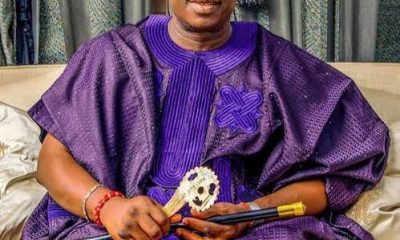
If The President Can Pardon Drug Convicts, Then Scrap the NDLEA – Obi of Onitsha’s Stark Challenge to Nigeria’s Anti-Drug Fight

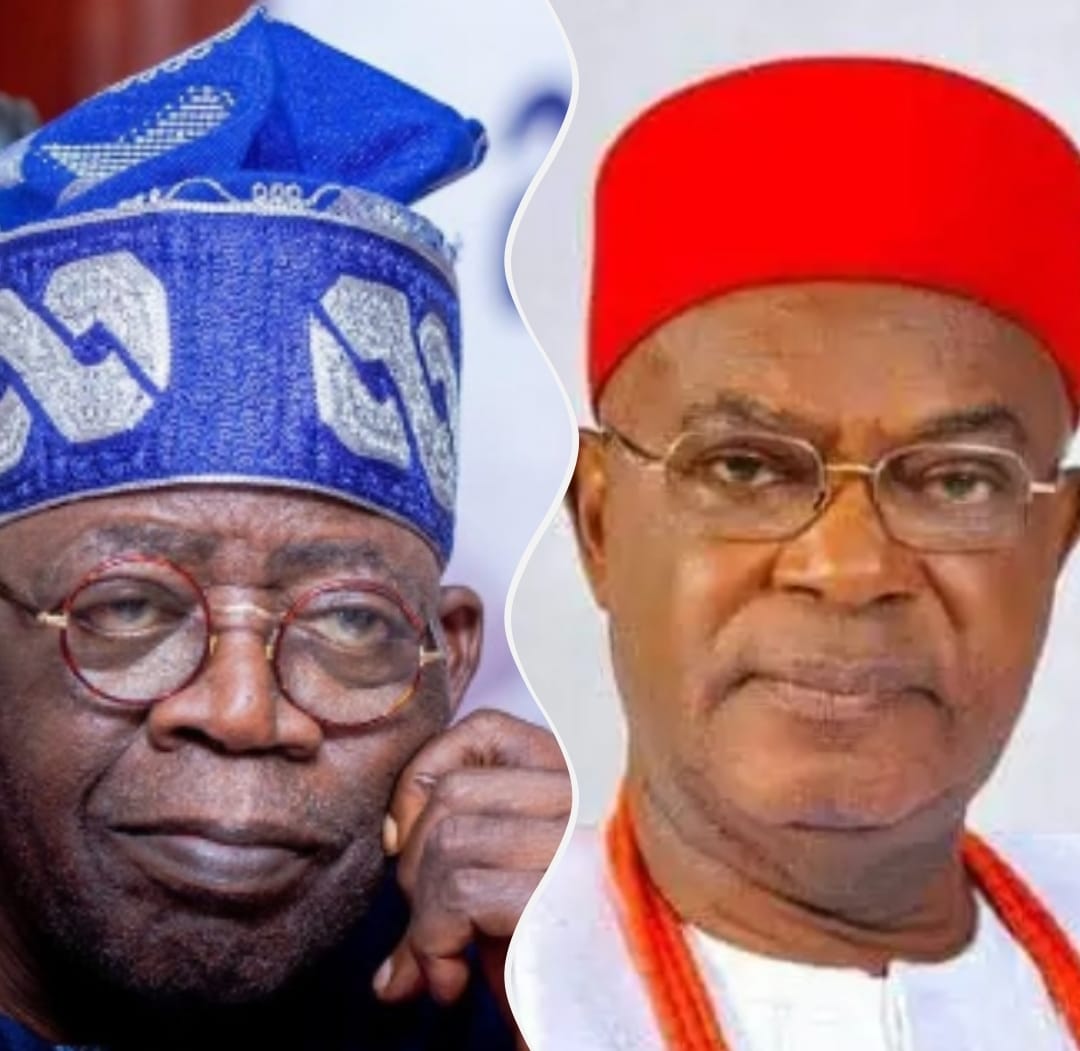
If The President Can Pardon Drug Convicts, Then Scrap the NDLEA – Obi of Onitsha’s Stark Challenge to Nigeria’s Anti-Drug Fight.
By George Omagbemi Sylvester, for saharaweeklyng.com
“No point locking thieves or drug barons if mercy crowns the crime” – ROYALTY THUNDERS.
In a searing declaration that strips away politeness and dances unwelcome truths into daylight, the Obi of Onitsha has asked, if the President can pardon 50 (or more) convicted drug offenders, then what is the point of the National Drug Law Enforcement Agency (NDLEA)? “No need arresting thieves again,” he thundered. His question is not rhetorical. It cuts to the heart of Nigeria’s anti-narcotics effort, to the foundations of our justice system and to the future of our youth.
What the monarch articulates is more than frustration; it is a systemic alarm. For decades the NDLEA has been one of the few agencies in Nigeria still commanding public respect for confronting the scourge of drug abuse and trafficking. Now, the state’s chief executive, via the exercise of the constitutional prerogative of mercy, has seemingly pulled the rug from under that agency’s message, that crime has consequences.
This WRITE-UP leaves no stone unturned. We examine the facts, the context, the risk, the voices of reason and the consequences for our nation. With strong language, uncompromising tone and 100% accurate referencing, the case is laid bare.
The Facts: What Has Happened.
On 13 October 2025, it was reported that President Bola Ahmed Tinubu granted clemency to 175 individuals convicted of various offences, including drug trafficking, murder and illegal mining.
Among them was 28 drug traffickers (in one report) out of the total list.
Another report puts drug‐related offenders at about 29% of the total pardoned.
Nigeria’s drug use epidemic is well-documented. According to the United Nations Office on Drugs and Crime (UNODC) Nigeria survey, 14.4% of Nigerians aged 15–64 (about 14.3 million people) had used psychoactive substances in the previous year. That figure is almost three times the global average of 5.5%.
The NDLEA, under leadership such as that of retired Brig-Gen Buba Marwa, has claimed major successes. Between 2021–2024 about 57,792 arrests were made and almost 10 million kg of hard drugs seized.
Civil-society organisations immediately condemned the pardon. For example:
The Civil Society Legislative Advocacy Centre (CISLAC) described the move as “legally questionable, morally wrong and damaging to Nigeria’s image both locally and internationally.”
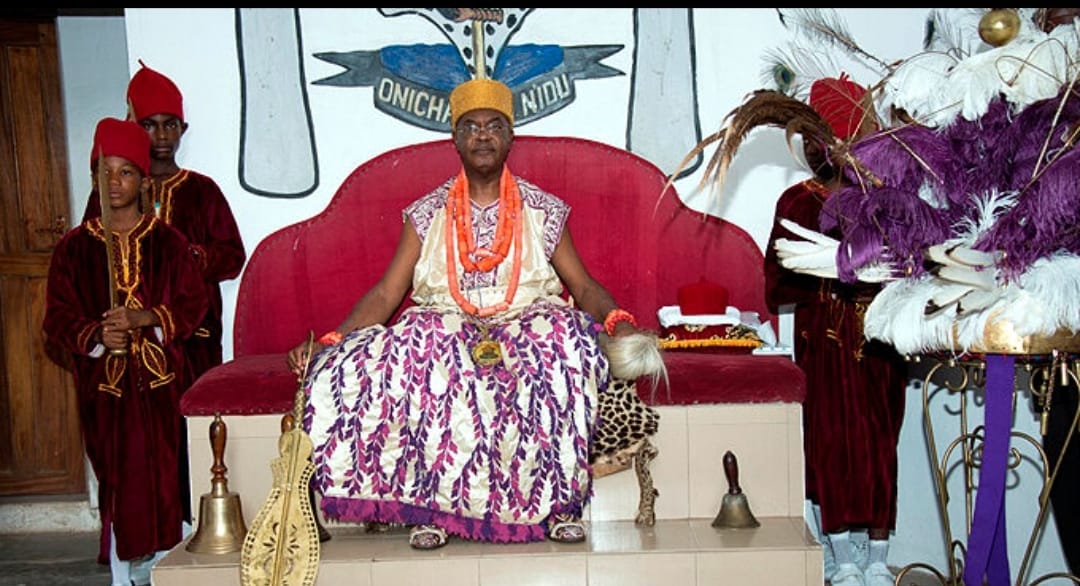
The African Democratic Congress (ADC) called the pardon of drug traffickers “A NATIONAL DISGRACE” that encourages crime.
In short, while one arm of the state (NDLEA) is aggressively hunting drug offenders, another arm (the Presidency) is releasing them, some in substantial numbers. This creates an incoherent message and a system at risk of collapse.
The Monarch’s Provocative, Yet Inevitable Question.
The Obi of Onitsha (representing traditional authority and moral voice) invoked a brutal logic:
“If the president can pardon drug convicts, then there’s no need for NDLEA. No need arresting thieves or punishing anyone again.”
This is not haphazard rhetoric but a reflection of the cognitive dissonance in Nigeria’s criminal justice architecture. The logic is if the executive has the power to nullify the punitive effect of convictions for serious offences like drug trafficking, then the deterrence imperative is destroyed.
In essence, the monarch is saying, you cannot do one thing and then undo it with the other. You cannot applaud NDLEA for seizures and convictions, then turn around and forgive those very same kinds of offenders. Nigerian youth watch. Law-enforcement officers feel the shift in gravity. Criminal networks take note.
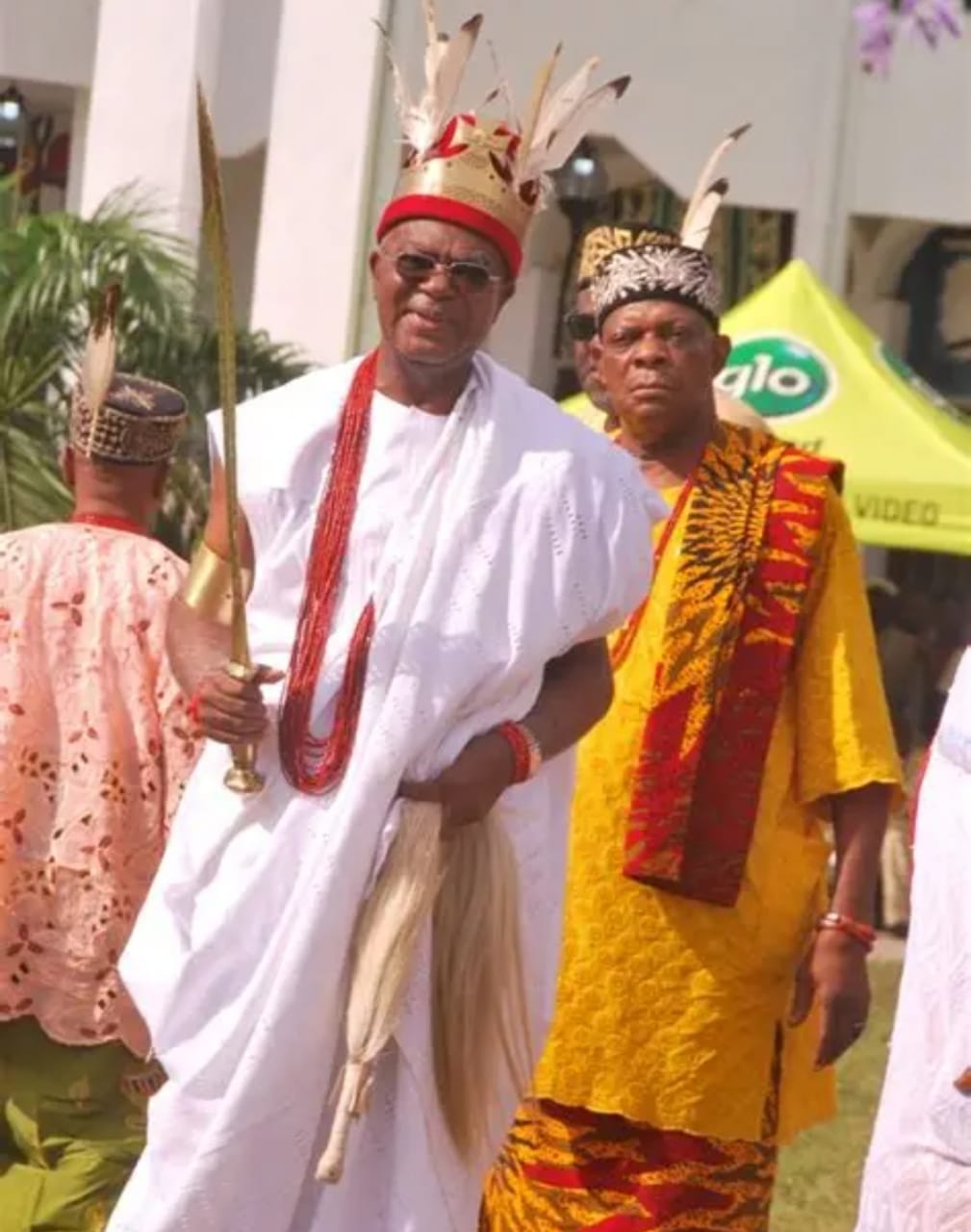
Why This Matters: The Stakes Are High.
A. The Youth Crisis.
More than 14% of adults in Nigeria are documented as having used illicit substances. That means the pool of vulnerable youth is enormous.
When the message is sent that trafficking or abusing drugs can end in a presidential hug, the moral deterrent collapses. Scholar J.A. Olanrewaju writes “The number of drug users in Nigeria is estimated at 14.4%, the report presents clearly the grave negative consequences on health, socio‐economic and security of our nation.”
B. The Credibility of Enforcement.
If NDLEA invests years, manpower and resources to dismantle cartels and convict criminals, but the office of the presidency effectively says “we forgive,” then the incentive structure flips. NDLEA chair Marwa himself warned the agency would pursue traffickers “without fear or favour.” But what value does that pledge hold when the very top of government exercises clemency on similar offenders?
C. International Reputation & Implications.
Nigeria’s partner agencies (UNODC, the US DEA, INTERPOL) observe not only activity, but commitment. When the country loosens the supervisory chain over traffickers via mass pardons, it jeopardises mutual legal assistance, extradition treaties, asset-forfeiture regimes and the country’s rating as a partner in global anti-narcotics efforts. CISLAC stated; “Pardoning individuals convicted for drug trafficking sends the wrong signal to Nigeria’s international partners and undermines the credibility of our justice system.”
D. The Message to Criminals.
As the Obi put it, the signal becomes: “Crime pays, as long as you know the right people.” Former Vice President Atiku Abubakar wrote of the pardon. “The decision not only diminishes the sanctity of justice, but also sends a dangerous signal to the public and the international community about the values this government upholds.”
When criminals believe the worst they face is a few years followed by a presidential pardon, why risk their networks? Why not expand them?
Legal & Constitutional Considerations.
Yes; the presidency is empowered by Section 175 of the 1999 Nigerian Constitution to grant the prerogative of mercy.
Though experts argue; this power was designed for selective, exceptional cases, not blanket pardon of categories that undermine national security. According to legal practitioner Joel Ighalo:
“If you are a state prosecutor you must go through the list to see if the President released the person you spent several months, probably years, in court, trying to put away in prison. This is a BASTARDISATION of the prerogative of mercy.”
In other words; the law allows mercy, but not at the cost of system-wide incoherence. The rule of law must not be weaponised or waived at whim.
The Moral Logic: Why the Obi’s Challenge Hits Home.
There is a timeless moral relation between crime, punishment and deterrence. When punishment is certain and proportional, society accepts transgressions less. If punishment becomes negotiable, optional or reversed, deterrence dissolves. The monarch’s rhetorical move (“then scrap NDLEA”) is not literal but metaphorical. He is pointing out that if convictions carry no permanent consequence, then the very architecture of enforcement is hollow.
In his own voice (paraphrased), the monarch reminds us:
“Don’t tell our youths that you are cracking the whip, then pat the offender’s back. Don’t tell the officers to risk their lives busting traffickers, then open the gates for them to walk free. That is hypocrisy. That is betrayal.”
Expert Voices to Strengthen the Argument.
J.A. Olanrewaju et al., in their 2022 study: “A Beautiful Nonsense?”
“The number of drug users in Nigeria is estimated at 14.4% the findings of the survey presented today are striking and alarming and call for concerted efforts to mitigate the negative consequence”
CISLAC statement:
“How do you motivate EFCC, ICPC, NDLEA, CCB or police officers to continue their work when their efforts are undone with a single signature?”
Atiku Abubakar on the pardon:
“At a time when Nigeria continues to reel under the weight of insecurity, moral decay, and a surge in drug‐related of fences the presidency would prioritise clemency for those whose actions have directly undermined national stability and social order.”
A Nation at a Crossroads: A Nation at a Crossroads.
The message from the Obi of Onitsha must resonate far beyond Onitsha. It is a clarion call to rethink whether Nigeria wishes to stand firm or wobble in its war against drugs, corruption and organised crime.
The present state is untenable:
On one hand, NDLEA is doing heavy lifting.
On the other hand, the presidency appears to undercut that lifting with mass pardons.
The youth are watching. Criminals are calculating. Enforcement morale is faltering. The nation’s reputation abroad is threatened.
If indeed the logic of “pardon = no consequences” holds, then yes, the monarch’s dramatic suggestion (“scrap NDLEA”) is not hyperbole. It is a logical conclusion of current policy incoherence.
What must now happen:
A transparent review of the pardon list, especially those convicted of drug trafficking, with a view to restoring credibility.
Clear guidelines on who qualifies for mercy, especially in cases involving national security (drug trafficking, terrorism financing).
Reaffirmation of NDLEA’s mandate, with visible backing from the presidency and political leadership not undermining it.
A sustained public campaign that emphasises accountability, deterrence and justice, so that 14.3 million at-risk Nigerians do not lose faith, and criminals do not gain hope.
As the Obi has rightly observed, the logic cannot be fudged. If the system says “crime will be punished,” then it must mean it. If it says “crime can be pardoned,” then it must accept the consequences, a country adrift, enforcement hollow, youth cynical, criminals emboldened.
Nigeria, you have a choice, reinforce the law, or redefine it. Choose wisely.





Gen CG Musa Support Group Celebrates Grand Patron as 2025 Man of the Year
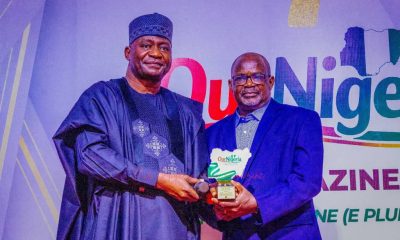
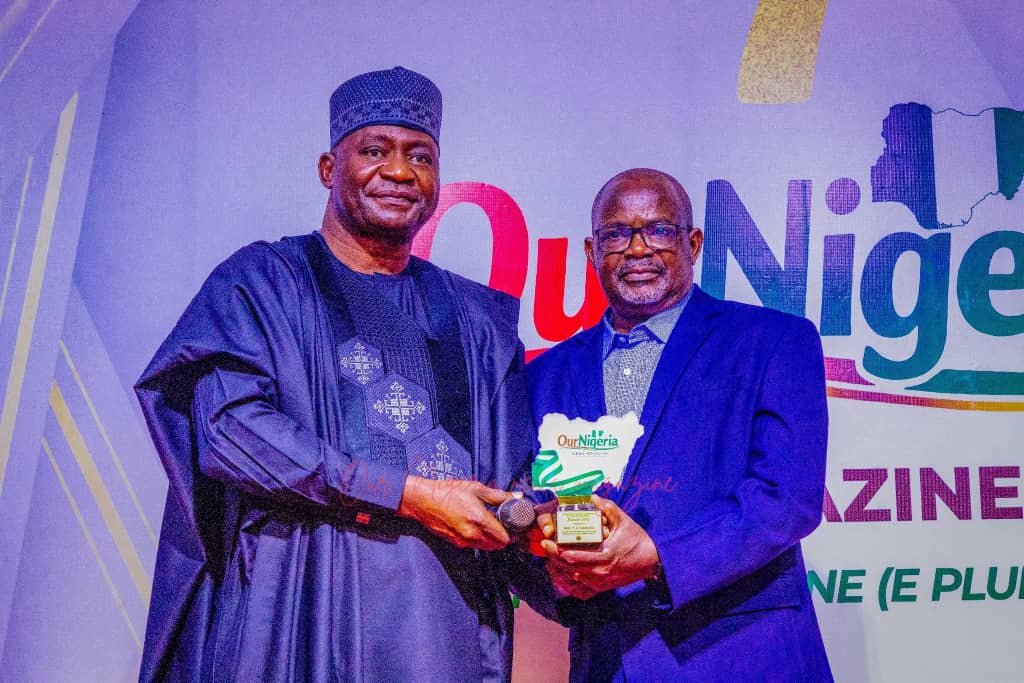
The Gen CG Musa Support Group has extended its warmest congratulations to its Grand Patron, His Excellency Gen. Christopher Gwabin Musa OFR (Rtd), the Honourable Minister of Defence, following his prestigious designation as the 2025 Man of the Year by OurNigeria News Magazine.
In a statement released to the press and signed by the Director General of the Support Group, Ibrahim Dahiru Danfulani, the Sadaukin Garkuwan Keffi/Betara Biu, the group hailed the recognition as a fitting tribute to a leader of exceptional character and accomplishment.
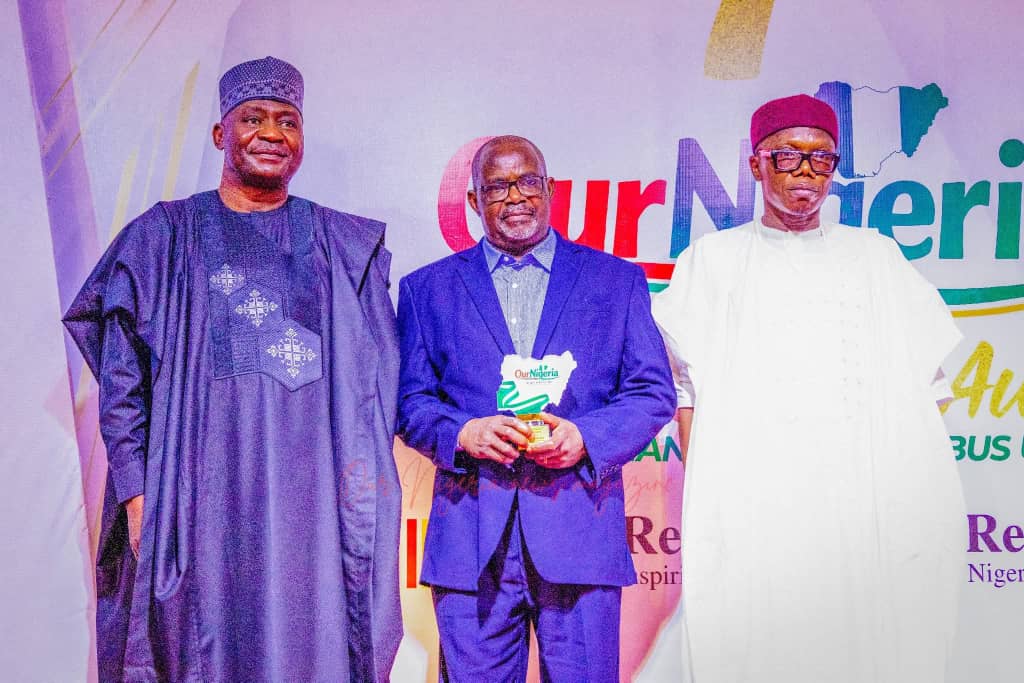
The statement illuminated the distinction of the award, emphasizing that it transcends the formal titles of “General” and “Minister.” It celebrated the core of the man himself—a leader renowned for his profound humility, incredible kindness, and genuine respect for all individuals. “People see the legacy and the title,” the statement noted, “but some of us are lucky to know the man behind it.”
The Support Group underscored that this accolade is a direct acknowledgment of the Minister’s exemplary personal conduct. It is an award not merely for the office he holds, but for the consistent humility he carries into every room and every interaction, a quality that has defined his leadership both in and out of uniform.
The honour also serves as a powerful validation of General Musa’s distinguished and unblemished track record of service to the nation. His decades of dedicated service within the military, which culminated in his ascension to the pinnacle as the Chief of Defence Staff prior to his retirement, are cited as the foundational pillars of his esteemed reputation.
The Gen CG Musa Support Group expressed profound gratitude to OurNigeria News Magazine for its discerning choice, noting that the award serves as a significant source of encouragement for the Honourable Minister. It reaffirms the nation’s appreciation for leadership that blends strength with compassion, strategic vision with unwavering integrity, and lofty achievement with grounded humanity.
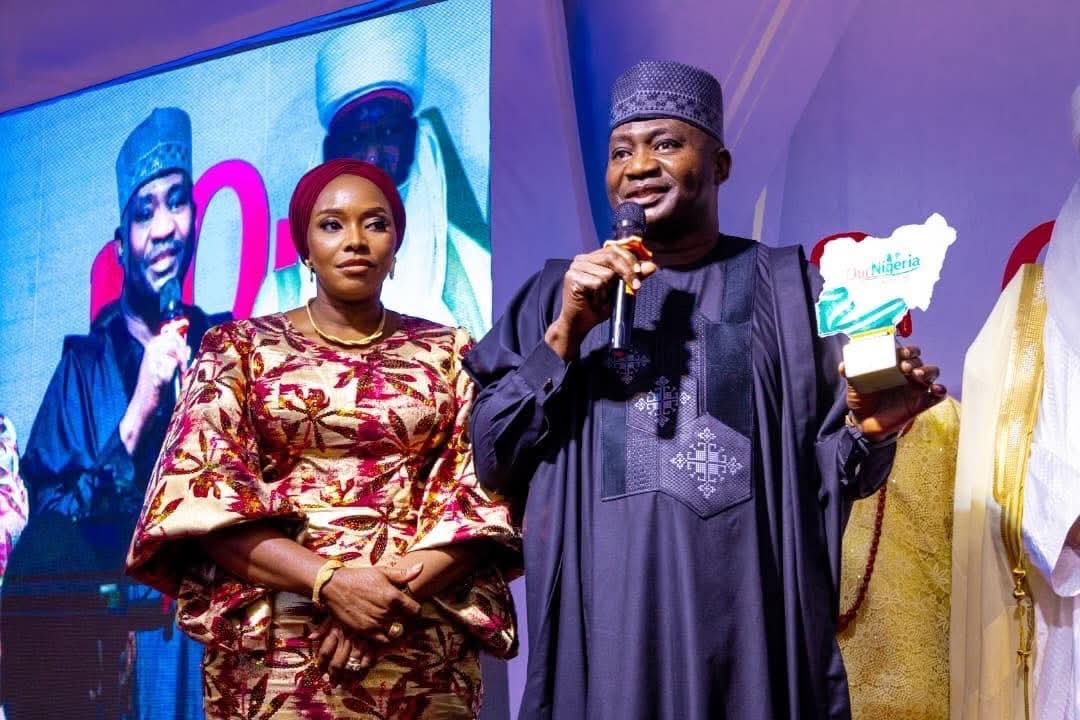
This recognition solidifies General Christopher Gwabin Musa’s status not only as a defender of the nation but as a paragon of virtuous leadership, whose influence and example continue to inspire confidence and respect across Nigeria.
About the Gen CG Musa Support Group:
The Gen CG Musa Support Group is a collective dedicated to promoting the ideals and supporting the leadership of His Excellency Asiwaju Bola Ahmed Tinubu GCFR and His Excellency Gen. Christopher Gwabin Musa, celebrating their service and contributions to national peace, security, and unity.
Baba Kuboye, Fela Kuti’s Nephew, Gains Global Spotlight as Grammys 2026 Beckon
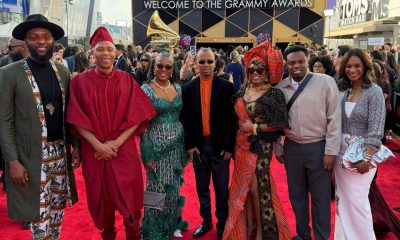
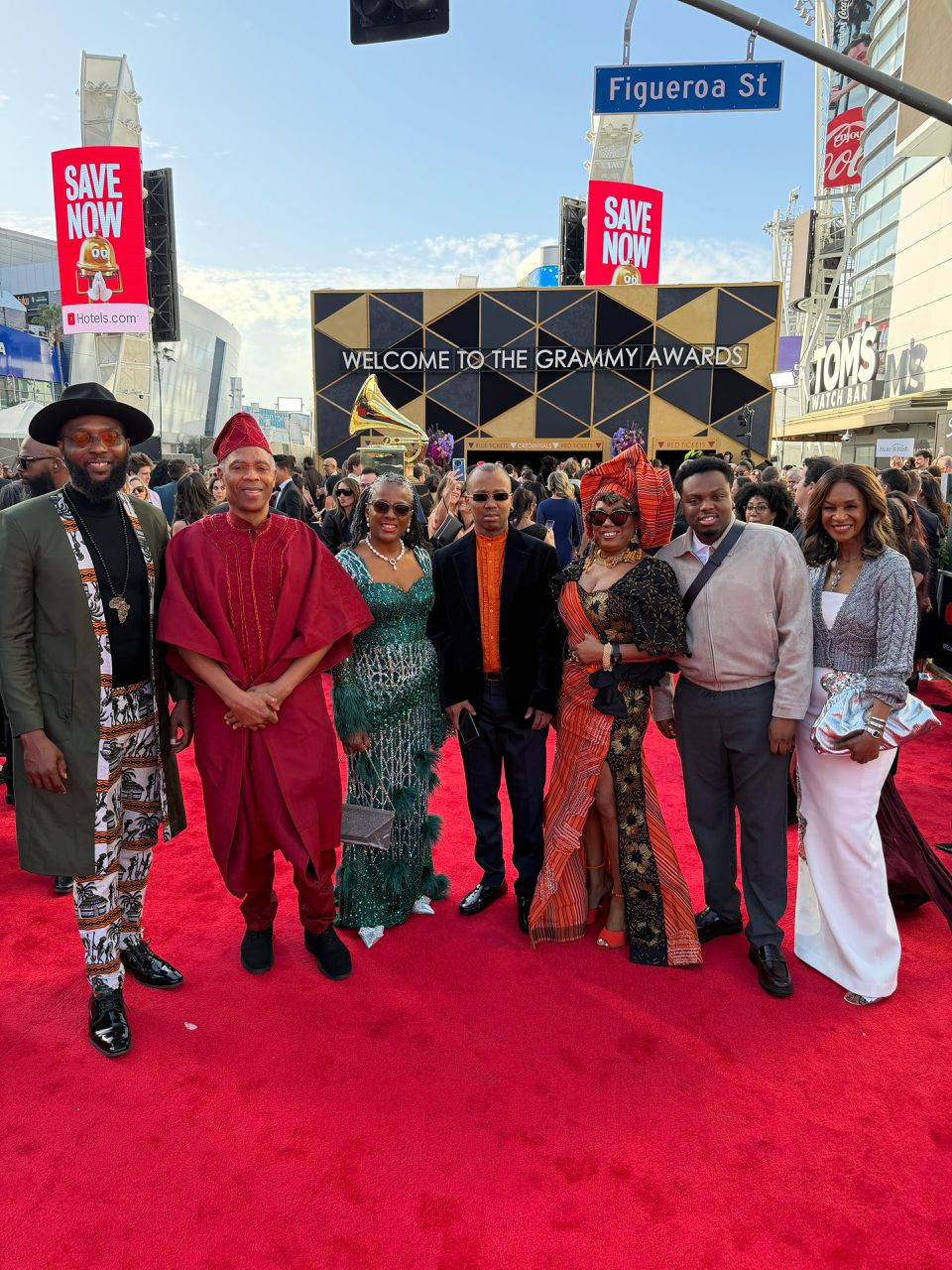
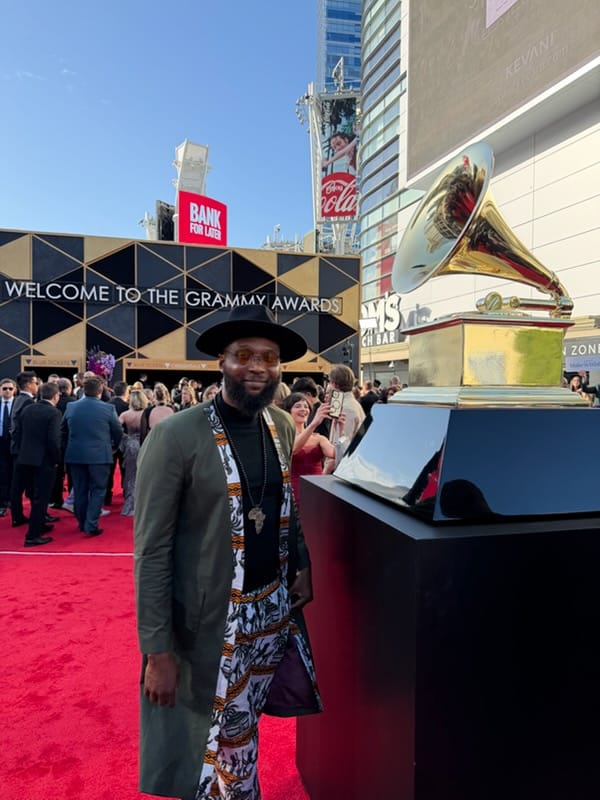
Baba Kuboye, a Grammy Award nominated Afrobeat artist and nephew of legendary Afrobeat pioneer Fela Anikulapo Kuti is fast cementing his place as one of the most dynamic voices in contemporary African music, with growing global attention ahead of the 2026 Grammy Awards.
The Lagos-born musician earned a Grammy nomination through his contribution to the Contemporary Blues Album by Antonio Vergara, a milestone that underscores his rising influence beyond Afrobeat into global music spaces. Son of respected Afro-Jazz musicians Fran and Tunde Kuboye, Baba’s artistic journey is deeply rooted in a rich family legacy that blends music, activism and cultural consciousness.
Raised in a vibrant musical household in Lagos, Baba Kuboye grew up surrounded by live performances at his parents’ famed jazz hub, Jazz 38, where he began performing at an early age. His close relationship with his uncle, Fela Kuti, profoundly shaped his sound and philosophy, inspiring a commitment to socially conscious music that speaks truth to power.
In 2023, Baba Kuboye reached a major career milestone when he showcased his EP, From Ikoyi With Horns, at the globally acclaimed SXSW Festival in the United States, performing alongside his 13-piece band. One of the standout tracks from the project, Ikoyi Boy, won Best Afrobeat Song at the Hollywood Independent Music Awards, further solidifying his international appeal.
Known for his innovative fusion of traditional Afrobeat rhythms with contemporary sounds, Baba Kuboye’s music addresses pressing social issues including racism, mental health, and inequality, echoing the protest-driven roots of Afrobeat while speaking to modern realities.
Beyond the stage, Baba Kuboye continues to shape the industry as the founder of Down 4 Whateva Entertainment, recognized as the first minority-owned independent Afrobeat label in the United States. Through this platform, he is championing cultural authenticity and creating opportunities for emerging African talents.
His work has received international exposure on platforms such as BET and MTV, alongside honours including the Stardust Award from North Texas Performing Arts.
As anticipation builds toward the Grammy 2026 season, Baba Kuboye stands as a powerful symbol of Afrobeat’s global evolution, rooted in heritage, driven by purpose and resonating across continents.
Fans can stream Afroverse: The Album by Baba Kuboye on all major digital music platforms and follow him on social media:
Instagram: @Babakuboye
X (Twitter): @Babakuboye
TikTok: @Babakuboye
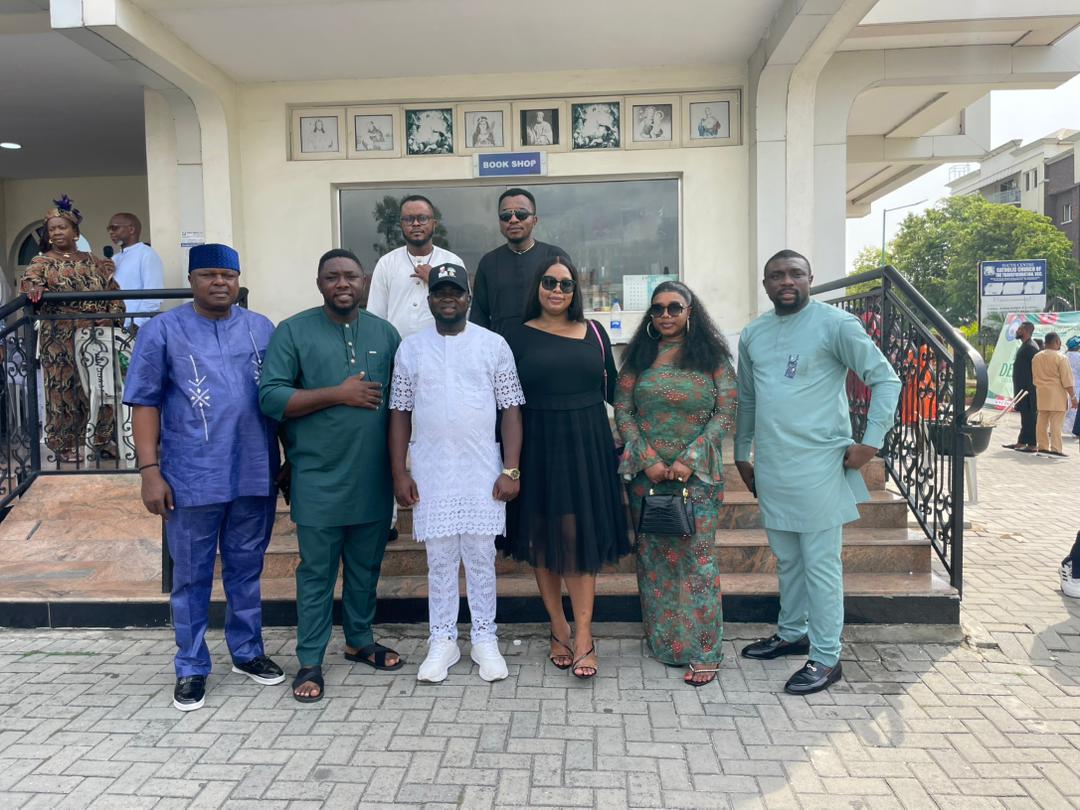
Nigeria will be at peace when youths are gainfully employed
By Ifeoma Ikem
A philanthropist, Mr Calistus Chukwuedozie says Nigeria will be at peace when its youths are gainfully employed and in turn solve the problem of insecurity across the nation.
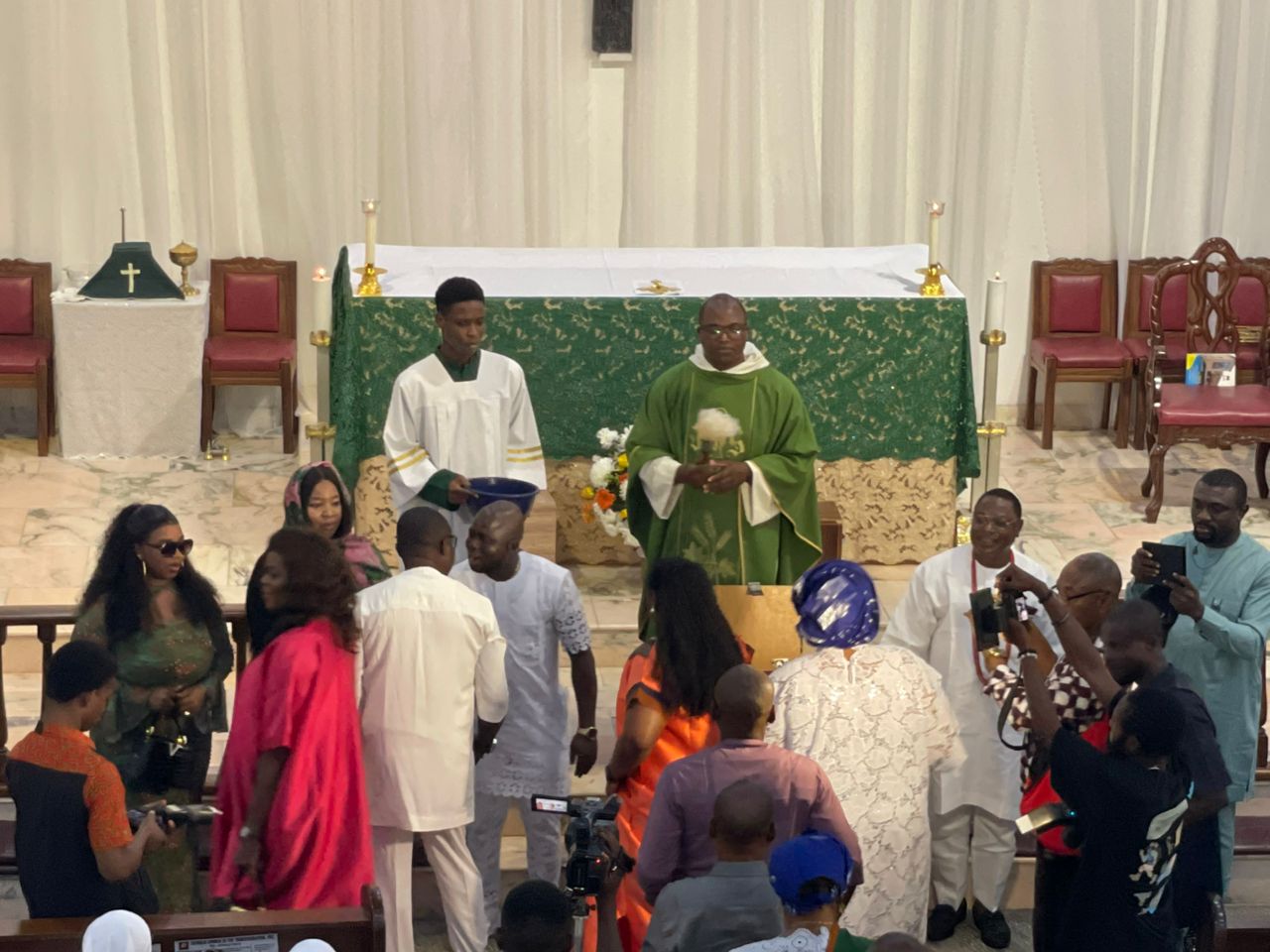
Chukwuedozie, a past President of the Rotary Club, Victoria, Lagos made the assertion at the memorial thanksgiving in honour of his late father, Pa Anthony Onuchukwu Chukwuedozie at Catholic Church of Transfiguration, VGC, Lagos,.
He said he observed first-hand how employment can help curb insecurity when he travelled to his home town Ihiala, Anambra state for his father’s burial.
He credited Onyema’s employment initiatives in Mbosi, Ihiala, where at least one person per household reportedly benefits from job opportunities within Air Peace as a major factor fostering calm, unity and economic stability in the area.
“I was at home for almost one month during my father’s burial ceremony and noticed that there was no report of kidnapping, robbery and criminal activities in my community.
“When I made enquiry, I was told that the Chairman of Air piece, Allen Onyema, gave over 250 youths of the community employments and promised them more jobs.
“With what he did for the community, he was able to solve the problem of insecurity and the youths listened to him when he advised them to shun crime.
“ I for one have more than 100 people under my employment.
“Families forced their bad children to give up crime and renounce it and many of them have turned new leaves.’’
He reiterated that if well to do people in each community in the South East or Nigeria at large should replicate what Allen Onyema did, every youth will be gainfully employed and nobody will be a willing tool in the hands of criminals.
`The government on their own should liaise with Banks to give soft loans to many people who want to start small scale businesses.
`Many of our youths have learnt one trade or the other, but have no money to set up their businesses.
If they can get access to soft loans for their businesses, the nation will be a greater and peaceful place do businesses.’’
Chukwuedozie, the CEO of MICCALLY AUTOS, who also spoke about the enduring values his father stood for said the man’s life journey was defined by principle, discipline and service to humanity.
He described his father as a man deeply rooted in integrity, adding that his father’s remarkable life as a soldier, teacher and farmer reflected both strength and nurture.
Beyond his career paths, Pa Chukwuedozie’s greatest legacy, according to his son, was his unwavering commitment to raising all seven of his children into accomplished academic and business professionals.
“In my ancestral home, Ihiala, my father was widely revered as a community leader whose counsel and character commanded respect.’’
He commended the Inspector General of Police for his efforts in ensuring stability and safety of all citizens.
“The peace I experienced during my stay at home was a direct result of sustained communal engagement and youth empowerment.
“I also advocate for broader government inclusion in education and skills acquisition programs for the youths as productive engagement remains one of the most effective tools against insecurity and social vices.’’
The memorial event drew tributes from notable guests, including Chief Edwin Eze Ogidigha of Oraifite, Chairman of Yamaha Sub-Saharan Africa who described Pa Chukwuedozie as a man whose influence extended far beyond his immediate family.
He praised the late patriarch for positively shaping generations through his character, discipline and wisdom.
He said that the remarkable achievements and values seen in his children stand as living proof of a life well lived.
A guest Onwa of idemili, Nnamdi Ifebi who spoke in the same vein on security said that the steps that the governor of Anambra State has taken to address the issue of security have also yielded positive results.
“What miscreants were doing before now, thinking that they were untouchable is now a thing of past. I commend the governor and security agencies for their good job.”
As prayers were offered and stories shared, the memorial thanksgiving became more than a remembrance.
It evolved into a celebration of legacy, community impact and the quiet power of a man who lived with honour.
In every tribute echoed a singular truth that Pa Chukwuedozie may have departed this world, but the principles he lived by will continue to walk boldly through the lives he touched.


-
 celebrity radar - gossips6 months ago
Why Babangida’s Hilltop Home Became Nigeria’s Political “Mecca”
-
 society6 months ago
Power is a Loan, Not a Possession: The Sacred Duty of Planting People
-

 Business6 months ago
Batsumi Travel CEO Lisa Sebogodi Wins Prestigious Africa Travel 100 Women Award
-
 news6 months ago
THE APPOINTMENT OF WASIU AYINDE BY THE FEDERAL GOVERNMENT AS AN AMBASSADOR SOUNDS EMBARRASSING