
society
NUPRC AT 4 AND TRIBUTES TO MODEL OF EXCELLENCE By Nnoli Okojie

*NUPRC AT 4 AND TRIBUTES TO MODEL OF EXCELLENCE
By Nnoli Okojie
Four years ago, a quiet ceremony in Abuja marked the birth of a new institution. The Nigerian Upstream Petroleum Regulatory Commission (NUPRC) was not launched with fanfare or fireworks—just a signed document, a handshake, and a promise to fix what had long been broken.
From that modest beginning, under the steady hand of Engr. Gbenga Komolafe, appointed Chief Executive in October 2021, a regulator once seen as a mere successor to legacy bodies has emerged as the architect of Nigeria’s upstream renaissance. This is not a tale of slogans, but of systems rebuilt, revenues reclaimed, and a nation’s energy future reclaimed—one bold decision at a time.
The Nigerian Upstream Petroleum Regulatory Commission (NUPRC) stands as the apex regulatory agency established to oversee and supervise upstream petroleum operations in Nigeria, ensuring compliance, efficiency, and sustainable growth.
Its broad Regulatory Action Plan (RAP) is meticulously focused on enhancing regulatory certainty and predictability, advancing future licensing rounds through robust policy and seamless implementation, optimizing the unit cost of production for greater competitiveness, automating processes and improving business workflows for heightened operational efficiency, promoting ease of entry and retention of investments, vacating burdensome entry barriers such as exorbitant asset acquisition fees, deepening transparency, accountability, and the elimination of discriminatory regulatory practices, implementing a comprehensive carbon credit earnings framework for upstream operations, accelerating the execution of oil and gas development and production projects, and enforcing the Drill or Drop provisions of the Petroleum Industry Act (2021).
It also emphasizes the optimization of federation revenues, decarbonization and greenhouse gas (GHG) emissions management in production environments, incorporating green sustainability narratives into Field Development Plans (FDPs), diligent monitoring and implementation of the Nigerian Gas Flare Commercialization Programme (NGFCP) awarded sites for optimal flare-out monetization, Host Community Trust Fund implementation and guiding trust fund activities to minimize agitations in operational areas, achieving 100% hydrocarbon accounting, implementing the new production curtailment regime and domestic crude supply obligations, conducting annual asset performance assessments and reviews, enforcing Domestic Crude Supply Obligation (DCSO) and Domestic Gas Distribution Obligation (DGDO) to bolster domestic refining capacity, maintaining zero tolerance for defaults in royalty payments, creating value through rigorous approval of annual work programmes/budgets and monitoring financial viability, addressing crude oil and gas pricing in contemporary terms, and pursuing revenue generation with a zero-default strategy on royalty payments.
These are by no means exhaustive, as the mandate of the Commission encompasses its general objectives and functions as outlined in the PIA and, by extension, all other laws governing upstream petroleum operations in Nigeria. This includes rapidly actualizing the transformative vision of the PIA (2021) and elevating the efficiency and performance of the sector, with a strategic agenda tailored for Nigeria, Africa, and other resource-rich developing economies. This agenda navigates the evolving energy dynamics, calibrated against geography, history, and politics, while advocating for energy justice, equity, inclusivity, and long-term sustainability.
Today, the commission marks its fourth anniversary, birthed as a child of necessity to reclaim and restore our nation’s lost glory in the global energy arena. Instructively, a major challenge with such special purpose vehicles is the critical question of leadership, which can make or break their effectiveness.
It is against this backdrop that Engr. Gbenga Komolafe was appointed the Commission Chief Executive in October 2021, armed with a clear vision and mandate to drive systemic change. In this role, the mission was known and clearly defined from the outset by the leadership.
Since then, he has been instrumental in shaping the direction of the Nigerian Upstream Petroleum Regulatory Commission (NUPRC) through proactive, visionary, and significant leadership, transforming Nigeria’s oil and gas industry into a model of excellence in Africa’s energy sector. This has significantly boosted revenue generation, with the commission consistently surpassing its budgeted revenue target by 84%, demonstrating its unparalleled effectiveness in managing the nation’s hydrocarbon resources.
Engr. Gbenga’s institutionalization of positive reforms that promote transparency and accountability in the industry has led to enhanced oil production, with Nigeria’s output increasing to 1.7 million barrels per day, a significant reduction in oil theft from 200,000 barrels per day to 5,000 barrels per day, and driving Nigeria’s gas development agenda through initiatives like the National Gas Policy and the Gas Flare Commercialization Program. Additionally, the development of 25 priority regulations, with 17 already gazetted, provides a clear, structured framework for the industry, earning several awards and nominations, including the SERVICOM Outstanding Leadership Award and the Africa Energy Sector Regulator of the Year award.
Indeed, Engr. Gbenga has convincingly demonstrated his commitment to excellence, transparency, and sustainability in regulating Nigeria’s oil and gas industry through various frameworks that aid the autonomization of NUPRC’s operations, allowing it to make balanced decisions that foster investor confidence while safeguarding national interests. He has showcased competence and expertise in regulating the upstream petroleum industry, with reforms that promote transparency, efficiency, and professionalism, coupled with a data transparency model that publishes clearer data on production, investment flows, and environmental performance, ensuring accountability and informed decision-making.
He has also implemented the most ambitious Host Communities Development Trust (HCDT), an innovation that grants oil-producing communities a direct voice in project planning and environmental management, and introduced automated regulatory processes which have positively reduced inefficiencies, time wastages, and improved data accuracy and reliability in monitoring upstream activities.
Engr. Gbenga’s pursuit of excellence and verifiable results has led to the promotion of sustainable value creation from Nigeria’s petroleum resources for shared prosperity. With his various intentionally driven efforts to increase transparency and accountability in the oil and gas sector, he has favourably aligned the Commission with the provisions of the Petroleum Industry Act (PIA), leading to the development of 25 priority high-impact regulations, with 17 gazetted, to provide clarity and structure to the industry. This regulatory framework is expected to boost investor confidence and promote sustainable development in the upstream petroleum sector, while the automated regulatory processes have greatly reduced inefficiencies, time wastage, and improved precision and data accuracy in monitoring upstream activities, substantially improving oil production and increasing it to over 1.6 million barrels per day, with efforts to reach 1.8 million barrels per day and beyond.
Engr. Gbenga’s enhanced positive efforts to reduce emissions and promote sustainable energy development have aligned the Commission with global best practices. The several reforms introduced by him are taking shape, increasing Nigeria’s oil production to over 1.6 million barrels per day, with efforts to reach 1.8 million barrels per day and beyond.
The commission aims to retain existing investments, encourage additional investments, and attract fresh investments by eliminating identified barriers. Presently, Engr. Gbenga is driving Nigeria’s gas development agenda through initiatives like the National Gas Policy and the Gas Flare Commercialization Program.
Through this pragmatic problem-solving approach, the commission has also approved 28 new Field Development Plans, which are expected to unlock an additional 600,000 barrels of oil per day and more than 2 billion standard cubic feet of gas daily. His prioritization of transparency and accountability in the operations of the Commission, with a focus on regulatory compliance and stakeholder engagement, has led to the implementation of measures to deepen transparency, accountability, and eliminate discriminatory regulatory practices.
These actions amplify his commitment to forging strategies aimed at reducing emissions and promoting sustainable energy development, driving efforts towards reducing greenhouse gas emissions and promoting the use of cleaner energy sources, while aggressively working to promote investment in the upstream petroleum sector by providing a conducive business environment and streamlining regulatory processes that position Nigeria as a prime destination for foreign direct investment in the sector.
Already, NUPRC has developed a comprehensive strategic plan that outlines its goals, strategies, and actions for the next decade. This plan focuses on optimizing value creation, diversifying revenue resources, enhancing stakeholder relationships, ensuring regulatory compliance, attracting investors, and improving operational efficiency in the nearest future, and is anchored on the dynamic and people-oriented leadership of Engr. Gbenga Komolafe. The plan is to implement its Regulatory Action Plan, which focuses on regulatory certainty and predictability, future licensing rounds policy and implementation, unit cost of production optimization, and automation and business process improvements for operational efficiency.
This will surely attract fresh investments in the upstream petroleum sector by providing a conducive business environment and streamlining regulatory processes, and increase revenue generation for the government through increased oil and gas production, improved regulatory compliance, and effective management of the nation’s petroleum resources, while also promoting sustainable development in the upstream petroleum sector by ensuring that operations are carried out in an environmentally friendly and socially responsible manner.
The Commission will also evolve plans for the actualization of the Project 1 Million Barrels of Oil Per Day, an initiative which aims to ramp up oil production and create solutions for production growth, coupled with driving a stronger commitment to reducing emissions and promoting sustainable energy development while holistically digitizing regulatory processes to enhance efficiency and service delivery.
Today, four candles burn bright on NUPRC’s anniversary cake—not just symbols of survival, but emblems of transformation. What began as a regulatory reset has become a national success story, powered by a leader who turned policy into progress and potential into performance.
Engr. Gbenga Komolafe didn’t just inherit a mandate; he redefined it. And in doing so, he has given Nigeria more than oil—he has given it ownership of its future.
As the next chapter unfolds, one thing is certain: with Komolafe at the helm, NUPRC is not just keeping pace with global energy shifts—it is setting the rhythm. From the Niger Delta to the world stage, the message is clear: Nigeria’s upstream sector is open, accountable, and unstoppable. The journey of excellence continues—and the best, without question, is yet to come.
Okojie is an oil and gas expert writing from Abu Dhabi, UAE.


society
Stakeholders Seek Urgent Reforms to Tackle Youth Unemployment at disrupTED EduKate Africa Summit
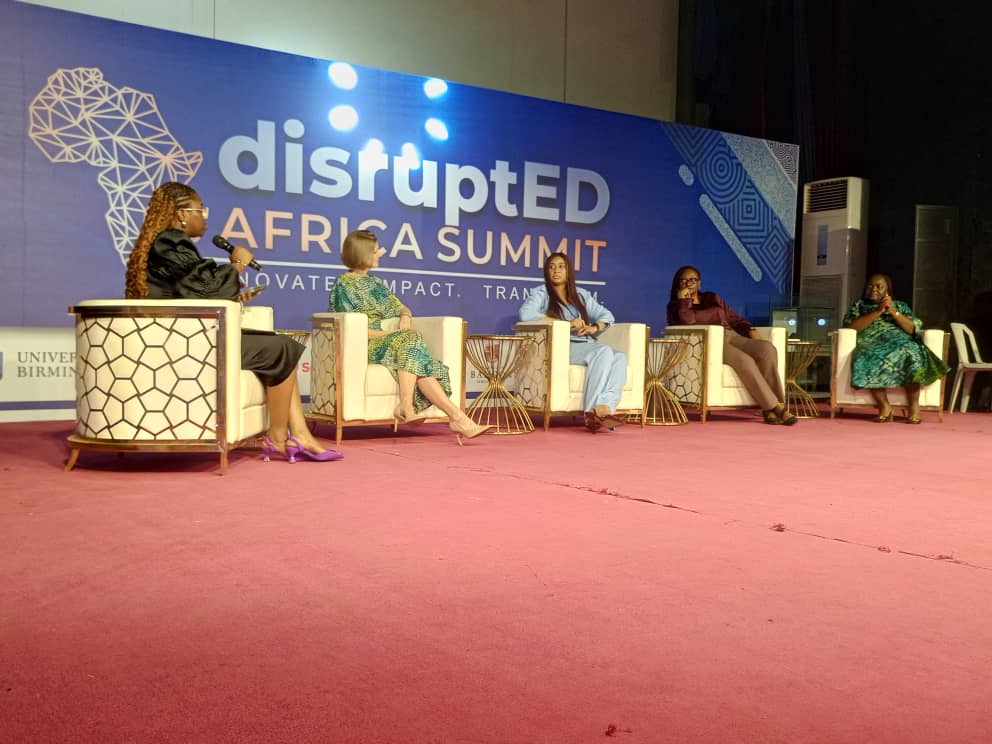
Stakeholders Seek Urgent Reforms to Tackle Youth Unemployment at disrupTED EduKate Africa Summit
By Ifeoma Ikem
Stakeholders in Nigeria’s education sector have called for urgent and scalable solutions to address the rising rate of youth unemployment, stressing the need for strengthened technical education and increased collaboration with the private sector to bridge existing skills gaps.
The call was made at the disrupTED EduKate Africa Summit 2026, a one-day leadership forum held at the University of Lagos, where participants examined the growing disconnect between education outcomes and labour market demands.
The summit brought together education leaders, private sector operators and development advocates to promote adaptive learning, practical skills acquisition and innovative financing models for Africa’s education sector.
Experts at the summit strongly advocated increased investment in technical and vocational education, noting that training programmes must reflect current industry realities and evolving labour market needs.
Speakers emphasised that Nigeria’s education system, particularly at the tertiary level, must urgently shift from certificate-driven learning to skills-based and experiential education aligned with global best practices.
Among the speakers were Deby Okoh, Regional Manager at Brunel University of London; Ashley Immanuel, Chief Operating Officer of Semicolon; Olapeju Ibekwe, Chief Executive Officer of Sterling One Foundation; and education advocate, Adetomi Soyinka.
The speakers highlighted the importance of continuous learning, teacher retraining and comprehensive curriculum reform to meet the demands of an increasingly technology-driven global economy.
They stressed that apprenticeship programmes, internships and hands-on training should be fully integrated into academic curricula, noting that over-reliance on theoretical qualifications has widened the employability gap among graduates.
In his remarks, Mr Tosin Adebisi, Director of EduKate Africa and convener of the summit, said the event was designed to challenge what he described as the education sector’s rigid attachment to outdated methods.
Adebisi said innovation must remain central to education reform, adding that stakeholders must rethink teaching methods, learning processes and approaches to solving challenges such as access to education, financing and employability.
He expressed confidence that sustainable solutions could be achieved through strong collaboration across education, private sector and development institutions.
Adebisi, alongside co-Director Mr Francis Omorojie, said the summit aimed at connecting stakeholders working across sectors to close existing skills and opportunity gaps for young people.
The summit also urged parents and educators to promote lifelong learning, critical thinking and adaptability among young people, stressing that education systems must evolve in line with global economic trends.
No fewer than 200 students from the University of Lagos, Lagos State University, Ojo, and other institutions participated in the summit, which was initially expected to host the Minister of Education, Dr Tunji Alausa.
In a welcome address, Prof. Olufemi Oloyede of the University of Lagos emphasised the need to shape young minds through innovation and positive thinking, noting that Africa’s development depends on the strategic use of its human and natural resources, as well as a shift towards creativity and innovation among youths.

Turning Point: Dr. Chris Okafor Resumes with Fresh Fire of the Spirit
-Steps onto the Grace Nation Pulpit After a Month-Long Honeymoon Retreat with Renewed Supernatural Power
By Sunday Adeyemi
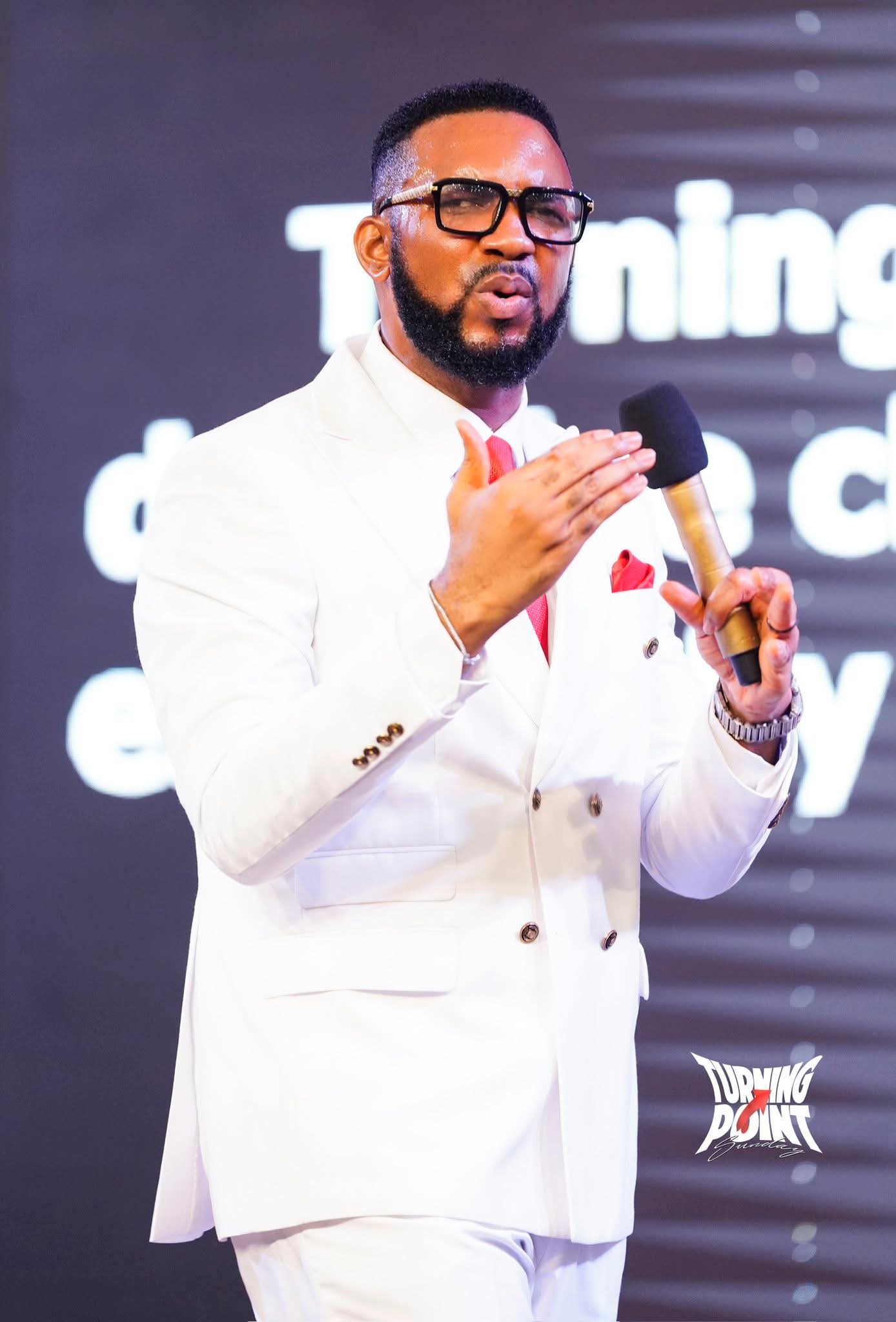
The much-anticipated February 1, 2026 “Turning Point” service of Grace Nation has come and gone, but its impact remains deeply etched in the hearts of Grace Nation citizens across the world. The significance of the day was unmistakable—it marked the official return of the Generational Prophet of God and Senior Pastor of Grace Nation Global, Dr. Chris Okafor, to active ministerial duty as the Set Man of the commission.
The date was particularly symbolic, as Dr. Okafor had taken close to one month away from the pulpit following his wedding late last year. The period served not only as a honeymoon but also as a season of rest, reflection, and intimate fellowship with God in preparation for a greater spiritual assignment ahead.
The atmosphere at Grace Nation was electric as the Generational Prophet and his wife were received with a heroic welcome, accompanied by prophetic praise, joyful dancing, and fervent prayers. It was a celebration of return, renewal, and readiness.
In his opening remarks, Dr. Chris Okafor declared that he had returned to fully pursue the mandate God entrusted to him—winning souls for the Kingdom of God. He issued a strong warning to the kingdom of darkness, stating that light and darkness cannot coexist. According to him, the season ahead would witness intensified spiritual engagement, as the Kingdom of God advances and the forces of darkness lose ground.
“This time,” the Generational Prophet affirmed, “it will be total displacement of darkness, as the light of God shines brighter than ever.”
The Message: Turning Point
Delivering a powerful sermon titled “Turning Point,” Dr. Okafor explained that a turning point is defined as a moment when a decisive and beneficial change occurs in a situation. He emphasized that such moments are often preceded by battles.
According to him, battles do not necessarily arise because one is doing wrong, but because God desires to reveal His power and teach vital lessons through them. Every genuine battle, he noted, carries divine involvement and purpose.
Addressing the question “Why must I fight a battle?” Dr. Okafor explained that individuals who carry extraordinary grace often encounter greater challenges. “When you carry what others do not carry,” he said, “the battles that come your way are usually bigger.”
Characteristics of a Turning Point
The Generational Prophet highlighted that when a person is firmly rooted in God, no storm can uproot them. A strong spiritual foundation ensures that no battle can shake one’s destiny. He explained that prayer does not eliminate battles, but preparation through prayer guarantees victory on the evil day.
“Battles push you into your turning point when you are rooted in the Spirit,” he stated, adding that a prayerful life is essential for sustained victory and elevation.
A Supernatural Service
The Turning Point service witnessed an extraordinary move of the Holy Spirit in a fresh dimension. Deliverance, healings, miracles, restoration, and diverse testimonies filled the atmosphere as worshippers encountered the power of God during the Sunday service.
In a related development, Dr. Chris Okafor officially commissioned the ultra-modern church restaurant, Fourthman Foodies, dedicating it to God for the benefit and use of Grace Nation citizens worldwide.
The February 1 service has since been described by many as a defining moment—one that signals a new spiritual season for Grace Nation Global. https://www.facebook.com/share/v/1B2Eh6B6wo/
Sunday Adeyemi is a Lagos-based journalist and society writer. He writes from Lagos.


Adron Homes Hails Ondo State at 50, Celebrates Legacy of Excellence
The Chairman, Board of Directors, Management, and staff of Adron Group have congratulated the Government and people of Ondo State on the celebration of its 50th anniversary, describing the milestone as a significant chapter in Nigeria’s federal history and a testament to visionary leadership, resilience, and purposeful development.
In a goodwill message issued to commemorate the Golden Jubilee, Adron Group noted that since its creation in 1976, Ondo State has consistently distinguished itself as a centre of honour, intellect, and enterprise. Fondly referred to as The Sunshine State, the state has produced generations of outstanding professionals, administrators, and national leaders whose contributions continue to shape Nigeria’s socio-economic and political development.
According to the company, the strength of Ondo State lies not only in its rich cultural heritage and intellectual depth, but also in the values of integrity, diligence, and excellence that define its people. These qualities, Adron noted, have remained the bedrock of the state’s enduring relevance and national impact over the past five decades.
Adron Group further commended the state’s renewed drive in recent years towards infrastructure development, economic diversification, industrial growth, and youth empowerment, describing these initiatives as indicators of a forward-looking, inclusive development agenda anchored in sustainability and long-term prosperity.
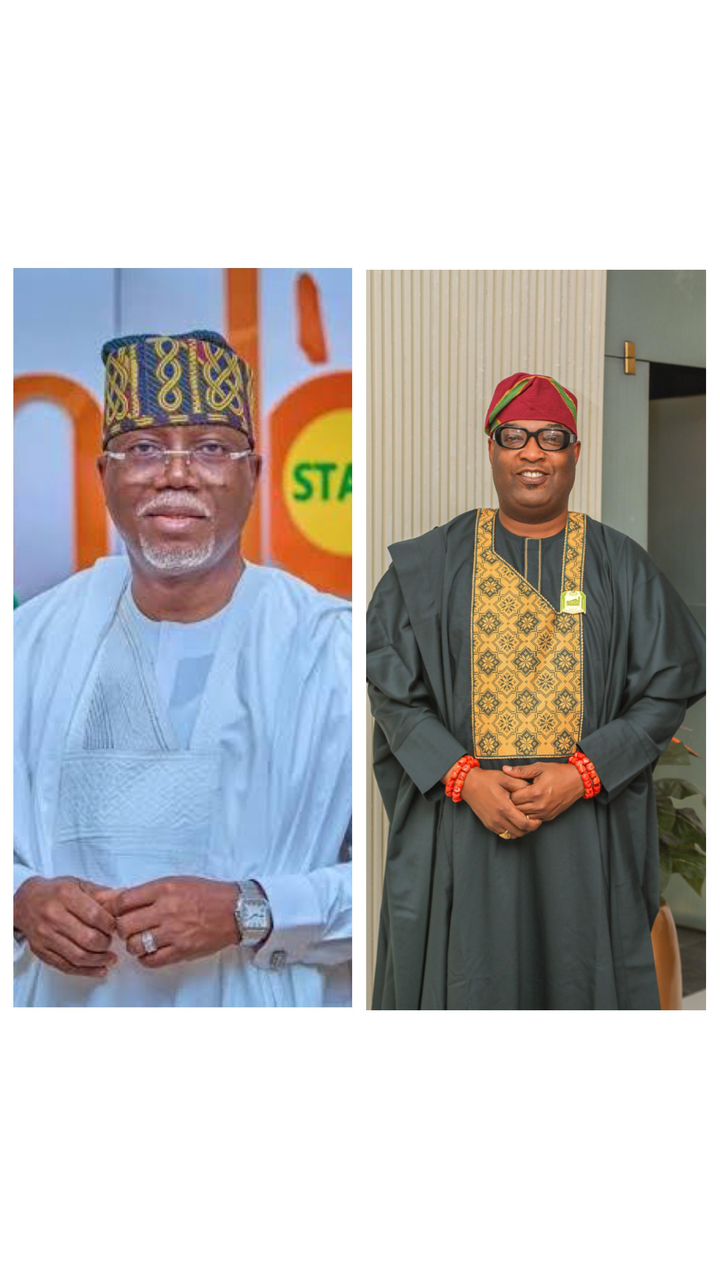
“As a corporate organisation committed to nation-building and sustainable development, Adron Group recognises Ondo State as a strategic partner in progress,” the statement read. “We commend His Excellency, Lucky Orimisan Aiyedatiwa, Executive Governor of Ondo State, and the leadership of the state at all levels for their dedication to public service and their commitment to the advancement of the people.”
As Ondo State marks its Golden Jubilee, Adron Group joined millions of well-wishers in celebrating a legacy of excellence, strength of character, and promise, while expressing optimism that the next fifty years will usher in greater milestones in economic vitality, social advancement, innovation, and enduring peace.
The company concluded by wishing the Government and people of Ondo State continued progress and prosperity, adding that the Sunshine State remains well-positioned to shine even brighter in the years ahead.


-

 celebrity radar - gossips6 months ago
Why Babangida’s Hilltop Home Became Nigeria’s Political “Mecca”
-

 society6 months ago
Power is a Loan, Not a Possession: The Sacred Duty of Planting People
-

 Business6 months ago
Batsumi Travel CEO Lisa Sebogodi Wins Prestigious Africa Travel 100 Women Award
-

 news6 months ago
THE APPOINTMENT OF WASIU AYINDE BY THE FEDERAL GOVERNMENT AS AN AMBASSADOR SOUNDS EMBARRASSING