
society
Africa’s Endless Leadership Curse: Why West, Central and East Africa Remain Trapped in Under Development

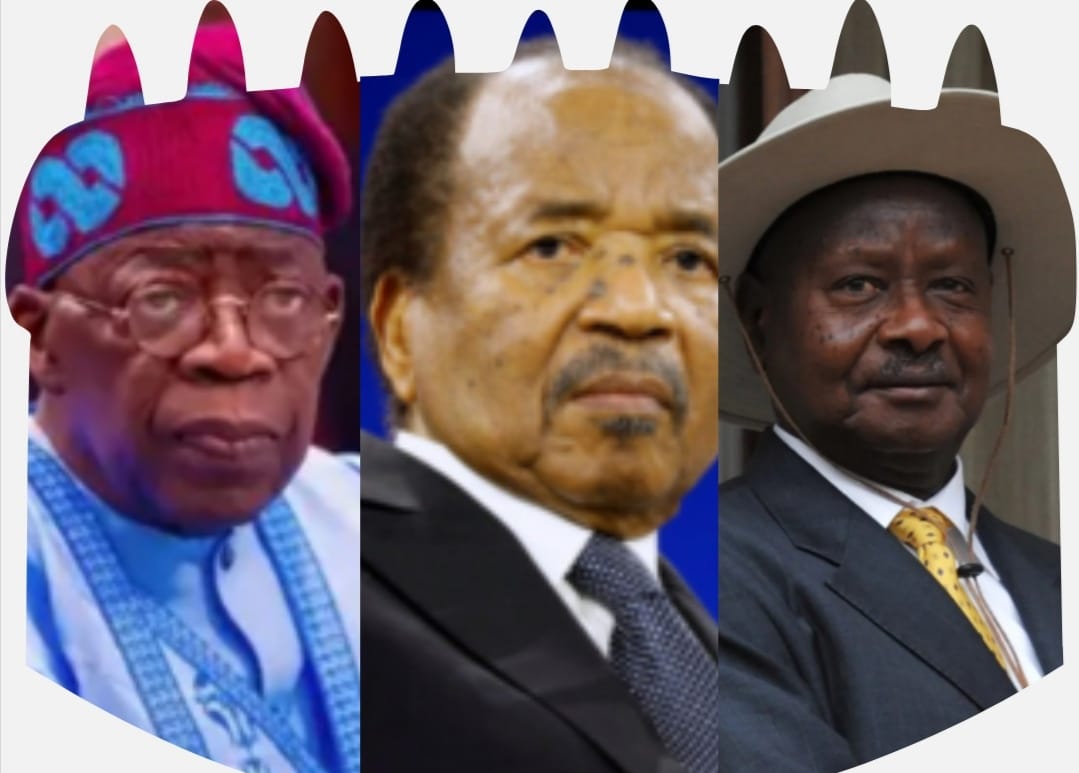
Africa’s Endless Leadership Curse: Why West, Central and East Africa Remain Trapped in Under Development.
George Omagbemi Sylvester | Published by SaharaWeeklyNG.com
“Decades of independence, trillions in natural wealth; yet Africa bleeds under recycled leaders, weak institutions and visionless governance.”
Introduction: The Paradox of Plenty.
More than six decades after independence, Africa remains a continent of contradictions; endowed with immense natural and human resources yet crippled by poverty, corruption and political inertia. From Nigeria’s REVOLVING-DOOR LEADERSHIP to Cameroon’s LONG-STANDING DICTATORSHIP under Paul Biya and Uganda’s near FOUR-DECADE RULE by Yoweri Museveni, Africa’s story reads like a broken record of promises betrayed. The tragedy is not that Africa lacks talent or resources. It is that it lacks visionary leadership and institutional accountability. As the late Chinua Achebe wrote in his classic The Trouble with Nigeria (1983), “The trouble with Nigeria is simply and squarely a failure of leadership.” That timeless diagnosis captures the state of most African nations today, a leadership vacuum sustained by GREED, TRIBALISM and a CULTURE of IMPUNITY.
The Mirage of Independence.
When NIGERIA GAINED INDEPENDENCE IN 1960, it was seen as the BEACON of BLACK HOPE and a nation destined to lead Africa into a new era of prosperity. Similarly, UGANDA and CAMEROON emerged from colonial rule with optimism and promise. Yet, independence merely replaced white rulers with black elites who preserved colonial structures of exploitation.
Since 1979, Nigeria has witnessed over a dozen leadership transitions (from Shehu Shagari to Muhammadu Buhari and now Bola Ahmed Tinubu) yet none have broken the chains of poverty, insecurity and infrastructural decay. Over 200 million Nigerians still share less than 5,000 megawatts of electricity, an amount that powers a single suburb in Johannesburg or London.
Cameroon’s story is even more tragic. Paul Biya, who became president in 1982, is now 92 years old and remains one of the world’s LONGEST-SERVING heads of state. He has ruled mostly from Switzerland, earning the nickname “the ABSENTEE PRESIDENT.” Meanwhile, Yoweri Museveni of Uganda, who seized power in 1986, has altered the constitution twice to abolish term and age limits. Under his regime, dissent is criminalized, opposition silenced and political offices turned into hereditary possessions.
According to Transparency International’s 2024 Corruption Perceptions Index, Nigeria ranked 145th, Cameroon 154th, and Uganda 142nd out of 180 countries and there are proofs that corruption remains INSTITUTIONALIZED not INCIDENTAL.
LEADERSHIP without VISION: The Heart of the Problem.
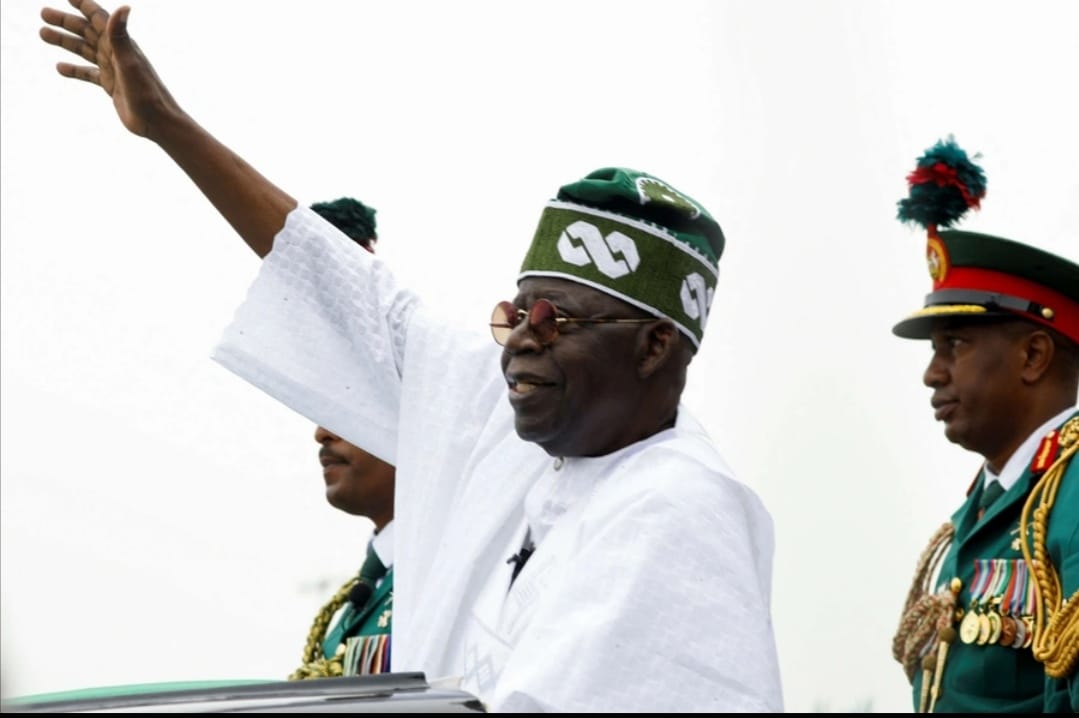
Africa’s political elite mistake longevity for leadership and charisma for competence. In advanced democracies, continuity means institutional strength; in Africa, it means autocracy. Angela Merkel ruled Germany for sixteen years and left behind a legacy of stability, innovation and fiscal discipline. By contrast, Biya and Museveni’s combined 81 years in power have produced neither industrial transformation nor human capital development.
Professor P.L.O. Lumumba, a respected Kenyan scholar, once said, “Africa is a continent of rulers, not leaders; men who love power more than they love their people.” This statement reflects the psychological foundation of Africa’s crisis, leaders see power as PROPERTY not RESPONSIBILITY.
In Nigeria, leadership recycling has reached absurd proportions. The same politicians who failed in the 1980s still dominate public life today under new party labels. The result is a stagnant political system where innovation is suffocated and accountability absent.
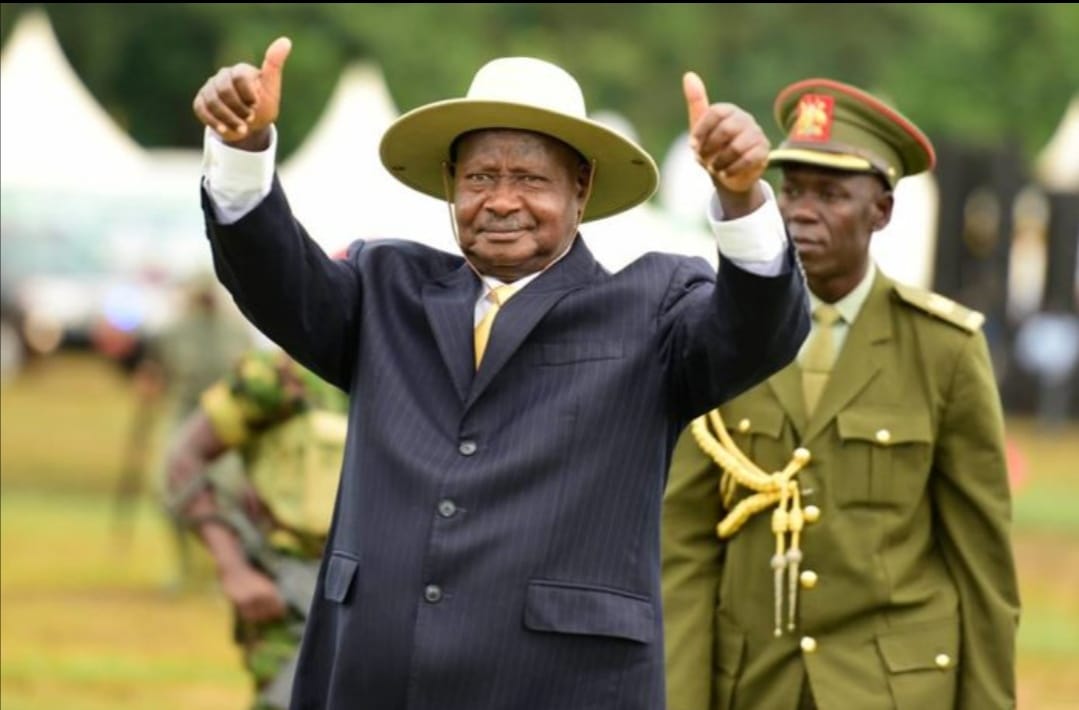
Dr. Ngozi Okonjo-Iweala, Director-General of the World Trade Organization, once observed, “You cannot continue doing the same thing and expect different results. Africa must reform its governance if it must progress.” Yet, the message falls on deaf ears.
The Economic Tragedy of Political Greed.
Africa’s natural wealth is staggering. The continent holds 60% of the world’s arable land, 30% of mineral reserves and 12% of global oil reserves. Nigeria alone has earned over $1 trillion in oil revenue since the 1970s. Yet, the World Bank’s 2024 data shows that over 90 million Nigerians live in extreme poverty. Uganda’s GDP per capita hovers around $1,100, while Cameroon’s remains below $1,600.
Why this paradox? African leaders have chosen CONSUMPTION over PRODUCTION and LUXURY over LEGACY. National budgets are bloated with political overheads while critical sectors like education, health and research receive crumbs. In Nigeria, lawmakers earn one of the world’s highest legislative salaries, with over ₦300 billion spent annually on the National Assembly, yet public schools and hospitals crumble.
In Uganda, billions are spent on presidential security and propaganda while citizens struggle with inflation and unemployment. In Cameroon, decades of centralized power have turned state institutions into extensions of the presidency. Economist Jeffrey Sachs put it bluntly: “Africa’s greatest tragedy is not poverty but the failure of leadership to convert resources into opportunities.”
The Colonial Hangover.
Beyond politics, Africa’s backwardness is rooted in psychological colonization. Many POST-INDEPENDENCE LEADERS INHERITED COLONIAL MENTALITIES; VALUING FOREIGN VALIDATION OVER DOMESTIC INNOVATION. The West and more recently, China, continue to exploit this dependency through AID TRAPS and DEBT DIPLOMACY.
In the Central African region, Chinese loans have financed infrastructure projects that often end in debt crises, while Western corporations plunder resources in exchange for political patronage. The African Union (AU), which should serve as a continental watchdog, has become a gentleman’s club for autocrats. It condemns coups but tolerates constitutional manipulations and rigged elections.
Professor Ali Mazrui once noted, “Africa is the only continent where political independence preceded economic independence.” This imbalance explains why Africa remains economically enslaved despite political sovereignty. Without economic liberation and institutional autonomy, political freedom is a mirage.
The Regional Breakdown: West, Central and East Africa’s Failures.
The uneven development across Africa reflects the different degrees of dysfunction in its regions.
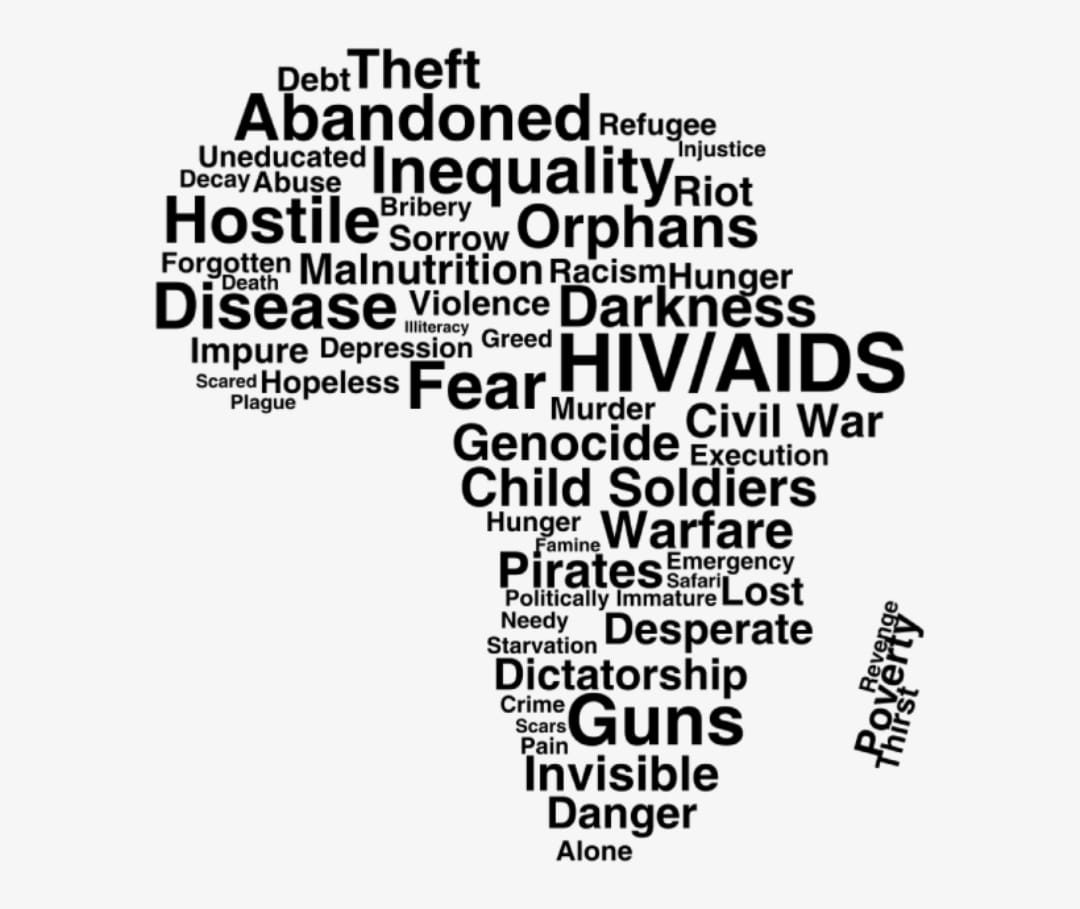
West Africa: plagued by COUPS, TERRORISM and ECONOMIC INSTABILITY. From Mali to Niger and Burkina Faso, military takeovers reflect citizens’ frustration with civilian incompetence. Nigeria, despite being the regional giant, faces WIDESPREAD INSECURITY, INFLATION and GOVERNANCE COLLAPSE.
Central Africa: dominated by DYNASTIC RULERS like Biya (Cameroon), Nguesso (Congo) and Obiang (Equatorial Guinea). These regimes suppress dissent, rig elections and loot state coffers with impunity.
East Africa: projected as stable but largely AUTOCRATIC. Museveni’s Uganda and Kagame’s Rwanda showcase controlled democracies where opposition is tolerated only in theory.
According to the Mo Ibrahim Index of African Governance (2024), the West, Central and East African blocs score the lowest in rule of law, participation and accountability. Citizens’ rights are routinely violated and media freedom is heavily restricted.
The cost of this failure is staggering. The United Nations Development Programme (UNDP) estimates that Africa loses $88 billion annually to illicit financial flows, mostly driven by corruption and capital flight; money that could have built schools, hospitals, industries and done good for its nations.
The Second Liberation: A Call to Conscience.
Africa’s first liberation freed it from colonial rule. The second must free it from corrupt elites and intellectual laziness. Change will not come through foreign aid or borrowed policies but through citizens’ awakening and institutional reform.
The new generation must rise beyond ethnicity and partisan loyalties. Youth must understand that democracy is not about voting every four years but about holding power accountable every day. Civil societies, journalists and reform-minded leaders must form coalitions that challenge the old order.
As Nelson Mandela declared, “Sometimes it falls upon a generation to be great; you can be that great generation.” That call is urgent now more than ever. Africa cannot continue to romanticize its potential while squandering its future.
Final Word: The Courage to Lead.
Africa’s tragedy is not a curse from the gods; but a self-inflicted wound. The continent’s leaders have consistently failed to build nations beyond their tribes and ambitions. Until leadership becomes a duty, not a privilege (until institutions become stronger than individuals) Africa will remain a giant crawling on its knees.
History has shown that no nation develops by accident. LEADERSHIP, ACCOUNTABILITY and VISION are the engines of progress. From Singapore under Lee Kuan Yew to South Korea under Park Chung-hee, nations have transformed through discipline and purpose. Africa must learn this lesson or remain a byword for failure.
As George Omagbemi Sylvester concludes,
“Africa is not cursed; it is simply cursed by those who rule it. Until the throne becomes a place of service and not self-worship, our liberation remains incomplete.”






society
Stakeholders Seek Urgent Reforms to Tackle Youth Unemployment at disrupTED EduKate Africa Summit
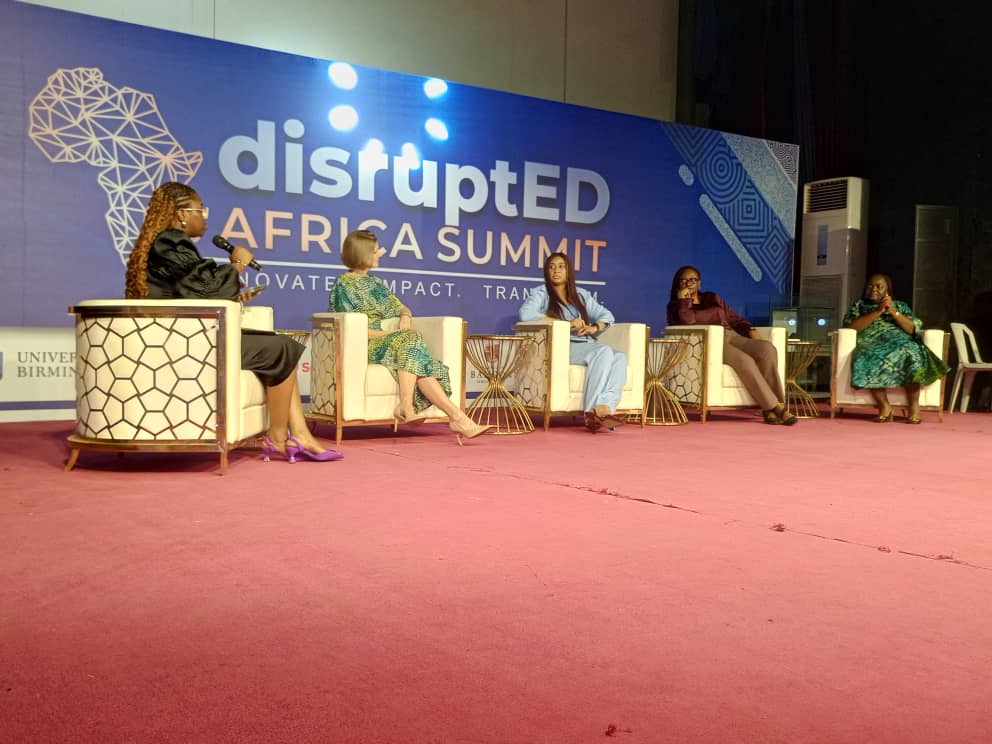
Stakeholders Seek Urgent Reforms to Tackle Youth Unemployment at disrupTED EduKate Africa Summit
By Ifeoma Ikem
Stakeholders in Nigeria’s education sector have called for urgent and scalable solutions to address the rising rate of youth unemployment, stressing the need for strengthened technical education and increased collaboration with the private sector to bridge existing skills gaps.
The call was made at the disrupTED EduKate Africa Summit 2026, a one-day leadership forum held at the University of Lagos, where participants examined the growing disconnect between education outcomes and labour market demands.
The summit brought together education leaders, private sector operators and development advocates to promote adaptive learning, practical skills acquisition and innovative financing models for Africa’s education sector.
Experts at the summit strongly advocated increased investment in technical and vocational education, noting that training programmes must reflect current industry realities and evolving labour market needs.
Speakers emphasised that Nigeria’s education system, particularly at the tertiary level, must urgently shift from certificate-driven learning to skills-based and experiential education aligned with global best practices.
Among the speakers were Deby Okoh, Regional Manager at Brunel University of London; Ashley Immanuel, Chief Operating Officer of Semicolon; Olapeju Ibekwe, Chief Executive Officer of Sterling One Foundation; and education advocate, Adetomi Soyinka.
The speakers highlighted the importance of continuous learning, teacher retraining and comprehensive curriculum reform to meet the demands of an increasingly technology-driven global economy.
They stressed that apprenticeship programmes, internships and hands-on training should be fully integrated into academic curricula, noting that over-reliance on theoretical qualifications has widened the employability gap among graduates.
In his remarks, Mr Tosin Adebisi, Director of EduKate Africa and convener of the summit, said the event was designed to challenge what he described as the education sector’s rigid attachment to outdated methods.
Adebisi said innovation must remain central to education reform, adding that stakeholders must rethink teaching methods, learning processes and approaches to solving challenges such as access to education, financing and employability.
He expressed confidence that sustainable solutions could be achieved through strong collaboration across education, private sector and development institutions.
Adebisi, alongside co-Director Mr Francis Omorojie, said the summit aimed at connecting stakeholders working across sectors to close existing skills and opportunity gaps for young people.
The summit also urged parents and educators to promote lifelong learning, critical thinking and adaptability among young people, stressing that education systems must evolve in line with global economic trends.
No fewer than 200 students from the University of Lagos, Lagos State University, Ojo, and other institutions participated in the summit, which was initially expected to host the Minister of Education, Dr Tunji Alausa.
In a welcome address, Prof. Olufemi Oloyede of the University of Lagos emphasised the need to shape young minds through innovation and positive thinking, noting that Africa’s development depends on the strategic use of its human and natural resources, as well as a shift towards creativity and innovation among youths.

Turning Point: Dr. Chris Okafor Resumes with Fresh Fire of the Spirit
-Steps onto the Grace Nation Pulpit After a Month-Long Honeymoon Retreat with Renewed Supernatural Power
By Sunday Adeyemi
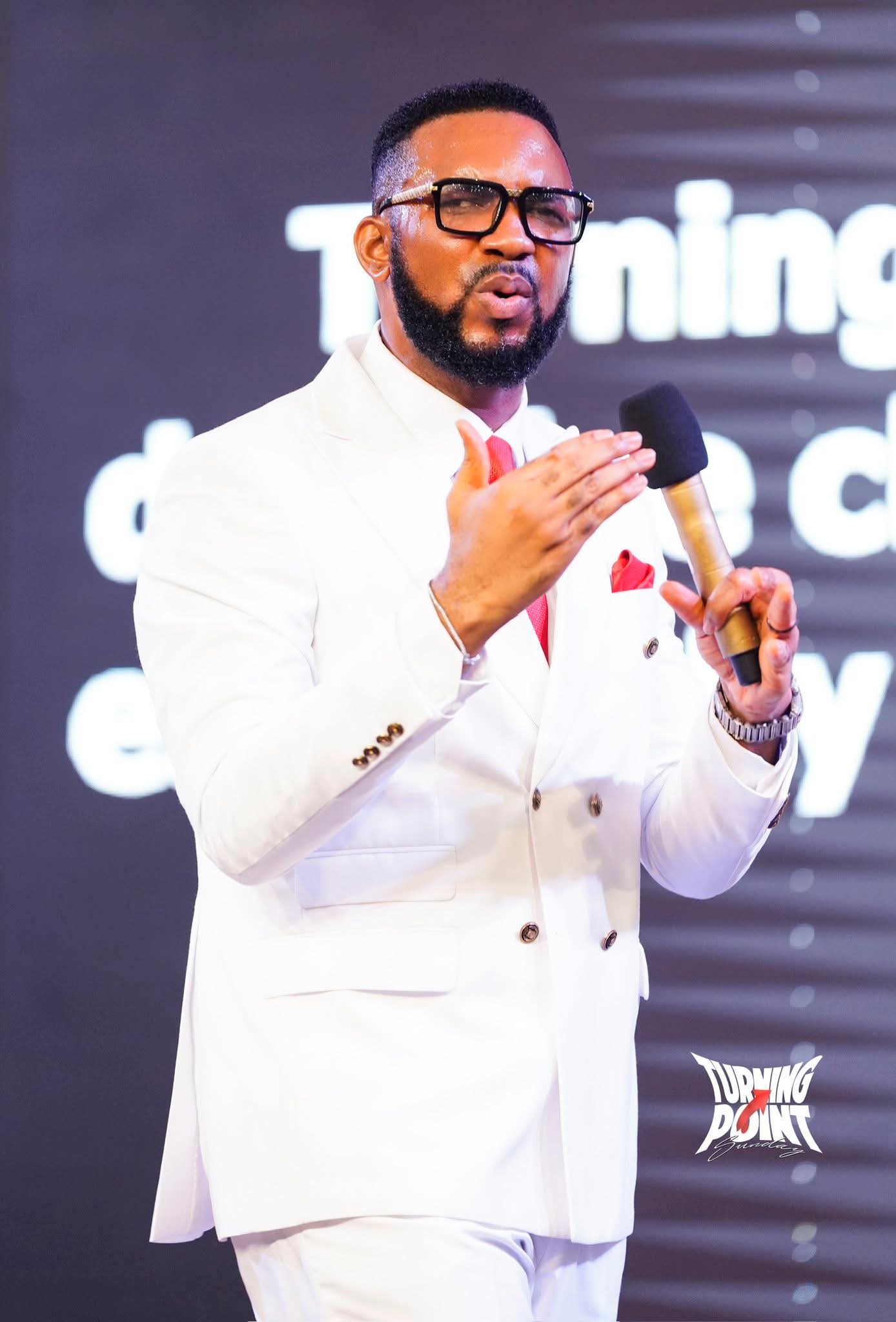
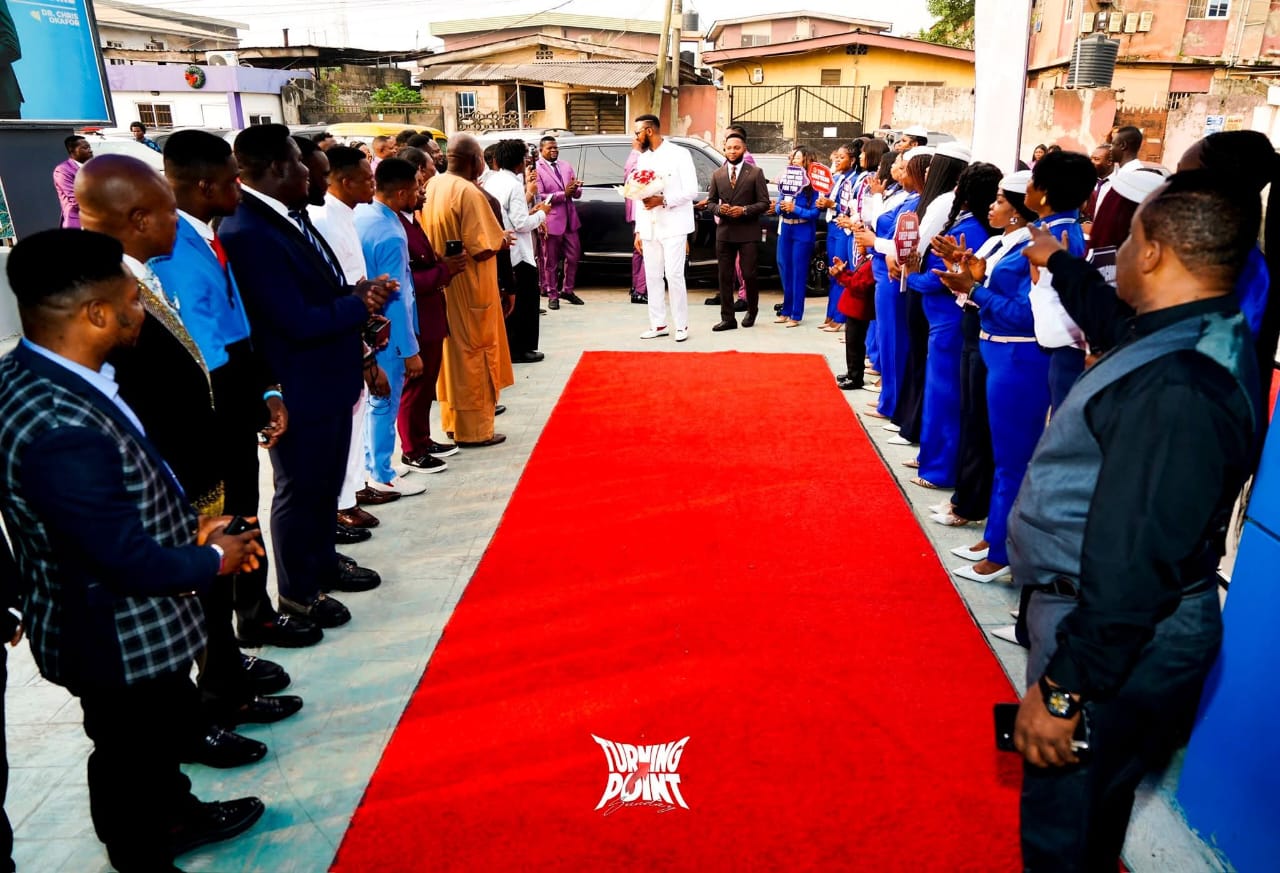
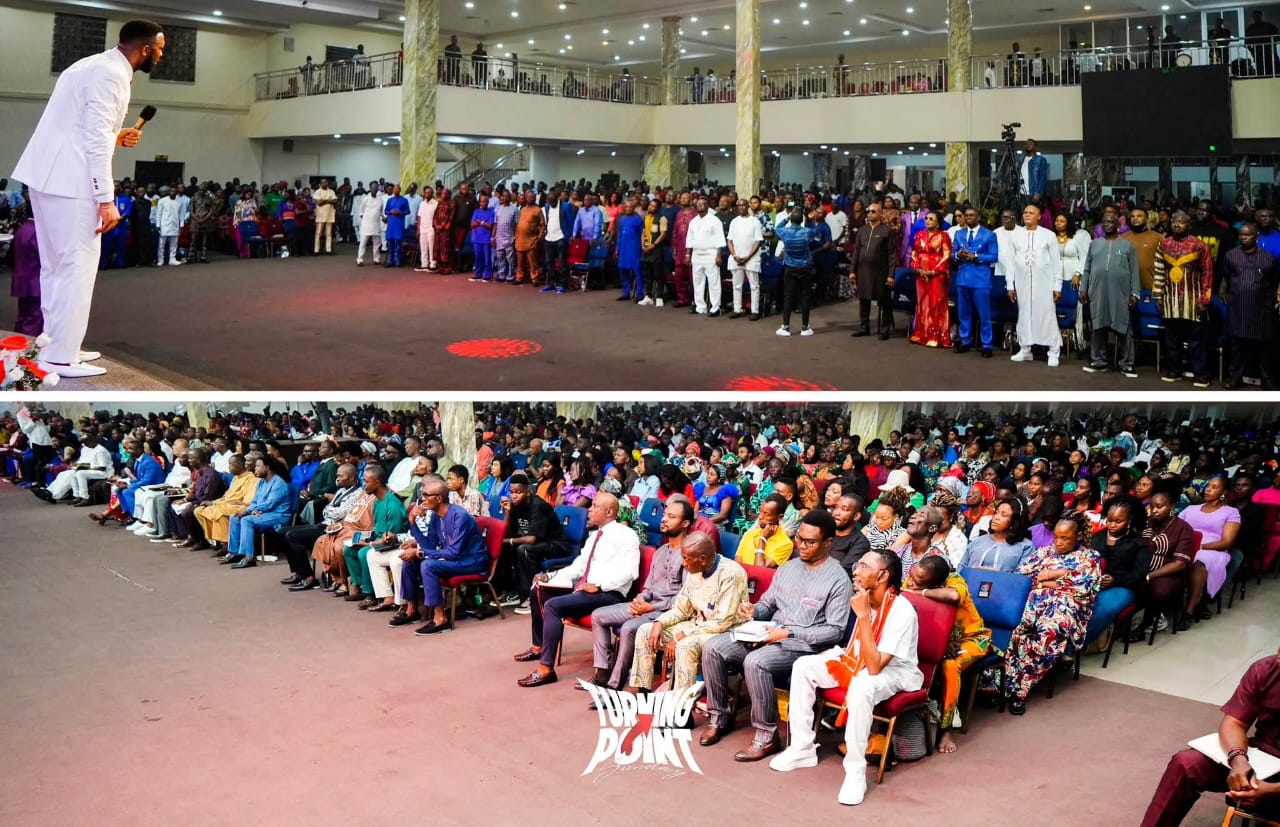
The much-anticipated February 1, 2026 “Turning Point” service of Grace Nation has come and gone, but its impact remains deeply etched in the hearts of Grace Nation citizens across the world. The significance of the day was unmistakable—it marked the official return of the Generational Prophet of God and Senior Pastor of Grace Nation Global, Dr. Chris Okafor, to active ministerial duty as the Set Man of the commission.
The date was particularly symbolic, as Dr. Okafor had taken close to one month away from the pulpit following his wedding late last year. The period served not only as a honeymoon but also as a season of rest, reflection, and intimate fellowship with God in preparation for a greater spiritual assignment ahead.
The atmosphere at Grace Nation was electric as the Generational Prophet and his wife were received with a heroic welcome, accompanied by prophetic praise, joyful dancing, and fervent prayers. It was a celebration of return, renewal, and readiness.
In his opening remarks, Dr. Chris Okafor declared that he had returned to fully pursue the mandate God entrusted to him—winning souls for the Kingdom of God. He issued a strong warning to the kingdom of darkness, stating that light and darkness cannot coexist. According to him, the season ahead would witness intensified spiritual engagement, as the Kingdom of God advances and the forces of darkness lose ground.
“This time,” the Generational Prophet affirmed, “it will be total displacement of darkness, as the light of God shines brighter than ever.”
The Message: Turning Point
Delivering a powerful sermon titled “Turning Point,” Dr. Okafor explained that a turning point is defined as a moment when a decisive and beneficial change occurs in a situation. He emphasized that such moments are often preceded by battles.
According to him, battles do not necessarily arise because one is doing wrong, but because God desires to reveal His power and teach vital lessons through them. Every genuine battle, he noted, carries divine involvement and purpose.
Addressing the question “Why must I fight a battle?” Dr. Okafor explained that individuals who carry extraordinary grace often encounter greater challenges. “When you carry what others do not carry,” he said, “the battles that come your way are usually bigger.”
Characteristics of a Turning Point
The Generational Prophet highlighted that when a person is firmly rooted in God, no storm can uproot them. A strong spiritual foundation ensures that no battle can shake one’s destiny. He explained that prayer does not eliminate battles, but preparation through prayer guarantees victory on the evil day.
“Battles push you into your turning point when you are rooted in the Spirit,” he stated, adding that a prayerful life is essential for sustained victory and elevation.
A Supernatural Service
The Turning Point service witnessed an extraordinary move of the Holy Spirit in a fresh dimension. Deliverance, healings, miracles, restoration, and diverse testimonies filled the atmosphere as worshippers encountered the power of God during the Sunday service.
In a related development, Dr. Chris Okafor officially commissioned the ultra-modern church restaurant, Fourthman Foodies, dedicating it to God for the benefit and use of Grace Nation citizens worldwide.
The February 1 service has since been described by many as a defining moment—one that signals a new spiritual season for Grace Nation Global. https://www.facebook.com/share/v/1B2Eh6B6wo/
Sunday Adeyemi is a Lagos-based journalist and society writer. He writes from Lagos.
Adron Homes Hails Ondo State at 50, Celebrates Legacy of Excellence
The Chairman, Board of Directors, Management, and staff of Adron Group have congratulated the Government and people of Ondo State on the celebration of its 50th anniversary, describing the milestone as a significant chapter in Nigeria’s federal history and a testament to visionary leadership, resilience, and purposeful development.
In a goodwill message issued to commemorate the Golden Jubilee, Adron Group noted that since its creation in 1976, Ondo State has consistently distinguished itself as a centre of honour, intellect, and enterprise. Fondly referred to as The Sunshine State, the state has produced generations of outstanding professionals, administrators, and national leaders whose contributions continue to shape Nigeria’s socio-economic and political development.
According to the company, the strength of Ondo State lies not only in its rich cultural heritage and intellectual depth, but also in the values of integrity, diligence, and excellence that define its people. These qualities, Adron noted, have remained the bedrock of the state’s enduring relevance and national impact over the past five decades.
Adron Group further commended the state’s renewed drive in recent years towards infrastructure development, economic diversification, industrial growth, and youth empowerment, describing these initiatives as indicators of a forward-looking, inclusive development agenda anchored in sustainability and long-term prosperity.
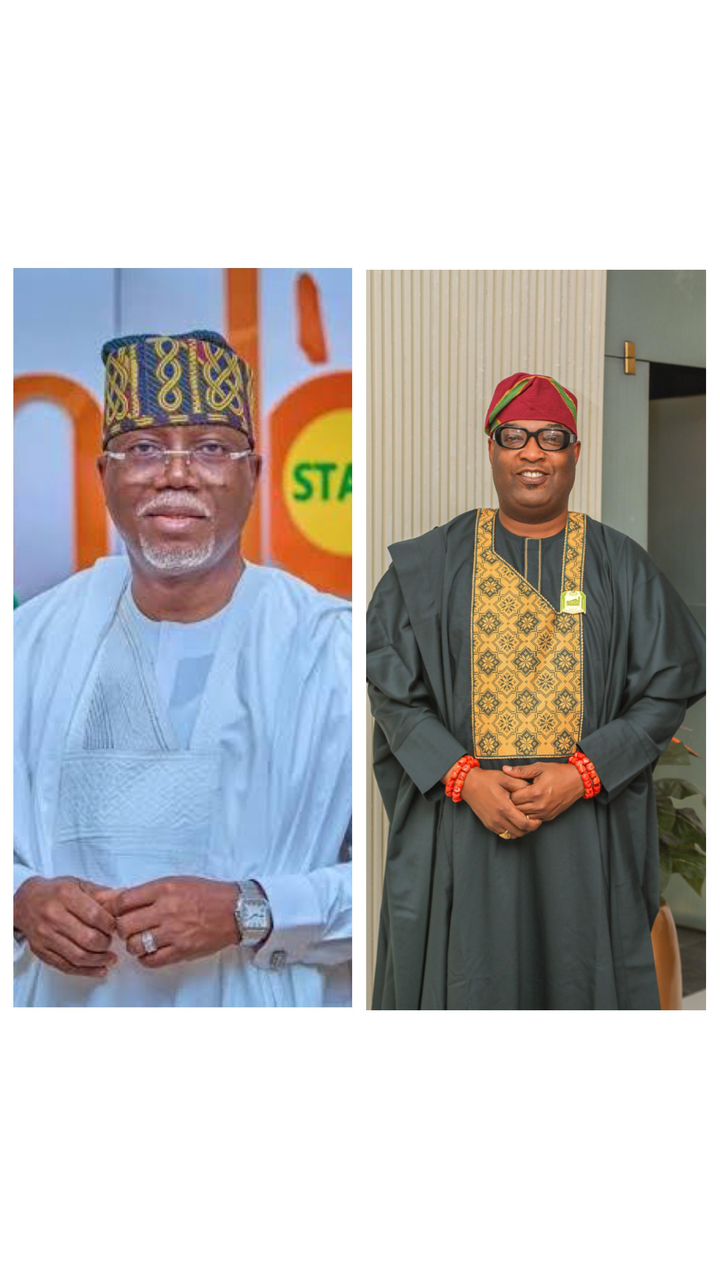
“As a corporate organisation committed to nation-building and sustainable development, Adron Group recognises Ondo State as a strategic partner in progress,” the statement read. “We commend His Excellency, Lucky Orimisan Aiyedatiwa, Executive Governor of Ondo State, and the leadership of the state at all levels for their dedication to public service and their commitment to the advancement of the people.”
As Ondo State marks its Golden Jubilee, Adron Group joined millions of well-wishers in celebrating a legacy of excellence, strength of character, and promise, while expressing optimism that the next fifty years will usher in greater milestones in economic vitality, social advancement, innovation, and enduring peace.
The company concluded by wishing the Government and people of Ondo State continued progress and prosperity, adding that the Sunshine State remains well-positioned to shine even brighter in the years ahead.


-
 celebrity radar - gossips6 months ago
Why Babangida’s Hilltop Home Became Nigeria’s Political “Mecca”
-

 society6 months ago
Power is a Loan, Not a Possession: The Sacred Duty of Planting People
-

 Business6 months ago
Batsumi Travel CEO Lisa Sebogodi Wins Prestigious Africa Travel 100 Women Award
-
 news6 months ago
THE APPOINTMENT OF WASIU AYINDE BY THE FEDERAL GOVERNMENT AS AN AMBASSADOR SOUNDS EMBARRASSING