
Bank
At UBA Business Series, Digital Entrepreneurs Highlight Authenticity, Consistency, Passion as Real Game-Changer


At UBA Business Series, Digital Entrepreneurs Highlight Authenticity, Consistency, Passion as Real Game-Changer
Africa’s Global Bank, United Bank for Africa (UBA) Plc, hosted another enlightening edition of the UBA Business Series, bringing together some of Africa’s most dynamic digital entrepreneurs and influencers to discuss the secrets behind building impactful online communities.
This edition of the Business Series, which had the theme, “Content that Converts: Building Influence and Driving Growth Through Strategic Marketing,” was held at the Tony Elumelu Amphitheatre in UBA Head Office, Marina, Lagos on Thursday.
The very engaging session, shed light on how authenticity, consistency, and passion remain true cornerstones of success in the ever-evolving digital landscape, while the content creators shared first-hand experiences from their journeys across diverse industries and markets.
UBA’s Group Head, Digital Banking, Kayode Olubiyi, who welcomed participants and the panellists to the session, reaffirmed the bank’s commitment to empowering entrepreneurs across Africa through knowledge-sharing and capacity-building initiatives such as the Business Series.
He emphasised that the quarterly event continues to serve as vital avenues for supporting innovation and entrepreneurship, equipping individuals with practical insights to grow their brands and businesses in a competitive digital economy.
In his keynote address, the Managing Director/CEO at Nitro 121, Dr. Lampe Omoyele, who said that “You can create something out of what appears to be nothing,” gave insight on key trends to develop content that creates Impact.
He noted that content creation should go beyond aesthetics or trends to focus on value, purpose, and agility as he pointed out that creators who aim to make a difference must develop a clear personal brand identity and remain consistent in delivering messages that resonate with their audience.
The panel session featured an impressive line-up of digital entrepreneurs and content creators, including Digital Creator and Actor, Elozonam Ogbolu; Digital Health Educator, Chinonso Egemba (Aproko Doctor); Kenyan Actress and Media Entrepreneur, Catherine Kamau; Content Creator, Nasiru Lawal (Nasboi) and Digital Influencer, Enioluwa Adeoluwa, who was also the moderator of the event.
Growth is very important, says Nasiru Lawal. “For the younger creators here, my best advice is this: please prioritise your growth. As a creator, the moment you become famous, you no longer move at your own pace; you move at the people’s pace. It is therefore important to ensure you grow consistently and then overtime, the recognition and the money begins to roll in.”
Elozonam Ogbolu who agreed with Lawal, had this to say: “Content creators have to engage their audience with proper storytelling, because brands are always out to carefully choose their creators. For the brands, you must pick your influencer or ambassador very deliberately and work together over time to grow. That is when you will see a proper return on investment.
In his submission, Chinonso Egemba, said, “If you’re building a business or doing content creation, treat content creation as a business. When you treat it as a business, it needs proper structure. Otherwise, it won’t last. If you don’t put structure in place, you’ll end up responsible for everything, and that leads to burnout. You have to build structure, because if you want longevity, structure is very essential.
For Catherine Kamau, it is important for content creators to find a balance and stay close to their community. “What I realized is I have a community that keeps me grounded, and that’s family. When you get famous, you tend to forget where you come from, you know, social media is an illusion and you start assuming that it is your real family until bad things happen to you. So please remember the real people in your life, because fame can get to your head, but those are not the people who are going to have your back when things go south.”
The creators while sharing their diverse experiences, they collectively emphasized that building a personal brand should take precedence over chasing financial gain. They also underscored the importance of originality, urging young creators to find their unique niche rather than replicating what others have done.
UBA’s Group Head of Marketing and Corporate Communications, Alero Ladipo, who commended panellists for taking time to share their useful insights at the event, took time to celebrate the UBA Management for organising conversations like this which according to her, ‘remain impactful and will impact not just the individual customers, but also the economies at large.”
United Bank for Africa is one of the largest employers in the financial sector on the African continent, with 25,000 employees group wide and serving over 45 million customers globally. Operating in twenty African countries and the United Kingdom, the United States of America, France and the United Arab Emirates, UBA provides retail, commercial and institutional banking services, leading financial inclusion and implementing cutting edge technology.







FirstBank Introduces Exclusive 500-Seater Bleacher at Carnival Calabar & Festival 2025
Lagos, 26 December 2025 – FirstBank, West Africa’s premier financial institution and financial inclusion services provider, has officially announced its sponsorship of the Carnival Calabar & Festival 2025, unveiling a landmark addition set to redefine the carnival experience — the first-ever private premium seating area at the event.
The highlight of FirstBank’s participation is the construction of a 500-seater premium bleacher, designed to provide comfort, safety, and an elevated viewing experience for carnival enthusiasts.
Speaking on the sponsorship, the Acting Group Head Marketing and Corporate Communications, FirstBank, Olayinka Ijabiyi, noted that the carnival aligns with the Bank’s First@Arts initiative, a platform dedicated to supporting the creative arts value chain across Nigeria. He said, “We recognise the transformative power of the arts, including carnivals, in inspiring people and strengthening national unity. For more than 131 years, we have supported platforms that promote self-expression, social reflection and cultural exchange. Our investment in the Carnival Calabar & Festival demonstrates our commitment to preserving the nation’s rich cultural heritage through First@Arts.”
“As part of our sponsorship this year, we are introducing the first-ever private 500-seater premium bleacher to further elevate the carnival experience. This exclusive seating is designed to provide exceptional comfort and an unforgettable viewing experience for attendees,” Ijabiyi added.
The Chairman of the Cross River State Carnival Calabar Commission, Gabe Onah, also commented on FirstBank’s sponsorship. “FirstBank’s involvement is a strong demonstration of private-sector support for culture and tourism. This partnership not only enhances the overall quality of the carnival but also strengthens its global appeal,” he said.
The Carnival Calabar & Festival 2025 is officially marketed by Okhma Global Limited, the appointed Official Marketer responsible for brand partnerships, promotional engagements, and ticket sales. Okhma Global Limited has partnered with the Cross River State government in delivering Carnival Calabar & Festival for over ten years, playing a key role in strengthening the carnival’s commercial growth and global visibility.
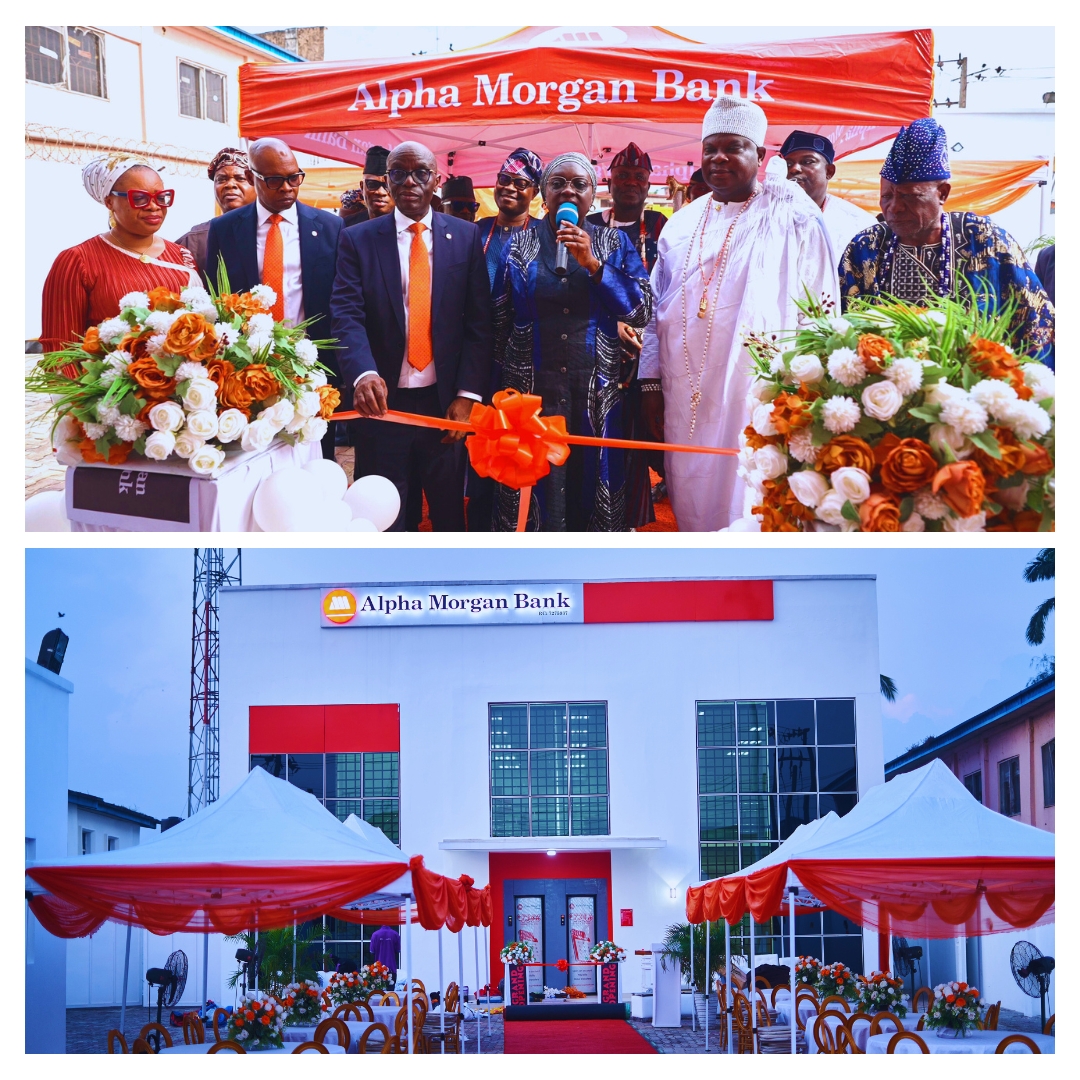
Alpha Morgan Bank Backs Cultural Preservation at the 2025 Iganmode Festival
Alpha Morgan Bank has reaffirmed its commitment to cultural preservation and community development as one of the major sponsors of the recently concluded Iganmode Cultural Festival (Odun Omo Iganmode) held in Sango-Ota, Ogun State.

The annual festival, a landmark cultural celebration in the ancient town of Ota, showcased the rich heritage, history, and identity of the Awori people. The event came alive with vibrant displays of traditional music, dance, colourful regalia, and performances that reflected the deep-rooted customs and values of the community.
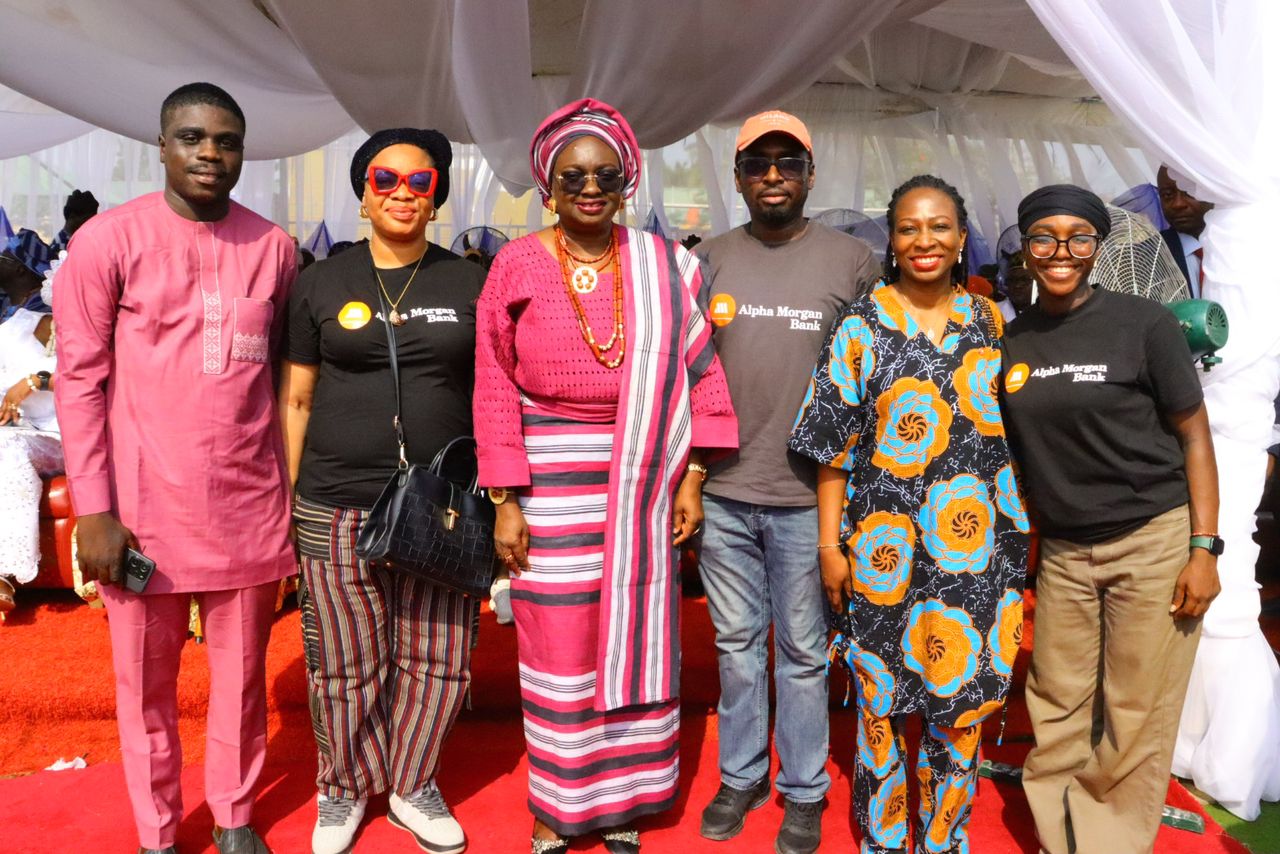
Alpha Morgan Bank’s sponsorship followed closely on the heels of the recent launch of its Sango-Ota branch, further underscoring the Bank’s dedication to supporting local initiatives, promoting indigenous culture, and fostering sustainable community development in Ota and its environs.
The ceremony attracted an impressive array of dignitaries, including former President of Nigeria, His Excellency Chief Olusegun Obasanjo; Deputy Governor of Ogun State, Engr. (Mrs.) Noimot Salako-Oyedele; and the Olota of Ota, His Majesty, Prof. Adeyemi Obalanlege, alongside several other traditional rulers and members of royal households from across the state. Their presence highlighted the cultural and historical significance of the festival to Ogun State and the wider Yoruba nation.
Alpha Morgan Bank’s participation as a major sponsor reflects its broader corporate vision of strengthening community values and supporting initiatives that promote Nigeria’s rich cultural heritage. The Bank joined thousands of attendees in celebrating a festival that continues to serve as a symbol of unity, pride, and cultural continuity for the people of Ota.
The 2025 edition of the Iganmode Festival was widely acclaimed as a success, leaving guests and participants with lasting impressions of a colourful, well-coordinated celebration that honoured tradition while fostering communal harmony.


*12 Days of Christmas with 5 for 5 Rewards: Celebrating the Season the Wema Way*
December is a season built on gratitude, reflection, and giving. It is a time when small gestures carry deeper meaning and everyday moments turn into shared joy. At Wema Bank, this spirit of the season has inspired the launch of 12 Days of Christmas with 5 for 5 Rewards, a festive campaign created to celebrate customers who continue to make the Bank part of their daily lives.
Running from December 14 to December 25, 2025, the campaign is designed to reward simple, everyday banking while spreading cheer across homes and communities. For twelve days, 33 customers will be rewarded daily with five thousand naira each when they fund their accounts with five thousand naira.
The idea behind the campaign is simple in action but thoughtful in intent. It recognises that during the festive period, every extra support counts. Whether it is preparing for family gatherings, running errands, or planning end-of-year activities, Wema Bank is turning routine transactions into moments of delight.
To take part in the 12 Days of Christmas with 5 for 5 Rewards, customers only need to fund their accounts with five thousand naira through any of the following channels:
ALAT app
*945#
Debit cards
Once the account is funded with five thousand naira, they get an additional five thousand naira as a reward.
Beyond the rewards, the 12 Days of Christmas with 5 for 5 Rewards reflects Wema Bank’s broader commitment to customer-centric banking. It reinforces the Bank’s focus on creating experiences that go beyond transactions, especially during moments that matter most to customers.
As the year draws to a close, Wema Bank is inviting customers to enjoy the festive season knowing that their loyalty is valued and celebrated. With every transaction, the Bank continues to find new ways to connect, appreciate, and give back during a season defined by generosity.


-

 celebrity radar - gossips6 months ago
Why Babangida’s Hilltop Home Became Nigeria’s Political “Mecca”
-

 society5 months ago
Power is a Loan, Not a Possession: The Sacred Duty of Planting People
-

 Business6 months ago
Batsumi Travel CEO Lisa Sebogodi Wins Prestigious Africa Travel 100 Women Award
-

 news6 months ago
THE APPOINTMENT OF WASIU AYINDE BY THE FEDERAL GOVERNMENT AS AN AMBASSADOR SOUNDS EMBARRASSING