Connect with us

society

No amount of Prayers Can stop Evil Day, Except when you Prepare ahead – Dr Chris Okafor

Published

on

No amount of Prayers Can stop Evil Day, Except when you Prepare ahead – Dr Chris Okafor
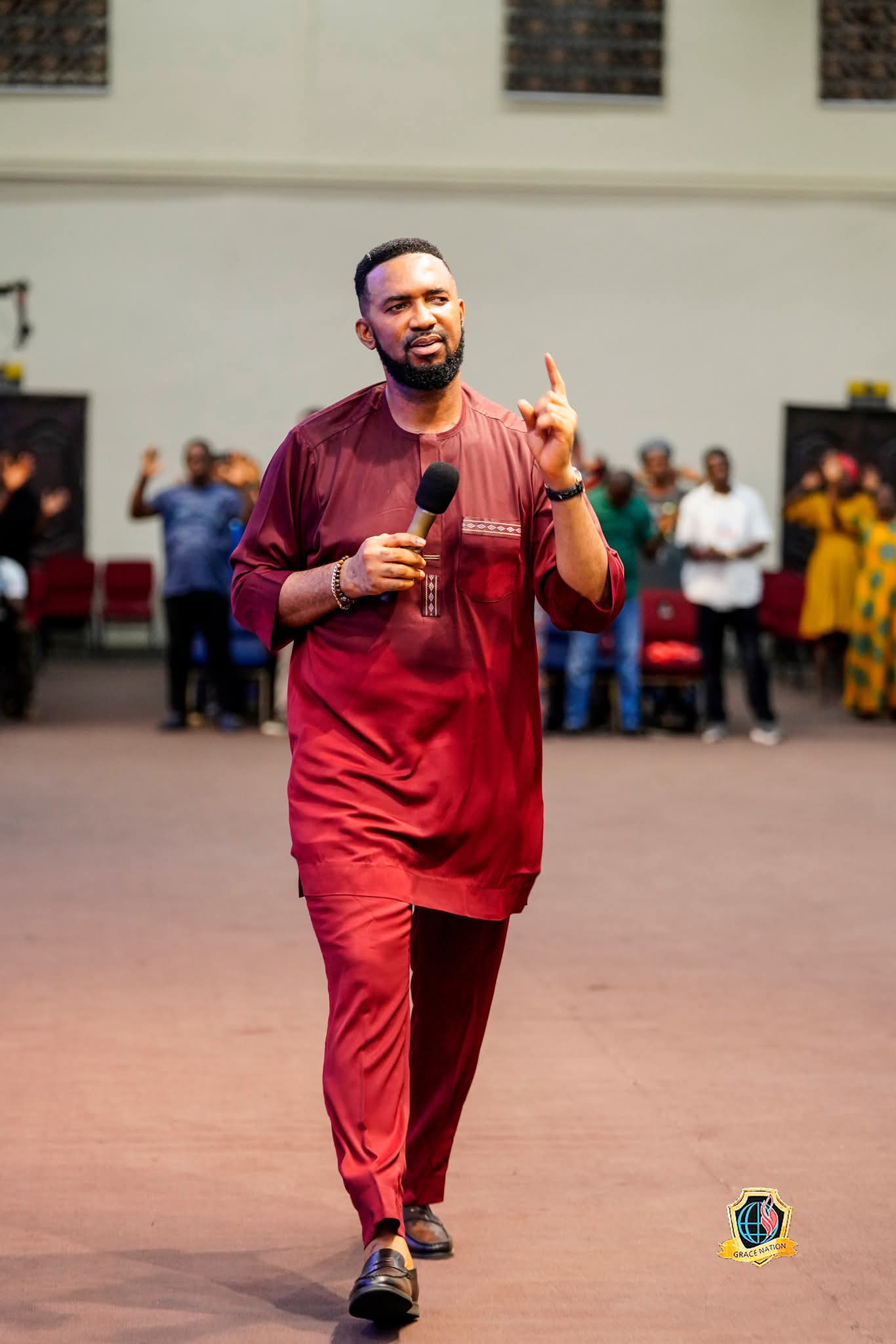
 

it is your preparation for the evil day that determines whether it will consume you or you will come out of it because no amount of Prayers can stop any evil day except you long prepare for it.

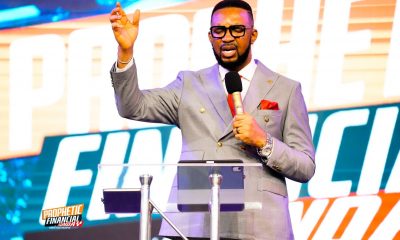
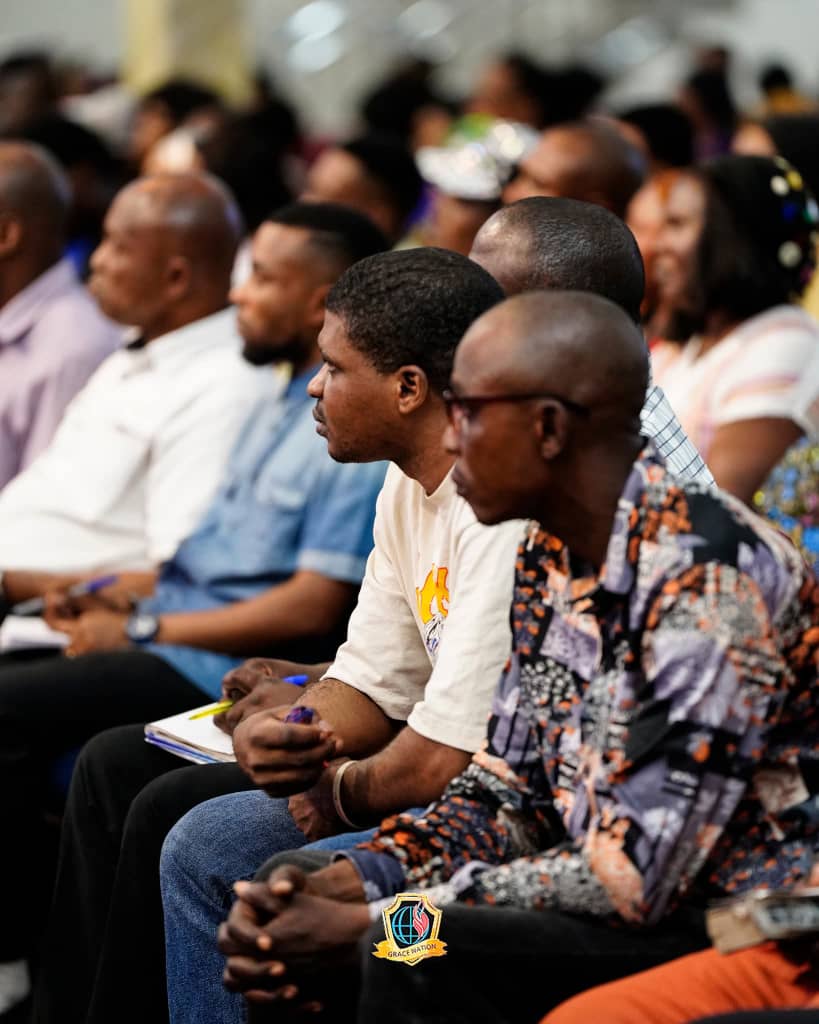
This and more are the point examined by the Generational Prophet and Senior Pastor Grace Nation Global Dr Chris Okafor at the midweek Prophetic, Healing, Deliverance and Solutions service held at the international Headquarters of Grace Nation world-wide in Ojodu Berger Lagos Nigeria.

Teaching on the Topic Understanding Season, The Generational Prophet of God Dr Chris Okafor said battles must come, but immediately you understand the. principles and strategies to be deplored to change the time and season of the evil day, you are a step ahead of the devil and the evil day can be overturn for Good.
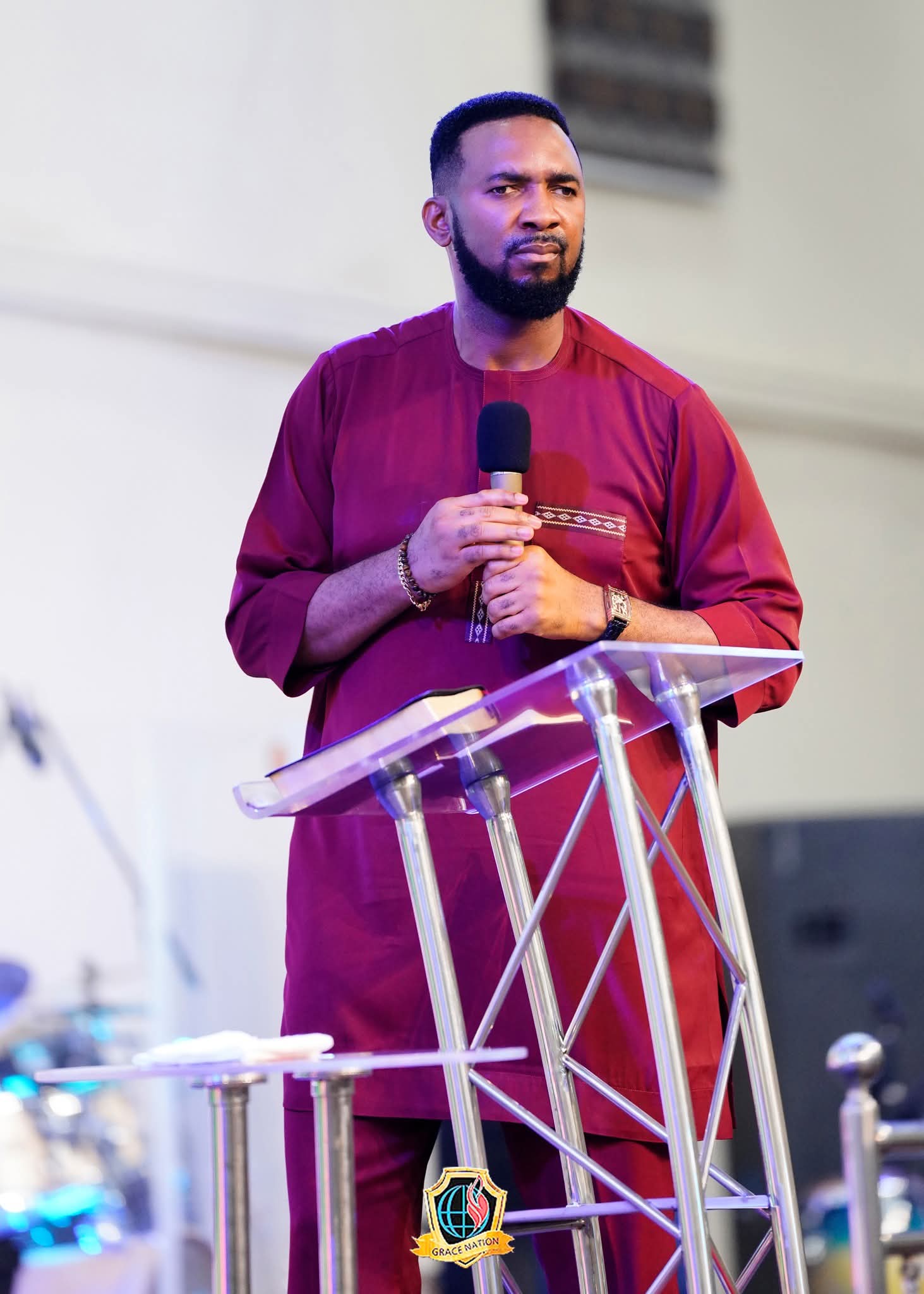
The Man of God said in every situation you are already been made to win battles but your approach determines how you overcome

To Win every evil days you must rise up to the occasion through Prayers, you deplored Elohim to come and intercede on your behalf, God will not just come Except you invite him, it is illegal for God to show up in your case without an official invitation.
No amount of Prayers Can stop Evil Day, Except when you Prepare ahead - Dr Chris Okafor

Understanding Season means understanding how to deploy higher power into your Battles you are facing, Prayers without ceasing is a Prophetic approach to win battles, and in as much as you understand the Principles of season, Evil days become things of the past in your life.

The midweek Prophetic Healing Deliverance and Solutions service was climaxed with special prayer and the mighty hand of God was evidential throughout the service.


 

No amount of Prayers Can stop Evil Day, Except when you Prepare ahead - Dr Chris Okafor

society

OGSTEP Flags Off Final World Bank Implementation Support Mission, Showcases Statewide Gains

Published

on

OGSTEP Flags Off Final World Bank Implementation Support Mission, Showcases Statewide Gains

OGSTEP Flags Off Final World Bank Implementation Support Mission, Showcases Statewide Gains


The Ogun State Economic Transformation Project (OGSTEP) on Monday, December 1, 2025, commenced its 8th and final Implementation Support Mission (ISM), marking a milestone in the state’s reform and development agenda. The opening ceremony, held at Park Inn by Radisson, Abeokuta, convened government officials, the World Bank Task Team, sector experts and implementing agencies to assess achievements and map sustainability strategies.


Declaring the session open, Chairman of the Project Steering Committee, the Chief Economic Adviser to the Governor and Commissioner for Finance, Mr. Dapo Okubadejo, described the event as “a defining moment in our development trajectory.” He noted that OGSTEP, guided by the vision of Governor Prince Dapo Abiodun, CON, has strengthened institutions, expanded economic opportunities, and built a resilient platform for sustainable growth. He highlighted gains across the Business Enabling Environment, Agriculture, and Skills Development components, praising the Governor for providing “the political will and enabling environment that allowed these reforms to take root.”


Also speaking, Chairman of the Project Technical Committee and Commissioner for Budget and Planning, Mr. Olaolu Olabimtan, emphasized that the final mission represents “the culmination of years of collaboration, refinement and progress.” He commended the World Bank for its partnership and the implementing teams for enhancing accountability, strategy, and delivery across all project units.


Project Coordinator Mrs. Mosunmola Owo-Odusi presented a detailed overview of OGSTEP’s impact, noting that farmers who were previously subsistence operators have now evolved into organised cooperative associations with CAC registrations, business plans, and improved market access. “We have witnessed a real shift from peasant farmers to structured, medium-scale agripreneurs able to compete and thrive,” she said. She added that private-sector linkages and post-harvest processing centres have strengthened value chains across the state.


Mrs. Owo-odusi highlighted mechanisation, which increased cultivated land, reduced labour intensity, and enabled farmers to scale operations. Saying that improvements in land administration, including modern survey equipment, GIS structures, and a state-wide CORS network have unlocked land value and enhanced accuracy in surveying, urban planning and development control. “These advances have reshaped Ogun State’s geospatial landscape in ways that will serve generations,” she said.


In skills development, the Project Coordinator noted that technical education and TVET systems have been strengthened through teacher training, rehabilitated institutions, and modernised learning facilities. Ogun State’s results-based training model, she added, “…has now been adopted at the federal level,” validating the state’s leadership in human capital development.


She urged ministries, agencies, and regulators to safeguard the gains, stressing that sustainability depends on maintaining and expanding the systems established.


Mrs. Owo-Odusi also expressed appreciation to Governor Abiodun for his leadership, the Steering and Technical Committees for guidance, MDAs for collaboration, and the World Bank Task Team for its technical support. She commended beneficiary communities (farmers, youth, and women) whose participation made these transformations possible and praised the Project Implementation Unit for its dedication.


In attendance were members of the Project Steering Committee and the Project Technical Committee, including the Honourable Commissioner for Agriculture and Food Security, Mr. Bolu Owotomo, the Permanent Secretary, Ministry of Education, Science and Technology, Mrs. Moriamo Oloko, her counterpart at the Ministry of Women Affairs and Social Development as well directors from various Ministries, Departments and Agencies, highlighting broad institutional support for OGSTEP.


With the mission underway, participants are expected to engage in sector reviews, field assessments, and sustainability planning sessions as OGSTEP prepares for its formal closeout.

OGSTEP Flags Off Final World Bank Implementation Support Mission, Showcases Statewide Gains

Continue Reading

society

Ajadi visits Alaafin, seeks royal blessings for 2027 Oyo governorship bid

Published

on

Ajadi visits Alaafin, seeks royal blessings for 2027 Oyo governorship bid


Ambassador Olufemi Ajadi Oguntoyinbo on Tuesday visited the Alaafin of Oyo, Oba Abimbola Akeem Owoade I, to seek traditional guidance and prayers ahead of the 2027 governorship election in Oyo State.

Ajadi, who arrived at the palace with members of his convoy and political associates, was received by the monarch in a brief ceremony that reflected Oyo’s longstanding tradition of political consultation.

During the visit, Ajadi said the Alaafin’s palace remained a moral reference point for leadership in Yorubaland and noted that his consultation was driven by respect for the throne and its cultural relevance.

“Kabiyesi, no one aspires to lead Oyo State without first seeking royal guidance from the custodian of our heritage,” he said. “As 2027 approaches, I am offering myself for service. I humbly request your prayers, wisdom and fatherly support as I embark on this journey to restore development, unity and prosperity to our people.”

He outlined aspects of his political vision, stating that Oyo required continuity of governance through youth empowerment, technological innovation, industrial expansion and rural development.
Ambassador Olufemi Ajadi Oguntoyinbo, have come to seek your leadership, mentorship and guidance toward my ambition to succeed our leader, Engineer Oluseyi Makinde, and continue the mandate of good governance,” he added.
Ajadi expressed gratitude for the monarch’s counsel, saying, “Kabiyesi, your words are a blessing I will carry with me throughout this journey. If given the mandate, I will lead with fairness, fear of God and an unwavering commitment to development.”

In his response, the Alaafin commended Ajadi for recognising the role of the traditional institution and for adopting dialogue in his political engagements.

“My son, leadership is not by force; it is by responsibility and service,” Oba Owoade said. “If your intention is to lift the people of Oyo State, may the ancestors guide your steps and may God bless your ambition with favour. Go with courage, but with a clean heart. Oyo is a land of honour, and whoever seeks to lead must uphold that honour.”

He also urged political aspirants nationwide to conduct their campaigns peacefully and avoid actions that could undermine unity.
Ajadi expressed gratitude for the monarch’s counsel, saying, “Kabiyesi, your words are a blessing I will carry with me throughout this journey. If given the mandate, I will lead with fairness, fear of God and an unwavering commitment to development.”

In his response, the Alaafin commended Ajadi for recognising the role of the traditional institution and for adopting dialogue in his political engagements.

“My son, leadership is not by force; it is by responsibility and service,” Oba Owoade said. “If your intention is to lift the people of Oyo State, may the ancestors guide your steps and may God bless your ambition with favour. Go with courage, but with a clean heart. Oyo is a land of honour, and whoever seeks to lead must uphold that honour.”

He also urged political aspirants nationwide to conduct their campaigns peacefully and avoid actions that could undermine unity.
“Politics must never be a battlefield. It should be a platform for ideas, development and progress,” he said.

The visit forms part of Ajadi’s ongoing consultations across Oyo State as preparations intensify for the 2027 governorship election.

Continue Reading

society

We Keep Calling on God While We Do Nothing: Prayer Without Pausing for Action Is a Kind of Cowardice

Published

on

We Keep Calling on God While We Do Nothing: Prayer Without Pausing for Action Is a Kind of Cowardice.

By George Omagbemi Sylvester | Published by saharaweeklyng.com


“The tragic cost of outsourcing national duty to heaven while corruption destroys institutions on earth.”

For too long Nigerians have been trapped in a pious loop: Pray, Petition, Post a prayer request, then return to business as usual. Prayer is not the enemy (it has comforted and sustained millions through grief and crisis) but when prayer becomes the substitute for responsibility, it is not FAITH, it is ABDICATION. A nation that kneels every morning yet allows its hospitals to run out of basic supplies, its youths to sit idle, its farmlands to be washed away by floods or seized by violence, cannot plausibly claim divine protection while it reflexively refuses the hard, mundane labour that secures the common good. Faith without works is hollow; petitions without policy are theater; supplication without sacrifice is moral window-dressing.


The facts that confront Nigeria demand more than incense and hashtags. Since 2018–19 an estimated tens of millions more Nigerians have been pushed into extreme poverty; recent World Bank analyses show the share of Nigerians in extreme poverty increased substantially in the aftermath of multiple shocks (economic, climate and security) reversing prior gains and leaving nearly half of Nigerians living at or below poverty lines in the most recent assessments. This is a national emergency that cannot be excused by piety.

Consider the everyday metrics of national life. Official labour surveys and analyses reveal a labour market riddled with underemployment and precarious work even when headline unemployment figures appear low or inconsistent due to methodological changes. In 2024 the National labour survey recorded unemployment upticks and youth joblessness that mask a deeper reality: millions eke out an existence on tiny, irregular incomes in the informal economy, with very few pathways to dignified, stable employment. When citizens face chronic insecurity, inflationary shocks and mass displacement, the impulse to pray is understandable, but the cure is not a prayer meeting, it is organized civic effort, systemic reform and sustained public pressure.

Security and displacement expose how prayer without practical response becomes a moral sleight of hand. In 2024 Nigeria hosted millions of internally displaced people fleeing insurgency, banditry and communal violence; families were uprooted, entire communities rendered vulnerable and dependent on intermittent humanitarian relief. Meanwhile, climate shocks (catastrophic floods in recent seasons) destroyed crops and livelihoods for millions more. These are problems that require government planning, investment in resilient infrastructure, accountable security policy and an energized citizenry that demands these things and not just petitions. When citizens believe their role is only to pray, they allow corruption, negligence and incompetence to calcify into institutions.

Corruption and impunity are not neutral bystanders; they are active enablers of national decline. Nigeria’s position in global indices of public-sector integrity remains troubling: persistent low scores and middling ranks in anti-corruption indexes reflect weak institutions and a culture of impunity that feeds mismanagement and theft of public resources. The moral language of prayer becomes particularly hollow when public funds meant for schools, hospitals and roads are diverted or squandered and yet too often the response from ordinary citizens is another round of spiritual ritual, not a mobilized demand for transparency, accountability and justice.

To be clear: THIS IS NOT AN ATTACK ON FAITH. It is a call to reconcile belief with belonging. The great Nigerian voices of conscience have long insisted that silence is not innocence. Wole Soyinka warned that “the man dies in all who keep silent in the face of tyranny” a line that speaks directly to our time: a nation that shrinks from collective action is a nation that dies a little each day. Chimamanda Ngozi Adichie reminds us that “people make culture,” which means the ideas and habits that have allowed our civic life to atrophy are changeable, but only if we stop excusing inaction with devotion and start building new habits of responsibility and protest.

What does responsible citizenship look like in practice? It begins with the mundane but essential acts that sustain civic life: registering to vote and voting smartly; holding elected officials to account through sustained oversight and constituency pressure; joining or founding community organizations that repair roads, mentor youth and deliver local health and education services when the state fails; supporting independent media that uncovers mismanagement; and refusing to normalise impunity by demanding transparent procurement, audits and prosecutions when corruption is exposed. It is not about abandoning spiritual life, it is about demanding that our faith translate into ethical behaviour, public service and sacrifice. When congregations demand improved local schools or insist a community health clinic be properly staffed, that is devotion translated into duty.

Leadership matters; and leadership can be exercised without waiting for official sanction. Across Nigeria’s history, ordinary citizens have risen to extraordinary challenges by organizing cooperatives, vigilante groups (subject to rule of law), community security watches and grassroots advocacy movements. But those efforts must be anchored to law and human rights, not to vigilantism or sectarian reprisals. A Christian, Muslim, or traditional leader who prays on Sunday or Friday and on Monday tolerates vote-buying, contractor fraud, or the denial of basic services is not virtuous, they are complicit. Faith communities should be incubators for civic courage: places where moral conviction is channeled into civic projects, electoral integrity campaigns and social accountability.

Practical reform requires three simultaneous strands: INSTITUTIONAL REFORM, SOCIAL MOBILISATION and ETHICAL RENEWAL. Institutionally, Nigerians require robust public financial management, independent anti-corruption agencies with real teeth, reliable social safety nets, and a justice system that functions impartially. Social mobilisation requires sustained civic education, professionalized civil society and cross-cutting coalitions that put pressure on elites. Ethical renewal (the most intimate and hardest) calls for a cultural shift where excuses like “WE PRAYED ABOUT IT” are recognised for what they are: a way to avoid the costs of change. Scholarly and policy voices across Nigeria and the world have shown that poverty, insecurity and poor governance are solvable when there is political will, coherent policy and an organised public that refuses complacency.

Finally, let us be blunt: God does not answer for our laziness. Many clergy and faith teachers affirm that prayer is strengthened, not replaced, by action. Prayer without effort is not piety; it is a convenience that comforts those unwilling to risk for the common good. We cannot pray our way out of BROKEN SYSTEMS if we will not also build the ladders of reform, accountability and civic solidarity that allow others to climb. The test of our faith will not be how fervently we pray when the lights go out; the test will be whether we volunteer at the nearest clinic, stand up for a neighbour who was cheated by a contractor, attend a town-hall meeting, vote with conscience, or help a displaced family replant their crops.

Nigeria’s future will be forged by citizens who combine prayer with persistence, lament with labor and devotion with duty. If we continue to outsource our responsibilities to the heavens while allowing our public institutions to wither, we will deserve whatever fate befalls us. But if we recover the courage to act (to ORGANIZE, DEMAND, REFORM and SERVE) then our prayers will be accompanied by the kind of work that makes blessings plausible. As Wole Soyinka and a long lineage of Nigerian thinkers insist: silence in the face of tyranny is death. Let us stop dying on our knees and start living in the daring posture of responsible citizenship.


We Keep Calling on God While We Do Nothing: Prayer Without Pausing for Action Is a Kind of Cowardice.
By George Omagbemi Sylvester | Published by saharaweeklyng.com

Continue Reading

Cover Of The Week

Trending