
society
Airspace, Arrogance and Anarchy: Why Burkina Faso’s Seizure of a NAFc C-130 and 11 Nigerian Servicemen Threatens Regional Order

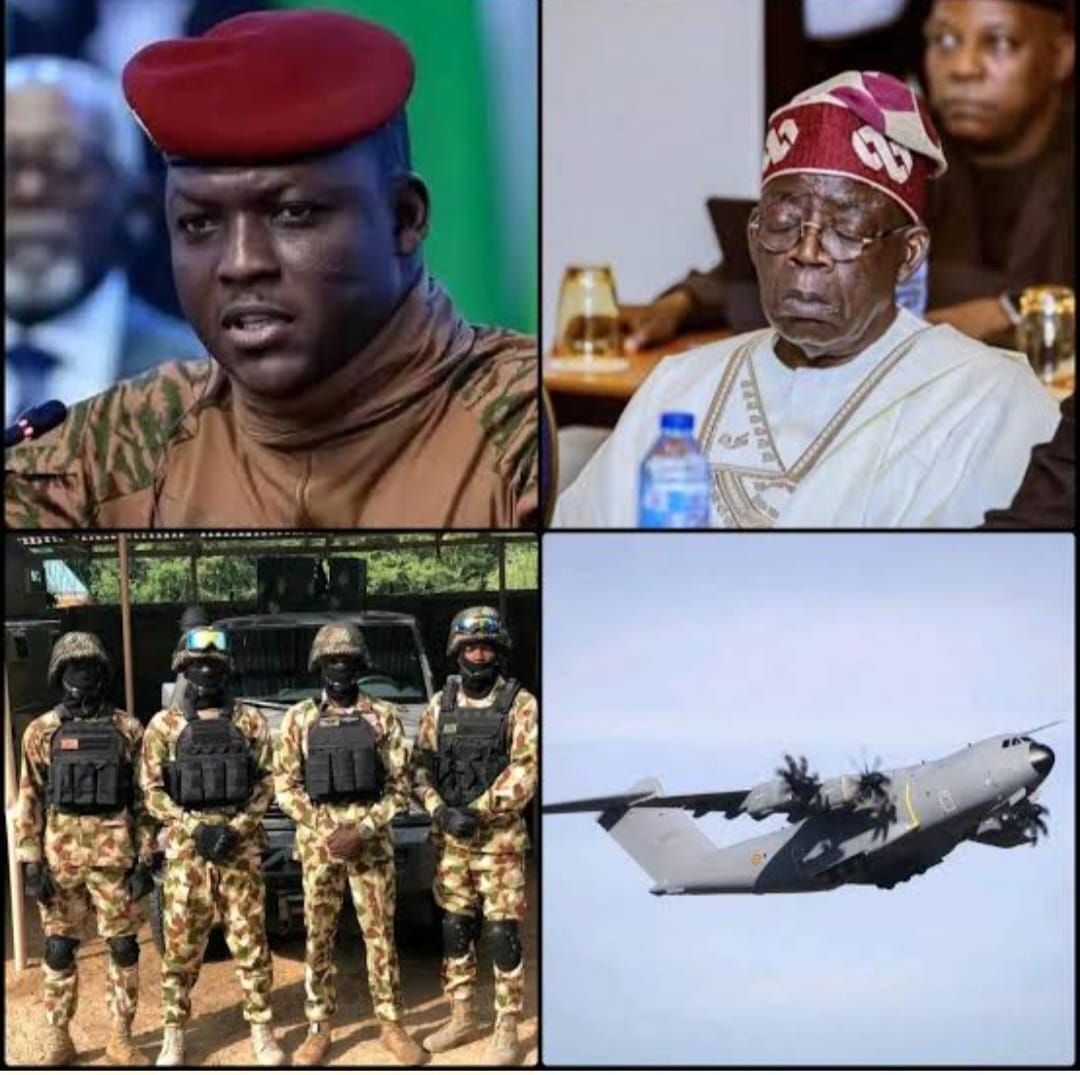
Airspace, Arrogance and Anarchy: Why Burkina Faso’s Seizure of a NAFc C-130 and 11 Nigerian Servicemen Threatens Regional Order.
By George Omagbemi Sylvester | Published by saharaweeklyng.com
“How an “UNAUTHORISED” emergency landing in Bobo-Dioulasso exposed the fracture between the Alliance of Sahel States and ECOWAS — and why legal norms, diplomacy and cool heads must prevail.”
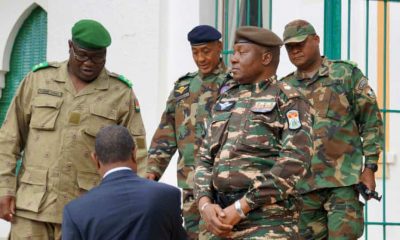
On 8 December 2025 a routine ferry flight by a Nigerian Air Force C-130 turned overnight into one of West Africa’s most dangerous diplomatic dramas. What Nigerian authorities describe as a precautionary, technical landing in Bobo-Dioulasso was treated by Burkina Faso and its Sahel partners as an airspace violation. Eleven Nigerian military personnel were detained and the aircraft impounded whereby a flashpoint in an already fractured regional landscape. The fallout since has been swift, ugly and instructive.
This is not a story about a single aircraft. It is a story about sovereignty, competing regional blocs, the fragility of international aviation law under political strain and the damage that escalatory language can do when armed governments face one another across a thin skin of protocol and precedent.
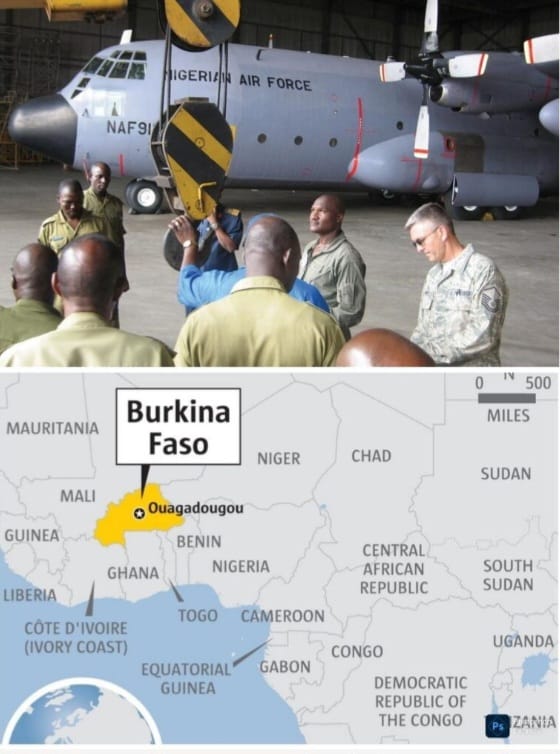
The facts (what we can establish reliably). Nigerian accounts say the C-130 was en route on a ferry mission to Portugal when a “TECHNICAL CONCERN” forced a precautionary landing in Bobo-Dioulasso; Nigeria’s Air Force insists crew and passengers were safe and that normal aviation procedures were followed. Burkina Faso’s ruling military authorities though speaking through the Alliance of Sahel States (AES) – say the aircraft entered Burkinabé airspace without prior authorisation and described the incident as an “UNFRIENDLY ACT.” The Alliance warned that in future it would neutralise unauthorised aircraft. Sahara reporters and the Nigerian media have all reported these competing claims.
Why this incident matters beyond the immediate headlines. Sovereignty and the primacy of airspace control. Under the Chicago Convention and customary international practice every State enjoys complete and exclusive sovereignty over the airspace above its territory. States may (and do) take defensive measures when they believe their airspace has been violated. Though that rule coexists with another clear principle: emergency landings for safety are an accepted feature of civil-military aviation and normally trigger established communications, escorts or diplomatic notifications though not seizing and publicly humiliating crew. The collision of these two principles creates a dangerous grey zone.
AES vs ECOWAS: a geopolitical schism. The seizure cannot be divorced from the political context: Burkina Faso, Mali and Niger have broken with the Economic Community of West African States (ECOWAS) and formed the Alliance of Sahel States (AES). That split has hardened narratives of hostility between the two blocs. Recent Nigerian involvement in neighbouring crises (including air operations connected to events in Benin) has heightened AES suspicions about Nigerian military activity in the region. This is not merely a diplomatic spat; it is the manifestation of two competing systems for regional order. Analysts at the Institute for Security Studies have warned that “stability in West Africa requires that both organisations take pragmatic and flexible approaches.” That warning has never been more urgent.

The risks of escalation. When a military junta pronounces it will “NEUTRALISE” unauthorised aircraft, that is not mere rhetoric but it is a doctrine that invites miscalculation. Intercepting or firing on a military transport (even one allegedly in breach of airspace rules) could produce casualties, retaliation, wider interstate military posturing, or a tit-for-tat pattern that drags neighbouring states into open confrontation. The incident exposed how quickly regional norms can be weaponised.
Where the Nigerian government stands (and why diplomacy must lead). The Federal Government opened diplomatic channels immediately after the incident. Abuja insists the landing was precautionary and says its crew were treated humanely; the Nigerian Air Force publicly denied a deliberate airspace violation and described the landing as an emergency measure. At the same time, Nigeria cannot treat the episode as simply an operational mishap: it is a diplomatic crisis that requires urgent, senior-level engagement to avoid further deterioration. Reports confirm that Abuja has moved to raise the matter through its foreign ministry and through regional interlocutors.
Voices and warnings from the region and experts
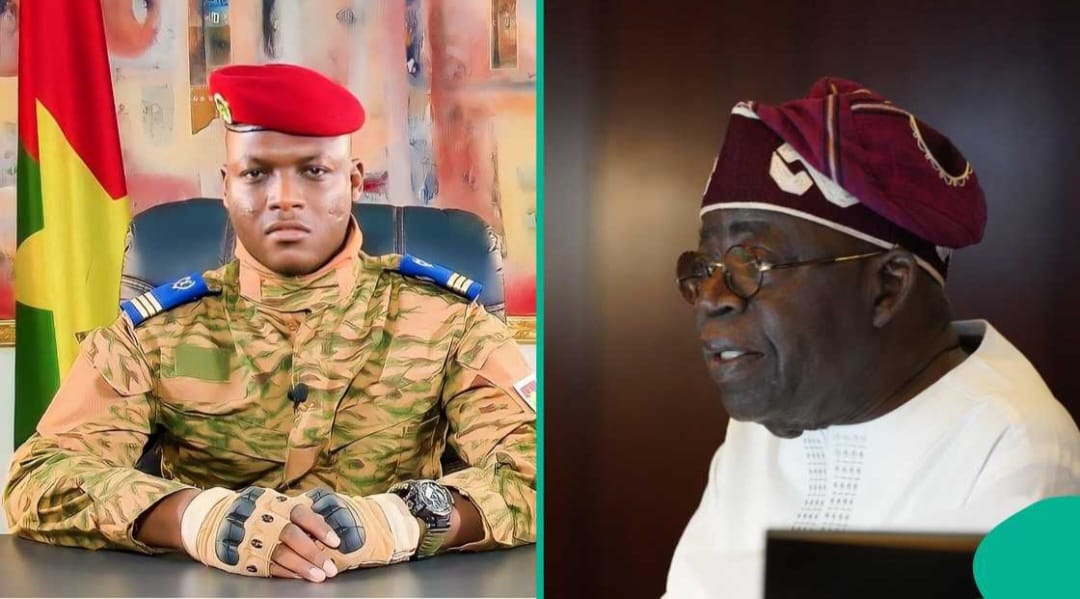
(Assimi Goïta, the Malian figurehead of the AES, publicly called the incident an “UNFRIENDLY ACT” and directed AES partners to treat unauthorised incursions firmly) language that underscores how seriously the alliance regards perceived threats. That tone, while politically resonant within AES constituencies, is dangerous in interstate practice because it narrows the margin for de-escalation.
– On the other side, the Nigerian Air Force’s spokesman, Air Commodore Ehimen Ejodame, categorically described the landing as a precautionary move due to technical concern; Abuja’s account stresses standard aviation safety obligations and seeks to frame the episode as a non-hostile emergency landing. That competing narrative, unresolvably opposed in public, fuels popular outrage on both sides.
– Regional analysts Djiby Sow and Hassane Koné of the ISS have cautioned that “stability in West Africa requires that both organisations take pragmatic and flexible approaches,” an apt reminder that durable security cannot be built on unilateral muscle or provocative signalling. Their analysis points to the deeper structural problem: two rival regional orders with overlapping geographies and incompatible political projects.
Legal notes for what international law allows and forbids:
International aviation law recognises both the sovereignty of states over their airspace and the necessity of emergency landings for safety. There is precedent for interception and diversion in bona fide security scenarios, but the law expects proportionality, communication and diplomatic resolution, but not detention and seizure as a first response. States that callously or reflexively detain foreign crews after emergency landings risk breaching obligations of humane treatment and peaceful dispute settlement. In practice, the legal rules require interpretation through a prism of good faith and common sense.
Recommendations and how to prevent this episode from becoming a catastrophe:
Immediate, senior diplomatic engagement. Nigeria must pursue quiet, high-level talks with Burkina Faso mediated by neutral ECOWAS or AU envoys to secure the immediate release of any property still impounded and to establish transparent facts. Public posturing should be replaced by private negotiation.
An independent fact-finding and technical review. Aviation experts (ICAO-compatible) should be given access to the aircraft and records to determine whether the landing was an unavoidable emergency or avoidable deviation. A neutral technical finding would deprive propagandists of oxygen.
Confidence-building measures between AES and ECOWAS. The two blocs must restore minimum channels for incident management: hotlines, agreed protocols for overflight and emergency landing, and mutually accepted procedures for military aircraft transiting neighbouring states. The alternative is a drift into permanent suspicion and frequent crises.
A public narrative of restraint. Leaders must avoid escalationist language. Warnings about “neutralising” airborne platforms are inflammatory and unnecessary when diplomacy and technical verification remain available.
Endnote; the test of leadership. This episode is a test. It tests Nigeria’s capacity for sober diplomacy; it tests Burkina Faso’s willingness to separate security concerns from showmanship; it tests the region’s ability to manage rival blocs without sliding into armed confrontation. If handled well, the incident can be contained and even used as a spur to create robust incident-management mechanisms. If mishandled, it could set a precedent for a dangerous new normal: where emergency landings become pretexts for seizure, and interstate suspicion becomes a constant driver of instability.
In the end, airplanes are not the only things that fly — words and consequences do too. The courageous, responsible thing now is restraint, verification and a deliberate commitment to dialogue. Anything less will turn an avoidable emergency into a preventable tragedy.






NAWOJ: SEKINAT, CHARITY GETS VOTE OF CONFIDENCE
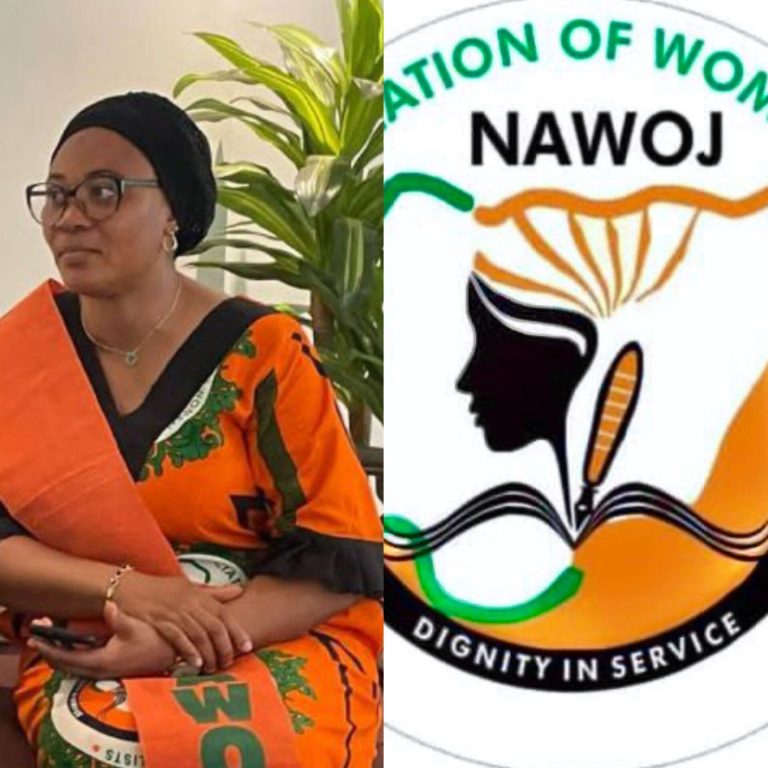
The Nigeria Association of Women Journalists,(NAWOJ), Ogun State Chapter Executives has unanimously passed a vote of confidence on Chairman NAWOJ SEKINAT Salam and the Financial Secretary, Charity James, saying that, their leadership reflect the ideal and objectives of NAWOJ.
This was revealed in a communique issued at an Emergency meeting of the Executive held at the NUJ State Council, Iwe-Iroyin in Abeokuta.
The vote of confidence on the Leadership of NAWOJ was unanimously signed by all the five executive members that attended the meeting with the vice chairperson taking apology for official engagement outside the state capital.
According to the communique ” Consequently, NAWOJ Ogun State Chapter, reaffirms it’s unwavering support and confidence in the Chairperson and the Financial Secretary, Sekinat Salam and Charity James respectively, Urge them to continue in their commitment to purposeful leadership in the best interest of the association and the society at large”.
Speaking briefly with Journalists after the emergency Executive meeting, the Chairperson, Nigeria Association of Woman Journalists (NAWOJ), Com. Sekinat Salam, said the meeting was necessary as the news of her suspension was laughable and insulting because it is like a pot calling a kettle black in this case, saying that the Leadership of the State Council, Com. Wale Olanrewaju has no local standing to suspend her or any executive member, even he cannot be a judge in his own case.
According to her” The Leadership of the Nigeria Union of Journalists, Ogun State led by Wale Olanrewaju has always been misusing power without recourse to the constitution of this noble Union, hence has no local standing to suspend me or any executive member “.
She said only the Central Working Committee (CWC) has the constitutional rights to sanction or suspend any members found wanting after due process has been followed.
While calling on members to stay calm, Com. Sekinat Salam assured members of positive representation of NAWOJ at both the State and National level, adding the success recorded under her administration cannot be overemphasized.
She therefore called on the National leadership of NUJ to critically look into the matter, either by setting up independent committee to investigate the issues and resolve the matter as quickly as possible.
Adron Homes Chairman Congratulates Oyo State on 50 Years of Progress
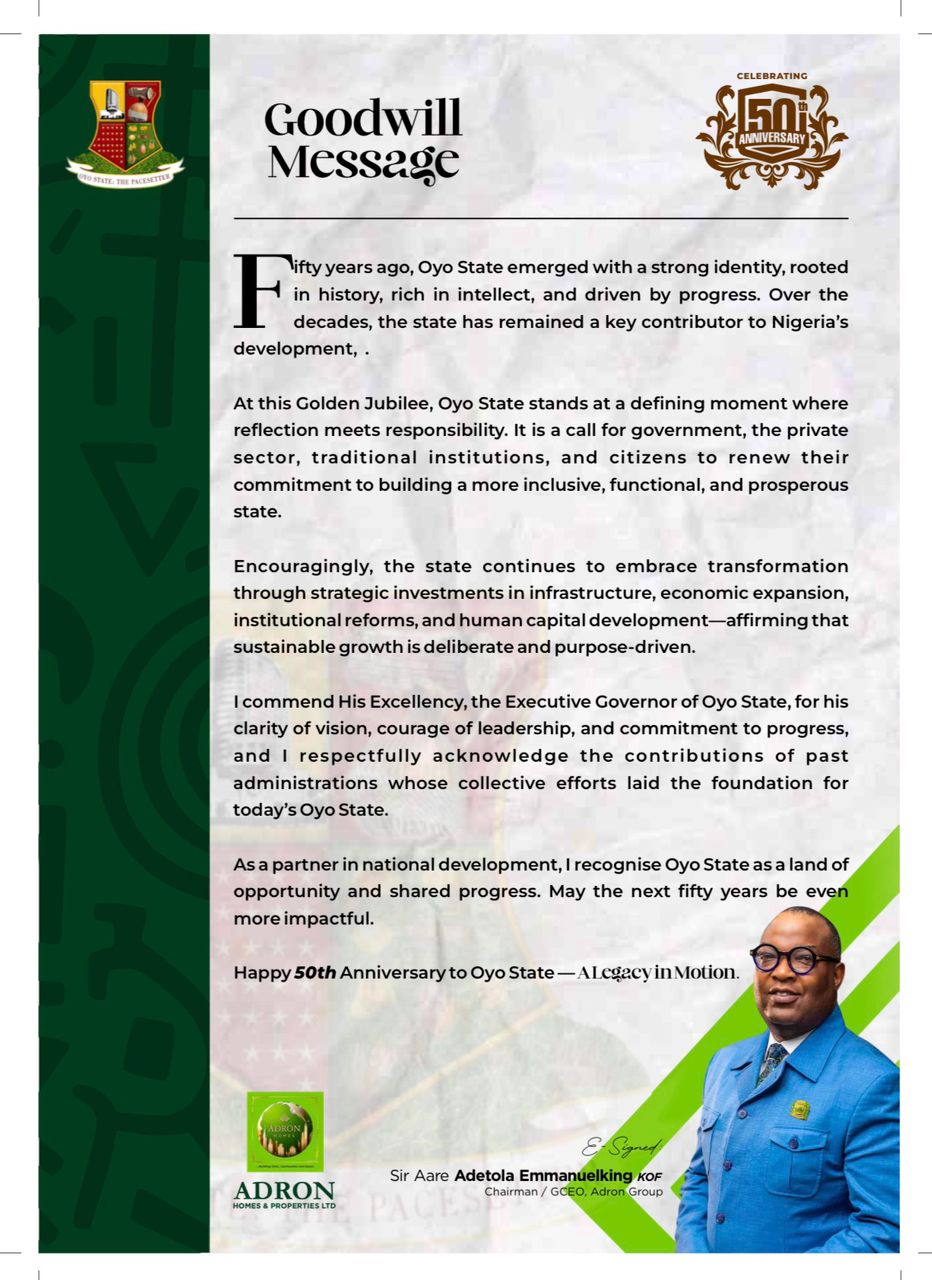
The Chairman and Chief Executive Officer of Adron Homes and Properties Limited, Aare Adetola Emmanuelking, has congratulated the Government and people of Oyo State as the state marks its 50th anniversary, describing the occasion as a celebration of resilience, cultural pride, and sustained progress.
He noted that since its creation, Oyo State has remained a strong contributor to Nigeria’s socio-economic and cultural development, emerging as a hub of commerce, education, and innovation.
According to him, the Golden Jubilee offers a moment for reflection and renewed commitment by government, private sector players, traditional institutions, and citizens toward building a more inclusive and prosperous state.
Aare Emmanuelking commended the state’s ongoing transformation through investments in infrastructure, economic expansion, and human capital development, adding that sustainable growth is deliberate and must remain purpose-driven.
He also praised the leadership of the current administration while acknowledging the contributions of past leaders whose efforts laid the foundation for today’s Oyo State.
Reaffirming Adron Homes’ commitment to national development, he described Oyo State as a land of opportunity. He wished the state continued peace and prosperity, expressing confidence that the next fifty years will bring even greater achievements for the Pace Setter State and its people.
TY BURATAI HUMANITY CARE FOUNDATION CONDOLES WITH BIU EMIRATE OVER TRAGIC ATTACK
In a profound expression of sorrow, the TY Buratai Humanity Care Foundation has extended its heartfelt condolences to the families of the victims and the entire people of Biu Emirate, Borno State, following the recent tragic attack attributed to Boko Haram. This devastating assault, which occurred at a work site in northeastern Nigeria, claimed the lives of dozens, including brave soldiers committed to protecting the nation.
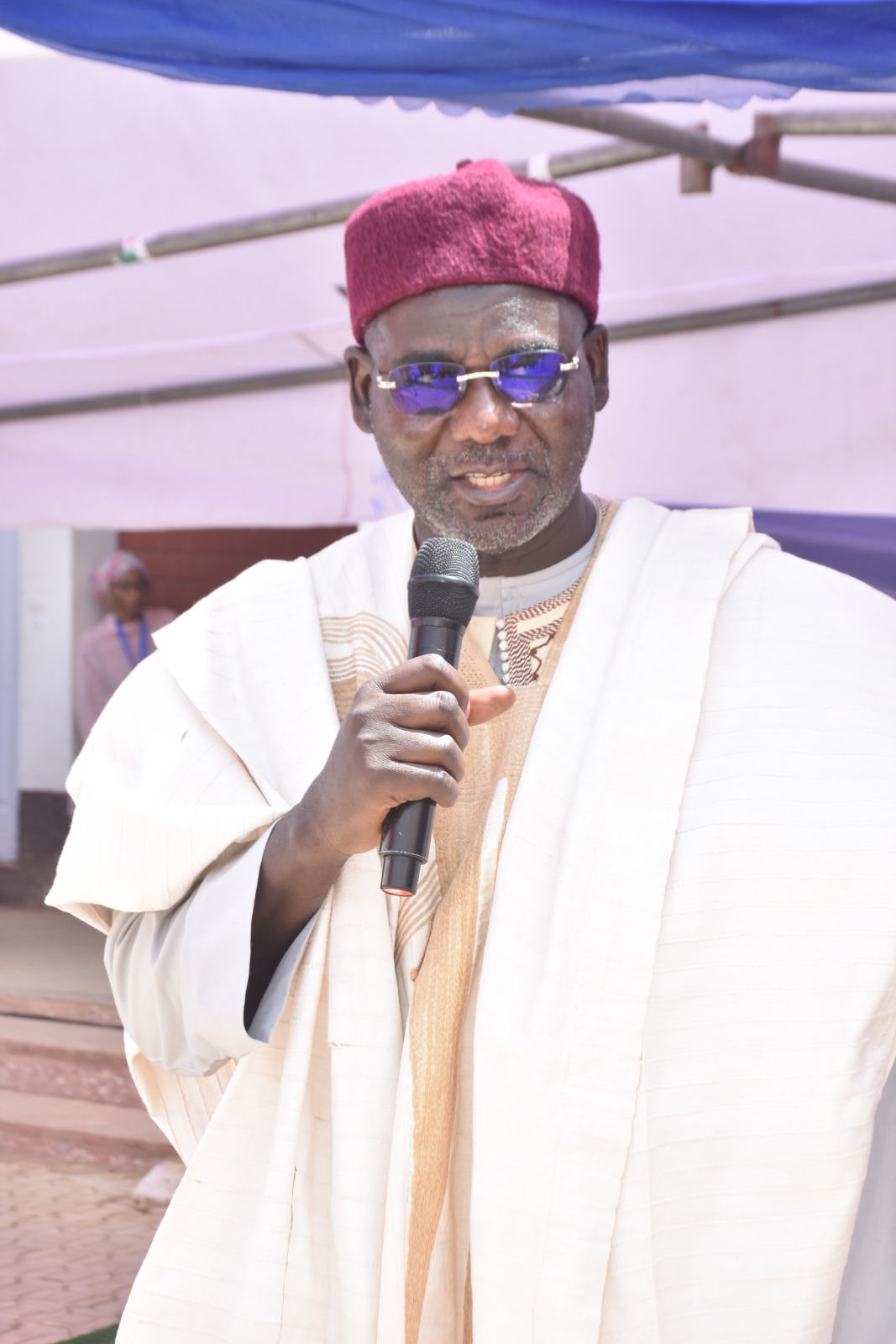
In a statement released to the press and signed by the Chairman of the foundation, Ibrahim Dahiru Danfulani Sadaukin Garkuwan Keffi/Betara Biu, the Grand Patron of the Foundation, His Excellency Amb. Lt. Gen. Tukur Yusufu Buratai CFR (Rtd), former Chief of Army Staff, described the incident as “one too many senseless, barbaric, and ruthless displays of inhumanity.” His Excellency emphasized the heartbreaking impact of such attacks on innocent, hardworking citizens striving to make a positive difference in their communities.
The Grand Patron praised the swift and decisive response of military personnel during this critical time, underscoring their brave commitment to safeguarding the nation. He called upon them to maintain this momentum, commending their courage and sacrifice in the face of adversity. “May Almighty Allah forgive their souls and grant them Aljannah Firdouse,” he remarked, encouraging the nation to honor their spirit of sacrifice as they rally together to rebuild and restore hope across the region.
In his statement, Gen. Buratai highlighted the importance of collective action in overcoming the challenges posed by insecurity, urging concerned citizens to increase their efforts in fostering a virile community that future generations can cherish. “Together, we can surmount these troubles,” he asserted, calling on all patriotic leaders and citizens to unite in the fight against violence and insecurity.

The TY Buratai Humanity Care Foundation remains committed to supporting initiatives that promote peace, security, unity, and prosperity. As the foundation extends its condolences to the bereaved, it also calls upon all segments of society to collaborate in creating a better and safer future. May Allah guide and protect the nation and lead it toward enduring peace. Amen.


-

 celebrity radar - gossips6 months ago
Why Babangida’s Hilltop Home Became Nigeria’s Political “Mecca”
-

 society6 months ago
Power is a Loan, Not a Possession: The Sacred Duty of Planting People
-

 Business6 months ago
Batsumi Travel CEO Lisa Sebogodi Wins Prestigious Africa Travel 100 Women Award
-

 news6 months ago
THE APPOINTMENT OF WASIU AYINDE BY THE FEDERAL GOVERNMENT AS AN AMBASSADOR SOUNDS EMBARRASSING