
Business
” My mission In Nigeria”- US based Architect Akin Akinyemi


Mr Akin S Akinyemi may not ring a bell in Nigeria political cycle, but he does back in the united state where he has been residing for more than two decades. In a chat with Sahara weekly, he informed us on why he is back to Nigeria and other sundry issue.
Can we meet you?
My name is Akin Akinyemi ,I am an Architect. I attended the University of Lagos before I moved to America for my graduate studies and of course I got married. Then I decided to stay there and practice. But my heart has always been back home (Nigeria). Every now and then, I come home on a mission to accomplish some goals and go back.
When did you relocate to the states?
When I was 21 years old, I have been in the state for 31years, but I come home more often for humanitarian project.
No doubt you came from a privilege background tell us about your family?
One thing with me and what my dad taught me is that I see all human beings as the same, I never consider myself privilege, I will rather use the word comfortable ,I grow up in Ebuta meta. we were well known; am lucky to have a supporting family while growing up.
Are your parents still alive?
My father died a long time ago when I was just seventeen years old and my mum died January this year.
What exactly do you do in America?
I Am an architect by profession, I work in a very big firm in Atlanta for four years. After my higher degree
I started my own business in the states which was rear at that time; I have been doing it for over twenty five years. Then I went into politics, I was the first elected African to a local government in the states. It’s really a blessing to be able to do those things. What am going to talk about is my current mission, while am at home (Nigeria) this time. Right now I am teaching and also doing my doctorate degree in urban planning, the main reason while am doing that is because I have a vision in Nigeria.
I will show it to you; I have been working on it for seven years, I have met with officials here, I have presented the ideals, but you often find out that academic research is a gateway to solve another
Problem and so when I talk and write, am doing an index study.
What is your mission in Nigeria?
Am on a quest to improve Nigeria, and there are many ways to improve a country and a community; there are medical need, agricultural need etc but as for me, am focusing on my area of discipline which is Architecture, planning and building the environment. When I met with a lot of senior government officials and corporate leaders, one of the points they have with it is the fact that it’s a government job to do those things which am proposing that people should do for themselves, and why I did not disagree with them is that, the government collect revenue and taxes they need to use it wisely, and at the same time we cannot continue to wallow and suffer. We all know the condition of some Nigeria roads. We know the environmental issue with the gutter system. Why we will continue to tell the government to play their part, we also should play ours too. Thus, what am trying to do is to get people together to form an association and then approach their government and say look, this is deplorable, we can raise some money and help to improve this condition. We just need their authorization to do that and maybe give them little token of maybe 10 percent of the cost. That’s all and then each community will have their own different approach raising the money. I have a very unique one that I will unravel with time but I felt that is do able, its controversial, its not easy but people can really do it to raise money. And again you won’t want to impose your own ideal on people even if it were a great ideal. So what am going to do is to do a research to see how people will feel by this type of thing.
What really prompted you to come up with this initiative?
The environmental hazards, unnecessary challenges and stress, unbearable atmosphere, bad roads and difficulty in locating places easily, among other challenges of our geographical settings, places or streets people encounter on daily basis, spurred me to make a research in providing a solution. Though it is the government’s responsibility, we should not fold our arms if the government is not forthcoming, but rather look for an alternative. A lot of streets and places have suffered setbacks because of absolute neglect and lack of maintenance. The interesting thing is that it doesn’t take much to make a transformation; only the will to say ‘yes we can’.
My life is testimony to that, because as a Nigerian, going abroad to establish a business; the first and only African-American minority business in North Florida and also to run for a public office in the U.S appeared impossible. But they happened. I don’t think there is a limitation to what we can do if the will is in place.
Nigeria has encountered series of challenges through environmental hazards, building dilapidation and bad roads. How will this initiative contribute to the solution of these major problems?
I am familiar with these challenges and what I discovered is that many things are missing, especially in building construction. A cement block is supposed to have the strength to carry about five-storey building, but because the quality has been diluted and there is no regulation to ensure standard, this led to the increase in building dilapidation. It is time we improved on our quality control so as to avoid further accidents. More so, there are other materials such as efun, which is also good for building constructions. This is on our shores in this country. Efun is what is used to make shield rock in the U.S. I just came from Ghana; it’s used over there but we don’t feel like using it here. In fact, this will also minimise the cost of constructions. The initiative is not based on building alone, but my diverse knowledge could proffer solutions to this too. Nigerians needs to improve on our environment, because it tells a lot about us, especially on our health and the way we are perceived. This initiative is based on how to ensure every nook and cranny look good, neat and accessible through a collective effort in improving the quality of life without any constraints.
As a politician, how do perceive the Nigerian politics, especially with the new government?
I am so proud of Nigerian politics, though it is not perfect. Politics is not perfect in the U.S. too. I was growing up here in the 70s when our first democracy was overthrown. Our military also did a good job, even when Muritala Muhammad was assassinated. It is a welcome development that we eventually sustained our democracy till now. The political system in Nigeria is encouraging compared to other countries where one party dominates. For the first time in the history of Nigeria, we had a change of government from one political party to another. But people don’t understand how huge that maturity is when it comes to a democratic society.
How soon are you kicking off?
Like I said I have no time table for the actual project till when am done with the research in few months.
No doubt you will want to benefit from it?
Absolutely, even I personally will be proud to say I made things happen in a positive way for Nigeria; my services will be highly rewarded.
This project you are about to embark on is it a team work or just you?
Right now it is my brain child but it’s going to be run by a citizen board, each community will form an association.
Which political party do you belong to in the states?
I am a democrat.




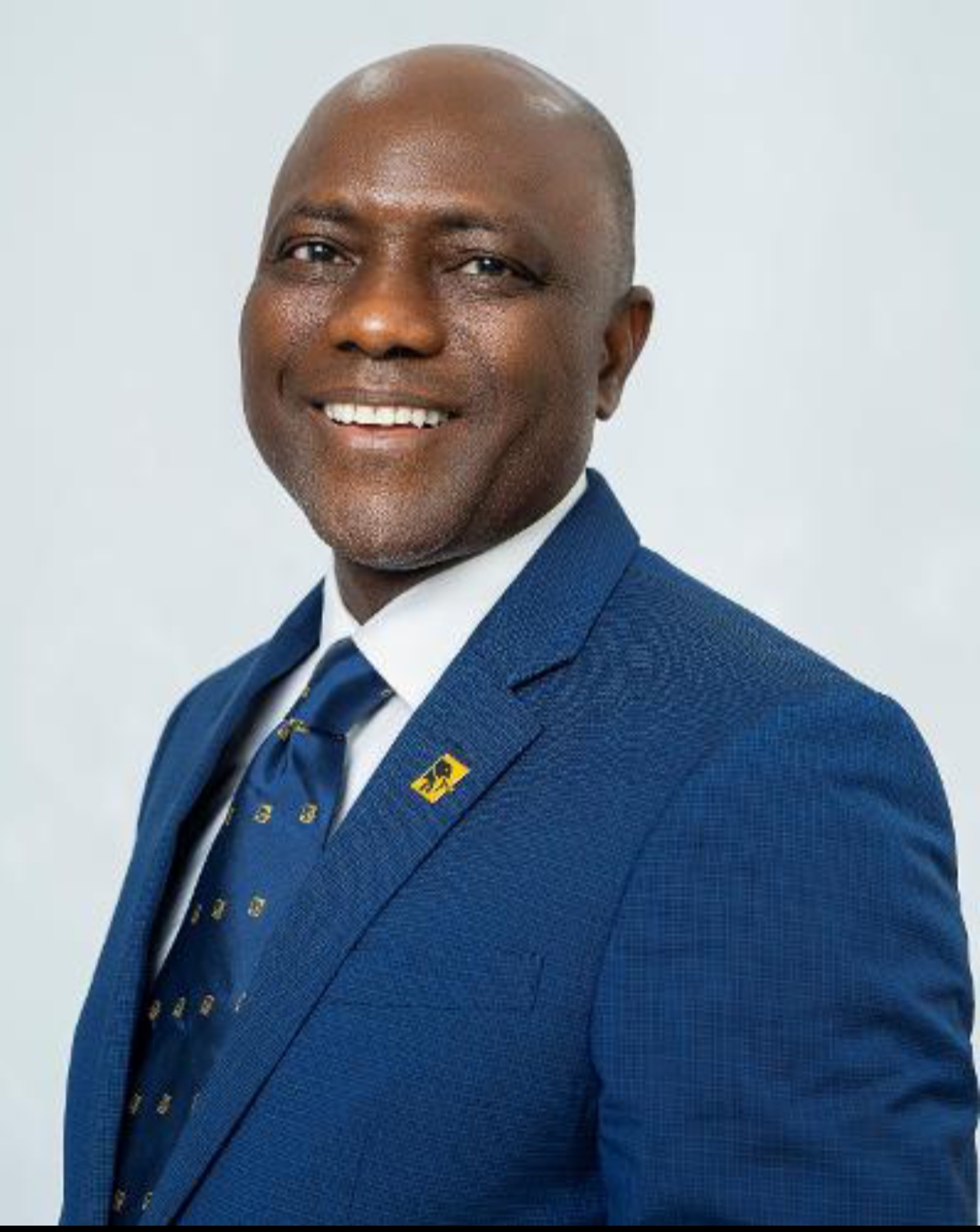
FirstBank Partners Ekiti State Government on Launch of Innovation Enterprise Support Fund
Lagos, 10 April 2025 – FirstBank, West Africa’s premier financial institution and the leading financial inclusion service provider, is proud to announce its partnership with the Ekiti State Government in launching the Innovation Enterprise Support Fund, a groundbreaking initiative designed to empower startups, scale tech-enabled businesses, and accelerate innovation-driven economic growth across the state.
The programme provides funding, mentorship, and market access to high-potential enterprises, with a focus on strengthening Ekiti’s innovation ecosystem, creating jobs, and supporting youth, women, and underserved communities. Notably, at least 40 percent of the fund has been reserved for female-led enterprises.
The Innovation Enterprise Support Fund Initiative is structured as a three-phase programme covering ideation, pre-acceleration, and acceleration for about 60 startups. Each enterprise will receive financial support ranging from ₦150,000 to ₦1,200,000, enabling job creation, revenue generation, and market-ready product launches.
Speaking on the partnership, the Managing Director/Chief Executive Officer, FirstBank Group, Olusegun Alebiosu, said “Entrepreneurship and Innovation are two of our core values at FirstBank. We believe MSMEs are enablers of economic growth and for 132 years, we have stood beside Nigerian businesses through every phase of growth, transition and transformation. We have remained committed to building stronger business through improved access to finance and capacity building; we created the SME Connect Platform to serve as a digital hub where Nigerian entrepreneurs find the resources to move from vision to value. We are excited about this partnership, and we see more than startups. We see future industry leaders, employers of labour, and perhaps our next big partners.”
The partnership aligns with FirstBank’s longstanding commitment to financial inclusion, SME development, and youth empowerment, with an emphasis on supporting women entrepreneurs, who represent 35% of Nigeria’s startup cohort.
FirstBank has been a consistent promoter and supporter of the innovation ecosystem and SMEs in Nigeria, providing notable interventions to help them scale their platforms and businesses. The Bank has designed multiple digital platforms for its SME customers to leverage on for business growth and expansion.
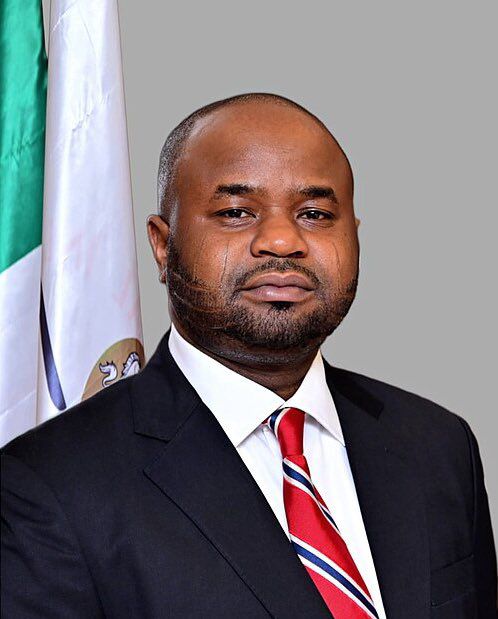
Zacch Adedeji: The Reformist Redefining Nigeria’s Revenue Future Through Action
By: Bashorun Oladapo Sofowora
To dazzle in the Nigerian public service sector, you need more than just doing the extraordinary, you must do what no one has ever done. For Dr. Zacch Adelabu Adedeji, the Executive Chairman of the Nigeria Revenue Service (NRS), possessing the heart of Hercules, the fearlessness of Achilles, the grace of Terpsichore, the memory of Macaulay, and the hide of a rhinoceros is what made him stand out to become the poster boy of the President Bola Ahmed Tinubu’s administration. Give it to him: highly witty, cerebral, and dutiful. Zacch didn’t earn his current position by fluke; he attained his height with sheer dint of hard work, resilience, self-belief, foresight, and a can-do spirit.
Today, the NRS has been given a new face, the era has changed and the narrative has been rewritten. All thanks to the Oyo State-born outstanding technocrat. Since he assumed office as Executive Chairman, one thing has remained constant; his drive for innovative change and his commitment to ensuring taxpayers are seen as partners in progress rather than foes. Adedeji understands that taxpayers must be treated with dignity and must be made to understand their role as stakeholders, partners in progress and development. This special preference has ensured that tax collection is more simplified, more robust, and more engaging.
When Adedeji assumed the chairmanship of the Federal Inland Revenue Service (FIRS) in September 2023, the agency was less a revenue service and more a leaky sieve. The nation’s tax-to-GDP ratio was an embarrassment, public trust was a phantom, and the treasury gasped for air. But Adedeji, a resounding technocrat with the soul of a warrior looked upon this chaos and saw a canvas. His creed was immediate and uncompromising; more than just words, but action. Within twenty-four months, he has not merely reformed an institution; he has incinerated the old order and birthed a leviathan; the Nigeria Revenue Service (NRS). This is the story of a man who taught a nation how to pay its way into sheer prosperity.
Adedeji is armed with the philosophy that taxing the fruit, not the seed, is the way to grow as a nation. When he assumed his current role, he rejected the notion that increasing revenue required burdening struggling businesses. Instead, he focused on plugging leakages and widening the net to ensure all taxable citizens perform their civic obligations for the development of the country. With this philosophy, the results were almost immediate and stunning. In 2023, despite assuming office mid-year, the FIRS collected ₦12.36 trillion, surpassing its target of ₦11.55 trillion. That was just the warm-up act. In 2024, the agency delivered a monumental ₦21.7 trillion a 76% jump against a target of ₦19.7 trillion. Between September 2023 and August 2025, the Service realized a cumulative ₦46 trillion in total tax revenue, representing 115% of combined targets. These were not accidents of the economy; they were the direct results of strategic action carefully played and curated by the Tax Man himself.
Zacch’s exceptional ability to steer Nigeria’s fiscal ship towards stability is akin to a skilful sailor navigating treacherous murky waters, with demonstrable efficiency, culminated in Nigeria reaching a historic milestone of ₦28.2 trillion in revenue in 2025. As the Nigerian Revenue Service (NRS) sets its sights on 2026 with an ambitious goal of ₦40.7 trillion, the role of technological innovation becomes increasingly vital. Adedeji recognized that overcoming the entrenched “tin bucket” mentality, an overreliance on manual collection methods required deploying advanced, reliable digital tools that minimized human contact, thereby reducing opportunities for corruption and errors. He led the successful automation of over 80% of manual processes through the implementation of the TaxPro-Max platform, which streamlined taxpayer registration, documentation, and filing procedures, significantly reducing processing times. The rollout of the e-invoicing system mandated that corporations with turnovers exceeding ₦5 billion digitize all transactions, thereby eliminating VAT evasion at the source and fostering transparency. Within weeks of deployment, major corporations such as MTN Nigeria, Huawei Technologies Nigeria, and IHS Nigeria had onboarded the system, signaling broad industry acceptance. A notable innovation was the nationwide launch of the USSD code *829#, a groundbreaking service allowing citizens to access tax-related information, file returns, and make payments directly via mobile phones without internet connectivity effectively democratizing tax compliance across all socio-economic strata. These initiatives transformed the Nigeria Revenue Service from a traditionally intimidating enforcement agency into a modern, efficient service platform that emulates leading 21st-century tax collection models.
Building on this foundation, the NRS introduced the Rev360 platform an advanced, integrated, and intelligent ecosystem representing the next phase in the evolution of tax administration. Rev360 embodies the principles of Tax Administration 3.0, characterized by comprehensive automation, real-time analytics, and seamless integration of tax processes within taxpayers’ everyday systems. This strategic shift promises faster processing times, enhanced decision-making capabilities, improved compliance rates, and an overall improved user experience. Taxpayers will benefit from a broader array of interaction options, including digital channels, mobile apps, and self-service portals. The launch of Rev360 aligns with the broader digital transformation strategy under the leadership of Zacch Adedeji PhD, the Executive Chairman of the NRS, whose visionary approach continues to propel innovations in service delivery and institutional strengthening. The platform’s deployment reflects the Service’s unwavering commitment to enhancing institutional capacity, fostering greater taxpayer confidence, and aligning with international best practices and technological standards. Following a successful pilot phase, the phased rollout of Rev360 will begin with Medium and Emerging Taxpayers, representing the first stage of comprehensive nationwide adoption aimed at creating a resilient, transparent and efficient tax system for Nigeria.
To ensure action is taken not by mere words alone, Dr. Adedeji knew that lasting change and stability required a new legal framework and laws guiding tax compliance in the country. This enabled him to lead the charge to dismantle the archaic, colonial-era tax laws that had stifled growth by taxing the poor rather than taxing prosperity. This led to the legislative transformation of laws signed into force in 2025 and effective from the 1st of January 2026: the Nigeria Tax Act 2025 (NTA), the Nigeria Tax Administration Act 2025 (NTAA), the Joint Revenue Board of Nigeria (Establishment) Act 2025 (JRBA), and the Nigeria Revenue Service (Establishment) Act 2025 (NRSA). These laws harmonized over 60 disparate tax statutes into a single framework to ensure adherence and unification. To prevent controversies and wrong narratives from being peddled by naysayers, Adedeji assured Nigerians that the laws are pro-poor, exempting those earning ₦800,000 or less annually from Personal Income Tax and removing VAT on essential items to protect the most vulnerable.
In a bid to show his wizardry beyond being a brilliant chap, Adedeji led one of the most impressive transition and rebranding processes in the country. He executed the transition from FIRS to NRS with distinct surgical precision, ensuring that operational guidelines were ready and that staff were trained for the new mandate. The transition was so seamless that almost all Nigerians pivoted to the change without struggling. Same brand core values, different name, and a more formidable identity. The rebranding was more than a name change; it represented a paradigm shift from a “Federal” collector to a unified “National” revenue hub, aiming to harmonize collections across all tiers of government to ensure effectiveness, bring relief from multiple taxation, and allow government agencies to focus on their core mandates while leaving revenue collection to the NRS.
Zacch obviously detests wastage; seeing wastage bores him. That is why he reignited the abandoned NRS building, breathing fresh life into it after 30 months in charge. The recently commissioned NRS Headquarters will ensure a lasting legacy, also corroborating the transition from FIRS to NRS. The new edifice is beyond magnificent. The 16-floor, tastefully built structure can pass as the ninth wonder of the world. As a man of style and taste, Zacch ensured the environment was inviting for everyone who comes in for any tax-related transaction. The three-tower complex is a world-class edifice designed to house 3,000 staff, complete with a data processing center, a clinic, an auditorium, and a gym. It is indeed a jaw-dropping building equipped with state-of-the-art facilities to ensure seamless navigation and maximum output.
At the opening ceremony on the 14th of April, Adedeji paid tribute to President Tinubu, declaring him “the greatest gift bestowed on this republic.” He noted that the headquarters symbolizes that reform is “not abstract, but real; not theoretical, but implemented.” The auspicious event was attended by the Senate President, the Speaker of the House, and numerous governors, signaling rare political consensus on the importance of revenue reform. For the building commissioning, Zacch can be called a jinx breaker and a record setter. Calling him both places him on a pedestal of immortality.
Zacch Adelabu Adedeji has answered the question posed by his own mantra: “More than just words, but action.” He has taken a bureaucracy often viewed with suspicion and turned it into the vanguard of economic renewal. From the digits of ₦46 trillion in revenue to the concrete of a 16-story headquarters, from the virtual code *829# to the legal text of the NRS Act, Adedeji has left no room for doubt. Indeed, he has outdone himself, leaving a lacuna that anyone after him might struggle to fill.
He did not merely build an institution that demands taxes; he built one that enables prosperity. As Nigeria marches toward a future of fiscal self-sufficiency, it does so on the solid foundation of actions taken by a quiet, determined reformer who proved that in governance, what you do will always speak louder than what you say. As the sun sets, and birds chirping over the new NRS headquarters, casting long shadows across the skylines of Abuja, one fact remains indisputable: in the battle for Nigeria’s economic soul, words have failed, long speeches have faded into oblivion, but Zacch Adelabu Adedeji brought action infused with a monument. The era of talk is over, the era of the Alchemist has just begun.
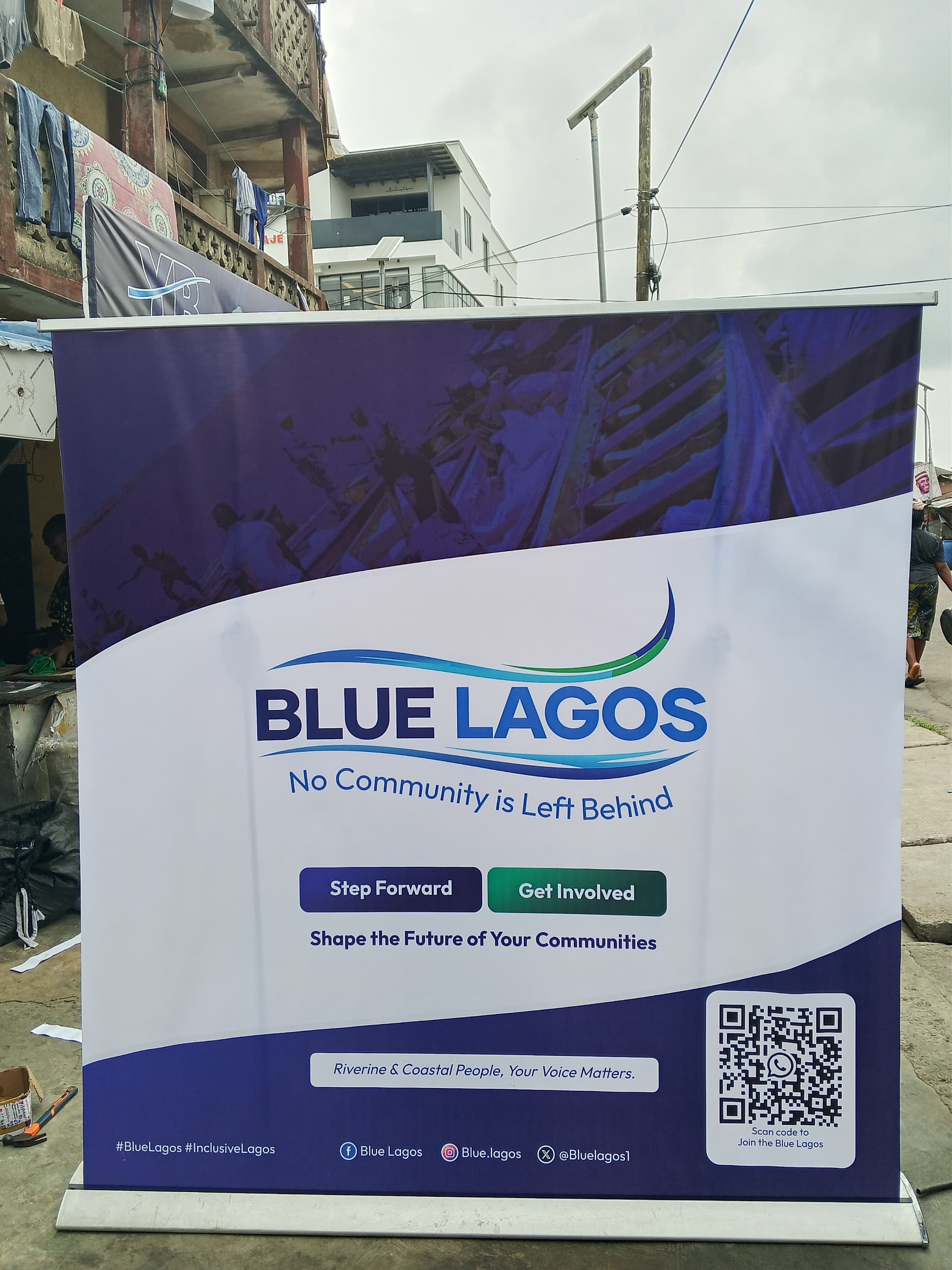
Blue Lagos Launches Community Sensitisation and Engagement Campaign in Riverine Areas
Blue Lagos has officially commenced its community sensitisation and engagement campaign across riverine and coastal communities in Lagos State.
The initiative is designed to amplify the voices of underserved communities, raise awareness on civic responsibilities, and highlight the unique challenges faced by residents living along the waterways.
Through on-ground interactions and digital advocacy, Blue Lagos aims to foster inclusive participation and ensure that no community is left behind.
Speaking on the campaign, The Director of Mobilisation & Community Engagement for the Blue Lagos Team, Hon. Ashade Abdul-Salam emphasized the importance of engaging directly with residents to better understand their daily realities, from access to basic services and transportation challenges to opportunities for development and improved governance.


The campaign will feature community visits, short sensitisation videos, interactive sessions, and stakeholder engagement, all geared towards empowering residents with the knowledge and tools to actively participate in shaping their future.
Blue Lagos calls on riverine and coastal residents to take advantage of this initiative, share their experiences, and stay informed on civic processes, including voter registration and community development programs.
This campaign marks a significant step towards building stronger connections between communities and decision-makers, while promoting inclusive growth across Lagos State.

For media inquiries, please contact:
Blue Lagos Team via email: [email protected]


- African Development Bank, The European Stability Mechanism (ESM) sign Memorandum of Understanding to enhance cooperation April 16, 2026
- Seeing the Unseen – How Canon is Protecting East Africa’s Coral Reefs April 16, 2026
- Sintana Listing Signals New Era for Local Ownership in Namibia’s Oil and Gas Sector April 16, 2026
- The crisis in the Middle East could cost Africa 0.2 percent in economic growth in 2026 April 16, 2026
- Namibia International Energy Conference (NIEC) 2026: Namibia Fast-Tracks Oil Law Reform as President Nandi-Ndaitwah Pushes Amendment Bill Ahead of First Oil April 16, 2026
- Africa’s Energy Wealth: Why Good Governance Must Power a Just Transition (By Sola Adebawo) April 16, 2026
- Emirates and Wesgro sign Memorandum of Understanding (MoU) to Stimulate Inbound Tourism to the Western Cape April 16, 2026
- Banco Sol’s Angola Oil & Gas (AOG) 2026 Sponsorship Affirms Drive to Finance Angolan Service Companies April 16, 2026
- Uganda Development Corporation (UDC) to take 82% of Trade ministry budget April 16, 2026
- Merck Foundation marks ‘World Art Day’ through their Film, Song, Media and Fashion Awards 2026 in partnership with Africa’s First Ladies to raise awareness about social & health issues April 15, 2026
- African Development Bank, The European Stability Mechanism (ESM) sign Memorandum of Understanding to enhance cooperation April 16, 2026
- Seeing the Unseen – How Canon is Protecting East Africa’s Coral Reefs April 16, 2026
- Sintana Listing Signals New Era for Local Ownership in Namibia’s Oil and Gas Sector April 16, 2026
- The crisis in the Middle East could cost Africa 0.2 percent in economic growth in 2026 April 16, 2026
- Namibia International Energy Conference (NIEC) 2026: Namibia Fast-Tracks Oil Law Reform as President Nandi-Ndaitwah Pushes Amendment Bill Ahead of First Oil April 16, 2026
- Africa’s Energy Wealth: Why Good Governance Must Power a Just Transition (By Sola Adebawo) April 16, 2026
- Emirates and Wesgro sign Memorandum of Understanding (MoU) to Stimulate Inbound Tourism to the Western Cape April 16, 2026
-

 news4 months ago
WHO REALLY OWNS MONIEPOINT? The $290 Million Deal That Sold Nigeria’s Top Fintech to Foreign Interests
-

 celebrity radar - gossips3 months ago
Dr. Chris Okafor Returns with Power and Fire of the Spirit -Mounts Grace Nation Altar with Fresh Anointing and Restoration Grace on February 1, 2026
-

 celebrity radar - gossips4 months ago
Prophet Kingsley Aitafo Releases 2026 Prophecy: ‘Nigeria Will Rise, but the World Must Prepare for Turbulence’
-

 celebrity radar - gossips6 months ago
End of an Era: Nigeria Mourns Evangelist Dr. Uma Ukpai, 80
You must be logged in to post a comment Login
You must log in to post a comment.