
Business
Queen Salawa Abeni blows hot in new interview, denies reconciliatory moves with Estranged Husband, Kollington Ayinla


Nigerian Legendary Musician, Salawa Abeni has been trailed with reconciling with her estranged husband, Kollington Ayinla, who is also a Veteran Fuji Artiste.
She has come out to debunk such rumours and made claims that she has not made any sort of reconciliatory moves to the Fuji legend.
VIDEO BELOW







Business
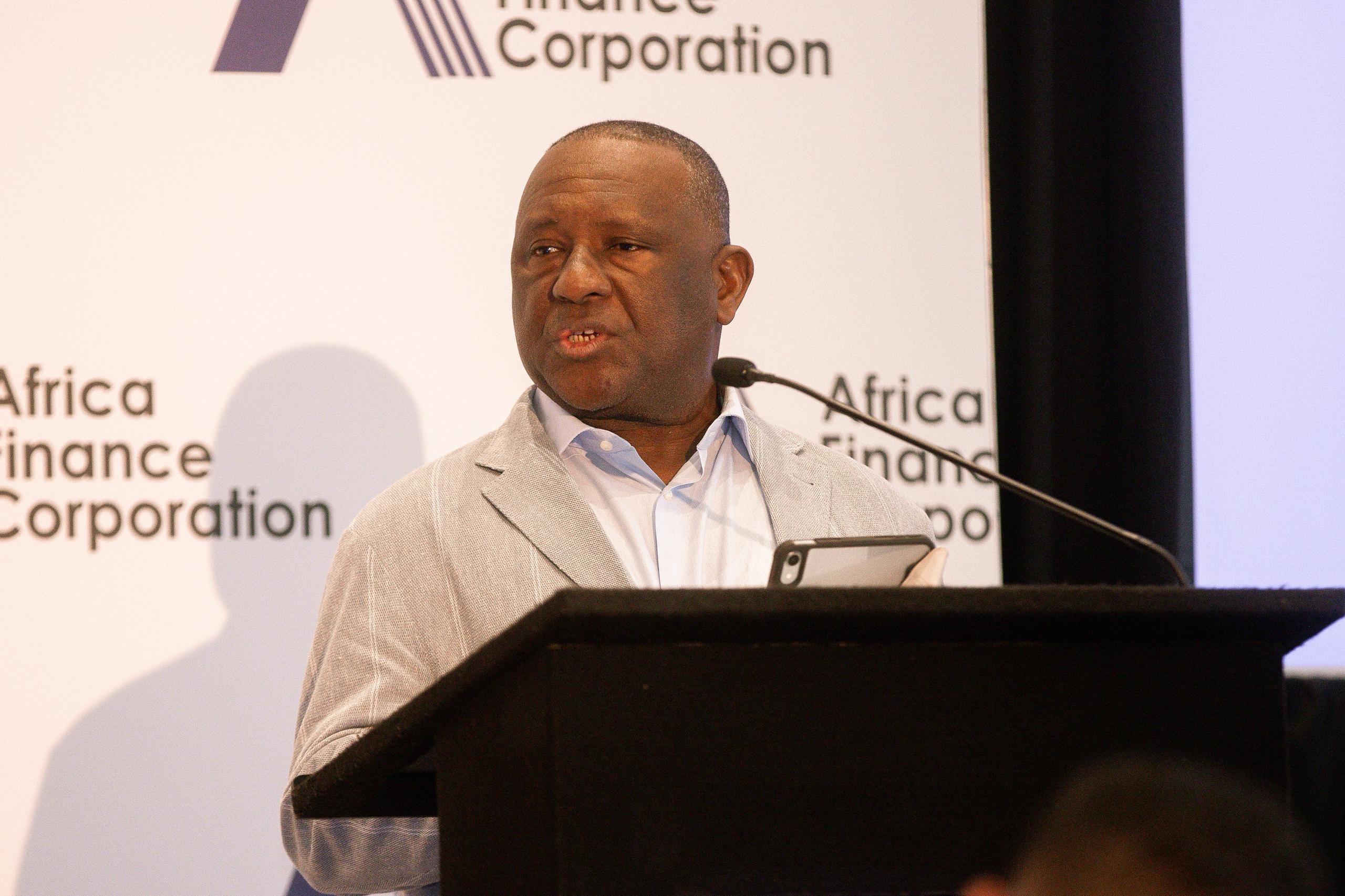
BUA Group Chairman, Abdul Samad Rabiu, Calls for Shift from Extraction to Value Addition at AFC Event during Mining Indaba 2026
BUA Group Chairman, Abdul Samad Rabiu, Calls for Shift from Extraction to Value Addition at AFC Event during Mining Indaba 2026
Cape Town, South Africa
Founder and Executive Chairman of BUA Group, Abdul Samad Rabiu CFR CON, has called for a decisive shift in Africa’s development strategy, urging governments, financiers, and the private sector to move the continent from raw material extraction to large scale industrial processing and value addition.
Rabiu made the remarks as Special Guest of Honour at an Africa Finance Corporation forum during Mining Indaba 2026, where African leaders, policymakers, financiers, and industry executives gathered to discuss the future of mining, industrialisation, and real sector development on the continent.
Commending AFC for its role in mobilising long term capital for Africa’s industrial sectors, Rabiu noted that the institution’s leadership and recent S&P Global rating with a positive outlook underscored the importance of strong development finance institutions in shaping Africa’s growth trajectory.

Drawing from BUA Group’s experience, he recounted the company’s decision over sixteen years ago to transition from cement importation to local production in Nigeria, despite the capital intensity and long gestation periods associated with mining and heavy industry.
“At the time, Nigeria was importing cement despite being richly endowed with limestone,” Rabiu said. “We were spending more time chasing foreign exchange than selling cement. The real question was not whether the resources existed, but whether there was enough conviction to stop importing and start producing locally.”
Today, he noted, BUA mines and processes about forty thousand tonnes of limestone daily, producing roughly one million tonnes of cement every month. That shift has helped Nigeria move from being a cement importer to a net exporter, saving the country billions of dollars in foreign exchange annually.
Rabiu stressed that such transformation would not have been possible without patient, long term financing from DFIs, particularly the Africa Finance Corporation, which has supported BUA’s cement and industrial operations with over four hundred million dollars in financing.
He added that a significant portion of those facilities has already been repaid, demonstrating that well structured African industrial projects are not only developmental but also commercially viable and recyclable.
Turning to the broader continental picture, Rabiu highlighted what he described as a structural paradox: Africa remains one of the world’s most resource rich regions, yet exports the bulk of its minerals and agricultural produce in raw or minimally processed form.
He cited examples across gold, cobalt, copper, iron ore, diamonds, and cocoa, noting that while Africa supplies much of the world’s raw inputs, it captures only a fraction of the value created downstream.
“Africa does not lack resources,” he said. “What it lacks is processing capacity, industrial scale, and disciplined execution.”
He argued that the same challenge extends beyond mining into agriculture, where Africa holds a majority of the world’s arable land yet continues to import billions of dollars’ worth of food annually.
Rabiu called for coordinated action among governments, DFIs, and the private sector, urging DFIs to scale long term financing targeted at beneficiation and industrial value chains, while governments adopt deliberate policies that incentivise local processing and invest in power, transport, and industrial infrastructure.
“Industrialisation does not happen by accident,” he said. “Countries that industrialised did so by design, not by chance. Africa must do the same.”
He concluded by stressing that Africa’s opportunity lies in aligning private enterprise, patient capital, and supportive policy to move the continent from extraction to transformation, and from potential to shared prosperity.

Business
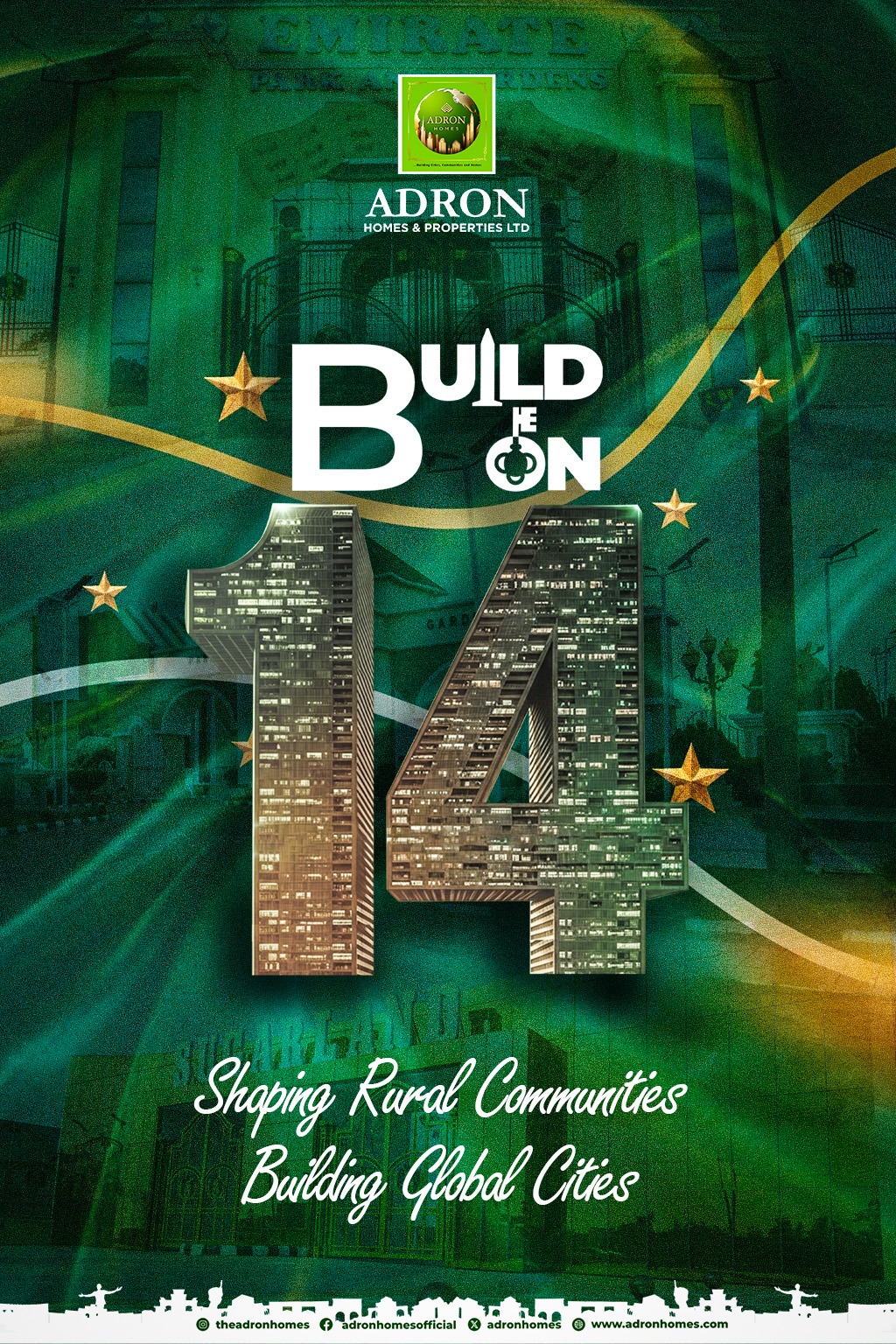
Adron Homes Celebrates 14 Years of Excellence, Reaffirms Commitment to Affordable Housing and Sustainable Communities
Adron Homes Celebrates 14 Years of Excellence, Reaffirms Commitment to Affordable Housing and Sustainable Communities
Adron Homes and Properties Limited, a leading player in Nigeria’s real estate industry, proudly celebrates its 14th Anniversary, marking over a decade of transformative impact in affordable housing delivery, sustainable community development, and structured urban growth across the country.
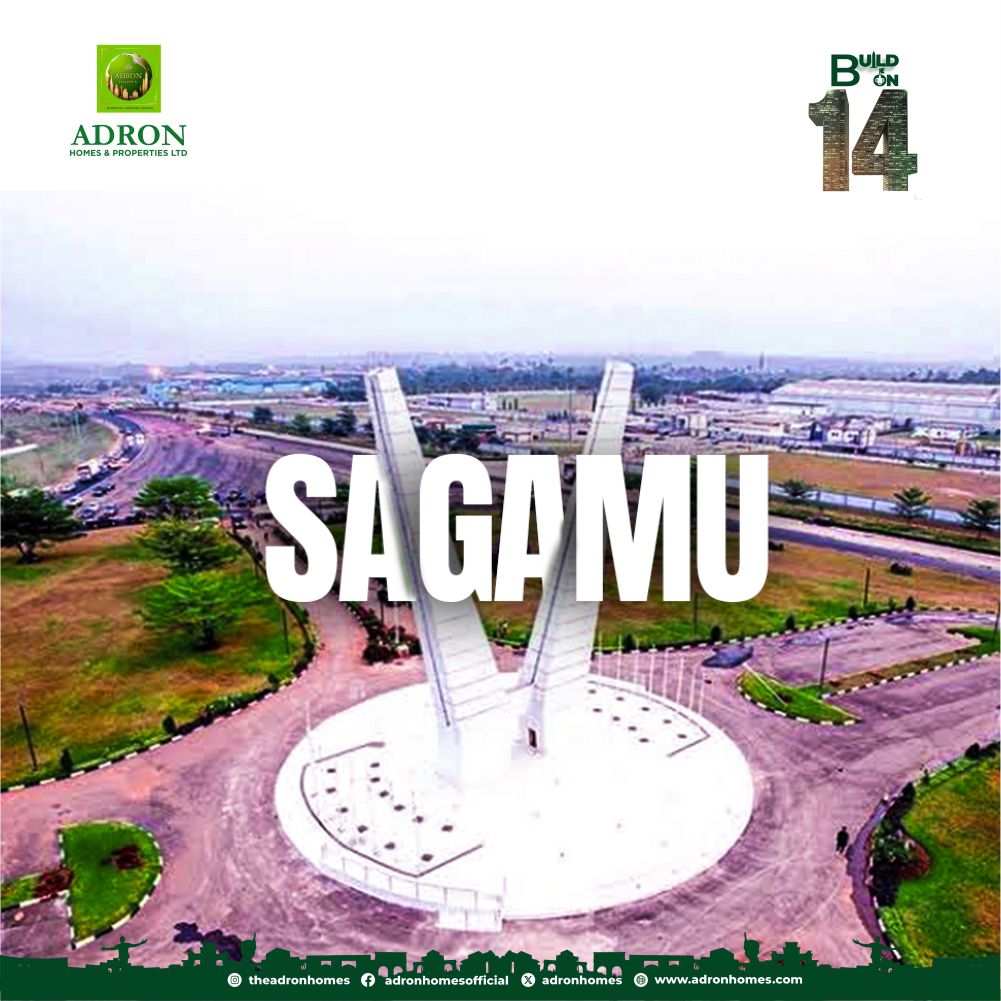
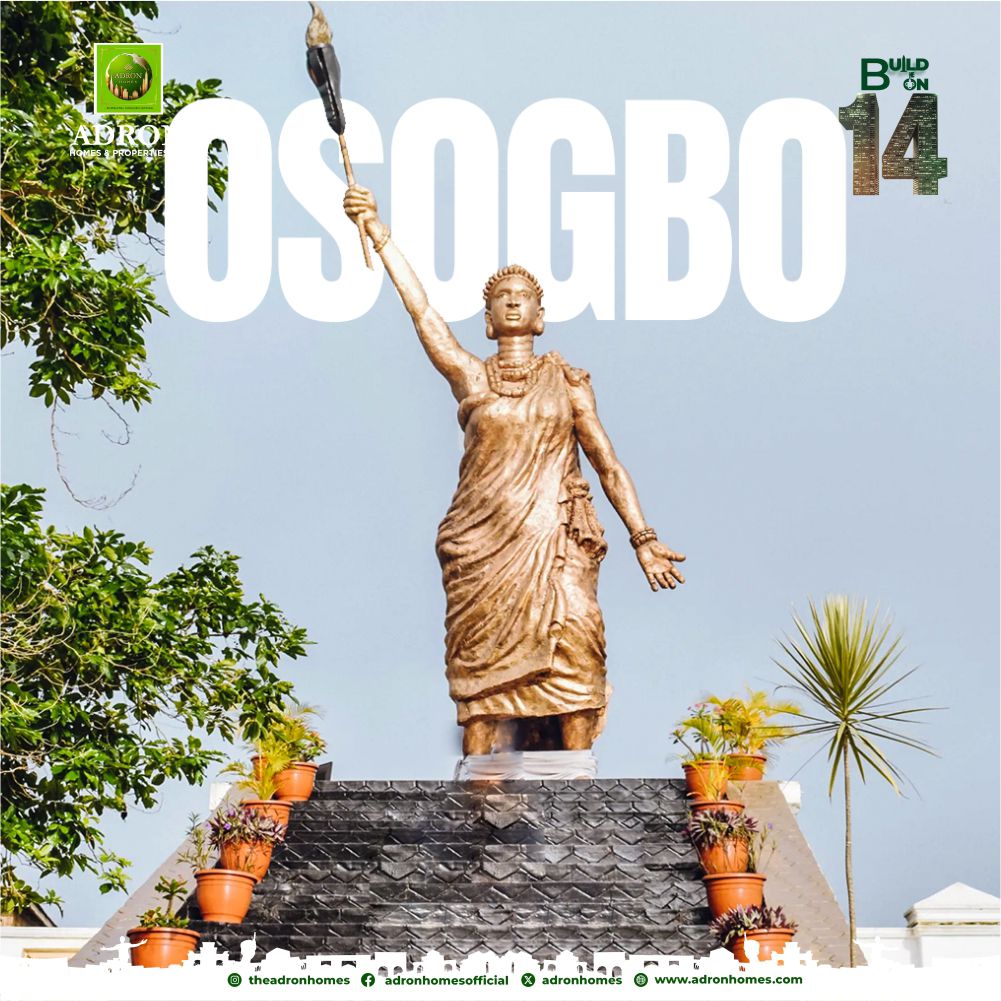
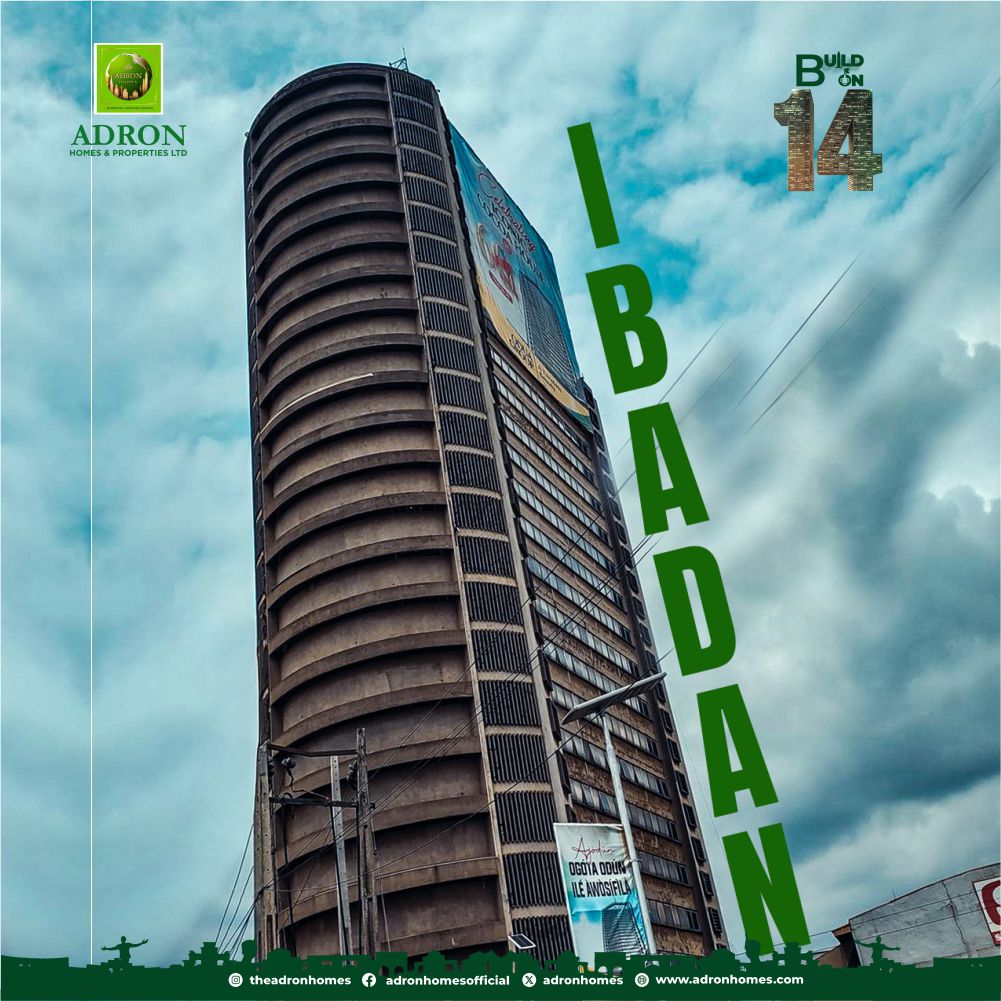
Over the last fourteen years, Adron Homes has evolved into a nationally recognised real estate powerhouse, delivering over 60 livable estates and communities across Nigeria and enabling more than 100,000 Nigerians to achieve their property ownership dreams. With strategic developments spanning Ibeju Lekki, Lekki-Epe, Badagry, Shimawa, Papalanto, Sagamu, Abeokuta, Ibadan, Osun, Ekiti, Abuja, Nasarawa, Niger State, and other emerging urban corridors, the company continues to reshape access to land and housing through affordability, innovation, and long-term planning.
Speaking on the milestone, the Chairman/CEO of Adron Group, Aare Adetola Emmanuelking, described the anniversary as a celebration of vision, resilience, and unwavering commitment to empowering Nigerians through property ownership.
“Fourteen years ago, we set out with a clear vision to make property ownership accessible and achievable for every hardworking Nigerian. Today, we celebrate not only the growth of Adron Homes but the countless families whose dreams have become reality through our communities. Our journey has always been about impact, empowerment, and building environments where people can truly thrive.”
Highlighting the company’s philosophy of developing structured environments rather than just selling land, the Chairman emphasised Adron Homes’ focus on sustainable urban planning and community building.
“At Adron Homes, we build cities, not just estates. Each development reflects thoughtful planning, infrastructure, accessibility, and a long-term vision for modern living. As Nigeria continues to urbanise rapidly, our mission is to ensure that growth is inclusive, structured, and sustainable.”
Aare Adetola Emmanuelking also acknowledged the role of customers, staff, stakeholders, and media partners in the company’s sustained growth and national relevance.
“This milestone is a testament to the trust of our customers, the dedication of our workforce, and the unwavering support of our partners and stakeholders. Together, we have demonstrated that affordable housing can be delivered with quality, innovation, and integrity.”
Looking ahead, Adron Homes reaffirmed its commitment to expanding mass housing solutions, embracing technology-driven real estate innovations, and strengthening partnerships that contribute to Nigeria’s economic development and housing accessibility.
“The future of Adron Homes is defined by innovation, expansion, and deeper community impact. We remain committed to democratizing property ownership, building sustainable communities, and shaping the future of real estate in Nigeria for generations to come.”
As Adron Homes marks 14 years of excellence and national impact, the company continues to position itself as a catalyst for structured urban development and a trusted partner in the realization of property dreams across Nigeria.
Business
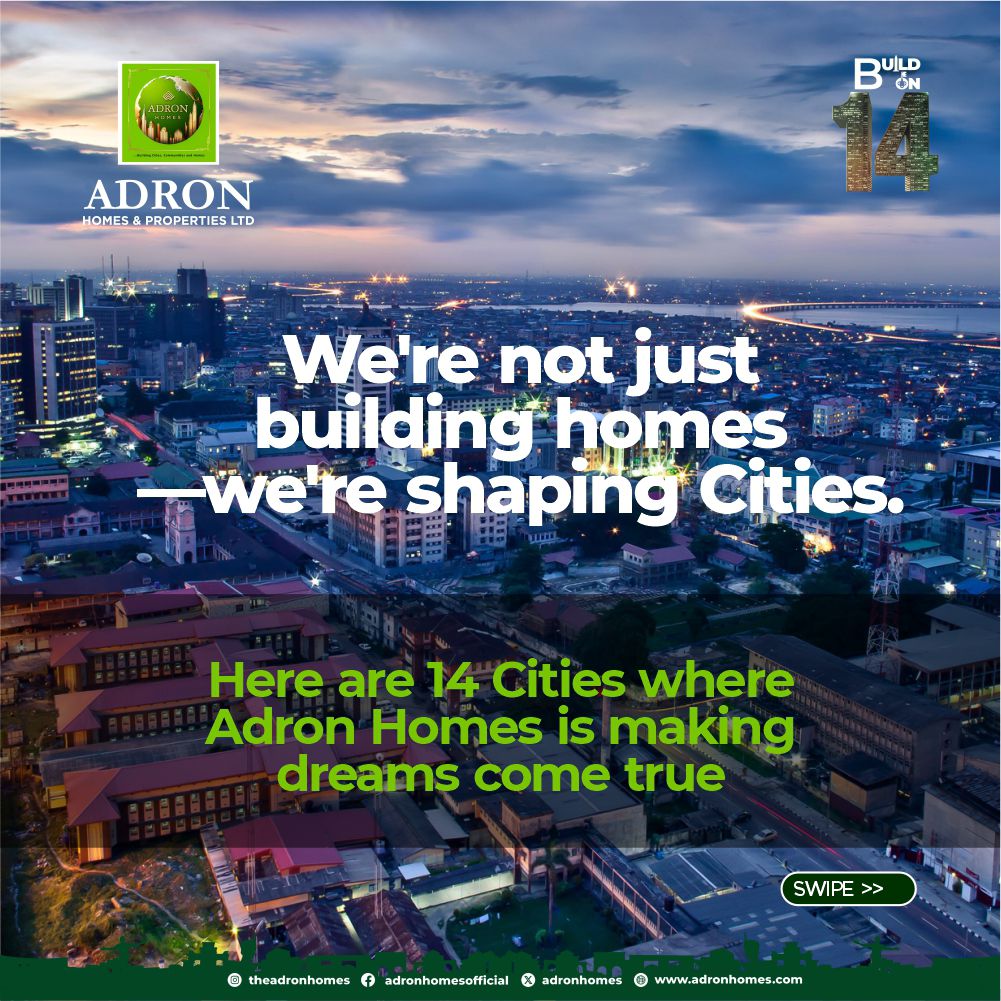
Adron Homes at 14: From Shimawa to Over 60 Livable Communities, Building Cities Beyond Estates
Adron Homes at 14: From Shimawa to Over 60 Livable Communities, Building Cities Beyond Estates
Fourteen years ago, what began as a visionary real estate development effort in Shimawa, Ogun State, has evolved into one of Nigeria’s most recognizable housing success stories. Today, Adron Homes & Properties stands as a major force in structured urban development, with over 60 livable communities and estate dwellings spread across key regions of the country. Its journey reflects a deliberate mission that is not just to sell land, but to build functional cities where Nigerians can live with dignity, security, and a strong sense of community.
At a time when Nigeria faces rapid urbanization and an ever-growing housing deficit, Adron Homes has embraced an approach rooted in planning and affordability. From its earliest developments, the company adopted a city-building model that integrates structured layouts, accessible infrastructure, and community-focused design. Roads, drainage systems, green areas, and designated social spaces are incorporated into estate planning, transforming empty land into organized residential hubs.
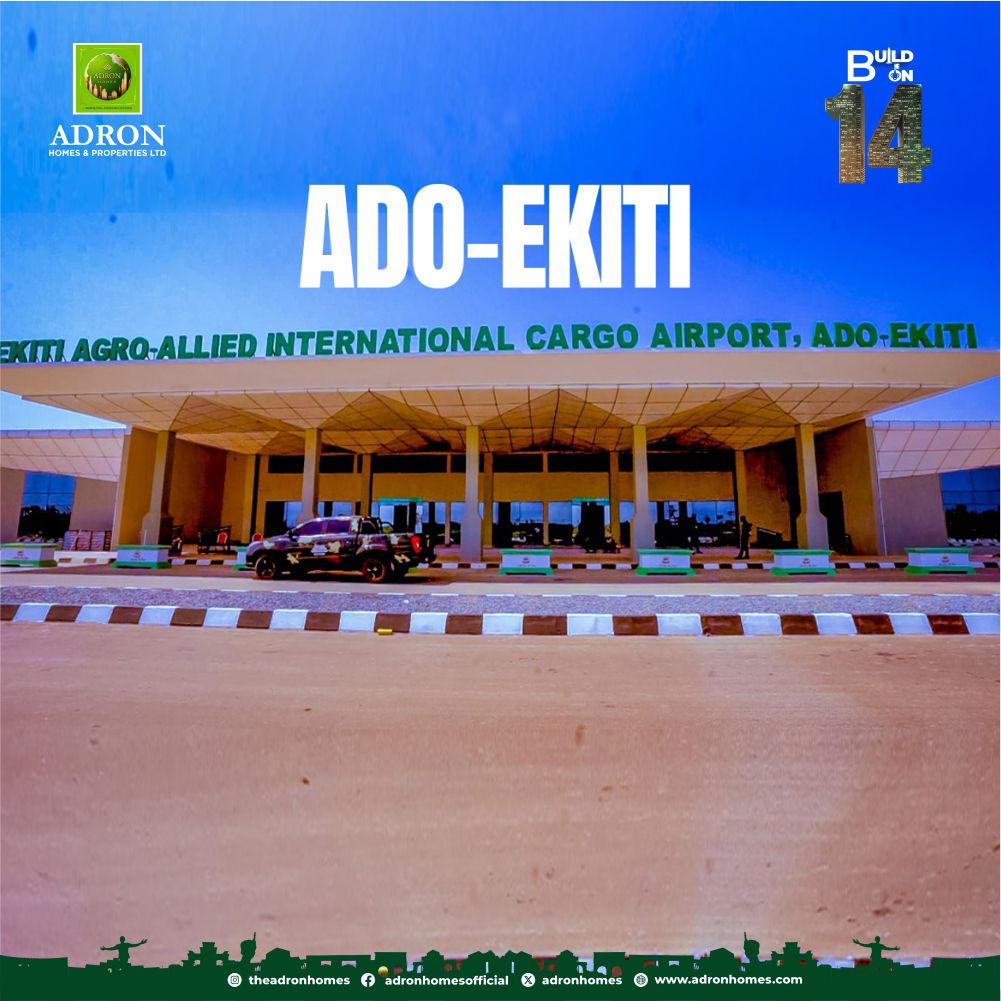
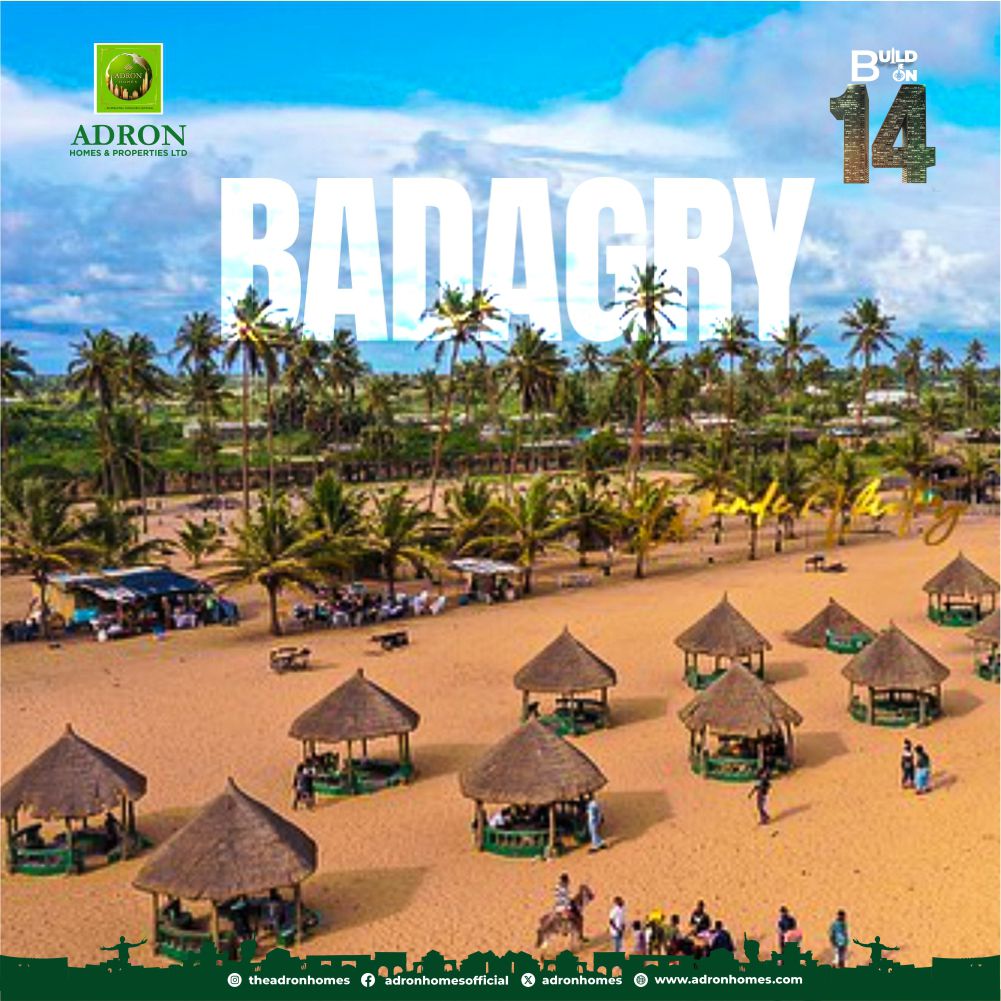
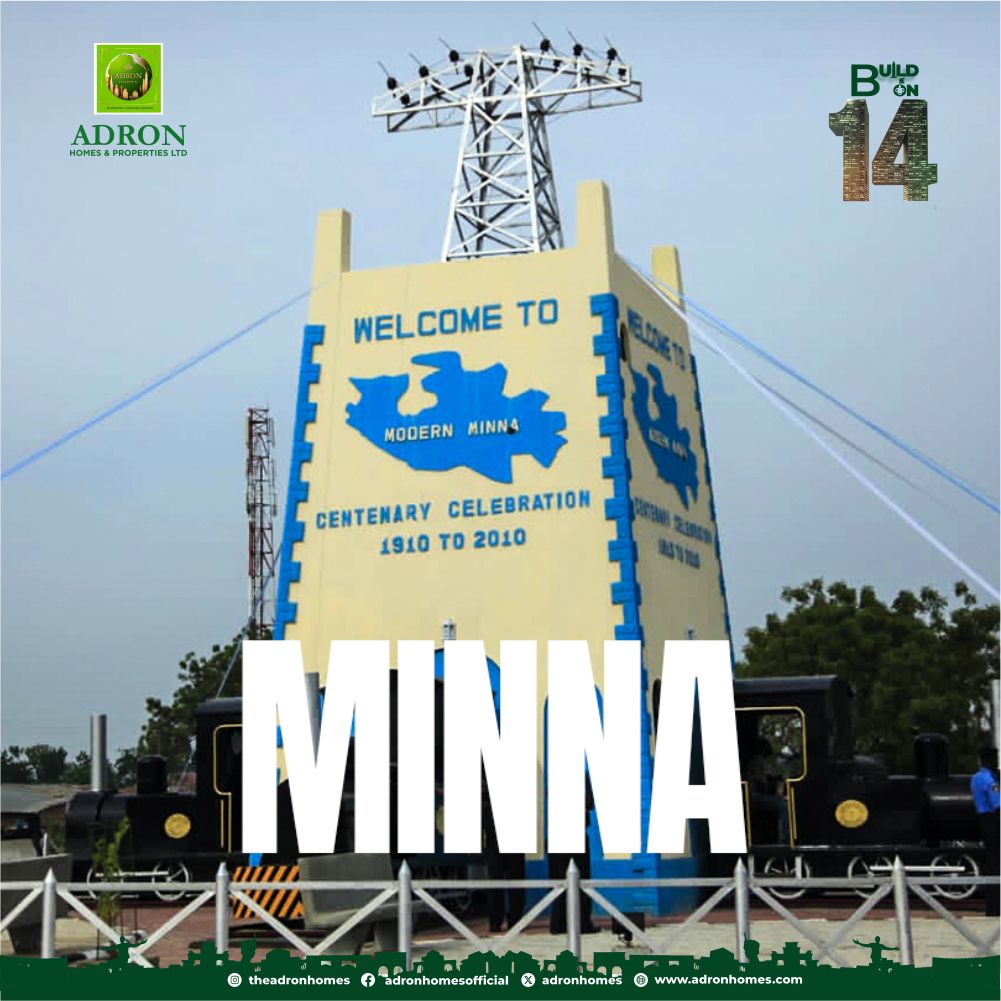
The story of Adron’s growth mirrors Nigeria’s evolving urban landscape. Beginning in Shimawa, the company strategically expanded into major growth corridors, including Lagos, Ogun, Oyo, Osun, Ekiti, Abuja, Nasarawa, Niger, and beyond. Its estates have not only provided shelter but have also influenced the emergence of new residential districts, encouraging organized expansion and helping to reduce the challenges associated with unplanned settlements.
Central to the company’s success is its commitment to affordability. Through flexible payment structures and innovative housing initiatives, Adron Homes has opened the door to homeownership for thousands of Nigerians who previously considered property ownership out of reach. This democratization of housing has empowered families, strengthened communities, and supported economic growth through increased property investment and local business opportunities within estates.
Beyond physical structures, Adron Homes prioritizes community building. Estates are designed as living ecosystems where families interact, children grow in secure environments, and entrepreneurs find opportunities to thrive. The emphasis on social cohesion has helped transform residential spaces into vibrant neighborhoods, reinforcing the idea that housing development should nurture human connection as much as physical infrastructure.
As Nigeria continues to urbanize, Adron Homes’ model demonstrates that real estate development can be both commercially viable and socially impactful. Its projects serve as reference points for emerging residential corridors, attracting further investment and setting standards for organized development across multiple regions.
Celebrating fourteen years of growth and innovation, Adron Homes remains committed to shaping Nigeria’s urban future through sustainable planning, inclusive housing solutions, and community-driven development. From its humble beginnings in Shimawa to a nationwide network of livable communities, the company’s journey stands as a testament to the power of vision, resilience, and a steadfast belief that cities are built not just with structures, but with people at their heart.








-

 celebrity radar - gossips6 months ago
Why Babangida’s Hilltop Home Became Nigeria’s Political “Mecca”
-

 society6 months ago
Power is a Loan, Not a Possession: The Sacred Duty of Planting People
-

 news6 months ago
THE APPOINTMENT OF WASIU AYINDE BY THE FEDERAL GOVERNMENT AS AN AMBASSADOR SOUNDS EMBARRASSING
-

 Business6 months ago
Batsumi Travel CEO Lisa Sebogodi Wins Prestigious Africa Travel 100 Women Award
You must be logged in to post a comment Login