
society
Rains Expose Lagos’ Crumbling Roads, Bridges as Sanwo Olu’s Covid Focus Neglects Infrastructure

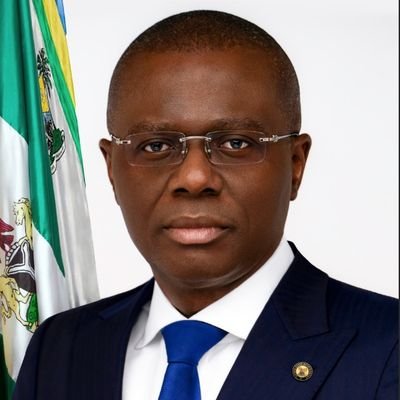
It is no longer news that Nigeria is still trying to grapple with the effects of COVID 19 which hit the world early on in January and took a hefty toll sometime in February.
A good number of countries like Germany, New Zealand, South Africa have put plans in motion to overcome recession with stimulus packages ranging from Germany’s 160 billion euros to South Africa’s R500 billion and have also accelerated spending’s on infrastructure and the economy as a whole.
Nigeria on its part seems to be focused more on fighting COVID 19 while Infrastructure and Security have been relegated to the background by almost all state governments leaving the economy in dire straits.
Lagos, Nigeria’s commercial capital for example has recorded impressive results in the fight against COVID-19.
Its Governor Babajide Sanwo Olu of Lagos has however persistently ignored calls to fix dilapidated roads which have now become death traps as the rains fall in full force or likewise check the growing spate of insecurity across the state.
The port city of Apapa continues to experience crushing gridlock with billions of revenue lost monthly by importers and exporters using the port facilities at Apapa and Tin Can ports.
In the case of the roads which are fast becoming death traps to Lagosians with gullies and craters littered around Lagos, former Governor Akinwunmi Ambode, stated in the past that the state recorded a whooping loss of N250 billion to traffic annually.
This is besides the pains businesses and families who often spend four or more hours for a 30 minutes’ journey are exposed to daily due to the excruciating traffic jam.
Despite this revelation by the former governor, he did little or nothing to salvage the challenge.
A resident of Lagos, Segun Akanbi, lamented, “the current Governor came in with a lot of promise, performed fairly but has now diverted focus to the fight against COVID 19 to the detriment of other aspects especially roads.”
There is almost no area in the state that is spared of bad roads, but the worst-hit places are: Mile 2, Abule Ado, Alakija, Lagos-Abeokuta Expressway up to Ikeja Along, Lagos-Ibadan Expressway, Oworosoki- Oshodi Expressway, Oshodi-Apapa Expressway, Ikorodu Road, Lagos-Badagry Expressway, Funsho-Wiliams Avenue, by Costain area, which has been closed to traffic for construction work on the Costain bridge.
Others are: Kirikiri Road, Apapa, which has worsened traffic gridlock caused by truck operators who have taken over the road leaving little or no space for other road users. Satellite Town Road, Oriade LCDA, Otto-Wharf Bandary Road, Ajegunle, In Ajeromi- Ifekodun LGA. Chivita-Canoe Road, Oshodi-Isolo LGA, Isheri-Osun, LCDA, Ishawo, Road, Idimu Pipeline, Ikorodu, among others.
These days, it is a dreadful experience for commuters and motorists to navigate through Lagos-Badagry Expressway. Plying the international road has been hectic due to several failed portions on both sides of the highway, worsened by persistent rainfall which has forced motorists to spend valuable hours maneuvering the road.
In the case of the Ports, stakeholders and residents also continue to appeal to both state and the Federal Govt that a lasting solution be found to solve the gridlock and the infrastructure decay on the Apapa port and Tin Can Island access road to no avail.
President, Muhammadu’s Buhari, gave an ultimatum that made no impact as it is still business as usual with a lot of loss to Nigeria, stakeholders and residents.
Even the visit of Vice President, Professor Yemi Osinbajo brought no respite.
A recent study indicates that at least three of every ten years spent in Lagos is lost to traffic. It means Lagosians spend an average of seven hours 20 minutes in traffic every day.
An economic analyst, Kolapo Oluwo averred that the long hours spent daily in traffic with its attendant economic as well as health, emotional and relational costs is colossal.
“For a potential megacity and the economic hub of the country it shows the incapacity and lack of visionary leadership, despite media campaigns and allusions to the contrary.”
He noted that: “Lagos is the commercial, economic, as well as financial capital of Nigeria accounting for over 50 percent of the industrial and commercial establishments, as well as 70 percent of manufacturing activities. In addition, it has the most active stock exchange in West Africa; its four ports collectively handle about 75 and 90 percent of the country’s imports and non-oil exports by weight respectively. Even more, its international airport handles about 80 percent of airborne exports and imports and 80 percent of passenger movements in and out of the country.”
Oluwo Further said, “the state’s population has continued to grow rapidly – put at between six to eight percent per annum – and is a dragnet for school leavers and other economic migrants from other parts of the country. It is projected that the population of the city will grow to 36 million by 2050.”
A public Analyst, Emeka Ohanyere buttressed this saying despite its huge population and importance, road is the city’s most common and available means of transport. Rail and water transportation are meanwhile relatively under-developed in Lagos.
“Years of military rule, underinvestment and poor maintenance of existing transport infrastructure has seen Lagos lag behind other major global cities in the utilisation of efficient public transportation system such as urban rail system and modern high capacity buses.”
As at 2006, it was estimated that the city’s transport infrastructure and services were at levels that supported a population of six million.
In 2006, the government developed a transport master plan to integrate road, water, rail, and cable-car transport to provide one of the most efficient systems of transportation in a megacity.
Shortly after, in 2008, the Bus Rapid Transit (BRT) was launched as a stop-gap measure while seven train lines were planned to link all parts of the states and even Ogun state with light rail.
However, due to paucity of funds, only the contract for the blue line (the 27-kilometre Badagry line running from Okokomaiko to Marina via Iddo) was awarded at the colossal cost of $1.2 billion (compared to similar projects in other parts of Africa awarded for just a fraction of that amount) to be completed in 2011.
It was projected others will be awarded subsequently and the entire master plan will be completed in 2020.
Analysts have however argued that as governments grapple with the health care challenges associated with the Covid-19 pandemic, the economic toll must also be considered.
Economist, Muyiwa Akintemi says this is a central question that should preoccupy the government as rescue packages amounting to trillions of dollars are announced around the world.
“One critical step government can take is to earmark part of the stimulus spending for infrastructure. During a crisis of near unprecedented scale, paying people’s wages, supporting the most vulnerable and keeping businesses afloat are important priorities in the immediate term. But these measures alone will not bring long-lasting results. By contrast, investment in new infrastructure, such as hospitals, schools, renewable energy and digital networks, will create jobs and deliver tangible assets that will fuel long-term economic growth.
“We have seen in the past; infrastructure spending is one of the key levers that government can pull to stimulate the economy. Spending on concrete and steel, when well directed, boosts both short-term demand and long-term productivity, especially in a time of economic crisis. According to a 2014 study by the IMF, an increase in capital spending of 1.0% of GDP leads to a 0.4% uplift in output that same year, and a 1.5% rise four years later.”
He noted that this economic dividend occurs because building new infrastructure lays the groundwork for future economic growth, whether that’s an
improved transport network to move goods, a digital backbone to power a new economy or education facilities to train a skilled workforce for the future.
“Moreover, countries that spend on new capital stock tend to attract more private investment – as we have seen time and again, the availability of reliable underlying infrastructure boosts productive capacity and enables sustained economic activity,” Akintemi concluded.






Nigeria will be at peace when youths are gainfully employed
By Ifeoma Ikem
A philanthropist, Mr Calistus Chukwuedozie says Nigeria will be at peace when its youths are gainfully employed and in turn solve the problem of insecurity across the nation.
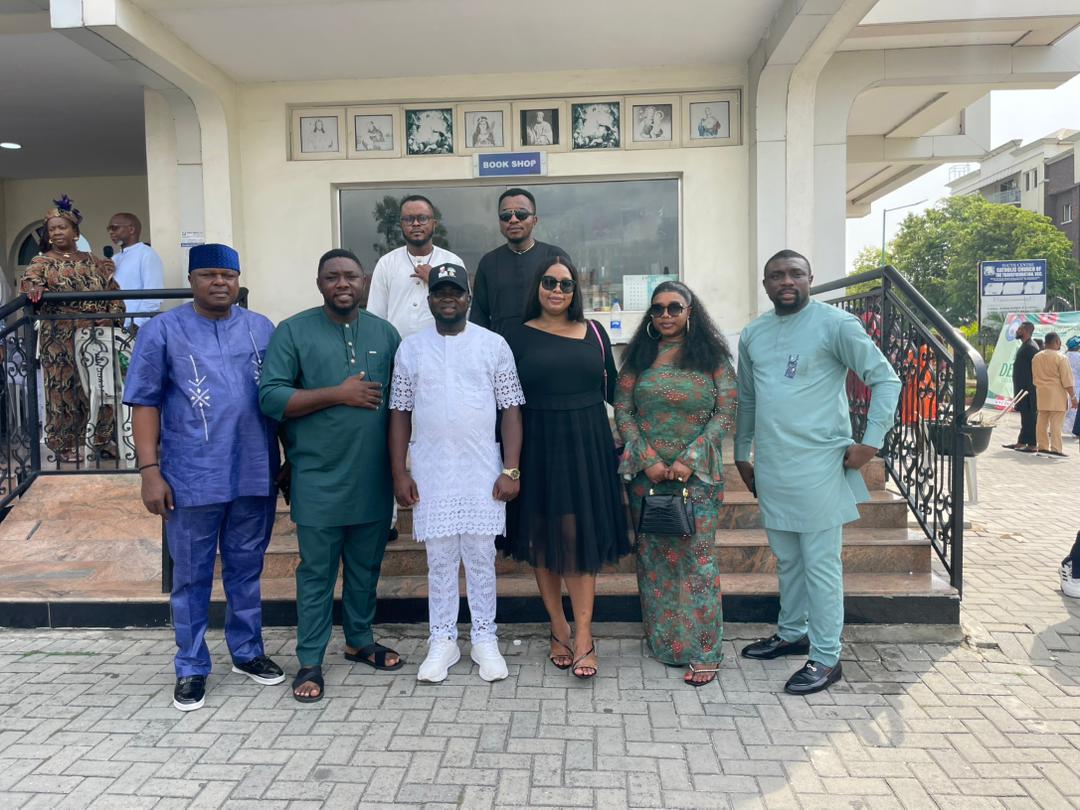
Chukwuedozie, a past President of the Rotary Club, Victoria, Lagos made the assertion at the memorial thanksgiving in honour of his late father, Pa Anthony Onuchukwu Chukwuedozie at Catholic Church of Transfiguration, VGC, Lagos,.
He said he observed first-hand how employment can help curb insecurity when he travelled to his home town Ihiala, Anambra state for his father’s burial.
He credited Onyema’s employment initiatives in Mbosi, Ihiala, where at least one person per household reportedly benefits from job opportunities within Air Peace as a major factor fostering calm, unity and economic stability in the area.
“I was at home for almost one month during my father’s burial ceremony and noticed that there was no report of kidnapping, robbery and criminal activities in my community.
“When I made enquiry, I was told that the Chairman of Air piece, Allen Onyema, gave over 250 youths of the community employments and promised them more jobs.
“With what he did for the community, he was able to solve the problem of insecurity and the youths listened to him when he advised them to shun crime.
“ I for one have more than 100 people under my employment.
“Families forced their bad children to give up crime and renounce it and many of them have turned new leaves.’’
He reiterated that if well to do people in each community in the South East or Nigeria at large should replicate what Allen Onyema did, every youth will be gainfully employed and nobody will be a willing tool in the hands of criminals.
`The government on their own should liaise with Banks to give soft loans to many people who want to start small scale businesses.
`Many of our youths have learnt one trade or the other, but have no money to set up their businesses.
If they can get access to soft loans for their businesses, the nation will be a greater and peaceful place do businesses.’’
Chukwuedozie, the CEO of MICCALLY AUTOS, who also spoke about the enduring values his father stood for said the man’s life journey was defined by principle, discipline and service to humanity.
He described his father as a man deeply rooted in integrity, adding that his father’s remarkable life as a soldier, teacher and farmer reflected both strength and nurture.
Beyond his career paths, Pa Chukwuedozie’s greatest legacy, according to his son, was his unwavering commitment to raising all seven of his children into accomplished academic and business professionals.
“In my ancestral home, Ihiala, my father was widely revered as a community leader whose counsel and character commanded respect.’’
He commended the Inspector General of Police for his efforts in ensuring stability and safety of all citizens.
“The peace I experienced during my stay at home was a direct result of sustained communal engagement and youth empowerment.
“I also advocate for broader government inclusion in education and skills acquisition programs for the youths as productive engagement remains one of the most effective tools against insecurity and social vices.’’
The memorial event drew tributes from notable guests, including Chief Edwin Eze Ogidigha of Oraifite, Chairman of Yamaha Sub-Saharan Africa who described Pa Chukwuedozie as a man whose influence extended far beyond his immediate family.
He praised the late patriarch for positively shaping generations through his character, discipline and wisdom.
He said that the remarkable achievements and values seen in his children stand as living proof of a life well lived.
A guest Onwa of idemili, Nnamdi Ifebi who spoke in the same vein on security said that the steps that the governor of Anambra State has taken to address the issue of security have also yielded positive results.
“What miscreants were doing before now, thinking that they were untouchable is now a thing of past. I commend the governor and security agencies for their good job.”
As prayers were offered and stories shared, the memorial thanksgiving became more than a remembrance.
It evolved into a celebration of legacy, community impact and the quiet power of a man who lived with honour.
In every tribute echoed a singular truth that Pa Chukwuedozie may have departed this world, but the principles he lived by will continue to walk boldly through the lives he touched.

society
Stakeholders Seek Urgent Reforms to Tackle Youth Unemployment at disrupTED EduKate Africa Summit
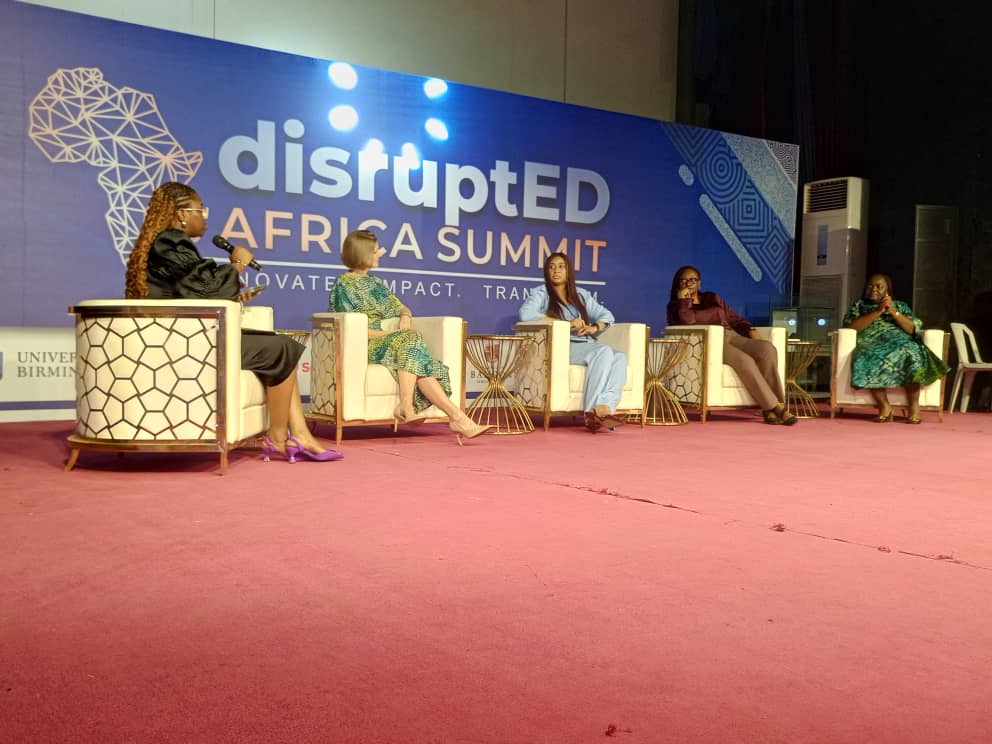
Stakeholders Seek Urgent Reforms to Tackle Youth Unemployment at disrupTED EduKate Africa Summit
By Ifeoma Ikem
Stakeholders in Nigeria’s education sector have called for urgent and scalable solutions to address the rising rate of youth unemployment, stressing the need for strengthened technical education and increased collaboration with the private sector to bridge existing skills gaps.
The call was made at the disrupTED EduKate Africa Summit 2026, a one-day leadership forum held at the University of Lagos, where participants examined the growing disconnect between education outcomes and labour market demands.
The summit brought together education leaders, private sector operators and development advocates to promote adaptive learning, practical skills acquisition and innovative financing models for Africa’s education sector.
Experts at the summit strongly advocated increased investment in technical and vocational education, noting that training programmes must reflect current industry realities and evolving labour market needs.
Speakers emphasised that Nigeria’s education system, particularly at the tertiary level, must urgently shift from certificate-driven learning to skills-based and experiential education aligned with global best practices.
Among the speakers were Deby Okoh, Regional Manager at Brunel University of London; Ashley Immanuel, Chief Operating Officer of Semicolon; Olapeju Ibekwe, Chief Executive Officer of Sterling One Foundation; and education advocate, Adetomi Soyinka.
The speakers highlighted the importance of continuous learning, teacher retraining and comprehensive curriculum reform to meet the demands of an increasingly technology-driven global economy.
They stressed that apprenticeship programmes, internships and hands-on training should be fully integrated into academic curricula, noting that over-reliance on theoretical qualifications has widened the employability gap among graduates.
In his remarks, Mr Tosin Adebisi, Director of EduKate Africa and convener of the summit, said the event was designed to challenge what he described as the education sector’s rigid attachment to outdated methods.
Adebisi said innovation must remain central to education reform, adding that stakeholders must rethink teaching methods, learning processes and approaches to solving challenges such as access to education, financing and employability.
He expressed confidence that sustainable solutions could be achieved through strong collaboration across education, private sector and development institutions.
Adebisi, alongside co-Director Mr Francis Omorojie, said the summit aimed at connecting stakeholders working across sectors to close existing skills and opportunity gaps for young people.
The summit also urged parents and educators to promote lifelong learning, critical thinking and adaptability among young people, stressing that education systems must evolve in line with global economic trends.
No fewer than 200 students from the University of Lagos, Lagos State University, Ojo, and other institutions participated in the summit, which was initially expected to host the Minister of Education, Dr Tunji Alausa.
In a welcome address, Prof. Olufemi Oloyede of the University of Lagos emphasised the need to shape young minds through innovation and positive thinking, noting that Africa’s development depends on the strategic use of its human and natural resources, as well as a shift towards creativity and innovation among youths.

Turning Point: Dr. Chris Okafor Resumes with Fresh Fire of the Spirit
-Steps onto the Grace Nation Pulpit After a Month-Long Honeymoon Retreat with Renewed Supernatural Power
By Sunday Adeyemi
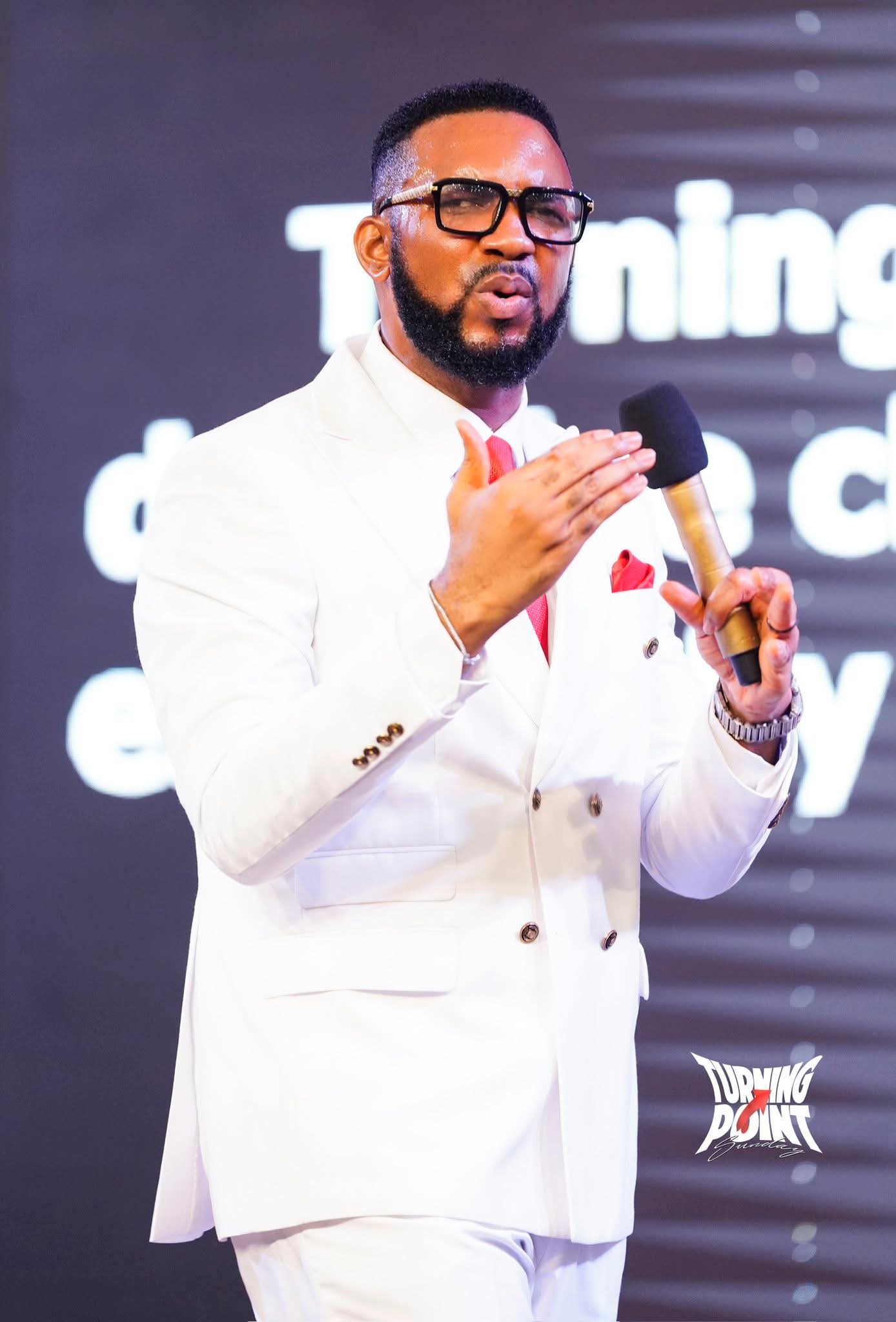
The much-anticipated February 1, 2026 “Turning Point” service of Grace Nation has come and gone, but its impact remains deeply etched in the hearts of Grace Nation citizens across the world. The significance of the day was unmistakable—it marked the official return of the Generational Prophet of God and Senior Pastor of Grace Nation Global, Dr. Chris Okafor, to active ministerial duty as the Set Man of the commission.
The date was particularly symbolic, as Dr. Okafor had taken close to one month away from the pulpit following his wedding late last year. The period served not only as a honeymoon but also as a season of rest, reflection, and intimate fellowship with God in preparation for a greater spiritual assignment ahead.
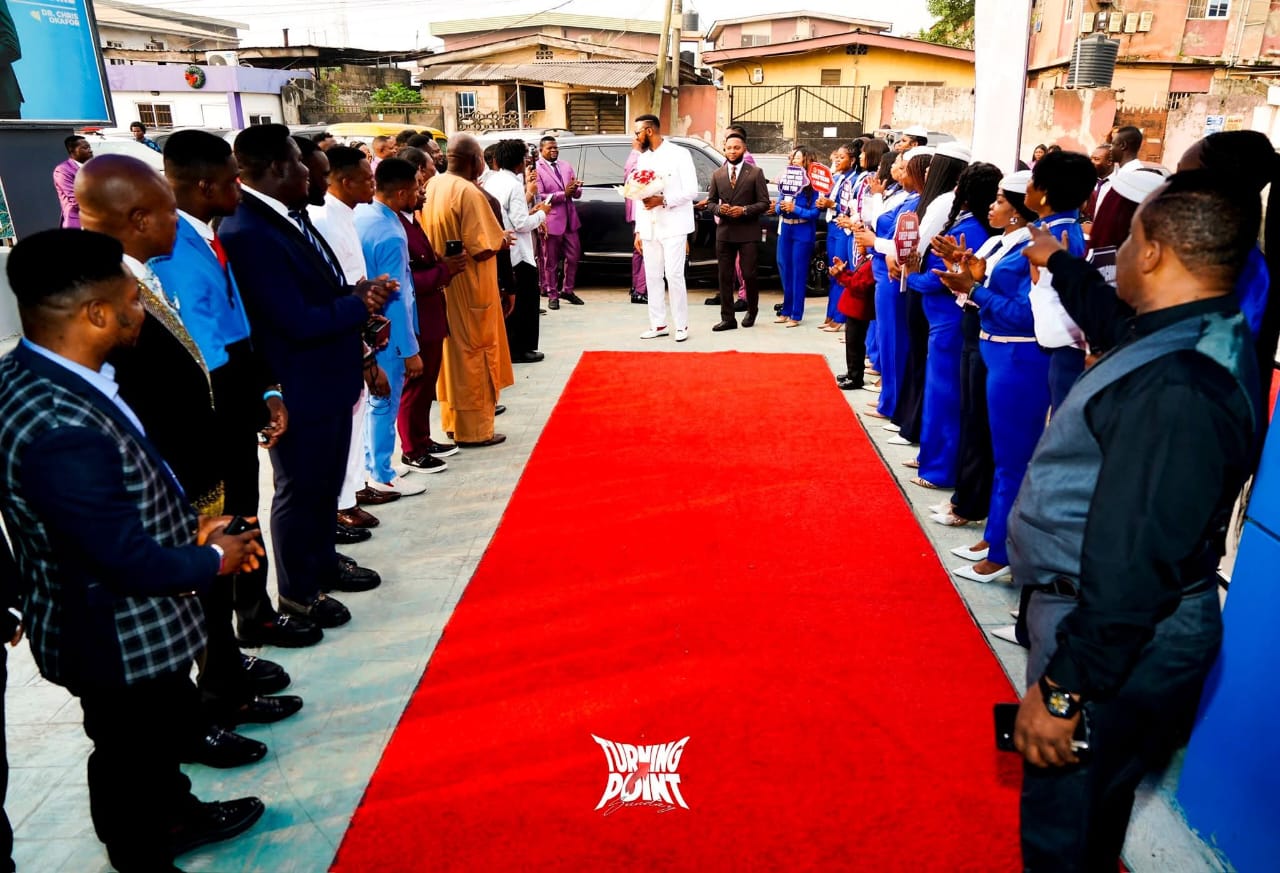
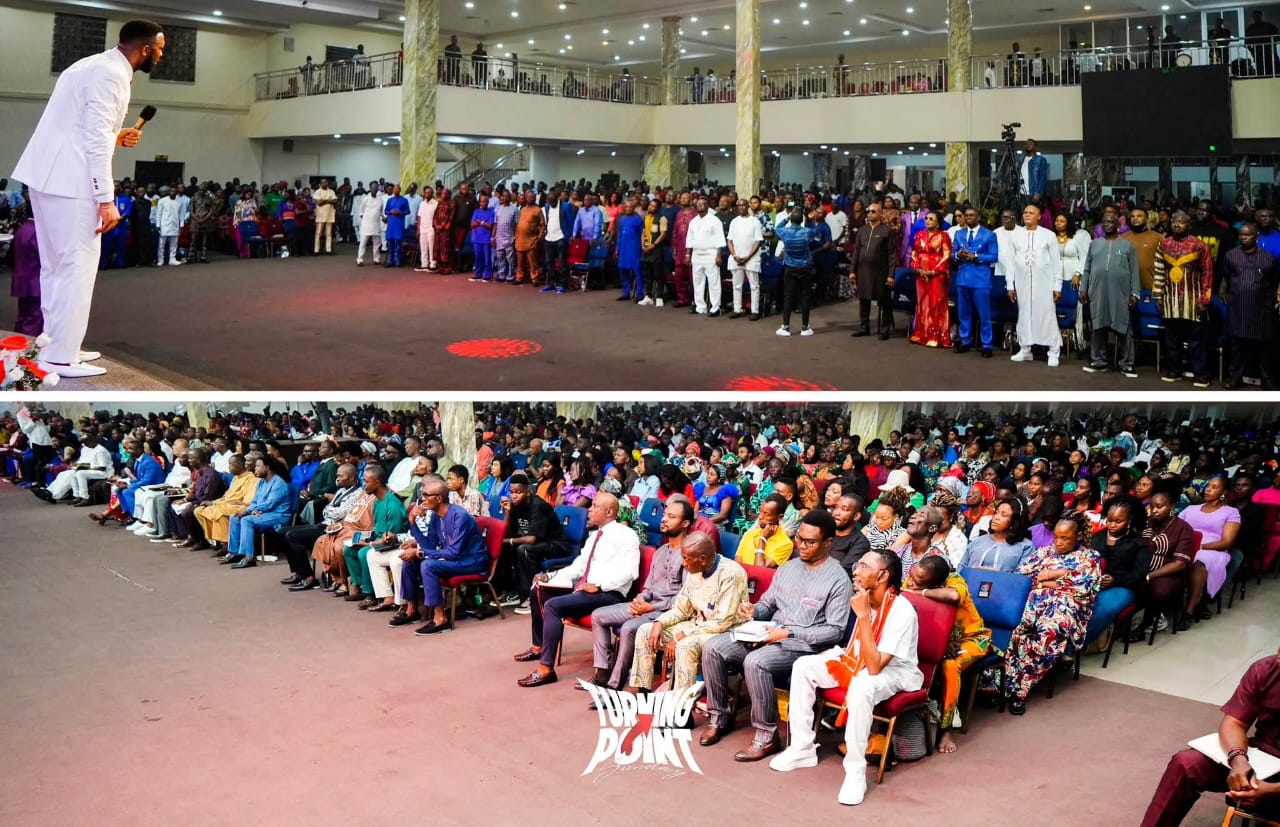
The atmosphere at Grace Nation was electric as the Generational Prophet and his wife were received with a heroic welcome, accompanied by prophetic praise, joyful dancing, and fervent prayers. It was a celebration of return, renewal, and readiness.
In his opening remarks, Dr. Chris Okafor declared that he had returned to fully pursue the mandate God entrusted to him—winning souls for the Kingdom of God. He issued a strong warning to the kingdom of darkness, stating that light and darkness cannot coexist. According to him, the season ahead would witness intensified spiritual engagement, as the Kingdom of God advances and the forces of darkness lose ground.
“This time,” the Generational Prophet affirmed, “it will be total displacement of darkness, as the light of God shines brighter than ever.”
The Message: Turning Point
Delivering a powerful sermon titled “Turning Point,” Dr. Okafor explained that a turning point is defined as a moment when a decisive and beneficial change occurs in a situation. He emphasized that such moments are often preceded by battles.
According to him, battles do not necessarily arise because one is doing wrong, but because God desires to reveal His power and teach vital lessons through them. Every genuine battle, he noted, carries divine involvement and purpose.
Addressing the question “Why must I fight a battle?” Dr. Okafor explained that individuals who carry extraordinary grace often encounter greater challenges. “When you carry what others do not carry,” he said, “the battles that come your way are usually bigger.”
Characteristics of a Turning Point
The Generational Prophet highlighted that when a person is firmly rooted in God, no storm can uproot them. A strong spiritual foundation ensures that no battle can shake one’s destiny. He explained that prayer does not eliminate battles, but preparation through prayer guarantees victory on the evil day.
“Battles push you into your turning point when you are rooted in the Spirit,” he stated, adding that a prayerful life is essential for sustained victory and elevation.
A Supernatural Service
The Turning Point service witnessed an extraordinary move of the Holy Spirit in a fresh dimension. Deliverance, healings, miracles, restoration, and diverse testimonies filled the atmosphere as worshippers encountered the power of God during the Sunday service.
In a related development, Dr. Chris Okafor officially commissioned the ultra-modern church restaurant, Fourthman Foodies, dedicating it to God for the benefit and use of Grace Nation citizens worldwide.
The February 1 service has since been described by many as a defining moment—one that signals a new spiritual season for Grace Nation Global. https://www.facebook.com/share/v/1B2Eh6B6wo/
Sunday Adeyemi is a Lagos-based journalist and society writer. He writes from Lagos.


-

 celebrity radar - gossips6 months ago
Why Babangida’s Hilltop Home Became Nigeria’s Political “Mecca”
-

 society6 months ago
Power is a Loan, Not a Possession: The Sacred Duty of Planting People
-

 Business6 months ago
Batsumi Travel CEO Lisa Sebogodi Wins Prestigious Africa Travel 100 Women Award
-

 news6 months ago
THE APPOINTMENT OF WASIU AYINDE BY THE FEDERAL GOVERNMENT AS AN AMBASSADOR SOUNDS EMBARRASSING