
Politics
How APC Chairman, Tunde Balogun Manipulated LG Primaries – Apapa LG Chairman

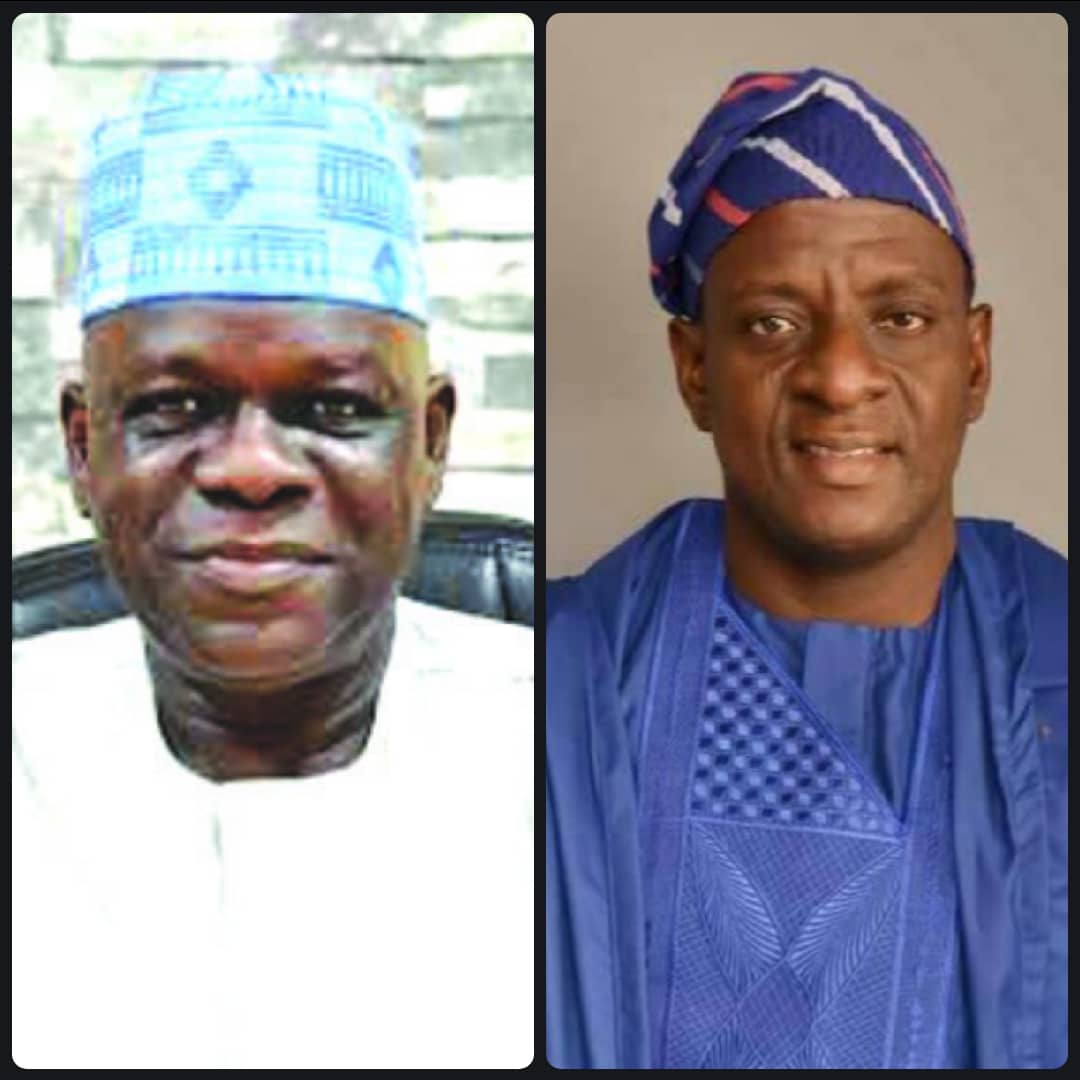
The crisis surrounding The All Progressive Congress (APC) local government primary election in Lagos is yet to be doused as more allegations against the leaders of the party have emerged.
Several members have expressed their displeasure and one of the latest aggrieved party is the Local government chairman of APAPA LG, Owolabi Adele.
He has accused the chairman of the Party in Lagos State, Tunde Balogun, who is also from Apapa local government of manipulating the election with use of thugs and causing unrest in the primary election that took place weeks ago.
“Honorable Tunde Balogun has caused so many unrest to the community due to his greed and imposition of the present vice chairman of the council to emerged as the chairman of the local government after the election, while the incumbent chairman won the election with evidence of results”
He also revealed that the Lagos APC Chair told him to settle for the position of the Vice chairman if he wants to be in the council, while the Present vice chairman becomes the chairman of the LG despite the fact that the election was in his favour.
In a letter signed sent to NEWSEXTRA, Honorable Owolabi Adele called on the election committee to intervene while accusing the Lagos APC Chair of imposition, gross misconduct and thuggery in the just concluded LG Primary Elections.
Read Appealed letter below to the election appeal committee.
STRONG APPEAL TO REMEDY TO REMEDY THE GROSS INJUSTICE AND DISTRIBUTION OF APAPA LOCAL GOVERNMENT CHAIRMANSHIP AND COUNCILLORSHIP PRIMARY ELECTIONS HELD ON SATURDAY 29TH OF MAY 2021.
The All- Progressive Congress Primary election which held on Saturday 29th May 2021, in the 20 LGs and 93 LCDAs of Lagos State commenced respectively in all the 5 words of Apapa Local Government but abstractly disrupted by thugs, cult members and miscreants hired by Hon. Tunde Balogun, the state party Chairman and his preferred and anointed aspirant in person of Kelvin Gabriel.
In view of this development, I am humbly seeking for the intervention of the Election Appeal Committee concerning the unwanted disruption of elections across the 5 wards of Apapa Local Government with the final aim of manipulating the process of choosing our party candidates in the upcoming general elections.
It came as a dismay to all party faithful that no primary election was held in all the 5 wards of Apapa Local Government.
The election day started well behind schedule as the training of the electoral officials and distribution of materials were delayed till past 12noon on Saturday.
After distribution, electoral officials and election materials were transported together in a convey carrying all electoral officials in the same vehicle instead of individual transportation to their respective venue. Some of the electoral officials and materials didn’t get to their various voting centers until about 1pm. This is one of many tactics deployed by the State Chairman (Hon. Tunde Balogun) for his preferred candidate(Hon. Kelvin Gabriel) and the house of representative member Hon. Mufutau Egherongbe and their group to thwart election processes in the local government.
WARD A
Reports emerging reliably from Ward a was that Mr. Kazeem Giwa, Babatunde Kakawa and Jimoh Ohis (Hon. Tunde Balogun’s boys) ( with Pictorial evidence attached), disrupted all efforts to commence accreditation of party members so as to begin election process. All these occurrences took place right in front of police personnel that were deployed to ensure peaceful conduct of election. ( Pictorial evidence tagged annexure A1)
WARD B
In ward B, when electoral officials eventually got to the voting centers at 12:35pm, party members were orderly lined up waiting for the election process to start. The faithful party members (Team Adele) who were ready to cast their votes overwhelmed the crowd of Hon. Tunde Balogun and his preferred candidate Hon. Kelvin Gabriel. It was obviously that if the electoral officers had conducted the election, I would have won convincingly.
After the set up of election furniture’s and just before the commencement, one Taiwo Adedipe (An aspirants and one of hoodlums of Hon. Tunde Balogun) announced that he has finally decided to step down for anothercandidate and demanded that all supposedly votes in his name should be counted for the person he stepped down for. After much deliberations, electoral officers decided that accepting his assertion will amount to electoral fraud, hence each vote counted will be registered against its rightful owner/aspirant.
While all this was going on, there was no form of violence until the electoral officers got calls from the local government electoral chairman that primary elections had been cancelled in all LGs and LCDAs in Lagos State and before anyone could do or say much, the materials and agents were hijacked by the same Taiwo Adedipe (agent &thugs of Hon. Tunde Balogun), who kicked the ballot boxes and carted away the rest of the materials.
There was no form of resistance from either the party members.
WARD C
Similarly in ward C , after the electoral officer eventually showed up at about 1pm, it iwas discovered that the electoral officer came with the wrong electoral register, being the one for 2014 instead of the recently conducted party re-registration register which took place earlier in the year. As a result of this, party members became agitated when they could not find their names in the register despite having their party membership slips with them at the electuions venues. (with videos & pictorial evidence). More so, hoodlums emerged from nowhere and started shooting sporadically into the air in an attempt to disperse party members from the venue. Again, these were part of the calculated plans to disrupt the election process in the local government by the Hon. Tunde Balogun.
Ward D
In ward D, where the electoral officer had announced that the councillorship aspirant is running unopposed because the other aspirant was not cleared earlier before the election day, leaving only the election for chairmanship at stake.
Afterwards, two party members were eventually accredited and allowed to vote, only for one Mr. Kunle to announce that elections would not hold for reasons best known to him despite not being the assigned electoral officer, Thereafter, another well–known hoodlum used by Hon. Tunde Balogun known as Dada Ogunyemi [ A.K.A dada]. snatched the accreditation list from the electoral officer and ran away with it . After so much agitation from party members . one of the electoral officer was able to take the remaining electoral materials to the police, [Evidences tagger annexure A2 & A3]
There was a glimpse of hope but sadly , the mode of the operandi that were witnessed in other WARD reared its ugly head again to disrupt the processes in this ward too.
WARD E
As usual, the electoral team even came later than as witnessed in other ward! The were being transported from ward before finally getting dropped at Ijor Olaoye Primary school which further delayed the process in ward E, thereby arriving at about 1.30pm.
The election process started peacefully despite the late arrival which can be attributed to the resolute determination of party members to cast their vote at a cost. Unfortunately, only 2 electoral officers out of 5 showed up for the exercise party member insisted for election to go ahead as they were prepared to be the councilor and chairmanship aspirant in this election to insist that election would not hold, thereby causing pandemonium at the venue.
In view of this development, Apapa electoral officer Mrs. Adebayo Monsurat was asked if the election should go ahead despite the absence of the other agents. Mrs. Monsurat therefore requested to make a phone call informed Mrs. Babatude Olaoluwa, who by their conversation on that telephone call informed Mrs. Adebayo Monsurat that the election had been cancelled state-wide.
Upon the announcement of the state-wide cancellation, party members became more agitated and made calls across the state to confirm the purported cancellation only to find it to false . it was after this that Mrs. Monsurat herself later admitter [on camera] that only Apapa Local government primary election were cancelled. The source of the authority of the cancellation is still UNKNOWN.
Party members decided there and then that their own ward elections would hold but unfortunately after several hours. This didn’t happen till they all reported themselves peacefully at the Area B police command in Apapa.
[Evidence tagged A4 where Samson Aromire was being begged by the deputy state chairman of NURTW- Alh. Sulaimanojora and Mr. Kunle Azeez.( Popularly as Kunle Poly for more than 2 hours to allow election take place).
video evidence also available of all these happenings.
After the materials had carted away, we decided that our followers (Team Adele) should continue to maintain the orderliness so that we would be able to count their numbers for the sake of future evidence that we were orderly, ready for election in massive numbers. As there was no way Team Tunde Balogun would have beaten that crowd of people.
These are the numbers of party members from Team Adele who were to cast their votes:
Ward A = 233
Ward B = 323
Ward C = 397
Ward D =313
Ward E =1817
(There are pictorial and video evidences showing the lines up and orderliness while the counting was going on).
The heinous act of the hoodlums as experienced in the 5 wards of the local government was discovered to bee a con pictorial attempt targeted at ensuring that the primary election process is truncated and eventually prevented from taking place as scripted by APC State Chairman, Hon. Tunde Balogun and acted by his co-conspirators, thereby undermining the sacrosanct internal democracy that the party is known for.
Hon. Tunde Balogun knew the majority of people were not on his side and that is why he chose this path.
Our appeal is that the will of the people prevails by declaring for another primary election in a well supervised and secured environment in the shortest time possible or alternatively declares me as the candidate of the party.
(Attached are evidence tagged as annexure B1 – B8 where our teeming supporters in respective wards were orderly prepared, waiting for election to take place).
There are videos evidences of all the election processes at the different ward and also written reports of other electoral officers at different wards.
Thank you for your assistance, while accepting the assurance of our best regards always.
Yours faithfully,
Hon. Owolabi Elijah Adele
Executive Chairman


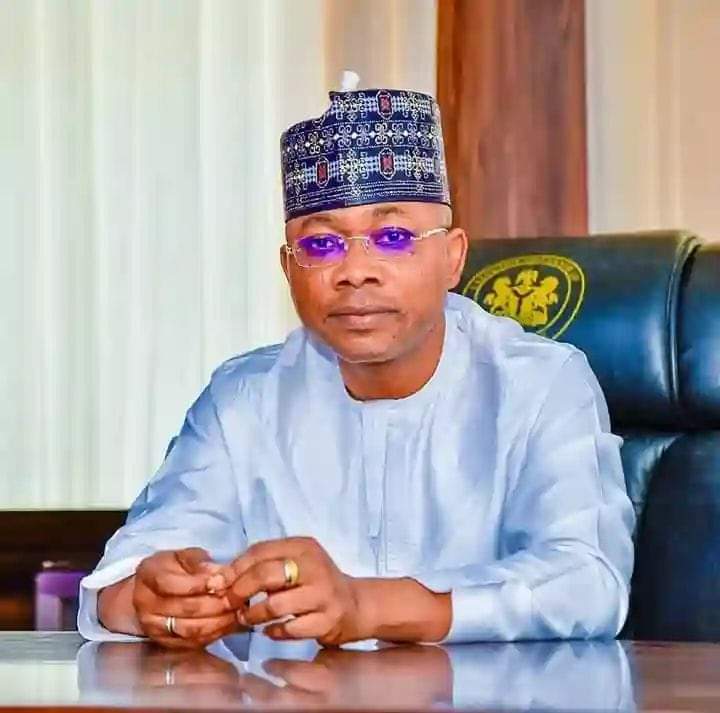
Kogi’s Quiet Shift: Reviewing Governor Ododo’s First 24 Months in Office
By Rowland Olonishuwa
On Tuesday, Kogi State paused to mark two years since Alhaji Ahmed Usman Ododo took the oath as Executive Governor. Across government circles, community halls, and everyday conversations, the anniversary was more than a date on the calendar; it was a milestone that invites both reflection and renewed optimism. A moment to look back at how far the state has travelled in just twenty-four months, and where it is heading next.
Since assuming office in January 2024, Ododo has steered the state through a period of measured consolidation, delivering strategic interventions across security, infrastructure, human capital, and economic revitalisation that are beginning to translate into real improvements for residents.
Governor Ododo stepped into office at a time when expectations were high, and confidence in public institutions needed rebuilding.
His response to these was not loud declarations, but steady consolidation, strengthening structures, restoring order in governance, and setting a clear direction. Over time, that calm approach has become his signature: leadership that listens first, plans carefully, and moves with purpose.
Security has remained the most urgent concern for Nigerians, and Kogi residents are no exceptions; the Ododo-led administration has treated it as such. From deploying surveillance drones to support intelligence operations to recruiting and integrating local hunters and vigilante personnel into formal security frameworks, the government has built a layered safety net.
For farmers returning to their fields, travellers moving along highways, and families in rural communities, the impact is simple and deeply personal: fewer fears, quicker response, and growing confidence that the government is present and concerned about the ordinary people.
Infrastructural development has followed the same practical logic. Roads have been rehabilitated, easing movement for traders and commuters. Budget priorities have shifted toward capital projects and human development, while revived facilities like the Confluence Rice Mill now provide farmers with real economic opportunity. For many households, this means better income prospects, stronger local trade, and renewed belief that development is no longer a distant promise.
Health and education are not left out; the Ododo-led administration has expanded free healthcare services and supported students through examination funding and institutional improvements.
Parents who once struggled with medical bills and school fees have felt relief. Young people preparing for their futures now see government investment not as abstract policy but as something that touches their daily lives.
Governance reforms, from civil service strengthening to new legislative frameworks, have quietly improved how government functions. Salaries are more predictable, public offices are more responsive, and local government structures are more coordinated. These may not always make headlines, but they shape how citizens experience leadership every day.
As the second year anniversary celebrations fade into routine today and Governor Ododo enters his third year in office, the true meaning of the anniversary will continue to linger on.
Two years may not have solved every challenge in the Confluence State -no government ever does, by the way- but they have set a tone of stability, responsiveness, and direction. The next phase will demand deeper impact, broader reach, and sustained security gains.
But for many in Kogi State, the story of the past twenty-four months is already clear: steady hands on the wheel, and a journey that is firmly underway.
Olonishuwa is the Editor-in-Chief of Newshubmag.com. He writes from Ilorin
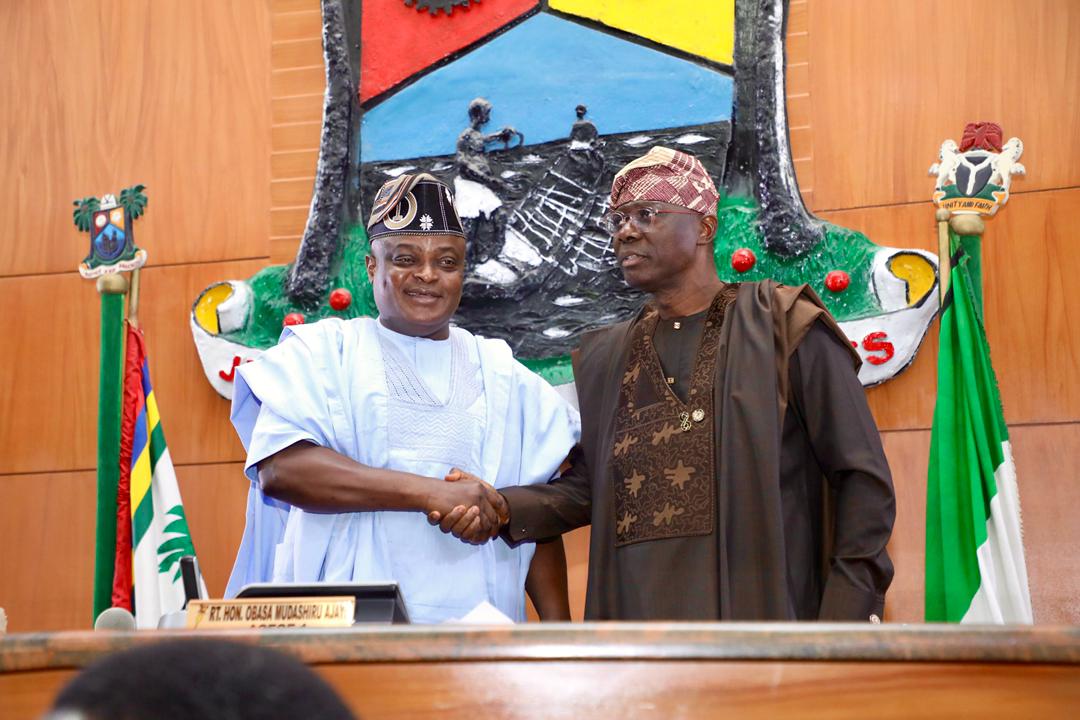
Lagos Assembly Debunks Abuja House Rumour, Warns Against Election Season Propaganda
The Lagos State House of Assembly has described as misleading and mischievous the widespread misinformation that it budgeted for the purchase of houses in Abuja for its members in the 2026 Appropriation Law.
This rebuttal is contained in a statement jointly signed by Hon. Stephen Ogundipe, Chairman, House Committee on Information, Strategy, and Security, and Hon. Sa’ad Olumoh, Chairman, House Committee on Economic Planning and Budget.
Describing the report as a deliberate and disturbing falsehood being peddled by patently ignorant people, the statement reads, “There is no provision whatsoever in the 2026 Budget for the purchase of houses in Abuja or anywhere else for members of the Lagos State House of Assembly. The report is a complete fabrication and a product of political mischief intended to misinform the public.
“The Lagos State House of Assembly does not operate in Abuja. Our constitutional responsibilities, constituencies, and legislative duties are entirely within Lagos State. It is, therefore, illogical, irrational, and irresponsible for anyone to suggest that legislators would appropriate public funds for personal housing outside their jurisdiction.”
The statement emphasised that the budget is already in the public domain and accessible for scrutiny by discerning Lagosians and Nigerians alike. It reiterated that the Lagos State Government operates a transparent budget that speaks to the needs of the people and the demands of a megalopolis.
“We view this rumour as part of a wider attempt at election-season propaganda, designed to erode public trust, sow discord, and malign democratic institutions.”
The chairmen further clarified that the 2026 capital expenditure of the House of Assembly is less than 0.04% of the total CAPEX of the state, which clearly demonstrates the culture of prudence, accountability, and fiscal responsibility that guides the legislature. However, they noted, “Historically, the House does not even access up to its approved budget in many fiscal years.”
They stressed that the Assembly remains fully committed to excellence, transparency, good governance, and the collective welfare of the people of Lagos State, in line with the objectives of the 2026 Budget of Shared Prosperity.
“We therefore challenge those behind this harebrained allegation to produce credible evidence or retract their statements forthwith. Failure to do so may attract appropriate legal actions.
“We urge Lagosians and the general public to disregard this baseless rumour and always verify information from official and credible sources.”
Politics
Democracy in the Crosshairs: How Nigeria’s Ruling APC Weaponises Power and Silences Dissent
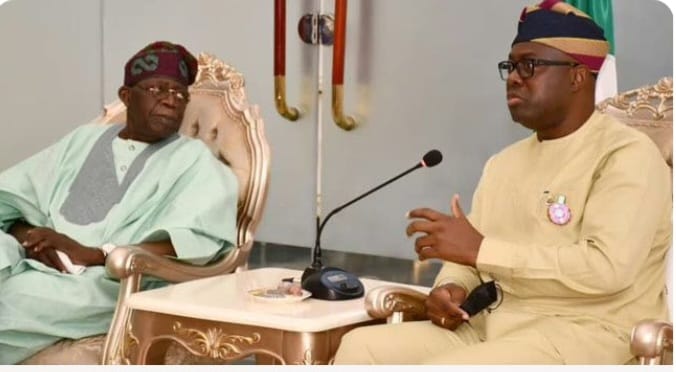
Democracy in the Crosshairs: How Nigeria’s Ruling APC Weaponises Power and Silences Dissent.
By George Omagbemi Sylvester | Published by saharaweeklyng.com
“Tinubu’s Government, the EFCC and the Strategic Undermining of Opposition Governors”.
In a striking indictment of Nigeria’s current political reality, Governor Seyi Makinde of Oyo State declared that “you cannot speak truth to power in this dispensation”, directly accusing the administration of President Bola Ahmed Tinubu of intolerance for dissent and an erosion of democratic norms.
Makinde’s remarks (made during a public event in Ibadan on January 25, 2026) were more than a local governor’s lament. They crystallised a mounting national frustration: that Nigeria’s political landscape has tilted dangerously toward executive overreach, institutional capture and political engineering.
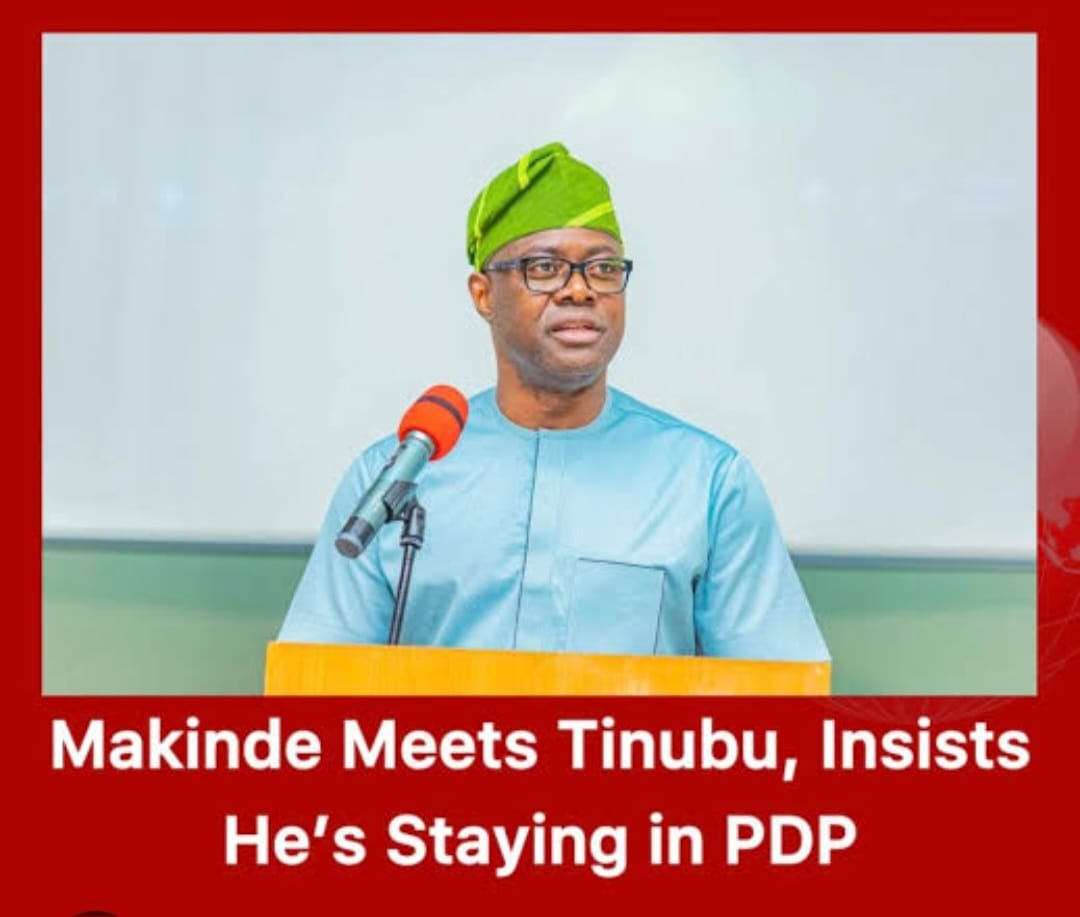
This narrative is not isolated. Across Nigeria, governors from opposition parties have defected to the ruling All Progressives Congress (APC) in numbers unprecedented in the nation’s democratic history. Critics argue that these defections are not merely voluntary political choices, but part of a strategic pressure campaign leveraging federal power and institutions to fracture opposition influence.
At its centre lies Nigeria’s principal anti-graft agency – the Economic and Financial Crimes Commission (EFCC).
The EFCC: Anti-Graft Agency or Political Instrument? Founded to combat corruption, the EFCC’s constitutional mandate is to investigate and prosecute financial and economic crimes across public and private sectors. Its legal independence is enshrined in statute and it has historically pursued high-profile cases, including recovery of nearly $500 million in illicit assets in a single year, demonstrating its capacity for tackling corruption.
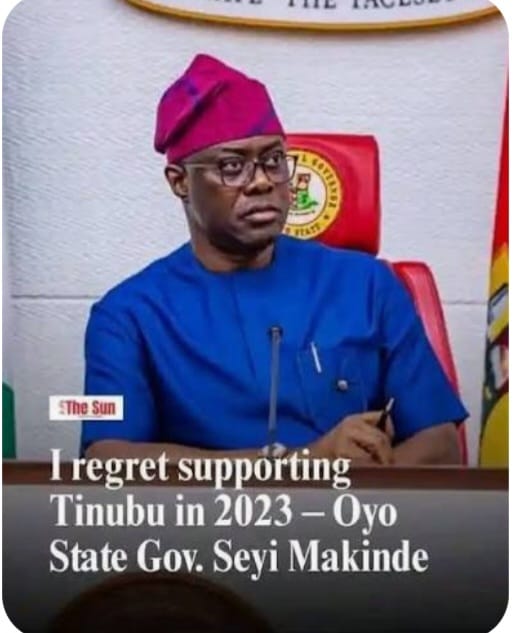
However, critics now claim that under the Tinubu administration, the EFCC’s prosecutorial power is being perceived (if not deployed) as a political instrument.
Opposition leaders, including former Vice President Atiku Abubakar and coalition parties such as the African Democratic Congress (ADC), have publicly accused the federal government of using anti-corruption agencies to intimidate opposition figures and governors, effectively pressuring them into aligning with the APC.
In a statement released in December 2025, opposition figures alleged that institutions such as the EFCC, the Nigerian Police and the Independent Corrupt Practices and Other Related Offences Commission were being selectively wielded to weaken political competitors rather than combat financial crime impartially.
This is not merely rhetorical noise. The opposition’s grievances centre on several observable patterns:
Reopened or New Investigations Against Opposition Figures: The ADC pointed to recent abnormal reactivation of long-dormant cases or new inquiries into financial activities involving senior opposition politicians. These, they argue, often arise shortly before critical elections or political realignments.
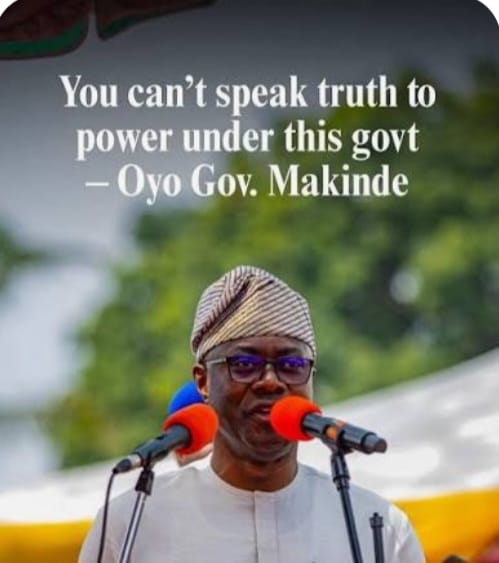
Alleged Differential Treatment: According to opponents of the current administration, individuals who have defected to the APC appear less likely to face sustained legal scrutiny or prosecution in EFCC proceedings, even in cases of credible allegations of mismanagement.
Timing of Actions: The timing of certain high-profile investigations, emerging ahead of the 2027 general elections, reinforces perceptions that anti-graft measures are tailored to political cycles rather than legal merit.
The EFCC and Presidency have publicly denied these allegations, insisting that the commission operates independently and pursues corruption irrespective of political affiliation and that Nigeria’s democratic freedoms (including party choice and mobility) remain intact.
Yet the perception of bias, once systemic, is hard to erase, especially when political actors deploy powerful state machinery with strategic timing and selective intensity.
Defections and Power Realignment: A Democracy at Risk? Since 2023 and particularly through 2025, a remarkable number of state governors and senior political leaders have crossed over from opposition parties (notably the Peoples Democratic Party – PDP) to the APC. Though defections are normal in Nigeria’s fluid political system, the scale and speed in recent years are historically noteworthy, raising critical questions about underlying incentives.
The SaharaWeeklyNG reported Makinde’s comments within the broader context of a political climate where dissenting voices face greater obstacles than at any time in recent democratic memory.
Governors who remain in opposition find themselves squeezed between growing federal assertiveness and dwindling political capital. Some analysts argue that the combination of federal resource control, political appointments and influence over public agencies exerts tangible pressure on subnational leaders to align with the ruling party for political survival. This dynamic, they contend, undermines competitive party politics and weakens Nigeria’s multiparty democracy.
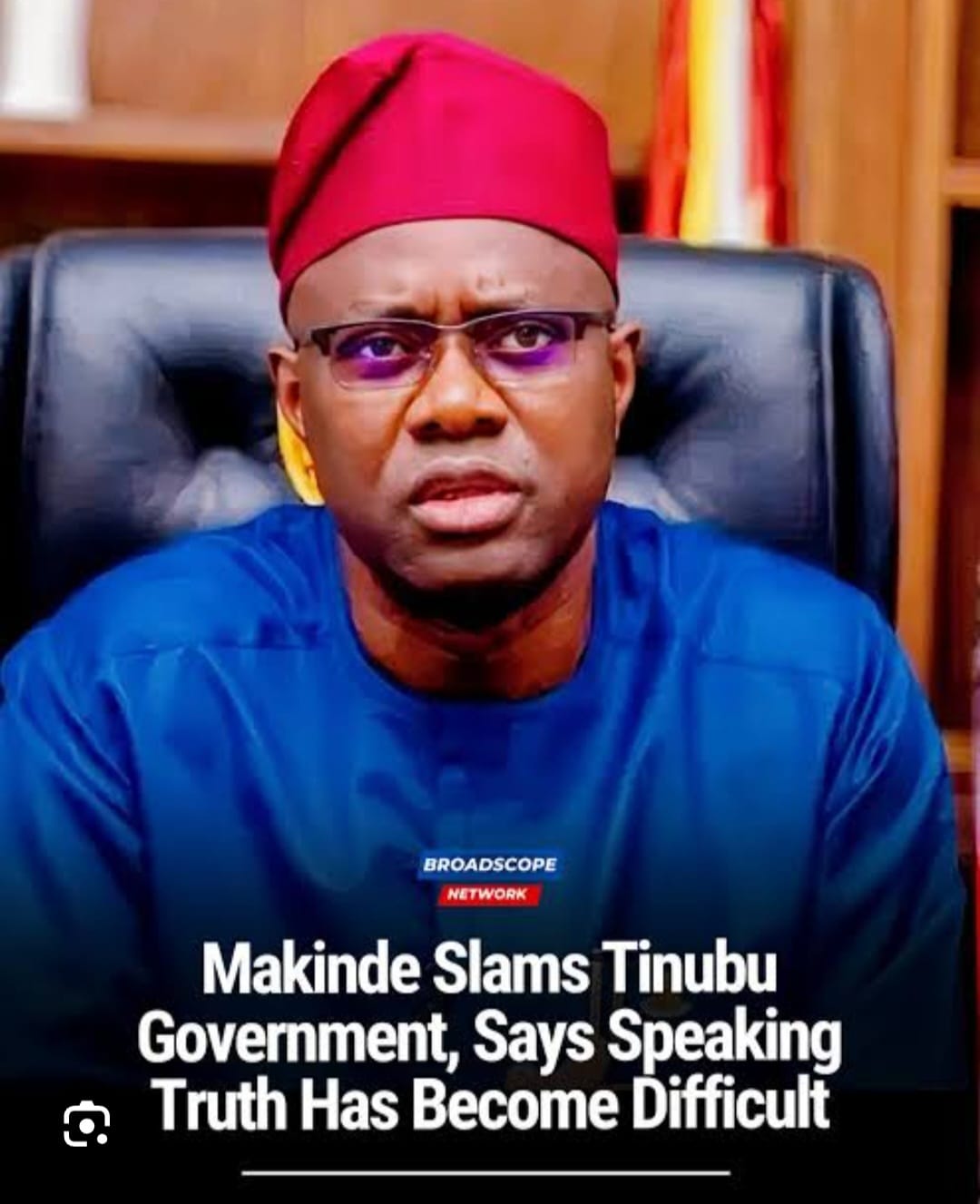
Speaking Truth to Power: What Makinde’s Critique Exposes. Governor Makinde’s core grievance (that it is increasingly difficult, perhaps perilous, to speak truth to power) resonates widely among civil society actors, political analysts and democratic advocates:
“YOU CANNOT SPEAK TRUTH TO POWER IN THIS DISPENSATION,” Makinde declared, specifically citing the government’s handling of contentious tax reform bills as an example where dissent was neither welcomed nor transparently debated.
Makinde’s critique reflects deeper structural concerns:
Exclusion of Key Stakeholders: Opposition leaders and state executives report being marginalised from meaningful consultation on national policies affecting federal-state relations, revenue sharing and fiscal reforms.
Institutional Intimidation: The perception that state politicians become targets of federal legal scrutiny after taking firm oppositional stances (real or perceived) discourages robust democratic debate.
Erosion of Opposition Space: A symbiotic effect of party defections and institutional pressure is a shrinking viable space for genuine political opposition, weakening checks and balances essential to democratic governance.
A respected political scientist, Dr. Aisha Bello of the University of Lagos, recently argued that “when opposition becomes fraught with state leverage instead of ideological competition, the very foundation of democratic contestation collapses,” adding that “a government that shies away from criticism risks inversion into autocracy.”
Another expert, Prof. Chinedu Eze, former dean of political studies at Ahmadu Bello University, warned that “selective use of anti-corruption agencies as political tools corrodes public trust and ultimately delegates justice into the hands of incumbents rather than independent courts.” These observations echo growing public skepticism.
The Way Forward: Strengthening Democracy and Institutions. Nigeria’s path forward depends on restoring confidence in democratic norms and institutional independence.
Transparent EFCC Processes: Civil society groups and legal scholars are advocating for enhanced transparency in anti-graft investigations, including clear prosecutorial thresholds and independent audits of case initiation and closures.
Judicial Oversight: Strengthening the judiciary’s capacity and independence is critical to ensuring that allegations of political weaponisation do not go unchecked. Courts must remain the ultimate arbiters of evidence and guilt.
Political Reforms: Advocates demand reforms to party financing, federal-state fiscal relations, and consultation mechanisms to reduce incentives for defections driven by federal resource leverage.
Public Engagement: A more informed and engaged civil society, anchored by independent media and civic education, must hold both government and opposition accountable for adherence to democratic principles.
Beyond The Present Moment.
Governor Makinde’s assertion that it is no longer tenable to “speak truth to power” under the current administration reflects unsettling trends in Nigeria’s evolving democratic landscape. While the EFCC and the Presidency maintain that anti-corruption efforts are independent and constitutionally grounded, opposition leaders (backed by political data and patterns of defections) argue that state power is being used to consolidate one-party dominance and undermine political pluralism.
At this critical juncture, Nigeria must choose between entrenching competitive democracy or sliding toward a political monopoly where dissent is subdued, institutions compromised, and power concentrated.
For Nigeria’s democratic ideals to survive (and thrive) its leaders and citizens must ensure that speaking truth to power remains not a perilous act of defiance but an honoured pillar of national life.


-

 celebrity radar - gossips6 months ago
Why Babangida’s Hilltop Home Became Nigeria’s Political “Mecca”
-

 society6 months ago
Power is a Loan, Not a Possession: The Sacred Duty of Planting People
-

 Business6 months ago
Batsumi Travel CEO Lisa Sebogodi Wins Prestigious Africa Travel 100 Women Award
-

 news6 months ago
THE APPOINTMENT OF WASIU AYINDE BY THE FEDERAL GOVERNMENT AS AN AMBASSADOR SOUNDS EMBARRASSING