
society
War on Terror: The Heroic Exploits of Unsung Heroes (Part 1)

War on Terror: The Heroic Exploits of Unsung Heroes (Part 1)
By: Hamza Suleiman
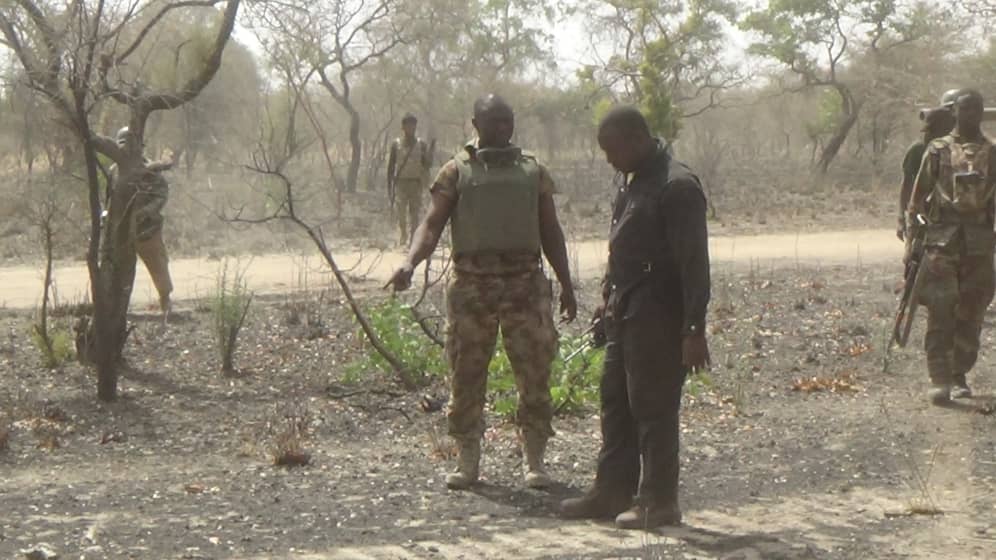
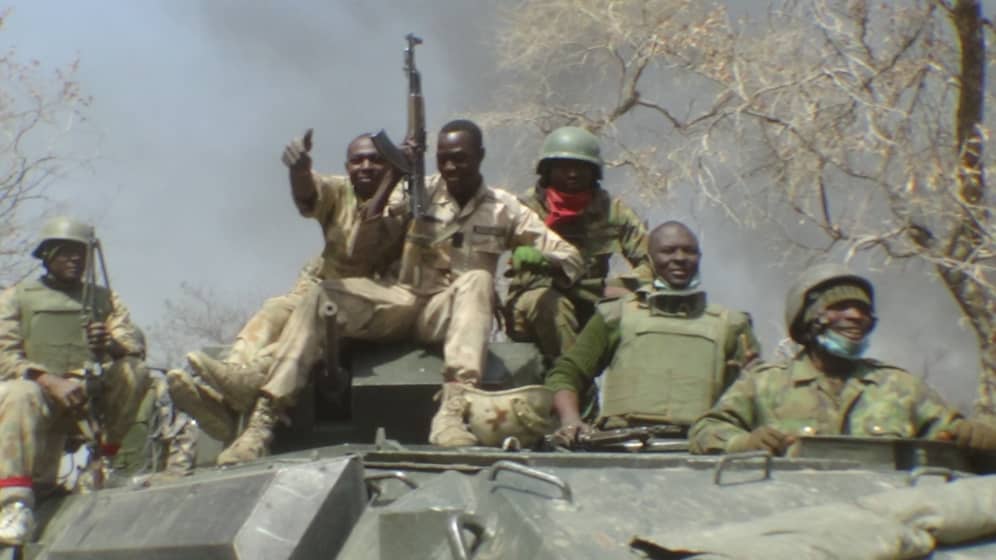
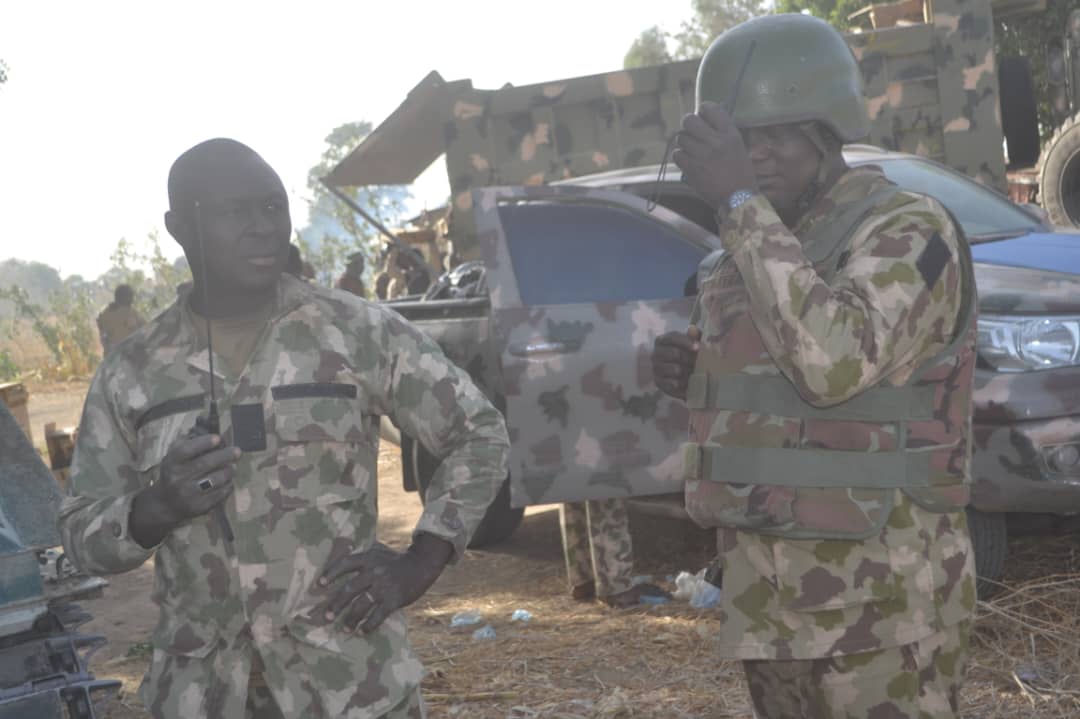
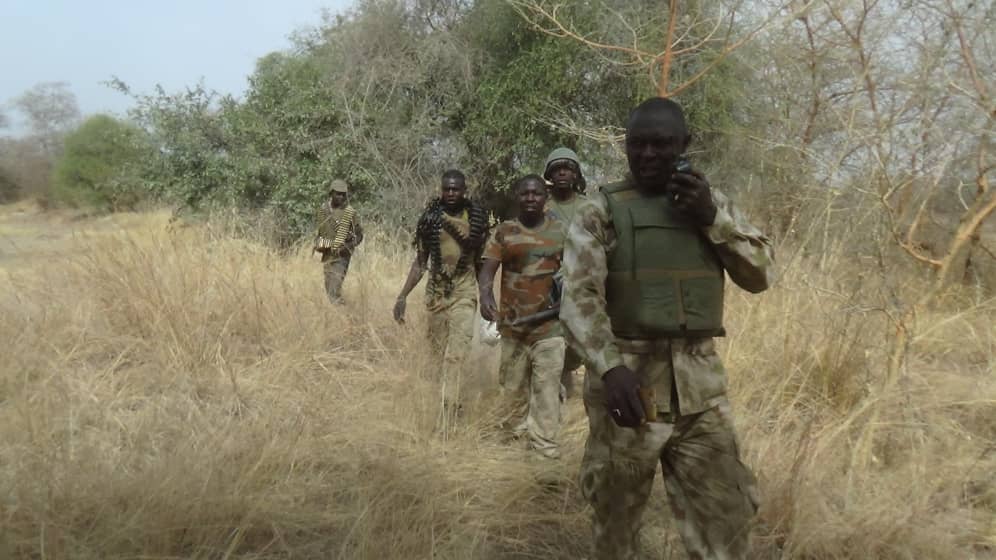
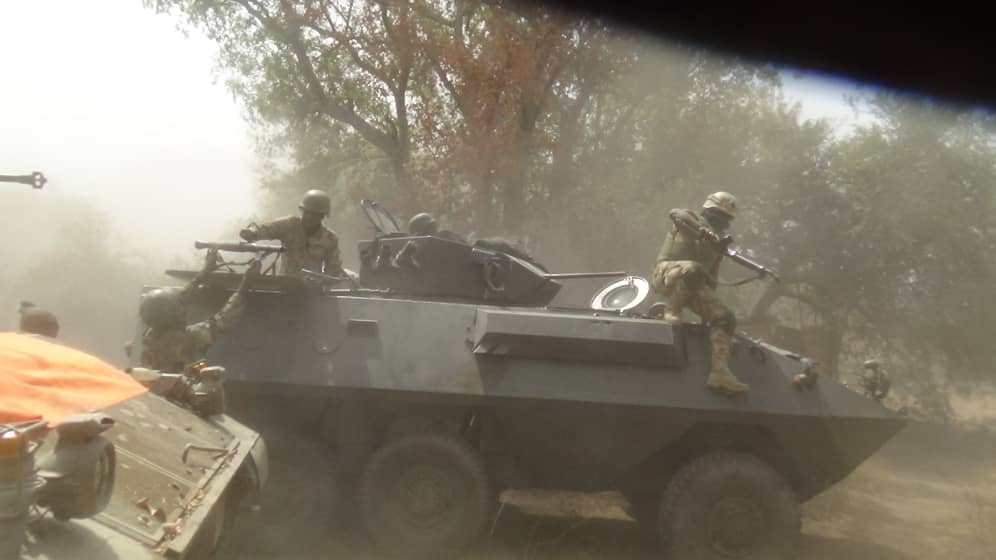
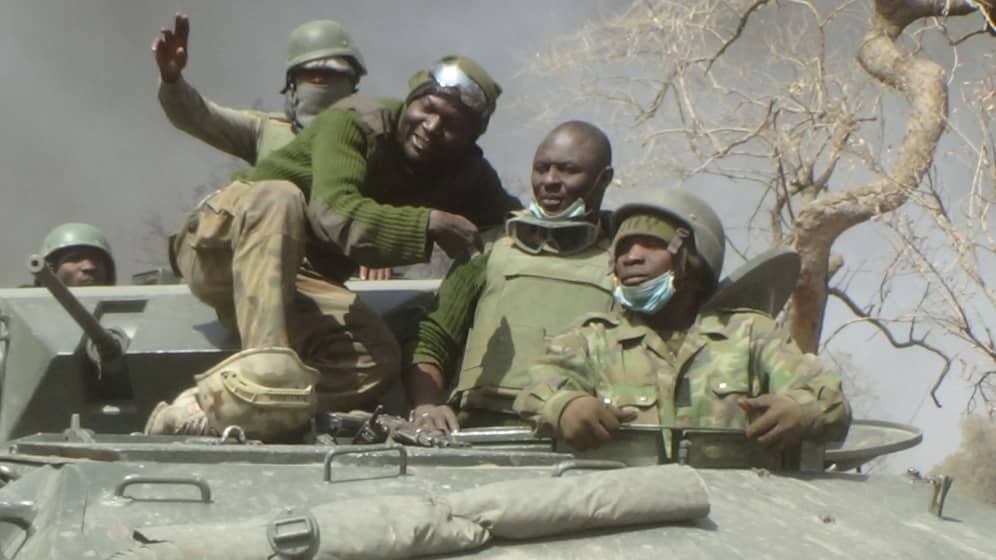
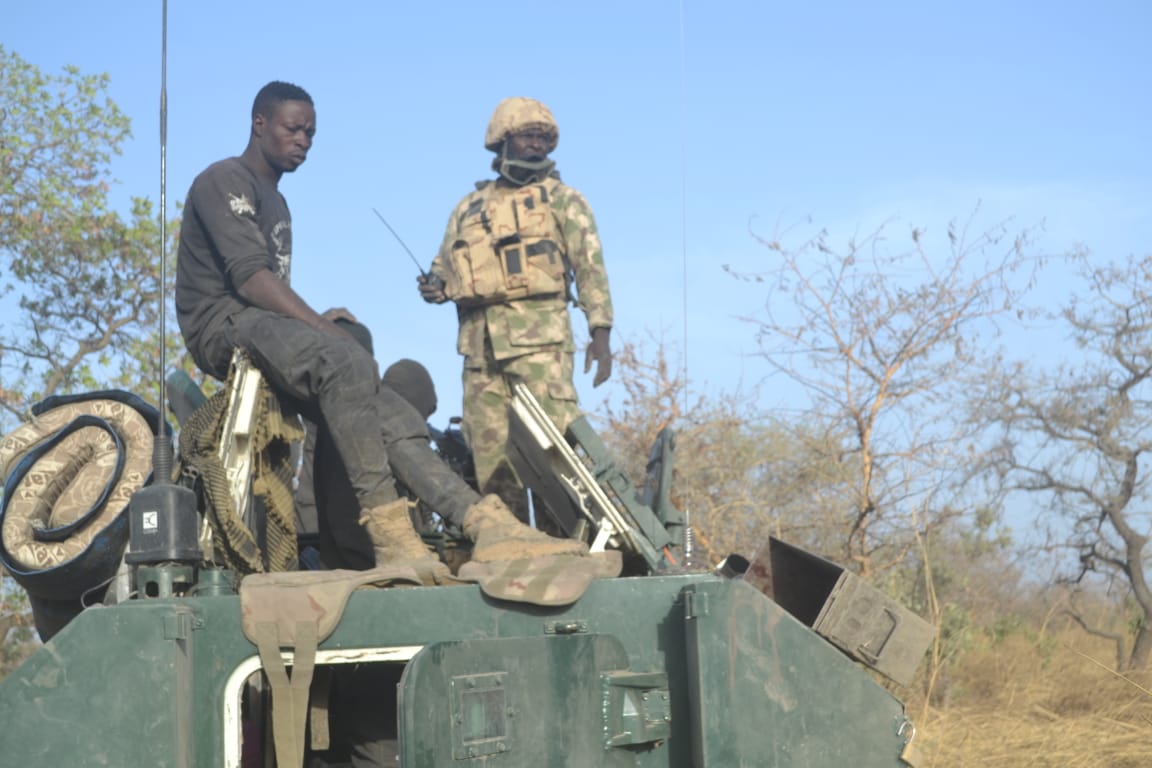
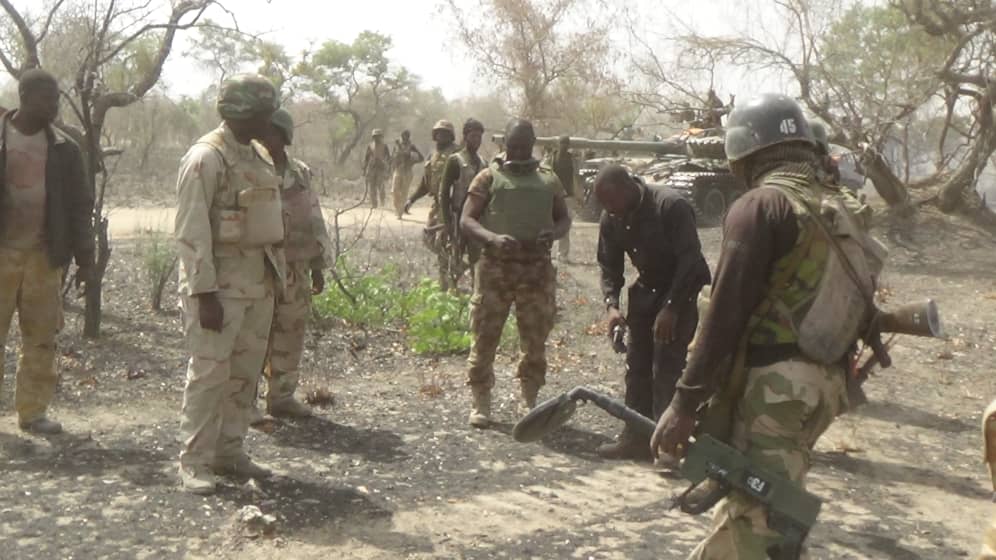
It is not very often that you get to read about the extraordinary exploits of Nigerian troops at the theatres of ongoing war against Boko Haram/ISWAP terrorists or in the various military operations across the country.
In fact, majority of Nigerians outside the epicenter of the crisis, are not conversant with the trajectories of that war on terror being prosecuted by the Nigerian Armed Forces across the country nor do they do have the faintest idea about the gallantry and exceptional heroic feats of some of our officers and men in the trenches.
This is partly because not many reporters or commentators are willing to devote their time, as it were, to the chronicling for posterity, the extraordinary bravery and gallantry of some of the Nigerian troops engaged in the war of attrition against the dreaded Boko Haram/ISWAP terrorists. It does appear that what is fashionable for a section of the media is the spotlighting of setbacks and obstacles in the way of our troops.
The very worrisome penchant for bad reviews of military operations across the country in the media is a topic for another day as this serialized reports is meant to share the amazing stories of some courageous and patriotic military officers who have distinguished themselves in the line of duty at the North East Task Force Operation Hadin Kai where Nigerian troops are battling the Boko Haram/ISWAP terrorists.
For these brave officers who are deployed far from home and from loved ones for years, the determination to put their lives on the line so that the entire nation can sleep in peace, comes so natural and without any form of compulsion. Like the late Lt Col Abu Ali (whose heroic accomplishments only came to limelight after his demise), these officers in focus all of the Special Forces Battalion are men of steel, courage, passion and exceptional bravery in battle.
Standing tall…
On that eventful day, March 14 2014, a full complement of well-armed Boko Haram terrorists launched massive attack on Giwa Barracks in Maiduguri, Borno state capital. The sprawling barracks became target of their daring attack because within it were held some of their commanders and foot soldiers arrested by the troops of the Nigerian Army. Apparently overwhelmed by the large numbers and grim determination of terrorists making the incursion, the troops on guard the barracks withdrew, and everything were in flurry as the attackers continued to pour in relentlessly, shooting at everything and anything on sight. Their sole aim was to overrun the barracks and set free their members in detention.
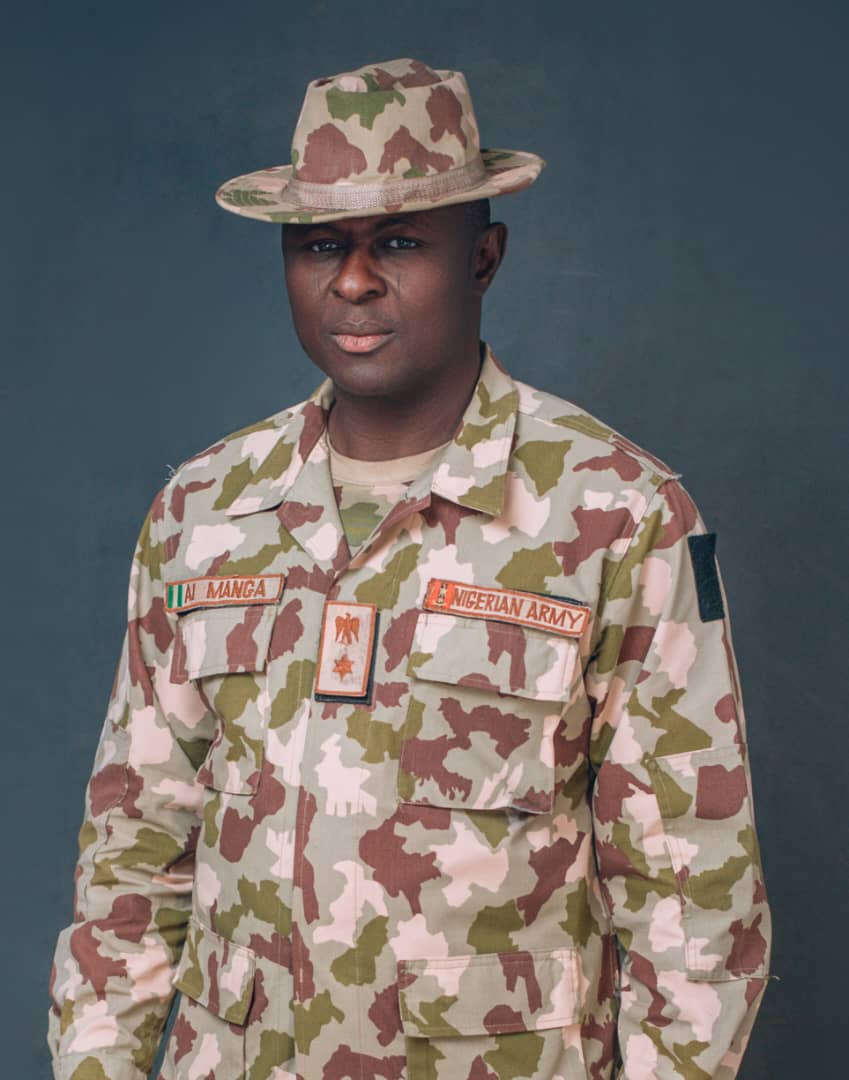
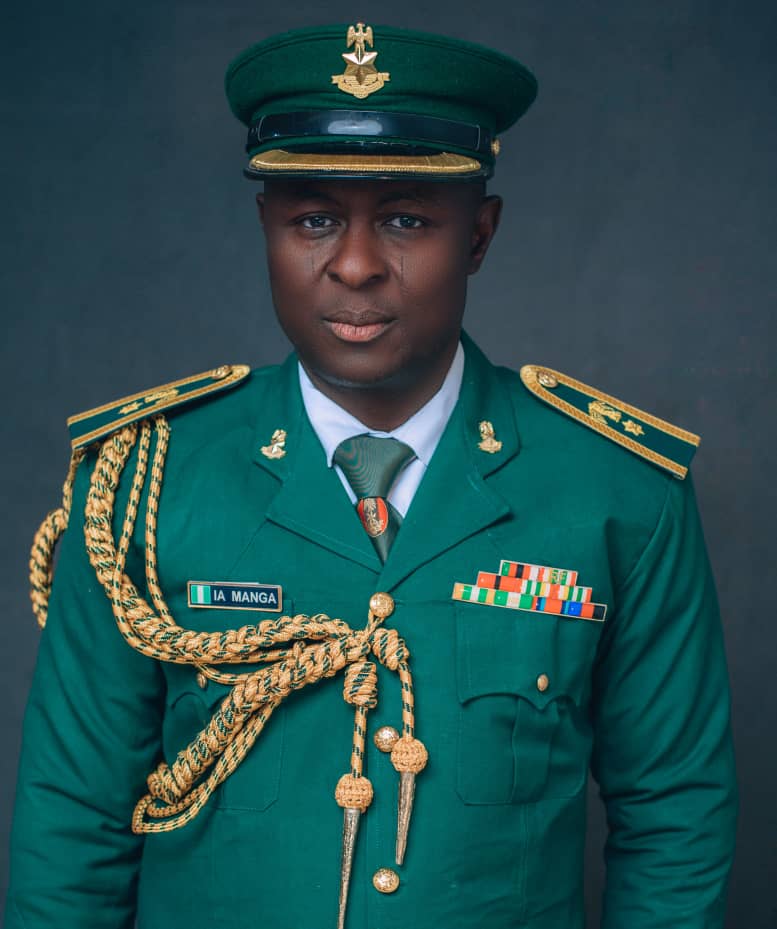
On learning of the intrusion of the barracks by the insurgents, a certain Lt Col Ishaya Aliyu Manga left his Sector which was far away from the scene without being prompted or compelled and immediately mobilized troops to go repel the attack. He led his troops into the fray and successfully sacked the terrorists who had almost upturned the entire Giwa barracks. More than 300 terrorists were killed in that encounter and many weapons including Anti-Aircraft (AA) guns and gun-truck vehicles were captured by the officer and his troops from the terrorists.
The swift and furious dislodgement of Boko Haram elements from the Giwa Barracks which the officer spear-headed was not the first nor the most daring of operations he had led or been involved in. As a thorough-bred infantry officer, Manga knew exactly what he and his colleagues in the theatre were up against and as such was mentally and physically prepared to undertake the journey of routing Boko Haram terrorists from any part of Nigerian sovereignty.
Though Manga was under Sector 2 on his arrival, his mode of operation transcended that sector. As a matter of fact, he made himself available and dutifully participated in all attacks on Boko Haram that required reinforcement within Maiduguri metropolis.
He was actively involved in countering book Haram attacks in Bulabulin Garnam, London Ciki, Baga road, Kasuwan Shanu, Millinaire quarters, Headquarters Sector 2, dusman, Post Office and Customs Road, Zabamari, Gongulon, Lawanti, Turshe, among others.
Sometime in January 2014 when the activities of Boko Hara terrorists become a potent threat to the 195 Battalion which was deployed at Bulabulin and Damboa, the former GOC 7 Division, Maj. Gen. Bindawa directed L.t Col. Manga to “marry up” with the Battalion for immediate clearance of the terrorists from their general area of responsibility. The next day at about 10 in the morning, the officer alongside personnel of 195 Battalion launched an operation that culminated in the successful destruction of Boko Haram terrorists in their own strongholds around Alagarno area. In that operation, more than a hundred terrorists were killed while a lot of their equipment were destroyed.
For his outstanding bravery in that attack, the GOC gave him an award. Few weeks later when Konduga which was under the protection of 202 Battalion was overran by the Boko Haram elements, Lt Col Manga was again tasked to go retake the town from the adversaries. On the 14th February, he led his men from the front and successfully dislodged the terrorists and recaptured the town. He was promptly appointed OC (Officer in Charge) of Konduga which he later handed over to 103 Battalion.
At this point, the Yola Born Infantry officer has established himself as the go-to-officer for any difficult operation that required exceptional courage and bravery. Manga was tasked to conduct search and rescue operations for the NAF Mi 35 Helicopter that crashed at Bulabulin general area during an operational flight. For two whole days, the officer and his team were combing the terrorists and IED-ladden forests until they discover the location of the crashed chopper and successfully rescued one of the pilot alive. That uncommon gallantry earned him another commendation from the then GOC 7 Div, Maj Gen Manu Yusuf Ibrahim.
Barely four days after rescuing the NAF pilot, precisely on the 26 July 2014, 251 Battalion and 254 Battalion were tasked to retake Bulabulin and Damboa which were overran by Boko Haram. The 7 Division Garrison was also tasked to provide a robust patrol to assist the units in achieving the daunting task. The lot fell on Lt Col Manga to lead the patrol team under the guidance of the Commander 7 Div Garrison, Col DR Hassan (now retired). The officer again proved himself as he led daring exploits that influenced the successful obliteration of Boko Haram terrorists and the recapture of Bulabulin and Damboa as directed.
Some weeks later, Manga carried out a robust patrol to Kawuri with the sole purpose of degrading Boko Haram who were occupying the area from where they were launching successive attacks on troops’ location at Konduga. Despite the numerical inferiority of his team compared to the adversary’s, they were able to totally decimate the Boko Haram’s stronghold, killing many of them in the process. The patrol team dutifully captured high value assets from the terrorists and brought them back to base. That singular daring operation brought glory to the Division and Nigerian Army at large.
Manga however sustained serious injuries on his hand and ears during the operation and sent to the University of Maiduguri Teaching Hospital for treatment. Barely three weeks after he went for treatment, he returned back to action.
Following the attack and subsequent capture of Chibok town by Boko Haram terrorists, On November 13, 2014, Lt Col Manga was tasked alongside Col M.O Edide to retake the town. In his characteristic uncommon courage and fearlessness, confronted the terrorists and totally obliterated them.
The team successfully recaptured Chibok on 15 November, killing many of the insurgents while capturing two Anti-Aircraft guns mounted on buffalo vehicles, three Hilux vehicles and over 200 moto cycles.
Again, within a span of weeks, the terrorists launched a heavy attack on Maiduguri metropolis through Damboa and Mafa axis. L.t Col. Manga was again called upon to assist in repelling the attacks from both axis. He characteristically demonstrated uncommon courage during the encounters which enabled him to gain the willing followership of troops in effectively repelling the attacks. His immense contributions influenced the eventual neutralization of many Boko Haram terrorists and capture of several high caliber weapons, vehicles, artillery guns, etc.
Assuming Command
As Commander Sector 2, Lt Col Manga demonstrated his essential leadership qualities in managing man and materials. Owing to his excellent management of his troops, his sector was at all times free and secured from Boko Haram activities.
He artfully ensured that flashpoints within his area of responsibility were kept in check to prevent any form of dissent or criminal activities from any quarter. In addition to his primary task as the Commander, the officer led various operations to route Boko Haram elements, notable of which were at Kulli, Mama, Dongo, Leje, Yale, Bula Galda, Dagumba, Mowa Kasuwa, Boboshe, Boskoro, Kokutuma, Kashimri, Gulumba Gana, Chingori, Dalori, Walasa, Chingurmi, Kwanjima Wurwaza, etc.
His team successfully destroyed Boko Haram terrorists’ camps and markets in those locations while killing scores of the fighters and capturing weapons and equipment. A number of people who were held hostage were also rescued by Manga and his team in a number of those places.
The Officer again proved himself as most outstanding officer by his daring exploits which resulted to the successful vanquishing of Boko Haram elements in Yale on the 7th of June and again on the 19th October, 2016 in which numerous terrorists were neutralized and several AK 47 rifles captured. Additionally, more than 400 Bicycles and 15 Motorcycles were destroyed by Manga’s troops.
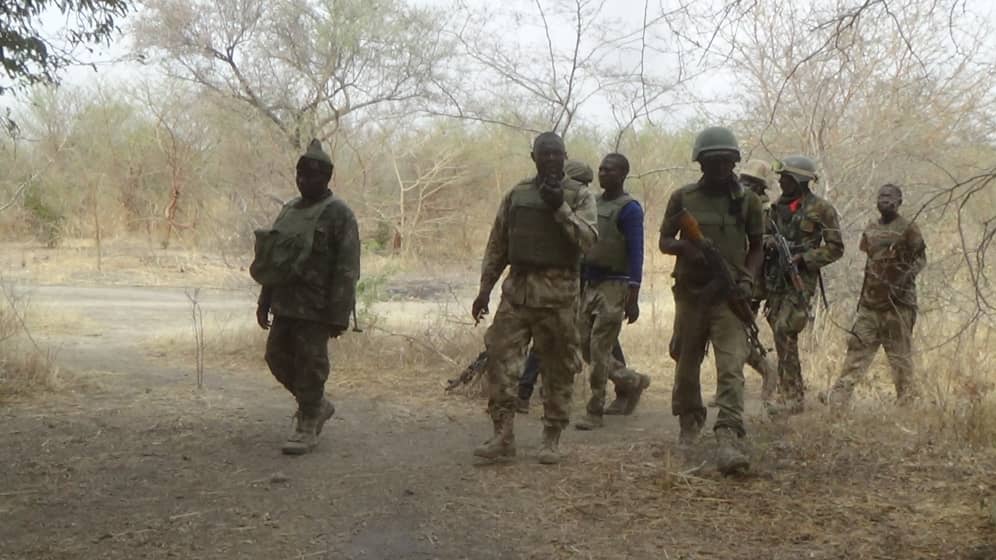
Few days later, under the auspices of Op RESCUE FINALE, the officer gallantly led his Battalion into Sambisa forest where they successfully cleared 23 Boko Haram camps and neutralized scores of the terrorists around Sambisa Gate one and Garin Dinya where 19 terrorists were neutralized and various calibers of arms and ammunition captured.
On 2nd January 2018, Manga returned to the Sambisa forest with his unit, this time under the auspices of OP DEEP PUNCH 2. As usual he displayed exemplary leadership qualities in leading his men and instilling boldness in them in the face of danger. His style of command, courage and professional astute led to the destruction of nine major terrorists’ camps including camp Zairo Boko Haram Headquarters, forcing Abubakar Shekau to fled for his life, leaving his flag and other properties.
The unit contributions led to death of many terrorists, destruction and recovery equipment including MBT, VBL, Typhon APCs, gun trucks etc. Other items the troops destroyed were ammunition making factory, weapon factory among others. This uncommon courage displayed by the officer earned him GOC’s commendation letter for act of gallantry.
Back to Op LAFIYA DOLE
Manga commenced his second journey in Op Lafiya Dole after his unit (Chief of Army Staff Special Intervention Battalion II defunct) now 134 Special Forces Battalion was inducted into the Operation on 10 Jan 2020.
His first task was to conduct long range patrol to clear Gudumbali and environs, Jilli, Fuchimiram, Borno Yesu and environs under operation OP TIGER CLAW and OP LEOPARD TRAIL with 5 Brigade. The task was effectively carried out.
Two weeks later, Boko Haram/ISWAP fighters were sighted at Lamboa forest and Lt Col Manga was informed of the development. The senior officer quickly mobilized his team to Lamboa forest. After a fierce battle with the terrorists and due to the team’s resilience, several terrorists were neutralized. The successes recorded on that operation led to the capture of several weapons among which were two gun trucks, five Anti-Aircraft guns and eleven AK 47 rifles.
Sadly the Senior Officer was severely wounded after he was shot three times (2 gunshot wounds and RPG blast), during a hot exchange of gunfire in the evening of March 9 2020 between Boko Haram fighters and troops who were on offensive mission under the auspices of Op AYISO TAMUNOMA within the Alagarno.
He spent three months and two weeks receiving treatment in the hospital. The injuries he sustained did not in any way stop him from doing his best to ensure that the activities of Boko Haram terrorists were nipped in the bud. He immediately commenced operation after his sick leave.
A report came on the 18 of August 2020, that Boko Haram/ISWAP terrorists have gathered locals and were delivering sermon to them in Magumeri. Manga quickly mobilized his team to the scene and in his characteristic brave manner, he confronted the terrorists in a fierce battle which led to death of scores of terrorists while many of them escaped.
On the 7th of September, 2020, the terrorists ambushed the officer and his team while on patrol along Gubio and Magumeri road. The team exhibited act of bravery and commitment which influenced the defeat of the terrorists and recovery of a gun truck, two Anti-Aircraft guns, three AK 47 rifles and various caliber of ammunitions.
Additionally, On 26 Oct 20, LT Col Manga and his team neutralized Boko Haram fighters along Karnowa – Magumeri road. They successfully captured an Anti-Aircraft gun, five AK 47 rifles, one Bedford vehicle among other items.
Exploits at OP TURA TAKAI BANGO
Operating under the auspices of Operation TURA TAKAI BANGO, Lt Col Manga, on the January 1, 2021, led his unit into Tinbuktu Triangle, the spiritual home of Boko Haram terrorists along with troops of 198 Special Forces Battalion and 199 Special Forces Battalion under 402 Special Forces Brigade.
Their offensive mission was hugely successful as they were able to destroy several Boko/ISWAP enclaves among which included Gorgi, Kafa, Abagajiri, Dusula, Buk, Manguzum, Gorgore forest and others. Several terrorists were neutralized in that mission while several high grade weapons were recovered or destroyed.
Similarly, 402 Special Force Brigade was tasked to retake Marte from ISWAP and clear Krenoa, Chikun Gudu and environs. Manga led the operation and as usual displayed an uncommon courage which led to the killing of 22 terrorists and retaking of Marte on the 23rd of February 2021.
The Officer was also directed to clear elements of ISWAP hibernating in Ala settlement on Mar 3, 2021. Along with his men, they neutralized four Boko Haram fighters and recovered a number of weapons.
On March 22 2021, 402 Special Force Brigade was also tasked alongside 21 Armour Brigade and 26 Task Force Brigade to conduct clearance operations in Sambisa forest. Manga’s knowledge of the ground came handy as he dutifully assisted the advancing forces in clearing Njimia, Parisu, Somalia, Kuraba, Sabil Huda, Gobara, Dure and other Boko Haram enclaves.
The successes recorded were; neutralization of terrorists capture of two AA guns, one GPMG, two 81mm mor, four AK 47 rifles and destruction of two VBIED. Other exploits with Manga’s footprints include the destruction of ISWAP fighters at Bulabulin in the general area of Damasak and the capture of a gun truck and an AA gun on 24 Apr 2021.
Manga also led his troops to clear BHTs fighters hibernating at Ngwom general area of Mafa LG on 16 June 2021. The officer and his men neutralized six BHTs, captured three AK 47 rifles and two Motorcycles. Manga was very instrumental to the surrendering of some BHTs with assorted weapons. Those eleven Boko Haram elements were among the first batch of the terrorists to surrender to the troops of the Nigerian Army.
Non-Kinetic Efforts
As a thorough-bred professional military officer with clear understanding of the dynamics of asymmetric warfare, the type he engaged in the north east, Lt Col Manga combines both kinetic and non-kinetic efforts to win his battles.
In the course of his deployment in the north east, the officer has influenced the provision of the following humanitarian assistance to communities around the theatre of operations: Medical evacuation of civilian victims of suicide bombers attacks on the locals from Konduga to UMTH Maiduguri; Clearance of 22 km trees and shrubs from Konduga – Aulari along road Maiduguri – Bama to help discourage ambushes on military personnel, Civilian Joint Task Force (CJTF), other security agencies and civilians plying the road; Provision of medical assistance to CJTF and the local communities within Konduga; repairs of boreholes to enable the local communities access portable water; Patching of 22 km road from Kalari – Konduga – Aulari to deter the insurgents from laying mines along the road; Provision of security to farmers and fishermen in Konduga; Teaching of IDPs by our education personnel in the IDP Camp in Konduga; Payment of N5,000 allowances each to 40 members of the CJTF to enable them work effectively and efficiently in Konduga.
Others include, Payment of N10,000 allowance each to 30 members of CJTF and N20,000 each to 5 informants/guides in Maiduguri, Magumeri and Konduga areas and the provision of food items to IDPs in some selected camp in Maiduguri metropolis.
A highly disciplined, committed and hardworking officer who consistently demonstrates uncommon courage in the face of danger, Lt Col IA Manga’s style of leading from the front has severally endeared him to his troops who are ever willing to follow him to battle.
He has participated in almost all the designated military operations in the north east including, Op Restore Order 1 (2013), Op Boyona (2013), Op Zaman Lafiya (2013-2015), Op Crack Dawn I & II (2015), Op Rescue Finale (2016-2017), Op Deep Punch II (2018), Op Lafiya Dole (2015-2018 & 2020), Op Leopard Trail (2020), Op Tigar Claw (2020), Op Ayiso Tamunoma (2020), Op Fire ball (Oct 2020), JTF Op Hadin Kai North East (2021 to date).
Born in Yola, Adamawa State, Manga who holds two Masters degrees (in Finance and in Defence & Strategic Studies), joined the Nigerian Army in February 2003 as a member of SSC 33, commissioned in August 2003 and was first posted to 3 Battalion Nigerian Army, Takum, to commence his military career.
A proud recipient of the United States –Africa Command Award for Excellence, Force Service Star (FSS) award and Command Medal (CM), Lt Col Manga always approach his duties with zeal, diligence, dedication and high sense of professionalism to the admiration of his peers and superiors. Manga’s story is that of a Nigerian patriot who passionate in defending the motherland from vicious adversaries even at the risk of his own life.
Though unsung in the pages of Nigerian newspapers or television screens, Manga’s numerous successful operations which had resulted to the death of indeterminate number of terrorists and destruction of their sanctuaries and strongholds can never be downplayed or diminished. In view of the indelible achievements and service to humanity, the senior officer is highly recommended for any deserving Awards in recognition of his act of patriotism and professionalism.
Watch out for Part 2 of this special report on gallant Nigerian soldiers doing exploits in the war against terror.







Life Patron Gen. Buratai Congratulates Newly Elected Lady Captain of TYBGRCC
ABUJA – The Tukur Yusufu Buratai Golf Resort and Country Club (TYBGRCC) has ushered in a new era of leadership with the election of Ms. Jumai Hajara Adamu as its Lady Captain.
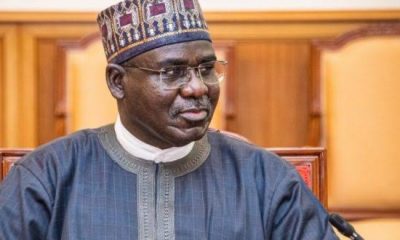
The club’s Life Patron, Lt Gen Tukur Yusufu Buratai (Rtd) CFR, former Chief of Army Staff, has extended his warm congratulations and full endorsement. “As the Life Patron, I am immensely proud to see a leader of your calibre step forward,” he stated. “Please be assured of my full and unwavering support throughout your tenure. I have every confidence that your leadership will be marked by significant achievements.”
The election, conducted by the club’s Board of Trustees and membership, highlights a unanimous confidence in Ms. Adamu’s vision and dedication to the sport and the club’s community.
In her acceptance address, the newly elected Lady Captain outlined a forward-looking agenda anchored on three key pillars: Unity, Development, and Inclusiveness. “I believe that golf is not just a sport but a powerful platform for friendship, discipline, mentorship, and community,” she stated, pledging to strengthen member bonds, encourage greater participation among ladies and youth, and enhance the club’s facilities.
Ms. Jumai Hajara Adamu, a respected member known for her active participation and organizational acumen, succeeds a line of distinguished past Lady Captains. She has pledged to build upon their legacy with transparency, teamwork, and accountability, ensuring every member feels heard and represented.
This appointment is seen as a significant step for the TYBGRCC, reinforcing its commitment to excellence, growth, and fostering a vibrant sporting community in the heart of the nation’s capital. The club anticipates a dynamic and prosperous term under her guidance.
About Tukur Yusufu Buratai Golf Resort and Country Club (TYBGRCC):
Located in Abuja, TYBGRCC is a premier golfing destination dedicated to promoting the sport of golf, fostering camaraderie, and encouraging a healthy lifestyle among its members and guests. It stands as a testament to world-class sporting and recreational facilities.
NAWOJ: SEKINAT, CHARITY GETS VOTE OF CONFIDENCE
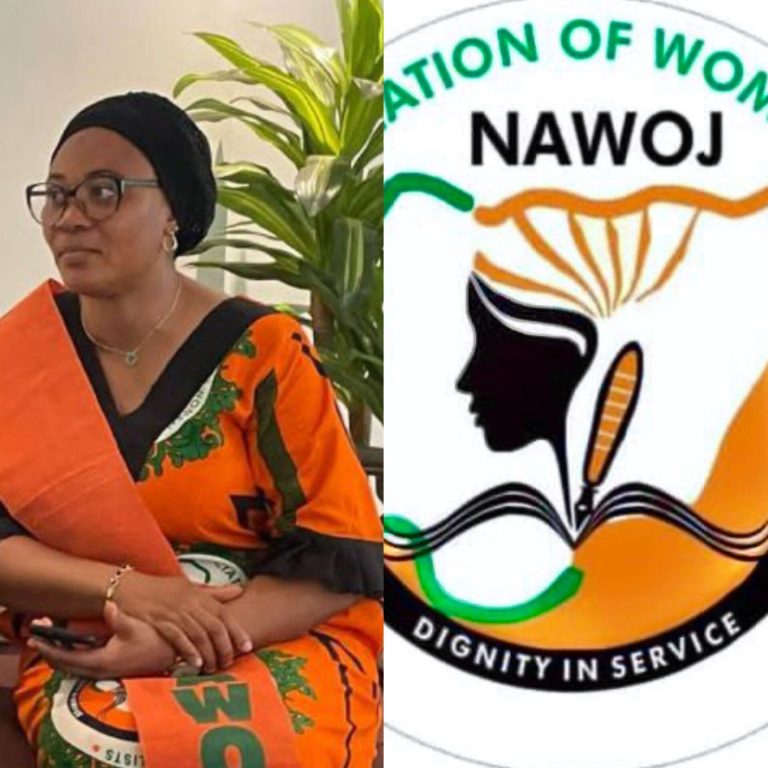
The Nigeria Association of Women Journalists,(NAWOJ), Ogun State Chapter Executives has unanimously passed a vote of confidence on Chairman NAWOJ SEKINAT Salam and the Financial Secretary, Charity James, saying that, their leadership reflect the ideal and objectives of NAWOJ.
This was revealed in a communique issued at an Emergency meeting of the Executive held at the NUJ State Council, Iwe-Iroyin in Abeokuta.
The vote of confidence on the Leadership of NAWOJ was unanimously signed by all the five executive members that attended the meeting with the vice chairperson taking apology for official engagement outside the state capital.
According to the communique ” Consequently, NAWOJ Ogun State Chapter, reaffirms it’s unwavering support and confidence in the Chairperson and the Financial Secretary, Sekinat Salam and Charity James respectively, Urge them to continue in their commitment to purposeful leadership in the best interest of the association and the society at large”.
Speaking briefly with Journalists after the emergency Executive meeting, the Chairperson, Nigeria Association of Woman Journalists (NAWOJ), Com. Sekinat Salam, said the meeting was necessary as the news of her suspension was laughable and insulting because it is like a pot calling a kettle black in this case, saying that the Leadership of the State Council, Com. Wale Olanrewaju has no local standing to suspend her or any executive member, even he cannot be a judge in his own case.
According to her” The Leadership of the Nigeria Union of Journalists, Ogun State led by Wale Olanrewaju has always been misusing power without recourse to the constitution of this noble Union, hence has no local standing to suspend me or any executive member “.
She said only the Central Working Committee (CWC) has the constitutional rights to sanction or suspend any members found wanting after due process has been followed.
While calling on members to stay calm, Com. Sekinat Salam assured members of positive representation of NAWOJ at both the State and National level, adding the success recorded under her administration cannot be overemphasized.
She therefore called on the National leadership of NUJ to critically look into the matter, either by setting up independent committee to investigate the issues and resolve the matter as quickly as possible.
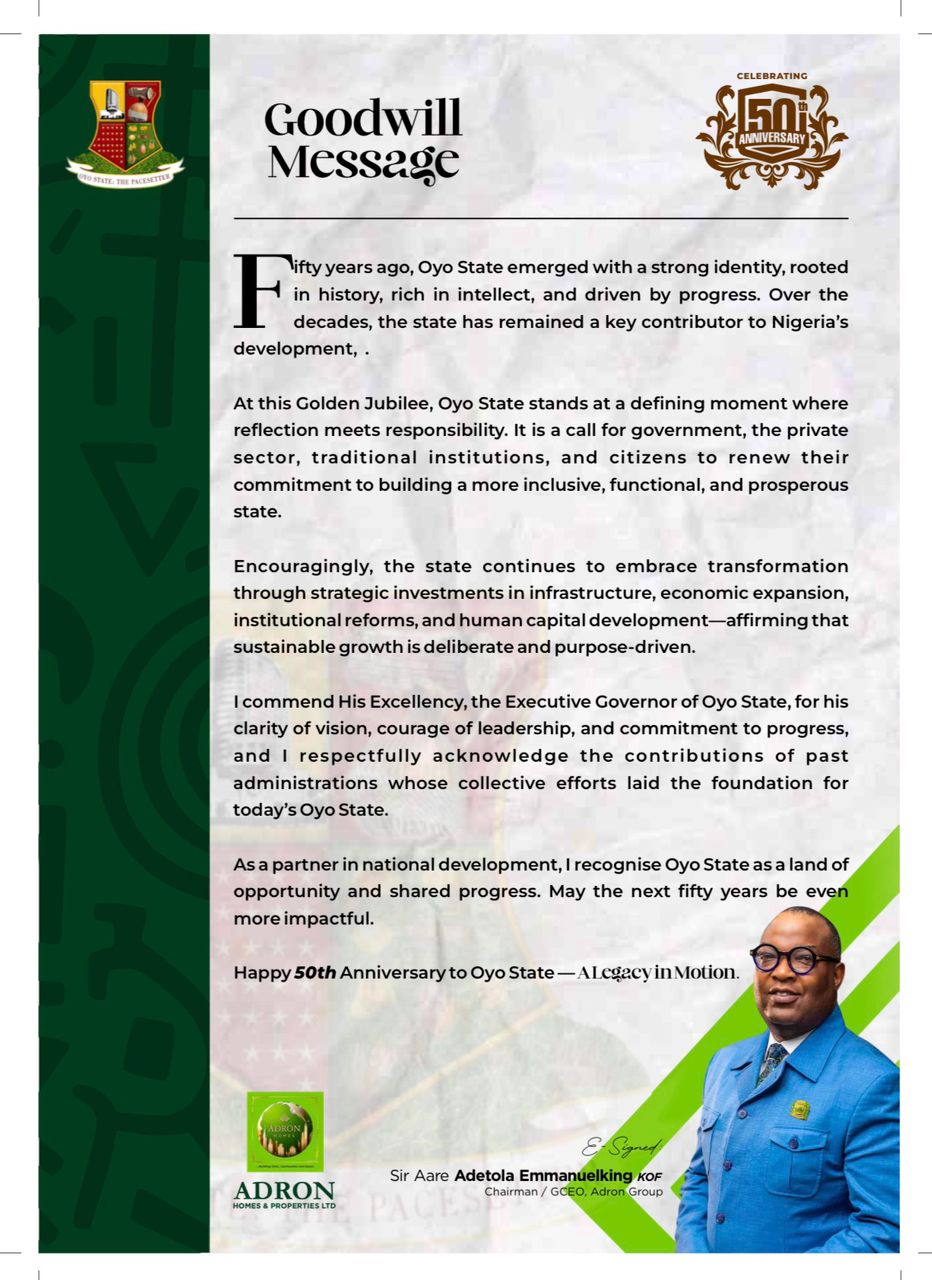
Adron Homes Chairman Congratulates Oyo State on 50 Years of Progress
The Chairman and Chief Executive Officer of Adron Homes and Properties Limited, Aare Adetola Emmanuelking, has congratulated the Government and people of Oyo State as the state marks its 50th anniversary, describing the occasion as a celebration of resilience, cultural pride, and sustained progress.
He noted that since its creation, Oyo State has remained a strong contributor to Nigeria’s socio-economic and cultural development, emerging as a hub of commerce, education, and innovation.
According to him, the Golden Jubilee offers a moment for reflection and renewed commitment by government, private sector players, traditional institutions, and citizens toward building a more inclusive and prosperous state.
Aare Emmanuelking commended the state’s ongoing transformation through investments in infrastructure, economic expansion, and human capital development, adding that sustainable growth is deliberate and must remain purpose-driven.
He also praised the leadership of the current administration while acknowledging the contributions of past leaders whose efforts laid the foundation for today’s Oyo State.
Reaffirming Adron Homes’ commitment to national development, he described Oyo State as a land of opportunity. He wished the state continued peace and prosperity, expressing confidence that the next fifty years will bring even greater achievements for the Pace Setter State and its people.


-

 celebrity radar - gossips6 months ago
Why Babangida’s Hilltop Home Became Nigeria’s Political “Mecca”
-

 society6 months ago
Power is a Loan, Not a Possession: The Sacred Duty of Planting People
-

 Business6 months ago
Batsumi Travel CEO Lisa Sebogodi Wins Prestigious Africa Travel 100 Women Award
-

 news6 months ago
THE APPOINTMENT OF WASIU AYINDE BY THE FEDERAL GOVERNMENT AS AN AMBASSADOR SOUNDS EMBARRASSING