
society
JUNE 12: ACTIVISTS STORM ABEOKUTA AS OGUN GOVERNMENT CELEBRATES 30TH ANNIVERSARY

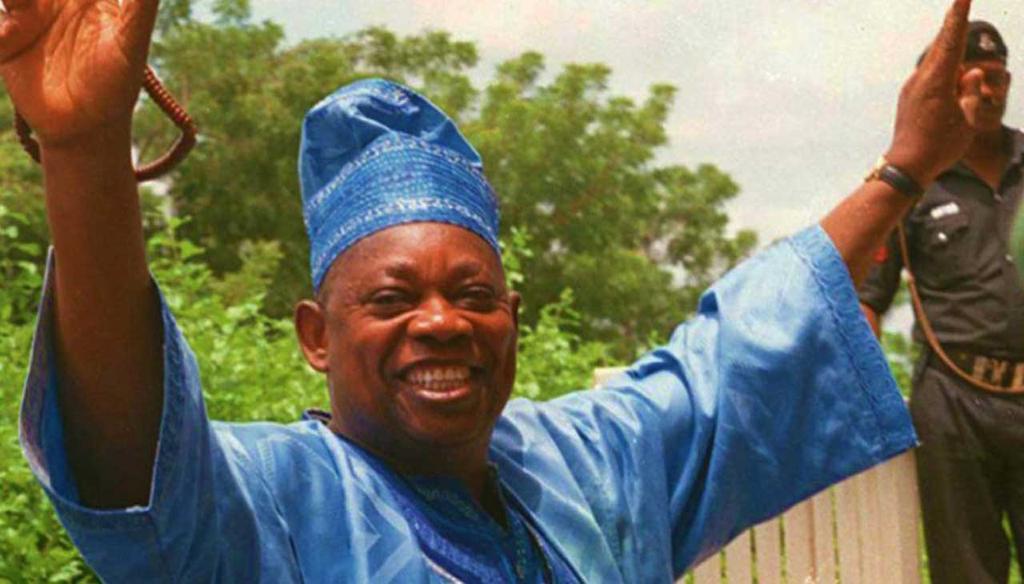
JUNE 12: ACTIVISTS STORM ABEOKUTA AS OGUN GOVERNMENT CELEBRATES 30TH ANNIVERSARY
As the Ogun State government prepares to mark this year’s edition of June 12 Democracy Day, leading prodemocracy activists are slated to attend the celebration to be hosted by the state governor, Prince Dapo Abiodun.
The annual ceremony is to mark the anniversary of the annulment of the June 1993 presidential election won by Ogun State-born Bashorun MKO Abiola. Sources close to the organisers revealed that among top activists that are expected to deliver solidarity messages at the event scheduled for 10.00am at the MKO Abiola Stadium, Kuto, Abeokuta, are former Secretary General of Campaign for Democracy (CD), Professor Sylvester Odion Akhaine; former President, National Association of Nigerian Students (NANS), Comrade Segun Mayegun; foremost labour leader, lawyer and human rights defender, Comrade Femi Aborishade and former Chairman of Lagos State branch of the Nigerian Union of Journalists (NUJ), Mrs. Funke Fadugba.
Other activists billed to address the gathering also include the chief executive officer of Rockcity FM, Abeokuta, Dr. Niran Malaolu; former Secretary General of Committee for the Defence of Hunan Rights (CDHR), Comrade Debo Adeniran, and the Ogun State Chairman of Coalition of Human Rights and Prodemocracy Groups, Barrister Solomon Bankole.
Governor Abiodun is expected to deliver a state address to mark the occasion and also take salutes from march past by different human right groups, organizations and unions. According to the source, the stadium event would be preceded by a special prayer session at the late Bashorun M.K.O Abiola’s family house, Gbagura, Abeokuta at 9am.
END


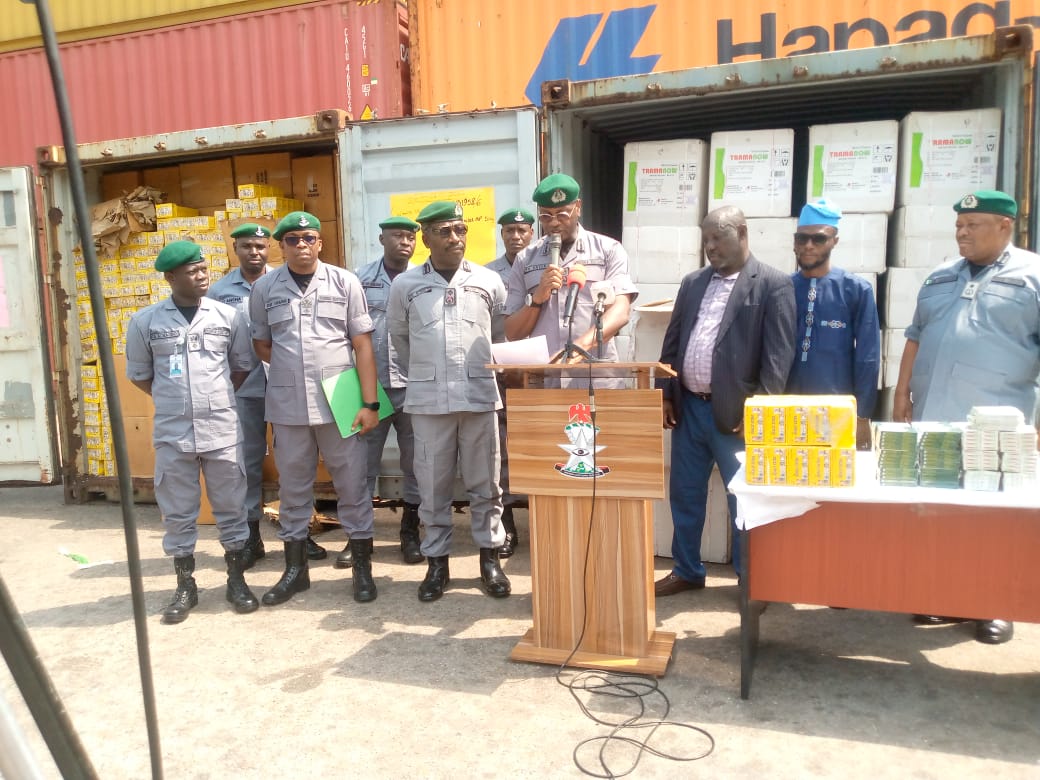
Nigeria Customs Service will continue to combat illicit trade – Comptroller Tin-Can Command
By Ifeoma Ikem
Mr Frank Onyeka, the Area Controller of the Tin Can Island Port command, Nigeria Customs Service (NCS) says the service will continue to combat illicit and enforce compliance to protect public health and national security.
Onyeka who disclosed this to Newsmen on Friday in Lagos reassured the general public that the command will not relent in its resolve to protect Nigerians.
He said that as part of the ongoing crackdown on the importation of unwholesome products, NCS Tin Can Island Port Command has recorded another achievement in anti-smuggling drives.
He noted that some containers were confiscated during the anti-smuggling drives.
“We intercepted two units of containers with no. PONU031958/6 and MSKU711656/0, which were found to contain expired Tramadol tablets.
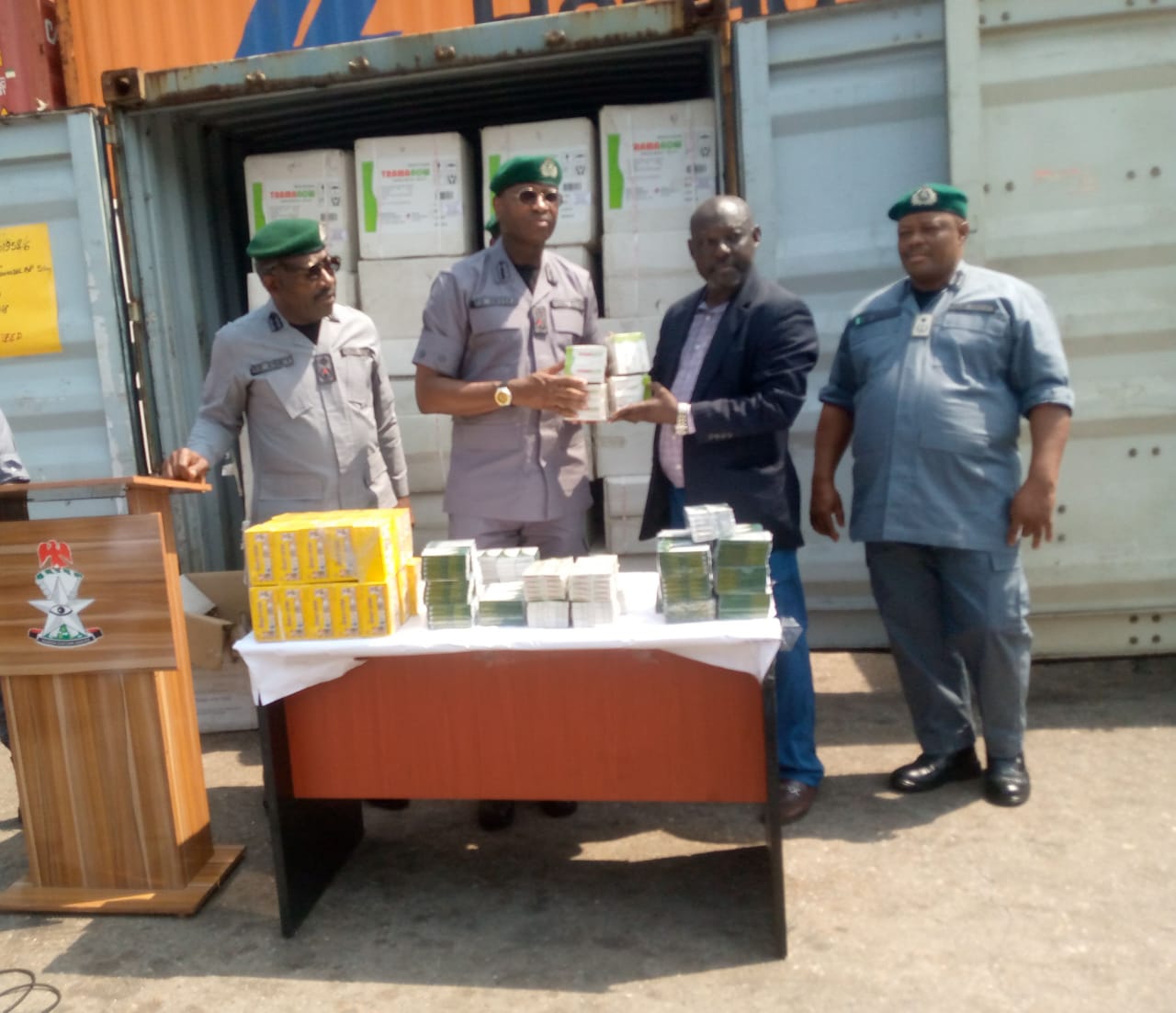
“These consignments were thoroughly examined and the result revealed that the first container contained 86 cartons of Vingil Tramadol BP 50mg, while the second container had 250 cartons of the same expired Tramadol product.
“The third container, with number MSKU413519/1 contained 370 cartons of expired Diclofenac Sodium BP 50mg tablets without a valid NAFDAC registration number, making the consignment illegal and dangerous for public use.”
This achievement came barely three days the command set a new benchmark in revenue generation, recording N1.61 trillion in 2025, exceeding its annual target.
“We have continued to record notable achievements in recent times through intensified cargo examination, improved intelligence gathering, and sustained enforcement operations.
“We remain proactive in intercepting prohibited and falsely declared goods, including controlled pharmaceuticals, arms and ammunition, narcotics, and other items capable of undermining public safety and economic stability.
Onyeka, however, noted that the command will equally continue to facilitate legitimate trade and contribute significantly to revenue generation, in line with the core mandate of the Nigeria Customs Service.
He stressed that the achievements of the command was as results of deliberate strategies anchored on discipline, integrity, and strong inter-agency collaboration.
“I wish to specially appreciate the operatives of NAFDAC for their consistent cooperation.
“Our synergy has continued to yield positive results, particularly in ensuring that fake, substandard, and expired drugs are intercepted before reaching the Nigerian populace.
“I also commend the officers and men of the Command for their resilience and commitment to duty, their efforts have continued to strengthen the credibility and operational effectiveness of the command.
“Furthermore, I express our sincere appreciation to the Comptroller-General of Customs Bashir Adewale Adeniyl for his purposeful leadership and strategic reforms, which have empowered our operations.
Mr Kareem Taiwo Adekunle , Chief Regulatory Officer Investigation and Inspection Directorate NAFDAC, while receiving the
expired drugs described the collaboration as a strategic partnership in safeguarding public health.
He noted that NAFDAC would redouble its efforts in combating the smuggling of counterfeit and fake pharmaceuticals.

Obidients Calls For Protest; Condemns Senate’s Rejection of Electronic Electoral Results
By George Omagbemi Sylvester | Published by SaharaWeeklyNG
“Obidient Movement plans march to national assembly over senate’s rejection of real-time result transmission.”
The Obidient Movement has faulted the senate over its decision to reject mandatory real-time electronic transmission of election results in the recent amendment of the Electoral Act.

In a statement issued on Friday, Yunusa Tanko, national coordinator of the movement, described the decision to retain provisions for manual collation as a direct attack on Nigeria’s democratic process and an effort to entrench secrecy in elections.
Tanko said the senate’s action was a calculated move that could pave the way for manipulation of the 2027 general elections.
He referenced the controversies that trailed the 2023 general election, particularly the failure to upload polling unit results to the Independent National Electoral Commission portal due to what was described as a technical glitch, arguing that the latest position of the senate was aimed at preserving the same weaknesses that eroded public trust in the process.
According to the statement, rejecting mandatory real-time transmission amounted to electoral sabotage, as it weakens confidence in the system and sustains the structures that enabled widespread manipulation during the last general election.
Tanko also accused the ruling All Progressives Congress, which controls the majority in the national assembly, of applying double standards, noting that the party depends on electronic systems for its internal primaries while denying Nigerians the same level of transparency during national elections.

He announced plans for a peaceful mass protest at the national assembly, calling on lawmakers in both chambers to convene an emergency session and pass a law making real-time transmission of polling unit results to the IReV portal compulsory and non-negotiable.
The national coordinator said details and the date of the planned march would be communicated through the official channels of the movement.
He further urged Nigerians within the country and in the diaspora, civil society groups, and the international community to stand against what he described as a dangerous slide backwards in democratic standards.
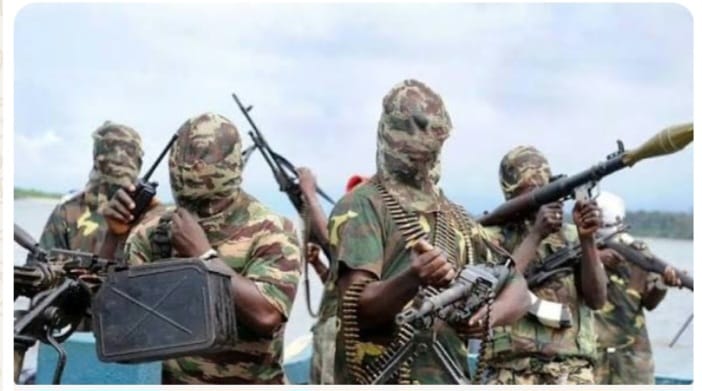
Soldiers Feared Dead as ISWAP Storms Army Base in Borno
By George Omagbemi Sylvester | Published by SaharaWeeklyNG
“Fresh assault on Jakana outpost underscores evolving insurgent tactics and persistent security gaps in Nigeria’s northeast.”
Several Nigerian soldiers are feared dead after suspected fighters of the Islamic State West Africa Province (ISWAP), a Boko Haram splinter faction, launched a coordinated assault on a military outpost in Jakana, Kaga Local Government Area of Borno State, in the early hours of Friday, February 6, 2026, according to multiple security and media reports.
What happened
Security sources say heavily armed insurgents stormed the army outpost along the Maiduguri–Damaturu highway in a surprise attack, opening fire and using explosives against the base.
The attackers reportedly approached from multiple directions, overwhelming the soldiers stationed at the location.
At least four soldiers were confirmed killed in the initial reports, while other accounts indicated that the casualty figure could be higher, though still unconfirmed at the time of filing this report.
Military sources said the bodies of fallen troops were evacuated to the 7 Division Military Hospital in Maiduguri.
The insurgents also destroyed armoured vehicles and trucks before looting ammunition and supplies from the facility.
Where and when
The attack occurred in Jakana, a strategic town on the Maiduguri–Damaturu road, a critical military and civilian corridor linking Borno to neighboring Yobe State.
The incident took place in the early hours of Friday, February 6, 2026, according to security sources quoted in local reports.
Who was involved
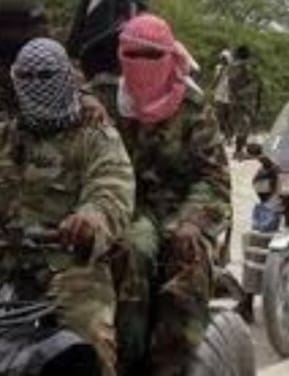
The attackers were identified as militants belonging to ISWAP, the Islamic State-aligned faction that split from Boko Haram and has since become one of the most active insurgent groups in the Lake Chad region.
On the Nigerian side, the victims were soldiers stationed at the Jakana outpost. As of the time of publication, the Nigerian military had not released the names of the casualties, a common practice pending official notification of next of kin.
How the attack unfolded
According to military sources, the insurgents launched a coordinated, multi-directional assault, combining gunfire with explosives to neutralize defensive positions.
The intensity of the attack forced some soldiers to retreat into nearby bush areas as the militants overran parts of the facility.
Recent intelligence reports indicate that insurgent factions in the northeast have increasingly adopted more sophisticated tactics, including drone-assisted strikes and coordinated raids on military bases.
Why it happened
Security analysts say such attacks are typically aimed at:
Seizing weapons and ammunition
Destroying military infrastructure
Demonstrating operational capability
Undermining troop morale and public confidence
The Jakana attack follows a pattern of assaults on forward operating bases across Borno and neighboring states. In similar incidents, insurgents have targeted isolated formations, looted equipment, and withdrawn before reinforcements arrive.
Brief background
Boko Haram’s insurgency, which began in 2009, has claimed tens of thousands of lives and displaced millions across northeastern Nigeria and the wider Lake Chad basin.
In recent years, ISWAP has emerged as a more structured and tactically organized faction, focusing on military targets and strategic infrastructure.
Despite repeated claims by authorities that the insurgency has been largely degraded, attacks on military formations and civilian communities have continued. Just last week, militants killed dozens of people, including soldiers, in another assault in Borno State.
Expert perspective
Security analyst Dr. Bulama Bukarti, a senior fellow at the Tony Blair Institute for Global Change, has previously warned that insurgent groups in the Lake Chad region are “adapting faster than the states fighting them,” noting that they are increasingly using mobility, intelligence, and surprise to exploit weakly defended bases.
Similarly, Dr. Zainab Usman, director of the Africa Program at the Carnegie Endowment for International Peace, has argued that “military victories without parallel governance and economic stabilization efforts tend to be temporary,” emphasizing the need for a broader, multi-dimensional strategy.
Official response
As of the time of publication, the Nigerian military had not issued a comprehensive official statement detailing casualty figures or the operational outcome of the attack.
However, in previous incidents, military authorities have insisted that troops continue to repel insurgent offensives and inflict heavy losses on the attackers.
The unanswered questions
The latest assault raises familiar concerns:
Why are forward operating bases still vulnerable to surprise attacks?
Are troop numbers and equipment at these outposts sufficient?
Has the insurgency entered a new tactical phase?
These questions continue to shape public debate as Nigeria’s counter-insurgency campaign enters its second decade.
Names of those involved
As of this report:
Confirmed insurgent group: ISWAP (Boko Haram faction)
Military casualties: At least four soldiers confirmed dead; additional casualties feared
Names of soldiers: Not yet released by the Nigerian military
In most military operations, identities of fallen soldiers are withheld until families are formally notified.
Summary
The attack on the Jakana military outpost is another stark reminder that, despite years of offensives and official assurances, insurgent groups remain capable of launching deadly and coordinated strikes against Nigerian security forces.
Until the military releases a full operational report and casualty list, the precise toll may remain uncertain. Though the incident once again underscores the enduring volatility of Nigeria’s northeast and the urgent need for a strategy that combines military strength with intelligence, governance and regional cooperation.


-

 celebrity radar - gossips6 months ago
Why Babangida’s Hilltop Home Became Nigeria’s Political “Mecca”
-

 society6 months ago
Power is a Loan, Not a Possession: The Sacred Duty of Planting People
-

 Business6 months ago
Batsumi Travel CEO Lisa Sebogodi Wins Prestigious Africa Travel 100 Women Award
-

 news6 months ago
THE APPOINTMENT OF WASIU AYINDE BY THE FEDERAL GOVERNMENT AS AN AMBASSADOR SOUNDS EMBARRASSING