
society
ALABA RAGO MARKET – A SELF-CREATED PROBLEMS FROM GREEDY LEADERS FOR YEARS

ALABA RAGO MARKET – A SELF-CREATED PROBLEMS FROM GREEDY LEADERS FOR YEARS
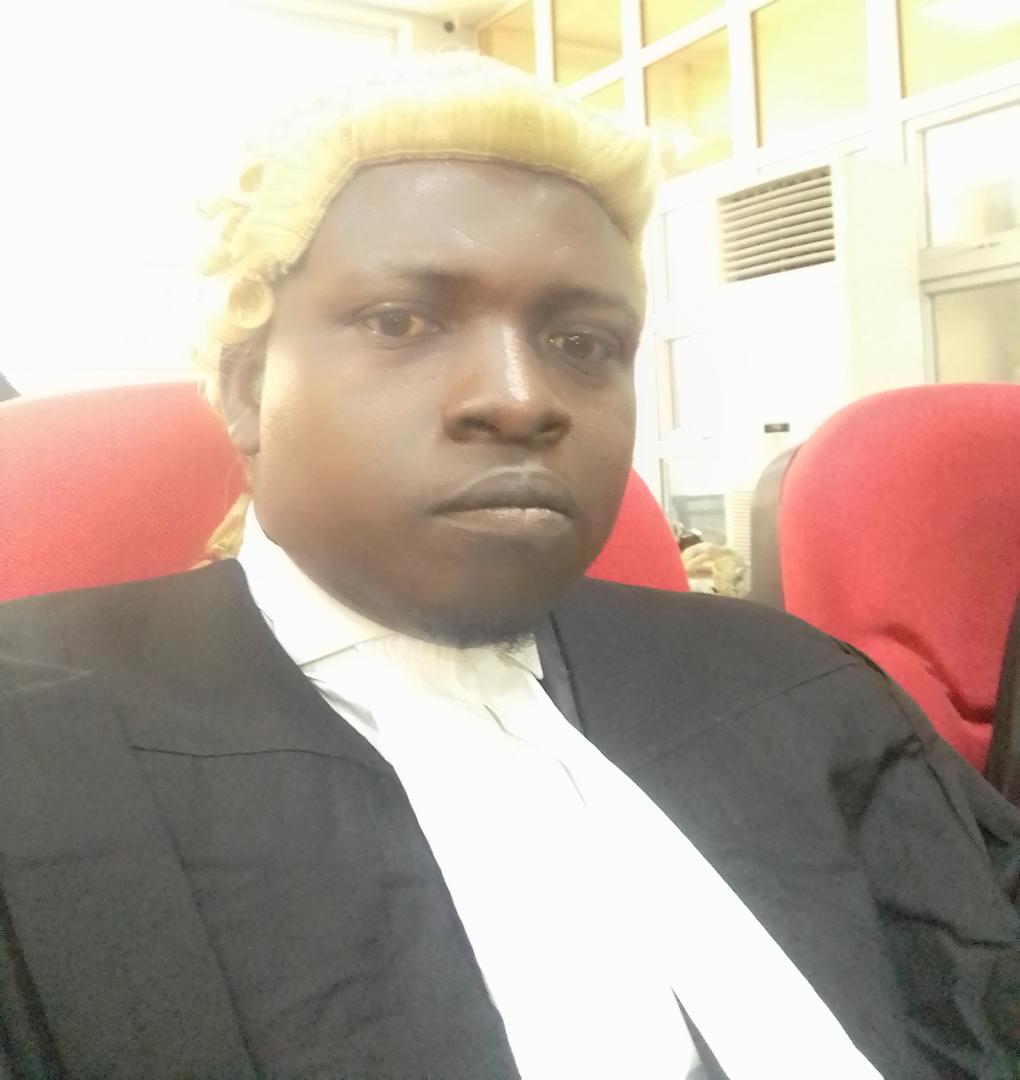
By Olumide Akindiya, former Committee Lawyer & Lawyer to Baba Oja 1 of Alaba Rago Market, Okokomaiko.
Alaba Rago Market comprises almost all ethnic groups and not only Hausa traders or Fulani traders. On hearing the news of decision of Lagos State government to modernise the market, it was not a news to me. It only pained me that the problem we intended to solve; laboured for and risked our lives for for the interest of majority of the traders inside the market would now be in vain if there was no proper provisions and planning for traders including poor ones.
I remembered the day, a group of traders from Alaba Rago market came to my law office led by someone I would not disclose his name for security reason. They complained about criminality being perpetuated by one, Alh. Umaru Nagogo aka Seriki who had been running the market for years and maltreating traders; building security outfit; exploiting traders using his boys to collect illegal fees, etc and efforts of government both at State and local government level in the past. They showed me petitions written by a lawyer before with no positive result and gave me documentary evidence to work with. I assured them of legal battle to remove Alh. Umaru Nagogo and worked towards sanity of the market with no agreement of legal fees.


It was a risky task as I was just 5 years at the bar then. I wrote my first petition dated 10th of October, 2013 to former Gov. Babatunde Fashola, DSS, CP of Lagos State & several petitions to relevant people, it did not yield any positive result despite several meetings until during former Gov. Ambode’s administration and the former Sole Administrator of Iba LCDA now present executive Chairman of Iba LCDA, Hon. Jubril Yisa Adisa looked into the matter with firm position in 2017. He formed a committee called Alaba Rago Market Committee to collect revenue for the council, etc headed by Alh. Ibrahim Malami Ali as Chairman and be in charge for 3 years. Alh. Umaru Nagogo was among but refused to be part of the committee since that would limit his power and deprived him of collecting illegal fees and decided how to be paying Council revenues collected on their behalf. I did not lobby to be part of the committee so no lawyer was among the committee.
The new committee decided to appoint me as their lawyer as reward of my legal struggle in removing Alh. Umaru Nagogo and lawyer who understood the legal history of the market. Unfortunately, on the day of inauguration of the said committee, Alh. Umaru Nagogo and his boys caused problem in the market. He refused to desist from collecting illegal fees inside the market; brothels are still there; crime is not reducing; some traders are still victimized. He now set up committee called Alaba Rago Market Sectional Head Association. Being in haste, he sued Lagos State government, Iba LCDA, Alaba Rago Market Committee, etc in two different High Courts at Badagry using different lawyers claiming different reliefs: on legality of Lagos State government to impose a committee, etc and whether Iba LCDA has power to collect fees under the 1999 Constitution, etc. Meanwhile, in the course of sanitising the market; reduce crime and maltreating of traders by his boys, other groups who formed Sectional Head with him were sabotaging the efforts of the committee and after exit of Hon. Jubril Yisa Adisa, the new executive Chairwoman of Iba LCDA Mrs. Ramota preferred Alh. Umaru Nagogo for many reasons known to her even the latter embezzled Iba LCDA’s revenues but she kept on defending him even at Lagos State House of Assembly. Alaba Rago Market Committee restored the environmental sanitation, contrusted road linking to the market, etc but later Mrs. Ramota brought Developer to reconstruct to the market without relocation or any provisions for the traders so we rejected it with profitable steps. After a year, Alh. Umaru Nagogo suffered defeat in both Courts as our law firm won. They wrote Petition again to Lagos State House of Assembly and during argument in the House, they added Agoro, Esq, a former House of Assembly member during Asiwaju Bola Tinubu’s administration to their legal team. After some months, calling Mrs. Ramota and other relevant parties for questioning, they lost as the Resolution of the house did not favour them.
In late 2018, the greed made the Alaba Rago Market Sectional Head Association to be registered to further control the market with Alh. Umaru Nagogo as Chairman so their legal team headed by Agoro, Esq further filed a binding over proceeding against Alh. Ibrahim Malami Ali with false representation. It seemed I and the committee would not rest over Alaba Rago market so I filed relevant Court processes to defend the committee. After the expiration of three years tenure of the committee headed by Alh. Ibrahim Malami Ali ceased and with lock down owing to Covid-19 and JUSUN strike, they were frustrated so they later abandoned the suit. In the process, Iyaloja General, Chief (Mrs.) Folashade Tinubu-Ojo considered Alh. Ibrahim Malami Ali fit to be Baba Oja 1 of Alaba Rago Market, Okokomaiko based on their efforts over the market.
It was as if Alaba Rago Market would not know peace early last year, certain group of people with input of Alaba Rago Market Sectional Head Association used the crises between NURTO’s staff and Okada riders to cause commotion inside the market; set on fire some shops of supporters of Baba Oja; innocent traders and including Baba Oja’s offices and property inside the market. I advised them to maintain peace eventhough it had been in the media. On instruction, I wrote several petitions to Gov. Babajide Sanwoolu, CP of Lagos State, etc; meetings and no positive result. Hence, Baba Oja to avoid crises and breach of public peace allowed them to run the market the way they like with different groups.
Greed of some leaders inside the market allowed criminality, illegal structures, brothels, etc to flourish to the detriment of most and innocent traders. What will happen next I do not know as I refuse to call any government appointee, house member or even executive Chairman of Iba LCDA on their positions, even if they will pick my call.
What is the way forward? Time will tell…


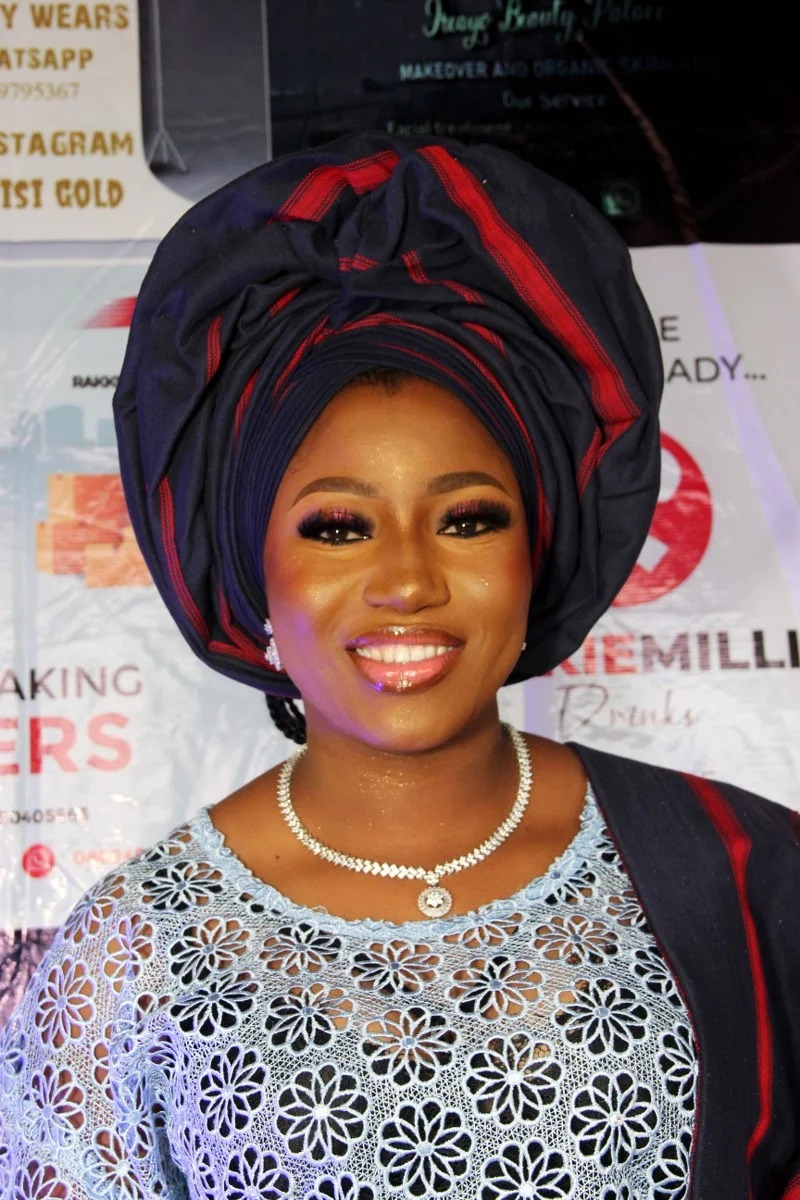
US-Based Society Lady, Fehintola-Brat Extends Eid-El-Kabir Greetings To Muslims
United States based fahionista of class, Chief (Mrs) Ayoola Fehintola-Brat has extended a warm greetings to Muslim faithful all over the world on the occasion of the 2026 Eid-El-Kabir celebration.
Fehintola-Brat who is the Balogun Egbe Obaneye Obinrin Akile Ijebu, and the Yeye Asofin of Idenaland in her message to Journalists urged Muslim to continually uphold the enduring values of sacrifice, obedience, faith, and compassion, which are central to the significance of Eid-El-Kabir festival.
A quiet philantropist whose humanitarian services has won her several laurels urged Muslims to use the spiritual occasion to pray for the peace co-existence of Nigerians regardless of religious, social and political leanings stressing that the oneness of the country should not be underplay.
In a related development, she expressed her felicitations to all sons and daughters of Ijebuland on the forthcoming Ojude Oba 2026 celebration, tasking age-groups otherwise known as Regbregbe to be more proactive in giving back to their immediate communities.
According to her, the beauty of the age-groups in Ijebuland is the need to contribute immensely to the development of the land in no small means. “This we will continue to achieve with God on our side”, she concluded.
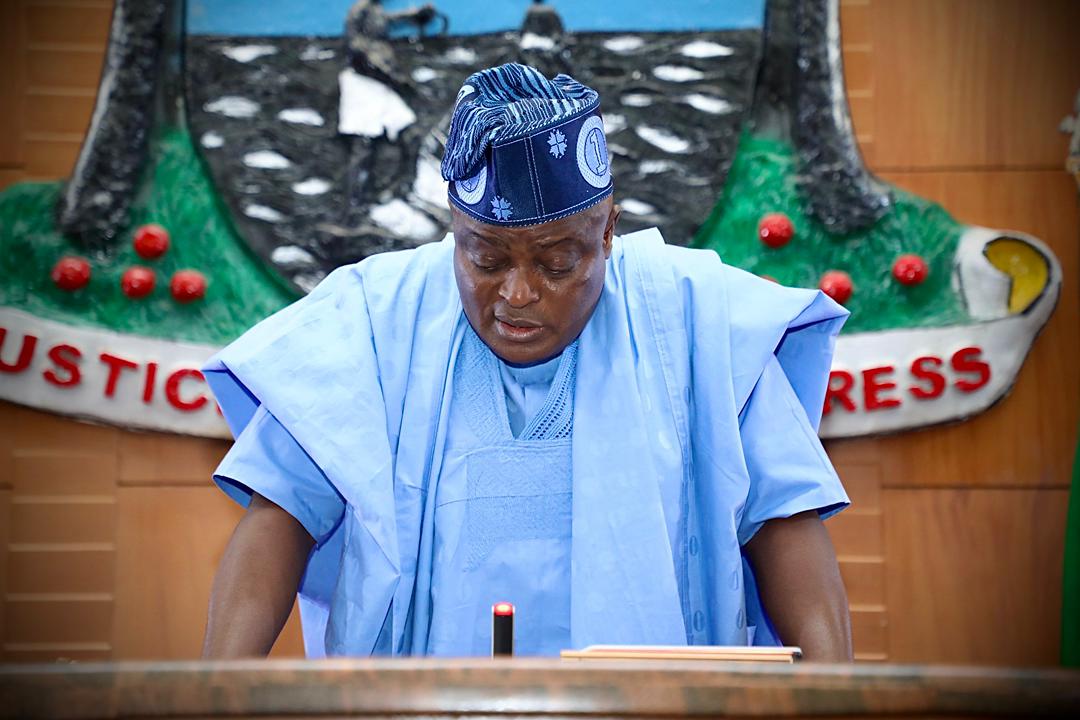
Sallah: Obasa Felicitates Muslim Ummah, Commends Nigerians for APC Primaries Turnout
The Speaker of the Lagos State House of Assembly, Rt. Hon. Mudashiru Obasa has extended warm felicitations to Muslims in Lagos State and across Nigeria on the occasion of Eid al-Adha.
In a statement released by his Chief Press Secretary, Mr. Dave Agboola, Obasa described the festival as a season of sacrifice, reflection, and gratitude, urging the faithful to continue to uphold the values of peace, unity, and love that strengthen the nation.
He noted that the celebration of Eid al-Adha is not only a spiritual milestone but also a reminder of the importance of togetherness and collective responsibility in building a stronger society.
He, likewise, emphasized that the festival provides an opportunity for Nigerians to renew their commitment to national progress and to support leadership that prioritizes development and prosperity.
Obasa, however, commended Nigerians, particularly members of the All Progressives Congress (APC), for their massive turnout during the recently concluded party primaries. He described the participation as a clear demonstration of the people’s confidence in the government of President Bola Ahmed Tinubu and their belief in the administration’s vision for a greater Nigeria.
“The APC primaries have shown the resilience of our democracy and the confidence Nigerians have in the leadership of President Bola Ahmed Tinubu and the Renewed Hope Agenda. This is a strong message that our people are ready to continue supporting policies that will drive growth and prosperity,” Obasa stated.
The Speaker further encouraged Muslims to celebrate responsibly, stressing that the joy of Eid should be accompanied by prayers for the continued peace and progress of Lagos State and Nigeria.
“As you celebrate with family and loved ones, may this season bring joy, peace, and prosperity to your homes. Let us remain united in our resolve to build a stronger nation,” he added.
On behalf of the Lagos State House of Assembly, Obasa wished all Muslims a happy and fulfilling Eid al-Adha celebration.

ABEOKUTA FILM FESTIVAL AT ILEYA
Kayshow Multimedia a filmmaking and Media organization this year 2026 holds its annual Abeokuta film festival at the Ake Palace in Abeokuta.
Alake of Egba land, Ọba Michael Adedotun Arẹmu Gbadebo has graciously endorsed the Free Training of Egba Youths on Film and Arts and the Entertainment of the the People with a FREE FILM SHOW at the AKE PAVILION. as part of the ABEOKUTA FILM FESTIVAL 2.0.
The Convener of the Film Festival Honorable Kehinde Soaga says this year’s event promises to be more exciting as distinguished personalities are sure to attend.
This includes the honorable Minister for Art Culture and Creative Economy in Nigeria, Barr. Hannatu Musa Musawa, Ààrẹ Lai Labode, Sen. Ibikunle Amosun and other special guests.
The event will feature Film, Cultural Dance Cultural foods and Award Ceremony.
The general public is hereby invited to the Free film show at the Abeokuta film festival at the Alake Palace Pavilion on Thursday 28th of May 2026 by 4:00 p.m.
Only well dressed is the Entry. The Abeokuta Film Festival is an annual event taking place in the capital city of Ogun State state.


- Demand for civic space holds strong across Africa as supply of freedoms wanes May 27, 2026
- Zarein Energy Joins African Energy Week (AEW) 2026 as Gold Sponsor Amid Nigeria Gas Hub Expansion May 27, 2026
- Qrent says delaying Information Technology (IT) refresh cycles may be increasing operational risk for businesses in Africa May 27, 2026
- Dentons’ Iyunola Adekanye Appointed to African Mining Week (AMW) Advisory Board May 27, 2026
- United Nations (UN) Women Liberia and Partners Convene for Spotlight Initiative 2.0 Women’s Economic Empowerment Inception Meeting May 27, 2026
- African Mining Week (AMW) to Host Central Bank Governors Roundtable as Monetary Authorities Deepen Role in Mining Sector Growth May 27, 2026
- Eritrea: Diaspora Nationals Celebrate Independence Day Anniversary May 27, 2026
- Africa Unveils Landmark Humanitarian Coordination Platform to Strengthen aligned Response to Humanitarian Crises May 27, 2026
- Seychelles: President Herminie Engages with Police and Fire Services on Praslin May 27, 2026
- Issue 3 of Mining Review Africa now available for free download May 27, 2026
- Demand for civic space holds strong across Africa as supply of freedoms wanes May 27, 2026
- Zarein Energy Joins African Energy Week (AEW) 2026 as Gold Sponsor Amid Nigeria Gas Hub Expansion May 27, 2026
- Qrent says delaying Information Technology (IT) refresh cycles may be increasing operational risk for businesses in Africa May 27, 2026
- Dentons’ Iyunola Adekanye Appointed to African Mining Week (AMW) Advisory Board May 27, 2026
- United Nations (UN) Women Liberia and Partners Convene for Spotlight Initiative 2.0 Women’s Economic Empowerment Inception Meeting May 27, 2026
- African Mining Week (AMW) to Host Central Bank Governors Roundtable as Monetary Authorities Deepen Role in Mining Sector Growth May 27, 2026
- Eritrea: Diaspora Nationals Celebrate Independence Day Anniversary May 27, 2026
-

 news5 months ago
WHO REALLY OWNS MONIEPOINT? The $290 Million Deal That Sold Nigeria’s Top Fintech to Foreign Interests
-

 society3 weeks ago
SOCIAL MEDIA IS NOT A BATTLEFIELD COMMAND – WHY THE NIGERIAN ARMY’S ACTION AGAINST JUSTICE CRACK IS A NATIONAL SECURITY IMPERATIVE
-

 celebrity radar - gossips4 months ago
Dr. Chris Okafor Returns with Power and Fire of the Spirit -Mounts Grace Nation Altar with Fresh Anointing and Restoration Grace on February 1, 2026
-

 celebrity radar - gossips6 months ago
Prophet Kingsley Aitafo Releases 2026 Prophecy: ‘Nigeria Will Rise, but the World Must Prepare for Turbulence’