
Bank
ALEBIOSU: IN LINE WITH OUR VISION, FIRSTBANK IS WELL-POSITIONED TO BREAK NEW GROUNDS IN 2025 AND BEYOND

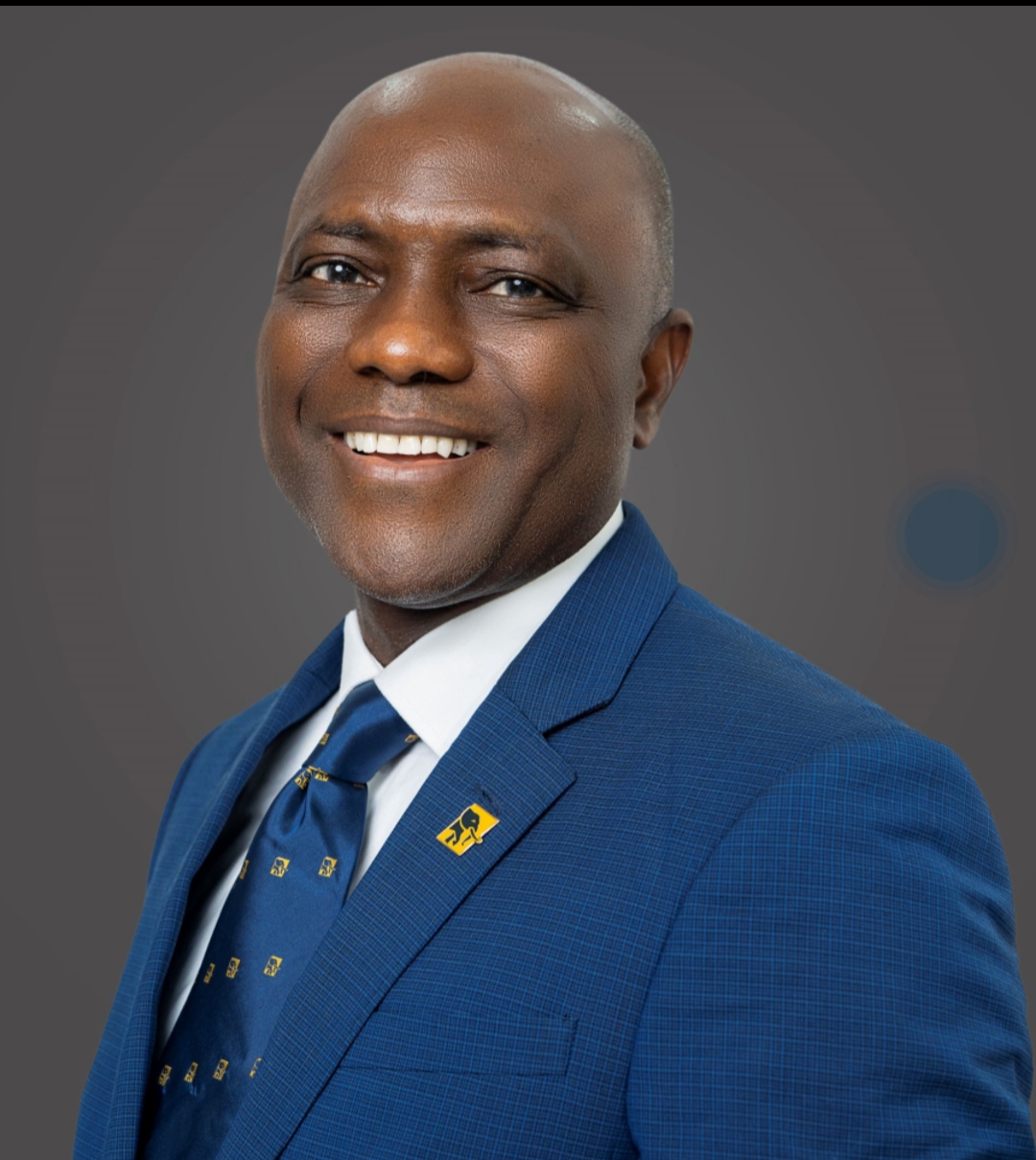
ALEBIOSU: IN LINE WITH OUR VISION, FIRSTBANK IS WELL-POSITIONED TO BREAK NEW GROUNDS IN 2025 AND BEYOND
As the foremost Nigerian bank, First Bank of Nigeria Limited no doubt has a history of curating products and services that not only meet the immediate and future needs of its customers. In this interview with THISDAY, the bank’s Managing Director/Chief Executive Officer, Mr. Olusegun Alebiosu described 2025 as the beginning of the bank’s new strategic planning horizon when it is poised to double down on its market dominance position across all the markets where the bank operates.
What’s your view on the global economic outlook in 2025, and what implications does this have for FirstBank’s strategy?
In line with the views of most analysts, the current global economic growth trajectory should continue in 2025. Indeed, the International Monetary Fund (IMF) forecasts the global economy to grow at about the same rate of 3.2% at which it is estimated to have grown in 2024.
Also, I expect the inflation rate to continue to decline across the major global economies such as in the United States of America, United Kingdom, China, etc., and as such, interest rate normalization in these key markets is expected to continue. This should create opportunities for most emerging markets.
However, major risks to this forecast exist in terms of the ongoing geopolitical tensions around the world and its likelihood to worsen depending on the extent of some of the expected actions of the incoming President Donald Trump of the United States of America. Severe trade sanctions and tariff impositions in China might further repress global productivity and taper real global growth in 2025.
Given this context, FirstBank’s plans for 2025 are aligned towards positioning for this global economic growth by strengthening the Bank’s intermediation and facilitation role across all our markets in a way that empowers every customer segment to achieve their objectives for the new year. To this end, we are enhancing our value propositions across each customer segment to fully reflect and capture the opportunities we see in the external operating environment.
What opportunities and challenges do you see for African economies in 2025, and how will FirstBank capitalize on these trends?
Across many African economies, especially in Sub-Saharan Africa, rising inflationary pressures and currency depreciation characterized most of 2024. These realities led to significant increases in interest rates by the monetary authorities to curb the surging inflation rate.
Similarly, to correct fiscal imbalances, several African countries, such as Nigeria, South Africa, Kenya, etc., pursued major reforms which are aimed at repositioning the economies on a path of predictable progress, despite the immediate pains caused by these reforms.
Therefore, going into 2025, the general expectation is that inflation and interest rates will reduce, albeit at a much slower pace than projected for the advanced global economies. The reforms are also expected to have yielded more visible signs of progress, thereby improving the overall resilience of these economies.
As a Bank with a Pan-African focus, FirstBank is prepared to support Africa through this journey to economic stability by providing relevant products and services to every sector of the economy. Our suite of consumer and business products can provide immediate relief for households and Micro, Small & Medium Enterprises (MSMEs).
FirstBank also possesses deep technical capabilities and a rich bouquet of investments, collections and payment products that can support various governments’ aspirations for the revitalization of their local economies.
Nigeria’s proposed 2025 budget has significantly increased by 74.18% aimed at addressing developmental challenges. With this in perspective, what are your expectations for Nigeria’s economic performance in 2025, and how will FirstBank respond to potential challenges or opportunities?
The Federal Government of Nigeria (FGN) has proposed and submitted an NGN49.7 trillion 2025 Appropriation Bill to the National Assembly. This budget, the highest in the nation’s history in nominal terms, is on the back of an improved Government revenues position and the need to address critical developmental challenges confronting the nation.
With the proposed significant allocations to critical Ministries such as Health, Education, Defence, Power, Works, etc., and the NGN13.39 trillion deficit financing proposed in the budget, the economic expansionary intent of the 2025 Appropriation Bill is unmistakable.
Therefore, I expect that the 2025 national budget will sufficiently stimulate economic activities and lead to increased economic outputs within the year. Also, the growing revenue generation capacity of the Government reduces the likelihood of poor budget implementation which has plagued previous budget performances.
As the premier financial institution in Nigeria, we are keenly aware of the opportunities that the Nigerian market presents to us, and we are poised to take advantage of them leveraging our unparalleled local knowledge and suite of innovative financial services and products.
What role do you envision technology, and innovation would be playing in shaping the banking industry in 2025, and how will FirstBank stay ahead of the curve?
I believe it has become quite apparent to all stakeholders in the financial services industry that “digital” is the future of banking. Not only is “digital” the future, but it is also gradually becoming the primary means by which financial services and products are delivered and consumed, even today.
In 2025, I expect this trend to continue with the growing adoption of Digital Financial Services (DFS) among the banking populace. DFS will also be very critical if the significant financial inclusion gaps that still exist in the country (and indeed on the continent) are to be closed in record time.
The appeal for the infusion of technology into the delivery and consumption process of financial services and products stems from the ability of technology to confer significant scale on banking operations and deliver the ultimate customer experience at the same time. These advantages will remain relevant in 2025 and beyond.
As a Bank that has pioneered several innovations on the Nigerian banking landscape, such as the first to introduce ATMs in 1991; the first to introduce instant debit card issuance; the first to launch a wholly human-less branch with the FirstBank Digital Xperience Centers in 2021, etc., FirstBank is already ahead of the curve.
FirstBank has also taken proactive steps to institutionalize innovation with the establishment of Nigeria’s first-ever fully-fledged Digital Innovation Lab in 2018 to ensure we continue to curate products and services that not only meet the needs of our customers today but also their future needs.
What policies had the most overwhelming impacts on banking in 2024?
While several monetary and fiscal policies impacted the operations of Nigerian banks in 2024, in my opinion, two policies probably had the most impact on banks in the outgoing year – the successive increases in Cash Reserve Ratio (CRR) for Commercial Banks from 32.5% in January 2024 to the current 50% and the Central Bank of Nigeria’s (CBN) announcement of new minimum capital requirements for all categories of banks in March 2024.
As part of its efforts towards taming inflationary pressures, the CBN’s Monetary Policy Committee (MPC) has rightfully increased the CRR to reduce the overall money supply in the economy and in so doing, generally curtailed banks’ ability to create money via lending activities or pursue other investments as the banks would have loved to. With the CRR at 50%, only half of customer deposits within the banking system are available for banks’ use.
Also, in support of the FGN’s objective to build a $1 trillion economy by 2030, the CBN announced new minimum capital thresholds, requiring, for example, banks with international license (like FirstBank) to have at least NGN500 billion in paid-up capital by 31st March 2026. This directive is responsible for the flurry of capital market activities which you have seen among banks over the last few months.
Last year, most banks posted extraordinary FX gains, at a time when many manufacturers were wallowing in FX losses. This raised a question on the relationship between banks’ profitability and economic prosperity with some even insinuating the banks even profit from the misery of the people. Do you think otherwise?
While I understand the optics and sentiments around these insinuations, I must strongly state that they are not well-placed. In line with the fundamentals of the formal banking systems, banks are mere financial intermediaries that facilitate the exchange of value between economic units.
In support of the real economy and at a time of significant FX paucity, Nigerian banks deployed their balance sheets to fund the importation of raw materials required by local manufacturers, thus helping to keep factory doors open at one of the direst FX periods in the nation’s recent history.
The advent of the current administration and the move to float the currency impacted everyone within the economy. However, since banks have created assets in foreign currencies to support local manufacturing, it therefore means manufacturers would have liabilities in foreign currencies. Hence, the decision to float the naira would naturally impact both parties in opposite directions. The reverse scenario would have been the case had the domestic currency significantly appreciated during this period.
Nevertheless, I am aware that most banks have adopted several measures (including availing of naira funding to enable manufacturers to exit the volatile FX positions) that are aimed at providing necessary cushions for some of the affected manufacturers.
What are FirstBank’s strategic priorities for 2025, and how will you allocate resources to achieve these goals?
Coincidentally, 2025 marks the beginning of our new strategic planning horizon (that is the 2025 – 2029 strategic planning cycle) which is a period we intend to double down on our market dominance position across all the markets where we operate.
In line with this broad objective, we have identified a few priorities for the FirstBank Group beginning in 2025. Specifically, we would be making necessary investments to elevate customer experience across all our touch points to make it easier for existing and prospective customers to interact and do business with us.
The Bank would also be accelerating its process automation program (including the adoption of robotics technology and Artificial Intelligence, at scale) to gain a distinct competitive advantage in the industry. In addition, commencing from 2025, we intend to deliberately pursue our expansion plans which will see us entering new markets both within and outside of the continent.
At FirstBank Group, we are very excited about the next strategic plan cycle, which is commencing in 2025, and we are confident that the strides we will be making will translate to an undisputable market leadership position for us.
One of the key impacts of high inflation is increased cost of production with businesses facing the challenges of being unable to thrive. How will Nigerian banks assist operators of small and medium-scale enterprises which form the bulk of businesses in Nigeria?
First, it is important to point out that the high cost of operations affects businesses across all sectors (including banking) as we all operate within the same environment. Given this reality, all businesses should be exploring creative ways to stay afloat whilst keeping operational costs under control.
Nevertheless, Small and Medium Enterprises (SMEs) might be particularly more vulnerable given the fragility of their business dynamics. In this regard, they might benefit from critical skills and development initiatives organized by banks (such as the SME Connect Hub from FirstBank) to acquire relevant insights and cost-saving ideas required to thrive during this period.
In addition, opportunities for concessioned funding from commercial banks or other developmental partners may arise from time to time for longer-term capital projects while the traditional commercial lending facilities might be targeted for shorter-term transaction-based business funding activities.
Finally, the current economic realities highlight the need for businesses to be more deliberate in keeping a firm rein on costs without sacrificing operational quality, which remains the ultimate source of a sustainable competitive advantage.
You took over a FirstBank that has undergone tremendous transformation and growth in the past decade under a management you were part of. Do you feel pressured about this when charting your tenure’s vision for the bank?
Indeed, the previous Management team, led by the former CEO, Dr Adesola Adeduntan, did a remarkable job of turning FirstBank around and setting it on a sustainable growth path. Luckily for me, besides the former CEO who retired in the course of 2024, the rest of the management team is still very intact. So, I guess this helps to reduce any “pressure” I may feel from time to time!
Therefore, I am confident that the Bank will not only continue its growth trajectory but also step up momentum as we commence the execution of our new strategic plan.
As a risk management expert, how do you intend to balance the accelerated growth path seen in the past few years with the call for restraint most risk managers are known for?
As you noted, as the Executive Director/Chief Risk Officer in the previous Management team of FirstBank, I made modest contributions to the successes recorded under that regime. As such, I am not new to business development.
In fact, I spent the first half of my professional career in several business development roles and functions prior to my venture into risk management. As a result, you can view me as one possessing the right blend of business development and risk management skills and competencies.
I would like to note that risk management should not be misconstrued as an impediment to business growth, rather, effective risk management should be viewed as a strategic lever required for a business to grow sustainably, and that is what we want to do at FirstBank.
You haven’t spoken much about where you are headed with the bank. What informs your strategic direction?
In 2023, the Management team of FirstBank Group articulated a 10-year vision aspiration for our Bank. That effort, codenamed Vision 2033, produced an overarching aspiration for FirstBank to become a Top 3 universal bank in Africa across retail, wholesale and wealth management customer segments by leveraging differentiated value propositions and customer-led innovations.
Given that the 10-year vision aspiration is still very market-relevant, and I was also an integral part of the process that birthed it, I intend to focus on ensuring its disciplined execution during my tenure as the Chief Executive Officer of FirstBank Group.
As the CEO, I have a clear vision for FirstBank Group, and I am confident that with the strong support of the rest of the Management team and Board, we will deliver a franchise that will continue to be the pride of Nigeria and Africa within the financial services landscape.
Where is FirstBank in the recapitalisation journey?
As the leading player in Nigeria’s banking industry, FirstBank had maintained a strong capital base (relative to other players) before the announcement of the new CBN’s capital threshold requirements for banks.
Recall that before the announcement of the new capital requirement by CBN, FBNHoldings, the parent company of FirstBank, had obtained its shareholder approval for a capital raise action of NGN150 billion at its 2023 Annual General Meeting (AGM) with FirstBank billed to be a major beneficiary of the proceeds. This capital raise action was executed via the FBNHoldings NGN150 billion Rights Issue program that closed on 30th December 2024. I am particularly delighted with the rate at which existing shareholders have taken up their rights under this program.
In addition, at the 12th AGM of FBNHoldings held on 14th November 2024, shareholders approved another NGN350 billion capital raise action which will be executed in a combination of ways in the days ahead.
In view of the visible progress made, I am very confident that FirstBank will meet and exceed the new NGN500 billion minimum capital requirements well ahead of the deadline of 31st March 2026 set by the Regulator.
The post-2005 reconsolidation crisis suggests that there is more to banking than a large capital base. How prepared is FirstBank to guide against the poor risk management crisis we had?
While I agree that capital is not all there is to a healthy financial system, a strong capital base is, nonetheless, very important to a financial institution’s ability to withstand shocks and absorb losses that might arise in the ordinary course of business.
By virtue of FirstBank’s long and uncheckered 130-year history, the Bank is quite adept at effective risk management. Indeed, as events in our recent history have also shown, sound risk management practices are required to keep the Bank on a sustainable growth path.
On the back of previous lessons learnt, the Bank has undertaken a significant overhaul of its risk management architecture to make it more resilient across multiple fronts – digital, operational, credit, cybersecurity, etc. Overall enterprise risk awareness level is also much higher across all jurisdictions where we operate.
Be assured that under this current leadership team, FirstBank’s commitment to effective enterprise risk management principles and practices will be unwavering.
How will FirstBank continue to leverage digital technologies to enhance customer experience, improve operational efficiency, and drive growth in 2025?
At FirstBank, we have made significant investments over the years to transform our service delivery model from a branch-led to a digital-led model. Today, over 90% of FirstBank’s customer-induced transactions happen on our digital channels – FirstMobile, FirstOnline, Lit App, *894#, FirstDirect, ATMs, etc.
The Bank has also adopted several leading technologies (such as Artificial Intelligence (AI) and robotics) to improve internal operational efficiency and elevate customer experience across all our touchpoints. Nevertheless, in 2025, we will be increasing the scope of existing use cases for these technologies to better serve our clients.
Similarly, several initiatives are on the way to making our digital platforms become a formidable one-stop shop for all the financial and lifestyle needs of our customers. This is in line with our strategy to strengthen our platform and ecosystem play through unique value propositions and strategic partnerships that empower our customers to do more on our platforms.
What are your plans to enhance Firstbank’s customer service network and digital banking architecture in 2025?
At FirstBank, we have elevated our view on technology as not just being a business enabler but as the business itself and given the investments we have made (and will continue to make) in building the right technological and digital backbone for our business, the Bank is well on its way to fully becoming a technological firm that provides financial services.
Beginning in 2025, we intend to ramp up our cloud migration strategy as a crucial precursor to making our services more agile with the attendant improvements in the overall customer experience. Perhaps, one of the major competitive speed breakers affecting traditional players today in the financial services spaces has to do with the natural advantage that new players have being cloud-natives, whereas traditional players seem to have several legacy constraints to deal with.
As the Bank implements its cloud strategy, we are focused on building a nimbler, always-on and resilient financial services group that leverages its rich legacy to serve its customers’ current and emerging needs.
What steps will FirstBank take to manage risks associated with economic uncertainty, regulatory changes, and technological disruption in 2025?
FirstBank has fully embedded the principles and practices of Enterprise Risk Management (ERM) in its operations and across all operating jurisdictions. This framework enables the Bank to assess its risk universe on a regular, ongoing and future-looking basis.
The Bank also has robust and advanced risk management functions overseeing specific risk areas within our businesses such as market & liquidity risks, credit risks, operational risks, compliance risks, legal risks, etc. This is in addition to other assurance functions such as the internal control and audit teams that ensure that pre-defined standards are adhered to.
Over and above these dedicated risk functions, we are also taking steps to strengthen the inherent risk-mitigating elements within every process in the Bank to further reduce the probability of any risk crystallizing. In addition, we continue to invest in training efforts to raise employees’ risk awareness levels, thereby empowering those closest to the risk triggers to promptly identify and manage the risks within their domains.
FirstBank’s institutionalized innovation framework ensures that we keep abreast of developments in the digital and technological space, and we are able to harness unique insights and ideas, residing in any part of the FirstBank Group, to respond to competitive trends and meet the needs of our clients.
Is the Bank planning on expanding into other markets? If yes, where are your priority areas and considerations?
As I mentioned earlier, a key strategic priority within our 2025 – 2029 strategic plan horizon is the acceleration of our African expansion plans. This thrust is in tandem with our vision to be “Africa’s Bank of First Choice”.
Within this period, we would be doubling down on efforts to expand into some of the already identified high-impact African markets. The Bank will also be exploring entry to some strategic markets outside Africa.
In summary, the 2025 – 2029 strategic plan cycle is a growth phase for the FirstBank Group, and we are super excited about the new grounds we will be breaking during this period.
How will FirstBank invest in employee development and talent acquisition to ensure it has the skills and expertise needed to succeed in 2025?
As the premier financial institution in Nigeria, we recognize that our employees are our primary source of strategic advantage in the highly competitive financial services industry. As such, the Bank runs targeted talent identification and development initiatives for each workforce cadre – junior, middle and senior management.
FirstBank currently organizes several recruitment pathways to give young and talented Africans the opportunity for a meaningful career in the financial services industry. These exercises targeted both fresh school leavers (such as the FirstBank Pan-African Graduate Trainee Program) and offer solid employment opportunities for young people on an annual basis, with some of the programs running several streams within the same year.
Our flagship FirstBank Management Associate Program (FMAP) and the Leadership Acceleration Program (LAP) are specially curated talent acceleration and development.
FirstBank was again recognized as a market leader in the sustainability/ESG space in Nigeria and Africa winning amongst others the best ESG Bank in Nigeria by Euromoney Awards of Excellence. Please what is FirstBank doing in the ESG and the broader sustainable development space to achieve these recognitions and how do you intend to ensure this is strengthened to enhance your market leadership considering that ESG/sustainability space?
As a brand that has existed for over 130 years, we understand the importance of sustainable business practices perhaps better than any other player in our space. This understanding provides the seriousness with which we hold our responsibilities to all our stakeholders.
FirstBank’s ESG framework is hinged on three strategic pillars: Education, Health & Welfare; Diversity & Inclusion; and Responsible Lending, Procurement & Climate Initiatives. These pillars are operationalized through several initiatives such as our partnerships with the Nigeria Conservation Foundation, Junior Achievement Nigeria and FirstBank’s flagship annual employee give-back program known as Start Performing Acts of Random Kindness (SPARK), etc.
In addition, as an institution, the Group is also taking proactive steps to reduce its carbon footprints through coordinated initiatives aimed at transforming our operations to be more climate-friendly. We are also poised to fund Africa’s energy transition by providing critical support to emerging players in the energy ecosystem.
Culled from THISDAY




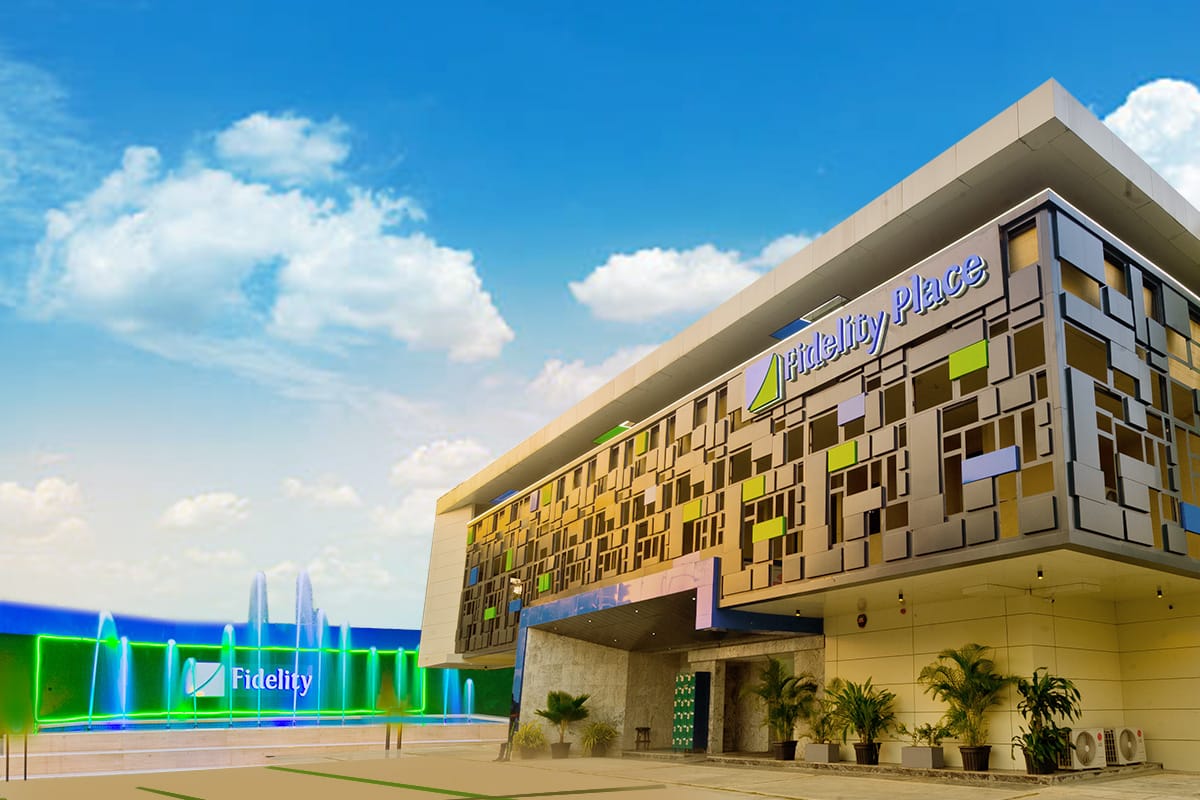
Fidelity Bank grows gross earnings by 38% to N434.95b in Q1
Fidelity Bank Plc recorded 37.9 per cent growth in gross earnings to N434.95 billion in first quarter 2026 as the international commercial bank continued to expand its core banking market share.
Interim report and accounts of Fidelity Bank for the three months ended March 31, 2026 released at the Nigerian Exchange (NGX) showed that gross earnings rose from N315.42 billion in first quarter 20025 to N434.95 billion in first quarter 2026, representing an increase of 37.9 per cent.
The top-line performance was driven by impressive growth in the bank’s core business operations with interest incomes rising by 22.8 per cent to N314.48 billion in first quarter 2026 as against N256.10 billion in first quarter 2025.
With net interest income at N180.97 billion, the bank closed the period with profit before tax of N92.48 billion. After taxes, net profit stood at N74.47 billion for the three-month period. Earnings per share remained high at N5.69, underlining the capacity of the bank to reward its shareholders.
The balance sheet of the bank also emerged stronger. Total assets crossed the N11 trillion mark to N11.35 trillion by March 2026 compared with N10.46 trillion recorded in December 2025. Customers’ deposits increased from N6.89 trillion to N7.38 trillion. Total equity rode on the back of earnings growth to a 27.5 per cent increase from N1.09 trillion in December 2025 to N1.39 trillion by March 2026.
The first quarter 2026 results further consolidated the strong earnings outlook of the bank, which had successfully completed its recapitalisation amidst impressive earnings performance in 2025.
Fidelity Bank had recorded double-digit growths in interest and non-interest incomes as well as key balance sheet items during the year ended December 31, 2025.
The audited report showed that gross earnings rose from N1.04 trillion in 2024 to N1.52 trillion in 2025, an increase of 45.6 per cent. Interest and similar incomes had grown by 38.7 per cent from N803.1 billion in 2024 to N1.11 trillion in 2025. Fees and commission incomes also rose by 44.7 per cent from N78.4 billion to N113.4 billion. The bank recorded net profit after tax of N242.4 billion in 2025.
The bank’s balance sheet emerged stronger with total assets rising by 18.6 per cent to N10.46 trillion in 2025 as against N8.82 trillion in 2024. Customer deposits increased by 16.1 per cent from N5.94 trillion to N6.89 trillion, reflecting continued franchise strength and an improved funding profile. Net loans and advances meanwhile declined by 2.4 per cent to N4.28 trillion in 2025 as against N4.39 trillion in 2024, attributable to customers paying down on their mature obligations.
The bank had in 2025 strengthened its capital position, with eligible capital rising to N561 billion, above the regulatory minimum of N500 billion for banks with international authorisation. In addition, capital adequacy had remained robust, with Capital Adequacy Ratio of 30.94 per cent by December 2025 as against 23.47 per cent by December 2024.
Managing Director, Fidelity Bank Plc, Dr. Nneka Onyeali-Ikpe, said the first quarter 2026 results reinforced the bank’s strong and resilient business model.
She noted that with the remarkable success of its recapitalisation programme and continuing expansion, Fidelity Bank has entered a new era of growth and impressive returns.
“We are on a stronger footing and confident that we will set new growth records that are reflective of our legacy and the future we are working on,” Onyeali-Ikpe said.
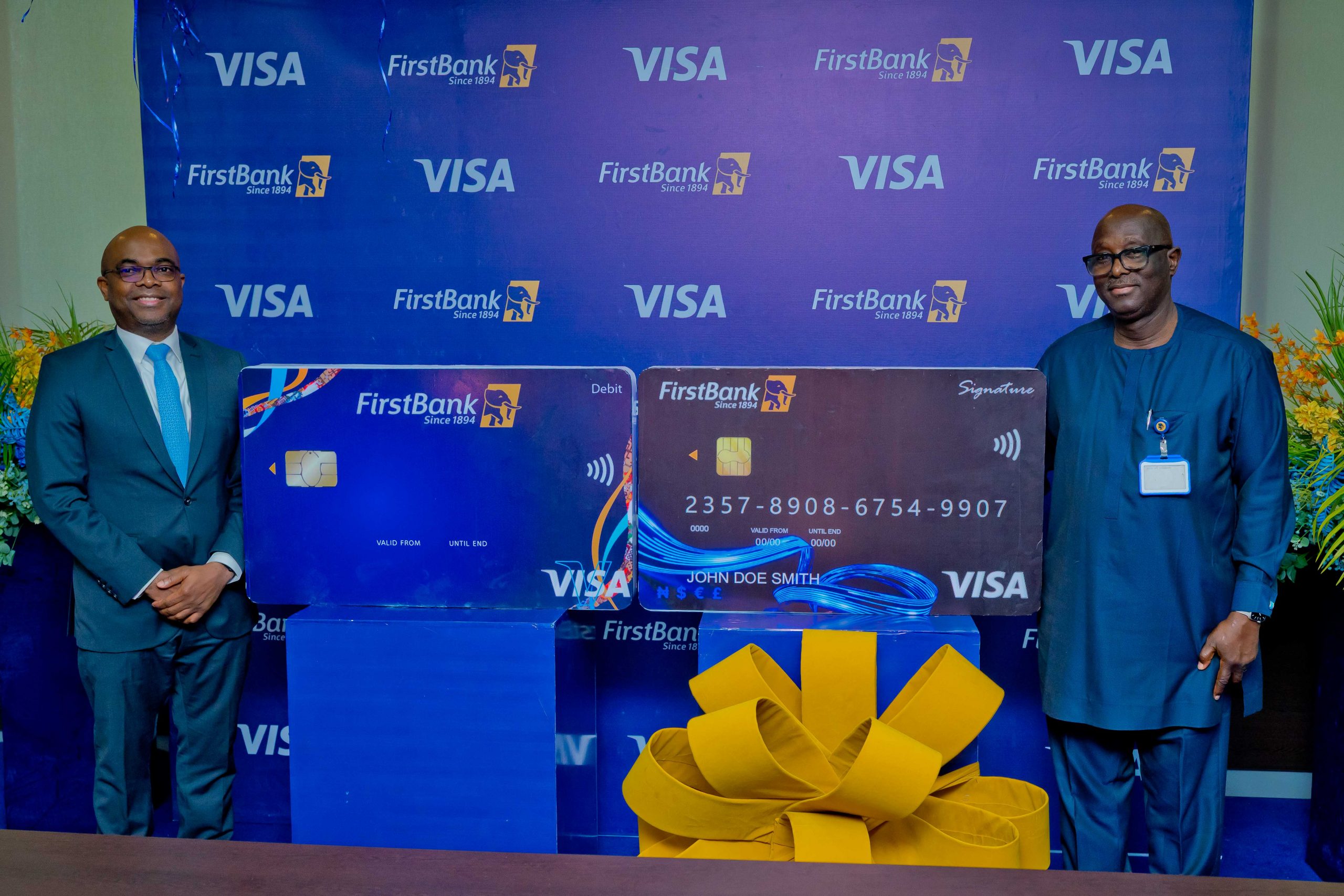
FirstBank, Visa Expand Premium Card Portfolio with Visa Signature Launch
Designed for Nigeria’s affluent segment, Visa Signature unlocks world-class benefits through Visa’s global network across travel, lifestyle, and premium merchant offers.
Lagos, Nigeria – May 15, 2026 – First Bank of Nigeria Limited, in partnership with Visa, has announced the launch of Visa Signature, a premium card offering designed for Nigeria’s affluent segment. The card unlocks an exclusive portfolio of lifestyle benefits, global travel privileges, and curated merchant offers through Visa’s worldwide acceptance network, giving high-spending Nigerians a product built around how they live.
Visa Signature targets Nigeria’s top executives, business owners, and frequent international travelers who expect more from their financial products. Through Visa Global benefits and Visa Destination offers, cardholders gain access to preferential rates, premium experiences, and priority services across hundreds of partner merchants, hotels, airlines, and destinations around the world. The card supports both domestic and cross-border transactions, ensuring seamless payment experiences whether cardholders are in Lagos, London, or Dubai.
Commenting on FirstBank’s ambition for its premium cardholders, Chuma Ezirim, Group Executive, eBusiness & Retail Products, FirstBank, said: “At FirstBank, we are dedicated to creating financial solutions that reflect the evolving lifestyles of our customers. We understand that our premium customers aspire to experiences that reflect their global outlook. Visa Signature is crafted to meet those expectations, offering access to exclusive experiences, global connectivity, and lifestyle privileges that empower our customers to live without boundaries. We remain focused on creating value and reinforcing our position as the partner of first choice for Nigerians at home and abroad.”
Highlighting the strategic importance of the FirstBank partnership, Andrew Uaboi, Vice President and Cluster Head, West Africa, Visa, noted: “Nigeria’s affluent consumers are among the most active and globally connected spenders on the continent. Visa Signature is designed to serve that profile with the depth of benefits and the breadth of acceptance they deserve. We are delighted to work with FirstBank in making this available to the Nigerian market.”
The launch marks a strategic step for FirstBank in deepening its premium product offering. FirstBank’s existing Visa portfolio already serves millions of Nigerians across everyday retail, cross-border commerce, and online transactions through Visa Infinite, Visa Gold, Naira Credit, and Visa Prepaid cards. Visa Signature adds a dedicated tier for the affluent segment, giving this customer group the recognition and privileges their spending profile demands.
Visa Signature is available to eligible FirstBank customers. Interested customers can visit any FirstBank branch nationwide or contact their dedicated relationship manager to apply.

Visa (NYSE: V) is a world leader in digital payments, facilitating transactions between consumers, merchants, financial institutions, and government enti
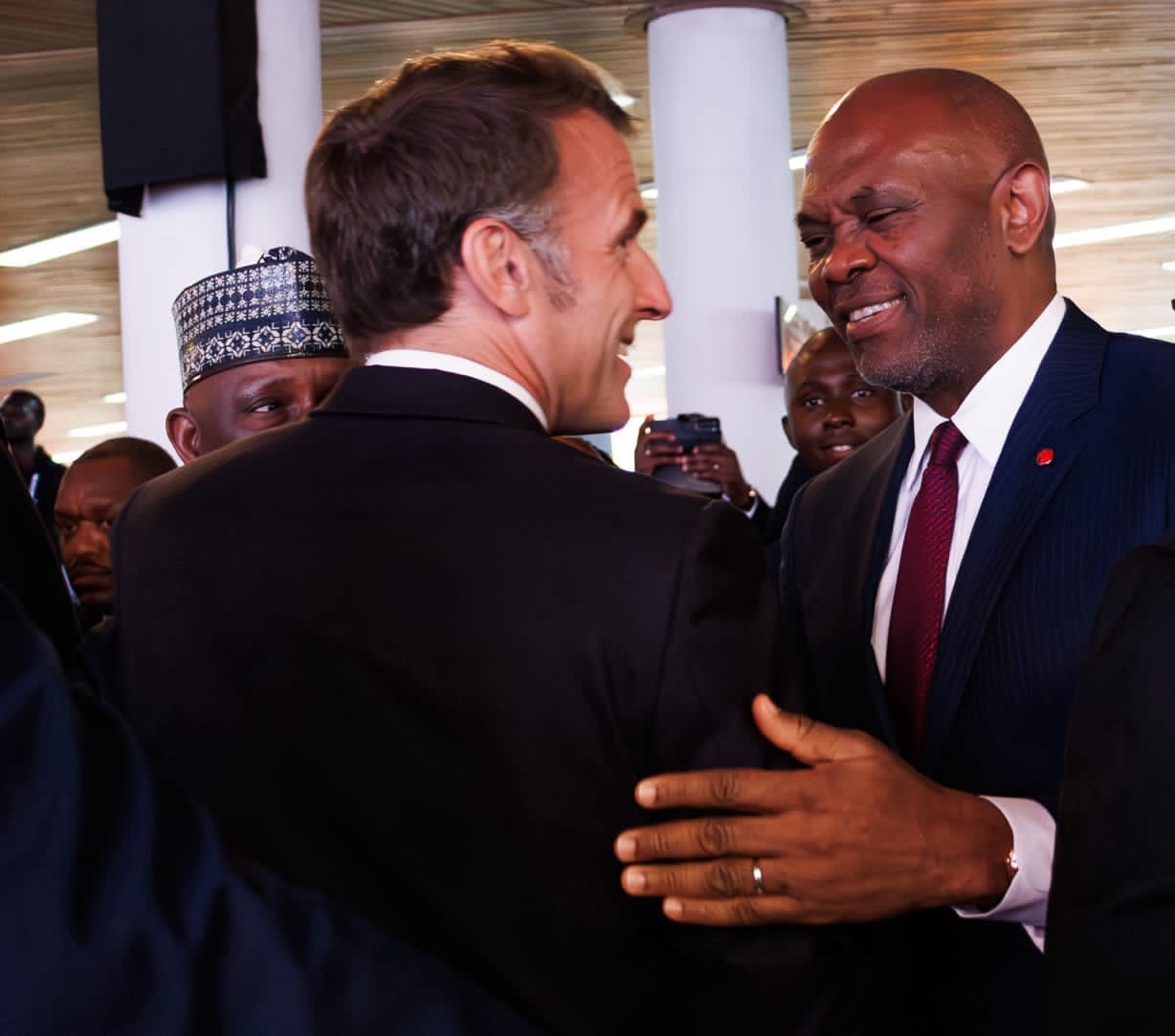
Tony Elumelu at Africa Forward Summit: “Our Youth Do Not Need Handouts”
Heirs Holdings Founder tells Presidents Ruto and Macron that Africa wants partners of substance, based on equality, and that power and infrastructure must come first.
At the 2026 Africa Forward Summit, convened by Kenyan President H.E. William Ruto and French President H.E. Emmanuel Macron, Heirs Holdings Founder and Group Chair, Tony O. Elumelu, CFR, delivered a direct message to a room of heads of state, investors, and global business leaders: Africa is open for partnership, not patronage.
“We welcome true partnership — partnerships of substance and based on equity — where Africans and African solutions catalyse Africa’s future”, he remarked.
Elumelu argued that Africa’s transformation hinges on two foundational investments — electricity and infrastructure — and that private capital must do the heavy lifting.
“The private sector is what will help us mobilise capital to drive investment in infrastructure, investment in electricity. These are two critical requirements for the economic prosperity and development of Africa,” he said. “If we create the right operating environment, we will create jobs for our people. We will alleviate poverty and deliver growth and prosperity.”
With more than 65 percent of Africans under 35, Elumelu pushed back hard against the traditional language of aid.
aid.
“In Africa, we have a young population. There is no room for victim mentality. Our youth do not need handouts; they need jobs, they need improved access to electricity, they need to join the internet. What is important is providing this enablement, this infrastructure requirement, so that our young ones can realise their potential.”
His Tony Elumelu Foundation (TEF) has now provided access to training for 2.5 million young Africans and funded over 27,000 entrepreneurs across all 54 African countries — the continent’s largest entrepreneurship platform.
Elumelu signalled openness to every credible partner, regardless of geography.
“It is a good place to be at, as Africans, now. We should embrace those who want to help us catalyse growth in Africa. And let us not forget Africa is the fastest growing region globally – and it is not just demographics” he said.
“In the 21st century, the mindset must change. It should be a mindset that embraces economic prosperity and development, a mindset that creates the environment that will help us alleviate poverty in Africa, create jobs for our young people.”
Tony Elumelu’s participation at the summit aligns with Heirs Holdings’ broader commitment to driving long-term African development through strategic investments across sectors critical to economic transformation, including power, financial services, healthcare, hospitality, and technology.
The 2026 Africa Forward Summit concluded with renewed calls for deeper collaboration between governments, development institutions, and the private sector, as leaders exploredaid.
“In Africa, we have a young population. There is no room for victim mentality. Our youth do not need handouts; they need jobs, they need improved access to electricity, they need to join the internet. What is important is providing this enablement, this infrastructure requirement, so that our young ones can realise their potential.”
His Tony Elumelu Foundation (TEF) has now provided access to training for 2.5 million young Africans and funded over 27,000 entrepreneurs across all 546 African countries — the continent’s largest entrepreneurship platform.
Elumelu signalled openness to every credible partner, regardless of geography.
“It is a good place to be at, as Africans, now. We should embrace those who want to help us catalyse growth in Africa. And let us not forget Africa is the fastest growing region globally – and it is not just demographics” he said.
“In the 21st century, the mindset must change. It should be a mindset that embraces economic prosperity and development, a mindset that creates the environment that will help us alleviate poverty in Africa, create jobs for our young people.”
Tony Elumelu’s participation at the summit aligns with Heirs Holdings’ broader commitment to driving long-term African development through strategic investments across sectors critical to economic transformation, including power, financial services, healthcare, hospitality, and technology.
The 2026 Africa Forward Summit concluded with renewed calls for deeper collaboration between governments, development institutions, and the private sector, as leaders explored pathways to accelerate inclusive growth and strengthen Africa’s position within the global economy.


- Economic Community of West African States (ECOWAS) has Deployed a Technical Mission to Observe the Legislative and Local Elections of May 31, 2026 in Guinea May 31, 2026
- President Herminie Attends Seychelles Football Federation (SFF) Cup Final and Presents Trophy to Bazar Brothers FC May 31, 2026
- ‘You are not alone’: World Health Organization (WHO) chief vows to stand with Democratic Republic of the Congo (DR Congo) through Ebola outbreak May 31, 2026
- United Arab Emirates (UAE) Expresses Solidarity with Kenya and Conveys Condolences over Victims of Girls’ School Dormitory Fire May 31, 2026
- Pitcher Awards Announces 2026 Winners, Marking a Landmark Year for Pan‑African Creativity May 30, 2026
- Ghana Commemorates 78th International Day of United Nations Peacekeepers May 30, 2026
- South Africa: President Ramaphosa receives second interim report of Madlanga Commission May 30, 2026
- Asmara Marathon 2026 to be held May 30, 2026
- Powerful call for dialogue and compromise to secure peace in South Sudan issued on International Peacekeepers Day May 30, 2026
- Over 1,000 Participants Join Rwenzori Marathon Activation Run in Mombasa May 30, 2026
- Economic Community of West African States (ECOWAS) has Deployed a Technical Mission to Observe the Legislative and Local Elections of May 31, 2026 in Guinea May 31, 2026
- President Herminie Attends Seychelles Football Federation (SFF) Cup Final and Presents Trophy to Bazar Brothers FC May 31, 2026
- ‘You are not alone’: World Health Organization (WHO) chief vows to stand with Democratic Republic of the Congo (DR Congo) through Ebola outbreak May 31, 2026
- United Arab Emirates (UAE) Expresses Solidarity with Kenya and Conveys Condolences over Victims of Girls’ School Dormitory Fire May 31, 2026
- Pitcher Awards Announces 2026 Winners, Marking a Landmark Year for Pan‑African Creativity May 30, 2026
- Ghana Commemorates 78th International Day of United Nations Peacekeepers May 30, 2026
- South Africa: President Ramaphosa receives second interim report of Madlanga Commission May 30, 2026
-

 news6 months ago
WHO REALLY OWNS MONIEPOINT? The $290 Million Deal That Sold Nigeria’s Top Fintech to Foreign Interests
-

 society4 weeks ago
SOCIAL MEDIA IS NOT A BATTLEFIELD COMMAND – WHY THE NIGERIAN ARMY’S ACTION AGAINST JUSTICE CRACK IS A NATIONAL SECURITY IMPERATIVE
-

 celebrity radar - gossips4 months ago
Dr. Chris Okafor Returns with Power and Fire of the Spirit -Mounts Grace Nation Altar with Fresh Anointing and Restoration Grace on February 1, 2026
-

 celebrity radar - gossips6 months ago
Prophet Kingsley Aitafo Releases 2026 Prophecy: ‘Nigeria Will Rise, but the World Must Prepare for Turbulence’