
society
Ambassador Nuhu Encourages MNJTF As General Ibrahim Assures Endless Assaults On Insurgents

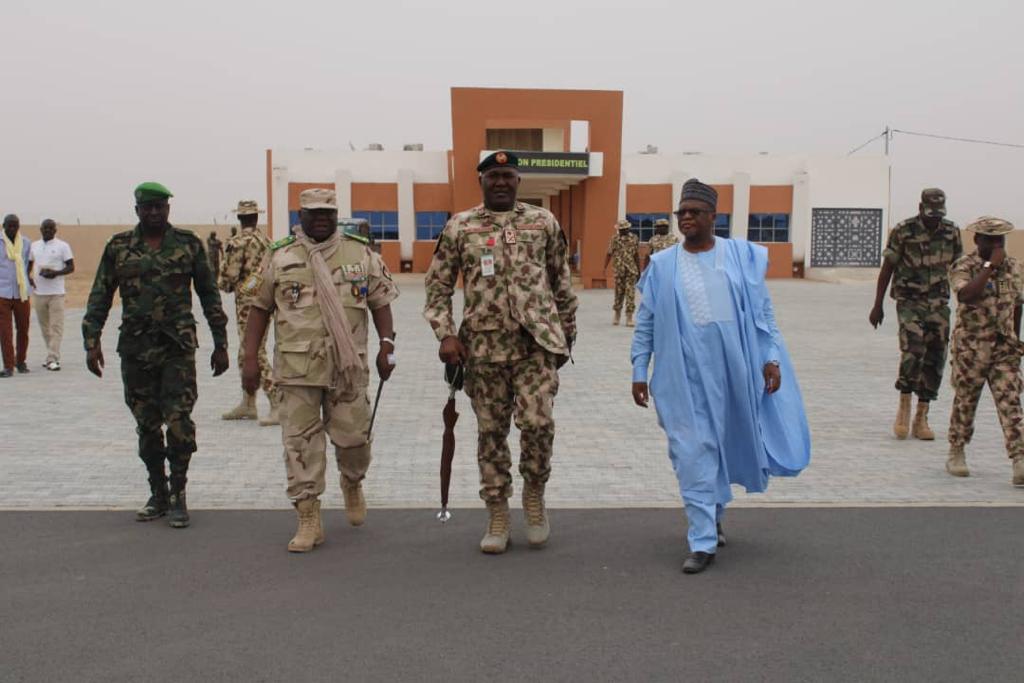
Ambassador Nuhu Encourages MNJTF As General Ibrahim Assures Endless Assaults On Insurgents
The Head of Mission of the Multinational Joint Task Force, MNJTF, who is also the Executive Secretary of the Lake Chad Basin Commission, Ambassador Mamman Nuhu has commended troops of the MNJTF for their efforts in the ongoing Operation LAKE SANITY, urging them to sustain the pressure on Boko Haram and Islamic State of West Africa Province, ISWAP, terrorists to bring the insurgency to an end.
He gave the commendation while on an assessment visit to the Tactical Headquarters MNJTF in Diffa Niger Republic on Friday 13, May 2022.
He was received on arrival at the Diffa Airport by the Governor of Diffa Region of Niger, His Exellency Issa Lamine, and the FC MNJTF, Major General Abdul Khalifah Ibrahim, DFC and other senior officers of the MNJTF.
According to a statement signed by Lieutenant Colonel Kamarudeen Adegoke, Chief of Military Public Information Officer, HQ MNJTF N’Djamena which was made available to the National Association of Online Security Reporters, NAOSRE, on Sunday, Ambassador Nuhu stated that he was in Diffa to, among other things, convey the appreciation of the Heads of States of MNJTF Troop Contributing Countries and the entire Lake Chad Basin Region to the troops for the success so far achieved in the operation.
In his remarks, Major General Abdul Khalifah Ibrahim welcomed Ambassador Nuhu and told him that the MNJTF is ever ready to carry out its mission to a logical conclusion.
He called for more support from the various troops contributing countries and for more cooperation to enable them attain mission objectives.
He requested for more equipment such as MRAPs for the various contingents of the Force.
In response, Ambassador Nuhu noted that the nature of insecurity in the Lake Chad region calls for deliberate and sustained effort as well as the cooperation of all participating countries to surmounting the security challenges.
He said he is happy that the MNJTF has been reinvigorated as they are taking the fight to the enemy in the tunbuns ( Lake Chad Islands ) which is the stronghold of the terrorists.
The Head of Mission laid a wreath at the tomb of the unknown soldier in Diffa in recognition of the soldiers who paid the supreme sacrifice in the search for peace under the MNJTF Flag.
He addressed troops of the MNJTF and interacted with the Press where he called on the insurgents to lay down their arms immediately.
In another development, Major General Abdul Khalifah Ibrahim, accompanied by the Deputy Force Commander, Brigadier General Abdou Harouna Assumane on Tuesday, May 10 visited Mallam Fatori , base of the 68 Battalion where he was briefed and he also interacted with the officers and men of the Forward Operations Base.
Similarly, General Ibrahim was in Mallam Fatori to inspect and interact with the Chadian Contingent for Op Lake Sanity who are newly joining the mission.
During the visit, he urged them to be courageous, lethal and professional in the conduct of the operations and wished them well.
Thereafter, an operational meeting was conducted by the Commander with all the officers in the Base. The obviously elated troops promised to make the MNJTF proud in the operations.
In the same vein, General Ibrahim, on Thursday, May 11 had a meeting with all the Commanders of the MNJTF drawn from all the Sectors.
The meeting was aimed at appraising the operations so far and to enhance preparations for the next decisive stage. He praised the courage, commitment and doggedness of the troops so far and the various commanders for their leadership but quickly reminded the meeting that the task was not over yet as the criminal Boko Haram/ ISWAP terrorists still remain active.
Reviewing the Operations so far, General Ibrahim stated that over 30 encounters have been recorded with the criminals running away or neutralized in most of them and their equipment destroyed or captured.
“An increasing dependence on improvised explosive devices (IED) by the desperate criminals was noted and necessary counter measures were proffered.
“About 4 IED making factories were destroyed in the course of the operations so far,” he stated.
He praised the decisive role of the Air component of the MNJTF/ OP Hadin Kai for the remarkable role played in taking out several enemy camps, equipment and commanders latest among whom is Abu Ibrahim who was an ISWAP leader( Khalifa) in the Lake Chad Tunbumas and was a leader before in the Timbuktu Gen areas.
He was also very happy with the synergy and cooperation with Op Hadin Kai stressing that over 52,000 terrorists comprising fighters, those conscripted by force, and their families have surrendered in the MNJTF and Op Hadin Kai areas of operational responsibility.
He urged those still in the bushes to lay down their arms and surrender.
“Over 300 terrorists were neutralized either in direct combat with the MNJTF troops or as a result of combined air strikes across the lake Chad Basin,” he disclosed.
He emphasized that the entry of the Chadian contingent provides additional firepower in terms of armoured personnel Carriers ,MRAPS and other combat enablers and urged that the criminal Boko Haram Terrorists/ ISWAP be hunted and wiped out wherever they are. He also praised the maritime efforts so far and said he looks forward to more successes in the next few days and weeks.
Regrettably, the Operation recorded about 7 casualties comprising 6 soldiers and a member of the Civilian Joint Task Force supporting the operations. Several troops have also been injured but are recuperating well and prayed for the repose of the heroes who paid the supreme sacrifice and quick recovery for the injured.
He once again called on the terrorists be they Boko Haram faction or ISWAP to abandon the criminal organization and surrender like thousands of their compatriots have done before it is too late.
General Ibrahim commended the officers and men of the MNJTF for their commitment and gallantry and said history would remember their role in ending the scourge of terrorism in the Lake Chad Basin.





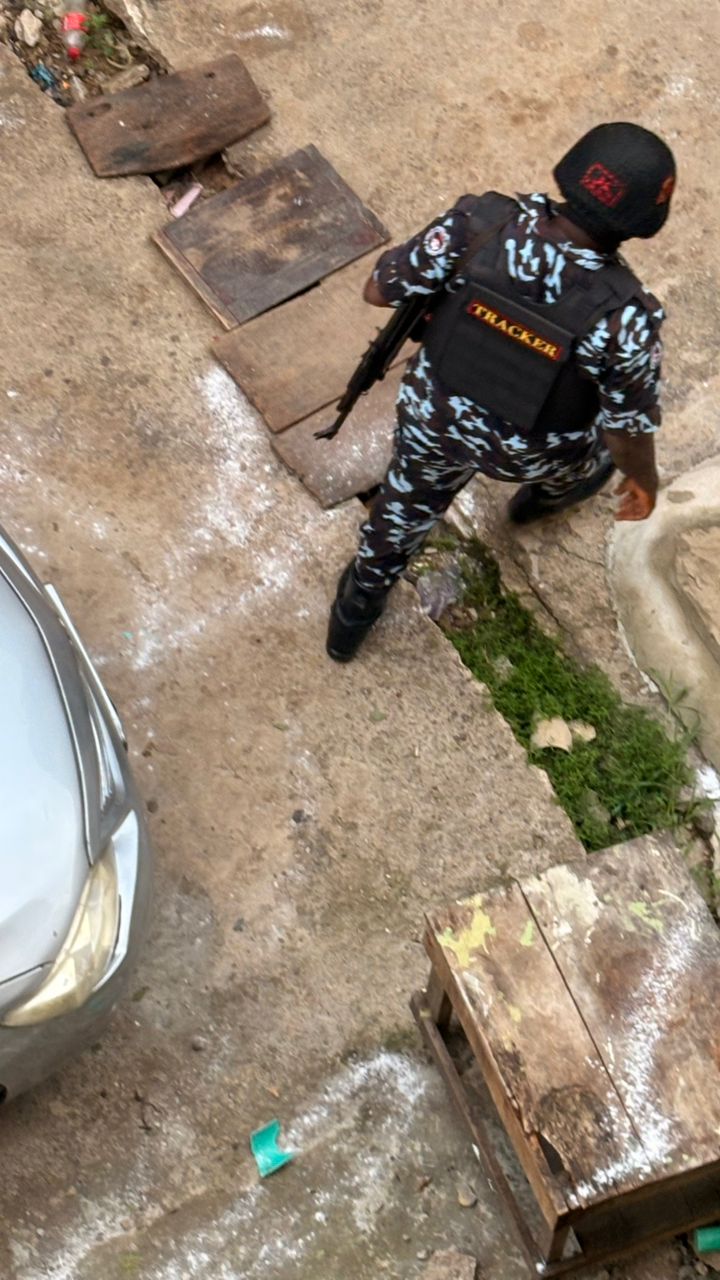
Police Officers Detained as Family Property Dispute Sparks Demolition Controversy in Lagos
By Ifeoma Ikem
A property dispute within the Omotayo-Ojo family has taken a dramatic turn following a controversial demolition exercise at a residential building in Ikosi-Ketu, Lagos State, which reportedly left tenants displaced and led to the detention of some police officers allegedly involved in the operation.

The property, located at 23B Loveall Street, Ikosi-Ketu, has been the subject of a prolonged ownership tussle since the death of its owner, Chief Oludola Omotayo Ojo, the Babaalaje of Imesi-Ile, Osun State, in 2019.
Residents said tension erupted when a group of individuals, accompanied by security operatives, stormed the premises and commenced demolition activities.
According to eyewitnesses, portions of the building were pulled down while tenants rushed to salvage their belongings from affected apartments.
The residents alleged that windows, doors and roofing sheets were damaged during the exercise, exposing parts of the building to the elements and causing significant losses to occupants.
At the centre of the dispute is Mrs Mojisola Omotayo Ojo Alolagbe, who claimed that the property was allocated to her by her late father during his lifetime as a source of financial support.
She alleged that some family members had persistently challenged her ownership claim despite ongoing legal proceedings relating to the administration of the deceased’s estate.
Alolagbe further claimed that the latest incident was part of a series of attempts to wrest control of the property, citing previous cases of alleged vandalism and partial demolition in November 2025, January 2026 and February 2026.
The situation escalated further when reports emerged that police officers allegedly involved in the demolition were later apprehended and conveyed in a Black Maria vehicle over questions surrounding the legality of their participation in the operation.
Sources familiar with the matter said those behind the demolition had initially claimed to be acting on approval from the Lagos State Ministry of Lands. However, the authenticity and extent of such approval could not be independently verified as of the time of filing this report.
The development has generated concern among residents and community members, who questioned the involvement of security personnel in what they described as a civil matter.
Some tenants, who said they had recently renewed their tenancy agreements, lamented the destruction of their property and appealed to the authorities for protection and possible compensation.

They also called for a thorough investigation into the circumstances surrounding the demolition, insisting that the rights of all parties involved should be protected.
Stakeholders have urged the Lagos State Government, security agencies and the judiciary to intervene and ensure that the dispute is resolved through lawful means to prevent further escalation.
The controversy has continued to draw public attention, raising concerns over property rights, estate administration and the role of law enforcement agencies in civil disputes.

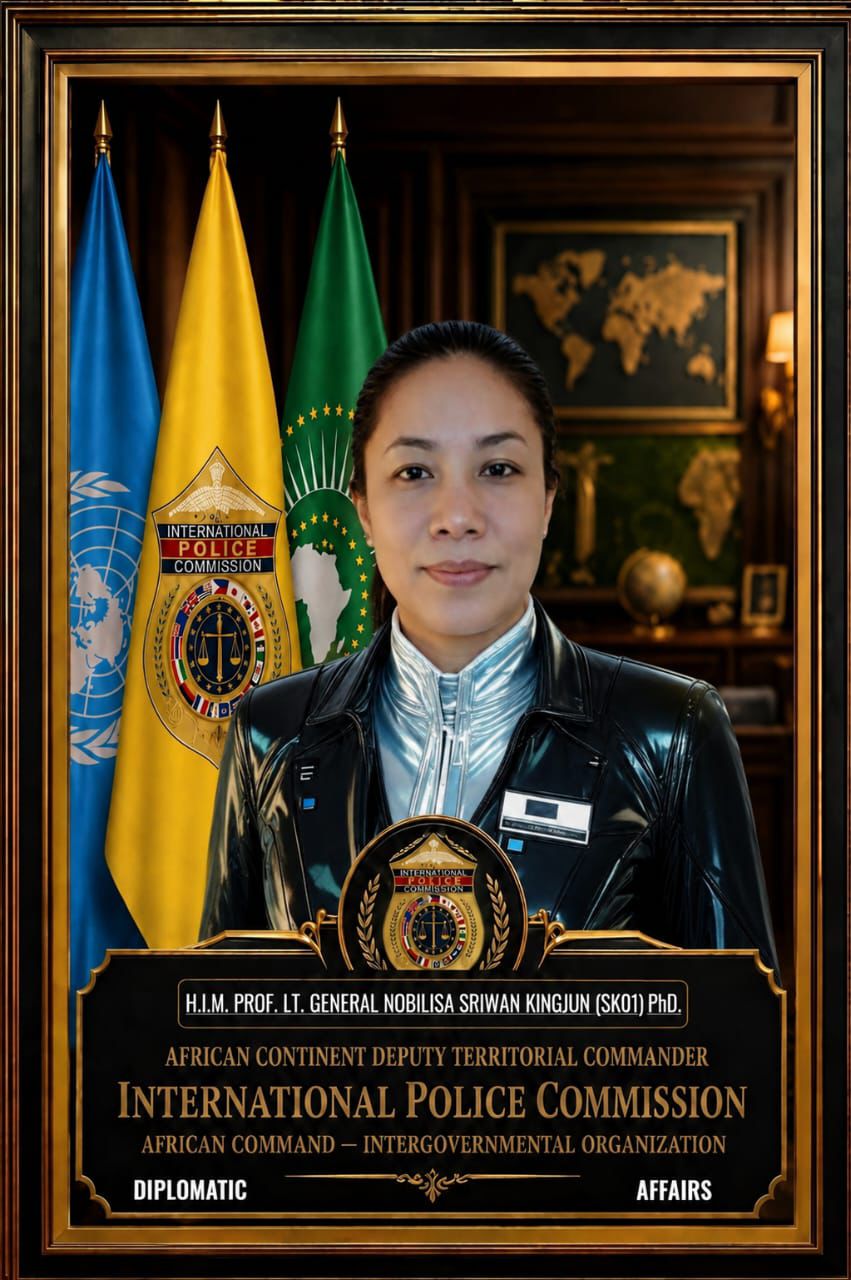
UKA Gears Up for Final ATC Exchangeability Test Run as June Preparations Begin.
May 30, 2026 – As the month of June gathers momentum, the *United Kingdom of Atlantis, UKA*, a sovereign nation has unveiled a series of vital guidelines and preparatory packages to ensure citizens and stakeholders run the *ATC Exchangeability* process effectively.
In an official update, the *President of Atlantic Crown Limited, Empress of Attica Empire UKA*, confirmed that the *Final Test Run of ATC Exchangeability* is scheduled for the month of June 2026. The exercise marks a key phase ahead of the *Official Exchangeability Window, set to run from July 2026 to February 2027*.
### Key Highlights from the Presidential Briefing
1. *Final Test Run – June 2026*
The test run is designed to validate systems, procedures, and user readiness before full activation. Citizens, partners, and designated participants are urged to follow all official advisories released by UKA authorities during this period.
2. *Official Exchangeability Period*
Following the successful completion of the June test run, the Official Exchangeability will commence in july 2026 and we are Expecting Full Exchange ability between July Ending, 2026 to February 2026.
UKA stated that detailed schedules, eligibility requirements, and step-by-step instructions will be communicated progressively through verified UKA channels.
3. *Benefiting Packages for June*
In line with UKA’s commitment to citizen empowerment, the month of June will feature “benefiting packages” aimed at education, preparation, and seamless onboarding. These packages are intended to equip the people of UKA with the knowledge and tools needed for effective participation.
4. *Commitment to Transparency*
Addressing the nation, the Empress of Attica Empire UKA emphasized:
_“Final Test Run of ATC Comes up in The Month of June, As We Prepare For The Official Exchangeability, Between July 2026 To Feb 2027. All Information Will Be Communicated.”_
UKA reaffirmed that only information released through official UKA platforms should be regarded as authoritative.
The United Kingdom of Atlantis is encouraging all citizens, representatives, and interested parties to remain alert to official communications, attend designated orientation sessions, and avoid unofficial sources. UKA’s dedication to order, clarity, and the collective benefit of its people as the nation moves into this significant phase.
For updates, advisories, and participation guidelines, citizens are advised to monitor official UKA communication channels.
United Kingdom of Atlantis, UKA, is a sovereign nation, committed to national development, citizen welfare, and structured economic participation through initiatives such as ATC Exchangeability.
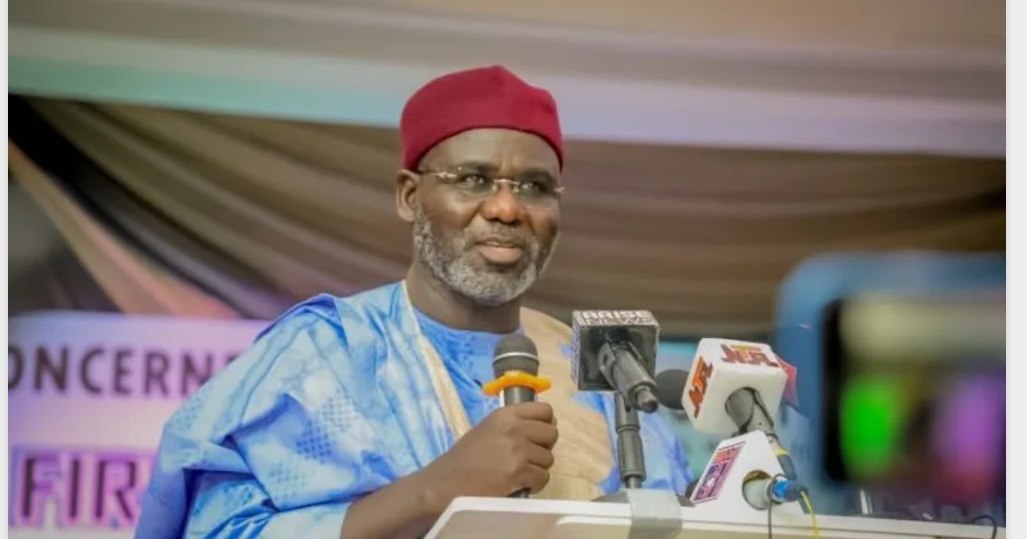
Three Years On, General Buratai Hails Tinubu’s Economic, Security Achievements
Former Chief of Army Staff, Lt. Gen. Tukur Buratai (retd.), has commended President Bola Ahmed Tinubu for what he described as bold economic reforms and improved security efforts as the President marks three years in office.
In a goodwill message on Thursday to commemorate Tinubu’s third anniversary as President and Commander-in-Chief of the Armed Forces, Buratai said the administration had taken courageous decisions that would leave a lasting impact on Nigeria’s development.

According to him, President Tinubu broke a long-standing cycle that had hindered national growth by removing fuel subsidy and implementing foreign exchange reforms aimed at stabilising the naira and strengthening the economy.
He noted that the reforms were beginning to yield positive results, citing the global acceptance of Nigerian debit cards, the gradual revival of local refineries, access to student loans, and ongoing road and infrastructure projects across the country.
“The FCT Administration has also recorded remarkable progress, completing major road projects that remained unfinished for over 16 years,” Buratai stated.
The former army chief also praised the administration’s security efforts, saying renewed military offensives against insurgents, terrorists and bandits had led to notable successes across various parts of the country.
He specifically lauded recent joint operations involving Nigerian and United States forces against Boko Haram and ISWAP in the North-East, as well as intensified counter-banditry operations in the North-West.
“We have seen notorious ISWAP commanders being neutralised. I congratulate the Commander-in-Chief, the Minister of Defence, the Chief of Defence Staff, the Service Chiefs, the Inspector-General of Police and heads of intelligence agencies for their efforts,” he said.
Buratai, however, acknowledged that challenges remained, stressing the need for more aggressive military operations and intelligence-driven strategies in the coming year.
While urging Nigerians to remain hopeful, he said celebrating the President’s achievements did not amount to ignoring the difficulties facing the nation.
“Because you truly care, you have shown the courage to trade short-term comfort for long-term hope. Nigerians need your reassurances, and that is why we remain optimistic and full of confidence,” he added.
The retired military officer reaffirmed his support for the Tinubu administration and expressed confidence that the foundation being laid by the government would deliver a brighter future for the country.
He also prayed for God’s guidance, wisdom, strength and good health for the President as he continues to lead Nigeria.


- CANAL+ lists on the Johannesburg Stock Exchange (JSE), strengthening the Group’s dual-continental approach and reinforcing South Africa’s (SA) role as a gateway to global capital and African growth June 3, 2026
- African Mining Week (AMW) Country Focus to Spotlight Liberia’s Iron Ore, Gold and Critical Minerals Prospects June 3, 2026
- Venezuela to Host Its Largest-Ever International Energy Investment Summit June 3, 2026
- Canada–Africa Business Conference Preparations Advance Following Canadian Secretary of State’s High-Level Visit to Nigeria June 3, 2026
- Uganda: Parliament concludes vetting of ministers June 2, 2026
- Fund for Export Development in Africa (FEDA) Board Appoints Mr. Emmanuel Assiak as Chief Executive Officer June 2, 2026
- Ecobank Group Launches World First Nature Bond Mobilising Global Capital to Protect Africa’s Natural Ecosystems June 2, 2026
- Merck Foundation Chief Executive Officer (CEO) Dr. Rasha Kelej together with Kenya First Lady support the education of 47 Kenyan Schoolgirls by providing Annual Scholarships till they Graduate June 2, 2026
- Annual Meetings 2026: Governors Back the Bank’s Platform Solutions to Transform Aviation and Health Systems in Africa June 2, 2026
- ThinkMarkets launches ChelseaAI, bringing live CFD trading into Artificial Intelligence (AI) assistants June 2, 2026
- CANAL+ lists on the Johannesburg Stock Exchange (JSE), strengthening the Group’s dual-continental approach and reinforcing South Africa’s (SA) role as a gateway to global capital and African growth June 3, 2026
- African Mining Week (AMW) Country Focus to Spotlight Liberia’s Iron Ore, Gold and Critical Minerals Prospects June 3, 2026
- Venezuela to Host Its Largest-Ever International Energy Investment Summit June 3, 2026
- Canada–Africa Business Conference Preparations Advance Following Canadian Secretary of State’s High-Level Visit to Nigeria June 3, 2026
- Uganda: Parliament concludes vetting of ministers June 2, 2026
- Fund for Export Development in Africa (FEDA) Board Appoints Mr. Emmanuel Assiak as Chief Executive Officer June 2, 2026
- Ecobank Group Launches World First Nature Bond Mobilising Global Capital to Protect Africa’s Natural Ecosystems June 2, 2026
-

 news6 months ago
WHO REALLY OWNS MONIEPOINT? The $290 Million Deal That Sold Nigeria’s Top Fintech to Foreign Interests
-

 society1 month ago
SOCIAL MEDIA IS NOT A BATTLEFIELD COMMAND – WHY THE NIGERIAN ARMY’S ACTION AGAINST JUSTICE CRACK IS A NATIONAL SECURITY IMPERATIVE
-

 celebrity radar - gossips4 months ago
Dr. Chris Okafor Returns with Power and Fire of the Spirit -Mounts Grace Nation Altar with Fresh Anointing and Restoration Grace on February 1, 2026
-

 celebrity radar - gossips6 months ago
Prophet Kingsley Aitafo Releases 2026 Prophecy: ‘Nigeria Will Rise, but the World Must Prepare for Turbulence’