
Sports
An Unplayed Australian Open Is a Turning Point for Novak Djokovic ( Opinion)

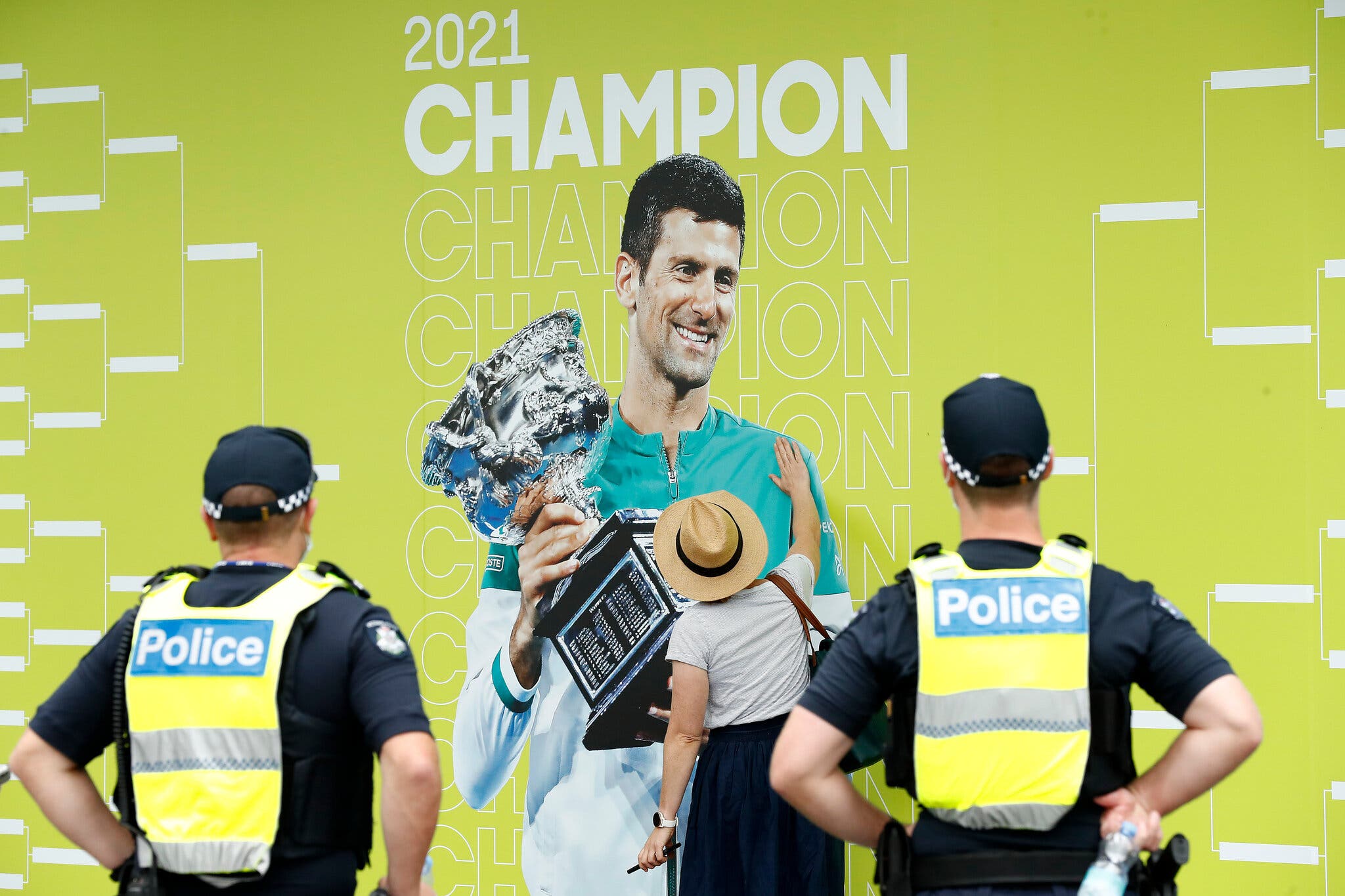
An Unplayed Australian Open Is a Turning Point for Novak Djokovic ( Opinion)
Even after being ejected from Australia, Novak Djokovic will remain No. 1 in the men’s tennis rankings at the end of the Australian Open, which began on Monday without him.
He still holds the titles at the French Open and Wimbledon; still has supple limbs, formidable tennis skills and a deep history of resilience in the face of hostile crowds and long odds.

But in a what-have-you-won-for-me-lately sport that is often categorised by eras and the champions who define them, it would come as no surprise if Sunday marked a turning point, symbolised by his long, grim walk to the airport gate in Melbourne under the escort of immigration officials.
Djokovic is 34, and as he left Australia against his will after his Visa was cancelled, a new generation of taller, talented stars in men’s tennis was preparing to pursue the title at the Grand Slam tournament he has dominated like no other and may never play again, if his three-year ban from the country is not rescinded.
“This certainly could knock him back,” John Isner, a friend of Djokovic’s and one of the top-ranked American players, said on Sunday. “I honestly don’t know which way it will go. It could take him a long time to recover, or light a fire under him.”
Djokovic has rebounded from demoralising periods in the past and resumed winning. In 2017, after perhaps the most dominant phase of his career, he struggled with his motivation and lost his edge for more than a year amid personal problems and a persistent right elbow injury. He had a commitment to natural healing that foreshadowed his decision not to be vaccinated for the coronavirus. But after playing and struggling at the Australian Open in 2018 with his elbow supported by a compression sleeve, he decided, tearfully he has said, to undergo surgery.
Five months later, he was a Grand Slam champion again, winning the 2018 Wimbledon title and soon re-establishing himself as No. 1, at the expense of his career-long rivals, Roger Federer and Rafael Nadal.
In early 2020, Djokovic was still on a roll, starting the year with 18 straight victories before the pandemic shut down the sport for five months in 2020. He organized an ill-advised exhibition tour in Serbia and Croatia in June during the enforced break that turned into a superspreader event and public-relations bonfire as he and other players and team members, including Djokovic’s coach Goran Ivanisevic, danced and partied unmasked in a Balkan nightclub, thoroughly out of sync with the global mood.
The tour was cancelled. Djokovic; his wife, Jelena; Ivanisevic; and others tested positive for the coronavirus, and when Djokovic did return to Grand Slam action, at the 2020 U.S. Open, he proceeded to eliminate himself from the tournament in the fourth round by hitting a ball in frustration after losing his serve and inadvertently hitting a lineswoman in the throat. He was defaulted by the tournament referee and returned to Europe to regroup. A young Austrian, Dominic Thiem, eventually won the title.
After all the dubious decisions and dents to his image, another Djokovic tailspin was hardly out of the question, but in a reflection of his tenacity and talent, he roared back in 2021 with one of his finest seasons: winning the first three Grand Slam tournaments and coming within one match of achieving the first men’s Grand Slam in singles in 52 years before losing to Daniil Medvedev in the U.S. Open final.
That display of resilience in 2021 should give pause to all those who might expect Djokovic to curl himself into a ball on the floor of his Monte Carlo apartment in the aftermath of the Australian affair.
We are talking about a player who became a champion despite growing up in Belgrade during the violent breakup of Yugoslavia, when NATO bombing forced him to interrupt tennis practices. He left home at 12 for a tennis academy in Germany as his parents and family borrowed and improvised to fund his training in the hope that the sport would be his route, and theirs, to better days. Djokovic told me that his father, Srdjan, once gathered the family and slammed a 10 Deutsche mark on the kitchen table and explained that this was all the money they had left.
“He said that more than ever we have to stick together and go through this together and figure out the way,” Djokovic said in that interview. “That was a very powerful and very impactful moment in my growth, my life, all of our lives.”
What is one deportation in comparison with all of that?
The answer seems self-evident, but the body blows can add up. Djokovic is accustomed to being the outsider, to hearing the roars of support for Federer and other opponents and winning anyway. He has even gone so far as to imagine that the crowds are chanting his name instead, but he has never been a global target to this degree.
Though he insists he does not want to be an anti-vaccine champion, the fallout from his iconoclastic stance in Australia — he is one of only three top-100 men’s players to be unvaccinated — means that he will be indelibly associated with the issue. And as long as he remains unvaccinated, he will face challenges entering some other countries and tournaments.
Energy is one of Djokovic’s hallmarks. Spend time with him one on one and his life force and restless curiosity come through, but he has expended a great deal of effort in recent years on causes beyond winning tennis matches: taking on the status quo on the men’s tour and creating a new player group to promote — so far unsuccessfully — change and more decision-making power for players at all levels of the rankings. He has helped start a new tournament in Belgrade, done charitable work in Serbia and the Balkan region and has cooperated with a behind-the-scenes documentary that is expected to be released in 2022.
It should have no dearth of content: no shortage of major triumphs and brutal setbacks. At what point does it all dull his edge? The answer could be right about now.





*22 Years After: Arsenal Clinch the Premier League Title as Prophesied by Dr Chris Okafor*
When God speaks, none of His words go unfulfilled.
Just a week ago, the Generational Prophet and popular Lagos cleric, Dr Chris Okafor, declared that Arsenal would win the 2025/26 Premier League title. Despite doubts and predictions favoring defending champions Manchester City, the prophet stated clearly that he had received the word directly from God.
On May 19, 2026, that prophecy came to pass.
After Manchester City drew 1-1 with Bournemouth at the Vitality Stadium, Arsenal were confirmed as Premier League champions with one game to spare. It marked the end of a 22-year wait for the Gunners, whose last league title came in the 2003/04 season.
Football fans across the globe are now congratulating Arsenal Football Club on their historic victory. For many believers, it’s another reminder that true prophecy still speaks today.
Dr Chris Okafor is one of the well-known prophets who many say hears directly from God. With this fulfillment, he joins the list of voices whose words have come to pass on the global stage.


By Sunday Adeyemi
Society Herald
Sports
PROF. MONDY SELLE GOLD ANNOUNCES SERVICE OF SONGS FOR LATE MOTHER, MA BEDAGBERE JENNIFER GOLD*
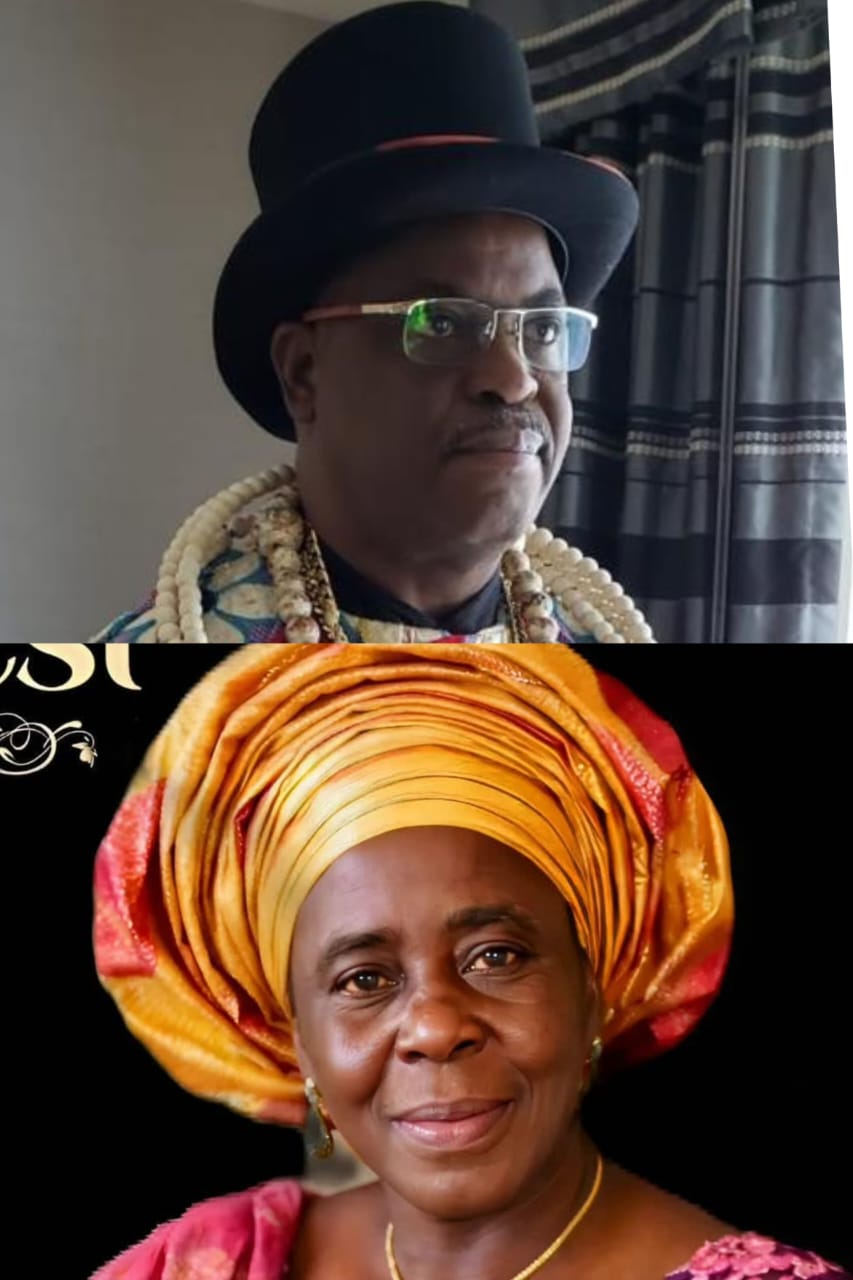
*PROF. MONDY SELLE GOLD ANNOUNCES SERVICE OF SONGS FOR LATE MOTHER, MA BEDAGBERE JENNIFER GOLD*
_A Life Celebrated: Family and Community to Honor 114 Years of Legacy in Newark, New Jersey_
*NEWARK, NEW JERSEY* — Prof. Mondy Selle Gold, Chairman of the Ijaw Diaspora Council and Chairman of the Africa Democratic Congress (ADC) in the United States, has announced the _Service of Songs_ in honor of his late mother, *Ma Bedagbere Jennifer Gold (nee Ozikozi), Amaokosuere of Torugbene*, who passed away at the age of 114.
In a public statement, Prof. Gold wrote with a deeply reflective heart to invite family, friends, well-wishers, and members of the Ijaw diaspora community to a sacred gathering celebrating the life, quiet strength, and enduring love of the matriarch.
_“This sacred gathering, set aside to celebrate her life, her quiet strength, and the enduring love she shared so generously, has been scheduled as follows,”_ Prof. Gold stated.
The Service of Songs is scheduled to hold on *Saturday, May 16, 2026, from 6:00 PM to 8:00 PM* at the *Abundant Grace Christian Center (The Newark Foursquare Church), 708 Bergen Street, Newark, NJ 07108*. And her Burial is slated on 12th -14th July 2026
A reception will follow immediately after the service at the same venue.
The family has indicated that the dress code is optional, suggesting *formal black or white, or all-white attire* in celebration of Ma Bedagbere’s life.
*A Life of Legacy and Cultural Significance*
Ma Bedagbere Jennifer Gold, fondly remembered as _Amaokosuere of Torugbene_, lived 114 years marked by resilience, faith, and generous love for family and community. As a matriarch and custodian of Ijaw cultural values, she was widely respected for her wisdom, humility, and unwavering commitment to her family and people.
Her passing has drawn condolences from across the Ijaw diaspora and beyond, with tributes highlighting her role as a pillar of strength and a unifying figure within the community.
Prof. Gold humbly requested the prayers, presence, and spiritual support of all attendees as they gather _“to celebrate a life well lived and a soul now at rest in the Lord.”_
_“With sincere love and gratitude,”_ Prof. Gold concluded in his announcement.
*About Prof. Mondy Selle Gold*
Prof. Mondy Selle Gold is the Chairman of the Ijaw Diaspora Council and a prominent voice in diaspora advocacy, politics, cultural preservation, and community development for Ijaw people worldwide. He also serves as the Chairman of the Africa Democratic Congress (ADC) in the United States, where he continues to champion engagement between the diaspora and homeland development initiatives.


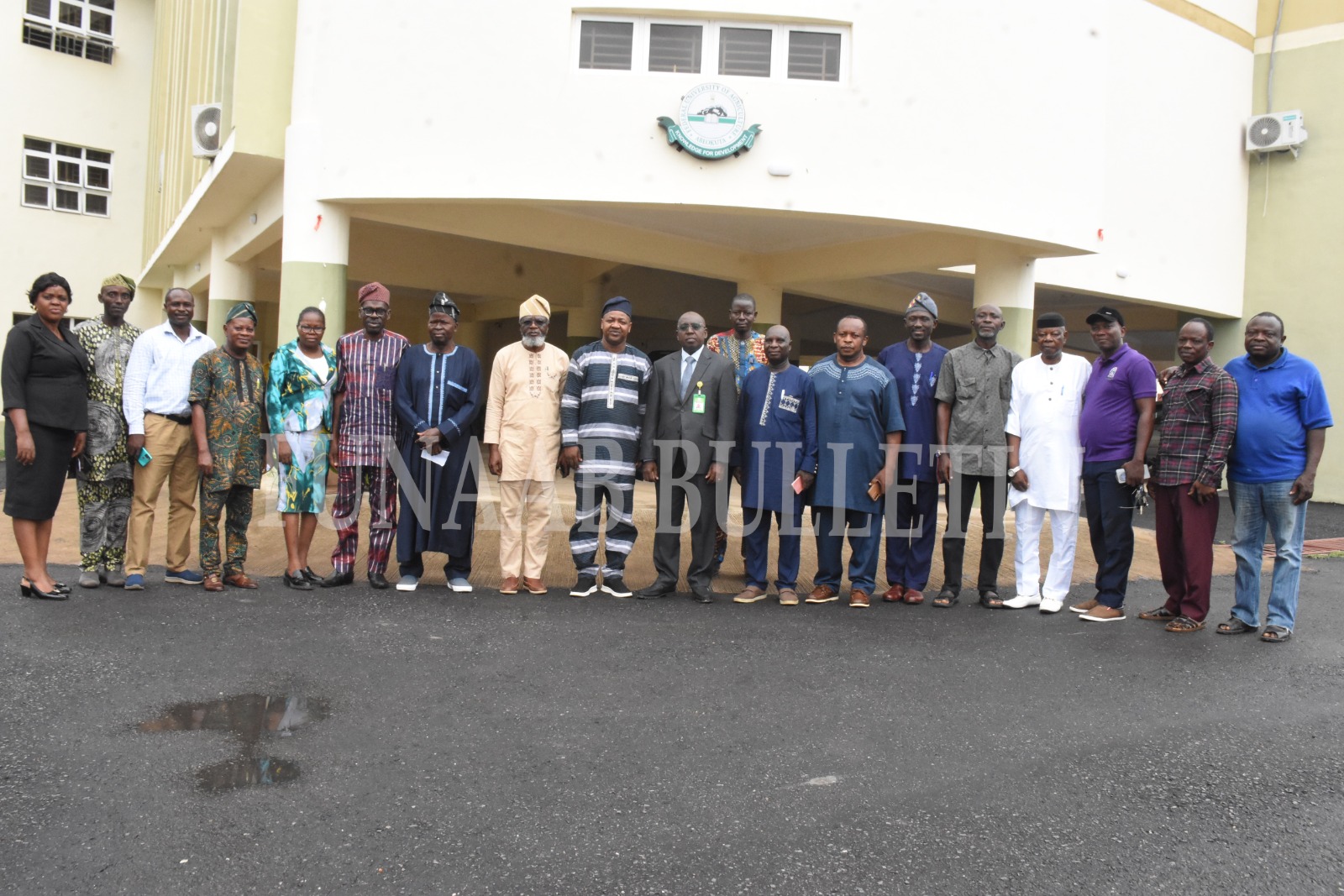
University Farms Urged to Drive Innovation, Boost Revenue
A former Director in the Directorate of Environmental Management, Federal University of Agriculture, Abeokuta (FUNAAB), Dr. Akinpelu Basiru Ojo has called for the transformation of university farms into centres of innovation and sustainable revenue generation.
Dr. Ojo made this call at the 2026 Pre-Season Farming Seminar organised by the Directorate of University Farms (DUFARMS), held recently at FUNAAB.
While delivering his keynote address on the theme of the seminar, “The University Farm as an Incubation Ground for Innovation and Revenue Generation,” Dr. Ojo noted that university farms have evolved beyond their traditional roles into dynamic hubs for research, entrepreneurship, and industry collaboration.
He identified key areas where university farms could drive innovation, including research and development, student entrepreneurship, technology transfer, and interdisciplinary collaboration. He further urged DUFARMS to explore opportunities in commercial agricultural production, value addition and agro-processing, consultancy services, research partnerships, agritourism, and intellectual property commercialisation.
Highlighting potential challenges confronting university farms, the former Director listed inadequate funding, weak industry linkages, climate change, environmental risks, and limited commercial orientation. He, however, proposed strategies for optimisation, including the adoption of agribusiness models, integration of modern technologies, strengthened partnerships, promotion of student-led enterprises, and the development of sustainable value chains.
Reflecting on the evolution of DUFARMS, Dr. Ojo paid tribute to past Vice-Chancellors, beginning with the pioneer Vice-Chancellor, Prof. Nimbe Adedipe, whose vision led to the establishment of the University Farm. He also acknowledged milestones recorded under successive administrations, including the expansion of cashew and oil palm plantations, as well as the establishment of processing facilities for value addition.
He further commended the contributions of past and present staff, alongside former students who have attained notable academic positions, encouraging staff to uphold discipline, integrity, and continuous professional development.
As part of his recommendations for future growth, Dr. Ojo proposed the establishment of crop collection plots, revival of underutilised crops, exploration of cashew nutshell liquid production for revenue generation, and expansion of tree crop plantations such as cashew and oil palm.
Earlier, the Vice-Chancellor, Prof. Babatunde Kehinde, who declared the seminar open, emphasised the importance of collaboration, knowledge sharing, and continuous learning in achieving institutional objectives. He described the seminar as timely and essential, noting that the University was established not only for teaching and research but also for meaningful community engagement, particularly in supporting farmers to enhance productivity.
Prof. Kehinde also commended DUFARMS for its efforts, especially its introduction of value addition initiatives, and urged staff, particularly in livestock production, to scale up activities in poultry, beef, pork, and egg production to improve the visibility and impact of the University Farms.
The seminar concluded with a renewed commitment by participants to reposition DUFARMS as a hub for innovation, practical training, and sustainable revenue generation, in line with global best practices.


- World Cup accredited journalists raise concerns over unfair United States (US) visa restrictions, International Sports Press Association (AIPS) calls on FIFA to intervene June 6, 2026
- Ghana: President Mahama arrives in Belarus, lays wreath at Victory Monument June 6, 2026
- Liberia: President Boakai Advances Clean Energy Agenda; Dedicates 20-Megawatt Solar Power Plant at Mount Coffee June 6, 2026
- African Union (AU) Commission Chairperson mourns Passing of the Former Angola Minister of Foreign Affairs June 6, 2026
- Economic Community of West African States (ECOWAS) Welcomes Students on an Educational Visit to Its Headquarters June 6, 2026
- Seychelles: President Patrick Herminie attended Official Opening of Rise and Shine Day Care Centre at Mont Fleuri June 6, 2026
- Faith, fear and trust: Inside Democratic Republic of the Congo's (DR Congo) fight against Ebola June 6, 2026
- Economic Community of West African States (ECOWAS) Commission and Women in Law and Development (WiLDAF) Train Women Cross-Border Traders in The Gambia June 5, 2026
- Eritrea: Seminar to Nationals in The Hague June 5, 2026
- Eritrea: Training on Photography and Video Production June 5, 2026
- World Cup accredited journalists raise concerns over unfair United States (US) visa restrictions, International Sports Press Association (AIPS) calls on FIFA to intervene June 6, 2026
- Ghana: President Mahama arrives in Belarus, lays wreath at Victory Monument June 6, 2026
- Liberia: President Boakai Advances Clean Energy Agenda; Dedicates 20-Megawatt Solar Power Plant at Mount Coffee June 6, 2026
- African Union (AU) Commission Chairperson mourns Passing of the Former Angola Minister of Foreign Affairs June 6, 2026
- Economic Community of West African States (ECOWAS) Welcomes Students on an Educational Visit to Its Headquarters June 6, 2026
- Seychelles: President Patrick Herminie attended Official Opening of Rise and Shine Day Care Centre at Mont Fleuri June 6, 2026
- Faith, fear and trust: Inside Democratic Republic of the Congo's (DR Congo) fight against Ebola June 6, 2026
-

 news6 months ago
WHO REALLY OWNS MONIEPOINT? The $290 Million Deal That Sold Nigeria’s Top Fintech to Foreign Interests
-

 society1 month ago
SOCIAL MEDIA IS NOT A BATTLEFIELD COMMAND – WHY THE NIGERIAN ARMY’S ACTION AGAINST JUSTICE CRACK IS A NATIONAL SECURITY IMPERATIVE
-

 celebrity radar - gossips4 months ago
Dr. Chris Okafor Returns with Power and Fire of the Spirit -Mounts Grace Nation Altar with Fresh Anointing and Restoration Grace on February 1, 2026
-

 celebrity radar - gossips6 months ago
Prophet Kingsley Aitafo Releases 2026 Prophecy: ‘Nigeria Will Rise, but the World Must Prepare for Turbulence’