
society
Appraising Ben Kalu’s Relentless Efforts at the Pan-African Parliament By Philip Agbese


Appraising Ben Kalu’s Relentless Efforts at the Pan-African Parliament
By Philip Agbese
In Africa’s modern political landscape, Rt. Hon. Benjamin Okezie Kalu stands out as a leader who exemplifies visionary leadership and diplomatic tact. As Deputy Speaker of Nigeria’s House of Representatives and head of Nigeria’s delegation to the Pan-African Parliament (PAP), his tenure has been marked by a relentless drive to strengthen cooperation among African nations, propel the PAP’s objectives, and foster the emergence of a new generation of African leaders.
Through his work, Ben Kalu has embodied the core values of African unity, cooperation, and progress while also positioning the PAP as a vehicle for true continental integration. The Pan-African Parliament, established in 2004 as one of the African Union’s nine organs, serves as a symbolic and practical forum for unifying Africa’s disparate nations around common goals.
Based in Midrand, South Africa, the PAP provides a platform for debate, decision-making, and policy formulation aimed at addressing the continent’s socio-economic challenges. Initially established with an advisory mandate, the institution seeks full legislative powers to promote human rights, democracy, and good governance. The PAP’s vision is profound: empowering Africans, including grassroots organisations, to participate in shaping Africa’s future and addressing its most pressing problems.

While some argue that Ben Kalu isn’t the sole deputy speaker the Southeast region has produced, his exceptional track record unequivocally positions him as the most results-driven and impactful Nigerian leader since the inception of the Fourth Republic, which began in 1999. This marks a significant shift for Nigeria, transitioning from military rule to democratic governance.
Ben Kalu’s leadership stands out, demonstrating a unique blend of vision, expertise, and dedication. His outstanding performance and significant contributions have undoubtedly set him apart from his predecessors. By leveraging his expertise and diplomatic prowess, Kalu has consistently advanced the interests of the Southeast region and Nigeria as a whole.
It is against this backdrop that Kalu’s contributions become particularly remarkable. His diplomatic skills, intellectual prowess, and firm commitment to PAP’s goals have helped bridge divides between member states, enabling greater knowledge-sharing and policy alignment. Under his leadership, PAP has seen increased collaboration among its members, vital in an era where Africa must present a united front to tackle global challenges such as economic inequality, political instability, and climate change.
Kalu’s tenure as the leader of the Nigerian delegation has witnessed a palpable enhancement in diplomatic collaboration within the PAP. One of the most critical roles of PAP is to act as a forum for discussions on common problems, and here, Kalu’s leadership has been pivotal. His ability to foster meaningful dialogue among member states is not merely a reflection of his position but evidence of his diplomatic skill and deep understanding of the Pan-African cause.
Kalu has made it a priority to emphasise the importance of African unity. By encouraging member states to share experiences, particularly in areas such as governance, human rights, and economic development, he has helped create a culture of openness and shared learning within the institution.
Moreover, Kalu’s diplomatic finesse has proven instrumental in fostering peace and security within the continent. The West African sub-region, in particular, has faced persistent challenges related to political instability, terrorism, and economic disparity. In this context, Kalu’s efforts to galvanise cooperation among West African PAP members have been critical.
His interventions, emphasising collaboration over confrontation, have brought renewed hope to the region. Beyond diplomacy, Kalu’s leadership has also inspired a new generation of African leaders. In a continent where leadership often faces scrutiny due to governance issues and corruption, Kalu’s exemplary record stands out.
His firm commitment to transparency, accountability, and democracy offers a model for aspiring leaders, both within and outside Nigeria. Kalu’s journey to political prominence, marked by intellectual rigour and parliamentary acumen, sends a powerful message: African politics need not be dominated by populism or divisive rhetoric but by leaders capable of tackling complex policy issues with insight and integrity.
His achievements signal a promising shift toward enlightened and thoughtful African leadership, valuing collaboration, unity, and long-term developmental goals. This is not to say the road ahead for PAP and African leaders is devoid of challenges. However, Kalu’s leadership has proven that, through patient negotiation and shared purpose, African nations can come together to solve their problems.
His efforts have shown PAP’s potential to address the continent’s challenges and empower Africans from the grassroots up. One of PAP’s significant aspects is its ambition to evolve into a fully-fledged legislative body. Currently, PAP functions as an advisory organ, providing recommendations to the AU Assembly and Council of Ministers.
However, the vision for PAP is to one day exercise legislative powers over areas of common interest, including human rights, democracy, and good governance. Kalu’s contributions toward this goal cannot be overstated. As a parliamentarian with vast experience in Nigerian politics, he brings a wealth of knowledge on legislative processes. His efforts to advocate for PAP’s transition into a body with legislative powers have been persistent. By promoting discussions around this issue and galvanising support from other delegations, Kalu has helped keep the vision of a legislative PAP alive.
However, the path toward full legislative powers is fraught with challenges. Many member states are still wary of ceding legislative authority to a supranational body, fearing it might infringe on their sovereignty. Yet, Kalu’s approach has been one of balance; he recognises these concerns but believes a legislative PAP would enhance, rather than diminish, member states’ sovereignty by ensuring African problems are addressed through African solutions.
Moreover, the evolving nature of the global political landscape, characterised by increasing regionalism and multilateral cooperation, makes PAP’s legislative ambitions even more relevant. In a world where economic blocs like the European Union have shown the power of supranational institutions in driving development, PAP has the potential to become Africa’s legislative powerhouse, promoting harmonised policies that tackle the continent’s most pressing issues.
Perhaps the most fitting description of Rt. Hon. Ben Kalu is “a true champion of African unity and progress.” His commitment to the Pan-African ideal is not just rhetorical but deeply practical and exudes non-political affiliation. He understands that Africa’s strength lies in its unity and that PAP is uniquely positioned to harness that strength.
Through his efforts, Kalu has emphasised the importance of cooperation, both within PAP and across the African Union’s organs. His intellectual prowess and astute parliamentary skills are invaluable assets to the West African bloc in PAP, as he continues to advocate for policies benefiting not only Nigeria but the entire region. In doing so, he has earned widespread admiration as a visionary leader capable of navigating the complex waters of African diplomacy.
Moreover, Kalu’s relentless advocacy for African development, intellectual agility, and deep-seated belief in Africa’s potential position him as a towering figure in African politics. It is no exaggeration to describe him as an intellectual juggernaut, a leader whose vision transcends immediate concerns to focus on Africa’s long-term prosperity.
In conclusion, Rt. Hon. Ben Kalu’s leadership at the Pan-African Parliament represents hope for the future of African politics. Through diplomatic skills, relentless advocacy for collaboration, and inspiring leadership, Kalu has advanced PAP’s goals and set a high standard for future African leaders. His work embodies the principles upon which the Pan-African Parliament was founded: unity, progress, and shared commitment to solving Africa’s challenges through dialogue and collective action.
As the Pan-African Parliament continues its transformative journey toward becoming a fully-fledged legislative body, Ben Kalu’s pivotal role will persist in shaping its trajectory. His exceptional ability to navigate Africa’s intricate and dynamic political landscape while inspiring a new generation of visionary leaders ensures his profound influence will resonate for generations.
In a continent marked by rich yet complex history, leaders like Kalu, who champion not only their nation’s interests but also the broader aspirations of the entire continent, are indispensable. Their visionary leadership and strong commitment to Africa’s progress will help harness the continent’s untapped potential.
With leaders like Kalu at the helm, Africa stands poised on the threshold of a new era of unprecedented growth and development. In essence, Ben Kalu’s legacy will continue to illuminate the path toward a brighter future for Africa. His impact on the continent’s political and economic landscape will undoubtedly endure, cementing his place as one of Africa’s most visionary and influential leaders.
This intervention was contributed by Agbese MHR, a member of the Pan-African Parliament writing from Agila, Benue State.




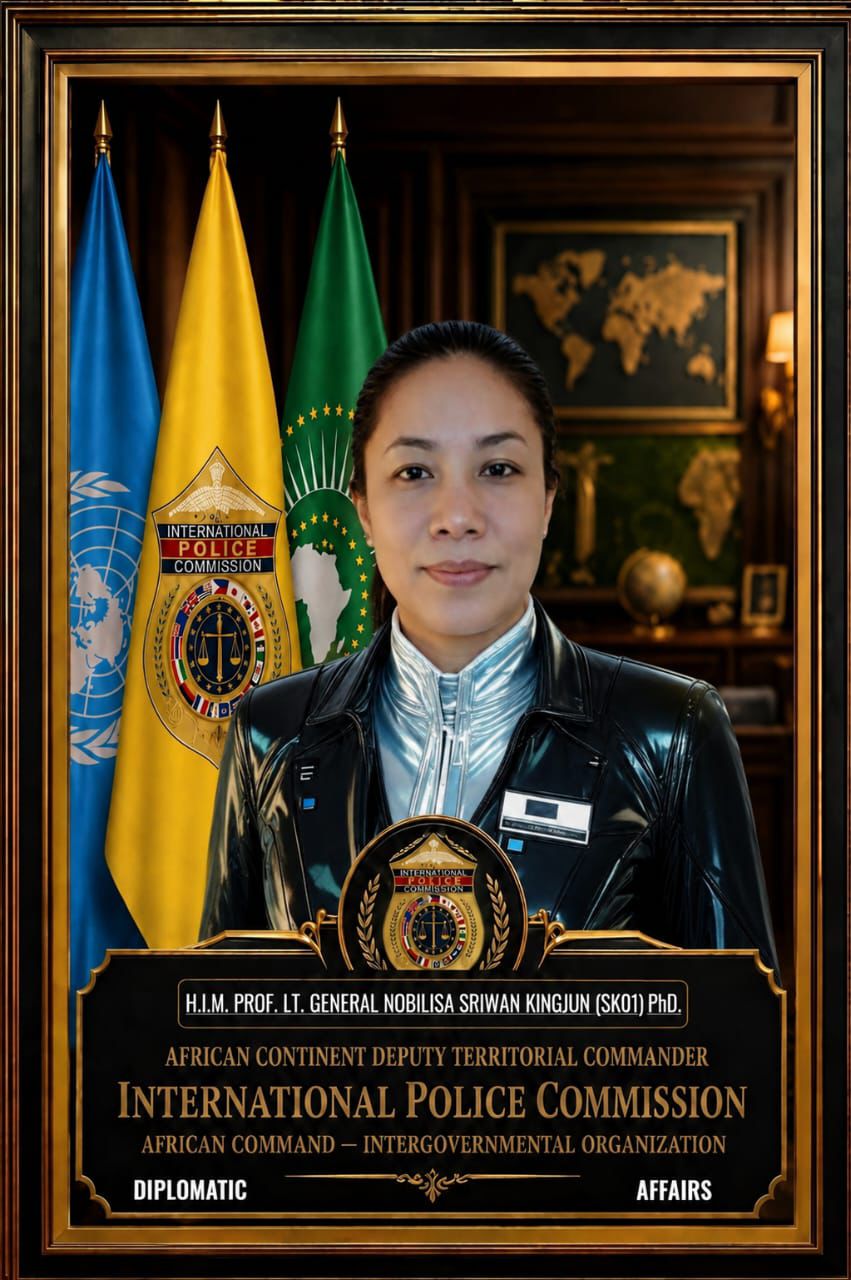
UKA Gears Up for Final ATC Exchangeability Test Run as June Preparations Begin.
May 30, 2026 – As the month of June gathers momentum, the *United Kingdom of Atlantis, UKA*, a sovereign nation has unveiled a series of vital guidelines and preparatory packages to ensure citizens and stakeholders run the *ATC Exchangeability* process effectively.
In an official update, the *President of Atlantic Crown Limited, Empress of Attica Empire UKA*, confirmed that the *Final Test Run of ATC Exchangeability* is scheduled for the month of June 2026. The exercise marks a key phase ahead of the *Official Exchangeability Window, set to run from July 2026 to February 2027*.
### Key Highlights from the Presidential Briefing
1. *Final Test Run – June 2026*
The test run is designed to validate systems, procedures, and user readiness before full activation. Citizens, partners, and designated participants are urged to follow all official advisories released by UKA authorities during this period.
2. *Official Exchangeability Period*
Following the successful completion of the June test run, the Official Exchangeability will commence in july 2026 and we are Expecting Full Exchange ability between July Ending, 2026 to February 2026.
UKA stated that detailed schedules, eligibility requirements, and step-by-step instructions will be communicated progressively through verified UKA channels.
3. *Benefiting Packages for June*
In line with UKA’s commitment to citizen empowerment, the month of June will feature “benefiting packages” aimed at education, preparation, and seamless onboarding. These packages are intended to equip the people of UKA with the knowledge and tools needed for effective participation.
4. *Commitment to Transparency*
Addressing the nation, the Empress of Attica Empire UKA emphasized:
_“Final Test Run of ATC Comes up in The Month of June, As We Prepare For The Official Exchangeability, Between July 2026 To Feb 2027. All Information Will Be Communicated.”_
UKA reaffirmed that only information released through official UKA platforms should be regarded as authoritative.
The United Kingdom of Atlantis is encouraging all citizens, representatives, and interested parties to remain alert to official communications, attend designated orientation sessions, and avoid unofficial sources. UKA’s dedication to order, clarity, and the collective benefit of its people as the nation moves into this significant phase.
For updates, advisories, and participation guidelines, citizens are advised to monitor official UKA communication channels.
United Kingdom of Atlantis, UKA, is a sovereign nation, committed to national development, citizen welfare, and structured economic participation through initiatives such as ATC Exchangeability.
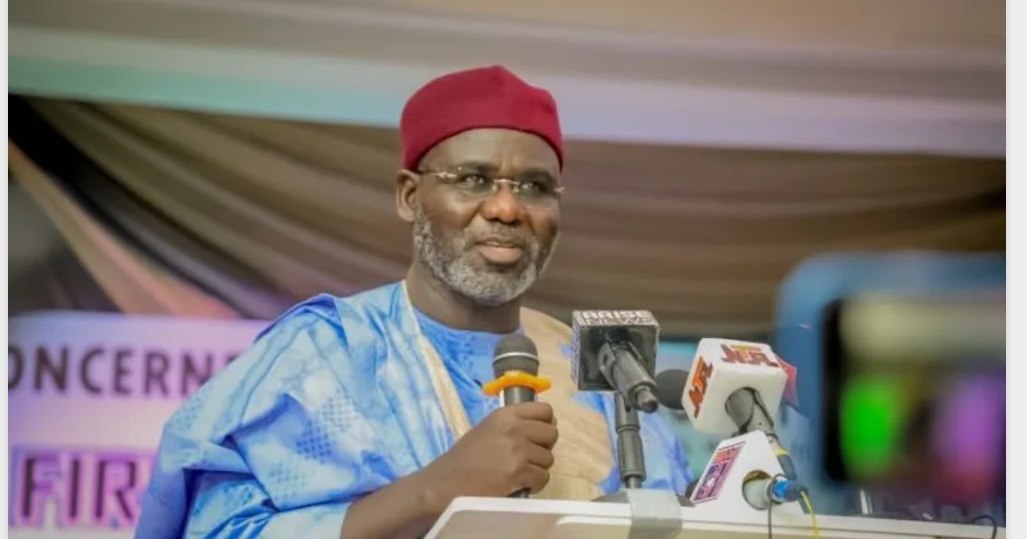
Three Years On, General Buratai Hails Tinubu’s Economic, Security Achievements
Former Chief of Army Staff, Lt. Gen. Tukur Buratai (retd.), has commended President Bola Ahmed Tinubu for what he described as bold economic reforms and improved security efforts as the President marks three years in office.
In a goodwill message on Thursday to commemorate Tinubu’s third anniversary as President and Commander-in-Chief of the Armed Forces, Buratai said the administration had taken courageous decisions that would leave a lasting impact on Nigeria’s development.

According to him, President Tinubu broke a long-standing cycle that had hindered national growth by removing fuel subsidy and implementing foreign exchange reforms aimed at stabilising the naira and strengthening the economy.
He noted that the reforms were beginning to yield positive results, citing the global acceptance of Nigerian debit cards, the gradual revival of local refineries, access to student loans, and ongoing road and infrastructure projects across the country.
“The FCT Administration has also recorded remarkable progress, completing major road projects that remained unfinished for over 16 years,” Buratai stated.
The former army chief also praised the administration’s security efforts, saying renewed military offensives against insurgents, terrorists and bandits had led to notable successes across various parts of the country.
He specifically lauded recent joint operations involving Nigerian and United States forces against Boko Haram and ISWAP in the North-East, as well as intensified counter-banditry operations in the North-West.
“We have seen notorious ISWAP commanders being neutralised. I congratulate the Commander-in-Chief, the Minister of Defence, the Chief of Defence Staff, the Service Chiefs, the Inspector-General of Police and heads of intelligence agencies for their efforts,” he said.
Buratai, however, acknowledged that challenges remained, stressing the need for more aggressive military operations and intelligence-driven strategies in the coming year.
While urging Nigerians to remain hopeful, he said celebrating the President’s achievements did not amount to ignoring the difficulties facing the nation.
“Because you truly care, you have shown the courage to trade short-term comfort for long-term hope. Nigerians need your reassurances, and that is why we remain optimistic and full of confidence,” he added.
The retired military officer reaffirmed his support for the Tinubu administration and expressed confidence that the foundation being laid by the government would deliver a brighter future for the country.
He also prayed for God’s guidance, wisdom, strength and good health for the President as he continues to lead Nigeria.

NUT Raises Alarm Over Continued Captivity of Abducted Oyo Pupils, Teachers
The Nigeria Union of Teachers has expressed deep concern over the continued captivity of pupils and teachers abducted during an attack on schools in the Ahoro-Esinle and Yawota communities in Oriire Local Government Area of Oyo State.
In a statement issued on Saturday, the Oyo State wing of the union described the situation as increasingly distressing, particularly following the emergence of a video allegedly released by the abductors showing the victims pleading for their freedom.
The union said the footage had heightened fears over the welfare of the abducted pupils and teachers, describing their ordeal as heartbreaking and unacceptable.

According to the NUT, no child or teacher deserves to be subjected to such traumatic experiences, adding that the prolonged captivity of the victims has continued to inflict psychological pain on their families, colleagues and the wider education community.
The union called on the Federal Government, Oyo State Government and relevant security agencies to intensify efforts towards securing the immediate and safe release of the victims.
“This is not a moment for hesitation. It is a moment for coordinated, intelligence-driven efforts to ensure the immediate and safe release of all abducted pupils and teachers,” the statement read.
While acknowledging ongoing interventions by security agencies and government authorities, the union stressed that time was of the essence, warning that every additional day in captivity deepens the trauma suffered by the victims.
The NUT urged security operatives to strengthen surveillance, improve community intelligence gathering and deploy all necessary operational and diplomatic measures to facilitate the rescue of the abductees.
It also appealed to traditional rulers, community leaders and residents to support rescue efforts by providing credible information that could assist security agencies.
“The safety of our children and teachers must remain a collective priority,” the union stated.
Reaffirming its support for the families of the victims, the NUT pledged continued solidarity and prayers while advocating safer learning environments across the country.
The statement was jointly signed by the Chairman of the Oyo State NUT, Comrade Hassan Ajibola Fatai, and the Secretary, Comrade Salami Olukayode.


- Afreximbank Deepens Commitment to Economic Progress in The Bahamas June 1, 2026
- African Electric Vehicle (EV) platform Spiro raises $215M in equity to scale electric mobility and energy infrastructure across Africa June 1, 2026
- Africa Centres for Disease Control and Prevention (Africa CDC) Statement on Attacks Against Health Facilities During the Bundibugyo Virus Disease Response in the Democratic Republic of the Congo June 1, 2026
- Putting consumers at the centre of Africa’s dairy transformation June 1, 2026
- International Rescue Committee (IRC) warns Democratic Republic of the Congo (DRC) Ebola outbreak likely far larger than official figures suggest June 1, 2026
- South Africa: Portfolio Committee on Health Marks National Cancer Survivor Day and Reaffirms Importance of Early Detection and Public Awareness June 1, 2026
- Rwanda’s RSSB Tigers Crowned 2026 Basketball Africa League Champions June 1, 2026
- Uganda: Appointments Committee Begins Vetting of Ministerial Nominees June 1, 2026
- Sudan braces for worsening child malnutrition as pre-harvest season starts June 1, 2026
- Etu Energias Strengthens Angolan Footprint, Returns to Angola Oil & Gas (AOG) 2026 as Champion Sponsor June 1, 2026
- Afreximbank Deepens Commitment to Economic Progress in The Bahamas June 1, 2026
- African Electric Vehicle (EV) platform Spiro raises $215M in equity to scale electric mobility and energy infrastructure across Africa June 1, 2026
- Africa Centres for Disease Control and Prevention (Africa CDC) Statement on Attacks Against Health Facilities During the Bundibugyo Virus Disease Response in the Democratic Republic of the Congo June 1, 2026
- Putting consumers at the centre of Africa’s dairy transformation June 1, 2026
- International Rescue Committee (IRC) warns Democratic Republic of the Congo (DRC) Ebola outbreak likely far larger than official figures suggest June 1, 2026
- South Africa: Portfolio Committee on Health Marks National Cancer Survivor Day and Reaffirms Importance of Early Detection and Public Awareness June 1, 2026
- Rwanda’s RSSB Tigers Crowned 2026 Basketball Africa League Champions June 1, 2026
-

 news6 months ago
WHO REALLY OWNS MONIEPOINT? The $290 Million Deal That Sold Nigeria’s Top Fintech to Foreign Interests
-

 society4 weeks ago
SOCIAL MEDIA IS NOT A BATTLEFIELD COMMAND – WHY THE NIGERIAN ARMY’S ACTION AGAINST JUSTICE CRACK IS A NATIONAL SECURITY IMPERATIVE
-

 celebrity radar - gossips4 months ago
Dr. Chris Okafor Returns with Power and Fire of the Spirit -Mounts Grace Nation Altar with Fresh Anointing and Restoration Grace on February 1, 2026
-

 celebrity radar - gossips6 months ago
Prophet Kingsley Aitafo Releases 2026 Prophecy: ‘Nigeria Will Rise, but the World Must Prepare for Turbulence’