
Business
BUA CEMENT DECLARES N88.047BILLION DIVIDEND PAYOUT FOR SHAREHOLDERS

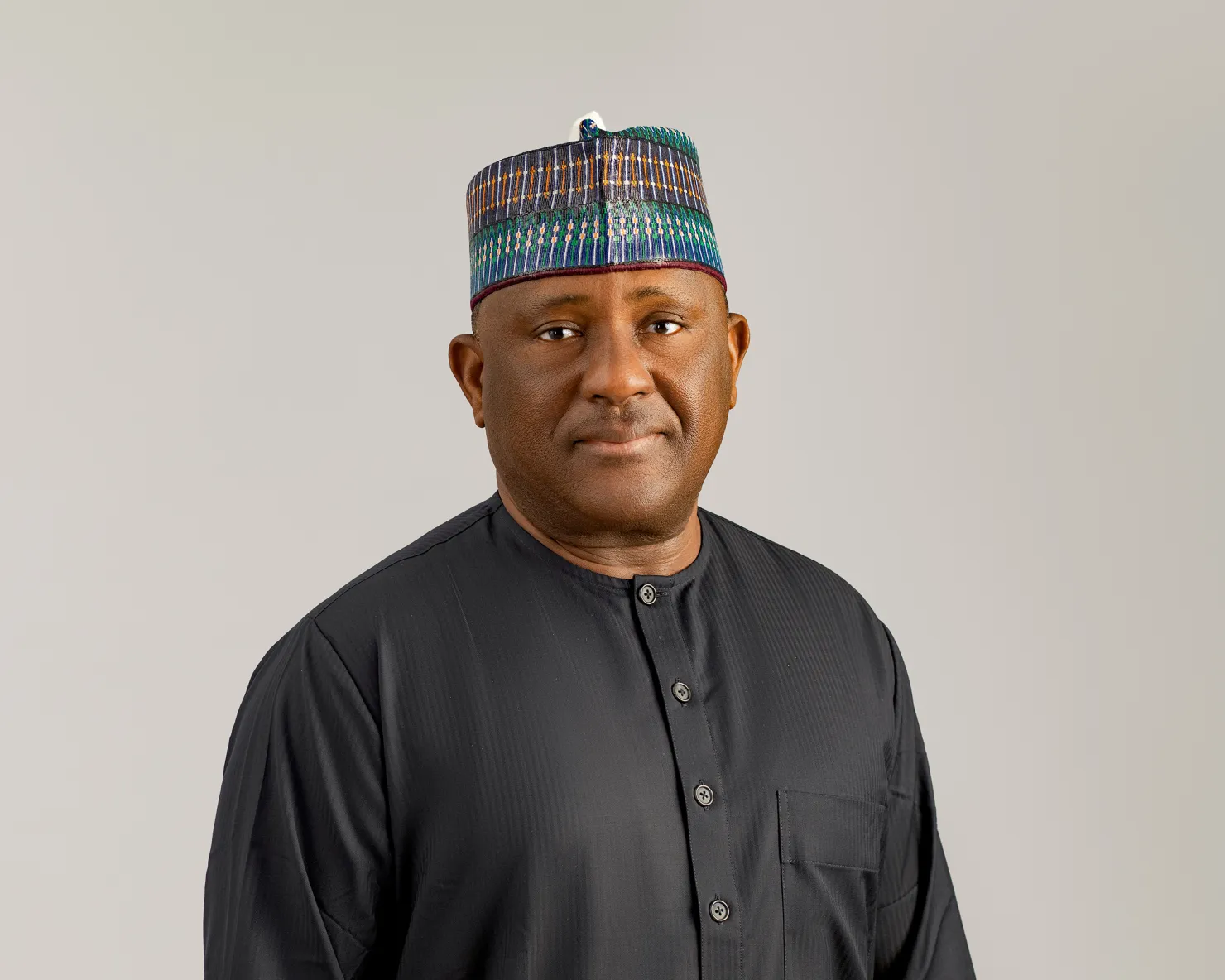
BUA CEMENT DECLARES N88.047BILLION DIVIDEND PAYOUT FOR SHAREHOLDERS

One of Africa’s largest manufacturing companies, BUA Cement Plc, have approved for it shareholders,BUdividends of N88.047billion for its financial year ended December 31, 2021 at N2:60k per ordinary share of 50k each. This approval was given during the company’s 6th Annual General Meeting held in Abuja, and comes on the back of a strong financial performance in the year under review that recorded revenue growth of 22.9% from N209.4 billion in 2020 to N257.3 billion in 2021. Profits after Tax also rose by 24.5% to N90.1billion in the year under review.
Speaking at the Annual General Meeting, Abdul Samad Rabiu, Chairman of the Board of Directors of BUA Cement Plc commented: “our performance in 2021 gives credence to our sound business model, value proposition, and the excellent team who responded to the challenges and opportunities that were confronted in the year under review. In the meantime, the BUA Cement brand continues to grow stronger in the marketplace. Our aim is to invest more in the cement industry until Nigeria is self-sufficient, and cement is readily available, accessible, and affordable for all Nigerians. We expect to continue this excellent performance for the foreseeable future.”
Furthermore, Abdul Samad Rabiu disclosed that the company’s ongoing projects will be completed in 2023 to increase the cement company’s installed capacity to 17 million metric tonnes per annum which will solidify BUA’s position in the Nigerian Cement industry as well as position the company to take advantage of export opportunities.
On his part, Engr Yusuf Binji, Managing Director, BUA Cement Plc, reaffirmed the company’s commitment to prioritizing excellence across all areas of business, and product quality whilst ensuring sustainability in its operations. Binji further added that when the installed capacity of the company increases by 2023, BUA Cement “will be better positioned to increase existing export volumes and, in the process, take advantage of some of the benefits of the African Continental Free trade Area”.
Binji also mentioned that as part of its sustainability initiatives, BUA Cement Plc remains operationally conscious, socially engaged, and economically involved. During the year under review, BUA Cement made significant progress on cleaner energy mix through its transition from Heavy Fuel Oils to Liquefied Natural Gas in its Sokoto plants. The company completed the installation of a 50MW gas power plant together with the modification of its kilns to enable the use of LNG in the pyro process to reduce BUA Cement’s carbon footprints leading to the full substitution of foreign coal with LNG.
BUA Cement Plc is Nigeria’s second largest cement company and the largest producer in its North-West, South-South, and South-East regions. BUA Cement operates strategically from Okpella, Edo State and Kalambaina, Sokoto State with its headquarters in Lagos, Nigeria. Currently the second most capitalized manufacturing company on the Nigerian Stock Exchange (NSE), BUA Cement is committed to quality – a differentiating attribute, driven by its people, innovation, and technology; and positioned to solving West Africa’s cement under-capacity, while driving economic growth and development.




Business
Alpha Morgan Bank Reinforces Commitment to Education at Redeemer’s University Business School Commissioning
Alpha Morgan Bank Reinforces Commitment to Education at Redeemer’s University Business School Commissioning
Alpha Morgan Bank has reaffirmed its commitment to education and institutional development through its support for the commissioning of the Redeemer’s University Business School.
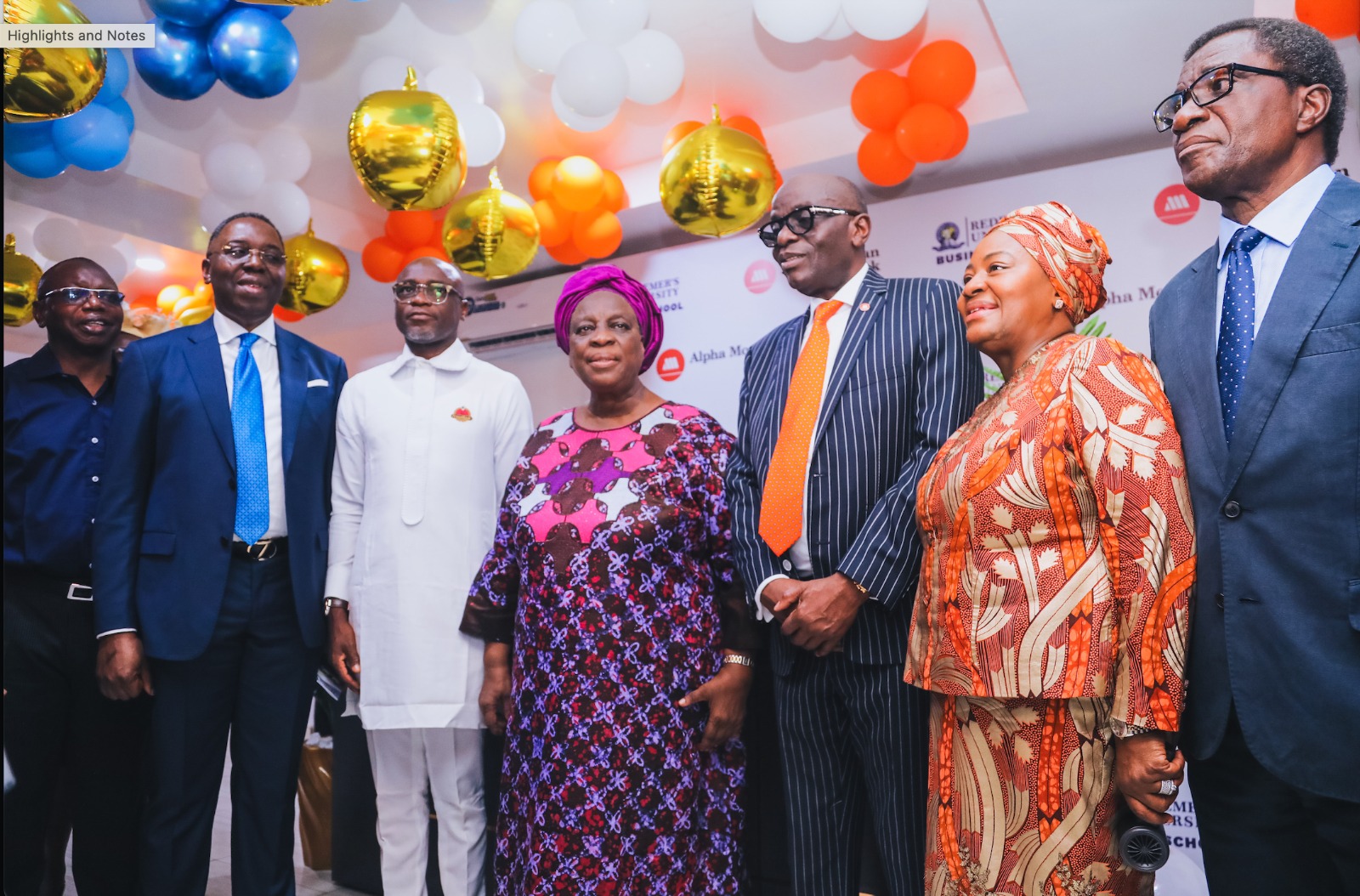
The Business School was officially inaugurated by Pastor (Mrs.) Folu Adeboye, at the commissioning ceremony attended by distinguished guests including Her Excellency, Mrs. Bola Obasanjo; the Pro-Chancellor and Chairman, Governing Council of Redeemers University, Professor Oluwatoyin Ogundipe; the Vice Chancellor, Professor Shadrach Olufemi Akindele; and other notable dignitaries.
Speaking at the event, the Managing Director of Alpha Morgan Bank reiterated the Bank’s commitment to supporting institutions that drive intellectual growth and national development.
As part of its broader focus on knowledge sharing and thought leadership, Alpha Morgan Bank will host its Economic Review Webinar in May 2026, bringing together experts to share insights on key economic trends and opportunities.
The Bank’s involvement reflects its continued dedication to empowering institutions and shaping the future of business and leadership in Nigeria.
Read more about Alpha Morgan Bank on www.alphamorganbank.com
PHOTO
L-R: Prof. Shadrach Olufemi Akindele, Vice Chancellor, Redeemers University, Engr. Eloka Eje, Dr Perez Araka, Pastor (Mrs) Folu Adeboye, Mother-In-Israel, The Redeemed Christian Church of God, Mr Ade Buraimo, MD/CEO Alpha Morgan Bank, Dr (Mrs) Oluwatomi Somefun, Dr. Simeon Ifere, at the inauguration of the Redeemer’s University Business School, Redemption City, Ogun State on Thursday 2nd April, 2026

Tinubu Aide Rebuts Rufai Oseni Over ₦3.3tn Power Debt Deal
Business
Aare Adetola Emmanuelking Welcomes President Tinubu to Gateway International Airport Commissioning in Iperu-Remo

Aare Adetola Emmanuelking Welcomes President Tinubu to Gateway International Airport Commissioning in Iperu-Remo
In a momentous occasion that underscores the rapid infrastructural advancement of Ogun State, renowned real estate mogul and philanthropist, Aare Adetola Emmanuelking, warmly received the President of the Federal Republic of Nigeria, Bola Ahmed Tinubu, at the official commissioning of the Gateway International Airport, located in Iperu-Remo.
The landmark event, held under the visionary leadership of the Ogun State Governor, Dapo Abiodun, marks a significant stride in the state’s economic transformation agenda, positioning Ogun as a key hub for aviation, commerce, and investment in Nigeria.
Aare Emmanuelking, who is also the Chairman/CEO of Adron Homes and Properties, commended the Ogun State Government for its foresight and commitment to infrastructural excellence. He described the airport project as a “game-changer” that will not only boost connectivity but also stimulate real estate growth, tourism, and industrial expansion across the region.
Speaking during the commissioning, President Tinubu lauded Governor Abiodun’s administration for delivering a world-class facility that aligns with the Federal Government’s Renewed Hope Agenda, emphasizing the importance of strategic infrastructure in driving national development.
The Gateway International Airport is expected to serve as a critical gateway for investors and travelers, further enhancing Ogun State’s reputation as one of Nigeria’s most business-friendly environments.
The presence of top dignitaries, industry leaders, and stakeholders at the event underscores the project’s significance and its anticipated impact on the state’s socio-economic landscape and beyond.


- Afreximbank supports Dangote Group as it targets US$100 billion annual revenue by 2030 April 8, 2026
- Africa's top-ranked Global Reporting Initiative (GRI) Training Partner launches 15th cohort of globally recognized sustainability reporting certification April 8, 2026
- African Energy Chamber (AEC) Intervenes in Landmark Climate Case to Defend Africa’s Energy Future April 8, 2026
- Eswatini opens to investors for first-of-its-kind roadshow April 8, 2026
- Egypt: President El-Sisi Meets Ministers of Electricity, Petroleum April 8, 2026
- Seychelles and Japan explore expanded cooperation and future partnerships April 8, 2026
- President Mahama to headline The Africa Debate 2026 as Ghana-United Kingdom (UK) investment ties deepen April 8, 2026
- Angolan Production Gets New Uplift as Eni’s Guido Brusco Joins Angola Oil & Gas (AOG) 2026 April 8, 2026
- Liquid C2 launches Africa’s first Google Cloud-powered Experience Centre to accelerate Artificial Intelligence (AI) adoption April 8, 2026
- Uganda: Opposition calls for reforms amid rising debt burden April 8, 2026
- Afreximbank supports Dangote Group as it targets US$100 billion annual revenue by 2030 April 8, 2026
- Africa's top-ranked Global Reporting Initiative (GRI) Training Partner launches 15th cohort of globally recognized sustainability reporting certification April 8, 2026
- African Energy Chamber (AEC) Intervenes in Landmark Climate Case to Defend Africa’s Energy Future April 8, 2026
- Eswatini opens to investors for first-of-its-kind roadshow April 8, 2026
- Egypt: President El-Sisi Meets Ministers of Electricity, Petroleum April 8, 2026
- Seychelles and Japan explore expanded cooperation and future partnerships April 8, 2026
- President Mahama to headline The Africa Debate 2026 as Ghana-United Kingdom (UK) investment ties deepen April 8, 2026
-

 news4 months ago
WHO REALLY OWNS MONIEPOINT? The $290 Million Deal That Sold Nigeria’s Top Fintech to Foreign Interests
-

 society7 months ago
“You Are Never Without Help” – Pastor Gebhardt Berndt Inspires Hope Through Empower Church (Video)
-

 celebrity radar - gossips2 months ago
Dr. Chris Okafor Returns with Power and Fire of the Spirit -Mounts Grace Nation Altar with Fresh Anointing and Restoration Grace on February 1, 2026
-

 celebrity radar - gossips4 months ago
Prophet Kingsley Aitafo Releases 2026 Prophecy: ‘Nigeria Will Rise, but the World Must Prepare for Turbulence’