
society
CELEBRATING THE NIGERIAN ARMY @ 162: A SYMBOL OF SACRIFICE, RESILIENCE AND NATIONAL UNITY

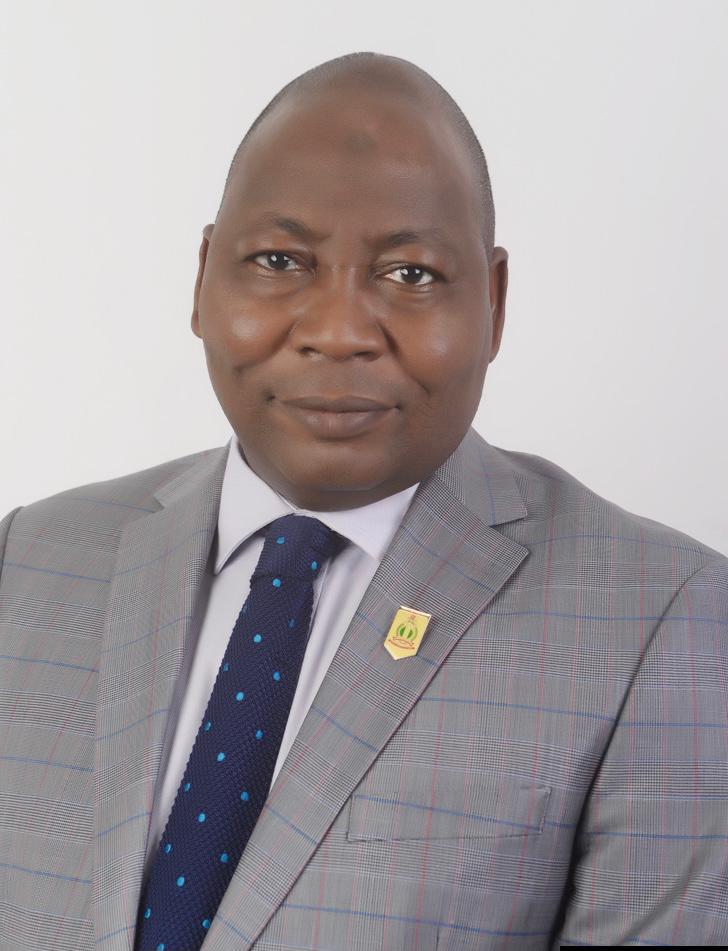
CELEBRATING THE NIGERIAN ARMY @ 162: A SYMBOL OF SACRIFICE, RESILIENCE AND NATIONAL UNITY
By Brigadier General SK Usman (rtd) mni fnipr fspsp
Every July, the Nigerian Army marks another milestone in its remarkable history. This year, as we commemorate Nigerian Army Day Celebration (NADCEL) 2025, we celebrate an institution that has stood as a pillar of national unity, courage and nationhood for 162 years. The Nigerian Army Day Celebration, first held in 1978, is observed annually to commemorate the establishment of the Nigerian Army and marks the day the first shot was fired at Garkem Town, present-day Cross River State, signifying the commencement of Nigeria’s Civil War. This celebration also provides an opportunity to recognise and honour the heroic contributions of our officers and soldiers.

From its humble beginnings in 1863 with the formation of the Glover Hausas, the Nigerian Army has evolved into a formidable and professional force, standing guard over our sovereignty, defending our territorial integrity and advancing our national interest across theatres of operation at home and abroad. This marks over a century and a half of selfless dedication to duty, patriotism, loyalty and commitment to protecting our families, friends, compatriots and above all, safeguarding the sovereignty and territorial integrity of our beloved country. The Nigerian Army has consistently risen to meet the challenges faced by successive generations. From its early involvement in the two World Wars, Nigerian soldiers have demonstrated courage and resilience.
Before the Nigerian Civil War, the Army not only safeguarded national unity but also extended its commitment to peace and stability beyond Nigeria’s borders. Nigerian troops played a vital role in the United Nations peacekeeping operation in the Congo in the early 1960s, one of the earliest and most complex missions of its kind. Since then, Nigeria has actively participated in numerous UN peacekeeping missions across the globe, becoming the fourth-largest troop-contributing nation to the United Nations at its peak. In addition to its UN commitments, the Nigerian Army has undertaken peacekeeping and peace enforcement missions under the auspices of the defunct Organisation of African Unity (OAU), now the African Union (AU), as well as the Economic Community of West African States (ECOWAS), thus bringing peace and democratic governance in some West African States, reinforcing Nigeria’s leadership role in promoting regional and continental peace and stability.
Therefore, to understand the essence of this celebration is to appreciate the weight of sacrifices that the gallant officers and soldiers of the Nigerian Army have borne over time. Their journey has not been paved with comfort. It is a legacy carved in hardship, blood, sweat, discipline and valour for over a century. Through civil war, peace enforcement missions, counterinsurgency operations and support to civil authority, the Army has remained steadfast, often operating under difficult and austere conditions, yet never relenting in its devotion and duty to the nation.
At a time when Nigeria faces a multitude of complex and asymmetric security threats, the Nigerian Army has continued to rise to the challenge. It is currently engaged in several internal security operations across the six geopolitical zones of the country, along with other services and security agencies. In the Northeast, Operation HADIN KAI has continued to make significant progress against Boko Haram and ISWAP terrorists, restoring peace and security in areas once controlled by insurgents. In the Northwest and North Central regions, Operations HADARIN DAJI, WHIRL PUNCH and WHIRL STROKE have consistently taken the battle to bandits, kidnappers and criminal gangs, dismantling camps, rescuing abductees, and restoring confidence in affected communities. In the South-South, Operation DELTA SAFE has protected critical oil infrastructure and curtailed illegal oil bunkering and piracy, thereby safeguarding the nation’s economic lifeline. In the Southeast and Southwest, Operation UDOKA, Exercises GOLDEN DAWN and STILL WATERS have continued to check rising threats of violent separatism, armed robbery and cultism, in collaboration with sister security agencies. Furthermore, the Nigerian Army remain steadfast in its efforts to ensure the security of the Nigerian people and the perpetuity of our democracy.
Beyond its core duty of defending Nigeria’s territorial integrity, the Nigerian Army plays an important role in aid to civil authority and national development. From disaster response—such as the recent support to flood-affected communities in Maiduguri—to nation-building initiatives, the Army remains actively engaged in improving the lives of Nigerians. Through its Civil-Military Cooperation (CIMIC) activities, it has constructed and rehabilitated roads, classrooms, health clinics and water projects across the country. The Army also provides educational materials to schools, conducts medical outreach programmes, and supports literacy and vocational development for youth and women in rural and conflict-affected areas. These initiatives serve not only to win hearts and minds but to demonstrate the Army’s deep commitment to national development, progress and human security.
These successes are not coincidental. They are the result of deliberate reforms, strategic foresight, and tenacious commitment by the leadership of the Nigerian Army, currently under the command of the seasoned Lieutenant General Olufemi Oluyede, mni NAM. Commendably, the theme of the Nigerian Army Day Celebration 2025, “Developing the Soldier First Concept: Imperative for Nigerian Army’s Transformation Drive,” was carefully selected as it espouses the Army’s renewed drive to transform the Army by placing the soldiers first.
As an instrument of national unity, integration and development, the Nigerian Army has made significant strides in innovation, research and development, civil-military relations, and technological advancement to better equip the soldier to carry out his constitutional responsibilities. Despite enormous constraints, ranging from budgetary limitations, overstretch, evolving threats and public misunderstanding, the Nigerian Army continues to wax stronger, reforming itself through enhanced training, operational innovation and welfare-driven leadership. It is transforming into a modern, agile and joint-capable force, one that reflects Nigeria’s aspirations in a volatile and dynamic security environment.
At the heart of this transformation is the Nigerian soldier, the courageous men and women who don the Army uniform, driven not by personal gain but by duty, loyalty, honour and patriotism. They leave behind the warmth of family and the promise of comfort to serve in harsh terrain and hostile conditions. Their reward is not always recognition, but they serve anyway. The Nigerian soldier represents the best of us: resilient, selfless and loyal to the very end. It is this silent dignity and unmatched devotion that make the Army not only a fighting force but a moral compass for national unity and integrity, thus worthy of celebrating.
As the Army celebrate its day this year, I congratulate them and urge all personnel of the Nigerian Army to remain resilient, disciplined and more committed than ever before. Nigerians respect and look up to the military as a symbol of national pride and must continue to live up to that honour. For the few bad eggs within the system, this is the time to buckle up, retrace your steps, or ship out; there is no room for mediocrity, disloyalty, or unprofessional conduct in the Army. To those aspiring to join this noble profession, understand that being a soldier is not a tea party; it is a sacred calling that demands toughness, integrity, courage and sacrifice.
Yet, even as we celebrate these gallant achievements, we must confront the reality of misinformation, public cynicism and unwarranted criticism that often clouds public perception of the military. Too often, the actions and intentions of the Nigerian Army are misunderstood, politicised, or misrepresented, even by those who owe their safety and liberty to its sacrifices. This is not only unfair, it is dangerous. When a nation maligns its protectors, it weakens its foundation. The Nigerian Army is not perfect, no institution is, but it is consistently loyal, committed and dependable. It deserves more than suspicion and cynicism. It deserves our support, trust and appreciation.
The government, on its part, must continue to equip, fund and enhance the welfare of the Army. Our political leadership must avoid creating unnecessary conflicts or internal friction that complicate national security. Instead, they must embrace dialogue, diplomacy and strategic communication as tools for conflict prevention and resolution, thereby reducing the burden on military engagement and allowing the Army to focus on core security missions.
To the Nigerian people, I make this earnest appeal: respect, support and celebrate your Army. This institution belongs to us all. When we collectively or individually honour it, we are affirming our commitment to Nigeria’s unity, stability and peace. Criticism, when necessary, should be constructive, not toxic. Let us uplift the morale of our troops through public solidarity and patriotic engagement. Let us tell our children and grandchildren not only the stories of Nigeria’s challenges but also the stories of courage, resilience, sacrifices and triumph represented by the Nigerian soldier.
The Nigerian Army remains the most reliable pillar in our national architecture. It has preserved our sovereignty, upheld our democracy and provided stability when institutions wavered. It is not just the pride of Nigeria; it is a model of endurance, discipline and sacrifice. As it celebrates 162 years of existence, it deserves more than fleeting praise. It deserves lasting gratitude from us all. The Nigerian Army Day Celebration provides an opportunity to showcase its achievements and deepen collaboration with various stakeholders towards enhancing peace, security and the defence of national values. It is for this reason that several activities have been lined up for this year’s celebration.
These include the traditional Juma’at Prayers and Interdenominational Church Services, symbolising the humble acknowledgement of the Nigerian Army motto, “Victory is from God Alone”. On Friday, July 4, 2025, there will be the commissioning of numerous civil-military cooperation projects in different locations within Kaduna State, a golf tournament, a free medical outreach programme, and the Nigerian Army Officers’ Wives Association (NAOWA)’s charity outreach programmes. On the same day, public speaking engagements and visits to selected secondary schools in all Nigerian Army formations will take place.
On Saturday, July 5, 2025, there will be a lecture at the Nigerian Defence Academy, Kaduna, to deliberate on topical issues, followed by the award ceremony for the 2nd COAS Annual Literary Competition. In the evening of the same day, a Gala Night with officers and soldiers will be held at Umaru Musa Yar’adua Conference Centre, Murtala Muhammed Square, Kaduna. The event will be rounded off with the Nigerian Army Day Celebration 2025 Grand Finale on July 6, 2025, featuring a military parade, equipment display and the presentation of the Chief of Army Staff Commendation Award to deserving personnel. One other key highlight of that day is also a Research, Development, and Innovation Exhibition, which will be held at Murtala Square to showcase the Nigerian Army’s remarkable strides in science, technology, and innovation, underscoring its transformation into a modern, adaptive, and forward-looking force.
To the gallant officers, men and women of the Nigerian Army, I salute you. You are our shield, our pride, and the living proof that service to the nation is noble and the highest form of patriotism. May your sacrifices never be in vain, and may the nation you defend stand eternally proud of your noble calling.
Happy NADCEL 2025 @ 162! Long live the Nigerian Army! Long live the Federal Republic of Nigeria!
The writer is a former Director of Army Public Relations and Spokesman for the Nigerian Army, a security and strategic communication expert. He can be reached on his social media handles @skusman.




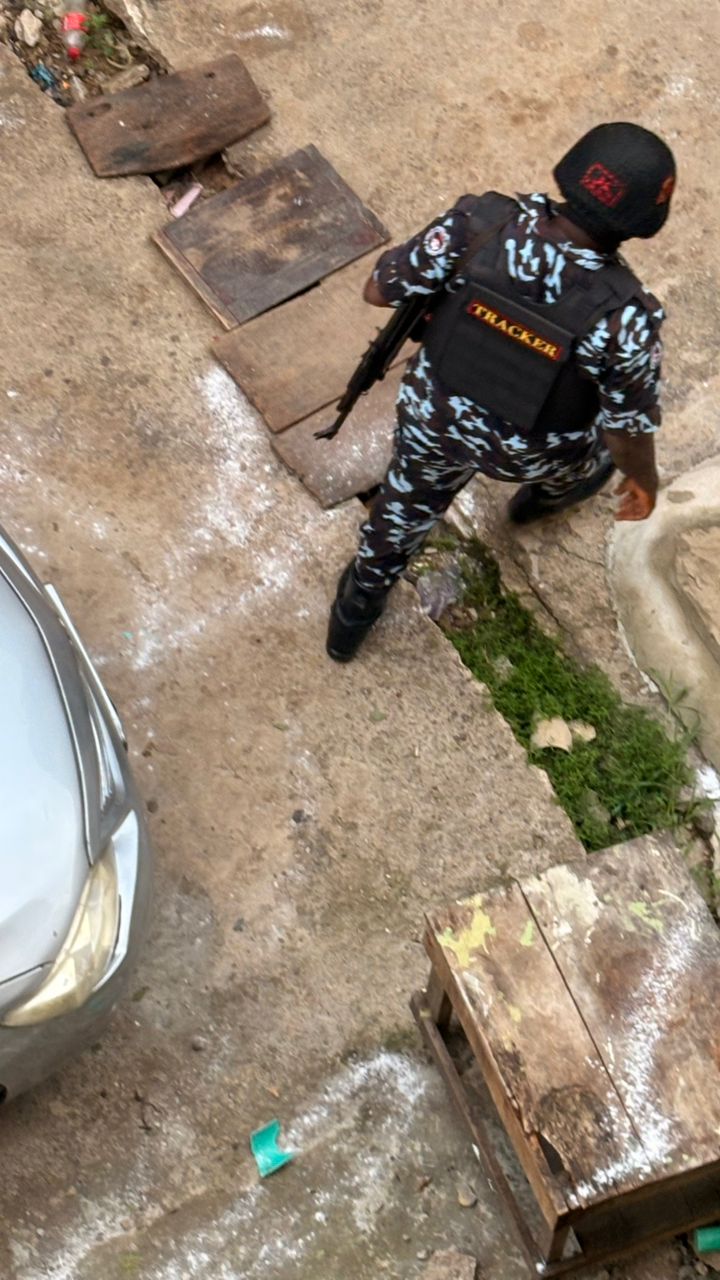
Police Officers Detained as Family Property Dispute Sparks Demolition Controversy in Lagos
By Ifeoma Ikem
A property dispute within the Omotayo-Ojo family has taken a dramatic turn following a controversial demolition exercise at a residential building in Ikosi-Ketu, Lagos State, which reportedly left tenants displaced and led to the detention of some police officers allegedly involved in the operation.

The property, located at 23B Loveall Street, Ikosi-Ketu, has been the subject of a prolonged ownership tussle since the death of its owner, Chief Oludola Omotayo Ojo, the Babaalaje of Imesi-Ile, Osun State, in 2019.
Residents said tension erupted when a group of individuals, accompanied by security operatives, stormed the premises and commenced demolition activities.
According to eyewitnesses, portions of the building were pulled down while tenants rushed to salvage their belongings from affected apartments.
The residents alleged that windows, doors and roofing sheets were damaged during the exercise, exposing parts of the building to the elements and causing significant losses to occupants.
At the centre of the dispute is Mrs Mojisola Omotayo Ojo Alolagbe, who claimed that the property was allocated to her by her late father during his lifetime as a source of financial support.
She alleged that some family members had persistently challenged her ownership claim despite ongoing legal proceedings relating to the administration of the deceased’s estate.
Alolagbe further claimed that the latest incident was part of a series of attempts to wrest control of the property, citing previous cases of alleged vandalism and partial demolition in November 2025, January 2026 and February 2026.
The situation escalated further when reports emerged that police officers allegedly involved in the demolition were later apprehended and conveyed in a Black Maria vehicle over questions surrounding the legality of their participation in the operation.
Sources familiar with the matter said those behind the demolition had initially claimed to be acting on approval from the Lagos State Ministry of Lands. However, the authenticity and extent of such approval could not be independently verified as of the time of filing this report.
The development has generated concern among residents and community members, who questioned the involvement of security personnel in what they described as a civil matter.
Some tenants, who said they had recently renewed their tenancy agreements, lamented the destruction of their property and appealed to the authorities for protection and possible compensation.

They also called for a thorough investigation into the circumstances surrounding the demolition, insisting that the rights of all parties involved should be protected.
Stakeholders have urged the Lagos State Government, security agencies and the judiciary to intervene and ensure that the dispute is resolved through lawful means to prevent further escalation.
The controversy has continued to draw public attention, raising concerns over property rights, estate administration and the role of law enforcement agencies in civil disputes.

UKA Gears Up for Final ATC Exchangeability Test Run as June Preparations Begin.
May 30, 2026 – As the month of June gathers momentum, the *United Kingdom of Atlantis, UKA*, a sovereign nation has unveiled a series of vital guidelines and preparatory packages to ensure citizens and stakeholders run the *ATC Exchangeability* process effectively.
In an official update, the *President of Atlantic Crown Limited, Empress of Attica Empire UKA*, confirmed that the *Final Test Run of ATC Exchangeability* is scheduled for the month of June 2026. The exercise marks a key phase ahead of the *Official Exchangeability Window, set to run from July 2026 to February 2027*.
### Key Highlights from the Presidential Briefing
1. *Final Test Run – June 2026*
The test run is designed to validate systems, procedures, and user readiness before full activation. Citizens, partners, and designated participants are urged to follow all official advisories released by UKA authorities during this period.
2. *Official Exchangeability Period*
Following the successful completion of the June test run, the Official Exchangeability will commence in july 2026 and we are Expecting Full Exchange ability between July Ending, 2026 to February 2026.
UKA stated that detailed schedules, eligibility requirements, and step-by-step instructions will be communicated progressively through verified UKA channels.
3. *Benefiting Packages for June*
In line with UKA’s commitment to citizen empowerment, the month of June will feature “benefiting packages” aimed at education, preparation, and seamless onboarding. These packages are intended to equip the people of UKA with the knowledge and tools needed for effective participation.
4. *Commitment to Transparency*
Addressing the nation, the Empress of Attica Empire UKA emphasized:
_“Final Test Run of ATC Comes up in The Month of June, As We Prepare For The Official Exchangeability, Between July 2026 To Feb 2027. All Information Will Be Communicated.”_
UKA reaffirmed that only information released through official UKA platforms should be regarded as authoritative.
The United Kingdom of Atlantis is encouraging all citizens, representatives, and interested parties to remain alert to official communications, attend designated orientation sessions, and avoid unofficial sources. UKA’s dedication to order, clarity, and the collective benefit of its people as the nation moves into this significant phase.
For updates, advisories, and participation guidelines, citizens are advised to monitor official UKA communication channels.
United Kingdom of Atlantis, UKA, is a sovereign nation, committed to national development, citizen welfare, and structured economic participation through initiatives such as ATC Exchangeability.
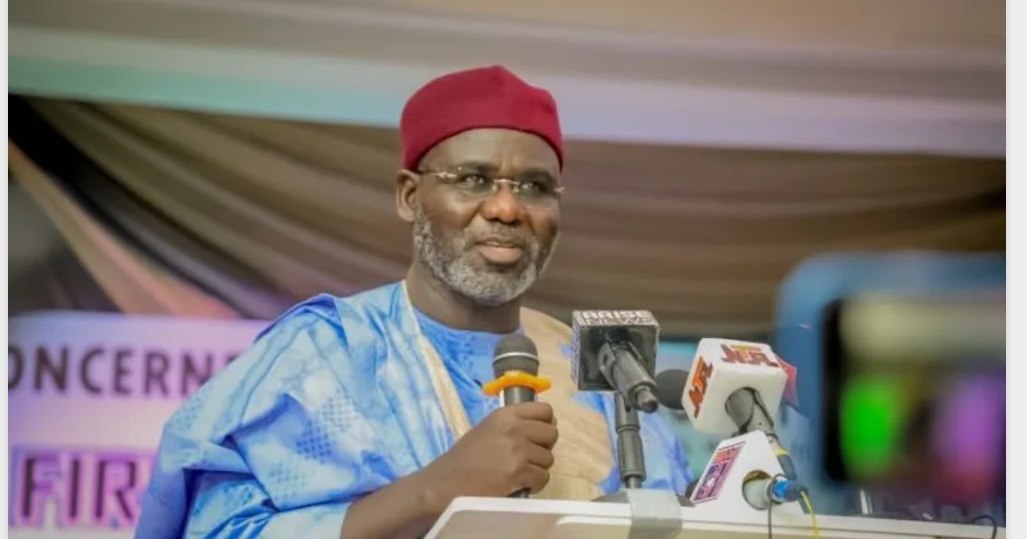
Three Years On, General Buratai Hails Tinubu’s Economic, Security Achievements
Former Chief of Army Staff, Lt. Gen. Tukur Buratai (retd.), has commended President Bola Ahmed Tinubu for what he described as bold economic reforms and improved security efforts as the President marks three years in office.
In a goodwill message on Thursday to commemorate Tinubu’s third anniversary as President and Commander-in-Chief of the Armed Forces, Buratai said the administration had taken courageous decisions that would leave a lasting impact on Nigeria’s development.

According to him, President Tinubu broke a long-standing cycle that had hindered national growth by removing fuel subsidy and implementing foreign exchange reforms aimed at stabilising the naira and strengthening the economy.
He noted that the reforms were beginning to yield positive results, citing the global acceptance of Nigerian debit cards, the gradual revival of local refineries, access to student loans, and ongoing road and infrastructure projects across the country.
“The FCT Administration has also recorded remarkable progress, completing major road projects that remained unfinished for over 16 years,” Buratai stated.
The former army chief also praised the administration’s security efforts, saying renewed military offensives against insurgents, terrorists and bandits had led to notable successes across various parts of the country.
He specifically lauded recent joint operations involving Nigerian and United States forces against Boko Haram and ISWAP in the North-East, as well as intensified counter-banditry operations in the North-West.
“We have seen notorious ISWAP commanders being neutralised. I congratulate the Commander-in-Chief, the Minister of Defence, the Chief of Defence Staff, the Service Chiefs, the Inspector-General of Police and heads of intelligence agencies for their efforts,” he said.
Buratai, however, acknowledged that challenges remained, stressing the need for more aggressive military operations and intelligence-driven strategies in the coming year.
While urging Nigerians to remain hopeful, he said celebrating the President’s achievements did not amount to ignoring the difficulties facing the nation.
“Because you truly care, you have shown the courage to trade short-term comfort for long-term hope. Nigerians need your reassurances, and that is why we remain optimistic and full of confidence,” he added.
The retired military officer reaffirmed his support for the Tinubu administration and expressed confidence that the foundation being laid by the government would deliver a brighter future for the country.
He also prayed for God’s guidance, wisdom, strength and good health for the President as he continues to lead Nigeria.


- Uganda: Parliament concludes vetting of ministers June 2, 2026
- Fund for Export Development in Africa (FEDA) Board Appoints Mr. Emmanuel Assiak as Chief Executive Officer June 2, 2026
- Ecobank Group Launches World First Nature Bond Mobilising Global Capital to Protect Africa’s Natural Ecosystems June 2, 2026
- Merck Foundation Chief Executive Officer (CEO) Dr. Rasha Kelej together with Kenya First Lady support the education of 47 Kenyan Schoolgirls by providing Annual Scholarships till they Graduate June 2, 2026
- Annual Meetings 2026: Governors Back the Bank’s Platform Solutions to Transform Aviation and Health Systems in Africa June 2, 2026
- ThinkMarkets launches ChelseaAI, bringing live CFD trading into Artificial Intelligence (AI) assistants June 2, 2026
- Afreximbank Invites Rugby Africa President Herbert Mensah to Address the 33rd Annual Meetings on a Panel Exploring Sport as a Driver of African Industrialisation June 2, 2026
- Afreximbank Deepens Commitment to Economic Progress in The Bahamas June 1, 2026
- African Electric Vehicle (EV) platform Spiro raises $215M in equity to scale electric mobility and energy infrastructure across Africa June 1, 2026
- Africa Centres for Disease Control and Prevention (Africa CDC) Statement on Attacks Against Health Facilities During the Bundibugyo Virus Disease Response in the Democratic Republic of the Congo June 1, 2026
- Uganda: Parliament concludes vetting of ministers June 2, 2026
- Fund for Export Development in Africa (FEDA) Board Appoints Mr. Emmanuel Assiak as Chief Executive Officer June 2, 2026
- Ecobank Group Launches World First Nature Bond Mobilising Global Capital to Protect Africa’s Natural Ecosystems June 2, 2026
- Merck Foundation Chief Executive Officer (CEO) Dr. Rasha Kelej together with Kenya First Lady support the education of 47 Kenyan Schoolgirls by providing Annual Scholarships till they Graduate June 2, 2026
- Annual Meetings 2026: Governors Back the Bank’s Platform Solutions to Transform Aviation and Health Systems in Africa June 2, 2026
- ThinkMarkets launches ChelseaAI, bringing live CFD trading into Artificial Intelligence (AI) assistants June 2, 2026
- Afreximbank Invites Rugby Africa President Herbert Mensah to Address the 33rd Annual Meetings on a Panel Exploring Sport as a Driver of African Industrialisation June 2, 2026
-

 news6 months ago
WHO REALLY OWNS MONIEPOINT? The $290 Million Deal That Sold Nigeria’s Top Fintech to Foreign Interests
-

 society1 month ago
SOCIAL MEDIA IS NOT A BATTLEFIELD COMMAND – WHY THE NIGERIAN ARMY’S ACTION AGAINST JUSTICE CRACK IS A NATIONAL SECURITY IMPERATIVE
-

 celebrity radar - gossips4 months ago
Dr. Chris Okafor Returns with Power and Fire of the Spirit -Mounts Grace Nation Altar with Fresh Anointing and Restoration Grace on February 1, 2026
-

 celebrity radar - gossips6 months ago
Prophet Kingsley Aitafo Releases 2026 Prophecy: ‘Nigeria Will Rise, but the World Must Prepare for Turbulence’