
Sports
Champions of a Continent: The Definitive History of AFCON Winners


Champions of a Continent: The Definitive History of AFCON Winners.
By George Omagbemi Sylvester | Published by saharaweeklyng.com
“How the Africa Cup of Nations Forged Footballing Giants and United a Diverse Continent Through Sport.”
The Africa Cup of Nations (AFCON) is far more than a biennial football tournament; it is Africa’s premier sporting crucible — where history is shaped, legends are born, and national pride is affirmed. Since its inception in 1957, this tournament has woven itself into the social, political, and cultural fabric of the continent. From the dusty pitches of early competitions to packed modern stadiums echoing with tens of thousands of passionate supporters, AFCON encapsulates both the struggle and the triumph inherent in African identity.
In attempting to fully understand the legacy of AFCON champions, one must appreciate not only who won but why these victories mattered which is culturally, geopolitically and emotionally for entire nations. As celebrated African football historian Dr. Mamadou Diouf of Cheikh Anta Diop University once observed, “In Africa, football is more than a game; it is narrative and identity articulated on grass.” This perspective is critical when chronicling the elite list of nations that have lifted the famed CAF trophy.

AFCON: A Legacy of Champions. From its inaugural tournament in 1957, when Egypt defeated Ethiopia 4–0 to claim the first crown, AFCON has showcased a remarkable blend of continuity and change in African football.
Encyclopedia Britannica
What follows is a chronologically accurate and fully verified inventory of AFCON winners and each a chapter in the tournament’s storied history:
1957 – Egypt (4–0 vs. Ethiopia)
1959 – Egypt (2–1 vs. Sudan)
1962 – Ethiopia (4–2 vs. Egypt)
1963 – Ghana (3–0 vs. Sudan)
1965 – Ghana (3–2 vs. Tunisia)
1968 – DR Congo (1–0 vs. Ghana)
1970 – Sudan (3–2 vs. Ghana)
1972 – Congo (3–2 vs. Mali)
1974 – Zaire (2–0 vs. Zambia)
1976 – Morocco (Champion)
1978 – Ghana (2–0 vs. Uganda)
1980 – Nigeria (3–0 vs. Algeria)
1982 – Ghana (on penalties vs. Libya)
1984 – Cameroon (3–1 vs. Nigeria)
1986 – Egypt (on penalties vs. Cameroon)
1988 – Cameroon (1–0 vs. Nigeria)
1990 – Algeria (1–0 vs. Nigeria)
1992 – Ivory Coast (on penalties vs. Ghana)
1994 – Nigeria (vs. Zambia)
1996 – South Africa (2–0 vs. Tunisia)
1998 – Egypt (2–0 vs. South Africa)
2000 – Cameroon (won on penalties vs. Nigeria)
2002 – Cameroon (on penalties vs. Senegal)
2004 – Tunisia (2–1 vs. Morocco)
2006 – Egypt
2008 – Egypt
2010 – Egypt
2012 – Zambia
2013 – Nigeria
2015 – Ivory Coast
2017 – Cameroon
2019 – Algeria
2021 – Senegal
2023 – Ivory Coast
This list, verified across multiple authoritative sports histories, shows Egypt standing atop the roll of honour with seven AFCON titles, a remarkable feat spanning six decades of competition.
Powerhouses of the Continent. The AFCON champions list reads like a Who’s Who of African football excellence:
Egypt — The Pharaohs boast a record seven championships (1957, 1959, 1986, 1998, 2006, 2008, 2010), leading the continent in titles and consistency. Their early dominance set the template for African footballing success.
Cameroon — With five titles, the Indomitable Lions established themselves as a juggernaut, particularly during the late 20th and early 21st centuries.
Ghana — Their four triumphs reflect a deep-rooted football culture, though recent decades have seen the Black Stars struggle to reclaim past glories.
Nigeria and Ivory Coast, both nations share three championships each, highlighting West Africa’s historical strength on the continental stage.
Algeria, DR Congo, Zambia, Tunisia, Senegal, Sudan, Morocco, South Africa. A diverse set of champions that demonstrates the truly pan-African nature of the competition.

This broad distribution of champions speaks to AFCON’s competitive balance, a tournament where footballing pedigree, tactical evolution, and sheer national will collide. As noted by CAF technical director Salim Ahmed, “AFCON is the purest expression of African football; it doesn’t reward tradition alone, but heart, innovation, and resilience.”
Moments that Shaped the Tournament. Egypt’s Triple Crown (2006–2010): Few national teams have dominated like Egypt did with three consecutive titles which is a testament to tactical discipline and unyielding confidence. Legends such as Mohamed Aboutrika and captain Ahmed Hassan became synonymous with this golden era.
Nigeria’s 1980 Home Glory & 2013 Revival: Winning AFCON on home soil in 1980 marked Nigeria’s emergence as a continental powerhouse. A generation later, the 2013 triumph under Stephen Keshi symbolised African footballing ingenuity and a local coach guiding his team to glory against all odds.
South Africa’s 1996 Breakthrough: Fresh from the end of apartheid, South Africa’s 1996 win signified more than a football title and it was a moment of profound national healing and global recognition.
Zambia’s 2012 Triumph: Zambia’s win stands as one of AFCON’s most emotional victories, occurring near the site of the 1993 air disaster that claimed the national team’s lives. Journalist Dominic Chanda aptly described it as “a victory not just for sport, but for collective memory and perseverance.”
Senegal’s Recent Ascendance: Senegal’s 2021 title, anchored by stars like Sadio Mané, reflects West Africa’s consistent push toward footballing excellence on the global stage.
AFCON’s Broader Impact. The significance of AFCON transcends statistics. Sporting sociologist Professor Aisha Bello rightly asserts, “Football in Africa is a lingua franca; AFCON is its grand symposium where nations articulate hope, contest identity, and assert presence on the global stage.” AFCON champions are not just victors of a tournament and they are carriers of continental aspiration.
Unity Through Competition:
In a continent often scrutinised through the lens of its challenges, AFCON provides a narrative of resilience and unity. Millions watch not merely to see goals but to witness nations affirm their dignity.
Economic and Developmental Impact:
Championship runs boost tourism, stimulate youth engagement in sport, and open diplomatic opportunities. Nations invest in infrastructure, from stadia to training academies, hoping that future champions will emerge from underprivileged neighborhoods.

Role Models and Youth Inspiration: Figures like Didier Drogba, Yaya Touré, Asamoah Gyan, and Mohamed Salah inspire millions of young Africans. Their journeys from local pitches to global arenas underscore sport’s transformative potential.
Looking Ahead. The next AFCON cycle promises to broaden this legacy. As the tournament expands and evolves, new contenders will arise, and historical giants will strive to reaffirm their prestige. The co-hosted 2027 AFCON (set for Kenya, Uganda, and Tanzania) signals CAF’s ambition to lift the tournament’s reach even further.
For scholars, fans, and nations alike, AFCON remains more than a championship; it is living history, written every two years in the sweat of players and the roars of supporters. As respected football analyst Jonathan Wilson noted, “Champions are remembered not solely for their trophies, but for how they changed the game, inspired their people, and expanded the realm of possibility.”
In that regard, every AFCON winner (from Egypt’s early dynasty to Ivory Coast’s latest triumph) is a testament to the enduring power of football in forging both excellence and identity.





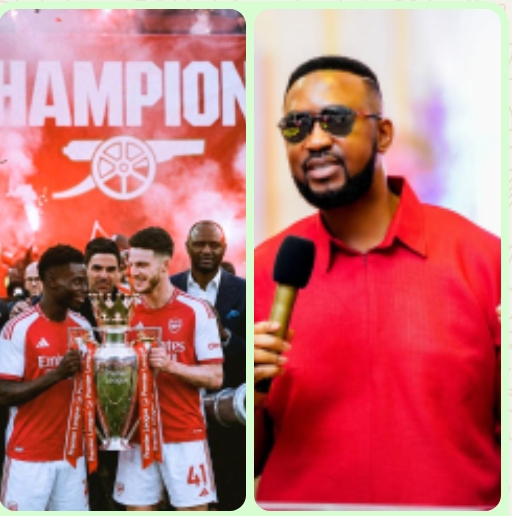
*22 Years After: Arsenal Clinch the Premier League Title as Prophesied by Dr Chris Okafor*
When God speaks, none of His words go unfulfilled.
Just a week ago, the Generational Prophet and popular Lagos cleric, Dr Chris Okafor, declared that Arsenal would win the 2025/26 Premier League title. Despite doubts and predictions favoring defending champions Manchester City, the prophet stated clearly that he had received the word directly from God.
On May 19, 2026, that prophecy came to pass.
After Manchester City drew 1-1 with Bournemouth at the Vitality Stadium, Arsenal were confirmed as Premier League champions with one game to spare. It marked the end of a 22-year wait for the Gunners, whose last league title came in the 2003/04 season.
Football fans across the globe are now congratulating Arsenal Football Club on their historic victory. For many believers, it’s another reminder that true prophecy still speaks today.
Dr Chris Okafor is one of the well-known prophets who many say hears directly from God. With this fulfillment, he joins the list of voices whose words have come to pass on the global stage.


By Sunday Adeyemi
Society Herald
Sports
PROF. MONDY SELLE GOLD ANNOUNCES SERVICE OF SONGS FOR LATE MOTHER, MA BEDAGBERE JENNIFER GOLD*

*PROF. MONDY SELLE GOLD ANNOUNCES SERVICE OF SONGS FOR LATE MOTHER, MA BEDAGBERE JENNIFER GOLD*
_A Life Celebrated: Family and Community to Honor 114 Years of Legacy in Newark, New Jersey_
*NEWARK, NEW JERSEY* — Prof. Mondy Selle Gold, Chairman of the Ijaw Diaspora Council and Chairman of the Africa Democratic Congress (ADC) in the United States, has announced the _Service of Songs_ in honor of his late mother, *Ma Bedagbere Jennifer Gold (nee Ozikozi), Amaokosuere of Torugbene*, who passed away at the age of 114.
In a public statement, Prof. Gold wrote with a deeply reflective heart to invite family, friends, well-wishers, and members of the Ijaw diaspora community to a sacred gathering celebrating the life, quiet strength, and enduring love of the matriarch.
_“This sacred gathering, set aside to celebrate her life, her quiet strength, and the enduring love she shared so generously, has been scheduled as follows,”_ Prof. Gold stated.
The Service of Songs is scheduled to hold on *Saturday, May 16, 2026, from 6:00 PM to 8:00 PM* at the *Abundant Grace Christian Center (The Newark Foursquare Church), 708 Bergen Street, Newark, NJ 07108*. And her Burial is slated on 12th -14th July 2026
A reception will follow immediately after the service at the same venue.
The family has indicated that the dress code is optional, suggesting *formal black or white, or all-white attire* in celebration of Ma Bedagbere’s life.
*A Life of Legacy and Cultural Significance*
Ma Bedagbere Jennifer Gold, fondly remembered as _Amaokosuere of Torugbene_, lived 114 years marked by resilience, faith, and generous love for family and community. As a matriarch and custodian of Ijaw cultural values, she was widely respected for her wisdom, humility, and unwavering commitment to her family and people.
Her passing has drawn condolences from across the Ijaw diaspora and beyond, with tributes highlighting her role as a pillar of strength and a unifying figure within the community.
Prof. Gold humbly requested the prayers, presence, and spiritual support of all attendees as they gather _“to celebrate a life well lived and a soul now at rest in the Lord.”_
_“With sincere love and gratitude,”_ Prof. Gold concluded in his announcement.
*About Prof. Mondy Selle Gold*
Prof. Mondy Selle Gold is the Chairman of the Ijaw Diaspora Council and a prominent voice in diaspora advocacy, politics, cultural preservation, and community development for Ijaw people worldwide. He also serves as the Chairman of the Africa Democratic Congress (ADC) in the United States, where he continues to champion engagement between the diaspora and homeland development initiatives.


University Farms Urged to Drive Innovation, Boost Revenue
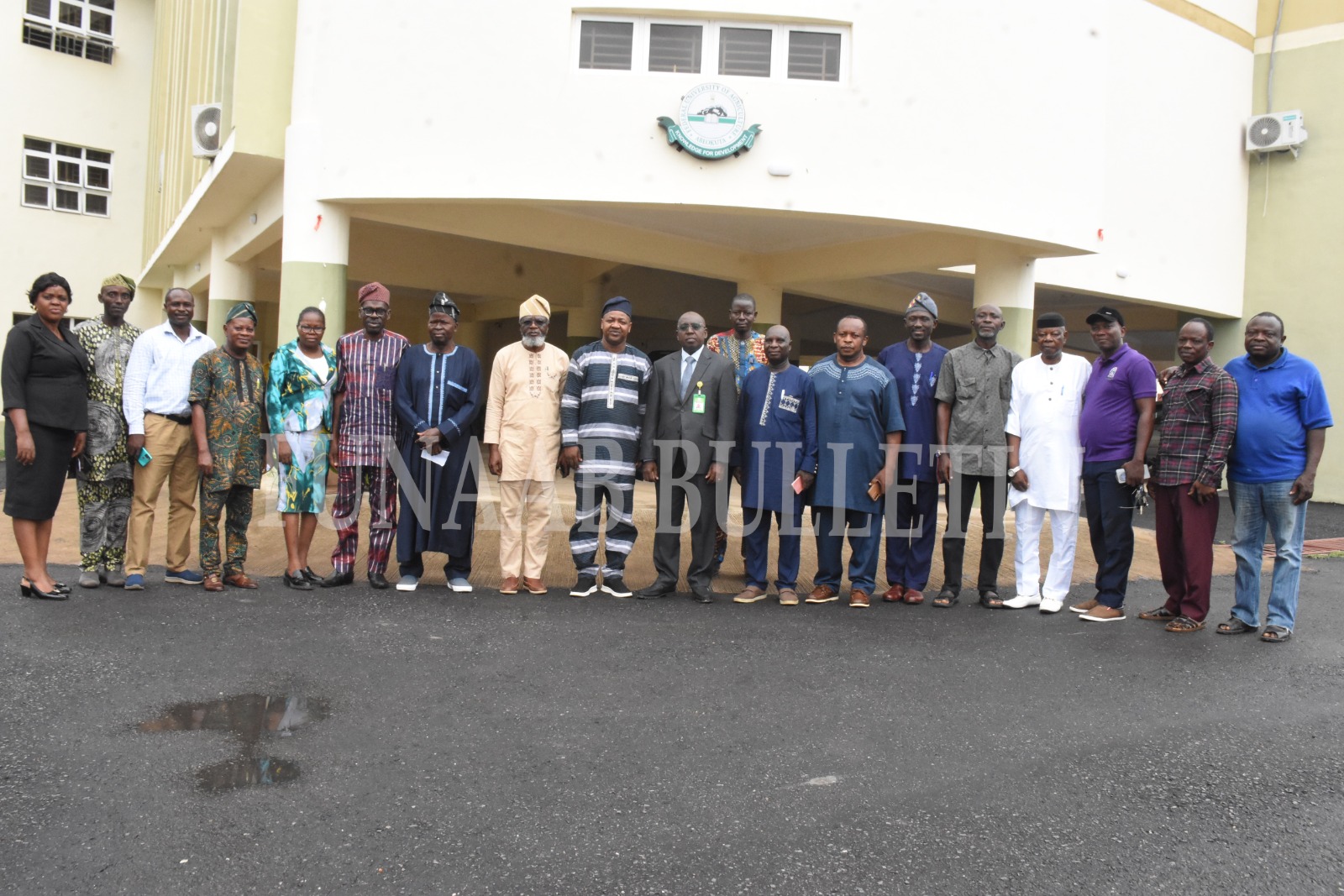
A former Director in the Directorate of Environmental Management, Federal University of Agriculture, Abeokuta (FUNAAB), Dr. Akinpelu Basiru Ojo has called for the transformation of university farms into centres of innovation and sustainable revenue generation.
Dr. Ojo made this call at the 2026 Pre-Season Farming Seminar organised by the Directorate of University Farms (DUFARMS), held recently at FUNAAB.
While delivering his keynote address on the theme of the seminar, “The University Farm as an Incubation Ground for Innovation and Revenue Generation,” Dr. Ojo noted that university farms have evolved beyond their traditional roles into dynamic hubs for research, entrepreneurship, and industry collaboration.
He identified key areas where university farms could drive innovation, including research and development, student entrepreneurship, technology transfer, and interdisciplinary collaboration. He further urged DUFARMS to explore opportunities in commercial agricultural production, value addition and agro-processing, consultancy services, research partnerships, agritourism, and intellectual property commercialisation.
Highlighting potential challenges confronting university farms, the former Director listed inadequate funding, weak industry linkages, climate change, environmental risks, and limited commercial orientation. He, however, proposed strategies for optimisation, including the adoption of agribusiness models, integration of modern technologies, strengthened partnerships, promotion of student-led enterprises, and the development of sustainable value chains.
Reflecting on the evolution of DUFARMS, Dr. Ojo paid tribute to past Vice-Chancellors, beginning with the pioneer Vice-Chancellor, Prof. Nimbe Adedipe, whose vision led to the establishment of the University Farm. He also acknowledged milestones recorded under successive administrations, including the expansion of cashew and oil palm plantations, as well as the establishment of processing facilities for value addition.
He further commended the contributions of past and present staff, alongside former students who have attained notable academic positions, encouraging staff to uphold discipline, integrity, and continuous professional development.
As part of his recommendations for future growth, Dr. Ojo proposed the establishment of crop collection plots, revival of underutilised crops, exploration of cashew nutshell liquid production for revenue generation, and expansion of tree crop plantations such as cashew and oil palm.
Earlier, the Vice-Chancellor, Prof. Babatunde Kehinde, who declared the seminar open, emphasised the importance of collaboration, knowledge sharing, and continuous learning in achieving institutional objectives. He described the seminar as timely and essential, noting that the University was established not only for teaching and research but also for meaningful community engagement, particularly in supporting farmers to enhance productivity.
Prof. Kehinde also commended DUFARMS for its efforts, especially its introduction of value addition initiatives, and urged staff, particularly in livestock production, to scale up activities in poultry, beef, pork, and egg production to improve the visibility and impact of the University Farms.
The seminar concluded with a renewed commitment by participants to reposition DUFARMS as a hub for innovation, practical training, and sustainable revenue generation, in line with global best practices.


- Pitcher Awards Announces 2026 Winners, Marking a Landmark Year for Pan‑African Creativity May 30, 2026
- Ghana Commemorates 78th International Day of United Nations Peacekeepers May 30, 2026
- South Africa: President Ramaphosa receives second interim report of Madlanga Commission May 30, 2026
- Asmara Marathon 2026 to be held May 30, 2026
- Powerful call for dialogue and compromise to secure peace in South Sudan issued on International Peacekeepers Day May 30, 2026
- Over 1,000 Participants Join Rwenzori Marathon Activation Run in Mombasa May 30, 2026
- World Health Organization (WHO) actively participated in the 2nd Summit on Healthcare Integration in Portuguese-speaking countries May 30, 2026
- Annual Meetings (AM) 2026: “Africa has what It takes” - Experts call for stronger financial systems to help Africa mobilise capital at scale May 30, 2026
- Eritrea Participates at Organization of African, Caribbean and Pacific States Meetings May 30, 2026
- Annual Meetings 2026 (AM2026): African Development Bank Group’s 2025 Annual Report Highlights Strong Results and a New Chapter for Africa’s Transformation May 29, 2026
- Pitcher Awards Announces 2026 Winners, Marking a Landmark Year for Pan‑African Creativity May 30, 2026
- Ghana Commemorates 78th International Day of United Nations Peacekeepers May 30, 2026
- South Africa: President Ramaphosa receives second interim report of Madlanga Commission May 30, 2026
- Asmara Marathon 2026 to be held May 30, 2026
- Powerful call for dialogue and compromise to secure peace in South Sudan issued on International Peacekeepers Day May 30, 2026
- Over 1,000 Participants Join Rwenzori Marathon Activation Run in Mombasa May 30, 2026
- World Health Organization (WHO) actively participated in the 2nd Summit on Healthcare Integration in Portuguese-speaking countries May 30, 2026
-

 news6 months ago
WHO REALLY OWNS MONIEPOINT? The $290 Million Deal That Sold Nigeria’s Top Fintech to Foreign Interests
-

 society4 weeks ago
SOCIAL MEDIA IS NOT A BATTLEFIELD COMMAND – WHY THE NIGERIAN ARMY’S ACTION AGAINST JUSTICE CRACK IS A NATIONAL SECURITY IMPERATIVE
-

 celebrity radar - gossips4 months ago
Dr. Chris Okafor Returns with Power and Fire of the Spirit -Mounts Grace Nation Altar with Fresh Anointing and Restoration Grace on February 1, 2026
-

 celebrity radar - gossips6 months ago
Prophet Kingsley Aitafo Releases 2026 Prophecy: ‘Nigeria Will Rise, but the World Must Prepare for Turbulence’