
society
Civil society battles Federal Govt., Okorocha over unlawful detention of Female Biafran protesters



PRESS RELEASE
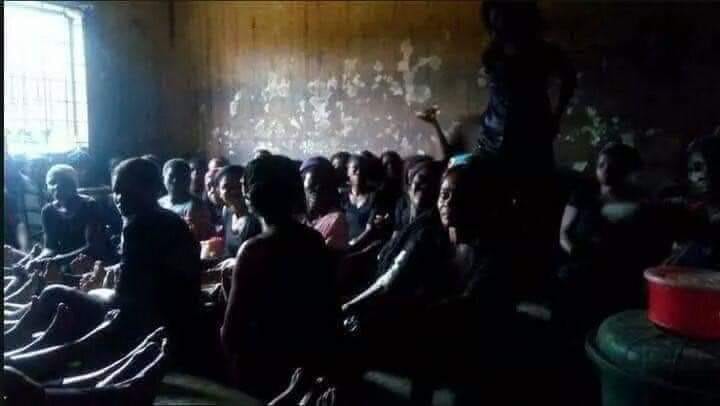
(Intersociety Nigeria: 22nd August 2018)-Our Organization-Int’l Society for Civil Liberties & the Rule of Law is calling on the central Government of Nigeria and the Government of Imo State, as a matter of uttermost immediacy and importance, to discontinue, withdraw and discharge all the 10-count spurious charges of “treasonable felony”, “conspiracy to commit treasonable felony”, “terrorism”, etc, slammed on the incarcerated Mothers of the Igbo Nation, numbering 114; with their ages between 22 and 64 as well as others likely to be in their 70s. We also demand for their immediate and unconditional release from the Owerri Prison custody and discontinuation of further harassment of such vulnerable members of the Nigerian Human Family.
The incarcerated Mothers of Igbo Nation also deserve apologies and reparative packages for their wrongful detention and being labeled “terrorists” and “felons” in Government’s panicky and draconian response to their use of “braziers as human rights kits” to protest Government’s sundry atrocities against their children and husbands. In line with the recent Judgment of the Supreme Court of Nigeria on unconstitutionality of the so called “Holden Charge”, we further call upon the Chief Justice of Nigeria and the AGF, as case may be, to issue a practice direction to all Magistrates in Nigeria to refrain from using their Courts to effect indiscriminate dumping of suspects in prison custodies especially in offences the said Magistrates and their Courts do not have jurisdiction to try.
Common sense and logic suffix that where a Magistrate Court cannot exercise jurisdiction over an offence before the Court, such zero jurisdiction must be exercised fully including non admittance of the arraignment of the suspects connected to the zero jurisdiction matter or by not allowing the charge sheet to be read in open Court. The arresting and detaining authorities coming to the Court with such zero jurisdiction matter should be sent out of the Court or ordered to take their detainees to the appropriate Courts (i.e. High Court) and charged them accordingly.
All lovers of democracy, justice and human rights in Nigeria and all over the world are respectfully called upon to always analyze and consider the unmitigated consequences that will befall the Nigerian State and her people should the People of Igbo Nation in particular and old Eastern Nigeria in general see themselves as having been abandoned and irreversibly pushed to the wall. Abandonment, isolationism and absence of brotherhood are three major factors contributing to social crises particularly insurgencies and complex humanitarian emergencies around the world.
A race is said to have been terminally pushed to the wall or in a verge of being exterminated or muscled into subjugation of conquest or dictatorial rulership when she is abandoned to her fate by people of good will and conscience including leaders of democracies, lovers of democracy and other exponents of democratic principles of rule of law and human rights. The present central Government of Nigeria must, therefore, avoid pushing the Igbo People and the entire People of old Eastern Nigeria into the bunker of intractable insurgency by discontinuing and ending its policies of physical violence, structural violence and cultural violence targeted at the named innocent and law abiding people.
Particularly as it concerns industrial scale abuses of human rights of the targeted innocent citizens of the Igbo Nation in particular and old Eastern Nigeria in general, little or no attention has been given to same especially from Nigeria’s mainstream rights CSOs and print media largely located in the Southwest and to an extent Abuja parts of Nigeria. In various interactions we had recently with some foreign media and rights groups, this has become a recurring decimal as in “why the gross rights abuses in South-south and Southeast Nigeria especially violent crackdowns on unarmed pro Biafra activists and killings associated with Army Python Dance series are hardly discussed or documented elaborately by the Nigerian mainstream media and rights CSOs; despite the fact that human rights are universal, indissolubility and indivisibility”.
Internationally, other than Amnesty International and piecemeal others, such industrial scale rights abuses are also shrouded in obscurity. A typical case in point is the ongoing incarceration and torture in Owerri Prison of 112 Mothers of the Igbo Nation and two of their colleagues that collapsed during their Magistrate Court arraignment. Analysis done by Intersociety on their social and family backgrounds clearly shows that most of them are mothers of young children. Those under this category are between the ages of 22 and 45, numbering 80.
Yet their incarceration and torture has attracted little or no attention locally and internationally. This is in spite of the fact that they did not commit any felony during their street protest, with no gun or rifle of any kind or IEDs found in their possession or from any of them; except flags and insignias and other faith objects such as bangles, chaplets, bibles, necklaces, sachets of water, etc. Still they were arrested, detained, tortured and labeled “terrorists” and “treasonable felons”; with the world maintaining inexplicable silence of congregated and aggregated proportion till date.
If it is in the Southwest that these Mothers of the Igbo Nation numbering 114 were arrested and treated in such draconian manner including being cramped in a prison guardroom under such frivolous circumstances, hell would have been let loose. But right inside there in Owerri Prisons, unspeakable global silence has greeted their arrest, torture and detention since 17th August 2018. Their family members especially children and husbands have also been turned back and chased away by police and prison officials citing “orders from Aso Rock”. The incarcerated mothers were also denied access to foods and medicines brought by their children and husbands.
Not minding the atrocities trailing the Federal Government’s “Army Python Dance 11” of 2017 including the slaughtering in less than one week of over 170 unarmed and defenseless citizens in the respective prime ages as well as terminal maiming of over 130 others, all in Abia State, the present central Government has again concluded plans to storm the Igbo Land in another obvious genocidal operation code named “Army Python Dance 111”.
This is not minding the fact that there are no less than 3000 police roadblocks and hundreds of military roadblocks steadily stationed in all major exits and entries in Igbo Land; with their menaces and criminal conducts found as atrocious as those of traditional criminal entities such as armed robbers and kidnappers. It is sad and shocking that any attempt by members of the civil population including the incarcerated Mothers of the Igbo Nation to protest or kick against or ask question or demand justice over the central Government’s atrocities; such civil and constitutional expression becomes deemed by Federal Government as acts of “terrorism” and “treasonable felony”.
It is recalled that the incarcerated Mothers of the Igbo Nation whose names are provided below had on 17th August 2018 embarked on peaceful street protest (guaranteed by Sections 39 and 40 of the 1999 Constitution under rights to freedom of expression, assembly and movement) in Owerri, Imo State. The street protest was organized by the unarmed, defenseless and innocent women to express their deep displeasure over persecutory policies of the present central Government in Igbo Land including ceaseless killing in hundreds by the same Government of unarmed and defenseless pro Biafra activists and maiming of hundreds of others as well as planned “Army Python Dance 111” and non disclosure of the whereabouts of Mr. Nnamdi Kanu and his royal parents, HRH, Eze Israel Okwu and Lolo Ugoeze Nnene Kanu who reportedly went missing following the military invasion of their Afara-ukwu Palace near, Umuahia on 14thSeptember 2017.
The police and other security agencies, on orders of the Government of Imo State and the Federal Government of Nigeria resorted to use of draconian methods by getting them rounded up and detained for three days at the State Police Command Headquarters in Owerri; from where they were arraigned at Owerri Magistrate Court, presided over Mrs. S.K. Kaduruma. The arraignment was with charge number: OW/430/2018: CP Imo State v Ijeoma Okorie (30yrs) & 111 ors. The Legal and Prosecution Department of the State Police Command represented by SP Thaddeus Okechukwu later read 10-count spurious charges of “treasonable felony”, “conspiracy to commit treasonable felony”, “terrorism”, among others.
Despite efforts made by their team of lawyers led by Barr Ifeanyi Ejiofor to draw the judicial attention of the presiding Magistrate, Mrs. S.K. Kaduruma to the recent judgment of the Supreme Court of Nigeria to the effect that “a Magistrate Court that does not have jurisdiction to try an offense brought before her, cannot exercise same jurisdiction she does not have by remanding the alleged offenders of the offence to prison custody”, the presiding Magistrate ignored same, hiding under the same cover of “orders from above” and remanded the 112 Mothers to prison custody and adjourned till 3rd September 2018.
The “orders from above” was also reported to have been repeatedly used by a DCP and a Controller of Prisons in Owerri, yesterday, 21st August 2018 while dispersing husbands and children of the incarcerated who came to feed them; saying they have received “orders from above” not to allow the families of the detained mothers or items brought including foods and medicines to be given to them.
Names & Ages of tortured and criminally incarcerated Mothers of the Nation : Afoma Umoh Wisdom (64yrs), Virginia Akwufube (62yrs), Ezike Emmanuela (62yrs), Uzoma Oraka (62yrs), Charity Obioha (60yrs), Chinyere Nwachukwu (55yrs), Udeogu Margret (58yrs), Ratchel Okengwu (58yrs), Angelina Felix (55yrs), Monica Anaelechi (54yrs), Esther Osuji (52yrs), Florence Olewembu (52yrs), Nkechi Ekwedisika (52yrs), Kosarachukwu Udegbunam (51yrs), Josephine Ogolo (51yrs), Monica Nwaeleke (50yrs), Mabel Okoire (50yrs), Chika Njoku (50yrs), Grace Nkemakolam (50yrs), Paulina Awunezi (50yrs), Christiana Muonwuba (50yrs), Margret Eze (50yrs), Florence Egede (50yrs), Rose Osuchukwu (50yrs), Comfort Uti (50yrs), Nnedinma Onuoha (49yrs), Agatha Nwachukwu (49yrs).
Ijeoma Okorie (30yrs), Uloma Ejiogu (30yrs), Victoria Jacob (45yrs), Vivian Ozuruigbo (30yrs), Chinenye Imo (40yrs), Chinyere Egbulom (38yrs), Cynthia Onyebuchi (31yrs), Chigbata Chinyere (38yrs), Egesi Josephine (41yrs), Hope Eze (45yrs), Ikejiofor Amechi (44yrs), Nkeiru Ajagba (45yrs), Ngozi James (46yrs), Nnene Nweke (46yrs), Lucy Mary Kanu (21yrs), Irole Goodness (30yrs), Ogechi Okechukwu (30yrs), Tochukwu Eze (38yrs), Onyemaechi Ijezie (38yrs), Ginika Awuzie (39yrs), Vero Nnamani (30yrs), Nkwoagu Chinenye (22), Ijeoma Victoria Nnadozie (43yrs), Blessing Udeme (25yrs), Nnewuchi Obiageli (31yrs), Ngozi Onyenwugo (22yrs), Ruth Onwumere (45yrs), Nkeiruka Ohanebo (45yrs), Nzube Uwaigwe (22yrs), Eberechi Iheanacho (39yrs), Ego Nwafor (40yrs), Chinyere Eze (32yrs).
Adaku Inyama (45yrs), Ndidi Uchenna (45yrs), Nneka Kingsley (38yrs), Nkeiru Nwankwo (37yrs), Chinwendu David (38yrs), Juliet Nwaiwu (42yrs), Juliet Innocent Onwuka (40yrs), Chinyere Nwankwo (25yrs), Nkeiru Orji (34yrs), Joy Uwabunike (47yrs), Nnene Ibeneli (38yrs), Jane Isaac (25yrs), Kelechi Emmanuel (40yrs), Ngozi Nwajiaku (34yrs), Ugochi Okwum (32yrs), Ifeoma Emmanuel (42yrs), Nkeiru Onyegbari (35yrs), Eucharia Eke (42yrs), Ijeoma Onyedinefu (33yrs), Blessing Nnedede (26yrs), Iheanyichukwu Ogueri (35yrs), Ogochukwu Alaribe (35yrs), Uchechukwu Okoro (48yrs), Iheomachi Ejiaku (40yrs), Uchchukwu Ahamuefula (32yrs).
Evelyn Usulo (38yrs), Joy Chimezie (45yrs), Precious Ogbonna (40yrs), Obiageli Nwite (48yrs), Ginika Ndibe (20yrs), Chinelo Ugwueze (38yrs), Nwachukwu Blessing (22yrs), Rita Edet (29yrs), Nnenna Okorie (36yrs), Chinyere Eze (43yrs), Iwuneme Bibian (45yrs), Onuoha Ogechi (no age), Peculiar Nwachukwu (28yrs), Felicia Ike (42yrs), Obiageli Obumsolu (39yrs)Ugonne Godwin (45yrs), Kalunwoke Ekemiri (28yrs), Nwauwa Cecelia (44yrs), Igboka Ngozi, Angela Okeke, Blessing Aguama, Oguchim Chinedu and Mary Okorie(classified in their charge sheet as “adults” but possibly in their 70s). Names of three young women including a sick patient and a pregnant woman who collapsed in the presence of Magistrate S.K. Kadurumba during their arraignment are not included in the above.
Signed
For: Int’l Society for Civil Liberties & the Rule of Law
Emeka Umeagbalasi, Board Chairman
Mobile Line: +2348174090052
Email: [email protected]
Obianuju Joy Igboeli, Esq.
Head, Civil Liberties & Rule of Law Program
Email: [email protected]


society
Liberian Leaders, Citizens Bear Witness as Apostle Suleman Hosts Two-Day Power-Packed Crusade
Liberian Leaders, Citizens Bear Witness as Apostle Suleman Hosts Two-Day Power-Packed Crusade
It was testimonies galore on Tuesday, March 31, the first day of the famous servant of God and founder of the Omega Fire Ministries (OFM) worldwide, Apostle Johnson Suleman’s power-packed two-day crusade. The event documented impactful moments with the Gospel and miracles, emphasizing the power of faith and the tangible confirmation of God’s Word through signs and wonders. It was equally an atmosphere of miraculous healing, restoration of lives, and the strengthening of faith.
At the crusade, which was held at the SKD Sports Stadium in Paynesville City, and themed, “Liberia Outpouring Crusade” witnessed testimonies of impact and miracles with participants experiencing instant healing of various kinds of challenges.
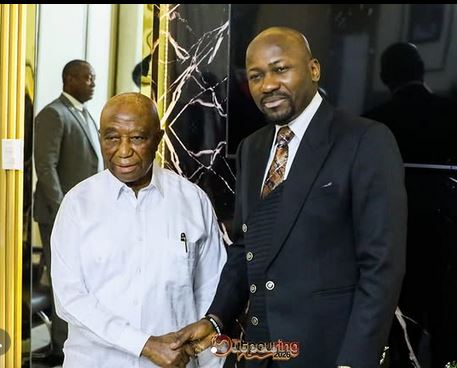
Apostle Suleman’s first port of call was Paynesville, the office of Liberian government’s president, Mr. Joseph Nyuma Boakai, who received him in an audience with his junior ministers. Apostle Suleman, who also met with the vice-president, Mr. Jeremiah Kpan Koung, was welcomed by the Liberian leader’s office as part of the president’s ongoing engagements with religious leaders aimed at fostering spiritual support for national development.
The president expressed profound appreciation to Apostle Suleman for the visit and continued prayers and intercessions by men and women of God on behalf of Liberia, emphasizing his firm belief that sustained spiritual guidance and prayer remain vital to the transformation and progress of the nation.
During the visit, Apostle Suleman offered prayers for President Boakai, his cabinet and the Liberian nation, invoking divine alignment, wisdom, and insight in Liberia’s path toward growth and stability. He prayed that the Almighty God would position Liberia for relevance and fulfillment of its national destiny.
Apostle Johnson Suleman, an evangelist who knows no bounds of where preaching the gospel comes to a stop, visited Liberia prepared with the message, compelling power of the Gospel and the work of the Holy Spirit, and bringing people to a point of decision where they surrendered their lives to Christ.
Aside from being prophetic and timely, OFM sources disclosed that the servant of God’s visit underscores the importance of faith-based partnerships in supporting governance and national renewal efforts.
society
Middle Belt Forum Hails Tinubu’s Jos Visit, Calls for United Civil-Military Effort to Restore Lasting Peace
*Middle Belt Forum Hails Tinubu’s Jos Visit, Calls for United Civil-Military Effort to Restore Lasting Peace
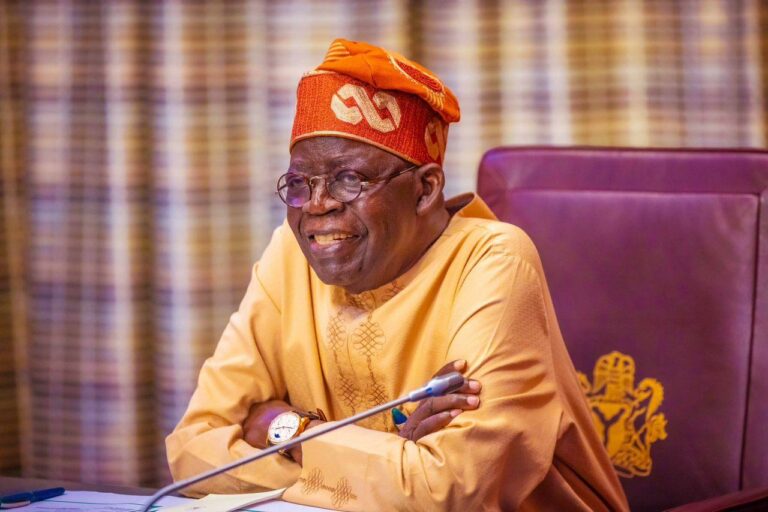
The Middle Belt Peace Forum (MBPF) has commended President Bola Ahmed Tinubu for his profound demonstration of empathy and responsive leadership following his decision to postpone an official engagement in Iperu in order to visit victims of the recent attacks in Jos.
In a statement signed by its National Coordinator, Pastor Bulus Garba, in Jos on Friday, the Forum said the President’s decision to personally identify with grieving communities sends a powerful message of solidarity and reinforces public confidence in the commitment of the Federal Government to the protection of lives and property.
“The Middle Belt Peace Forum warmly commends President Bola Ahmed Tinubu for prioritising compassion over ceremony. At a time of deep sorrow for the people of Plateau State, his decision to visit Jos stands as a mark of true leadership—one that listens, responds, and stands with the people in their moment of pain,” the statement read.
The Forum described the perpetrators of the recent attacks as “cowards who prey on innocent and defenceless citizens,” stressing that such acts of violence are not only inhumane but also a direct assault on the unity and peace of the nation.
“We condemn in the strongest terms the actions of these cowardly attackers whose only aim is to instil fear and destabilise peaceful communities. Their actions must be met with firm and decisive resistance from all arms of the state,” Pastor Garba said.
The MBPF further used the opportunity to salute the courage, gallantry, and sacrifices of the Armed Forces of Nigeria under the leadership of the Chief of Defence Staff, General Olufemi Oluyede, noting that their continued efforts remain central to restoring stability across troubled parts of the country.
According to the Forum, the Armed Forces have demonstrated resilience and professionalism in the face of complex security challenges, often operating under difficult conditions to safeguard communities and defend Nigeria’s territorial integrity.
“We salute the Armed Forces of Nigeria for their unwavering commitment and sacrifices. Their gallantry in confronting criminal elements and reclaiming territories is a testament to their dedication to national service. We recognise that the path to peace is demanding, and we honour those who stand daily in defence of our nation,” the statement added.
The Forum pledged its full support to ongoing military operations and called for strengthened collaboration between security agencies and local communities as a critical factor in achieving lasting peace.
It also urged citizens across the Middle Belt to cooperate with security forces by providing timely information and fostering unity within their communities.
The MBPF, however, expressed concern over the need for greater synergy among security agencies, particularly the role of the Nigeria Police in consolidating gains made by the military.
“We call on the Nigeria Police Force to rise fully to its constitutional responsibility by effectively supporting the Armed Forces in stabilising and securing areas that have been cleared of criminal elements. Holding and policing such territories is essential to preventing a resurgence of violence,” Pastor Garba stated.
The Forum emphasised that sustainable peace requires a coordinated approach in which the military clears and secures areas, while the police maintain law and order to enable displaced communities to return and rebuild their lives.
The MBPF concluded by reiterating its commitment to peacebuilding efforts across the Middle Belt and expressed optimism that with sustained leadership, coordinated security efforts, and active citizen participation, lasting peace can be achieved.
“Together, through unity, vigilance, and collective resolve, we can overcome these challenges and build a safer and more peaceful Middle Belt,” the statement added.
Governor Dauda Lawal Wins Face of Africa Governor of the Year Award in London
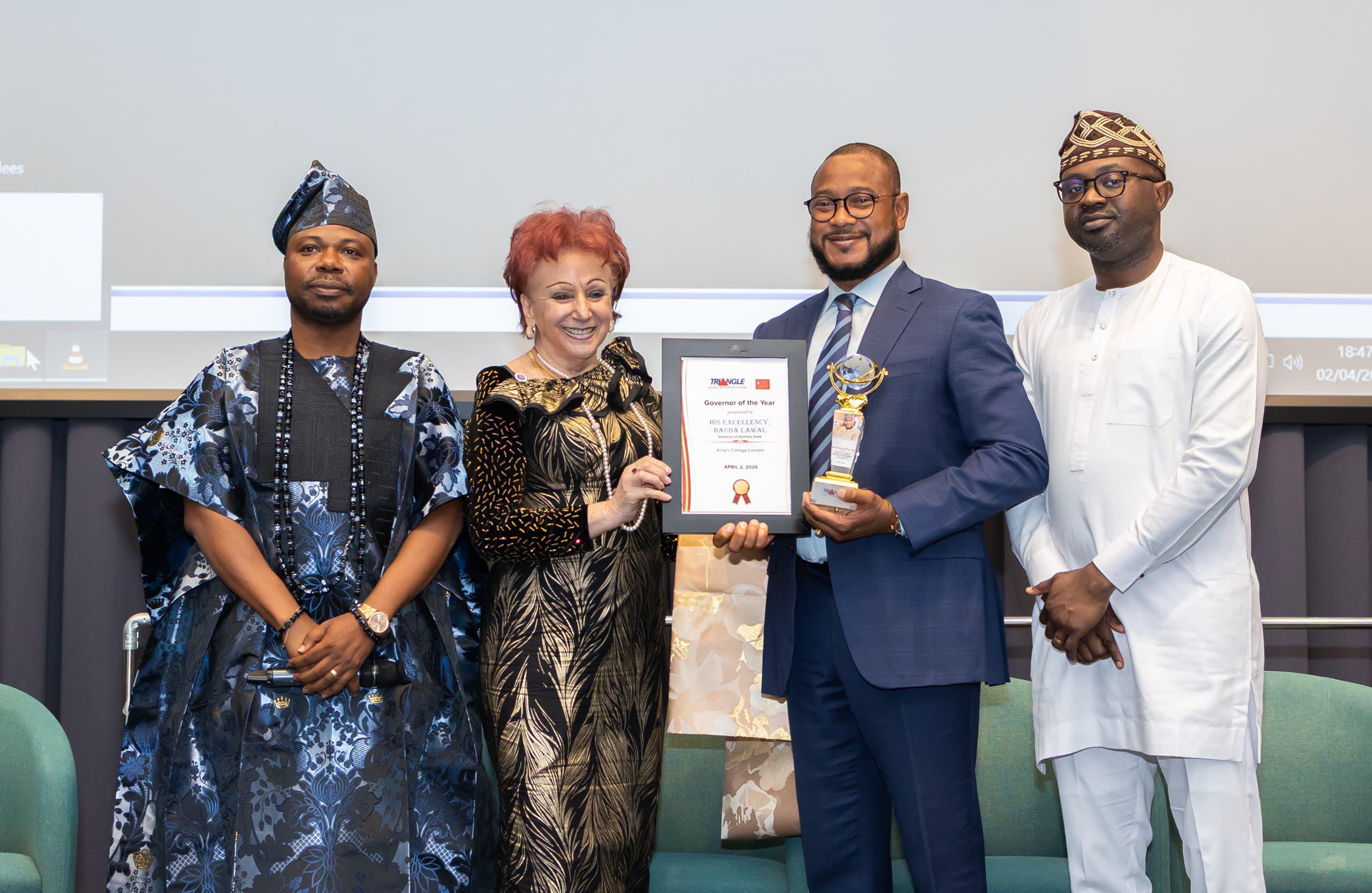
Governor Dauda Lawal has been honored with the Outstanding Governor of the Year award by Triangle Media International Magazine.
The award was presented during the magazine’s 10th annual lecture and award ceremony, held on Thursday at the Grand Hall of King’s College, London, United Kingdom.
According to a statement by the governor’s spokesperson, Sulaiman Bala Idris, the awards recognize public and private sector leaders whose leadership positively impacts governance and service delivery.
He added that the lecture, themed “Harnessing the Roles of Nigerians in Diaspora for National Development,” brought together stakeholders from both the public and private sectors.
The statement read in part: “Yesterday, in London, Governor Dauda Lawal received the 2026 Face of Africa Leadership Award for Outstanding Governor of the Year.
“The 2026 edition coincides with the 10th anniversary of Triangle International Magazine, which has over the years celebrated notable Africans across diverse fields.
“The award recognizes the Zamfara State Government under Governor Lawal’s leadership for achieving remarkable milestones in service delivery since his inauguration on 29 May 2023.
“The board of Triangle International noted that, despite inheriting an empty treasury, Governor Dauda Lawal has remained true to the Rescue Agenda’s campaign promise: to rescue and rebuild Zamfara.
“The award also reflects the state government’s innovative approach to indirectly curbing insecurity through educational advancement, demonstrated by the declaration of a state of emergency in the education sector.
“This includes the state government’s swift payment of the outstanding N3.4 billion for WAEC and NECO examinations, as well as the reconstruction and rehabilitation of schools across all 14 Local Government Areas of Zamfara State.
“The international magazine finds these initiatives to be strategic interventions toward long-term efforts to make Zamfara State better.”
The colourful event was attended by the Minister of Interior, Olubunmi Tunji-Ojo, and Sahara Group’s Group Managing Director, Kola Adesina, among others.


-

 society7 months ago
Religion: Africa’s Oldest Weapon of Enslavement and the Forgotten Truth
-

 news4 months ago
WHO REALLY OWNS MONIEPOINT? The $290 Million Deal That Sold Nigeria’s Top Fintech to Foreign Interests
-

 society6 months ago
“You Are Never Without Help” – Pastor Gebhardt Berndt Inspires Hope Through Empower Church (Video)
-

 celebrity radar - gossips2 months ago
Dr. Chris Okafor Returns with Power and Fire of the Spirit -Mounts Grace Nation Altar with Fresh Anointing and Restoration Grace on February 1, 2026
You must be logged in to post a comment Login
You must log in to post a comment.