
society
CSO Gives IGP 24-Hour Ultimatum Over Alleged Police Plot Against Hammed Akanbi

CSO gives IGP 24-hour ultimatum to realise Hammed Akanbi
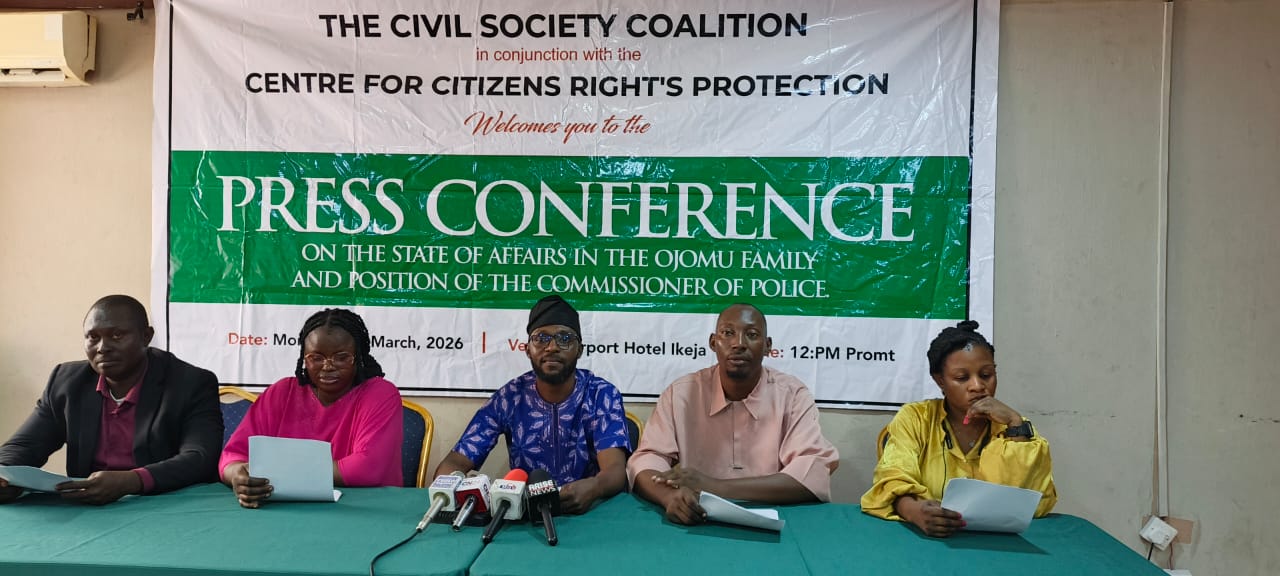
Civil society Organisation has raised concern over a disturbing sequence of events that point to an alleged high-level conspiracy within the Nigeria Police Force led by Jimoh Moshood Olorundare (AIG Zone 2), targeted at Mr. Hammed Tajudeen Akanbi.
The CSO in a press conference addressed by its leader Com Kolawole Emmanuel , gave the Inspector General of Police a 24-hour ultimatum, demanding the immediate transfer of Mr. Hammed Tajudeen Akanbi to a neutral and independent investigative unit and unrestricted access to his legal representatives and family members.
It said: “Our findings reveal that this matter is not isolated but deeply rooted in the long-standing crisis within the Ojomu Royal Family of Ajiran in Eti-Osa Local Government Area of Lagos State; a crisis that predates the tenure of Jimoh Moshood Olorundare as Commissioner of Police, Lagos State.
“At the core of this crisis is the control and allocation of vast ancestral lands spanning over 22 communities. This dispute has polarised the community into factions: those aligned with the Kabiesi and those loyal to Mr. Hammed Tajudeen Akanbi, who serves as Chairman of the Youth Wing of the Ojomu Royal Family.
“A troubling dimension emerged with the alleged ambition of Bashir Fakorede to ascend the Ojomu stool while the current monarch remains alive. Credible allegations indicate that Bashir Fakorede identified Mr. Akanbi as the principal obstacle to this ambition and openly declared his intention to “crush” him.
“It is further alleged that Bashir Fakorede enlisted the support of Muiz Banire (SAN), who purportedly assured him of leveraging institutional connections, including the office of the Attorney General of Lagos State, to ensure the prosecution and conviction of Mr. Akanbi.
“In furtherance of this alleged scheme, Bashir Fakorede reportedly conspired with Jimoh Moshood Olorundare who was then the Commissioner of Police, Lagos State, now Assistant Inspector General (AIG) Zone 2.
“It is alleged that inducements, including four plots of land at Chevron Drive valued at about ₦1.2 billion, were offered to Jimoh Moshood to secure cooperation in orchestrating Mr. Akanbi’s arrest and eventual elimination.
“Subsequently, a previously investigated and resolved murder allegation was resurrected under questionable circumstances. Individuals were allegedly arrested at random and coerced into making incriminating statements falsely linking Mr. Akanbi to the death of one Sheriff Salami.
“Despite Mr. Akanbi being outside Nigeria on medical grounds, he was declared wanted on 19th February 2026 by Jimoh Moshood Olorundare, a move widely regarded as procedurally defective. This declaration allegedly triggered sponsored acts of violence, including the destruction of his property in Ajiran.
“Legal proceedings initiated by Mr. Akanbi at the Ikeja High Court (Suit No: ID/21447MFHR/2026) challenged this action. Notably, an earlier arrest and remand order obtained through Charge No: Misc/60A/2026 was set aside by the same court due to misrepresentation and concealment of material facts.
“A subsequent application (Charge No: MISC/126/2026) was also refused, with the court directing proper procedure upon his return.
“Following a petition dated 23rd February 2026, the Inspector General of Police directed that the matter be transferred to the X-Squad, FCID, Alagbon. However, in a controversial turn of events, Jimoh Moshood Olorundare, now AIG Zone 2, allegedly insisted on retaining control over the matter.
“Following the clear directive of Court in charge no: MISC/126/2026 that proper procedure be followed by inviting Mr. Akanbi, he was enroute Nigeria from France through Benin Republic when he was eventually arrested in the Benin Republic but the Police on the claim that they have information that he was declared wanted by Jimoh Moshood.
“He was thereafter transferred to Nigeria on 17th April 2026. Since then, he has allegedly been subjected to degrading and inhumane treatment, including:
“Being publicly exposed in handcuffs by associates linked to Bashir Fakorede, particularly one Rukayat Omolara who is alleged to have over the internet with the photographs and video of Akanbi in hand and leg chain, a recording she made while he was in custody of Jimoh Moshood; denial of access to legal counsel and family; interrogation in the presence of individuals allegedly linked to the law firms of Muiz Banire (SAN) and Olumide Fusika (SAN), who are not law enforcement officers; personal supervision of his detention by Jimoh Moshood Olorundare, including signing detention orders and placing him in a private cell at SCID Panti; continuous use of hand and leg restraints while in custody.
“Most alarming are intelligence reports suggesting a deliberate plot to poison Mr. Akanbi with substances designed to cause delayed fatal consequences after release.
“These actions, if proven, constitute egregious violations of the Constitution of the Federal Republic of Nigeria and fundamental human rights protections.
“In light of the foregoing, we hereby issue a 24-HOUR ULTIMATUM to the Inspector General of Police demanding: the immediate transfer of Mr. Hammed Tajudeen Akanbi to a neutral and independent investigative unit; unrestricted access to his legal representatives, family members, and medical professionals; a thorough, transparent, and independent investigation into the roles of all officers and individuals implicated, particularly Jimoh Moshood Olorundare; full compliance with subsisting court rulings and strict adherence to due process.
“Failure to comply within 24 hours will compel us to escalate this matter through all lawful protest and institutional mechanisms, including judicial actions, petitions to oversight bodies, and coordinated civil advocacy at both national and international levels.
“This is a defining moment for the rule of law in Nigeria. We call on the Inspector General of Police to act decisively and restore public confidence in the integrity of the Nigeria Police Force.”




Police Officers Detained as Family Property Dispute Sparks Demolition Controversy in Lagos
By Ifeoma Ikem
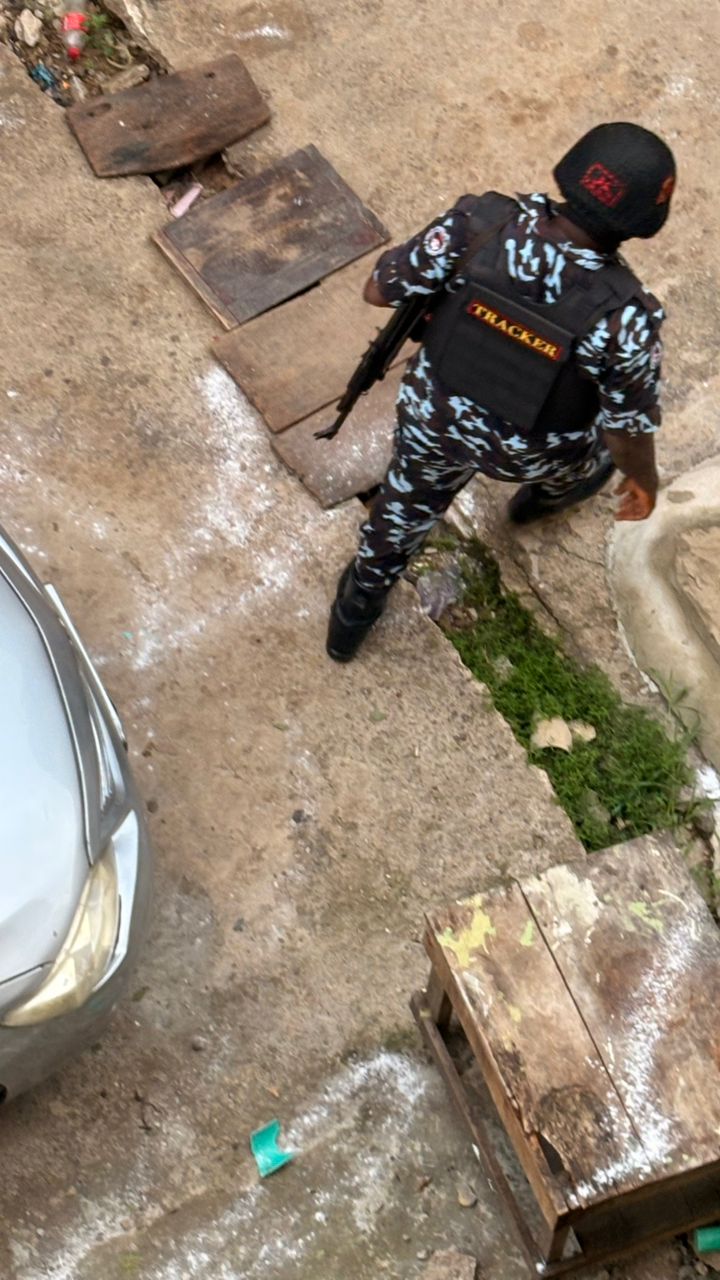
A property dispute within the Omotayo-Ojo family has taken a dramatic turn following a controversial demolition exercise at a residential building in Ikosi-Ketu, Lagos State, which reportedly left tenants displaced and led to the detention of some police officers allegedly involved in the operation.

The property, located at 23B Loveall Street, Ikosi-Ketu, has been the subject of a prolonged ownership tussle since the death of its owner, Chief Oludola Omotayo Ojo, the Babaalaje of Imesi-Ile, Osun State, in 2019.
Residents said tension erupted when a group of individuals, accompanied by security operatives, stormed the premises and commenced demolition activities.
According to eyewitnesses, portions of the building were pulled down while tenants rushed to salvage their belongings from affected apartments.
The residents alleged that windows, doors and roofing sheets were damaged during the exercise, exposing parts of the building to the elements and causing significant losses to occupants.
At the centre of the dispute is Mrs Mojisola Omotayo Ojo Alolagbe, who claimed that the property was allocated to her by her late father during his lifetime as a source of financial support.
She alleged that some family members had persistently challenged her ownership claim despite ongoing legal proceedings relating to the administration of the deceased’s estate.
Alolagbe further claimed that the latest incident was part of a series of attempts to wrest control of the property, citing previous cases of alleged vandalism and partial demolition in November 2025, January 2026 and February 2026.
The situation escalated further when reports emerged that police officers allegedly involved in the demolition were later apprehended and conveyed in a Black Maria vehicle over questions surrounding the legality of their participation in the operation.
Sources familiar with the matter said those behind the demolition had initially claimed to be acting on approval from the Lagos State Ministry of Lands. However, the authenticity and extent of such approval could not be independently verified as of the time of filing this report.
The development has generated concern among residents and community members, who questioned the involvement of security personnel in what they described as a civil matter.
Some tenants, who said they had recently renewed their tenancy agreements, lamented the destruction of their property and appealed to the authorities for protection and possible compensation.

They also called for a thorough investigation into the circumstances surrounding the demolition, insisting that the rights of all parties involved should be protected.
Stakeholders have urged the Lagos State Government, security agencies and the judiciary to intervene and ensure that the dispute is resolved through lawful means to prevent further escalation.
The controversy has continued to draw public attention, raising concerns over property rights, estate administration and the role of law enforcement agencies in civil disputes.

UKA Gears Up for Final ATC Exchangeability Test Run as June Preparations Begin.
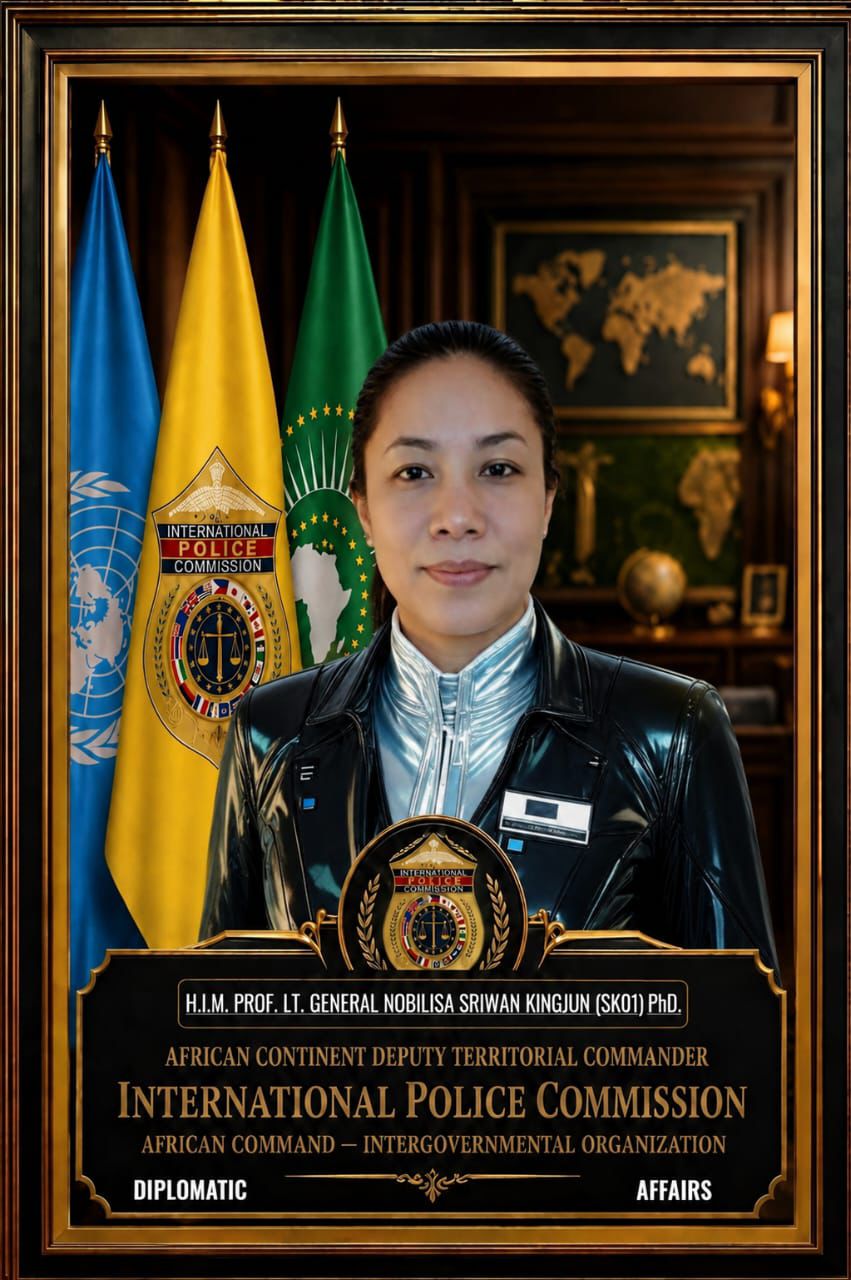
May 30, 2026 – As the month of June gathers momentum, the *United Kingdom of Atlantis, UKA*, a sovereign nation has unveiled a series of vital guidelines and preparatory packages to ensure citizens and stakeholders run the *ATC Exchangeability* process effectively.
In an official update, the *President of Atlantic Crown Limited, Empress of Attica Empire UKA*, confirmed that the *Final Test Run of ATC Exchangeability* is scheduled for the month of June 2026. The exercise marks a key phase ahead of the *Official Exchangeability Window, set to run from July 2026 to February 2027*.
### Key Highlights from the Presidential Briefing
1. *Final Test Run – June 2026*
The test run is designed to validate systems, procedures, and user readiness before full activation. Citizens, partners, and designated participants are urged to follow all official advisories released by UKA authorities during this period.
2. *Official Exchangeability Period*
Following the successful completion of the June test run, the Official Exchangeability will commence in july 2026 and we are Expecting Full Exchange ability between July Ending, 2026 to February 2026.
UKA stated that detailed schedules, eligibility requirements, and step-by-step instructions will be communicated progressively through verified UKA channels.
3. *Benefiting Packages for June*
In line with UKA’s commitment to citizen empowerment, the month of June will feature “benefiting packages” aimed at education, preparation, and seamless onboarding. These packages are intended to equip the people of UKA with the knowledge and tools needed for effective participation.
4. *Commitment to Transparency*
Addressing the nation, the Empress of Attica Empire UKA emphasized:
_“Final Test Run of ATC Comes up in The Month of June, As We Prepare For The Official Exchangeability, Between July 2026 To Feb 2027. All Information Will Be Communicated.”_
UKA reaffirmed that only information released through official UKA platforms should be regarded as authoritative.
The United Kingdom of Atlantis is encouraging all citizens, representatives, and interested parties to remain alert to official communications, attend designated orientation sessions, and avoid unofficial sources. UKA’s dedication to order, clarity, and the collective benefit of its people as the nation moves into this significant phase.
For updates, advisories, and participation guidelines, citizens are advised to monitor official UKA communication channels.
United Kingdom of Atlantis, UKA, is a sovereign nation, committed to national development, citizen welfare, and structured economic participation through initiatives such as ATC Exchangeability.
Three Years On, General Buratai Hails Tinubu’s Economic, Security Achievements
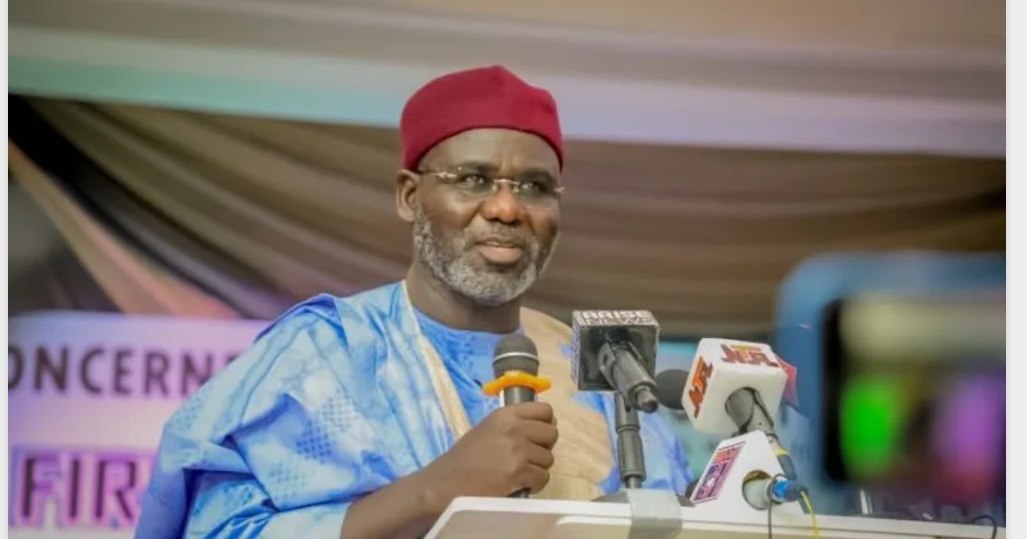
Former Chief of Army Staff, Lt. Gen. Tukur Buratai (retd.), has commended President Bola Ahmed Tinubu for what he described as bold economic reforms and improved security efforts as the President marks three years in office.
In a goodwill message on Thursday to commemorate Tinubu’s third anniversary as President and Commander-in-Chief of the Armed Forces, Buratai said the administration had taken courageous decisions that would leave a lasting impact on Nigeria’s development.

According to him, President Tinubu broke a long-standing cycle that had hindered national growth by removing fuel subsidy and implementing foreign exchange reforms aimed at stabilising the naira and strengthening the economy.
He noted that the reforms were beginning to yield positive results, citing the global acceptance of Nigerian debit cards, the gradual revival of local refineries, access to student loans, and ongoing road and infrastructure projects across the country.
“The FCT Administration has also recorded remarkable progress, completing major road projects that remained unfinished for over 16 years,” Buratai stated.
The former army chief also praised the administration’s security efforts, saying renewed military offensives against insurgents, terrorists and bandits had led to notable successes across various parts of the country.
He specifically lauded recent joint operations involving Nigerian and United States forces against Boko Haram and ISWAP in the North-East, as well as intensified counter-banditry operations in the North-West.
“We have seen notorious ISWAP commanders being neutralised. I congratulate the Commander-in-Chief, the Minister of Defence, the Chief of Defence Staff, the Service Chiefs, the Inspector-General of Police and heads of intelligence agencies for their efforts,” he said.
Buratai, however, acknowledged that challenges remained, stressing the need for more aggressive military operations and intelligence-driven strategies in the coming year.
While urging Nigerians to remain hopeful, he said celebrating the President’s achievements did not amount to ignoring the difficulties facing the nation.
“Because you truly care, you have shown the courage to trade short-term comfort for long-term hope. Nigerians need your reassurances, and that is why we remain optimistic and full of confidence,” he added.
The retired military officer reaffirmed his support for the Tinubu administration and expressed confidence that the foundation being laid by the government would deliver a brighter future for the country.
He also prayed for God’s guidance, wisdom, strength and good health for the President as he continues to lead Nigeria.


- National Insurance Corporation of Eritrea (NICE): Shareholders’ Annual Regular Meeting June 6, 2026
- World Cup accredited journalists raise concerns over unfair United States (US) visa restrictions, International Sports Press Association (AIPS) calls on FIFA to intervene June 6, 2026
- Ghana: President Mahama arrives in Belarus, lays wreath at Victory Monument June 6, 2026
- Liberia: President Boakai Advances Clean Energy Agenda; Dedicates 20-Megawatt Solar Power Plant at Mount Coffee June 6, 2026
- African Union (AU) Commission Chairperson mourns Passing of the Former Angola Minister of Foreign Affairs June 6, 2026
- Economic Community of West African States (ECOWAS) Welcomes Students on an Educational Visit to Its Headquarters June 6, 2026
- Seychelles: President Patrick Herminie attended Official Opening of Rise and Shine Day Care Centre at Mont Fleuri June 6, 2026
- Faith, fear and trust: Inside Democratic Republic of the Congo's (DR Congo) fight against Ebola June 6, 2026
- Economic Community of West African States (ECOWAS) Commission and Women in Law and Development (WiLDAF) Train Women Cross-Border Traders in The Gambia June 5, 2026
- Eritrea: Seminar to Nationals in The Hague June 5, 2026
- National Insurance Corporation of Eritrea (NICE): Shareholders’ Annual Regular Meeting June 6, 2026
- World Cup accredited journalists raise concerns over unfair United States (US) visa restrictions, International Sports Press Association (AIPS) calls on FIFA to intervene June 6, 2026
- Ghana: President Mahama arrives in Belarus, lays wreath at Victory Monument June 6, 2026
- Liberia: President Boakai Advances Clean Energy Agenda; Dedicates 20-Megawatt Solar Power Plant at Mount Coffee June 6, 2026
- African Union (AU) Commission Chairperson mourns Passing of the Former Angola Minister of Foreign Affairs June 6, 2026
- Economic Community of West African States (ECOWAS) Welcomes Students on an Educational Visit to Its Headquarters June 6, 2026
- Seychelles: President Patrick Herminie attended Official Opening of Rise and Shine Day Care Centre at Mont Fleuri June 6, 2026
-

 news6 months ago
WHO REALLY OWNS MONIEPOINT? The $290 Million Deal That Sold Nigeria’s Top Fintech to Foreign Interests
-

 society1 month ago
SOCIAL MEDIA IS NOT A BATTLEFIELD COMMAND – WHY THE NIGERIAN ARMY’S ACTION AGAINST JUSTICE CRACK IS A NATIONAL SECURITY IMPERATIVE
-

 celebrity radar - gossips4 months ago
Dr. Chris Okafor Returns with Power and Fire of the Spirit -Mounts Grace Nation Altar with Fresh Anointing and Restoration Grace on February 1, 2026
-

 celebrity radar - gossips6 months ago
Prophet Kingsley Aitafo Releases 2026 Prophecy: ‘Nigeria Will Rise, but the World Must Prepare for Turbulence’