
Politics
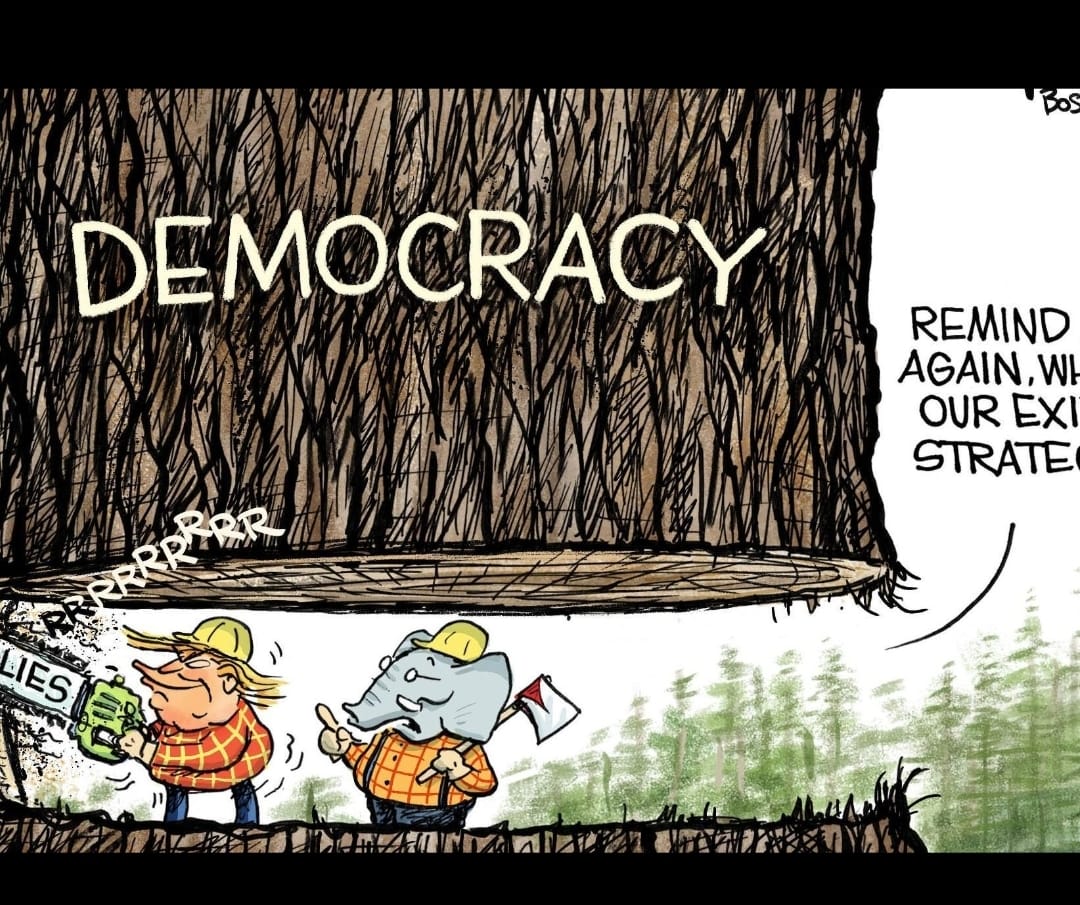
Democracy Hijacked: Nigeria Under Tinubu and APC’s Reign of Suppression

Democracy Hijacked: Nigeria Under Tinubu and APC’s Reign of Suppression
By George Omagbemi Sylvester
Once hailed as Africa’s beacon of hope, Nigeria’s democracy is now a battered relic under the suffocating grip of Bola Ahmed Tinubu and the All Progressives Congress (APC). What the world is witnessing is not the nurturing of democratic ideals, but the systematic strangulation of freedom, rights and popular will. Nigerians no longer possess true political rights. Elections are now caricatures. The judiciary dances to executive tunes. The legislature is a rubber stamp. And the masses? They are muted by fear, poverty and intimidation.

International bodies, supposedly guardians of global democracy, remain mostly silent or issue toothless statements while the giant of Africa bleeds internally.
A Nation in Chains
Since Tinubu’s contested swearing-in on May 29 2023, following what The Guardian (UK) described as a “deeply flawed and poorly conducted election,” Nigeria has descended further into autocracy. The Independent National Electoral Commission (INEC) promised technological transparency with the Bimodal Voter Accreditation System (BVAS) and the INEC Results Viewing Portal (IReV) only for these mechanisms to be crippled on election day, allowing widespread manipulation.
Chidi Odinkalu, former Chairman of Nigeria’s Human Rights Commission, summed it up perfectly:
“You cannot rig a people’s will and claim legitimacy. Tinubu’s government was born in fraud, and fraud cannot father democracy.”
The very essence of democracy, the right to choose one’s leaders freely and fairly; was brazenly hijacked. When protests erupted, they were crushed with brutal force. The media, once vibrant, now operates under threats of shutdowns, fines and arrests. Activists are labeled “terrorists” or “threats to national security.”
Journalist David Hundeyin, an outspoken critic, captured the fear gripping Nigeria:
“We live in a country where telling the truth has become an act of rebellion.”
Poverty, Insecurity, and Silence
While political rights evaporate, Nigerians are suffocated by poverty. Inflation under Tinubu soared to 33.2% by April 2025 (National Bureau of Statistics), the highest in two decades. Food inflation hit 40%, sending millions into deeper hunger. The removal of fuel subsidies without meaningful cushioning plunged transport costs up by 200%, pushing the minimum wage farther below subsistence levels.

Amid these hardships, dissent is criminalized. When labor unions threatened strikes, the regime secured court orders declaring them “illegal.” Protesters are met with police batons and live bullets, just like during the #EndSARS protests in 2020 under Buhari, whose playbook Tinubu is now perfecting.
Even comedians have become unlikely prophets of doom.
Comedian Basketmouth lamented:
“In Nigeria, you now need visa to visit your own human rights. That’s how bad it is.”
International Bodies: Where Are They?
What have international organizations like the United Nations, African Union, ECOWAS, or even the Commonwealth done? Very little.
The United Nations issued general statements calling for “inclusive governance” without naming the perpetrators.
ECOWAS, often quick to act elsewhere (e.g., coups in Mali, Burkina Faso), has been conspicuously muted about Nigeria, perhaps because Tinubu played a leading role in ECOWAS’s structure.
The African Union has focused more on Sudan and the Sahel, leaving Nigeria to burn quietly.

The United States, after initial noise about “concerns” during the 2023 elections, quickly congratulated Tinubu and moved on, prioritizing oil deals and counterterrorism interests.
This hypocritical diplomacy sends a dangerous signal:
As long as Nigeria supplies oil and keeps Western interests safe, the trampling of human rights will be tolerated.
Democracy or Democrazy?
Late Chinua Achebe, in The Trouble with Nigeria (1983), warned:
“The trouble with Nigeria is simply and squarely a failure of leadership.”
Tinubu’s reign proves that leadership failure is no longer just a problem; it is now state policy.
Under APC, Nigeria’s democracy is democracy only in name. Elections are rituals devoid of meaning. Courts rubber-stamp electoral thefts, often dismissing glaring irregularities on “technicalities.” Just in 2023, over 75% of election petitions were struck out on “lack of merit,” despite overwhelming evidence of malpractice (according to data compiled by SBM Intelligence).
Social media, once a tool for accountability, is under siege. In February 2025, the National Assembly passed the draconian “Internet Falsehood and Manipulation Bill,” widely dubbed the “Social Media Gag Law,” criminalizing “insulting public officials” with jail terms up to three years.
As comedian I Go Dye famously quipped:
“In Nigeria, even silence has been accused of hate speech”
The Broader Collapse
Under Tinubu, Nigeria’s global reputation nosedived. According to the 2025 Freedom House report, Nigeria was downgraded from “Partly Free” to “Not Free” for the first time in 20 years.
Transparency International’s 2024 Corruption Perception Index ranked Nigeria 149th out of 180 countries, worse than war-torn Afghanistan.
The Economist Intelligence Unit predicted that unless political repression ends, Nigeria faces “an inevitable descent into full dictatorship by 2027.”
Already, Nigeria’s youth, once energetic are fleeing en masse. The JAPA syndrome (mass emigration) has become an exodus. According to the UK Home Office, over 100,000 Nigerian professionals emigrated in 2024 alone, the highest African migration recorded.
When the best minds flee, when dissent is crushed, when elections are jokes, what remains of a nation?
What Should Be Done?
International bodies must stop hiding behind diplomatic niceties. Sanctions must target corrupt politicians and human rights abusers, not just coup plotters in smaller African countries.
Targeted Visa Bans: Bar corrupt APC politicians and election riggers from traveling abroad.
Asset Freezes: Block the looted wealth sitting in London, Dubai, and New York.
Global Advocacy: Push for independent media protections and human rights watchdog missions into Nigeria.
If the West and multilateral bodies continue their selective outrage, they will be complicit in Nigeria’s descent into full-blown tyranny.
Inside Nigeria, civil society must regroup. Labor unions, students, market women, comedians, musicians, journalists all must reclaim their role as the conscience of the nation. Democracy is not given by dictators; it is seized by the people.
As the late Afrobeat legend Fela Kuti warned:
“My people are scared of the air around them, they always have an excuse not to fight for freedom. We must rise.”
A Clarion Call
Nigeria stands today at the edge of a terrifying abyss. Tinubu and the APC have hijacked democracy, and the world watches as freedom withers. But history teaches us that no tyranny is permanent. From South Africa’s apartheid regime to military juntas across Africa, oppressive regimes eventually fall.
The choice is stark: either Nigerians fight back for their rights now, or resign themselves to decades of sophisticated enslavement.
The international community must act. Nigerians must resist. History must not record that in the hour of greatest need, those who should have fought stayed silent.





AMBO and the Osun Governorship Race: Assessing the Man, the Politics and the Vision
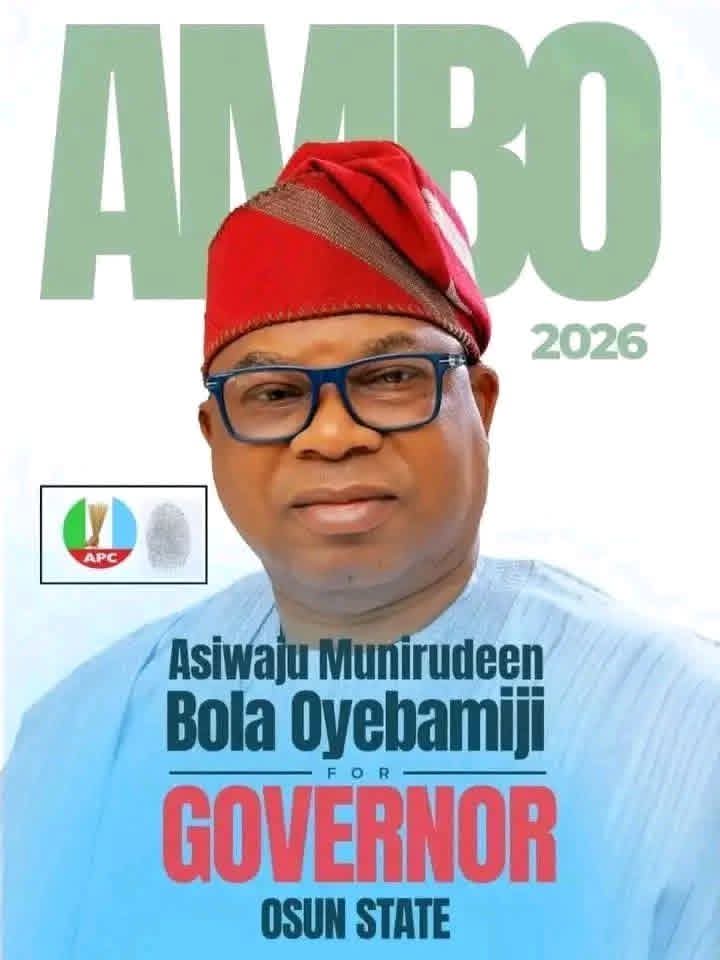
As political activities gather momentum ahead of the 2026 Osun State governorship election, a public affairs commentator, Oluseyi Olonade, has described the emergence of Asiwaju Munirudeen Bola Oyebamiji, popularly known as AMBO, as a significant development in the state’s political landscape.
In an article titled “Oyebamiji: The Man, The Politics and The Aspiration,” Olonade argued that the All Progressives Congress governorship hopeful possesses the character, experience and vision needed to reposition Osun State for sustainable growth.
According to the writer, Oyebamiji’s appeal stems from his extensive background in the banking sector, where he spent nearly three decades working with institutions including Wema Bank, Trans International Bank, Spring Bank and Enterprise Bank.
A native of Ikire in Irewole Local Government Area, Oyebamiji was described as a technocrat whose experience in corporate governance, finance and risk management has shaped his approach to public administration.
The article noted that his public service journey gained prominence in 2012 when he was appointed to oversee the then Osun State Investment Company Limited. Under his leadership, the organisation was reportedly restructured and transformed into Omoluabi Holdings Limited.
The writer further highlighted Oyebamiji’s tenure as Commissioner for Finance under successive APC administrations, where he was credited with managing the state’s finances during challenging economic periods.
Olonade also referenced Oyebamiji’s appointment as Managing Director of the National Inland Waterways Authority, describing it as further evidence of his administrative and leadership capabilities.
The article contrasted Oyebamiji’s governance philosophy with that of the current administration in Osun State, arguing that the APC aspirant favours institutional reforms, economic diversification and fiscal discipline.

According to the writer, Oyebamiji’s proposed agenda includes strengthening transparency in government spending, expanding internally generated revenue, attracting private-sector investments and promoting industrial and agricultural development.
The article also highlighted youth empowerment, entrepreneurship development and digital skills acquisition as key components of his vision for the state.
Olonade concluded that the forthcoming governorship election would present voters with a choice between different approaches to governance, expressing confidence that Oyebamiji’s experience and developmental agenda make him a strong contender in the race.
*Oselu Tiwa nTiwa Endorses Oriyomi Hamzat for Oyo Governorship*
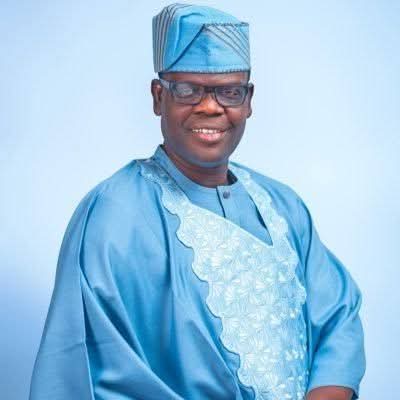
A sociopolitical support group in Oyo State, Oselu Tiwa nTiwa, has declared its support for Alhaji Oriyomi Hamzat as the authentic governorship candidate of the Accord Party ahead of the forthcoming governorship election in the state.
The group made its position known in a statement jointly signed by its President, Mr. Adewale Oluwaseyi and Secretary, Alh. Adebayo Oyewole, on Thursday, describing Hamzat as a grassroots figure with strong connection to the people and a track record of humanitarian interventions across Oyo State.

According to the group, the endorsement followed what it described as careful observation of Hamzat’s leadership qualities, compassion and dedication to the welfare of ordinary citizens.
“Oriyomi Hamzat has consistently demonstrated empathy, courage and selfless commitment to humanity. Through his numerous interventions in the lives of ordinary citizens, he has become a symbol of hope to many families and communities,” the statement read.
Oselu Tiwa nTiwa also appealed to the national leadership of the Accord Party to prioritise the long-term future and electoral growth of the party in its decision-making process.
The group noted that Hamzat’s candidacy presents an opportunity for the party to strengthen its grassroots support base and expand its political relevance across Oyo State.
“We respectfully appeal to the National Leadership of the Accord Party to look beyond immediate political calculations and consider the bigger picture, the future growth, stability and electoral success of the party in Oyo State and beyond,” the statement added.
The group further expressed confidence in the leadership of the party, saying it believes the party’s national officers and stakeholders would take decisions that reflect fairness, inclusiveness and the collective interest of members.
While calling on party loyalists to remain calm and united, Oselu Tiwa nTiwa said continued consultations among stakeholders would help strengthen the Accord Party ahead of the election.
Signed:
Alh. Adebayo Oyewole,
Secretary.
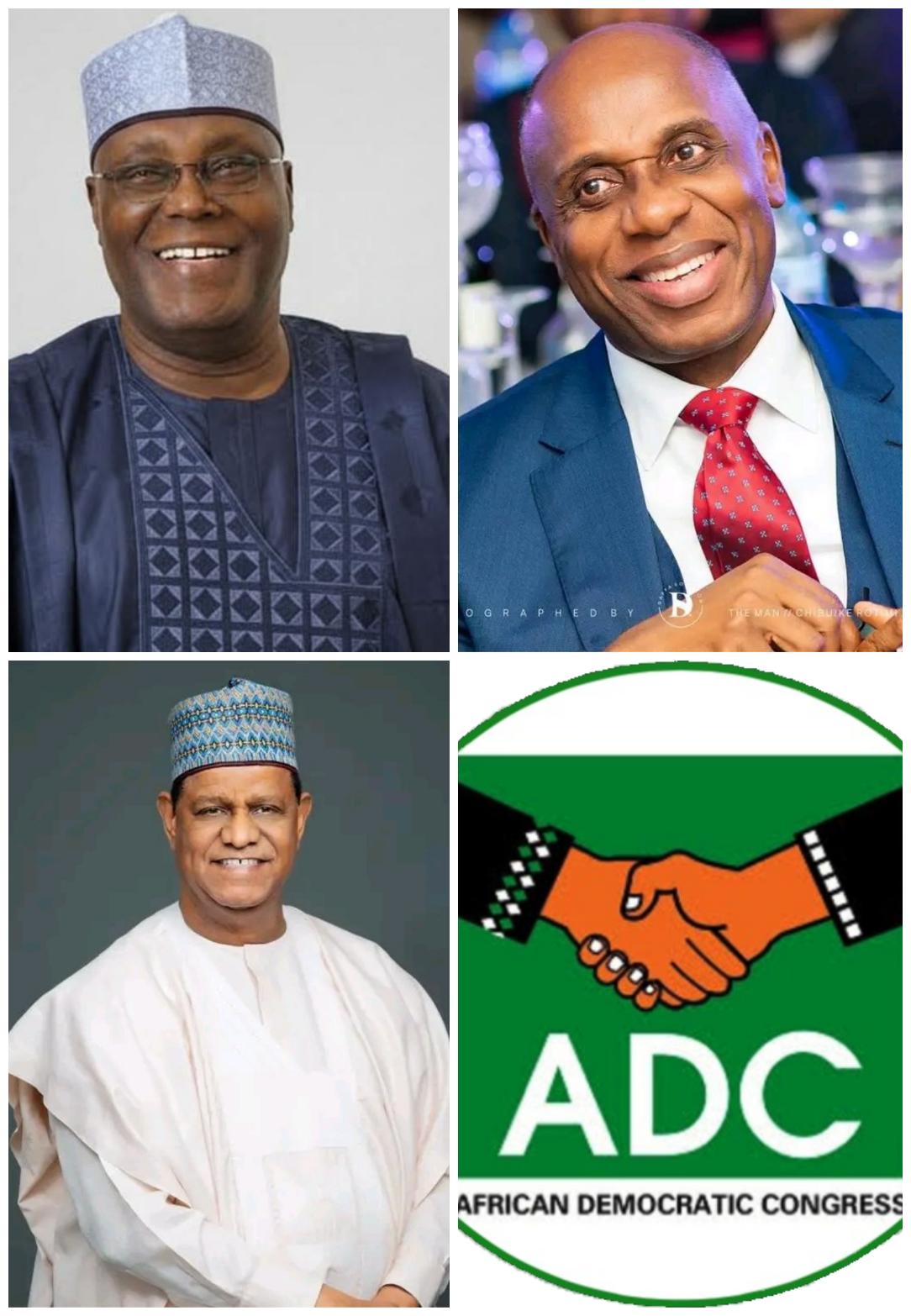
Atiku Set To Clinch ADC Presidential Ticket, Leads Amaechi, Hayatu-Deen In 34 States
Former Vice President of Nigeria and frontline presidential aspirant of the African Democratic Congress (ADC), Atiku Abubakar, is projected to emerge winner of the party’s presidential primaries, according to impeccable sources in Abuja.
The primaries, conducted across over 8,000 wards in the 36 states of the federation and the Federal Capital Territory, reportedly placed Atiku far ahead of his closest rivals — former Rivers State Governor, Rotimi Amaechi, and former Chairman of the Nigerian Economic Summit Group, Mohammed Hayatu-Deen.

Highly placed party insiders disclosed that Atiku is currently leading in 34 states, including the FCT, after securing dominance across the 19 Northern states, the five South-East states, and the six South-West states, while also maintaining a strong showing in at least three states in the South-South geopolitical zone.
The sources added that the outcome reflects what they described as “an overwhelming nationwide acceptance” of the former vice president within the opposition party ahead of the 2027 general election.
Meanwhile, the ADC leadership has invited members of the press to the official announcement of the final collated results scheduled for 11:00 a.m. on Tuesday, May 26, 2026, in Abuja.
The declaration of results is expected to be broadcast live on ARISE Television and two other major television stations, while also being livestreamed on the party’s official social media platforms on X and Facebook.
Speaking ahead of the announcement, the founding National Chairman of the ADC, Chief Ralph Nwosu, said the decision to televise the exercise live was aimed at promoting transparency and democratic accountability.
“We want millions of Nigerians at home and in the Diaspora to witness democracy in action,” Nwosu said.
He further revealed that the party leadership would encourage all three presidential aspirants to publicly embrace a peace accord and commit themselves to working together in unity for the party’s success.
According to him, the move is necessary to strengthen internal cohesion and position the ADC for victory in the presidential election scheduled for January 16, 2027.
Details later.


- Uganda: Parliament concludes vetting of ministers June 2, 2026
- Fund for Export Development in Africa (FEDA) Board Appoints Mr. Emmanuel Assiak as Chief Executive Officer June 2, 2026
- Ecobank Group Launches World First Nature Bond Mobilising Global Capital to Protect Africa’s Natural Ecosystems June 2, 2026
- Merck Foundation Chief Executive Officer (CEO) Dr. Rasha Kelej together with Kenya First Lady support the education of 47 Kenyan Schoolgirls by providing Annual Scholarships till they Graduate June 2, 2026
- Annual Meetings 2026: Governors Back the Bank’s Platform Solutions to Transform Aviation and Health Systems in Africa June 2, 2026
- ThinkMarkets launches ChelseaAI, bringing live CFD trading into Artificial Intelligence (AI) assistants June 2, 2026
- Afreximbank Invites Rugby Africa President Herbert Mensah to Address the 33rd Annual Meetings on a Panel Exploring Sport as a Driver of African Industrialisation June 2, 2026
- Afreximbank Deepens Commitment to Economic Progress in The Bahamas June 1, 2026
- African Electric Vehicle (EV) platform Spiro raises $215M in equity to scale electric mobility and energy infrastructure across Africa June 1, 2026
- Africa Centres for Disease Control and Prevention (Africa CDC) Statement on Attacks Against Health Facilities During the Bundibugyo Virus Disease Response in the Democratic Republic of the Congo June 1, 2026
- Uganda: Parliament concludes vetting of ministers June 2, 2026
- Fund for Export Development in Africa (FEDA) Board Appoints Mr. Emmanuel Assiak as Chief Executive Officer June 2, 2026
- Ecobank Group Launches World First Nature Bond Mobilising Global Capital to Protect Africa’s Natural Ecosystems June 2, 2026
- Merck Foundation Chief Executive Officer (CEO) Dr. Rasha Kelej together with Kenya First Lady support the education of 47 Kenyan Schoolgirls by providing Annual Scholarships till they Graduate June 2, 2026
- Annual Meetings 2026: Governors Back the Bank’s Platform Solutions to Transform Aviation and Health Systems in Africa June 2, 2026
- ThinkMarkets launches ChelseaAI, bringing live CFD trading into Artificial Intelligence (AI) assistants June 2, 2026
- Afreximbank Invites Rugby Africa President Herbert Mensah to Address the 33rd Annual Meetings on a Panel Exploring Sport as a Driver of African Industrialisation June 2, 2026
-

 news6 months ago
WHO REALLY OWNS MONIEPOINT? The $290 Million Deal That Sold Nigeria’s Top Fintech to Foreign Interests
-

 society1 month ago
SOCIAL MEDIA IS NOT A BATTLEFIELD COMMAND – WHY THE NIGERIAN ARMY’S ACTION AGAINST JUSTICE CRACK IS A NATIONAL SECURITY IMPERATIVE
-

 celebrity radar - gossips4 months ago
Dr. Chris Okafor Returns with Power and Fire of the Spirit -Mounts Grace Nation Altar with Fresh Anointing and Restoration Grace on February 1, 2026
-

 celebrity radar - gossips6 months ago
Prophet Kingsley Aitafo Releases 2026 Prophecy: ‘Nigeria Will Rise, but the World Must Prepare for Turbulence’