
Business
EXPOSED!!! The Many Maltreatments of Nigerians by Indians in Mike Adenuga-owned Globacom + How Glo is being Hijacked Gradually


![mikk]](https://i0.wp.com/sahara.test/wp-content/uploads/2015/10/mikk.jpg)
Often times we have tried to reveal the slavery going on inside Mike Adenuga-owned Globacom; how Nigerians are subjected to in-human treatments in the hands of expatriates who are paid handsomely for ‘nothing’. These expatriates contribute less to the growth of the company, but end up sleeping away their hours in the office and living very large.
Despite these incessant complains, Globacom Chairman, Mike Adenuga has done noting to make the situation any better. However in this report obtained by PorscheClassy below, e-NIGERIA! discovered that a cabal inside Globacom may have snatched the company from it’s owner who is now incapacitated.
The cabal made of expatriates occupying managerial positions are said to be responsible for the in-human treatment meted out to junior staffers in the company who are mainly Nigerians. This report comes with documents and photographs as proof of the decay in Otunba Mike Adenuga’s Globacom Nigeria, it is messy, messy and messy…READ BELOW
Nigeria’s second largest Telecoms operator, Globacom, seems to have turned a potential keg of gunpowder waiting to explode, should this happen; the splinters might be hard to gather together again.
Feelers from Globacom says the Mike Adenuga’s company is filled with all sorts of unholy acts ranging from ethical absence in top management and godfatherism where merit has been sacrificed on the altar of mediocrity to inhuman treatment of Nigerian staff.
PorscheClassy News gathered that trouble started on the 16th of May 2015 when a memo signed by Femi Kolawole,the head of human resources stated that the Globacom review Board comprising amongst others of Adewale Sangowawa,Jumoke Aduwo, Femi Kolawole and others had constituted a committee to coordinate the annual staff appraisal exercise and make appropriate recommendations for promotions, salary/prequisites increment and other incentives as considered appropriate.
A second memo dated June 19th 2015 signed by Adewale Sangowawa, then Executive Director human resources stated that increment for Nigeria staff of Globacom will take effect on July 1st 2015. These correspondences as expected boosted the morale of the Globacom work force all over Nigeria, as they saw it as an indicator that their efforts were being recognized from the imposing Mike Adenuga Towers Victoria Island Lagos and threw them into jubilation.

Tensions and expectations of the members of staff was high when by 30th of July 2015, nothing was heard from Globacom management and the rumblings heated up.
On the 31st of July, 2015, another shocker was received by the staff when an unsigned memo, without the usual Globacom letterhead was circulated instructing staff to contact a certain Jumoke Aduwo (080796590**) and Bunmi Akinyinka (080796590**) to confirm their new salaries.
The memo went thus ‘Further to earlier circular of all staff on above subject, we are pleased to announce that the board has approved promotions, salary increment together with a generous retention scheme for staff to take effect immediately’.
What raised eyebrows were the obvious facts that no Globacom staff was issued a promotion/salary increment letter, the contact persons listed in the memo were obviously staff of Globacom but their staff lines were not used and most obvious was the fact that the memo was not signed!
The mobile numbers attached to the memo were not Globacom staff numbers, documents at our disposal verified these claims.
This case is just the latest in a series of discontent and inequality in Globacom Nigeria, where some staff because of their closeness to the top of the food chain go home with a pay packet of 37 million Naira in addition to some other benefits while in the same company some staff have been on the same salary scale of 1.5 million Naira per annum for over 7 years.
A source revealed that most organizations in the telecoms and banking sectors in Nigeria use certain key performance indicators as a basis for staff remuneration and promotion, but alas in Globacom Nigeria ‘your rise in the organisation is based on who you know at the top, which is not healthy for the company, as a certain cabal within the company who have the ears of the chairman dispense favours to their loyalists.
The areas of staff appraisal by line managers has also generated a lot of controversy as some staff have repeatedly complained of being appraised by managers other than their line managers who do not know anything about them and their job functions, hence they fall prey in the hands of the power brokers within the organization in a constant power struggle.
Recently, a staff in the technical services circulated a memo to all staff voicing his grievances for being in the same salary scale for four years without any salary review and questioned why a company like Globacom lacks a KPI ( key performance indicator) scale, after which he tendered his resignation publicly. (Find attached his letter of Resignation)

Another source disclosed that another disturbing trend in Globacom is the influx of Indian that are gradually taking the positions of Nigerians
According to our source, Some of these Indians, it was revealed, earn as much as over USD250, 000 (Two hundred and fifty thousand Dollars) to skype and sleep in the office for 365days as they’ve got little or nothing to offer compared to their Nigerian counterparts who work day and night making sure that the company’s profile never dwindles.
“The Indians have subjected Globacom Nigerian employees to various unethical abuse and degradation, rating them poorly, leading to termination and replacing them with their Indian friends and family members.
Companies seeking to employ expatriates in Nigeria have to seek for expatriate quota permit from the Ministry of Internal Affairs or Nigerian Investment Promotion Commission which is for two years duration and it is renewable after every two years.
But in the case of Globacom, it is obvious that the expatriates quota in Globacom has been exceeded, as the India’s seems to have taken over completely.
Findings have also shown a high staff turnover in Globacom Nigeria, which is also said to bewilder the Chairman. As most have laid the rot squarely on the doorsteps of the faceless and nameless cabal within the company.
As it stands now, only time and chance will tell who will have the courage to bell the cat in the Mike Adenuga Towers before all spirals out of control.
All efforts to reach Mr Charles Jenarius and Mrs Gladys Talabi the executive directors of communications and Legal respectively were rebuffed as they refused to either confirm or deny the story. Additional info from Tunde Disu, a labour activist from Sagamu.
Source : e-Nigeria!




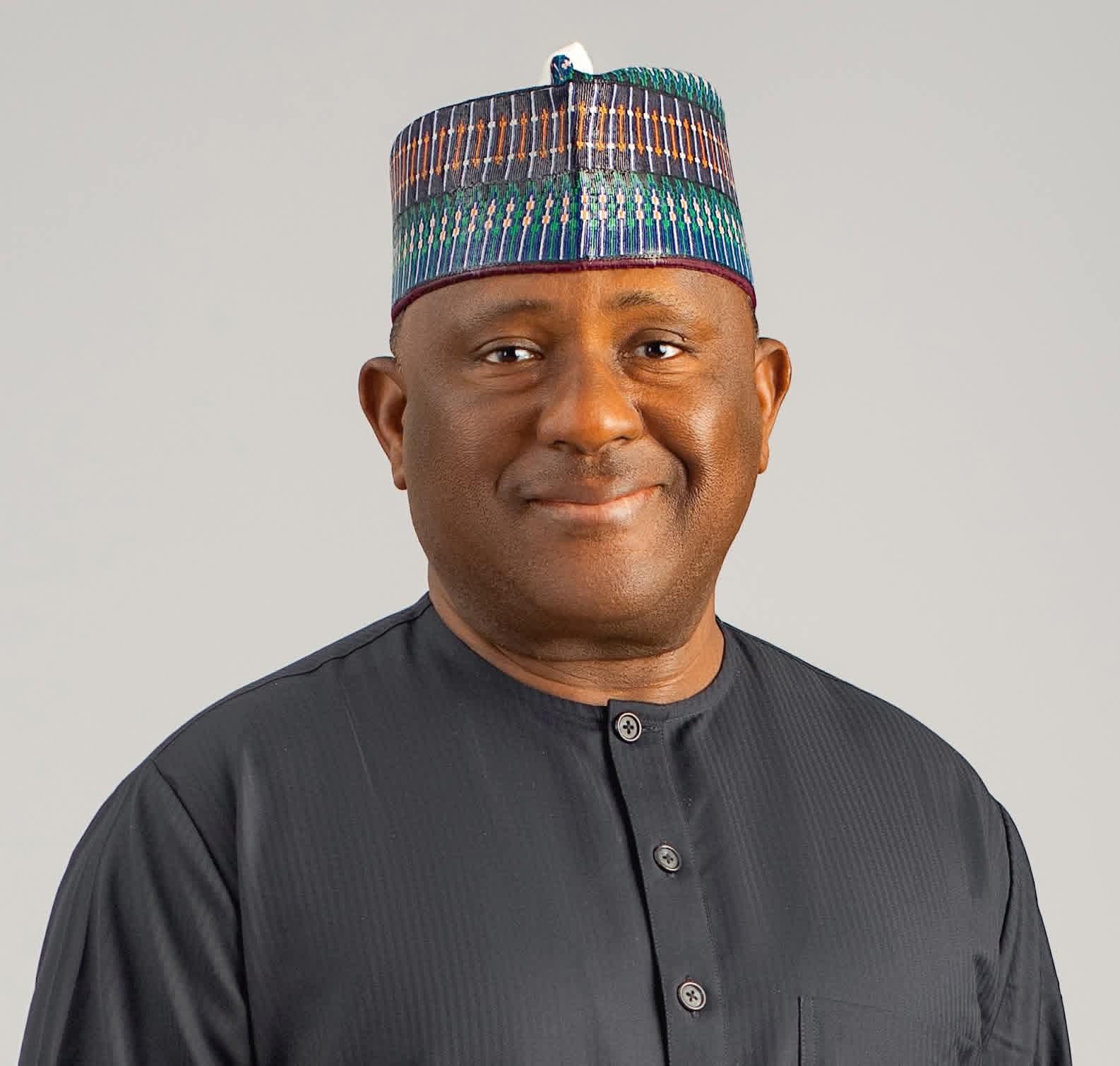
BUA Chairman Abdul Samad Rabiu Rises to Become Africa’s Second Richest Man
LAGOS – In a notable reshuffle of Africa’s wealth hierarchy, Abdul Samad Rabiu, Chairman of BUA Group, has climbed to the position of the continent’s second richest individual. The development highlights the accelerating growth of his industrial empire and the increasing global relevance of Nigeria’s manufacturing sector.
Recent valuations show the billionaire businessman overtaking long-standing contenders to secure the number two spot, behind only Aliko Dangote. His rise has been driven largely by the strong market performance of his publicly listed firms, BUA Cement Plc and BUA Foods Plc, both of which have recorded significant gains on the Nigerian Exchange (NGX).
Rabiu’s ascent reflects years of strategic expansion and vertical integration. BUA Cement, Nigeria’s second-largest cement producer, has scaled up operations with new production lines to meet rising infrastructure demand. At the same time, BUA Foods has strengthened its leadership in key segments such as sugar, flour, and pasta, reinforcing its role in regional food supply.
Analysts note that his focus on essential goods has provided stability, helping his businesses maintain steady revenues despite broader economic fluctuations. By prioritizing domestic production, BUA Group has also reduced exposure to external shocks.
Philanthropy and Development Impact
Beyond business, Rabiu has earned global recognition for his philanthropic efforts through the ASR Africa Initiative, a $100 million annual intervention fund supporting education, healthcare, and social development across Africa.


His rise in the rankings is widely viewed as evidence of the power of African-driven industrialization—not only in building wealth but also in delivering meaningful social impact. As Africa’s economic landscape evolves, the shifting billionaire rankings underscore the growing influence of Nigeria’s private sector in shaping the continent’s future.
Bank
ZENITH BANK EXPANDS FRONTIERS WITH CÔTE D’IVOIRE SUBSIDIARY, DEEPENS FRANCOPHONE WEST AFRICA PUSH

ZENITH BANK EXPANDS FRONTIERS WITH CÔTE D’IVOIRE SUBSIDIARY, DEEPENS FRANCOPHONE WEST AFRICA PUSH
Zenith Bank Plc has taken a major step in its Pan-African growth journey with the official launch of its Côte d’Ivoire subsidiary, reinforcing its strategic ambition to dominate key markets across the continent.
The grand opening ceremony, scheduled for Wednesday, April 29, 2026, is expected to draw top-tier government officials and regulators from Nigeria and Côte d’Ivoire, alongside leading business executives and members of the diplomatic corps—underscoring the growing economic ties and investment flows between Anglophone and Francophone Africa.
Licensed in December 2025 by Côte d’Ivoire’s Ministry of Finance and Budget and regulated by the UMOA Banking Commission, the new subsidiary will operate from its headquarters at SCI Wall Street, Avenue Noguès, Plateau, Abidjan—one of the region’s most important financial hubs.
The move signals a calculated expansion into Francophone West Africa and positions Zenith Bank as a key financial bridge within the West African Economic and Monetary Union. The subsidiary is designed to drive cross-border trade, offering corporate banking, trade finance, offshore banking, and structured financial solutions tailored to businesses operating across Africa and beyond.
Speaking on the milestone, Group Managing Director/CEO Adaora Umeoji said the expansion aligns with the founding vision of Chairman Jim Ovia to build a globally competitive African bank.
“The launch of Zenith Bank Côte d’Ivoire is a bold step in realising that vision. It opens a strategic corridor into Francophone West Africa and reinforces our commitment to facilitating trade, investment, and enterprise growth across the continent,” she stated.
The subsidiary will be led by Managing Director/CEO Cédric Tano, who brings over two decades of industry experience. He noted that the bank is entering the Ivorian market at a time of strong economic momentum and increasing regional integration.
“Our goal is to position Zenith Bank as a customer-centric institution that blends global best practices with deep local expertise, while supporting businesses with innovative financing and enabling seamless cross-border transactions,” Tano said.
Beyond Côte d’Ivoire, Zenith Bank is accelerating its expansion into Central Africa, with plans underway to enter the Central African Economic and Monetary Community, using Cameroon as a strategic gateway.
With an established presence in multiple markets—including Ghana, Sierra Leone, The Gambia, the United Kingdom, France, the UAE, and China—the bank continues to strengthen its role as a conduit linking African economies to global capital and trade networks.
Founded in 1990, Zenith Bank has evolved into one of Africa’s most formidable financial institutions, maintaining the highest Tier-1 capital position in Nigeria’s banking industry for 16 consecutive years. Built on its core pillars of People, Technology, and Service, the bank has consistently delivered strong financial performance and earned widespread local and international recognition.
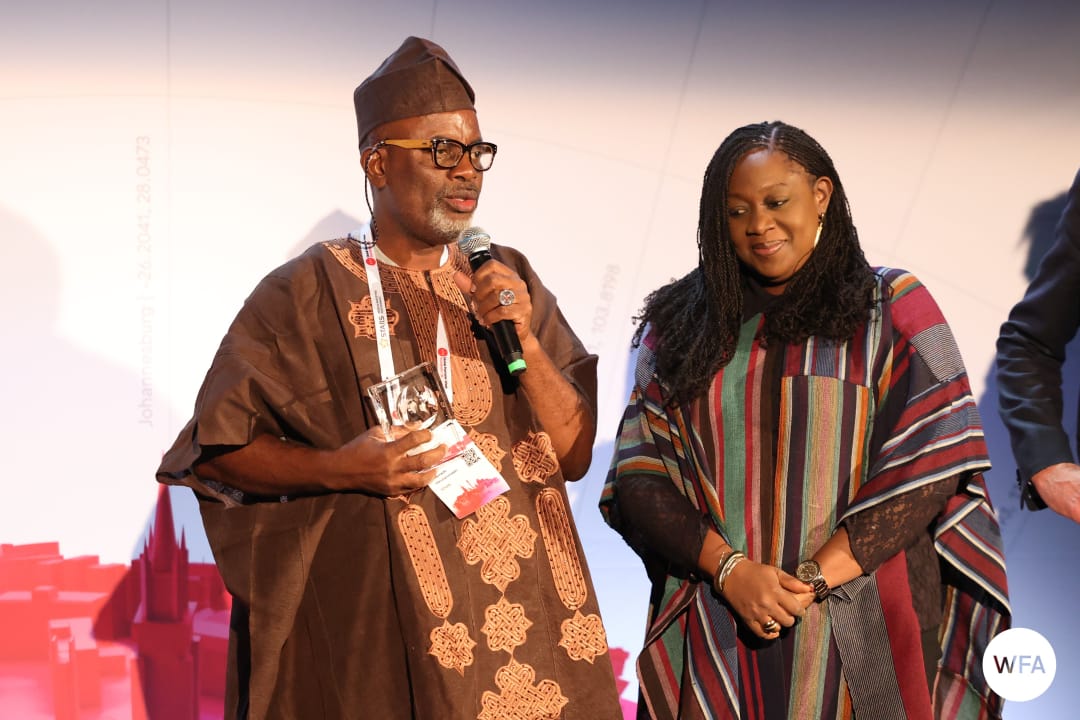
ADVAN Earns Global Recognition As WFA President’s Award Winner For “Project Freedom”
The Advertisers Association of Nigeria (ADVAN) has been recognised on the global stage as a recipient of the prestigious WFA President’s Award, presented by the World Federation of Advertisers during its Global Marketer Week in Stockholm. The recognition places ADVAN among a select group of leading industry associations worldwide acknowledged for driving meaningful impact in marketing and society.
The WFA President’s Awards, established in 2010, celebrate national industry associations whose initiatives advance the marketer’s agenda and contribute to positive change. This year’s honours were awarded following a rigorous selection process involving 38 submissions from associations across the WFA’s global network, with winners chosen for their measurable impact and potential for replication across markets.
ADVAN’s recognition comes through its advocacy initiative, Project Freedom, a bold and strategic effort focused on addressing the challenges of stifling, non–data-driven regulations affecting businesses in Nigeria and across Africa. The initiative underscores the importance of evidence-based policymaking while championing the constitutional right to freedom of commerce.
Through Project Freedom, ADVAN has taken a proactive leadership role in engaging key stakeholders and shaping conversations around fair, balanced, and transparent regulation. The initiative reflects a shift toward constructive dialogue and collaboration, ensuring that regulatory frameworks support innovation, protect consumer interests, and enable sustainable business growth.
By earning this global recognition, ADVAN reinforces the growing influence of African marketing institutions in shaping international discourse. Its work highlights how local advocacy, when rooted in data and guided by clear principles, can deliver impact not just within national borders but across the global marketing ecosystem.
The award also affirms ADVAN’s commitment to strengthening self-regulation within the industry, fostering accountability, and promoting standards that align with global best practices while remaining relevant to local realities.
As the marketing landscape continues to evolve, ADVAN’s recognition by the World Federation of Advertisers signals a strong endorsement of its leadership and vision. It positions the association as a key voice in advancing responsible marketing, advocating for enabling policies, and ensuring that businesses can operate in an environment that supports both innovation and economic freedom.


- World Press Freedom Day: Africans endorse media watchdog role, but perceptions of freedom are mixed May 1, 2026
- Sonangol Takes Emerald Sponsorship at African Energy Week (AEW) 2026 as Angola Expands Deepwater and Gas Portfolio April 30, 2026
- Invest Africa and United Kingdom (UK) Government announce strategic partnership for The Africa Debate – London April 30, 2026
- Organization of the Petroleum Exporting Countries (OPEC) Secretary General to Address African Energy Week 2026 as Energy Markets Enter New Geopolitical Phase April 30, 2026
- South Sudan Declines to Renew Oranto’s License for Block B3 April 30, 2026
- APO Group Wins Gold Stevie® Award In 2026 Middle East & North Africa Stevie® Awards April 30, 2026
- High-End Smart New Energy Vehicle (NEV) Brand VOYAH Advances Global Layout with Multidimensional Efforts; VOYAH Taishan X8 Draws Widespread Attention April 30, 2026
- Grey Registers as Payment Service Provider Under Canada’s Retail Payment Activities Act (RPAA) Framework April 30, 2026
- Minerals Council Chief Executive Officer (CEO) Joins African Mining Week (AMW) as South Africa Improves Sectorial Investment Climate April 30, 2026
- Aurionpro expands its multi-country transaction banking engagement with Diamond Trust Bank (DTB) April 30, 2026
- World Press Freedom Day: Africans endorse media watchdog role, but perceptions of freedom are mixed May 1, 2026
- Sonangol Takes Emerald Sponsorship at African Energy Week (AEW) 2026 as Angola Expands Deepwater and Gas Portfolio April 30, 2026
- Invest Africa and United Kingdom (UK) Government announce strategic partnership for The Africa Debate – London April 30, 2026
- Organization of the Petroleum Exporting Countries (OPEC) Secretary General to Address African Energy Week 2026 as Energy Markets Enter New Geopolitical Phase April 30, 2026
- South Sudan Declines to Renew Oranto’s License for Block B3 April 30, 2026
- APO Group Wins Gold Stevie® Award In 2026 Middle East & North Africa Stevie® Awards April 30, 2026
- High-End Smart New Energy Vehicle (NEV) Brand VOYAH Advances Global Layout with Multidimensional Efforts; VOYAH Taishan X8 Draws Widespread Attention April 30, 2026
-

 news5 months ago
WHO REALLY OWNS MONIEPOINT? The $290 Million Deal That Sold Nigeria’s Top Fintech to Foreign Interests
-

 celebrity radar - gossips3 months ago
Dr. Chris Okafor Returns with Power and Fire of the Spirit -Mounts Grace Nation Altar with Fresh Anointing and Restoration Grace on February 1, 2026
-

 celebrity radar - gossips5 months ago
Prophet Kingsley Aitafo Releases 2026 Prophecy: ‘Nigeria Will Rise, but the World Must Prepare for Turbulence’
-

 Business5 months ago
BUA Rewards 510 Employees with ₦30bn in Historic Night of Excellence
You must be logged in to post a comment Login
You must log in to post a comment.