
society
Gen. Buratai Reveals Why Tinubu is Right on ECOWAS Standby Force

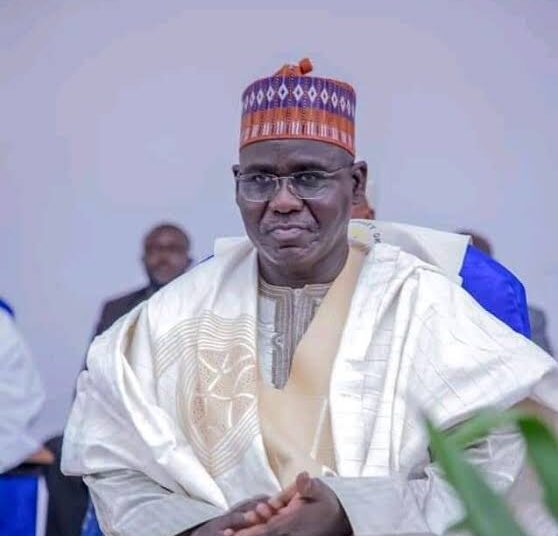
Gen. Buratai Reveals Why Tinubu is Right on ECOWAS Standby Force
Retired Lt. Gen. Tukur Buratai, former Chief of Army Staff and ex-Ambassador to the Republic of Benin x-rays ECOWAS’ challenges and President Bola Tinubu’s proposal of an ECOWAS Standby Force to enhance security of the regional bloc. He spoke exclusively to LOUIS ACHI on the larger emerging geopolitical scenario.

President Bola Tinubu, at the 65th Ordinary Session of the Authority of ECOWAS Heads of State and Government on Sunday, in Abuja, proposed an ECOWAS Standby Force, ESF, for the enhanced security of the regional block.
Yes, that’s correct.
What’s your reading of this move? Is there significant conceptual or doctrinal difference between the proposed standby force and the ECOMOG force in terms of command, control and coordination?
The proposal put forth by President Tinubu, in his capacity as ECOWAS Chair, to establish the ECOWAS Standby Force is truly commendable, and it has my full support. I have been a vocal advocate for the creation of this ECOWAS Standby Force ever since taking on the role of Army Chief back in 2015. The urgent need for such a force is underscored by the myriad security challenges facing the West African sub-region, which require a coordinated and rapid response mechanism to safeguard peace and stability in the area.
The establishment of the proposed ECOWAS Standby Force serves as a significant development in the regional security architecture of West Africa, distinguishing itself from the previous ECOMOG intervention force in terms of command, control, and coordination. Unlike ECOMOG, the ECOWAS Standby Force is designed to operate under a unified command structure, ensuring a more streamlined decision-making process and effective coordination of military operations.
This structure enhances the force’s ability to respond swiftly and decisively to regional security challenges, promoting greater coherence and efficiency in its peacekeeping and crisis management efforts across member states. By prioritizing joint planning, training, and exercises, the ECOWAS Standby Force aims to uphold professionalism and interoperability among its participating contingents, bolstering the force’s overall readiness and effectiveness in maintaining peace and stability in the region.
The ECOMOG (Economic Community of West African States Monitoring Group) Force, established in West Africa in 1990, despite its huge successes, it encountered numerous challenges that impeded its ability to be sustained. One of the key reasons for its setback was the limited resources and logistical support provided to the force.
Inadequate funding and equipment hindered the progress of ECOMOG in carrying out its peacekeeping and crisis management missions. Additionally, the conflicting mandate and weak command structure among the member states of the force led to coordination issues and internal conflicts, undermining its operational efficiency.
Furthermore, external factors such as political interference and lack of international support also affected ECOMOG to achieve its long-term objectives in the region. These collective challenges ultimately prevented the ECOMOG Force from realizing its full potential and sustaining its operations in West Africa. In my opinion, ECOMOG could not have been the foundation on which the ECOWAS Standby Force could have found a formidable root.
As it is now, the ECOWAS Brigade (ECOBRIG) had been formed. What is required now is getting the boots on the ground. When General Ogomudia was the CDS, Nigeria pledged a formidable force. I hope this Force can be mobilised immediately to kick start the ECOWAS Standby Force. The pledged force included infantry and armour units, artillery regiment, signals and a host of others.
Is President Tinubu edging ECOWAS away from its core economic bloc status and trying to inspire a West African “NATO” – which would be an outright military alliance?
ECOWAS, the Economic Community of West African States, stands as a dedicated economic sub-regional group, established with the noble mission of advocating for the economic and commercial interests of the various West African nations. Among its many initiatives, ECOWAS has established the ECOWAS Standby Force, designed not to transform ECOWAS into a militaristic force akin to NATO, but rather to complement the organization’s primary economic objectives in the region.
It is essential to underscore that security plays a pivotal role in fostering economic development; without a secure environment, the West African sub-region would struggle to realize its full economic potential. Presently, the sub-region grapples with a myriad of challenges posed by numerous non-state actors, including terrorist groups, bandits, and criminal gangs, which pose a direct threat to the state’s ability to maintain the monopoly on violence.
In response to these security threats, the creation of the ECOWAS Standby Force represents a strategic move towards leveraging economies of scale to assist member states in tackling security issues effectively. The current security situation in Burkina Faso highlights the daunting challenges the country is grappling with, including a severe shortage of manpower and military equipment.
These deficiencies underscore the immense difficulties faced by the nation in safeguarding its citizens and maintaining peace and stability. These pressing issues are precisely the obstacles that the ECOWAS Standby Force aims to address and assist member states in overcoming, by providing much-needed support and resources to bolster their security capabilities and effectively respond to emerging threats.
What will be the geo-political implication of this course for the continent, given Russia’s current incursion into West Africa through the breakaway ECOWAS members states of Mali, Burkina Faso and Niger – with the West carefully watching and possibly counter-plotting?
The situation is a very dicey one because Russia itself is in West Africa to promote its strategic and economic interest. West African countries and governments must introspect their romance with all these international powers – be it China, Russia or the West. I can tell you that NATO and especially America sees the infiltration of Russia into West Africa as a major threat to its interest especially when these juntas are closing down American and French bases to make for Russia to come in and take over.
As far back as 2023, the United States outlined in its US Security Strategy the significant threat posed by Russia and China to its strategic interests in West Africa. The emergence of these two global powers as key players in the region has raised concerns regarding their potential to challenge US influence and destabilize the security environment.
Russia’s assertive foreign policy and military presence, along with China’s growing economic investments and infrastructure projects, have highlighted the need for the US to closely monitor and address the evolving dynamics in West Africa. The situation is very complex and it is not as simple as these juntas think.
There is a strong possibility that we might witness counter coups in Burkina Faso and Mali or even Niger because of the refusal or delay of these juntas to organize elections and hand over to democratically elected leaders. I agree that the military leaders seemed to enjoy the goodwill of the people but you must know that there will always be few members of their inner circle who will be tempted to overthrow them and rule especially when some of the juntas are saying they will not conduct election till after five years.
The looming threat of coups and counter coups in the region is of grave concern, but what is even more worrying is the possibility of the sub region and the Sahel becoming a battleground for proxy wars waged by international powers, reminiscent of the ongoing conflict in Sudan that is currently unfolding before our eyes.
Recognizing that the success of his proposal requires not only strong political will but also substantial financial resources, Tinubu called out ECOWAS member states on their inconsistent payment of financial commitments to the regional body and also urged them upscale their own respective defense budgets. Do you agree with this seemingly hardline position
I am in complete agreement with President Tinubu’s stance that ECOWAS member states must demonstrate consistency in meeting their financial obligations to the regional body and, ideally, enhance their defense budgets. Reflecting on the past, during the ECOMOG era, Nigeria bore the significant burden of investing approximately $8 billion to restore stability in Liberia and Sierra Leone, while other member nations failed to contribute financially. Such lack of commitment is concerning, and it is imperative that as a regional bloc, we take ownership and address our challenges head-on to garner respect and credibility on the global stage.
On September 16 2023, Burkina Faso, Mali and Niger signed a new mutual defence pact named the Alliance of Sahel States. This essentially signals significant discontent with alleged “ineffectiveness” of ECOWAS and their disillusionment with the West – and Russia is capitalising on this trend. How does this rebellion impact President Tinubu chairmanship of ECOWAS and how should he proceed with engaging this new competitor-bloc to ECOWAS?
The decision made by these three African countries to enter into a new mutual defense pact was primarily influenced by the absence of a robust entity like the ECOWAS Standby Force and the threat of force by ECOWAS against Niger Republic. Given that all three countries are governed by military juntas, they felt the need to band together to defend themselves.
With a collective population of 76.1 million and a combined GDP of $55 billion, their disassociation from ECOWAS represents a significant setback for the organization, particularly for President Tinubu, who is actively working as the Chairman to reintegrate them back into the ECOWAS framework.
I understand that the required procedure for member states who wish to exit ECOWAS involves providing one year’s notice to the organization. These three countries fulfilled this requirement last January, giving us until January 2025 to potentially sway them to reconsider their decision.
I believe that in the long run, these countries will engage in negotiations with ECOWAS to secure more favorable terms, leading them to ultimately remain within the organization. It would prove challenging for them to prosper and thrive independently without the benefits and support that ECOWAS provides.
Given the political and economic fragility in some member states, especially those that witnessed unconstitutional changes of government, added to terrorist activities and violent extremism threatening to spread from the Sahel region towards the coastal states, what’s the way forward for ECOWAS?
The Economic Community of West African States (ECOWAS) must awaken from its slumber to ensure that true representative democracy flourishes within the sub-region. It is imperative for ECOWAS to take a firm stance on crucial issues such as implementing term limits for elected leaders, promoting good governance characterized by accountability and efficiency, creating economic opportunities for the populace, upholding the rule of law, and fostering inclusivity, among other crucial pillars of democracy.
The recent events, that are the removal of term limits in Ivory Coast, Togo, and, until the recent coup led by Mamadi Doumbaya, Guinea, serve as stark reminders of the fragility of weak democracies that lack the genuine support of their people. The scenes of unrest and public discontent in these nations point to the urgent need for ECOWAS to step up its efforts in safeguarding democracy and ensuring that leaders are accountable to their citizens.
The widespread public demonstrations in Niger in support of General Tchiani following the overthrow of President Bazzoum, as well as the jubilation on the streets of Conakry, Guinea, after Colonel Doumbaye removed President Conde from power, underscore the deep-seated dissatisfaction and lack of popular support for those in leadership positions.
It is high time for ECOWAS to prioritize the consolidation of democratic norms and practices across the region to avert further political instability and ensure the legitimate representation of the people’s will. No soldier in his right mind would dare to challenge the stability of a government that is deeply cherished and widely supported by its people.
It is, therefore, imperative for ECOWAS to prioritize the establishment of effective democratic systems across the sub-region. Additionally, ECOWAS must play a pivotal role in fostering economic integration within the sub-region, facilitating seamless movements of people and goods. The delayed implementation of the proposed ECO currency within the ECOWAS sub-region raises concerns and underscores the need for swift action.




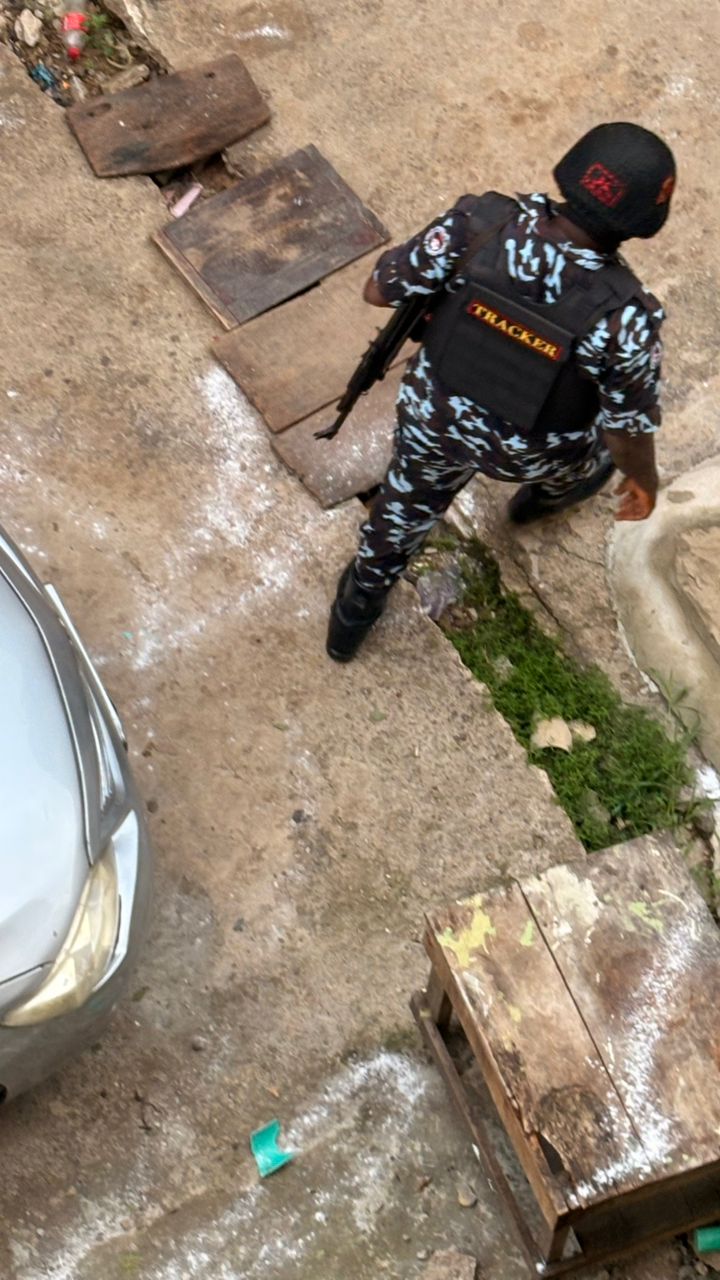
Police Officers Detained as Family Property Dispute Sparks Demolition Controversy in Lagos
By Ifeoma Ikem
A property dispute within the Omotayo-Ojo family has taken a dramatic turn following a controversial demolition exercise at a residential building in Ikosi-Ketu, Lagos State, which reportedly left tenants displaced and led to the detention of some police officers allegedly involved in the operation.

The property, located at 23B Loveall Street, Ikosi-Ketu, has been the subject of a prolonged ownership tussle since the death of its owner, Chief Oludola Omotayo Ojo, the Babaalaje of Imesi-Ile, Osun State, in 2019.
Residents said tension erupted when a group of individuals, accompanied by security operatives, stormed the premises and commenced demolition activities.
According to eyewitnesses, portions of the building were pulled down while tenants rushed to salvage their belongings from affected apartments.
The residents alleged that windows, doors and roofing sheets were damaged during the exercise, exposing parts of the building to the elements and causing significant losses to occupants.
At the centre of the dispute is Mrs Mojisola Omotayo Ojo Alolagbe, who claimed that the property was allocated to her by her late father during his lifetime as a source of financial support.
She alleged that some family members had persistently challenged her ownership claim despite ongoing legal proceedings relating to the administration of the deceased’s estate.
Alolagbe further claimed that the latest incident was part of a series of attempts to wrest control of the property, citing previous cases of alleged vandalism and partial demolition in November 2025, January 2026 and February 2026.
The situation escalated further when reports emerged that police officers allegedly involved in the demolition were later apprehended and conveyed in a Black Maria vehicle over questions surrounding the legality of their participation in the operation.
Sources familiar with the matter said those behind the demolition had initially claimed to be acting on approval from the Lagos State Ministry of Lands. However, the authenticity and extent of such approval could not be independently verified as of the time of filing this report.
The development has generated concern among residents and community members, who questioned the involvement of security personnel in what they described as a civil matter.
Some tenants, who said they had recently renewed their tenancy agreements, lamented the destruction of their property and appealed to the authorities for protection and possible compensation.

They also called for a thorough investigation into the circumstances surrounding the demolition, insisting that the rights of all parties involved should be protected.
Stakeholders have urged the Lagos State Government, security agencies and the judiciary to intervene and ensure that the dispute is resolved through lawful means to prevent further escalation.
The controversy has continued to draw public attention, raising concerns over property rights, estate administration and the role of law enforcement agencies in civil disputes.

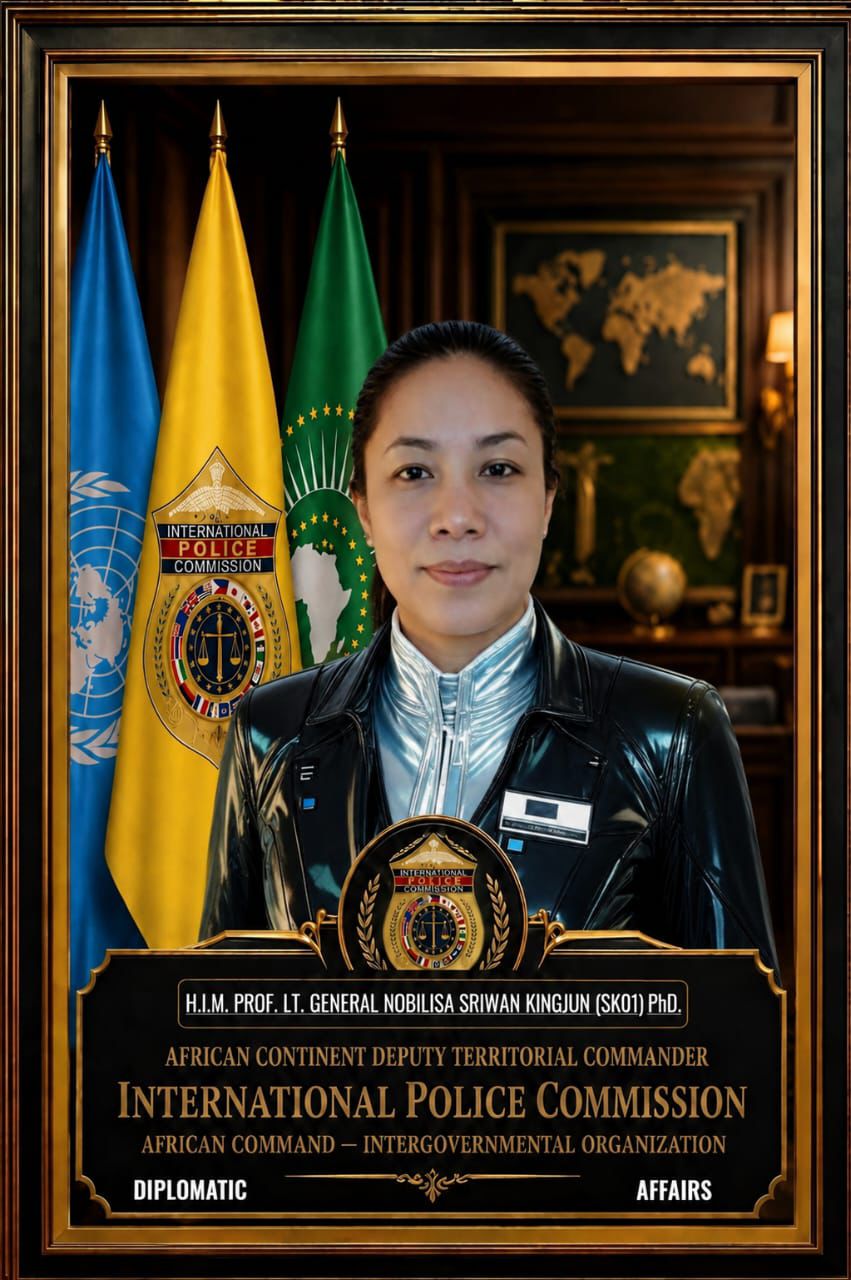
UKA Gears Up for Final ATC Exchangeability Test Run as June Preparations Begin.
May 30, 2026 – As the month of June gathers momentum, the *United Kingdom of Atlantis, UKA*, a sovereign nation has unveiled a series of vital guidelines and preparatory packages to ensure citizens and stakeholders run the *ATC Exchangeability* process effectively.
In an official update, the *President of Atlantic Crown Limited, Empress of Attica Empire UKA*, confirmed that the *Final Test Run of ATC Exchangeability* is scheduled for the month of June 2026. The exercise marks a key phase ahead of the *Official Exchangeability Window, set to run from July 2026 to February 2027*.
### Key Highlights from the Presidential Briefing
1. *Final Test Run – June 2026*
The test run is designed to validate systems, procedures, and user readiness before full activation. Citizens, partners, and designated participants are urged to follow all official advisories released by UKA authorities during this period.
2. *Official Exchangeability Period*
Following the successful completion of the June test run, the Official Exchangeability will commence in july 2026 and we are Expecting Full Exchange ability between July Ending, 2026 to February 2026.
UKA stated that detailed schedules, eligibility requirements, and step-by-step instructions will be communicated progressively through verified UKA channels.
3. *Benefiting Packages for June*
In line with UKA’s commitment to citizen empowerment, the month of June will feature “benefiting packages” aimed at education, preparation, and seamless onboarding. These packages are intended to equip the people of UKA with the knowledge and tools needed for effective participation.
4. *Commitment to Transparency*
Addressing the nation, the Empress of Attica Empire UKA emphasized:
_“Final Test Run of ATC Comes up in The Month of June, As We Prepare For The Official Exchangeability, Between July 2026 To Feb 2027. All Information Will Be Communicated.”_
UKA reaffirmed that only information released through official UKA platforms should be regarded as authoritative.
The United Kingdom of Atlantis is encouraging all citizens, representatives, and interested parties to remain alert to official communications, attend designated orientation sessions, and avoid unofficial sources. UKA’s dedication to order, clarity, and the collective benefit of its people as the nation moves into this significant phase.
For updates, advisories, and participation guidelines, citizens are advised to monitor official UKA communication channels.
United Kingdom of Atlantis, UKA, is a sovereign nation, committed to national development, citizen welfare, and structured economic participation through initiatives such as ATC Exchangeability.
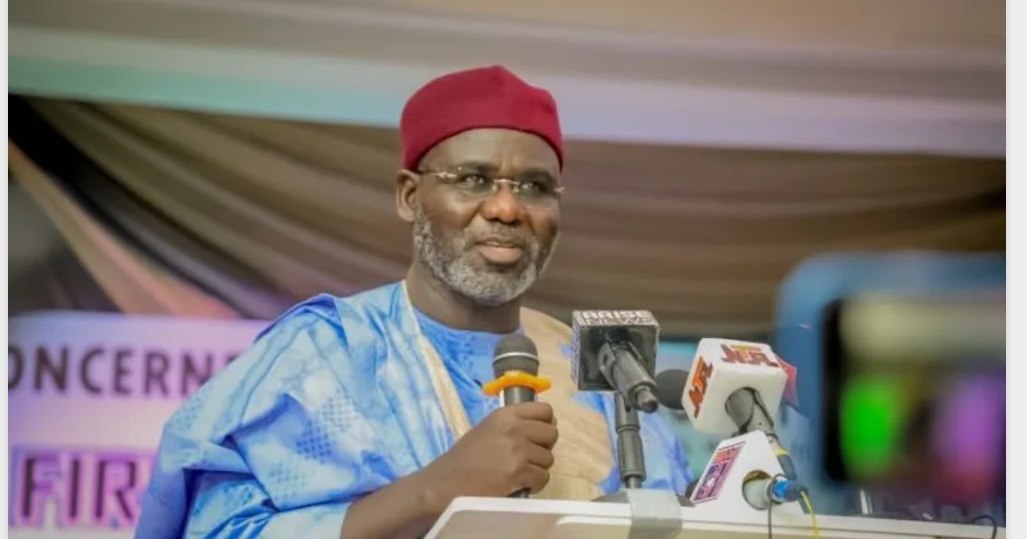
Three Years On, General Buratai Hails Tinubu’s Economic, Security Achievements
Former Chief of Army Staff, Lt. Gen. Tukur Buratai (retd.), has commended President Bola Ahmed Tinubu for what he described as bold economic reforms and improved security efforts as the President marks three years in office.
In a goodwill message on Thursday to commemorate Tinubu’s third anniversary as President and Commander-in-Chief of the Armed Forces, Buratai said the administration had taken courageous decisions that would leave a lasting impact on Nigeria’s development.

According to him, President Tinubu broke a long-standing cycle that had hindered national growth by removing fuel subsidy and implementing foreign exchange reforms aimed at stabilising the naira and strengthening the economy.
He noted that the reforms were beginning to yield positive results, citing the global acceptance of Nigerian debit cards, the gradual revival of local refineries, access to student loans, and ongoing road and infrastructure projects across the country.
“The FCT Administration has also recorded remarkable progress, completing major road projects that remained unfinished for over 16 years,” Buratai stated.
The former army chief also praised the administration’s security efforts, saying renewed military offensives against insurgents, terrorists and bandits had led to notable successes across various parts of the country.
He specifically lauded recent joint operations involving Nigerian and United States forces against Boko Haram and ISWAP in the North-East, as well as intensified counter-banditry operations in the North-West.
“We have seen notorious ISWAP commanders being neutralised. I congratulate the Commander-in-Chief, the Minister of Defence, the Chief of Defence Staff, the Service Chiefs, the Inspector-General of Police and heads of intelligence agencies for their efforts,” he said.
Buratai, however, acknowledged that challenges remained, stressing the need for more aggressive military operations and intelligence-driven strategies in the coming year.
While urging Nigerians to remain hopeful, he said celebrating the President’s achievements did not amount to ignoring the difficulties facing the nation.
“Because you truly care, you have shown the courage to trade short-term comfort for long-term hope. Nigerians need your reassurances, and that is why we remain optimistic and full of confidence,” he added.
The retired military officer reaffirmed his support for the Tinubu administration and expressed confidence that the foundation being laid by the government would deliver a brighter future for the country.
He also prayed for God’s guidance, wisdom, strength and good health for the President as he continues to lead Nigeria.


- Junior Achievement (JA) Africa Delivers 1.6 Million Learning Experiences in a Single Year, Marking Twelve-Fold Growth in Five Years June 5, 2026
- United Nations Mission in South Sudan (UNMISS) helps plant hope among youth on World Environment Day June 5, 2026
- Afreximbank Deepens Engagement with Jamaica to Drive Trade, Investment and Industrialisation June 5, 2026
- World Health Organization (WHO) supports reactive yellow fever vaccination campaign and Bundibugyo virus disease (BVD) preparedness in Liberia June 5, 2026
- Uganda: Museveni pushes for wealth creation through development programmes June 5, 2026
- Africa: UNAIDS calls for renewed global solidarity as UN Secretary-General’s report warns that AIDS is not over and fragile gains are at risk June 4, 2026
- Eritrea: Vocational training provided to college students June 4, 2026
- World Bank Group Launches Ten-Year Strategy to Drive Jobs and Prosperity in Uganda June 4, 2026
- Prof Oramah’s appointments to the Royal African Society Patronage and Kenya’s National Infrastructure Fund herald continued recognition of his global leadership and pan-African impact June 4, 2026
- Africa Finance Corporation Raises Record US$2 Billion Syndicated Loan in Landmark Show of Confidence in Transformational Infrastructure Strategy June 4, 2026
- Junior Achievement (JA) Africa Delivers 1.6 Million Learning Experiences in a Single Year, Marking Twelve-Fold Growth in Five Years June 5, 2026
- United Nations Mission in South Sudan (UNMISS) helps plant hope among youth on World Environment Day June 5, 2026
- Afreximbank Deepens Engagement with Jamaica to Drive Trade, Investment and Industrialisation June 5, 2026
- World Health Organization (WHO) supports reactive yellow fever vaccination campaign and Bundibugyo virus disease (BVD) preparedness in Liberia June 5, 2026
- Uganda: Museveni pushes for wealth creation through development programmes June 5, 2026
- Africa: UNAIDS calls for renewed global solidarity as UN Secretary-General’s report warns that AIDS is not over and fragile gains are at risk June 4, 2026
- Eritrea: Vocational training provided to college students June 4, 2026
-

 news6 months ago
WHO REALLY OWNS MONIEPOINT? The $290 Million Deal That Sold Nigeria’s Top Fintech to Foreign Interests
-

 society1 month ago
SOCIAL MEDIA IS NOT A BATTLEFIELD COMMAND – WHY THE NIGERIAN ARMY’S ACTION AGAINST JUSTICE CRACK IS A NATIONAL SECURITY IMPERATIVE
-

 celebrity radar - gossips4 months ago
Dr. Chris Okafor Returns with Power and Fire of the Spirit -Mounts Grace Nation Altar with Fresh Anointing and Restoration Grace on February 1, 2026
-

 celebrity radar - gossips6 months ago
Prophet Kingsley Aitafo Releases 2026 Prophecy: ‘Nigeria Will Rise, but the World Must Prepare for Turbulence’