
celebrity radar - gossips
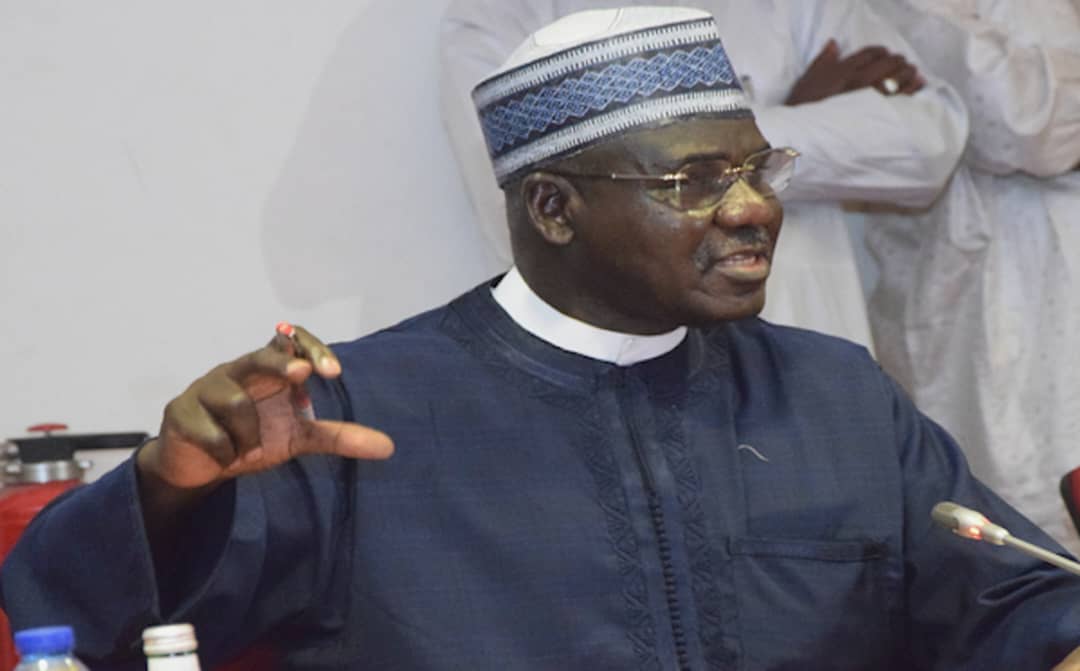
General Buratai: A Sparse Speaker And Still This Legendary Character

General Buratai: A Sparse Speaker And Still This Legendary Character
It was difficult to convince some active-duty and retired military personnel to talk to them about the former Army Chief Lt. General Tukur Yusuf Buratai. Meeting some of these serving officers in the barracks was like daring to enter the lion’s den to steal part of his prey. But even on dangerous terrain, I have done so several times in my job as a journalist. Soldiers are just ordinary folks like us. The difference is the brutal training they underwent to transform from civilians to war machines with the aim of defending a nation’s integrity.
Unless one hits on their beast of prey, these brothers in green uniforms and welding with weapons while standing in their boots in their solidly guts are frequently soft and gentle. Since I have been an investigative journalist with a focus on security reporting for many years, I am aware of the circumstances in which troops would wish to be featured in a story while discussing a sensitive issue. As a result, I gave them the normal assurances of anonymity in the spirit of journalism. And I stick by my commitment to these hapless soldiers who are confined within the barracks’ four walls.
Although they spoke well of the former Army chief, the fear of being witch-hunted by those who may not like their positions on General Buratai should be respected. As such, I have given my words not to mention them in my stories but their mouths have spoken many truths that makes the former COAS the envy of some comrades who lost the spirit of comradeship, which should continue for a lifetime as members of the war spirits.
One of the men who spoke with me described former Army Chief Lt General Tukur Yusuf Buratai as a cherub with eyes over all his wings and therefore, nothing would catch him off guard. ” He is gentle yet strong. I am not surprised that some of his colleagues are envious of his rising political status after retirement. I know some of these stories from your questions but you did not hear anything from me.” One of the Officers said.” You know what they always said, just act like you don’t know, “he added.
I think there should be a curriculum for retired generals and soldiers who are delving into politics after retirement. The unethical approaches and loss of comradeship is tiring the long-known military sayings from the regimented wombs. It was said that, when you have an enemy, he tags along with other enemies to discuss you. But in the end, they are all enemies of one another. As such, whatever they discussed about you in the closet, everything is made open by one of them in the final analysis.
One of them may have revealed the gathering of a few retired generals at the home of one of those hosting them to talk politics and how to keep the former army chief General Tukur Yusuf Buratai away from the Tinubu camp at the table where the dirt was hatched on how to control the Tinubu administration in the coming days. Some of the former generals present at the conference, as well as the opponents, are entering politics on the wrong footings. I purposely chose not to reveal their names in this article, but we do have lists of them.
“They just got together and decided to do all in their power to keep former Army Chief Lt. Gen. Tukur Yusuf Buratai far away from the Tinubu administration. They also had big plans for a smear campaign against him. We must pay close attention to these politics and the flood of retired military personnel. I would like a scenario in which retired military commanders or any other uniformed individuals should be sent back to school to refresh their knowledge of civilian life before re-entering society. The concern is warranted given certain former officers’ actions and what is now going on in our nation with politicians and uniformed personnel.” An impeccable source revealed
Last Tuesday, we revealed efforts to discredit the former chief of the army, Lt. Gen. Tukur Yusuf Buratai, due to internal political conflicts and anticipations for the appointments the Tinubu government is expected to make in the coming days. Truth be told, General Tukur Yusuf Buratai, as reserved as he was, was a crucial component of the security architecture and made a lasting impression on the Nigerian military, making him a legendary figure. It makes sense why he has been the target of those who believe they can erase his accomplishments by tearing him down.
“If the barracks could talk, they would be able to tell you numerous tales about General Buratai that set him apart from other army chiefs who came before him, especially this one who is inviting guests to his home to talk about Buratai. Buratai is still the only military Chief, who receives the same positive feedback from many comrades as the former military president (IBB) does within the military enclaves, if for no other reason. Therefore, it follows that General Buratai won the soldiers’ respect not because he has been the COAS the longest, but rather because he is familiar with their way of thinking.” One of the troops explained.
Indeed, when a general treated his troops as his own children, as they said, they would accompany him into any valley to vanquish his foes. Because of this, nothing concerning the former Army Chief that occurred within or outside the barracks would escape his notice within a 24-hour period. I believe that his soldiers are still showing him thanks by doing this.





Beauty Meets Glamour as Olaide Ogunyemi Opens New Studio in Mushin
Popular Nollywood actress and professional makeup artiste, Olaide Ogunyemi Oluwayemisi aka Damilola, has expanded her footprint in the beauty industry with the grand opening of her new makeup studio in Lagos.
The talented thespian, who is also the Chief Executive Officer of @Dobc_makeovers_andmore, officially unveiled the ultra-modern beauty space last Thursday, April 2, 2026, in a colourful ceremony filled with glamour, fashion, and pageantry.
Strategically located at 101 Palm Avenue, right beside FitPlus and Sparklight Hospital in Mushin area of Lagos, the new studio is designed to offer top-notch beauty services, reflecting Ogunyemi’s commitment to excellence and professionalism in the ever-growing makeup industry.
The opening ceremony attracted friends, colleagues from the Nollywood industry, beauty enthusiasts, and well-wishers who came out in large numbers to celebrate the entrepreneur’s latest milestone. Guests were treated to a vibrant atmosphere that showcased creativity, style, and the evolving standards of the beauty business in Lagos.
Speaking at the event, Ogunyemi expressed her excitement and gratitude, noting that the new studio represents years of hard work, dedication, and passion for her craft. She reaffirmed her commitment to delivering premium beauty services while empowering aspiring makeup artistes.
The launch of the studio further cements her reputation as a dynamic force, successfully blending her career in Nollywood with a thriving beauty brand.
With this latest development, Olaide Damilola Ogunyemi continues to inspire many young entrepreneurs, proving that talent, consistency, and vision remain key drivers of success in Nigeria’s creative and business landscape.


Daniel Eromosele Eulogize Adams Oshiomole as he turns 74 years
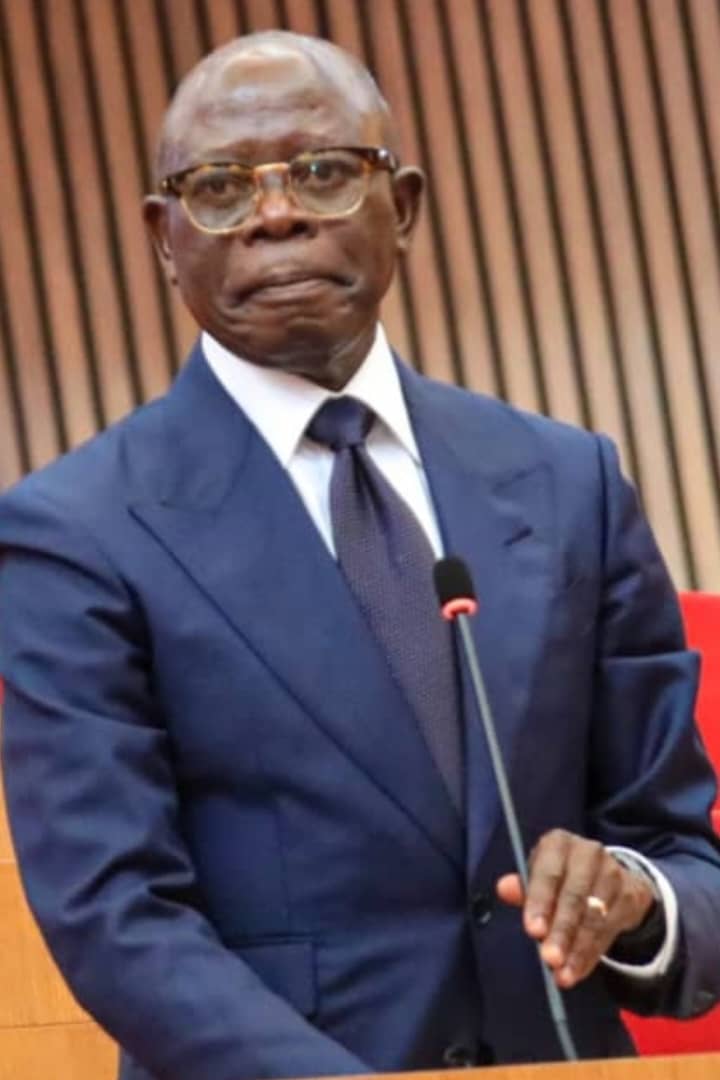
Today, I celebrate an exceptional leader, a fearless voice for the people, and a man whose life has remained a symbol of courage, sacrifice, and unwavering commitment to justice—Distinguished Comrade Senator Adams Aliu Oshiomhole.

Your journey has been nothing short of inspiring. From your days as a vibrant labour leader to your impactful tenure as the Executive Governor of Edo State, and now as a respected Senator of the Federal Republic, you have consistently demonstrated what it means to serve with integrity, strength, and purpose. Your contributions to the growth of our nation and the development of Edo State remain indelible and deeply appreciated.
You have not only built structures and institutions but have also built people. I am personally a beneficiary of your leadership, your guidance, and your belief in empowering others. Your influence in my life has been profound, and I remain grateful for the opportunities and inspiration you have given me.
On this special day, I celebrate not just your achievements, but the man you are—resilient, principled, and ever committed to the progress of Nigeria and her people.

May this new year bring you renewed strength, greater wisdom, good health, and more remarkable accomplishments. May your legacy continue to shine brighter with each passing year.
Happy Birthday, sir. Wishing you many more fruitful and impactful years ahead.
celebrity radar - gossips
Accolades to Empress Genevieve Wining as she Celebrate birthday in Grand style

Accolades to Empress Genevieve Wining as she Celebrate birthday in Grand style
Emmanuel Clement
Vilnius, Lithuania – The Grand Hotel Vilnius will host a grand birthday celebration in honor of Her Majesty The Empress Genevieve Wining of the United Kingdom of Atlantis (UKA) on April 4th, 2026.
The four-day event promises to be an extravagant affair, marking the special birthday of Empress Genevieve Wining. The celebration will take place at the prestigious Grand Hotel Vilnius, Lithuania, renowned for its luxurious ambiance and exceptional service.

According to the event flyer, the birthday celebration will be a spectacular occasion, fitting for an empress. Guests can expect an elegant setting adorned with golden accents, sparkling champagne, and festive decorations, creating a regal atmosphere befitting the occasion.
The Empress Genevieve Wining of UKA is expected to grace the event, which will include various festivities and celebrations in her honor. The occasion aims to bring together dignitaries, followers, and guests to commemorate the empress’s birthday with grandeur and joy.
For media inquiries, accreditation, or further information about the birthday celebration of The Empress Genevieve Wining of UKA, please contact the event organizers.
Courtesy of His Excellency Emperor Prof. Solomon Wining. UKA


- Afreximbank supports Dangote Group as it targets US$100 billion annual revenue by 2030 April 8, 2026
- Africa's top-ranked Global Reporting Initiative (GRI) Training Partner launches 15th cohort of globally recognized sustainability reporting certification April 8, 2026
- African Energy Chamber (AEC) Intervenes in Landmark Climate Case to Defend Africa’s Energy Future April 8, 2026
- Eswatini opens to investors for first-of-its-kind roadshow April 8, 2026
- Egypt: President El-Sisi Meets Ministers of Electricity, Petroleum April 8, 2026
- Seychelles and Japan explore expanded cooperation and future partnerships April 8, 2026
- President Mahama to headline The Africa Debate 2026 as Ghana-United Kingdom (UK) investment ties deepen April 8, 2026
- Angolan Production Gets New Uplift as Eni’s Guido Brusco Joins Angola Oil & Gas (AOG) 2026 April 8, 2026
- Liquid C2 launches Africa’s first Google Cloud-powered Experience Centre to accelerate Artificial Intelligence (AI) adoption April 8, 2026
- Uganda: Opposition calls for reforms amid rising debt burden April 8, 2026
- Afreximbank supports Dangote Group as it targets US$100 billion annual revenue by 2030 April 8, 2026
- Africa's top-ranked Global Reporting Initiative (GRI) Training Partner launches 15th cohort of globally recognized sustainability reporting certification April 8, 2026
- African Energy Chamber (AEC) Intervenes in Landmark Climate Case to Defend Africa’s Energy Future April 8, 2026
- Eswatini opens to investors for first-of-its-kind roadshow April 8, 2026
- Egypt: President El-Sisi Meets Ministers of Electricity, Petroleum April 8, 2026
- Seychelles and Japan explore expanded cooperation and future partnerships April 8, 2026
- President Mahama to headline The Africa Debate 2026 as Ghana-United Kingdom (UK) investment ties deepen April 8, 2026
-

 news4 months ago
WHO REALLY OWNS MONIEPOINT? The $290 Million Deal That Sold Nigeria’s Top Fintech to Foreign Interests
-

 society7 months ago
“You Are Never Without Help” – Pastor Gebhardt Berndt Inspires Hope Through Empower Church (Video)
-

 celebrity radar - gossips2 months ago
Dr. Chris Okafor Returns with Power and Fire of the Spirit -Mounts Grace Nation Altar with Fresh Anointing and Restoration Grace on February 1, 2026
-

 celebrity radar - gossips4 months ago
Prophet Kingsley Aitafo Releases 2026 Prophecy: ‘Nigeria Will Rise, but the World Must Prepare for Turbulence’