
celebrity radar - gossips
God of Jets, Not Jobs: The Unholy Greed of Pastors


God of Jets, Not Jobs: The Unholy Greed of Pastors.
(While factories rot and youths starve, the pulpit dines with politicians).
By George Omagbemi Sylvester | published by saharaweeklyng.com
For years we have blamed Africa’s rot (Nigeria’s especially) on crooked politicians and collapsing institutions. That blame is deserved, but it is not complete. A hard, uncomfortable truth sits in plain sight: a powerful slice of the modern church has chosen spectacle over service, prosperity over productivity and miracle-marketing over the mundane work of industry and jobs. The result is moral confusion and economic decay. In cities like Warri, Lagos and Port Harcourt, abandoned factories that should hum with machines and paychecks now echo with microphones and offering baskets. When pulpits replace production lines, poverty becomes liturgy.

This is not a broadside against faith or the countless pastors and congregations who feed orphans, run clinics and tutor children. It is a charge sheet against a WELL-NETWORKED RELIGIOUS-POLITICAL complex that mirrors the habits of the corrupt state: acquiring land like a feudal lord, converting industrial sites into prayer camps and mega-cathedrals and justifying excess with pious slogans. Nigeria’s own manufacturers’ body reported that hundreds of factories shut down in 2023 under the weight of energy costs, policy whiplash and currency turmoil; 767 closures and 335 distressed firms, according to the Manufacturers Association of Nigeria. As industry gasped, many shuttered spaces found new life not as workshops but as worship halls. Punch and The Guardian (Nigeria) have chronicled churches becoming the “new tenants” of old industrial estates; policy analysts have flagged the conversion of factory premises into event and worship centers as “worrisome” for jobs and competitiveness.

Let’s call this what it is: a reallocation of scarce urban land from production to passion. Scholars studying Lagos’s urban form describe how neo-Pentecostal infrastructures (prayer camps, auditoria and religious real estate) are literally remaking the city’s map, often without a corresponding boost to broad-based employment or skills. The political economy of these prayer cities may create enclaves of private order, but they do not substitute for the machine shop that trains apprentices or the light-manufacturing plant that anchors a value chain.
This drift has spiritual consequences, too. Paul Gifford, one of the most important scholars of African Christianity, argues that parts of the prosperity gospel (“covenant wealth” secured through tithes and tokens) are the antithesis of the sober, work-ethic tradition that historically linked faith to productivity and institutional responsibility. In his reading, the pastor’s personality cult risks reproducing Africa’s “Big Man” politics inside the church. Ruth Marshall’s landmark study of Nigeria’s Pentecostal revolution shows how powerful ministries have become political actors, shaping public morality and elections, yet too often without the accountability that genuine public service demands.
Meanwhile, the optics are obscene. Even as factories die and graduates hawk sachet water, headlines and watchdogs periodically highlight televangelists defending private jets and fleets of luxury cars as “necessities” of ministry. The United States has its own gaudy examples and the rhetoric used to justify them is depressingly familiar on our shores: evangelism is faster in a Gulfstream; commercial flights are “hostile” to communion with God. When religious elites flaunt luxury while congregants struggle, the line between prophet and politician blurs into a single gilded table.
This is not merely an aesthetic problem. It is a moral failure that weakens the social contract. The late Archbishop Desmond Tutu warned, “If you are neutral in situations of injustice, you have chosen the side of the oppressor.” A church that refuses to challenge job-killing policies, that benefits from industrial collapse by buying up plants for prayer, cannot claim neutrality. It has chosen. Dr. Martin Luther King Jr. put it even more sharply in 1963: the church must not be a thermometer reflecting public opinion but a thermostat transforming society’s morals. Our religious establishment has often preferred the easy warmth of applause to the hard heat of reform.
To be crystal-clear: faith communities have enormous power for good. They educate millions, deliver health care where the state is absent and knit together fragile neighborhoods. Power misused is corruption by another name. If a governor who hoards SUVs while hospitals lack oxygen is condemned, then a pastor who hoards aircraft while members cannot afford insulin deserves the same scrutiny. That is not anti-Christian; it is pro-conscience.
The economic case: jobs not just jamborees.
Manufacturing is a jobs engine. When hundreds of Nigerian factories went under in 2023, the losses cascaded through suppliers, transporters, service firms and households. Turning those sites into worship arenas extracts demand from the surrounding economy (parking on weekends, a few vendors) but destroys the production ecosystems that train artisans and pay steady wages. When The Guardian and Punch reported churches taking over failed companies’ premises, they captured a symbolic tragedy: we are praying for jobs in the very halls where jobs once existed.
Urban scholars have documented how mega-ministries build parallel infrastructures (roads, utilities, private security) around prayer camps. That can look like “development,” but it is development for members, not citizens; for enclaves, not economies. Lagos’s reconfiguration by religious real estate should alarm any planner serious about inclusive growth.
The theological case: work as witness.
Max Weber’s classic insight (hotly debated but still useful) is that faith traditions can discipline economic life. He contrasted a stern work ethic with magical thinking that treats wealth as a sign of favor detached from productive effort. When pastors preach “breakthroughs” more than budgets, “mantles” more than machinery, they baptize a lottery mentality. Gifford’s critique tracks this drift in parts of African Christianity; Marshall shows how the spiritualization of politics can become an escape hatch from responsibility. A church obsessed with seed-sowing but bored by supply chains is not a thermostat; it’s a fog machine.
A five-point manifesto for reform.
If the church is serious about nation-building, it must prove it; in concrete, steel and payslips:
Re-industrialize the grounds you occupy. If a ministry acquires a defunct factory, it should revive production on-site: lease a wing to SMEs, install a training center linked to local manufacturers or run a cooperative that fabricates furniture, garments or solar kits. Sunday services should FUND MONDAY-THROUGH-FRIDAY WORK. (City authorities can incentivize this with tax rebates for every job created.) The alternative is sanctified de-industrialization.
Publish audited accounts and related-party transactions. If politicians must declare assets, pastors who solicit public donations should publish independent audits, disclose land banks and vehicle fleets and list any businesses owned by the “man of God” and relatives that contract with the church. Financial sunlight is spiritual hygiene.
Adopt a “No Jet Until 10,000 Jobs” covenant. Any church considering private aircraft should first demonstrate (publicly) that it has helped create or sustain 10,000 verifiable jobs in its host communities through investments, apprenticeships or supply-chain partnerships. If that sounds radical, compare it to the radicality of the gospel’s demands for the poor. (And remember how grotesque the justifications for jets have sounded in other contexts.)
Tithe to industry. Earmark at least 10% of all offerings to a transparent, independently governed Local Enterprise Fund that backs tool-shops, agro-processing and repair clusters around the church. Publish the portfolio quarterly. Transform “seed” into steel.
Preach the dignity of building as hard as you preach the danger of “enemies.” Replace warfare liturgies with workshops. Teach financial literacy, export basics, safety standards and coding. Partner with polytechnics. Make altar calls for welders and machinists.
A word to regulators and city planners.
Governments enabled this drift by failing at energy, logistics and credit and by looking the other way as zoning laws were bent into halos. Nigeria needs an industrial land-use compact: once-industrial zones should not be casually converted to non-productive uses; any religious conversion must carry binding obligations for vocational training and SME tenancy. When the FT, Punch and MAN warn about factory carnage, policymakers must treat industrial land as a strategic asset, not a soft target for quick sales.
The moral bottom line.
The church that dines with politicians while congregants queue for fuel has forfeited the authority to thunder about “destiny helpers.” The pastor who hoards land and jets while factories die is not merely tone-deaf; he is an accomplice to unemployment. Tutu’s admonition and King’s thermostat test stand at the door of the sanctuary. Pass or fail.
Nigeria does not need fewer prayers. It needs prayers with payrolls. It needs pulpits that can drill boreholes and balance books, that can bless machines as readily as microphones. It needs bishops who will turn back from vanity purchases and turn abandoned plants into vocational hubs. It needs ministries that trade celebrity for citizenship.
If you’re reading this as a church leader, consider it an altar call of a different kind. Open your books. Reopen a factory. Fund a welding school. Lease space to small manufacturers at peppercorn rent. Publish impact numbers. And when next you stand before your people, remember the standard King set: be a thermostat. Set the temperature of our public life to justice, truth and work, then hold it there.
Until the pulpit returns the factory to the people, the gospel we preach in Africa will remain a loud cymbal in an empty hall; BEAUTIFUL on Sunday, USELESS by Monday.


Byline: George Omagbemi Sylvester
Publication: saharaweeklyng.com




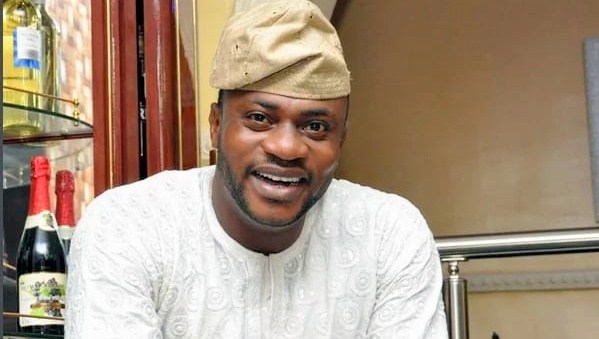
King of the Screen: Why Odunlade, Muyiwa, Femi Adebayo Remain Yoruba Movie Giants
The Yoruba movie industry has continued to produce legendary talents whose influence stretches beyond Nigeria to global audiences. Over the years, some actors have distinguished themselves through consistency, versatility, box office success, and cultural impact.
Among the numerous stars in Nollywood’s Yoruba sector, three actors have remained dominant figures whose names constantly resonate with fans and filmmakers alike — Odunlade Adekola, Muyiwa Ademola, and Femi Adebayo.

Odunlade Adekola: The Street King of Yoruba Cinema
Popularly regarded as one of the most entertaining actors in Nollywood, Odunlade Adekola has built a unique reputation through his energetic delivery, comic timing, emotional depth, and strong connection with grassroots audiences.
From comedy to action and emotional family dramas, the actor has consistently proven his versatility in blockbuster productions. His ability to interpret diverse roles effortlessly has made him a household name across Nigeria.
Industry observers believe his dominance on social media platforms, where his movie clips frequently go viral, has further strengthened his popularity among younger audiences.
Beyond acting, Odunlade has also contributed immensely to mentoring upcoming talents and expanding the commercial value of Yoruba films.
Muyiwa Ademola: The Master Storyteller

For many lovers of indigenous movies, Muyiwa Ademola remains one of the finest storytellers the Yoruba film industry has produced.
Widely respected for producing emotional and morally driven movies, the actor earned massive recognition through classic productions that focused on family values, culture, betrayal, perseverance, and societal lessons.
His calm delivery, deep scripts, and originality have kept him relevant despite changing trends in the entertainment industry.
Film critics often describe Muyiwa Ademola as one of the few actors whose productions combine entertainment with strong cultural education, making his movies timeless among older and younger viewers alike.
Femi Adebayo: The Modern-Day Box Office Force

Femi Adebayo has successfully combined traditional Yoruba storytelling with modern cinematic excellence, helping to project indigenous films to international audiences.
The actor, filmmaker, and producer has recorded major successes with high-budget productions that gained attention on streaming platforms and cinemas.
Known for his professionalism and attention to detail, Femi Adebayo has continued to push Yoruba movies beyond local boundaries while preserving cultural identity.
Entertainment analysts say his ability to blend culture, technology, and quality production has positioned him among the leading faces shaping the future of Yoruba cinema.
Growing Global Influence
The success of these actors reflects the increasing acceptance of indigenous Nigerian content globally. With streaming platforms creating wider access to local movies, Yoruba actors are now gaining international recognition and attracting new audiences.
Fans and stakeholders in the entertainment industry believe the contributions of Odunlade Adekola, Muyiwa Ademola, and Femi Adebayo have not only sustained Yoruba culture through film but have also elevated Nollywood’s global reputation.
celebrity radar - gossips
Eid-el-Kabir: Olowu of Kuta Urges Peace, Unity, Selflessness Among Nigerians
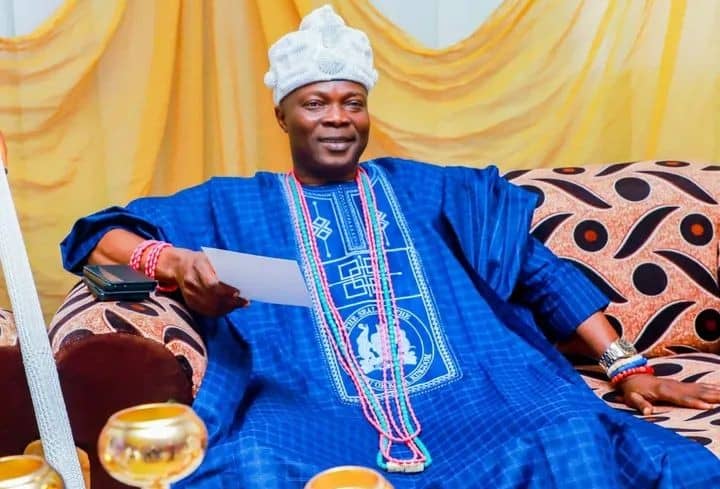
Eid-el-Kabir: Olowu of Kuta Urges Peace, Unity, Selflessness Among Nigerians
The Olowu of Kuta, HRM Oba Dr. Hammed Makama Oyelude, CON, Tegbosun III, has called on the Muslim Ummah and all Nigerians to make peace, unity, and selflessness their guiding principles as the world marks this year’s Eid-el-Kabir celebration.
In his Sallah message, the revered monarch described Eid-el-Kabir as a “highly spiritual occasion that demands dedication, commitment, and selflessness.”
Oba Makama said the period should be used to reflect on societal happenings and promote messages of hope and unity without inciting provocation.
He urged Nigerians to live together harmoniously, irrespective of religious, political, or tribal affiliations, stressing that politicians should exercise restraint and avoid inflammatory rhetoric ahead of the 2027 general elections.
“What should be uppermost in the mind of every patriotic Nigerian is **‘Country first,’” he said.
The monarch also appealed to citizens to remain vigilant in the face of insecurity, reassuring that the armed forces and paramilitary agencies are working round the clock to ensure a smooth and peaceful celebration.
“The price wise men pay for eternal liberty is vigilance. I urge everyone to celebrate moderately and extend a helping hand to the less privileged, widows, and orphans, embracing them as our brothers and sisters,” Olowu Makama added.
He concluded by wishing all Nigerians a peaceful and fulfilling Eid-el-Kabir celebration.
celebrity radar - gossips
Oba Babatunde Saliu Elebo II Felicitates Muslims on Eid-el-Kabir Celebration
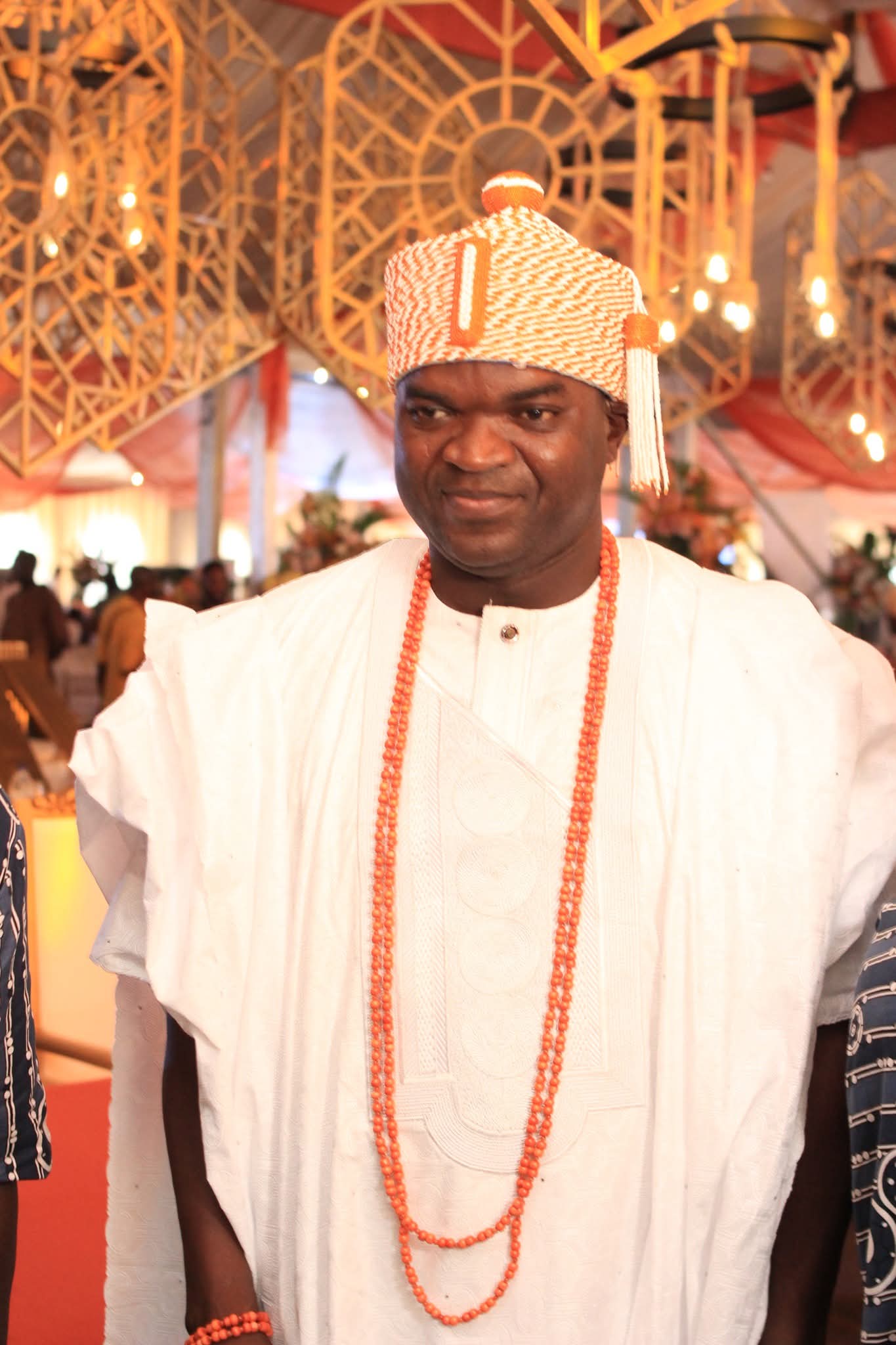
Oba Babatunde Saliu Elebo II Felicitates Muslims on Eid-el-Kabir Celebration
By Adeyemi Obadimu Veron
The Oloworo of Oworosoki Kingdom, Oba Babatunde Saliu Elebo II, has extended warm greetings and heartfelt felicitations to Muslims across Nigeria and the world at large on the joyous occasion of the 2026 Eid-el-Kabir celebration.
In a statement made available to Newsmen, the revered monarch urged Muslims to embrace the true teachings of Islam by promoting peace, love, unity, sacrifice, and compassion during and after the festive period.
Oba Babatunde Saliu Elebo II noted that Eid-el-Kabir, also known as Salah, remains one of the most significant celebrations in Islam as it symbolizes total obedience, faith, and devotion to Almighty Allah, drawing inspiration from the unwavering sacrifice of Prophet Ibrahim (Abraham), who demonstrated complete submission to the will of God.
According to the monarch, the Holy Qur’an teaches believers the importance of righteousness, kindness to humanity, tolerance, and support for the less privileged in society. He emphasized that the season should serve as a reminder for all Nigerians to live in harmony irrespective of religion, ethnicity, or political differences.
The royal father further called on Muslims to use the sacred period to pray fervently for peace, stability, economic growth, and sustainable development in Nigeria, stressing that national progress can only thrive in an atmosphere of unity and mutual understanding.
Oba Saliu also encouraged the faithful to extend hands of generosity to widows, orphans, and vulnerable members of society, noting that the essence of Eid-el-Kabir goes beyond celebration and feasting, but also reflects the spirit of sharing and caring for humanity as instructed in the Qur’an.
While wishing Muslims a peaceful and memorable Eid celebration, the Oloworo of Oworosoki prayed for divine blessings, prosperity, good health, and continued harmony in homes and communities.
“May this year’s Eid-el-Kabir strengthen our faith, deepen our love for one another, and bring renewed hope and abundant blessings to our nation,” the monarch stated.


- Afreximbank Deepens Commitment to Economic Progress in The Bahamas June 1, 2026
- African Electric Vehicle (EV) platform Spiro raises $215M in equity to scale electric mobility and energy infrastructure across Africa June 1, 2026
- Africa Centres for Disease Control and Prevention (Africa CDC) Statement on Attacks Against Health Facilities During the Bundibugyo Virus Disease Response in the Democratic Republic of the Congo June 1, 2026
- Putting consumers at the centre of Africa’s dairy transformation June 1, 2026
- International Rescue Committee (IRC) warns Democratic Republic of the Congo (DRC) Ebola outbreak likely far larger than official figures suggest June 1, 2026
- South Africa: Portfolio Committee on Health Marks National Cancer Survivor Day and Reaffirms Importance of Early Detection and Public Awareness June 1, 2026
- Rwanda’s RSSB Tigers Crowned 2026 Basketball Africa League Champions June 1, 2026
- Uganda: Appointments Committee Begins Vetting of Ministerial Nominees June 1, 2026
- Sudan braces for worsening child malnutrition as pre-harvest season starts June 1, 2026
- Etu Energias Strengthens Angolan Footprint, Returns to Angola Oil & Gas (AOG) 2026 as Champion Sponsor June 1, 2026
- Afreximbank Deepens Commitment to Economic Progress in The Bahamas June 1, 2026
- African Electric Vehicle (EV) platform Spiro raises $215M in equity to scale electric mobility and energy infrastructure across Africa June 1, 2026
- Africa Centres for Disease Control and Prevention (Africa CDC) Statement on Attacks Against Health Facilities During the Bundibugyo Virus Disease Response in the Democratic Republic of the Congo June 1, 2026
- Putting consumers at the centre of Africa’s dairy transformation June 1, 2026
- International Rescue Committee (IRC) warns Democratic Republic of the Congo (DRC) Ebola outbreak likely far larger than official figures suggest June 1, 2026
- South Africa: Portfolio Committee on Health Marks National Cancer Survivor Day and Reaffirms Importance of Early Detection and Public Awareness June 1, 2026
- Rwanda’s RSSB Tigers Crowned 2026 Basketball Africa League Champions June 1, 2026
-

 news6 months ago
WHO REALLY OWNS MONIEPOINT? The $290 Million Deal That Sold Nigeria’s Top Fintech to Foreign Interests
-

 society4 weeks ago
SOCIAL MEDIA IS NOT A BATTLEFIELD COMMAND – WHY THE NIGERIAN ARMY’S ACTION AGAINST JUSTICE CRACK IS A NATIONAL SECURITY IMPERATIVE
-

 celebrity radar - gossips4 months ago
Dr. Chris Okafor Returns with Power and Fire of the Spirit -Mounts Grace Nation Altar with Fresh Anointing and Restoration Grace on February 1, 2026
-

 celebrity radar - gossips6 months ago
Prophet Kingsley Aitafo Releases 2026 Prophecy: ‘Nigeria Will Rise, but the World Must Prepare for Turbulence’