
Business
Gov. Fayose, Tope aluko engage in Word war, call each each other abusive names

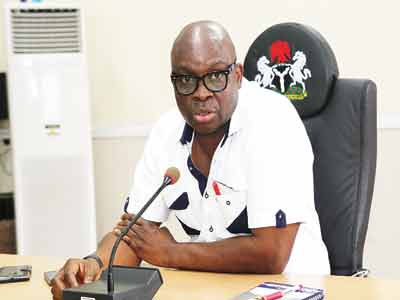


Embattled erstwhile Secretary of the Ekiti State Peoples’ Democratic Party, PDP, Mr. Tope Aluko may have drawn Governor Ayodele Fayose into a fresh verbal battle as he described him as a man running from his shadows, saying his day of reckoning is at hand. He also said that there was nothing new in the arrest and detention of Ekiti lawmaker and some officials of the state, saying he suffered the same fate in the hands of the security agencies, according to him, “I have stayed 12 days with SSS, five days with police and five days with the the EFCC.” Speaking for the governor however, is his Special Assistant on Public Communications and New Media, Lere Olayinka who described Aluko as the present-day Judas of Ekiti State, saying; “The man is a grade A scammer who is living large on the millions he is making from his present anti-Fayose agenda.” Speaking with newsmen in Ado-Ekiti yesterday, Aluko said his confession about the alleged electoral maleficence in the June 21 2014, governorship election in Ekiti State has fetched him nothing but trouble, as even the All Progressives Congress, APC, members have been writing petitions against him. According to the former PDP scribe, “the APC has been writing petition against me on what I said on Channels Television, and it came as a rude shock to me when the government (Ekiti state government) said that I’m Judas, they are the Judas anyway, because they betrayed me. I am still a member of the Peoples’ Democratic Party. It is APC that is petitioning me over this issue I trashed out on channels television recently. “They petitioned me, and I have stayed 12 days with SSS, five days with police and five days with the the EFCC . So I’m actually on bail from these security operatives.” Aluko insisted that he remained a member of the PDP and secretary of the party in Ekiti. “The security operatives invited me and I went, they did not maltreat me and I don’t know if they would still charge me to court, but I’m actually on bail from the security agencies and my mind is free. I don’t know if they will still invite me tomorrow. I have said all I have to say on Channels Television and my mind is free. I’m not afraid if any agency invites me I will go.” Olayinka, who insisted that Aluko has turned himself into tools in the hands of the All Progressives Congress (APC), added that; “Aluko and his likes can continue to run from pillar to post, all their efforts will come to nought and like the Biblical Judas, we will all live to see how those treating him like their man Friday now will dump him.” The governor’s spokesperson said it was laughable that someone who was duly expelled from the PDP was still claiming to be member of the party, saying; “Can Aluko be member of PDP by force even when PDP has said he is not wanted?” He said; “In saner climes, Aluko, who by himself confessed to have committed crime should be in jail by now. “Finally, Aluko can continue with his journey of political perfidy. He can keep running while enjoying the proceeds of his political 419. But like the Biblical Judas, he can only run, he will be caught by his deeds one day.” Olayinka said.




ADVAN Earns Global Recognition As WFA President’s Award Winner For “Project Freedom”
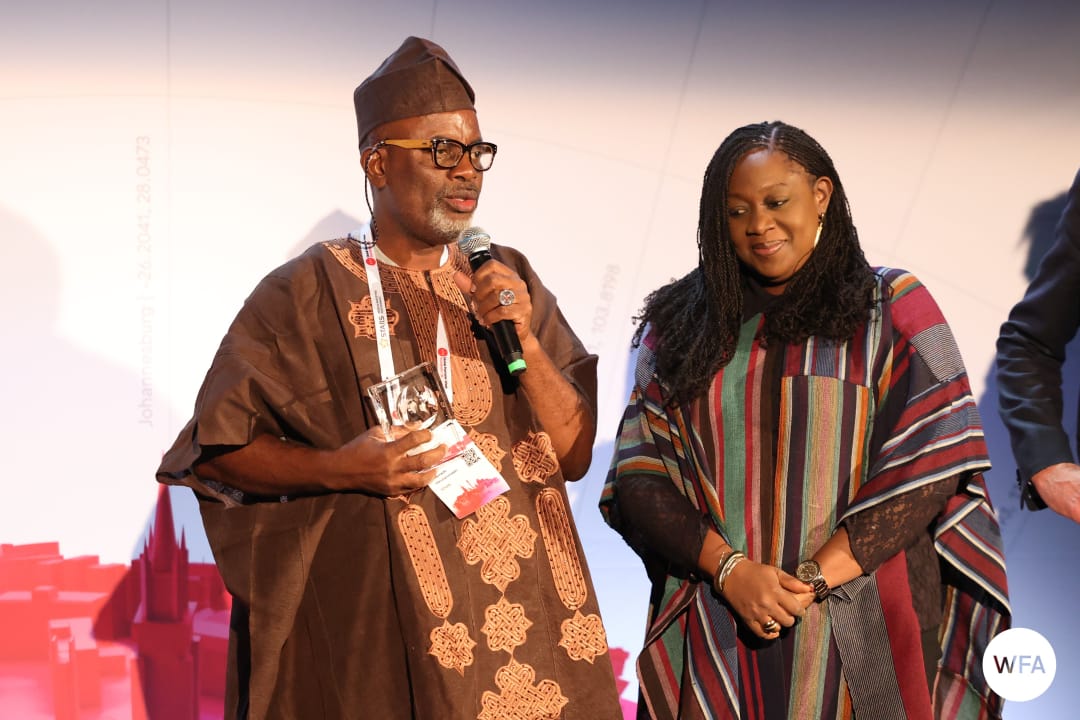
The Advertisers Association of Nigeria (ADVAN) has been recognised on the global stage as a recipient of the prestigious WFA President’s Award, presented by the World Federation of Advertisers during its Global Marketer Week in Stockholm. The recognition places ADVAN among a select group of leading industry associations worldwide acknowledged for driving meaningful impact in marketing and society.
The WFA President’s Awards, established in 2010, celebrate national industry associations whose initiatives advance the marketer’s agenda and contribute to positive change. This year’s honours were awarded following a rigorous selection process involving 38 submissions from associations across the WFA’s global network, with winners chosen for their measurable impact and potential for replication across markets.
ADVAN’s recognition comes through its advocacy initiative, Project Freedom, a bold and strategic effort focused on addressing the challenges of stifling, non–data-driven regulations affecting businesses in Nigeria and across Africa. The initiative underscores the importance of evidence-based policymaking while championing the constitutional right to freedom of commerce.
Through Project Freedom, ADVAN has taken a proactive leadership role in engaging key stakeholders and shaping conversations around fair, balanced, and transparent regulation. The initiative reflects a shift toward constructive dialogue and collaboration, ensuring that regulatory frameworks support innovation, protect consumer interests, and enable sustainable business growth.
By earning this global recognition, ADVAN reinforces the growing influence of African marketing institutions in shaping international discourse. Its work highlights how local advocacy, when rooted in data and guided by clear principles, can deliver impact not just within national borders but across the global marketing ecosystem.
The award also affirms ADVAN’s commitment to strengthening self-regulation within the industry, fostering accountability, and promoting standards that align with global best practices while remaining relevant to local realities.
As the marketing landscape continues to evolve, ADVAN’s recognition by the World Federation of Advertisers signals a strong endorsement of its leadership and vision. It positions the association as a key voice in advancing responsible marketing, advocating for enabling policies, and ensuring that businesses can operate in an environment that supports both innovation and economic freedom.


*PUBLIC NOTICE*: Revalidation of UNIPGC Organizational Status
To prevent any misunderstanding regarding our affiliation with the United Nations, we hereby provide a formal clarification on the status and identity of the United International Peace and Governance Council (UNIPGC), formerly known as IPGC.
UNIPGC is an independent Civil Society Organization and Non-Governmental Organization with continental chapters registered in the United States, Germany, Canada, and several countries across Africa. The organization is committed to promoting the values and principles of the United Nations, particularly in advancing Sustainable Development Goal 16 (Peace, Justice, and Strong Institutions), as well as advocating for good governance globally.
In furtherance of its mandate, UNIPGC has established partnerships with reputable diplomatic civil society organizations, including the United Nations Association of Nigeria and the United Nations Association of Ghana. These collaborations are aimed at strengthening its engagement with initiatives aligned with United Nations ideals.
Additionally, UNIPGC has entered into diplomatic relations with the International Organization for Economic Development (IOED), an Intergovernmental Organization (IGO), to enhance its capacity for international cooperation and diplomatic engagement.

We wish to clearly state that UNIPGC is **not** an entity, agency, or organ of the United Nations.
Members of the public and media practitioners are respectfully advised to refer to the organization by its full and correct name: **United International Peace and Governance Council (UNIPGC)**, and not as the United Nations.
Thank you.
Business
Laffmattazz Announces Strategic Partnership with First Bank of Nigeria Limited for 2026 International Tour
Laffmattazz Announces Strategic Partnership with First Bank of Nigeria Limited for 2026 International Tour
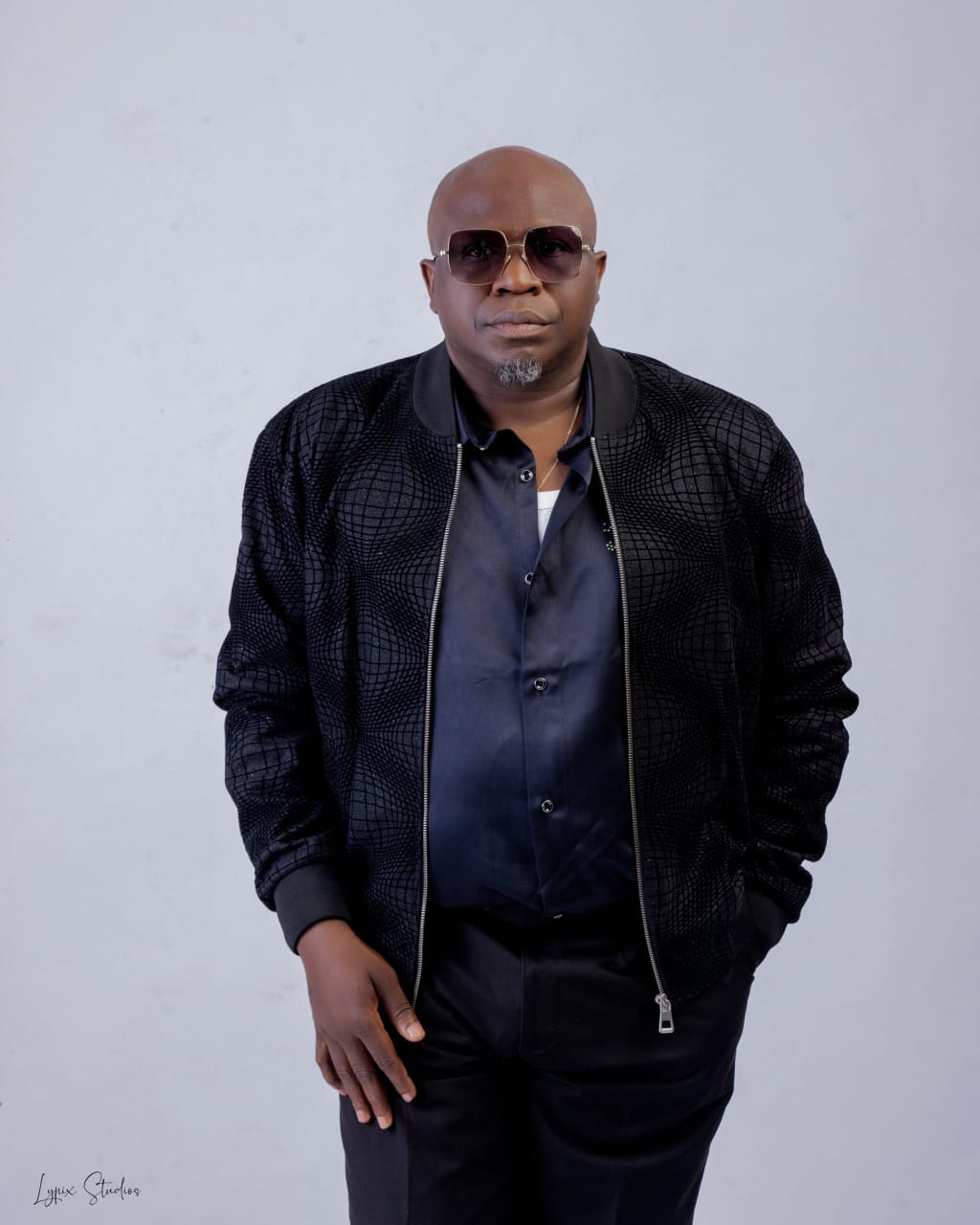
Laffmattazz, one of Nigeria’s foremost comedy and live entertainment brands, is pleased to announce its official partnership with First Bank of Nigeria Limited for the highly anticipated Laffmattazz 2026 International Tour, themed “Next Chapter: A New Season of Laughter.”
Now in its 15th year, Laffmattazz—the brainchild of renowned Nigerian comedian Gbenga Adeyinka (Gbenga Adeyinka 1st)—has evolved into a cultural phenomenon, celebrated for its seamless fusion of comedy, music, and live stage performances.
The 2026 tour, which kicked off on Easter Sunday, April 5th, 2026 at the Jogor Centre, Ibadan, marks a significant milestone in the brand’s journey. Building on over a decade of success across Nigeria, this year’s edition signals a bold expansion into the international market, with a multi-city run in Canada, alongside major stops in Akure, Abeokuta, and Lagos.
This strategic partnership with First Bank of Nigeria Limited underscores a shared commitment to excellence and innovation. It is also aligned with FirstBank’s First@Arts initiative—a significant and ongoing program dedicated to supporting the creative arts, entertainment, and cultural sectors. Through this initiative, FirstBank provides financing, advisory services, and actively fosters a sustainable value chain for artists and creative entrepreneurs, while supporting key industry platforms such as the Nigerian Entertainment Conference.
Speaking on the collaboration, the Laffmattazz team stated:
“We are delighted to welcome First Bank of Nigeria Limited as a strategic partner for the Laffmattazz 2026 International Tour. As we mark 15 remarkable years of Laffmattazz, this partnership reinforces our vision to take premium Nigerian entertainment beyond borders, while delivering even bigger, better, and more memorable experiences for our audiences.”
As a key partner, First Bank will enrich the tour through innovative customer engagement initiatives, experiential activations, and exclusive fan experiences across all tour locations.
With its distinctive blend of humor, culture, and live entertainment, the Laffmattazz 2026 Tour is poised to connect audiences across cities and continents, bringing laughter to thousands of fans worldwide.
⸻
About Laffmattazz
Laffmattazz is a premier Nigerian comedy and entertainment brand, now in its 15th year, renowned for its vibrant live shows and nationwide tours. Founded by Gbenga Adeyinka 1st, the brand continues to deliver high-quality experiences that celebrate creativity, culture, and laughter.
About First Bank of Nigeria Limited
First Bank of Nigeria Limited is Nigeria’s oldest financial institution, widely respected for its legacy of trust, innovation, and customer-centric financial solutions that support economic growth and development. Through its First@Arts initiative, the Bank continues to play a pivotal role in empowering the creative industry and driving sustainable growth across the sector.


- Ambassador Gao Wenqi Calls on Chairperson of Rwanda National Commission for Human Rights April 25, 2026
- President Barrow Receives United States (U.S.) Embassy Chargé d’Affaires and African Union (AU) Sahel Delegation, Reaffirms Commitment to Peace, and Regional Dialogue April 25, 2026
- President El-Sisi Returns to Egypt after Attending a Meeting of Regional and European Union (EU) Leaders in Cyprus April 25, 2026
- Acute food insecurity and malnutrition remain alarmingly high as crises deepen, United Nations (UN), European Union (EU) and partners warn in new report April 25, 2026
- African Union Commends Morocco’s Strategic Contribution to Peace, Security and Governance in Africa While Jointly Advancing Electoral Integrity and Digital Democracy April 25, 2026
- Nigeria - Engagement Between Tanzania Building Agency (TBA) and Department of Facility Maintenance and Management, Federal Capital Territory Administration (FCTA) April 24, 2026
- Tanzania Building Agency (TBA) Study Tour to the Abuja Investment Company Limited April 24, 2026
- United States (U.S.) Revitalizes Key Credit Guarantee Program to Boost Agricultural Trade with Nigeria April 24, 2026
- South Sudan: Space for Peace – Resettlement of displaced families changes lives and livelihoods in Wau April 24, 2026
- Food and Agriculture Organization of the United Nations (FAO) and partners unpack bottlenecks and solutions for formal cross border agritrade in Southern Africa April 24, 2026
- Ambassador Gao Wenqi Calls on Chairperson of Rwanda National Commission for Human Rights April 25, 2026
- President Barrow Receives United States (U.S.) Embassy Chargé d’Affaires and African Union (AU) Sahel Delegation, Reaffirms Commitment to Peace, and Regional Dialogue April 25, 2026
- President El-Sisi Returns to Egypt after Attending a Meeting of Regional and European Union (EU) Leaders in Cyprus April 25, 2026
- Acute food insecurity and malnutrition remain alarmingly high as crises deepen, United Nations (UN), European Union (EU) and partners warn in new report April 25, 2026
- African Union Commends Morocco’s Strategic Contribution to Peace, Security and Governance in Africa While Jointly Advancing Electoral Integrity and Digital Democracy April 25, 2026
- Nigeria - Engagement Between Tanzania Building Agency (TBA) and Department of Facility Maintenance and Management, Federal Capital Territory Administration (FCTA) April 24, 2026
- Tanzania Building Agency (TBA) Study Tour to the Abuja Investment Company Limited April 24, 2026
-

 news4 months ago
WHO REALLY OWNS MONIEPOINT? The $290 Million Deal That Sold Nigeria’s Top Fintech to Foreign Interests
-

 celebrity radar - gossips3 months ago
Dr. Chris Okafor Returns with Power and Fire of the Spirit -Mounts Grace Nation Altar with Fresh Anointing and Restoration Grace on February 1, 2026
-

 celebrity radar - gossips6 months ago
End of an Era: Nigeria Mourns Evangelist Dr. Uma Ukpai, 80
-

 celebrity radar - gossips5 months ago
Prophet Kingsley Aitafo Releases 2026 Prophecy: ‘Nigeria Will Rise, but the World Must Prepare for Turbulence’
You must be logged in to post a comment Login
You must log in to post a comment.