
society
IGBOS DIDN’T JOIN THE NATIONWIDE PROTESTS IN HONOUR OF OUR LATE HERO AND PRESIDENT GENERAL OF OHANAEZE NDIGBO CHIEF DR. EMMANUEL IWUANYANWU CFR BY CHINEDU NSOFOR

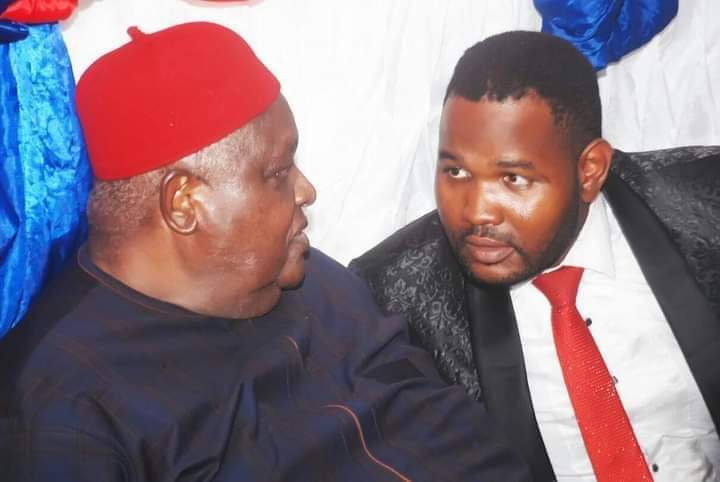
IGBOS DIDN’T JOIN THE NATIONWIDE PROTESTS IN HONOUR OF OUR LATE HERO AND PRESIDENT GENERAL OF OHANAEZE NDIGBO CHIEF DR. EMMANUEL IWUANYANWU CFR
BY
CHINEDU NSOFOR
_In the face of national unrest, the Igbo Nation stood apart, guided by the sagacious counsel of our late leader, Chief Dr. Emmanuel Iwuanyanwu CFR. As Nigeria grapples with the aftermath of widespread protests against bad governance, the decision of Ndigbo to abstain speaks volumes about leadership, unity, and the quest for justice._
The National Outcry and Its Suppression
Nigeria recently witnessed one of its most turbulent periods as citizens from various states took to the streets, protesting against longstanding issues of corruption, poor governance, and systemic failures. The protests, which began peacefully, soon met with fierce resistance from government forces. Reports indicate numerous arrests, with several protesters injured and some unconfirmed fatalities. Major cities like Lagos, Abuja, and Kano became epicenters of these confrontations, leading to curfews and a heightened military presence.
Yet, amidst this nationwide turmoil, one region’s silence was deafening: the Southeast, predominantly inhabited by we, the Igbos.
A History Marked by Marginalization
To understand the gravity of this abstention, one must delve into the historical context. We, the Igbo people, industrious and resilient, have often felt the brunt of systemic marginalization in Nigeria. From the aftermath of the Biafran War to the evident underrepresentation in federal appointments and infrastructural development, Ndigbo’s grievances are both deep-rooted and multifaceted.
Economic policies have frequently sidelined the Southeast, leading to infrastructural decay. For example, we are the only region with five states while other regions have six state, also, the perpetual underfunding of our region’s road networks are testament to this oversight. Furthermore, the political arena has seldom seen equitable representation for we, the Igbos, with key federal positions eluding us, fueling feelings of disenfranchisement.
Chief Dr. Emmanuel Iwuanyanwu: A Beacon of Leadership
In this landscape of perceived injustice, our great leader, Chief Dr. Emmanuel Iwuanyanwu CFR, emerged as a towering figure. A philanthropist, industrialist, and President General of Ohanaeze Ndigbo, his leadership was characterized by a blend of assertiveness and courage. Recognizing the volatile national climate, our own iconic leader Chief Iwuanyanwu, even from his sickbed, issued a heartfelt appeal to us: abstain from the protests.
His rationale was clear. Historically, when national unrest unfolds, we the Igbos often become scapegoats, bearing disproportionate consequences. By urging restraint, our warrior and hero Chief Emmanuel Iwuanyanwu sought to shield us, the igbo nation from potential harm, emphasizing that our grievances, though valid, should not lead us into the crossfire of national upheaval.
Unity in Mourning and Respect
Tragically, Chief Emmanuel Iwuanyanwu passed away shortly after issuing this counsel. His death sent ripples of sorrow throughout the Igbo Nation. Yet, in our mourning, we the Igbos found unity. Defying the age-old adage “Igbo enwe eze” (Igbos have no king), we rallied behind our late leader’s directive, showcasing unprecedented solidarity.
Markets remained closed, streets were silent, and the Southeast became an oasis of calm amidst the national storm. This collective decision wasn’t merely about heeding to our leader’s advice but was also a profound gesture of respect, honoring our great Chief Iwuanyanwu’s memory and wisdom.
Protest Outcomes: A Nation Reflects
The nationwide protests, though met with suppression, have forced a national introspection. International communities have voiced concerns over human rights violations, urging the Nigerian government to address the root causes of the unrest. Economically, the country has faced setbacks, with businesses suffering losses due to curfews and instability.
However, our abstention as igbos has not gone unnoticed. Our peaceful stance, juxtaposed against the chaos elsewhere, has drawn commendations from various quarters. Many see it as a testament to matured articulated leadership and strategic restraint.
Honoring a Legacy: Calls for Justice and Unity
In the wake of these events, we the Igbo Nation has put forth earnest appeals to the federal government. Central to our demands is the release of Nnamdi Kanu, leader of the Indigenous People of Biafra (IPOB), whose prolonged detention has been a sore point. His detention has exacerbated the “sit-at-home” syndrome, causing significant economic losses as businesses shut down every Monday. This was one of the last wishes of Chief Iwuanyanwu — the release of Nnamdi Kanu, which he believed would be a step towards reconciliation and justice.
Furthermore, we the Igbo nation are making a clarion call for the government to address the longstanding injustices faced by Ndigbo. Our demand is not merely about alleviating hunger because we the Igbos have developed a tough skin for the worst economic situations in Nigeria haven gone through the horrors of the civil War and were given only 20 ponds each after the war to start all over, yet we survived and developed the Igbo nation as one of the fastest growing economies in Africa, our demand is therefore about restoring the equitable distribution of resources, ensuring fair political representation, and fostering infrastructural development. By doing so, the government would not only honor the memories of our late Iconic leader Chief Emmanuel Iwuanyanwu but also promote national unity and cohesion, which he represents.
Conclusion: The Path Forward
The recent events underscore the profound impact of leadership and unity. Our late leader, Chief Dr. Emmanuel Iwuanyanwu’s counsel, even in death, steered us away from potential peril, emphasizing the power of wisdom over impulsivity.
As Nigeria stands at a crossroads, the onus is on the federal government to heed the voices of its diverse populace. For the Igbo Nation, a peaceful and enabling environment is all we seek—a space where our industrious spirit can thrive without hindrance.
In honoring our late leader Chief Iwuanyanwu’s legacy, may Nigeria find the strength to bridge its divides, fostering a future marked by justice, unity, and prosperity.
God bless the Federal Republic of Nigeria!
Amen!
Chinedu Nsofor is a seasoned Technocrat, a Professional Social Worker and a media guru. He is also the former Special Assistant(Special Duties and Special Projects) to the late Chief. Dr. Emmanuel Iwuanyanwu CFR (President General of Ohanaeze Nigbo)




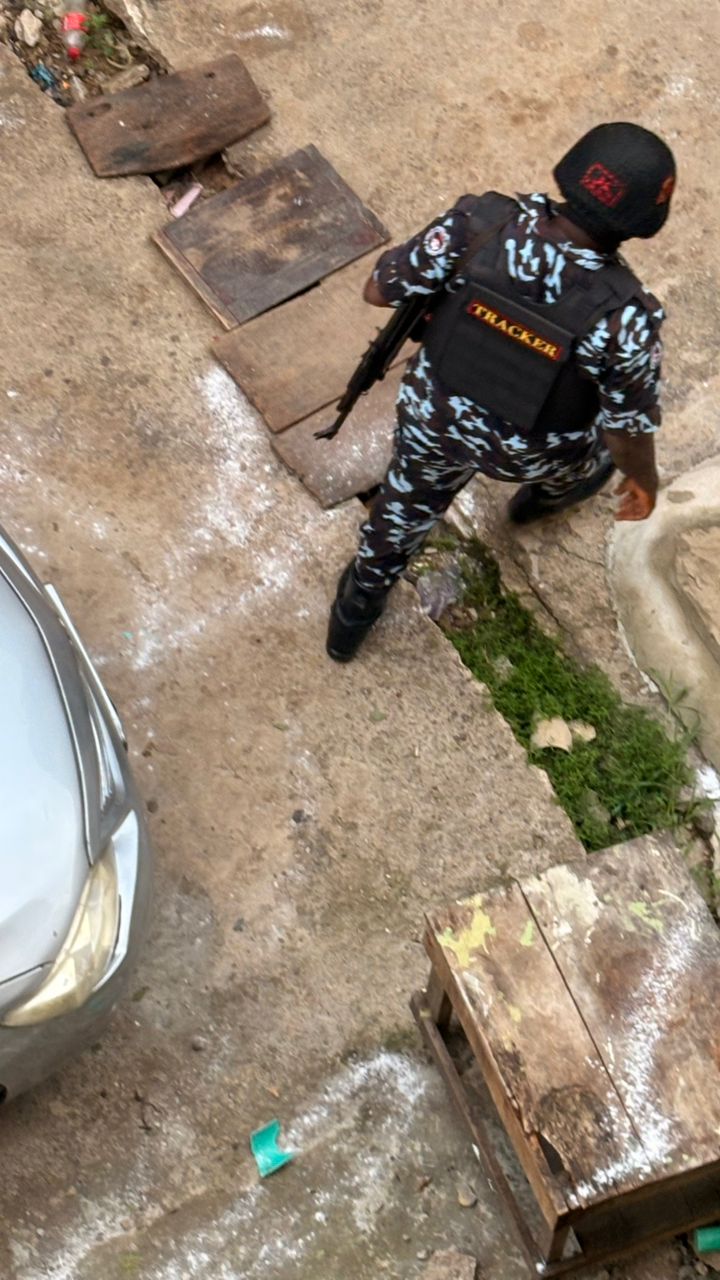
Police Officers Detained as Family Property Dispute Sparks Demolition Controversy in Lagos
By Ifeoma Ikem
A property dispute within the Omotayo-Ojo family has taken a dramatic turn following a controversial demolition exercise at a residential building in Ikosi-Ketu, Lagos State, which reportedly left tenants displaced and led to the detention of some police officers allegedly involved in the operation.

The property, located at 23B Loveall Street, Ikosi-Ketu, has been the subject of a prolonged ownership tussle since the death of its owner, Chief Oludola Omotayo Ojo, the Babaalaje of Imesi-Ile, Osun State, in 2019.
Residents said tension erupted when a group of individuals, accompanied by security operatives, stormed the premises and commenced demolition activities.
According to eyewitnesses, portions of the building were pulled down while tenants rushed to salvage their belongings from affected apartments.
The residents alleged that windows, doors and roofing sheets were damaged during the exercise, exposing parts of the building to the elements and causing significant losses to occupants.
At the centre of the dispute is Mrs Mojisola Omotayo Ojo Alolagbe, who claimed that the property was allocated to her by her late father during his lifetime as a source of financial support.
She alleged that some family members had persistently challenged her ownership claim despite ongoing legal proceedings relating to the administration of the deceased’s estate.
Alolagbe further claimed that the latest incident was part of a series of attempts to wrest control of the property, citing previous cases of alleged vandalism and partial demolition in November 2025, January 2026 and February 2026.
The situation escalated further when reports emerged that police officers allegedly involved in the demolition were later apprehended and conveyed in a Black Maria vehicle over questions surrounding the legality of their participation in the operation.
Sources familiar with the matter said those behind the demolition had initially claimed to be acting on approval from the Lagos State Ministry of Lands. However, the authenticity and extent of such approval could not be independently verified as of the time of filing this report.
The development has generated concern among residents and community members, who questioned the involvement of security personnel in what they described as a civil matter.
Some tenants, who said they had recently renewed their tenancy agreements, lamented the destruction of their property and appealed to the authorities for protection and possible compensation.

They also called for a thorough investigation into the circumstances surrounding the demolition, insisting that the rights of all parties involved should be protected.
Stakeholders have urged the Lagos State Government, security agencies and the judiciary to intervene and ensure that the dispute is resolved through lawful means to prevent further escalation.
The controversy has continued to draw public attention, raising concerns over property rights, estate administration and the role of law enforcement agencies in civil disputes.

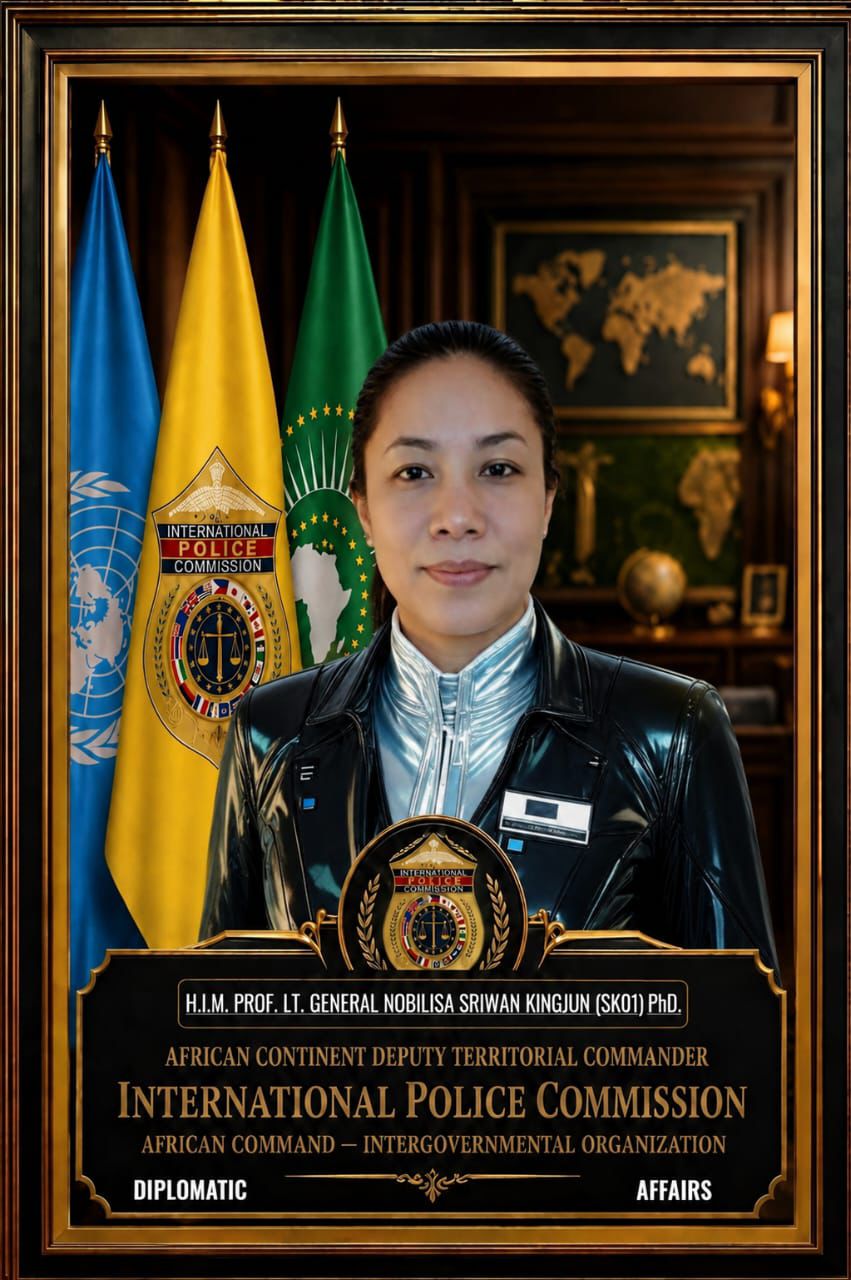
UKA Gears Up for Final ATC Exchangeability Test Run as June Preparations Begin.
May 30, 2026 – As the month of June gathers momentum, the *United Kingdom of Atlantis, UKA*, a sovereign nation has unveiled a series of vital guidelines and preparatory packages to ensure citizens and stakeholders run the *ATC Exchangeability* process effectively.
In an official update, the *President of Atlantic Crown Limited, Empress of Attica Empire UKA*, confirmed that the *Final Test Run of ATC Exchangeability* is scheduled for the month of June 2026. The exercise marks a key phase ahead of the *Official Exchangeability Window, set to run from July 2026 to February 2027*.
### Key Highlights from the Presidential Briefing
1. *Final Test Run – June 2026*
The test run is designed to validate systems, procedures, and user readiness before full activation. Citizens, partners, and designated participants are urged to follow all official advisories released by UKA authorities during this period.
2. *Official Exchangeability Period*
Following the successful completion of the June test run, the Official Exchangeability will commence in july 2026 and we are Expecting Full Exchange ability between July Ending, 2026 to February 2026.
UKA stated that detailed schedules, eligibility requirements, and step-by-step instructions will be communicated progressively through verified UKA channels.
3. *Benefiting Packages for June*
In line with UKA’s commitment to citizen empowerment, the month of June will feature “benefiting packages” aimed at education, preparation, and seamless onboarding. These packages are intended to equip the people of UKA with the knowledge and tools needed for effective participation.
4. *Commitment to Transparency*
Addressing the nation, the Empress of Attica Empire UKA emphasized:
_“Final Test Run of ATC Comes up in The Month of June, As We Prepare For The Official Exchangeability, Between July 2026 To Feb 2027. All Information Will Be Communicated.”_
UKA reaffirmed that only information released through official UKA platforms should be regarded as authoritative.
The United Kingdom of Atlantis is encouraging all citizens, representatives, and interested parties to remain alert to official communications, attend designated orientation sessions, and avoid unofficial sources. UKA’s dedication to order, clarity, and the collective benefit of its people as the nation moves into this significant phase.
For updates, advisories, and participation guidelines, citizens are advised to monitor official UKA communication channels.
United Kingdom of Atlantis, UKA, is a sovereign nation, committed to national development, citizen welfare, and structured economic participation through initiatives such as ATC Exchangeability.
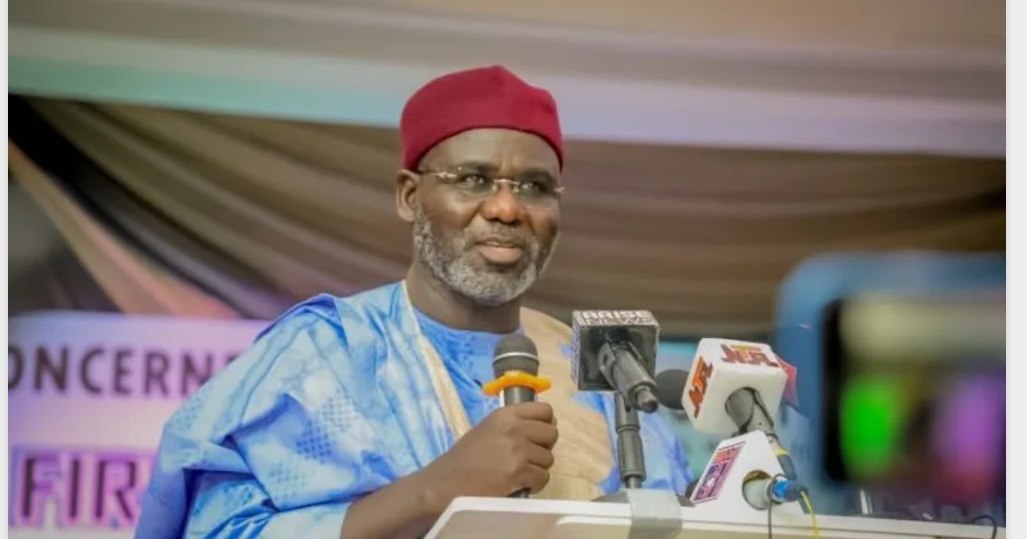
Three Years On, General Buratai Hails Tinubu’s Economic, Security Achievements
Former Chief of Army Staff, Lt. Gen. Tukur Buratai (retd.), has commended President Bola Ahmed Tinubu for what he described as bold economic reforms and improved security efforts as the President marks three years in office.
In a goodwill message on Thursday to commemorate Tinubu’s third anniversary as President and Commander-in-Chief of the Armed Forces, Buratai said the administration had taken courageous decisions that would leave a lasting impact on Nigeria’s development.

According to him, President Tinubu broke a long-standing cycle that had hindered national growth by removing fuel subsidy and implementing foreign exchange reforms aimed at stabilising the naira and strengthening the economy.
He noted that the reforms were beginning to yield positive results, citing the global acceptance of Nigerian debit cards, the gradual revival of local refineries, access to student loans, and ongoing road and infrastructure projects across the country.
“The FCT Administration has also recorded remarkable progress, completing major road projects that remained unfinished for over 16 years,” Buratai stated.
The former army chief also praised the administration’s security efforts, saying renewed military offensives against insurgents, terrorists and bandits had led to notable successes across various parts of the country.
He specifically lauded recent joint operations involving Nigerian and United States forces against Boko Haram and ISWAP in the North-East, as well as intensified counter-banditry operations in the North-West.
“We have seen notorious ISWAP commanders being neutralised. I congratulate the Commander-in-Chief, the Minister of Defence, the Chief of Defence Staff, the Service Chiefs, the Inspector-General of Police and heads of intelligence agencies for their efforts,” he said.
Buratai, however, acknowledged that challenges remained, stressing the need for more aggressive military operations and intelligence-driven strategies in the coming year.
While urging Nigerians to remain hopeful, he said celebrating the President’s achievements did not amount to ignoring the difficulties facing the nation.
“Because you truly care, you have shown the courage to trade short-term comfort for long-term hope. Nigerians need your reassurances, and that is why we remain optimistic and full of confidence,” he added.
The retired military officer reaffirmed his support for the Tinubu administration and expressed confidence that the foundation being laid by the government would deliver a brighter future for the country.
He also prayed for God’s guidance, wisdom, strength and good health for the President as he continues to lead Nigeria.


- Africa: UNAIDS calls for renewed global solidarity as UN Secretary-General’s report warns that AIDS is not over and fragile gains are at risk June 4, 2026
- Eritrea: Vocational training provided to college students June 4, 2026
- World Bank Group Launches Ten-Year Strategy to Drive Jobs and Prosperity in Uganda June 4, 2026
- Prof Oramah’s appointments to the Royal African Society Patronage and Kenya’s National Infrastructure Fund herald continued recognition of his global leadership and pan-African impact June 4, 2026
- Africa Finance Corporation Raises Record US$2 Billion Syndicated Loan in Landmark Show of Confidence in Transformational Infrastructure Strategy June 4, 2026
- Libya Energy & Economic Summit (LEES) 2027 to Define Libya’s Next Phase of Energy Expansion in Tripoli June 4, 2026
- Uganda: President delivers State of the Nation Address today June 4, 2026
- United Nations High Commissioner for Refugees (UNHCR): Refugees in Eastern and Southern Africa remain in exile for nearly 16 years June 4, 2026
- 85% of Ministry of Food and Agriculture's (MoFA) 2026 Budget Released to Boost Food Production — Deputy Finance Minister June 4, 2026
- Deputy (Dep.) Finance Minister Courts Investors to Transform Ghana’s rice Economy June 4, 2026
- Africa: UNAIDS calls for renewed global solidarity as UN Secretary-General’s report warns that AIDS is not over and fragile gains are at risk June 4, 2026
- Eritrea: Vocational training provided to college students June 4, 2026
- World Bank Group Launches Ten-Year Strategy to Drive Jobs and Prosperity in Uganda June 4, 2026
- Prof Oramah’s appointments to the Royal African Society Patronage and Kenya’s National Infrastructure Fund herald continued recognition of his global leadership and pan-African impact June 4, 2026
- Africa Finance Corporation Raises Record US$2 Billion Syndicated Loan in Landmark Show of Confidence in Transformational Infrastructure Strategy June 4, 2026
- Libya Energy & Economic Summit (LEES) 2027 to Define Libya’s Next Phase of Energy Expansion in Tripoli June 4, 2026
- Uganda: President delivers State of the Nation Address today June 4, 2026
-

 news6 months ago
WHO REALLY OWNS MONIEPOINT? The $290 Million Deal That Sold Nigeria’s Top Fintech to Foreign Interests
-

 society1 month ago
SOCIAL MEDIA IS NOT A BATTLEFIELD COMMAND – WHY THE NIGERIAN ARMY’S ACTION AGAINST JUSTICE CRACK IS A NATIONAL SECURITY IMPERATIVE
-

 celebrity radar - gossips4 months ago
Dr. Chris Okafor Returns with Power and Fire of the Spirit -Mounts Grace Nation Altar with Fresh Anointing and Restoration Grace on February 1, 2026
-

 celebrity radar - gossips6 months ago
Prophet Kingsley Aitafo Releases 2026 Prophecy: ‘Nigeria Will Rise, but the World Must Prepare for Turbulence’