
Business
Meet Nigeria’s First Female Flutist ‘ Ebele The Flutist’




Factography
Who is Ebele? Ebele is a versatile, creative and innovative MUSICIAN AND PERSONAL DEVELOPMENT COACH. She believes in the power of music and its ability to induce progressive positive transformation in an individual. Ebele continually strives for excellence in music compositions, performances and interpersonal relationships and in the process inspire, influence, motivate and raise a generation of people that thrive in Spiritual development, Personal Effectiveness, Stress Management and Social Etiquette.
In addition to her music, Ebele evinces her passion by engaging her audience in Personal development activities through Talk Shows, Health & Fitness Talks and Music Trainings.
She is particularly passionate about empowering individuals and groups by enhancing their productivity, with health and fitness tips, Relaxation advices and Skills development guidelines. This she does to motivate them to total wellness.
Ebele was exposed to music as a little child and she learnt rudiments of music at a very early stage of her life. To be a complete musician Ebele learnt to play the flute to complement her high pitched voice. She was 14yrs old when she got her first flute as a gift from her Dad after which and she devoted herself to persistent playing and regular practise.
She studied accounting for her first degree and obtained a post graduate degree in Business Administration, all through which she never stopped singing and/or playing my flute. She was an active member of a musical group in her Institution of higher learning and was invited to perform her music in several events/programs on numerous occasions. Her passion for music propelled her to get further training in contemporary music, learning genres different from the classical background she was used to from childhood making her a vast musician.
Against all odds as a flutist and contrary to public opinion, Ebele resigned from active work as an accountant to pursuit a career in music going in for studio recordings sessions of songs she had written
by inspiration over the previous years, some of which she has released as singles and has performed on several platforms in numerous events/gatherings. Ebele also plays the keyboard on which she still seeks improved dexterity.
Music to her was initially a hobby, and then it became a passion. Now music is more than a career to Ebele, it is her life’s story.
Administration: She has worked as an Accountant.
Ebele is a very courageous, independent, focus and determined. She is a Singer, Songwriter, Composer and Instrumentalist.
Her Musical style: Contemporary gospel and Jazz
Key influences: Mike Aremu, Phil Driscole (Trumpeter), Shirley Ceaser, Cece Winans.
What she’s done: Ebele has released songs of different genre of music and videos as well; which is currently gaining lots of views on television stations in and out of the country and radio stations. Also, her songs are massively streaming online for viewers/Fans to download for their listening pleasure.
She has also Ministered/Performed in prestigious platforms. She has a pleasant artistry on stage which leaves her audience to want more of her. She has a band which consists of vocalist/instrumentalist/dancers making her artistry on stage complete. She sings, plays her instrument all together, whenever she’s on stage.
*MUSIC/FLUTE TRAINING: Presently she gives out Music/ Flute Training Tips on her FAN PAGE on FACEBOOK, which eventually will become a “Music/Flute Training School”.
*TALK SHOW: Ebele has been in a lot of talk shows; Moments with MO on Ebony life TV, Voice of eve, Real woman foundation by Pastor Nike Adeyemi, were she handled different topics: Relationships, Family, Economy, woman empowerment, Health and Fitness etc. She’s a reunion member of “Voice of Eve” TV show. She is currently working on starting off her own “Talk Show” on TV.
*Health and Fitness: Ebele has gone for Training on “Health and Fitness” programs which made her coach people on their health fitness- exercising, dieting and emotional balance.
Ebele has been nominated on several awards amongst which are: Sceptres Award, Crystal Award, Nigeria Gospel Music Video Award, and Nigeria Gospel Music Award.
In Aug 2014, she was given a recognition Award as the First Female Flutist in Nigeria by Classic African Merit Award (CAMA).
Future Aspirations: To fulfill her God given destiny/purposes, and to influence people and make a different in their lives, especially the youth. To become a professional musician: to tour the world and play on the biggest stages: and to become a mega star and best female flutist in this part of the world.




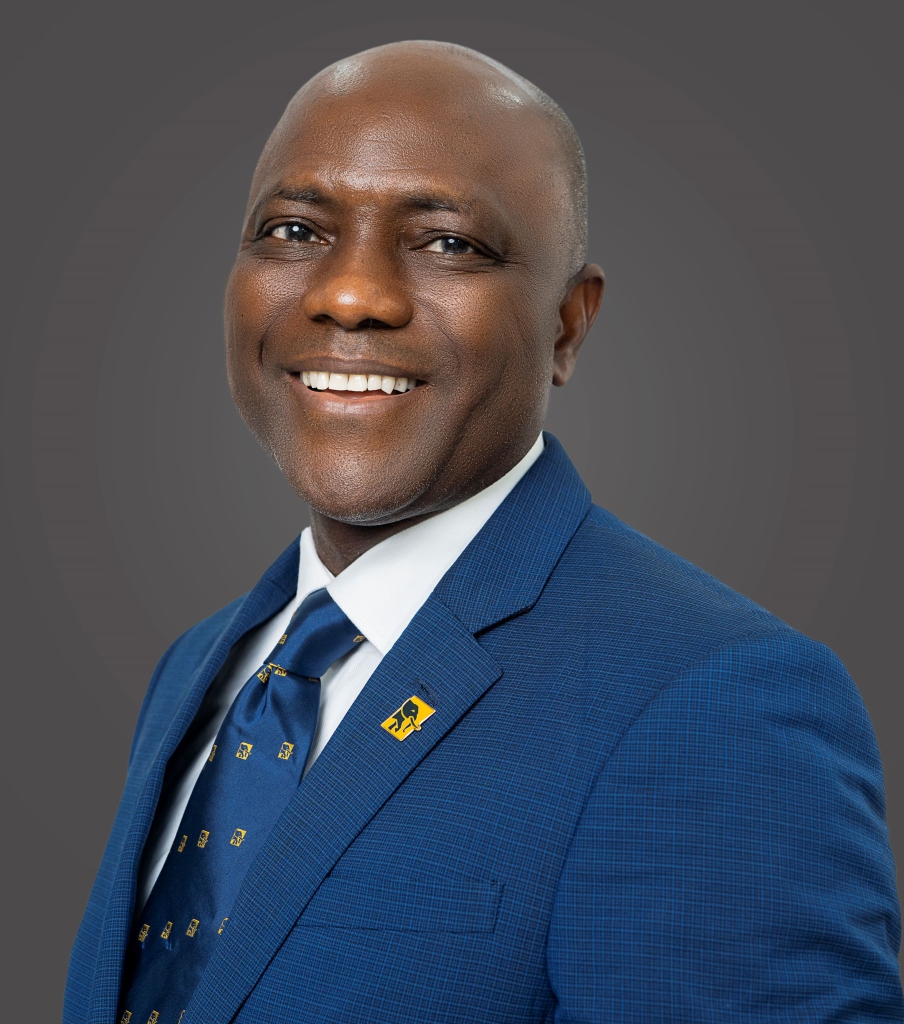
FirstBank Partners Eko Hotels & KEY Academy for ChessMasters 2026 Tournament
Lagos, 30 March 2025 – FirstBank, West Africa’s premier financial institution and the leading financial inclusion service provider, has announced its strategic sponsorship of the second edition of ChessMasters, Africa’s largest school chess tournament. The announcement was made at the official press conference of the tournament held on 16 March 2026 at Eko Hotels and Suites, Lagos.
ChessMasters is an annual chess tournament designed to equip the next generation with critical thinking, problem-solving, and leadership skills. The competition targets children in primary school aged between 6 and 11 years old. Organised by Eko Hotels and Suites & KEY Academy , ChessMasters was created to provide thousands of children across Nigeria with opportunities to develop modern educational skills, bringing schools together on a national stage.
Speaking at the press conference, Olayinka Ijabiyi, Acting Group Head, Marketing & Corporate Communications at FirstBank, said, “Our sponsorship of ChessMasters 2026 reflects our commitment to building talents and communities, driving inclusion, and deepening engagement through our First@Sports initiative, a platform that celebrates talent and promotes social impact through sports. With over a century of supporting legacy sports in Nigeria, we are proud of our enduring partnerships – 105 years with the Georgian Cup, 65 years with the Lagos Amateur Golf Championship and 35 years with the Dala Hard Court Tennis Championship.”
Ijabiyi further highlighted how the sponsorship aligns with FirstBank’s sustainability pillars of Education, Health, and Welfare. “We recognise the potential of chess to help school-age children challenge themselves, think critically, and compete at the highest level, hence we see the tournament as a launchpad for a pan-African movement leveraging chess as a tool for education, empowerment, and leadership development. We are utilising this platform as another avenue to promote social impact and drive positive change in the community.”
Caline Chagoury Moudabar, Director and Co- Founder of ChessMasters and her partner Damilola Okonkwo of Key Academy, expressed appreciation for FirstBank’s support, noting that the partnership will help scale the impact of ChessMasters and inspire more schools to participate. “We are happy to welcome FirstBank on board. This collaboration will boost chess development in Nigeria and promote critical thinking among young minds. With support from partners like FirstBank, we are opening the doors of participation to more children and more schools in this year’s edition.”
Prince Adeyinka Adewole, Vice President of the Nigeria Chess Federation, commended the initiative, emphasising its role in nurturing future chess talents. “Chess connects people, ideas, and opportunities. It teaches children to be analytical, patient, and manage their time and resources effectively. Chess also improves concentration and has been particularly beneficial for children with autism.”
The second edition of ChessMasters will be held on Saturday, 2 May 2026 at Eko Hotels and Suites, Lagos. The competition is open to 150 schools across Lagos, with over 700 students expected to participate and vie for a total prize pool of N10 million.
FirstBank’s involvement in the 2026 edition of the tournament reinforces the potential of ChessMasters to become a launchpad for African children, leveraging chess as a tool for education, empowerment, and leadership development.
Business
Alpha Morgan Bank Reinforces Commitment to Education at Redeemer’s University Business School Commissioning
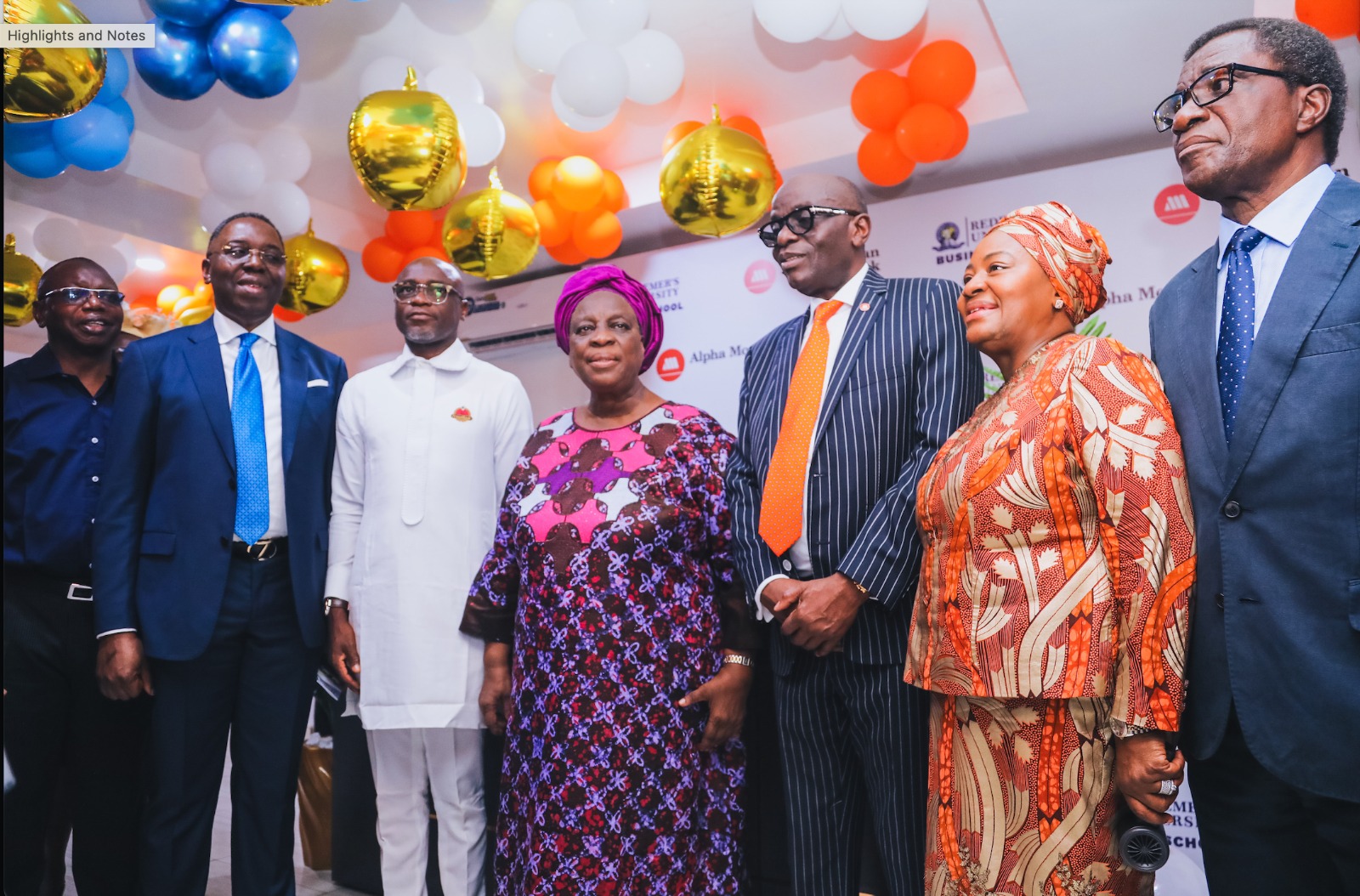
Alpha Morgan Bank Reinforces Commitment to Education at Redeemer’s University Business School Commissioning
Alpha Morgan Bank has reaffirmed its commitment to education and institutional development through its support for the commissioning of the Redeemer’s University Business School.
The Business School was officially inaugurated by Pastor (Mrs.) Folu Adeboye, at the commissioning ceremony attended by distinguished guests including Her Excellency, Mrs. Bola Obasanjo; the Pro-Chancellor and Chairman, Governing Council of Redeemers University, Professor Oluwatoyin Ogundipe; the Vice Chancellor, Professor Shadrach Olufemi Akindele; and other notable dignitaries.
Speaking at the event, the Managing Director of Alpha Morgan Bank reiterated the Bank’s commitment to supporting institutions that drive intellectual growth and national development.
As part of its broader focus on knowledge sharing and thought leadership, Alpha Morgan Bank will host its Economic Review Webinar in May 2026, bringing together experts to share insights on key economic trends and opportunities.
The Bank’s involvement reflects its continued dedication to empowering institutions and shaping the future of business and leadership in Nigeria.
Read more about Alpha Morgan Bank on www.alphamorganbank.com
PHOTO
L-R: Prof. Shadrach Olufemi Akindele, Vice Chancellor, Redeemers University, Engr. Eloka Eje, Dr Perez Araka, Pastor (Mrs) Folu Adeboye, Mother-In-Israel, The Redeemed Christian Church of God, Mr Ade Buraimo, MD/CEO Alpha Morgan Bank, Dr (Mrs) Oluwatomi Somefun, Dr. Simeon Ifere, at the inauguration of the Redeemer’s University Business School, Redemption City, Ogun State on Thursday 2nd April, 2026
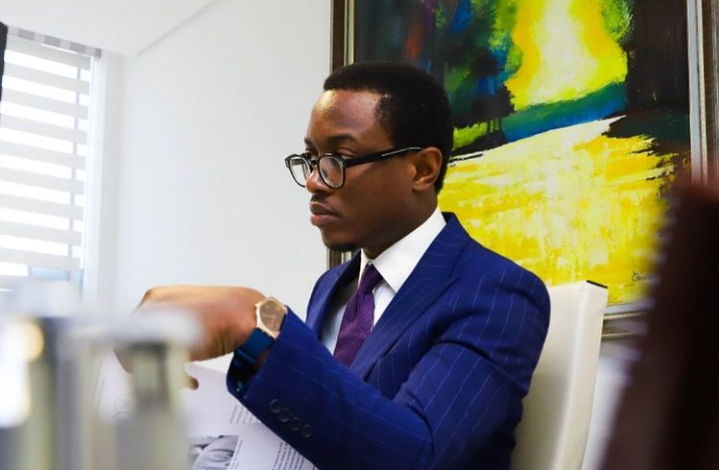
Tinubu Aide Rebuts Rufai Oseni Over ₦3.3tn Power Debt Deal


- Sheraton Nouakchott marks the entry of Marriott International in Mauritania April 10, 2026
- Eritrea: Seminar to Nationals in Nairobi and Its Environs April 10, 2026
- African financial institutions call for coordinated financing solutions to unlock Africa’s digital transformation April 9, 2026
- African Energy Chamber (AEC) Supports Perenco Partnership to Advance Industry 4.0 Skills in Central Africa April 9, 2026
- Youth Charter Calls for “Commonwealth Youth Legacy” Ahead of Glasgow 2026 April 9, 2026
- Securing the bridge between legacy and smart April 9, 2026
- Africa’s Lithium Pipeline Gains Momentum as Global Supply Deficits Loom April 9, 2026
- Afreximbank delivers strong FY2025 results; with a total assets and contingencies base of US$48.5 billion April 9, 2026
- National Council for Curriculum Development (NCDC) seeks Shs17 Billion for curriculum review, teacher training April 9, 2026
- Senegal: A Decade of Unresolved Climate Displacement April 9, 2026
- Sheraton Nouakchott marks the entry of Marriott International in Mauritania April 10, 2026
- Eritrea: Seminar to Nationals in Nairobi and Its Environs April 10, 2026
- African financial institutions call for coordinated financing solutions to unlock Africa’s digital transformation April 9, 2026
- African Energy Chamber (AEC) Supports Perenco Partnership to Advance Industry 4.0 Skills in Central Africa April 9, 2026
- Youth Charter Calls for “Commonwealth Youth Legacy” Ahead of Glasgow 2026 April 9, 2026
- Securing the bridge between legacy and smart April 9, 2026
- Africa’s Lithium Pipeline Gains Momentum as Global Supply Deficits Loom April 9, 2026
-

 news4 months ago
WHO REALLY OWNS MONIEPOINT? The $290 Million Deal That Sold Nigeria’s Top Fintech to Foreign Interests
-

 society7 months ago
“You Are Never Without Help” – Pastor Gebhardt Berndt Inspires Hope Through Empower Church (Video)
-

 celebrity radar - gossips2 months ago
Dr. Chris Okafor Returns with Power and Fire of the Spirit -Mounts Grace Nation Altar with Fresh Anointing and Restoration Grace on February 1, 2026
-

 celebrity radar - gossips4 months ago
Prophet Kingsley Aitafo Releases 2026 Prophecy: ‘Nigeria Will Rise, but the World Must Prepare for Turbulence’
You must be logged in to post a comment Login
You must log in to post a comment.