
society
NIGER EAST AND THE QUEST FOR SENATOR MUSA’S CONTINUITY

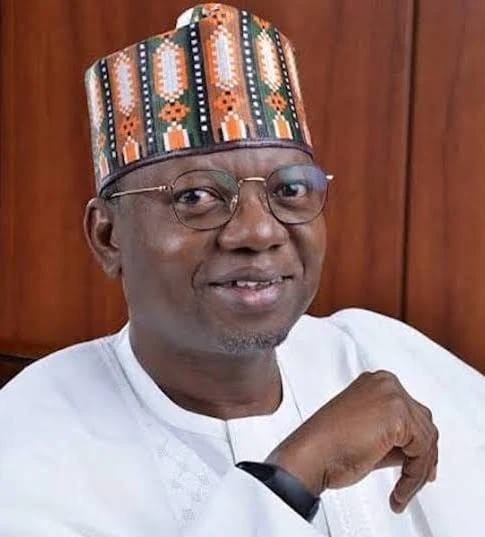
*NIGER EAST AND THE QUEST FOR SENATOR MUSA’S CONTINUITY*
By Suleiman Adamu
The people of Niger East Senatorial District have proverbially tasted the honey and its sweetness, and are most unwilling to let go of it. For so many who are used to sloganeering and emotive politics, the clamour for the continuity of Senator Sani Musa remains a surprise, but for those moved by tangible people-oriented programmes, it is not.
Indeed, it is no longer news that there is a serious quest for his return to the National Assembly. What is indeed news is the momentum and compelling clamour by the resilient constituents, who are unwilling to go back to the harrowing days of political false promises and sweet-talking.
Equally, the push for his continuity is associated with the several laudable projects and enduring people-focused programmes carried out by the radical leader and objective grassroots mobiliser. While over eighty-five percent of the constituents, cutting across all walks of life, have avowed their loyalty to him and are determined to ensure his return to continue his good works for humanity, even his traducers are agreed on the fact that his very rich and enduring legacies of developmental physical and social infrastructure, including several intentional advocacy initiatives, remain unbeatable, far-reaching, and valuable assets never before witnessed in the annals of the history of Niger East, and a sound testimony of the reasons he has to continue.
A purpose-driven advocate of social justice and governance inclusivity, Senator Sani remains an indomitable fulcrum and purpose initiator of people-based projects.
His sound and calculative strategic advocacy remains ageless, as it targets core areas of human existence, notably education, healthcare, and economic empowerment, and various stimulus programmes that remain exclusive, undeniable and capable of being tested empirically, with a periodic and intentionally targeted farmers’ support, coupled with a boost for small-scale businesses.
Senator Musa’s signature works all resonate with a man who has decided to uplift the living standard and general well-being of his people and the larger public. A highly focused and detribalised Nigerian, Senator Sani has indeed carved a niche for himself, demonstrating same in driving monumental and far-reaching developments all around his constituency, deliberately influencing policies, decisions, and programmes that underpin and holistically target his people, attracting immense benefits to the entire region.
Leadership to Senator Sani includes a clear understanding of the imperatives of strategic interest and partnership, and being able to harness same for national and subnational growth and development. Hence, he has invested time and other valuable resources in pragmatic and sustainable interpersonal and political relationships, engagements, and synergy using his clout and congruence.
These are attested to by the numerous developments witnessed within local communities and at the constituency level, and stimulating impact even on the contiguous communities. A reliable and trusted parliamentarian, Senator Musa remains among the first eleven in the Senate who know their onions and stand very tall amongst their constituents.
Through constant and responsive town hall meetings and interactive sessions, he is in touch with his people, from where he receives feedback and adjustment strategies. His political sagacity, coupled with a life of God-directed spirituality, has become his consistent stepping stone to progress and growth in life.
Through this lifestyle entrenched in intrinsic humility, he has been able to foster unity and cooperation amongst stakeholders, leading to a robust relationship which has consistently led to improvement in the life of his constituency and positive impact on the security of lives and properties. Senator Sani has variously championed the collective cause of the people of Niger East Senatorial District, utilising the wealth of his vast experience and resting on his larger-than-life influence, earning him an unrivalled reputation as a dedicated pragmatic transformational leader and establishing him as a competent leader with the capacity to get things done at the right time and in the right way.
A highly committed personality with a life devoted to the progress of humanity, Senator Musa’s life is positively rooted in ensuring that lives are improved, humanity is happy, and hope is constantly renewed, especially in the Niger East District. Accordingly, he has enhanced infrastructural development through the construction of several hundred kilometres of roads and bridges, brought about peaceful coexistence and interrelationship through the construction of community centres, enhanced access to health facilities through the provision and equipping of health centres and medical equipment, and the creation of health and security awareness.
Senator Sani has enhanced education through the establishment and construction of new primary and secondary schools, equipped with state-of-the-art educational materials and ICT equipment, and the training of youths in digital skills. A master driver of economic empowerment, Senator Sani is known for his consistent life of sacrifice and economic empowerment. Through this initiative, he has supported small-scale businesses, distributed food and non-food materials, and supported farmers with a focus on food security and availability, while enhancing the development and growth of sustainable entrepreneurship through loans, provision of scholarships, and targeted training of youths to meet the sustainable development goal programmes.
Indeed, his strategic peace initiatives have led to the relative peace and peaceful coexistence experienced in the Niger East Senatorial District, as he prioritises the promotion of peace, unity, and social solidarity and cohesion. Senator Musa Sani remains a strong and formidable force of social sustainability, ensuring the boosting and improvement of electricity supply in his constituency.
Senator Musa Sani’s many works of empathy and his devotion to his people make him a continuous choice of the people of Niger East Senatorial District and the reason for their clamour for his continuity.
*Adamu writes from Suleja




FOPCHEN Seeks Wider Engagement As Court Defers Hearing
OTA, OGUN STATE — The High Court of Ogun State, Ota Division, on Thursday resumed hearing in the ongoing matter involving cultural and societal concerns, before adjourning proceedings till Thursday, July 2, 2026, for continuation of hearing.
At the resumed sitting on May 28, 2026, counsel representing the various parties revisited key issues in the case and made further submissions before the court.
The matter, which has continued to generate public interest across different sectors, again drew attention from legal observers and stakeholders who described the case as one with significant implications for societal values, cultural identity and constitutional interpretation.
Speaking after the proceedings, the Foundation for the Protection of Cultural Heritage in Nigeria, popularly known as FOPCHEN, renewed its appeal for dialogue and constructive engagement among Nigerians, stressing that sensitive cultural and moral issues should not be left entirely within the confines of the courtroom.
According to the group, broader conversations involving traditional institutions, civil society organisations, religious leaders and policy stakeholders remain necessary in addressing issues relating to national values and social responsibility.
Legal analysts at the court premises noted that arguments being canvassed by parties in the suit could shape future legal interpretations surrounding cultural and moral questions in the country.
Following submissions by counsel, the presiding judge adjourned the matter till Thursday, July 2, 2026, to enable parties further prepare and respond to issues raised during the hearing.
The development has continued to spark reactions among observers, with many Nigerians closely monitoring the proceedings ahead of the next hearing date.

US-Based Society Lady, Fehintola-Brat Extends Eid-El-Kabir Greetings To Muslims
United States based fahionista of class, Chief (Mrs) Ayoola Fehintola-Brat has extended a warm greetings to Muslim faithful all over the world on the occasion of the 2026 Eid-El-Kabir celebration.
Fehintola-Brat who is the Balogun Egbe Obaneye Obinrin Akile Ijebu, and the Yeye Asofin of Idenaland in her message to Journalists urged Muslim to continually uphold the enduring values of sacrifice, obedience, faith, and compassion, which are central to the significance of Eid-El-Kabir festival.
A quiet philantropist whose humanitarian services has won her several laurels urged Muslims to use the spiritual occasion to pray for the peace co-existence of Nigerians regardless of religious, social and political leanings stressing that the oneness of the country should not be underplay.
In a related development, she expressed her felicitations to all sons and daughters of Ijebuland on the forthcoming Ojude Oba 2026 celebration, tasking age-groups otherwise known as Regbregbe to be more proactive in giving back to their immediate communities.
According to her, the beauty of the age-groups in Ijebuland is the need to contribute immensely to the development of the land in no small means. “This we will continue to achieve with God on our side”, she concluded.
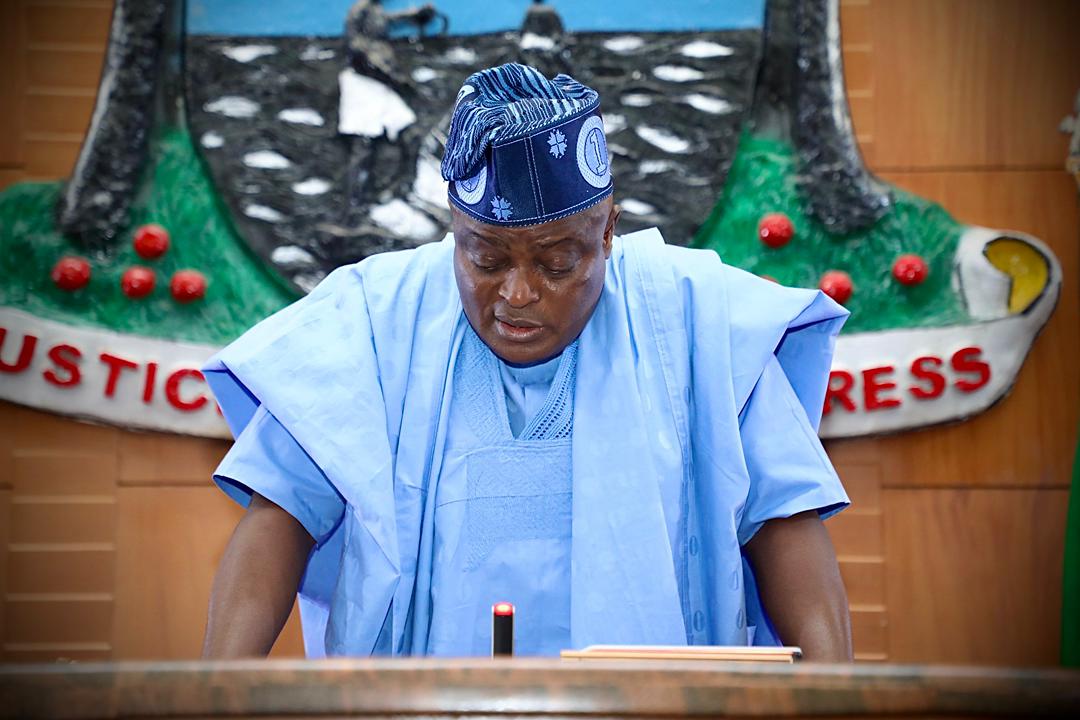
Sallah: Obasa Felicitates Muslim Ummah, Commends Nigerians for APC Primaries Turnout
The Speaker of the Lagos State House of Assembly, Rt. Hon. Mudashiru Obasa has extended warm felicitations to Muslims in Lagos State and across Nigeria on the occasion of Eid al-Adha.
In a statement released by his Chief Press Secretary, Mr. Dave Agboola, Obasa described the festival as a season of sacrifice, reflection, and gratitude, urging the faithful to continue to uphold the values of peace, unity, and love that strengthen the nation.
He noted that the celebration of Eid al-Adha is not only a spiritual milestone but also a reminder of the importance of togetherness and collective responsibility in building a stronger society.
He, likewise, emphasized that the festival provides an opportunity for Nigerians to renew their commitment to national progress and to support leadership that prioritizes development and prosperity.
Obasa, however, commended Nigerians, particularly members of the All Progressives Congress (APC), for their massive turnout during the recently concluded party primaries. He described the participation as a clear demonstration of the people’s confidence in the government of President Bola Ahmed Tinubu and their belief in the administration’s vision for a greater Nigeria.
“The APC primaries have shown the resilience of our democracy and the confidence Nigerians have in the leadership of President Bola Ahmed Tinubu and the Renewed Hope Agenda. This is a strong message that our people are ready to continue supporting policies that will drive growth and prosperity,” Obasa stated.
The Speaker further encouraged Muslims to celebrate responsibly, stressing that the joy of Eid should be accompanied by prayers for the continued peace and progress of Lagos State and Nigeria.
“As you celebrate with family and loved ones, may this season bring joy, peace, and prosperity to your homes. Let us remain united in our resolve to build a stronger nation,” he added.
On behalf of the Lagos State House of Assembly, Obasa wished all Muslims a happy and fulfilling Eid al-Adha celebration.


- Société Nationale des Pétroles du Congo (SNPC) Chief Ominga to Speak at African Energy Week (AEW) 2026 as Congo Accelerates Gas Expansion May 29, 2026
- South Africa: Deputy President Mashatile arrives in India for a Working Visit May 29, 2026
- Seychelles: President Visits Key Development Sites on Coetivy Island May 29, 2026
- Accelerating regional action to advance mental health care in Africa May 29, 2026
- President of the Republic of Seychelles Meets Young La Digue Talent Ahead of London Showcase May 29, 2026
- United Nations Economic Commission for Africa (ECA) launches regional initiative to accelerate women’s digital entrepreneurship across four African countries May 29, 2026
- Ethiopia: International community must act to safeguard press freedom ahead of national election May 29, 2026
- CORRECTION: Annual Meetings 2026 (AM2026): African Development Bank (AfDB) 2025 Trade Finance Report Highlights Resilience of African Financial Institutions After Covid-19 May 29, 2026
- Why Big Tech Could Become Nigeria’s New Gas Partner May 29, 2026
- African Energy Chamber (AEC)-Venezuela Alliance Accelerates Pathways into South-South Energy Expansion May 29, 2026
- Société Nationale des Pétroles du Congo (SNPC) Chief Ominga to Speak at African Energy Week (AEW) 2026 as Congo Accelerates Gas Expansion May 29, 2026
- South Africa: Deputy President Mashatile arrives in India for a Working Visit May 29, 2026
- Seychelles: President Visits Key Development Sites on Coetivy Island May 29, 2026
- Accelerating regional action to advance mental health care in Africa May 29, 2026
- President of the Republic of Seychelles Meets Young La Digue Talent Ahead of London Showcase May 29, 2026
- United Nations Economic Commission for Africa (ECA) launches regional initiative to accelerate women’s digital entrepreneurship across four African countries May 29, 2026
- Ethiopia: International community must act to safeguard press freedom ahead of national election May 29, 2026
-

 news6 months ago
WHO REALLY OWNS MONIEPOINT? The $290 Million Deal That Sold Nigeria’s Top Fintech to Foreign Interests
-

 society4 weeks ago
SOCIAL MEDIA IS NOT A BATTLEFIELD COMMAND – WHY THE NIGERIAN ARMY’S ACTION AGAINST JUSTICE CRACK IS A NATIONAL SECURITY IMPERATIVE
-

 celebrity radar - gossips4 months ago
Dr. Chris Okafor Returns with Power and Fire of the Spirit -Mounts Grace Nation Altar with Fresh Anointing and Restoration Grace on February 1, 2026
-

 celebrity radar - gossips6 months ago
Prophet Kingsley Aitafo Releases 2026 Prophecy: ‘Nigeria Will Rise, but the World Must Prepare for Turbulence’